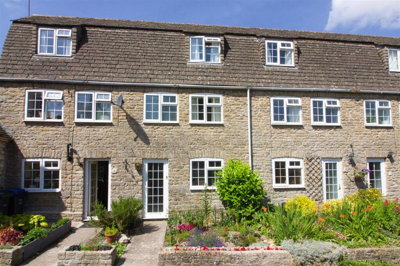
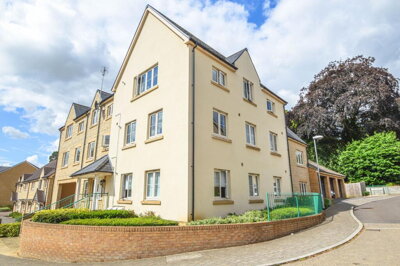
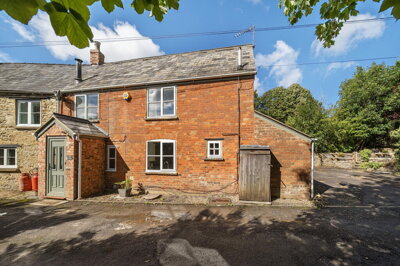
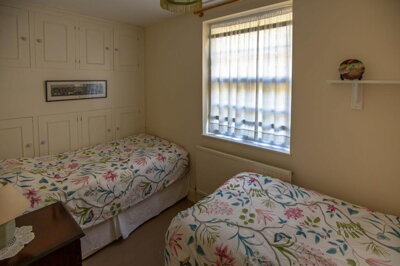
Browse 4 homes for sale in Little Somerford from local estate agents.
The 2 bed house market features detached, semi-detached, and terraced properties with two separate bedrooms plus living spaces. Properties in Little Somerford range from Victorian and Edwardian period homes to modern new builds, with pricing varying across different neighbourhoods.
The Little Somerford property market reflects the character of the village itself, offering a select but quality range of homes that rarely stay on the market for long. Detached properties dominate the sales activity in this postcode area, with recent transactions averaging around £582,500. Semi-detached homes have achieved approximately £515,000, while the limited terraced property stock has seen sales around the £150,000 mark. This pricing structure indicates a premium associated with larger family homes on the village's sought-after residential streets. For context, properties in the broader SN15 postcode area have sold for an average of £755,000 according to some sources, though Little Somerford village itself typically sees lower average prices due to its smaller property stock.
Price trends over the past year have shown interesting movements in the Little Somerford market. While figures indicate a 20% decrease compared to the previous year and a 47% reduction from the 2023 peak of £933,333, more recent data suggests a recovery is underway with a 5.8% rise in sold prices over the trailing twelve months. The market has increased by 29.5% over the last decade, demonstrating the enduring appeal of this Wiltshire village as a long-term investment. Property sales remain relatively infrequent, with only a handful of transactions recorded in any given twelve-month period, which means buyers interested in calling Little Somerford home should act decisively when suitable properties become available.
New build development within the precise boundaries of Little Somerford itself has been limited. The village does not currently host any major new-build developments, with nearby construction projects located in neighbouring postcodes such as SN11, SN14, and SN16. Planning applications for individual dwellings occasionally come forward, including proposals considered by Wiltshire Council, but the overwhelming majority of available housing stock consists of traditional period properties. This scarcity of new supply maintains the character of the conservation area and ensures that period features such as natural stone elevations and stone mullioned windows remain prominent characteristics of the local housing stock.

Life in Little Somerford revolves around the rhythms of the English countryside, where community spirit thrives despite the village's intimate scale. The village has ancient origins, with settlement documented as far back as the 10th century, and the distinguishing 'Little' prefix has been in use since the 16th century. The Church of St. John the Baptist stands as the spiritual heart of the community, a Grade I listed building that has witnessed centuries of village life and continues to serve as a focal point for parish activities. The medieval and Georgian architecture that lines the village's lanes creates an atmosphere of timelessness that few modern developments can replicate.
Historically, Little Somerford was predominantly a farming community, supporting dairy farming, livestock rearing, and supplementary malting and milling operations through the 19th century. The arrival of the railway in the late 19th and early 20th centuries brought modest industrialisation, facilitating coal distribution and agricultural cooperatives until the mid-20th century. Today, the village maintains its agricultural connections while serving as a residential base for commuters who work in nearby towns such as Chippenham, Swindon, and Bath. The surrounding Wiltshire countryside offers excellent walking and cycling opportunities, with the Macmillan Way and other national trails passing through the area.
The local community is served by facilities appropriate to a village of its size, with the primary school building dating from 1868 and continuing to provide education for local children. The village hall hosts regular events and activities that bring residents together throughout the year. For everyday amenities, residents typically travel to nearby market towns, with Chippenham providing comprehensive shopping, healthcare, and leisure facilities within easy reach. The combination of village charm, architectural heritage, and accessibility to larger urban centres makes Little Somerford an attractive proposition for buyers seeking to balance countryside living with practical convenience.
The housing stock in Little Somerford reflects centuries of architectural development, with properties ranging from medieval farmhouses to homes constructed in the latter decades of the 20th century. Manor Farmhouse exemplifies the village's historic built environment, dating from the late 17th or early 18th century and constructed with roughcast walls and ashlar dressings beneath a stone slate roof. Traditional stone cottages throughout the village often feature characteristic stone mullioned windows that contribute to the conservation area's distinctive appearance. Some properties in the village were built in the mid-1980s on the grounds of the former village school, representing more recent additions to the settlement's architectural .
The majority of properties sold in Little Somerford are detached family homes, reflecting demand from buyers seeking generous gardens and flexible accommodation. These homes typically feature traditional construction methods with natural stone elevations, cavity wall insulation of varying quality depending on their age, and roofs covered with either slate or clay tiles. Many detached properties occupy substantial plots along the village's main residential lanes, offering views over surrounding farmland and easy access to countryside walks. The village's lack of through-traffic makes it particularly suitable for families with children and those who value peaceful surroundings.
The conservation area designation, established in 1975, has protected the village's historic character by restricting inappropriate development and maintaining the traditional appearance of key streetscapes. Properties within the conservation area benefit from their protected setting but also carry obligations regarding maintenance and alteration. Prospective buyers should understand that works to listed buildings or properties within the conservation area may require consent from Wiltshire Council, and certain permitted development rights may be restricted compared to properties outside these designations. Understanding these constraints is essential before committing to a purchase, particularly for buyers planning renovations or extensions.
Education provision for families considering a move to Little Somerford centres primarily on the village's historic primary school, which occupies buildings constructed in 1868. The school serves children from the village and surrounding rural catchment area, providing education from early years through to Key Stage 2. For secondary education, pupils typically travel to schools in nearby towns, with several options available within reasonable commuting distance. The presence of a long-established primary school within the village itself is a significant advantage for families, reducing the need for daily long-distance travel for younger children.
Secondary education options in the surrounding area include comprehensive schools and grammar school provision in Chippenham and the surrounding towns of Wiltshire. St. Mary's School in Chippenham offers an alternative secondary education, while nearby Malmesbury provides additional schooling opportunities. Parents should research specific catchment areas and admission arrangements carefully, as these can significantly affect school placement for secondary-aged children. The county's selective education system means that grammar school places are determined by the eleven-plus examination, and preparation for this assessment often influences family decisions about where to reside within the county.
For families requiring childcare or early years education, the village primary school typically offers foundation stage provision. Further education and sixth form study is available at colleges in Chippenham, Swindon, and Bath, with comprehensive transport links connecting these towns to Little Somerford. The proximity to major towns ensures that older students have access to a wide range of academic and vocational courses without necessarily requiring residential moves. Families moving to the area should contact Wiltshire Council's education department for the most current information regarding school admissions, catchment boundaries, and any planned changes to local education provision.

Transport connectivity from Little Somerford relies primarily on road networks, with the village positioned to offer reasonable access to major routes while maintaining its peaceful rural character. The A4 road provides a key east-west corridor, connecting the village to Chippenham to the east and to Bath and Bristol beyond. For commuters heading north or south, the M4 motorway is accessible via Chippenham, offering direct connections to Swindon, Reading, and London to the east, and Bristol to the west. This strategic positioning allows residents to balance countryside living with professional opportunities in larger employment centres.
Rail services are available at nearby Chippenham station, which sits on the Great Western Railway main line connecting Bristol Temple Meads to London Paddington. Journey times from Chippenham to London Paddington typically take around 90 minutes, making day commuting to the capital feasible for those with flexible working arrangements or occasional office requirements. Bristol Parkway station, offering faster services to London and good connections to the wider rail network, is accessible via the M4 for residents who require international travel connections or frequent access to London business districts. The village's historical connection to rail infrastructure, which facilitated coal distribution and agricultural commerce in the 19th and 20th centuries, has evolved into modern commuting convenience.
Local bus services connect Little Somerford to Chippenham and surrounding villages, providing essential transport for those without private vehicles. However, service frequencies are limited, reflecting the rural nature of the area, so residents without cars should carefully consider transport requirements before committing to a property purchase. Parking within the village itself is generally straightforward due to low traffic volumes, a significant advantage for those working from home or requiring vehicle storage. Cycling is popular on the quieter country lanes, and the surrounding countryside offers scenic routes for recreational cycling as well as practical commuting where distances permit.
Start by exploring our current listings for Little Somerford and familiarise yourself with the local property market. Given the village's small size and limited sales volumes, properties can appear and disappear quickly, so understanding the market dynamics is essential before beginning your search. Review recent sales data for the SN15 postcode area and understand how Little Somerford compares with surrounding villages in terms of pricing and availability.
Before arranging viewings, secure a mortgage agreement in principle from a lender. This demonstrates your purchasing capability to estate agents and sellers, strengthening your position in a market where properties may attract multiple interested parties. Given the village's premium pricing, with average property values around £499,000, securing appropriate mortgage finance is crucial before commencing your property search.
Contact local estate agents active in the Little Somerford area to arrange viewings of suitable properties. Take time to explore the village at different times of day and consider factors such as noise from the railway bridge area and proximity to the River Avon when assessing different locations within the village. The village's intimate scale means that viewing properties on foot allows buyers to appreciate the community atmosphere and neighbourhood dynamics.
Once you have found a property, arrange a RICS Level 2 Home Survey. Given Little Somerford's prevalence of older properties, many with significant heritage value, this survey will identify any structural issues, potential damp problems, or concerns with period features that may require attention or negotiation with the seller. Properties on clay ground may be susceptible to subsidence or heave, and a thorough survey can flag these concerns before completion.
Choose an experienced conveyancing solicitor to handle the legal aspects of your purchase. They will conduct searches with Wiltshire Council, investigate any planning permissions or listed building consents affecting the property, and manage the transfer of ownership on your behalf. Given the number of listed buildings and the conservation area designation, additional searches regarding heritage obligations may be required.
Once all surveys, searches, and legal checks are satisfactory, you will exchange contracts and pay your deposit. Completion typically follows shortly after, at which point you will receive the keys to your new home in Little Somerford. Given the village's infrequent property sales, it is advisable to maintain flexibility with your moving timeline as transactions can progress quickly once terms are agreed.
Properties in Little Somerford require careful scrutiny due to the village's architectural heritage and geological characteristics. The presence of underlying clays, sands, and glacial deposits in the parish means that potential buyers should be alert to signs of subsidence or heave, particularly in properties built on clay ground. Tree proximity, drainage conditions, and any previous foundation works should be investigated thoroughly. The village's conservation area status and listed building designations impose specific obligations on owners regarding alterations and maintenance, which buyers should understand before committing to a purchase.
Flood risk is another consideration for property hunters in Little Somerford. The Bristol Avon forms part of the western and southern parish boundary, and the Brinkworth Brook joins the river south of the village. Historical flooding issues near the railway bridge have been reported, with local councillors liaising with the Highways Department regarding drainage repairs. Properties in low-lying areas near watercourses warrant particular attention, and buyers should review any available flood risk assessments and drainage surveys before proceeding. Buildings Insurance can be more expensive in flood-prone areas, so factoring these ongoing costs into your budget is advisable.
The majority of homes in Little Somerford are traditionally constructed with natural stone elevations, often featuring stone mullioned windows and other period details that contribute to the village's distinctive character. Older properties may require more maintenance than modern equivalents, and outdated electrical systems, roof conditions, and damp penetration are common concerns in buildings of this age. Many properties carry listed building status, which protects their architectural features but also restricts permitted development rights and may require Listed Building Consent for certain alterations. Budgeting for the maintenance and potential specialist repair of period features is sensible when purchasing in this heritage-rich village.
The average house price in Little Somerford is currently around £499,000 to £520,000, according to recent data from property portals. Detached properties command approximately £582,500, semi-detached homes average £515,000, and terraced properties have sold for around £150,000. The market has shown a 5.8% increase over the past twelve months following a correction from the 2023 peak of £933,333, and values have grown by 29.5% over the past decade, indicating sustained long-term demand for property in this Wiltshire village. Properties in the broader SN15 postcode area have sold for higher averages of around £755,000, though this figure includes larger properties and newer developments not available within Little Somerford village itself.
Properties in Little Somerford fall under Wiltshire Council's jurisdiction and are assigned council tax bands based on their value and characteristics. Most family homes in the village, particularly detached properties and traditional stone cottages, typically fall within bands C through F. Exact bands depend on individual property details, and prospective buyers should verify the specific banding with the Valuation Office Agency or during the conveyancing process. Properties in Little Somerford with higher values, such as the historic farmhouses and extended family homes, may fall into bands E or F, which will affect annual council tax liabilities.
The primary school in Little Somerford, housed in buildings dating from 1868, serves children from the village and surrounding catchment area. For secondary education, pupils typically attend schools in nearby Chippenham or Malmesbury, with options including both comprehensive and grammar schools depending on catchment areas and selective admission results. The village's proximity to Chippenham means that secondary school pupils have access to a range of educational options, though parents should verify current catchment boundaries and admission policies as these can change and may affect placement decisions for their children.
Public transport options from Little Somerford are limited, reflecting its rural village status. Local bus services connect the village to Chippenham, though frequencies are modest and may not suit those requiring daily commuting. Rail services are available at Chippenham station, providing direct access to Bristol and London Paddington with journey times around 90 minutes to the capital. Residents without private vehicles should factor these transport limitations into their daily routines, particularly regarding commuting, school runs, and access to healthcare appointments, and should view properties at different times to assess practical transport options.
Little Somerford offers several factors that appeal to property investors and homebuyers. The village's conservation area status, limited new build supply, and architectural heritage help maintain property values over time. The 29.5% price growth recorded over the past decade demonstrates solid long-term appreciation, though the village experienced a significant correction from the 2023 peak of £933,333 before recovering with a 5.8% rise in the trailing twelve months. However, the small market size with infrequent sales, averaging only two transactions in any twelve-month period, and the restrictions associated with listed buildings and conservation area designations should be considered carefully. Rental demand in the village is likely limited due to its rural nature and small population of 372 residents.
Stamp Duty Land Tax applies to all property purchases in England, with current thresholds starting at 0% for properties up to £250,000. For purchases between £250,001 and £925,000, the rate is 5%, rising to 10% for £925,001 to £1.5 million, and 12% for properties above £1.5 million. First-time buyers benefit from relief on purchases up to £625,000, with 0% applied to the first £425,000 and 5% on the portion between £425,001 and £625,000. Given average prices around £499,000 in Little Somerford, a standard buyer without first-time buyer status would pay approximately £12,450 in stamp duty, while qualifying first-time buyers would pay significantly less under the enhanced thresholds.
Purchasing a property in Little Somerford involves several costs beyond the purchase price itself, and understanding these financial commitments is essential for budgeting purposes. The most significant additional cost is Stamp Duty Land Tax, which applies to all property purchases in England. For a typical Little Somerford property priced around £499,000, a standard buyer without first-time buyer status would pay approximately £12,450 in stamp duty. First-time buyers benefit from more generous thresholds, with purchases up to £425,000 attracting zero stamp duty and the 5% rate applying only to the portion between £425,001 and £625,000, significantly reducing costs for qualifying purchasers.
Survey costs represent another important consideration, particularly for properties in Little Somerford where traditional construction and period features are prevalent. A RICS Level 2 Home Survey typically costs between £400 and £1,000 depending on property size and value, with the national average around £455. For properties valued at around £500,000, which represents the typical price bracket in this village, survey costs are likely to be in the higher range of this spectrum. Given the prevalence of older properties and potential issues related to underlying clay soils, investing in a thorough survey before completing your purchase can identify problems that might otherwise prove costly to rectify after the transaction.
Conveyancing fees for purchasing property in Wiltshire typically start from around £499 for basic legal services, though complex transactions involving listed buildings or properties in the conservation area may attract higher charges due to additional searches and compliance requirements. Search fees payable to Wiltshire Council usually amount to around £250 to £350, covering local authority checks on planning history, highways, and environmental factors relevant to Little Somerford. Property searches may also include drainage and water authority checks, chancel repair liability searches, and environmental agency enquiries regarding flood risk and contamination. Mortgage arrangement fees, broker fees, and removal costs complete the typical buying cost package, and buyers should budget for a total of approximately 2% to 3% of the property value in addition to the purchase price itself.
Properties for Sale In London

Properties for Sale In Plymouth

Properties for Sale In Liverpool

Properties for Sale In Glasgow

Properties for Sale In Sheffield

Properties for Sale In Edinburgh

Properties for Sale In Coventry

Properties for Sale In Bradford

Properties for Sale In Manchester

Properties for Sale In Birmingham

Properties for Sale In Bristol

Properties for Sale In Oxford

Properties for Sale In Leicester

Properties for Sale In Newcastle

Properties for Sale In Leeds

Properties for Sale In Southampton

Properties for Sale In Cardiff

Properties for Sale In Nottingham

Properties for Sale In Norwich

Properties for Sale In Brighton

Properties for Sale In Derby

Properties for Sale In Portsmouth

Properties for Sale In Northampton

Properties for Sale In Milton Keynes

Properties for Sale In Bournemouth

Properties for Sale In Bolton

Properties for Sale In Swansea

Properties for Sale In Swindon

Properties for Sale In Peterborough

Properties for Sale In Wolverhampton

Enter your details to see if this property is within your budget.
Loans, cards, car finance
Estimated property budget
Borrowing + deposit
You could borrow between
Typical borrowing
Monthly repayment
Est. at 4.5%
Loan-to-value
This is an estimate only. Your actual budget may vary depending on interest rates, credit history, and personal circumstances. For an accurate affordability assessment, speak to one of our free mortgage advisors.
This calculator provides estimates for illustrative purposes only and does not constitute financial advice. Your home may be repossessed if you do not keep up repayments on your mortgage. Estimates based on 4.5% interest rate, repayment mortgage. Actual rates depend on your circumstances.
Homemove is a trading name of HM Haus Group Ltd (Company No. 13873779, registered in England & Wales). Homemove Mortgages Ltd (Company No. 15947693) is an Appointed Representative of TMG Direct Limited, trading as TMG Mortgage Network, which is authorised and regulated by the Financial Conduct Authority (FRN 786245). Homemove Mortgages Ltd is entered on the FCA Register as an Appointed Representative (FRN 1022429). You can check registrations at NewRegister or by calling 0800 111 6768.

We use cookies to show you personalised content and improve your experience of our website. Find out more in our Privacy policy and Cookie policy.