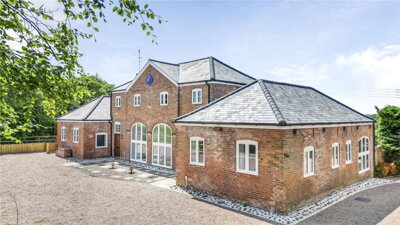
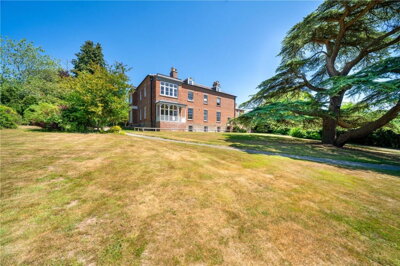
Browse 2 homes for sale in Little Hereford from local estate agents.
One bed apartments provide a separate bedroom alongside distinct living space, bathroom, and kitchen areas. Properties in Little Hereford are available in various building types including mansion blocks, contemporary developments, and house conversions.
The Little Hereford property market reflects the broader trends affecting rural Herefordshire, where demand consistently outstrips supply. Our current listings show a variety of property types available, from traditional cottages to substantial detached family homes. The average sold price in the village stands at approximately £262,000 according to recent transactions, positioning the area competitively within the Herefordshire property landscape. Detached properties command a significant premium, with recent sales data showing a median price of £540,000 for this property type, indicating strong demand for family homes with gardens and space. The gap between terraced and detached prices demonstrates the premium buyers place on privacy, parking, and outdoor space in this rural setting.
New arrivals to the market benefit from a selection of period properties featuring characteristic Herefordshire architecture, including black and white timber-framed houses and solid stone constructions. The village conservation area preserves the historic character of the built environment, ensuring that new development complements rather than compromises the local aesthetic. First-time buyers will find entry-level cottages and terraced properties available at various price points, while those seeking larger family homes have options ranging from traditional farmhouses to sympathetically converted agricultural buildings. The market remains active despite its size, with properties typically selling within reasonable timeframes given the consistent interest from buyers seeking rural Herefordshire locations. Properties in desirable positions, particularly those with views across the Leden Valley, tend to attract competitive interest from buyers willing to pay premiums for their scenic settings.
Investment potential in the Little Hereford market benefits from the consistent demand for rural homes driven by buyers seeking lifestyle changes and remote working opportunities. The village attracts professionals who value the countryside setting but need access to major road networks for commuting, with the A449 providing crucial connectivity to employment centres. Rental demand exists from individuals seeking temporary accommodation while house hunting in the area, as well as longer-term tenants who appreciate the village atmosphere. Capital growth prospects align with broader Herefordshire trends, where constrained supply of quality homes in attractive villages supports values over extended periods. Landowners with properties including agricultural acreage should factor potential development value into their assessment, subject to planning permissions and local authority policies.

Life in Little Hereford revolves around community, tradition, and the natural beauty of the surrounding Herefordshire landscape. The village sits within the Upper Leden Valley, an area characterised by rolling farmland, orchards, and the gentle waterways that define this part of the West Midlands. Residents enjoy access to an extensive network of public footpaths and bridleways that crisscross the countryside, offering endless opportunities for walking, cycling, and horse riding. The River Leden flows through the area, providing scenic routes and occasional opportunities for fishing rights that belong to local landowners. The Saxon Shires Way long-distance footpath passes through the region, offering extended walking routes for enthusiasts who wish to explore the wider Herefordshire countryside.
The local community maintains an active social calendar, with events ranging from village fetes to pub quizzes at the local inn. The village hall serves as a venue for everything from yoga classes to local council meetings, demonstrating the civic engagement that characterises rural Herefordshire villages. Community organisations including the Parish Council meet regularly to discuss matters affecting village life, from road maintenance to planning applications that impact the built environment. Local volunteers contribute to the upkeep of public spaces, footpaths, and community facilities that enrich daily life for residents. Those moving to Little Hereford typically find a warm welcome awaits, with neighbours quick to introduce themselves and include newcomers in village activities.
Nearby Bromyard, just five miles distant, offers a wider range of amenities including supermarkets, independent shops, healthcare facilities, and a selection of restaurants and cafes. The townsfolk market, held regularly in Bromyard, provides access to local produce and crafts that showcase Herefordshire's agricultural heritage. The cathedral city of Hereford lies within reasonable driving distance, providing access to retail parks, cinema complexes, and specialist services that complement what the local area offers. Culture seekers appreciate proximity to theatres, museums, and historical sites including Hereford Cathedral, which houses the famous Mappa Mundi and Chained Library. The village falls under Herefordshire Council administration, with residents paying council tax contributions that fund local services and infrastructure maintenance throughout the parish.
Families considering a move to Little Hereford will find educational provision focused on the primary level within the immediate village area, with surrounding villages contributing to local school catchments. The village is served by primary schools in nearby communities, with many children travelling short distances to attend well-regarded village schools that maintain strong academic records and Ofsted ratings. St. Mary's CofE Primary School in Bromyard serves families seeking faith-based primary education, while several village primary schools in the surrounding area provide alternatives for families who prefer smaller settings. Primary education in this part of Herefordshire benefits from small class sizes that allow teachers to provide individual attention to each pupil, supporting both academic progress and personal development during the formative early years of schooling.
Secondary education options include schools in Bromyard and Leominster, both accessible by school bus services that operate along established routes through the surrounding countryside. research specific catchment areas and admission policies when considering properties, as school placement can significantly impact family life in this rural location. should research specific catchment areas and admission policies when considering properties, as school placement can significantly impact family life in this rural location. should research specific catchment areas and admission policies when considering properties, as school placement can significantly impact family life in this rural location. specific catchment areas and admission policies when considering properties, as school placement can significantly impact family life in this rural location.
Parents should research specific catchment areas and admission policies when considering properties, as school placement can significantly impact family life in this rural location. For families seeking faith-based education, Catholic and Church of England secondary schools operate in the wider area, with transport arrangements varying by institution. catchment areas and admission policies when considering properties, as school placement can significantly impact family life in this rural location. The Royal Academy in Bromyard provides secondary education with specialist facilities for arts and sciences, attracting students from villages across north-west Herefordshire. Sixth form provision is concentrated in the larger towns, where students can access a broader range of A-level subjects and vocational courses including BTEC qualifications that prepare young people for university or employment. Herefordshire Council maintains detailed information about school admissions and catchment boundaries, which prospective buyers should consult when evaluating the educational implications of any specific property purchase in Little Hereford.
Transport connectivity from Little Hereford balances the realities of rural living with practical access to employment centres and major cities. The village sits close to the A449, a major road that runs through Herefordshire and provides direct connections to Worcester and the M5 motorway to the east. Journey times to Worcester typically take around 40 minutes by car, making day commuting feasible for those working in the city while maintaining a countryside residence. The A449 also links northward toward Shropshire and the West Midlands, with Birmingham accessible in approximately 90 minutes under normal traffic conditions. Commuters working in Hereford can reach the city within 30 minutes, while those heading to Gloucester typically allow around 50 minutes for the journey.
Public transport options reflect the challenges faced by rural communities nationwide, with bus services operating on reduced frequencies compared to urban areas. Local bus routes connect Little Hereford to Bromyard and Ledbury, providing essential access to market towns for those without private vehicles. The 420 service operated by Herefordshire Council provides connections between Bromyard and Hereford, stopping at villages along the route though passengers should check current timetables for precise departure times. Train services are accessed via stations in larger nearby towns, with direct rail connections to Birmingham, Manchester, and London available from regional stations. Hereford railway station offers regular services to major destinations, though reaching the station typically requires car travel from Little Hereford.
Cycling infrastructure in the immediate area remains limited, though the quiet country lanes are popular with recreational cyclists and those comfortable with rural cycling routes. Experienced cyclists often use the back roads to reach destinations like Tenbury Wells and Upton-upon-Severn, enjoying the scenic routes while avoiding busy main roads. Electric bikes have become increasingly popular among residents, extending the practical cycling range for commuting to nearby towns. Parking availability at local destinations varies, with village centres generally offering free parking while town centre spaces may operate time restrictions. Those considering regular commuting from Little Hereford should factor in the necessity of private vehicle ownership, as public transport timetables rarely align with typical working hours in larger employment centres.
Purchasing property in Little Hereford requires attention to several factors unique to rural Herefordshire property ownership. Properties in the village conservation area may be subject to planning restrictions designed to preserve architectural character, requiring Listed Building Consent for certain alterations to historic structures. Buyers considering renovation projects should commission thorough surveys to identify any works required and factor consent requirements into their plans and timelines. The age of many village properties means that traditional construction methods and materials require specialist understanding, making the RICS Level 2 or Level 3 survey particularly valuable for this area. Many homes feature wattle and daub infill panels, hand-made bricks, and original timber framing that require careful maintenance and specialist repair techniques.
Flood risk varies across the parish depending on proximity to the River Leden and its tributaries, with some properties located within designated flood zones requiring specific insurance arrangements and mitigation measures. The Environment Agency maintains flood risk maps that prospective buyers should consult when evaluating specific properties, particularly those with gardens or land extending toward watercourses. Ground conditions in parts of Herefordshire include clay soils that can affect building foundations, particularly for older structures that may show signs of subsidence or movement over time. Trees planted too close to buildings can exacerbate subsidence issues, and buyers should identify any vegetation that might pose risks to foundations, particularly in properties with established gardens or adjacent woodland.
Property tenure in the village includes both freehold and leasehold arrangements, with buyers advised to clarify tenure details and understand any ground rent or service charge obligations before proceeding. Agricultural land sometimes forms part of property sales in rural areas, with implications for Council Tax banding and eligibility for rural exemptions that merit careful examination during the conveyancing process. Rights of way crossing agricultural land affect some properties, and buyers should establish whether public footpaths cross gardens or fields attached to the property. Services including broadband connectivity vary across the parish, with some properties benefiting from fibre connections while others rely on slower alternatives that may affect those working from home. Mobile phone reception can be inconsistent in valley locations, and buyers who depend on reliable mobile connectivity should test signal strength before committing to a purchase.
Begin by exploring Little Hereford and surrounding villages to understand the local property market. Obtain a mortgage agreement in principle from a lender to establish your budget, factoring in average prices of around £262,000 and any premium for detached properties. Consider visiting the village at different times of day and week to get a feel for the community atmosphere and traffic patterns. Explore local amenities in Bromyard and surrounding villages to assess how daily life would function from your potential new home.
Use Homemove to browse all available listings in Little Hereford and set up property alerts so you receive notifications when new homes matching your criteria come to market. Register with local estate agents operating in the area, as some properties may be marketed exclusively before reaching major portals. Consider expanding your search to include neighbouring villages where similar property types may be available at more competitive prices. Monitor new listings daily during your search, as desirable properties in Little Hereford can attract multiple enquiries quickly.
Visit properties that meet your requirements, taking time to explore the village and surrounding area. Consider factors like commute times, school catchments, and the condition of properties given their age. Ask vendors about the history of properties, including any works undertaken, planning permissions granted, and issues encountered during ownership. Visit properties at different times of day to assess noise levels, lighting conditions, and any traffic passing through the village centre.
Once you have an offer accepted, arrange a RICS Level 2 or Level 3 survey to assess the property condition thoroughly. Given the age of many village properties, this step is particularly important in Little Hereford where traditional construction methods require specialist assessment. A thorough survey will identify any structural issues, damp problems, or maintenance requirements that might affect your decision or negotiating position. Budget for any repairs identified in the survey report, and use the findings to renegotiate the purchase price if significant issues emerge.
Appoint a conveyancing solicitor to handle the legal aspects of your purchase, including local searches, contract review, and registration with the Land Registry. Your solicitor will obtain drainage and environmental searches from Herefordshire Council and investigate any planning matters affecting the property. Ensure your solicitor is familiar with rural properties and can advise on matters including rights of way, easements, and any agricultural restrictions affecting the land. Request a copy of all search results and review them carefully before proceeding to exchange contracts.
Finalise your mortgage, pay your deposit, and complete your purchase. Your solicitor will coordinate with all parties to ensure a smooth transaction and transfer of ownership. Arrange building insurance to commence from the completion date, as lenders require evidence of cover before releasing funds. Plan your move carefully, considering access routes to the village and any restrictions on large vehicles using narrow country lanes. Notify utility companies, councils, and relevant organisations of your change of address well in advance of moving day.
The average sold house price in Little Hereford is approximately £262,000 according to recent market data from OnTheMarket and Zoopla. Detached properties command significantly higher prices, with recent sales showing a median of £540,000 for this property type following a detached home sale in January 2025. The market includes various property types from period cottages to substantial family homes, with prices reflecting location, condition, and the character of individual properties. Semi-detached and terraced properties typically sell closer to the village average, while converted barns and farm buildings occupy a premium position in the market.
Council tax in Little Hereford is administered by Herefordshire Council, with properties assigned bands A through H depending on their assessed value. Most standard family homes in the village fall within bands B through D, with the specific band documented on the property valuation list maintained by the council. Properties with significant land or agricultural buildings may attract higher bands reflecting their overall value. Prospective buyers should verify the council tax band for any specific property during the conveyancing process and factor ongoing costs into their household budget calculations.
Primary education is available at village schools in the surrounding area, with strong reputations for academic achievement and personal development. St. Mary's CofE Primary School in nearby Bromyard serves families seeking faith-based education within reasonable travelling distance. Secondary schools in Bromyard and Leominster serve the local catchment, with transport provided for students living within designated areas. catchment areas and admission policies when considering properties, as school placement can significantly impact family life in this rural location. The best school for your family will depend on your specific location, your children's ages, and individual admission criteria.
Public transport options in Little Hereford reflect its rural location, with bus services providing connections to nearby towns on limited frequencies. The 420 bus route operated by Herefordshire Council connects the village to Bromyard and Hereford, though passengers should check current timetables for precise departure times. The A449 provides reliable road connections to Worcester and the wider motorway network for those with private vehicles. Train services are accessed via stations in larger towns, with Hereford station offering connections to Birmingham, London, and regional destinations. Those commuting regularly typically require private vehicle access, as public transport schedules rarely accommodate typical working patterns.
Rural Herefordshire has demonstrated consistent demand from buyers seeking countryside lifestyles, supporting property values over the medium term. The village benefits from its proximity to major employment centres while offering the quality of life associated with rural living. Properties in the conservation area may hold additional value due to their architectural significance and restricted supply of similar homes. Investors should consider rental demand from professionals seeking rural accommodation near market towns, with properties commanding attractive rental yields given the relative scarcity of quality homes to let in the village.
Stamp duty rates for 2024-25 apply zero percent on the first £250,000 of residential property purchases. The rate increases to five percent on the portion between £250,001 and £925,000. First-time buyers benefit from relief on the first £425,000, with five percent applying between £425,001 and £625,000. Your solicitor will calculate the exact amount due based on your purchase price and eligibility for any exemptions or reliefs. For a typical property at the village average price of £262,000, a standard buyer would pay approximately £600 in stamp duty on the amount above the nil-rate threshold.
The village offers a mix of property types including traditional cottages, terraced houses, semi-detached family homes, and substantial detached properties. Many homes date from the Georgian or Victorian periods, featuring characteristic architectural details like sash windows, fireplaces, and original joinery. Black and white timber-framed properties represent a distinctive feature of the local housing stock, with some homes dating back several centuries. Barn conversions and converted agricultural buildings provide alternatives for buyers seeking more contemporary living spaces within historic structures. Newer developments are limited within the village itself, with most supply consisting of established homes that reflect the character of the conservation area.
Beyond standard property checks, buyers in Little Hereford should verify conservation area restrictions, check for any history of flooding using Environment Agency maps, confirm access rights to agricultural land if applicable, and understand the tenure arrangements for the specific property. Broadband speeds should be tested or researched before purchase, as connectivity varies significantly across the parish. Mobile phone signal strength can be inconsistent in valley locations, and buyers who depend on reliable mobile connectivity should test reception at the property. Given the age of many village homes, a comprehensive building survey is strongly recommended to identify any structural issues or required maintenance work before purchase.
From £350
A detailed inspection of the property condition, ideal for standard homes in Little Hereford
From £500
Comprehensive structural survey recommended for older or unusual properties
From £80
Energy Performance Certificate required for all property sales
From £499
Legal services for your property purchase in Little Hereford
Understanding the full costs of purchasing property in Little Hereford helps you budget accurately for your move. Beyond the purchase price, buyers should account for Stamp Duty Land Tax, which applies according to standard thresholds set for 2024-25. For a typical property at the village average price of £262,000, a standard buyer would pay no stamp duty on the first £250,000 and approximately £600 on the amount above this threshold. First-time buyers purchasing properties under £425,000 may qualify for full relief, making their stamp duty liability zero on qualifying purchases. Those purchasing additional properties or investment properties will pay the higher rates including the three percent surcharge on the entire purchase price.
Additional purchase costs include solicitor fees, which typically range from £500 to £1,500 depending on the complexity of the transaction and whether the property is freehold or leasehold. Rural properties sometimes involve more complex titles with rights of way or shared access arrangements that can increase legal costs. Local searches with Herefordshire Council usually cost between £200 and £400, covering drainage, environmental, and planning searches specific to the parish and surrounding area. Land Registry fees for registering the transfer of ownership are relatively modest, typically under £200 for standard transactions. Survey costs vary by property type and the level of inspection required, with a RICS Level 2 survey starting from around £350 for standard homes and a full Level 3 survey potentially costing more for larger or older properties.
Mortgage arrangement fees vary between lenders but typically range from £500 to £1,500, with some brokers charging arrangement fees while others take commission from the lender. Valuation fees are often included within arrangement fees but sometimes apply separately, particularly for larger mortgages. Removal costs depend on the volume of belongings and distance moved, with local removal firms providing quotes for moves within Herefordshire. Buyers should set aside at least £3,000 to £5,000 for these additional expenses when calculating their total moving budget, with more substantial sums required for larger properties or those requiring extensive renovations. Building insurance must be in place from the completion date, with premiums for rural properties sometimes higher than urban equivalents due to factors including flood risk and theft exposure.

Properties for Sale In London

Properties for Sale In Plymouth

Properties for Sale In Liverpool

Properties for Sale In Glasgow

Properties for Sale In Sheffield

Properties for Sale In Edinburgh

Properties for Sale In Coventry

Properties for Sale In Bradford

Properties for Sale In Manchester

Properties for Sale In Birmingham

Properties for Sale In Bristol

Properties for Sale In Oxford

Properties for Sale In Leicester

Properties for Sale In Newcastle

Properties for Sale In Leeds

Properties for Sale In Southampton

Properties for Sale In Cardiff

Properties for Sale In Nottingham

Properties for Sale In Norwich

Properties for Sale In Brighton

Properties for Sale In Derby

Properties for Sale In Portsmouth

Properties for Sale In Northampton

Properties for Sale In Milton Keynes

Properties for Sale In Bournemouth

Properties for Sale In Bolton

Properties for Sale In Swansea

Properties for Sale In Swindon

Properties for Sale In Peterborough

Properties for Sale In Wolverhampton

Enter your details to see if this property is within your budget.
Loans, cards, car finance
Estimated property budget
Borrowing + deposit
You could borrow between
Typical borrowing
Monthly repayment
Est. at 4.5%
Loan-to-value
This is an estimate only. Your actual budget may vary depending on interest rates, credit history, and personal circumstances. For an accurate affordability assessment, speak to one of our free mortgage advisors.
This calculator provides estimates for illustrative purposes only and does not constitute financial advice. Your home may be repossessed if you do not keep up repayments on your mortgage. Estimates based on 4.5% interest rate, repayment mortgage. Actual rates depend on your circumstances.
Homemove is a trading name of HM Haus Group Ltd (Company No. 13873779, registered in England & Wales). Homemove Mortgages Ltd (Company No. 15947693) is an Appointed Representative of TMG Direct Limited, trading as TMG Mortgage Network, which is authorised and regulated by the Financial Conduct Authority (FRN 786245). Homemove Mortgages Ltd is entered on the FCA Register as an Appointed Representative (FRN 1022429). You can check registrations at NewRegister or by calling 0800 111 6768.

We use cookies to show you personalised content and improve your experience of our website. Find out more in our Privacy policy and Cookie policy.