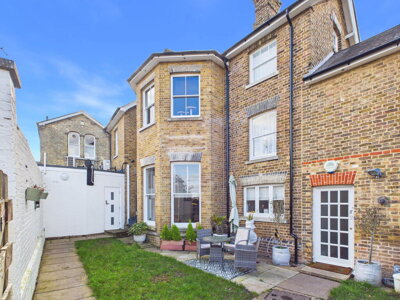
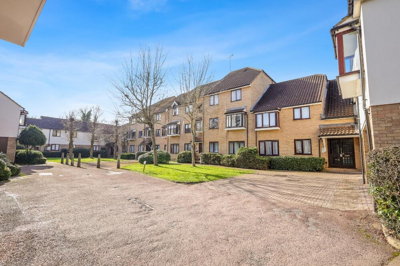
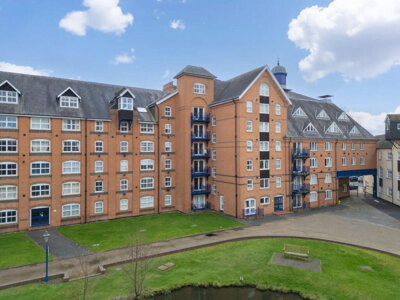
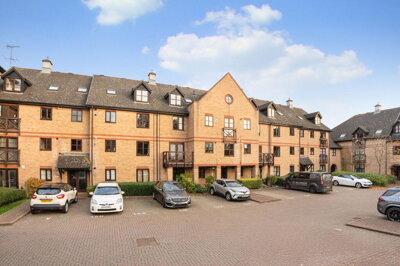
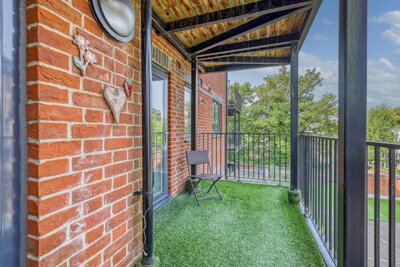
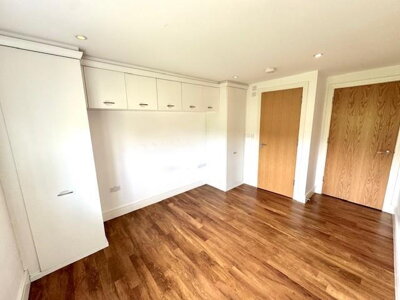
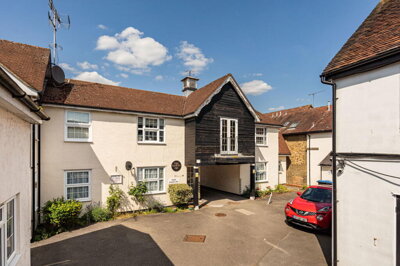
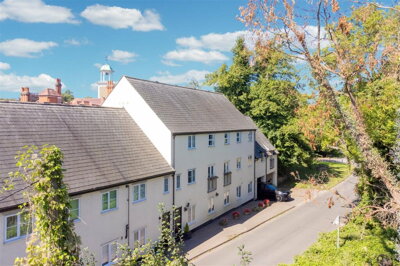
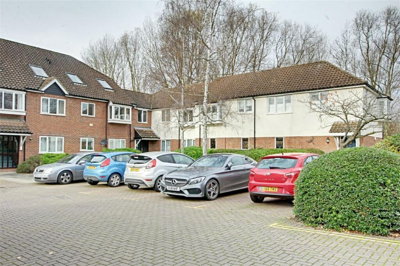
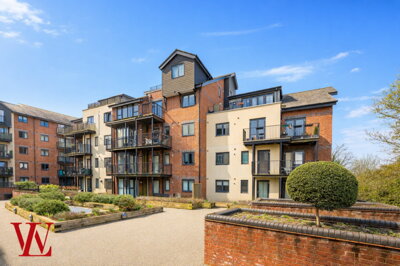
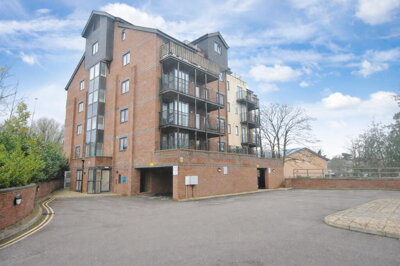
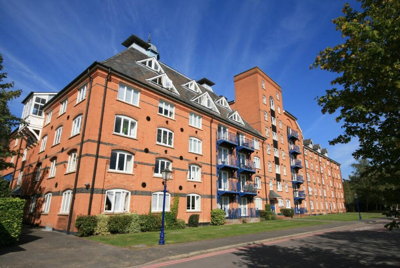
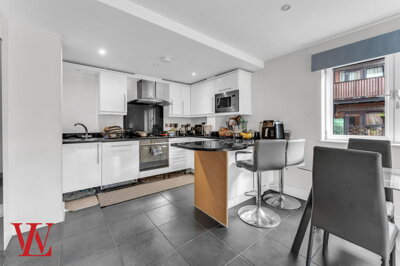
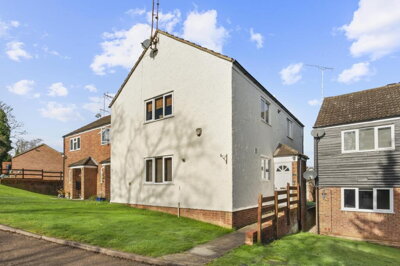
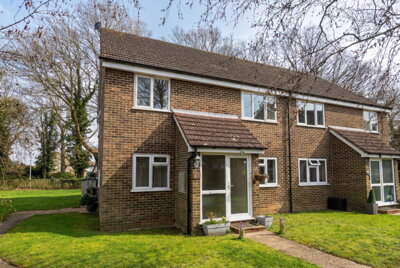
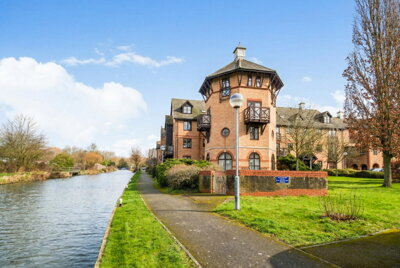
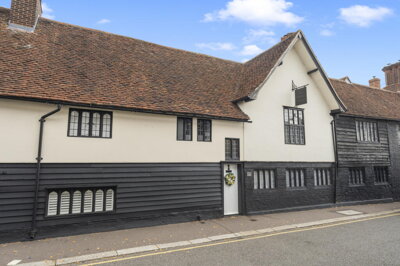
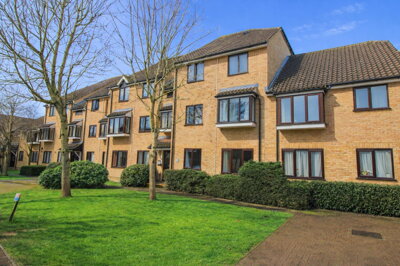
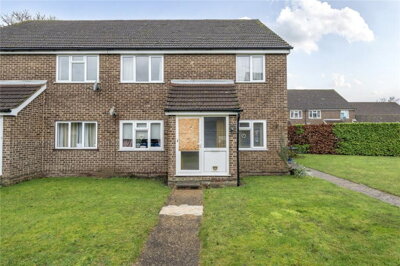
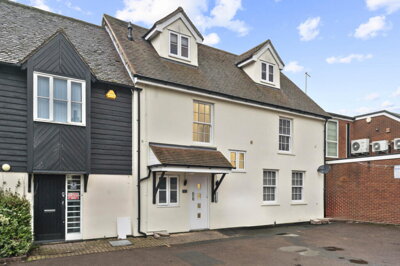
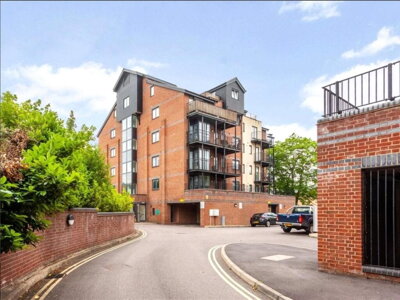
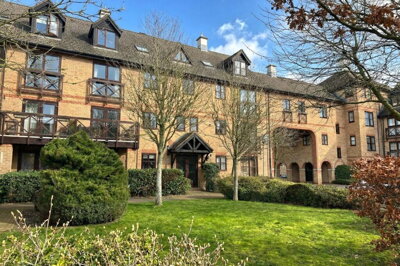
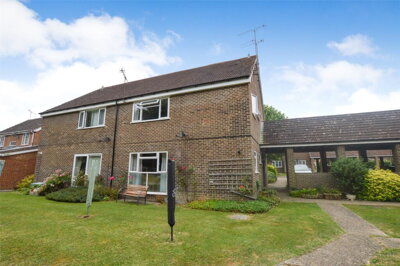
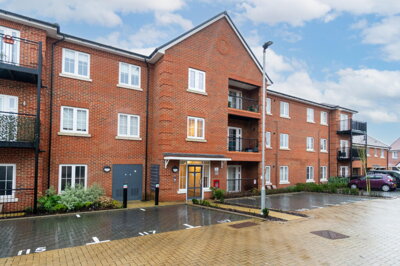
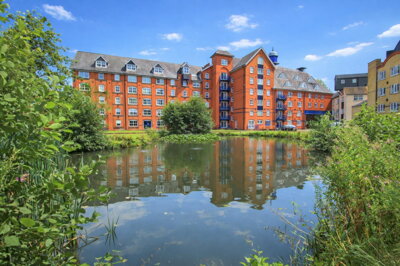
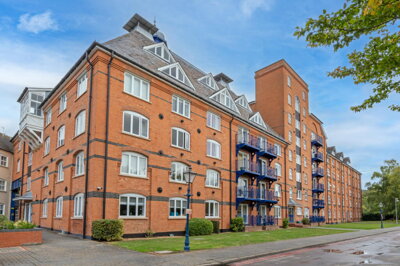
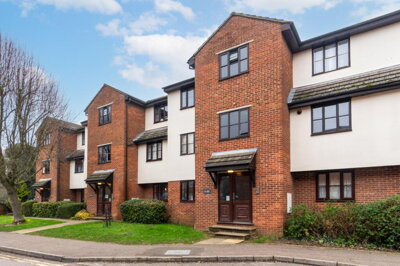
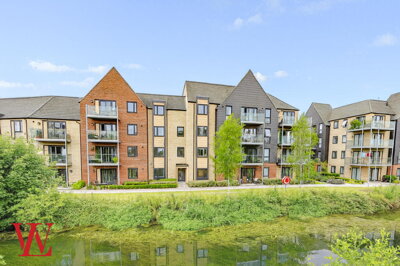
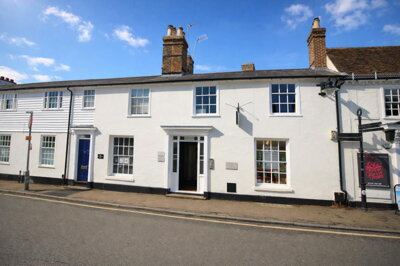
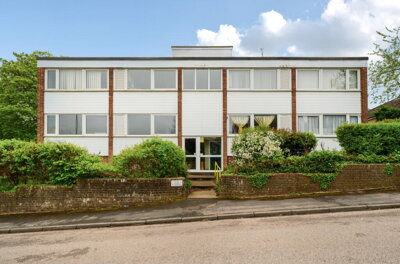
Browse 75 homes for sale in Little Hallingbury from local estate agents.
Studio apartments feature open-plan living spaces without separate bedrooms, incorporating sleeping, living, kitchen, and bathroom facilities. The Little Hallingbury studio market includes properties in modern apartment complexes, converted Victorian and Georgian buildings, and purpose-built developments.
The Kelmscott property market reflects the village's status as a premium Cotswold destination, with detached properties dominating the local housing stock at around 60% of all sales. Recent transactions demonstrate the strong demand for quality homes in this sought-after location, with a detached property selling for £975,000 in September 2023 and another achieving £955,000 in October 2023. For those seeking the very finest Kelmscott homes, a substantial detached residence sold for £1,195,000 in March 2019, illustrating the upper end of the village's property values.
Property prices in the GL7 3HJ postcode area have risen by 4.8% over the past twelve months, outpacing the broader Oxfordshire average growth of 3.4% during the same period. This steady appreciation reflects the enduring appeal of Cotswold village living and the limited supply of properties coming to market in Kelmscott. The village's housing stock consists predominantly of period properties built with traditional Cotswold limestone, many dating back centuries, alongside more recent additions that complement the historic character. New build development within the village itself remains extremely limited, with any new homes typically located in nearby towns such as Lechlade or Burford.
Semi-detached properties form the second most common transaction type in the village, with recent sales data showing these characterful homes achieving around £955,000 for well-presented examples. Terraced properties in Kelmscott are rarer, with the village's housing pattern favouring detached and semi-detached homes that sit within generous plot sizes. Buyers seeking more affordable entry points to the Kelmscott market may wish to consider cottages in neighbouring villages such as Little Faringdon or Hinton Waldrist, where similar Cotswold character can be found at slightly lower price points.

Life in Kelmscott centres on the village's extraordinary heritage and its setting within the Cotswold landscape. The village sits in the Thames Valley floodplain, with the River Thames and Kelmscott Brook flowing through the area, creating the water meadows that define the local landscape. The presence of these watercourses means the village experiences periodic flooding, with properties near The Plough pub and Kelmscott Manor affected by significant floods in July 2007 when water depths reached 2-3 feet in places. The village community has responded proactively through a dedicated flood defence committee, demonstrating the resilient spirit of Kelmscott residents.
The village's architectural character owes much to its Cotswold limestone geology, with traditional buildings constructed from the warm honey-coloured stone that defines the region. Kelmscott Manor, a Grade I listed manor house dating from around 1570, stands as the village's most celebrated landmark and was once the summer home of William Morris, founder of the Arts and Crafts movement. The village contains numerous other listed buildings including Manor Cottages, various historic barns, and the Church of Saint George with its origins dating to around 1190. Local amenities include The Plough public house, while the nearby town of Lechlade offers shops, schools, and essential services just a short drive away.
The village's position within the Cotswolds Area of Outstanding Natural Beauty ensures strict planning controls preserve the landscape character that makes Kelmscott so desirable. Any exterior alterations to properties within the village typically require consent from West Oxfordshire District Council, and materials must match the traditional Cotswold stone or lime-based renders used throughout the area. These restrictions, while adding complexity to renovation projects, help maintain property values by protecting the village's distinctive appearance. The local community remains active, with events held at The Plough throughout the year and opportunities to participate in village activities through the parish council.

Understanding flood risk is essential for anyone considering purchasing property in Kelmscott, given the village's location on the River Thames floodplain and its position within the Kelmscott Brook catchment area. The village has experienced significant flooding events throughout its history, with the most severe recent occurrence in July 2007 when properties near The Plough and Kelmscott Manor were inundated with floodwater reaching 2-3 feet in depth. Some properties within the village fall within the Environment Agency's 1% probability flood zone, meaning there is a 1 in 100 chance of significant flooding occurring in any given year, while all affected properties lie within the 0.1% probability flood zone.
Flooding in Kelmscott approaches the village from the south-west, partly via Radcot Cut, an artificial channel constructed to flow parallel to the Thames and manage water levels through the area. The south side of Radcot Cut has been embanked specifically to prevent direct ingress of floodwater into the village centre, though this defence can be overwhelmed during exceptional weather events. The village community established a dedicated flood defence committee following the 2007 floods, working collectively on preparedness measures and community resilience planning. Prospective buyers should request full disclosure of any flood history from current vendors and obtain buildings insurance quotes before completing a purchase.
Properties that experienced flooding in 2007 may have suffered lasting damage to foundations, walls, drainage systems, or electrical installations that could affect their long-term condition. Specialist surveys from qualified building inspectors can identify signs of previous water damage, including repaired cracks, replaced plasterwork, or repositioned skirting boards that may indicate restoration work. Buildings insurance premiums in flood-risk areas can be significantly higher than comparable properties elsewhere, and some insurers may decline to provide cover for properties with a history of flooding. Buyers should factor these ongoing costs into their budgeting alongside the purchase price and any renovation requirements.
Kelmscott's exceptional concentration of historic buildings means that many properties in the village carry statutory protections that significantly affect what owners can and cannot do with their homes. Kelmscott Manor itself holds Grade I listing as a building of exceptional interest, dating from around 1570 with a late 17th-century wing added subsequently. Numerous other buildings throughout the village hold Grade II* and Grade II listings, including Manor Cottages, various historic barns, the garden wall and attached summerhouse at Kelmscott Manor, and the parish church of Saint George with its origins dating to around 1190.
Listed building status means that any alterations, extensions, or even some repair works require formal consent from West Oxfordshire District Council before commencing. This includes changes to windows, doors, roofing materials, exterior stonework, and interior features visible from outside the property. Violations of listing regulations can result in enforcement action requiring reversal of works at the owner's expense, making it essential for buyers to understand any works that may have been undertaken previously. The village also sits within the Cotswolds Area of Outstanding Natural Beauty, adding an additional layer of planning control that governs development affecting the landscape character.
For buyers planning any renovation or extension work to a listed property in Kelmscott, engaging specialist heritage surveyors and contractors experienced with historic buildings is strongly recommended. Traditional building methods using lime-based mortars, hand-crafted stonework, and period-appropriate materials are typically required for any consented works, adding to both the complexity and cost of projects compared to standard residential work. However, these restrictions also protect the investment made by property owners by preserving the unique character that makes Kelmscott properties so desirable, ensuring the village maintains its appearance for future generations of residents and visitors alike.
Families considering a move to Kelmscott will find educational options available in the surrounding West Oxfordshire area, though the village itself does not contain a school. The village falls within the catchment area for primary schools in nearby Lechlade, including the primary school serving the LEchlade community with a strong emphasis on outdoor learning that complements the Cotswold landscape setting. Parents should check current catchment boundaries with Oxfordshire County Council, as these can change and may vary depending on specific addresses within the village and the proximity to neighbouring villages.
Secondary education is available at schools in nearby towns including Burford School, which serves the southern part of West Oxfordshire and offers a range of academic and vocational programmes. Matthew Arnold School in Bampton provides another option for families in the wider area, while more comprehensive secondary education can be found at schools in Witney, approximately 20 miles from Kelmscott. Parents should verify current catchment arrangements and admission criteria directly with Oxfordshire County Council, as school allocations can be competitive in desirable rural areas and may depend on proximity to the school or sibling connections.
For families seeking independent education, a range of private schools operate across the Cotswolds and wider Oxfordshire, including St Hugh's School in Faringdon and Christ Church Cathedral School in Oxford. Preparatory schools in the area provide education for younger children, with options including Windrush Valley School in Shipton-under-Wychwood and Cotswold School in Bourton-on-the-Water. The proximity of Oxford itself, approximately 30 miles from Kelmscott, also opens access to the city's renowned independent schools including Dragon School, Oxford High School, and St Edward's, though this would require consideration of daily travel arrangements or boarding options for families with older children.
Kelmscott enjoys a tranquil rural setting while maintaining reasonable connectivity to the wider Oxfordshire road network. The village sits off the A417 road, providing access to Lechlade to the north and Cirencester to the south, with the A40 offering an eastward route towards Oxford and Witney. For those commuting to work, the nearby town of Lechlade provides access to bus services connecting to larger centres, while the road network serves those who prefer to travel by car. The A419 provides links to Swindon and the M4 motorway for longer-distance travel, making regional and national connectivity practical from the village.
Rail connections from the region include services from Swindon, Oxford, and Didcot Parkway stations, offering regular trains to London Paddington, Reading, and Birmingham. Swindon station provides particularly good connections to the capital with journey times of around one hour to London Paddington, while Oxford station offers services to London Marylebone and Birmingham New Street. Didcot Parkway provides additional options with regular services to London Paddington via Reading. For air travel, Bristol Airport and London Heathrow are accessible via the motorway network, making international travel practical from the village.
Cyclists will appreciate the scenic routes through the Cotswold countryside, with quiet country lanes connecting Kelmscott to neighbouring villages including Little Faringdon, Kencot, and Alvescot. The village's position within the Thames Path National Trail offers excellent walking opportunities along the river valley, with the long-distance footpath passing directly through the village and continuing towards Radcot Bridge and beyond. The surrounding countryside provides extensive bridleways and footpaths for equestrian users, with livery facilities available in nearby villages for those wishing to keep horses.
Explore the Kelmscott property market thoroughly before committing, understanding the flood risk areas and conservation considerations that affect property values and insurance in this historic village. Review recent sales data, speak to local estate agents, and spend time in the village at different times of year to appreciate its character and community.
Speak to a mortgage broker about securing your agreement in principle before viewing properties, given the premium property values in Kelmscott often exceed £900,000. With average prices around £1,130,000, most buyers will require substantial mortgages, and having your financial position confirmed strengthens your negotiating position when making offers on desirable properties.
Visit Kelmscott in person to appreciate the village's character, check flood history with current residents, and assess the property condition of period homes. Pay particular attention to the property's position relative to flood risk areas, the condition of stonework and roofing, and any signs of damp or structural movement that may indicate underlying issues requiring attention.
Given the age of Kelmscott's housing stock and prevalence of listed buildings, invest in either a Level 2 homebuyer survey or comprehensive Level 3 building survey before purchasing. Properties constructed from solid limestone walls without modern damp-proof courses require specialist understanding of period building maintenance, and a thorough survey can identify issues that may not be apparent during a standard viewing.
Appoint a solicitor experienced with historic and listed properties to handle the legal complexities of purchasing a Cotswold village home, including any title restrictions or covenants. Searches relating to flooding, planning history, and listed building status require careful review, and a solicitor familiar with West Oxfordshire properties can anticipate potential issues before they become problems.
Finalise your mortgage, exchange contracts, and complete your purchase, ensuring you have buildings insurance in place given the village's flood exposure. Insurance for properties in flood-risk areas can be complex to arrange, so obtaining quotes early in the process is advisable. On completion, register your ownership with HM Land Registry and notify West Oxfordshire District Council of your change of address.
Purchasing property in Kelmscott requires careful consideration of several local factors that distinguish this Cotswold village from mainstream residential markets. The village's position within the River Thames floodplain means flood risk should be a primary concern for any buyer, particularly for properties near the river or in lower-lying areas. Properties affected by the 2007 floods may have experienced lasting damage to foundations, walls, or services, and buyers should request full disclosure of flood history from vendors. Buildings insurance premiums can be higher in flood-risk areas, and prospective buyers should obtain insurance quotes before committing to a purchase.
The high concentration of listed buildings throughout Kelmscott, from the Grade I listed Kelmscott Manor to numerous Grade II and II* properties, means that many homes carry statutory protections that restrict alterations and require specialist maintenance. Any proposed works to a listed property require consent from West Oxfordshire District Council, and buyers should factor these considerations into their renovation plans and budgets. The village also sits within the Cotswolds Area of Outstanding Natural Beauty, where planning restrictions apply to preserve the landscape character. Properties may also be constructed using traditional methods such as solid limestone walls without modern damp-proof courses, requiring specialist understanding of period building maintenance.
Common defects in Kelmscott's older properties include rising damp affecting solid-walled construction, deteriorating stonework and pointing requiring repointing with appropriate lime mortar, and original timber framed elements that may show signs of woodworm or fungal decay in areas of poor ventilation. Roof coverings on period properties often comprise natural slate or clay tiles that may have been replaced at various times with non-matching materials, while ridge and hip details traditionally used lime mortar that requires regular maintenance. Electrical and plumbing systems in older properties frequently require complete replacement to meet current standards, and buyers should budget accordingly for these essential upgrades.
Properties in Kelmscott predominantly consist of historic buildings constructed from Cotswold limestone using traditional solid-wall methods that differ significantly from modern cavity wall construction. Rising damp is one of the most frequently encountered issues in such properties, as the absence of a physical damp-proof course means moisture from the ground can travel up through stone or brickwork by capillary action. Specialist damp-proofing companies often recommend chemical damp-proof courses, but these can cause further problems by trapping moisture within the walls, and traditional solutions using lime plasters and improved ventilation are generally preferred for listed buildings.
Penetrating damp affects many period properties during periods of heavy rainfall, particularly where stone pointing has deteriorated or roof flashings have failed. The honey-coloured Cotswold limestone used throughout the village is relatively porous compared to some building stones, and regular repointing with appropriate lime mortar is essential to maintain weather resistance. Roof covering defects including slipped or broken tiles, deteriorated lead flashings, and crumbling ridge mortar commonly allow water ingress that manifests as internal staining or mould growth. Our team regularly inspects properties with these issues and can provide detailed assessments of remedial work required.
Structural movement in older properties can manifest as cracks in walls and ceilings, uneven floors, and doors or windows that no longer close properly. While some movement is normal in buildings of considerable age, distinguishing between minor settlement and more serious subsidence requires expert assessment. Tree roots, clay soil shrinkage during dry periods, and the gradual deterioration of traditional foundations can all contribute to movement, and a thorough building survey will identify whether any observed defects require further investigation or remediation.
The estimated average property value in the GL7 3HJ postcode area covering Kelmscott stands at £1,130,714. Recent sales data shows detached properties achieving between £975,000 and £1,195,000, with semi-detached homes selling for around £955,000 in October 2023. Property prices have increased by 4.8% over the past year, reflecting continued strong demand for Cotswold village property. Entry-level cottages and smaller period homes in the village typically start from around £600,000, while the finest detached properties with extensive gardens can exceed £1,500,000.
Properties in Kelmscott fall under West Oxfordshire District Council and most period cottages and village homes typically fall within council tax bands D through H, reflecting the premium values of the local property market. Larger detached properties with multiple bedrooms and generous gardens often occupy the higher bands, with the most substantial homes potentially falling into band H. Exact bands depend on the property's rateable value and should be confirmed with the local authority or on the Valuation Office Agency website before completing a purchase.
Kelmscott itself does not have a school, with primary education provided at village schools in nearby Lechlade including the primary school serving the LEchlade community. Parents should verify catchment areas with Oxfordshire County Council, as allocations can change and may vary depending on specific addresses within the village. Secondary options include Burford School, Matthew Arnold School in Bampton, and schools in Witney, while families seeking private education will find options including St Hugh's School in Faringdon, Windrush Valley School, and Cotswold School within reasonable travelling distance.
Kelmscott is a rural village with limited public transport options, though the A417 road passes close to the village providing access to bus services connecting to Lechlade, Cirencester, and Swindon. The nearest railway stations are in Swindon, Kemble, and Oxford, with Swindon offering the fastest connections to London Paddington at approximately one hour. Bus services in rural West Oxfordshire typically operate at reduced frequencies compared to urban areas, and most residents rely on private cars for daily travel to work, school, and essential services.
Kelmscott offers strong fundamentals for property investment, with prices rising 4.8% annually compared to the broader Oxfordshire growth rate of 3.4%, suggesting the village is outperforming the regional market. The village's position within the Cotswolds Area of Outstanding Natural Beauty, combined with its rich heritage centred on Kelmscott Manor, ensures continued desirability among buyers seeking the English countryside lifestyle. Limited supply of properties coming to market, due to the village's small size and high proportion of long-term residents, supports price stability. However, buyers should factor in the village's flood risk, which can affect insurance costs and future saleability of certain properties, and rental demand in the village is likely to be limited given the premium purchase prices and lack of commuter connectivity.
Stamp Duty Land Tax on a £1,000,000 property in Kelmscott would be £43,750, calculated using standard thresholds where the nil rate applies up to £250,000, 5% on the portion from £250,001 to £925,000, and 10% on the portion from £925,001 to £1,500,000. On the average Kelmscott property valued at £1,130,714, SDLT would be approximately £49,625. First-time buyers may qualify for relief on properties up to £625,000, reducing SDLT to £27,500 on a £1,000,000 purchase, though given Kelmscott's premium property values, most purchases fall above first-time buyer relief thresholds.
Kelmscott has significant flood risk due to its location on the River Thames floodplain and within the Kelmscott Brook catchment area. The village experienced severe flooding in July 2007, with properties near The Plough and Kelmscott Manor affected by water depths of 2-3 feet. Some properties lie within the Environment Agency's 1% probability flood zone, while all properties affected by the 2007 floods fall within the 0.1% probability flood zone. Flooding approaches the village from the south-west via Radcot Cut, an artificial channel, and the community maintains a flood defence committee to manage this ongoing risk. Prospective buyers should obtain insurance quotes before completing and check the Environment Agency's flood maps for any specific property.
From 4.5%
Expert mortgage advice for Kelmscott properties
From £499
Specialist solicitors for historic properties
From £455
Homebuyer survey for Kelmscott homes
From £600
Detailed building survey for period properties
Purchasing a property in Kelmscott involves several costs beyond the purchase price itself, and understanding these expenses upfront helps buyers budget accurately for their Cotswold move. Stamp Duty Land Tax represents a significant cost for premium-value properties, with the standard rate applying to purchases above £250,000. At current rates, a buyer purchasing a typical Kelmscott property at £1,000,000 would pay £43,750 in SDLT, while a £1,130,714 average-value property would attract approximately £49,625 in stamp duty. Second home buyers and buy-to-let investors pay an additional 3% surcharge on all bands, adding substantially to the total SDLT liability.
Beyond stamp duty, buyers should budget for solicitor conveyancing costs typically ranging from £499 to £1,500 depending on the complexity of the transaction and whether the property is freehold or leasehold. Given the prevalence of listed buildings in Kelmscott, searches and title investigations may take longer than average, potentially increasing legal fees. Survey costs should also be factored in, with RICS Level 2 surveys averaging £455 nationwide and Level 3 building surveys recommended for the village's older properties starting from around £600. Properties above £500,000 typically average higher survey fees of around £586, while non-standard construction or listed status can increase costs further.
Buildings insurance premiums in Kelmscott can be significantly higher than comparable properties in non-flood-risk areas, and prospective buyers should obtain insurance quotes before committing to a purchase. Removal costs, potential renovation expenses, and the cost of adapting to rural village living should also be considered when calculating your total moving budget. Energy performance certificate assessments are mandatory and typically cost between £100 and £150, while any mortgage arrangement fees should be factored into the overall cost comparison between different mortgage products.
Properties for Sale In London

Properties for Sale In Plymouth

Properties for Sale In Liverpool

Properties for Sale In Glasgow

Properties for Sale In Sheffield

Properties for Sale In Edinburgh

Properties for Sale In Coventry

Properties for Sale In Bradford

Properties for Sale In Manchester

Properties for Sale In Birmingham

Properties for Sale In Bristol

Properties for Sale In Oxford

Properties for Sale In Leicester

Properties for Sale In Newcastle

Properties for Sale In Leeds

Properties for Sale In Southampton

Properties for Sale In Cardiff

Properties for Sale In Nottingham

Properties for Sale In Norwich

Properties for Sale In Brighton

Properties for Sale In Derby

Properties for Sale In Portsmouth

Properties for Sale In Northampton

Properties for Sale In Milton Keynes

Properties for Sale In Bournemouth

Properties for Sale In Bolton

Properties for Sale In Swansea

Properties for Sale In Swindon

Properties for Sale In Peterborough

Properties for Sale In Wolverhampton

Enter your details to see if this property is within your budget.
Loans, cards, car finance
Estimated property budget
Borrowing + deposit
You could borrow between
Typical borrowing
Monthly repayment
Est. at 4.5%
Loan-to-value
This is an estimate only. Your actual budget may vary depending on interest rates, credit history, and personal circumstances. For an accurate affordability assessment, speak to one of our free mortgage advisors.
This calculator provides estimates for illustrative purposes only and does not constitute financial advice. Your home may be repossessed if you do not keep up repayments on your mortgage. Estimates based on 4.5% interest rate, repayment mortgage. Actual rates depend on your circumstances.
Homemove is a trading name of HM Haus Group Ltd (Company No. 13873779, registered in England & Wales). Homemove Mortgages Ltd (Company No. 15947693) is an Appointed Representative of TMG Direct Limited, trading as TMG Mortgage Network, which is authorised and regulated by the Financial Conduct Authority (FRN 786245). Homemove Mortgages Ltd is entered on the FCA Register as an Appointed Representative (FRN 1022429). You can check registrations at NewRegister or by calling 0800 111 6768.

We use cookies to show you personalised content and improve your experience of our website. Find out more in our Privacy policy and Cookie policy.