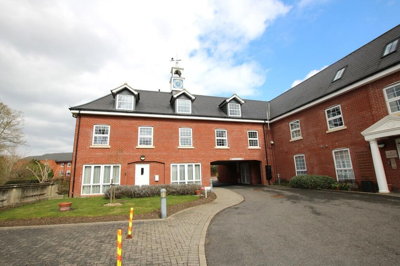
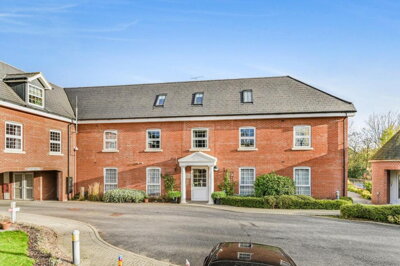
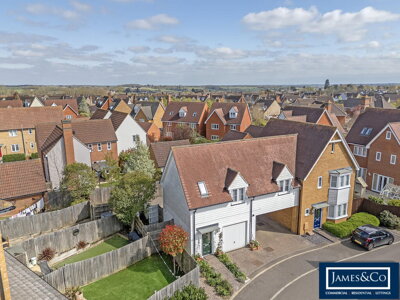
Browse 3 homes for sale in Little Easton from local estate agents.
One bed apartments provide a separate bedroom alongside distinct living space, bathroom, and kitchen areas. Properties in Little Easton are available in various building types including mansion blocks, contemporary developments, and house conversions.
The Little Easton property market reflects the character of the village itself - compact yet desirable, with limited stock that tends to attract determined buyers willing to act quickly. Over the last 12 months, there have been 4 property sales recorded in the village, a figure that underscores the relative scarcity of available homes in this sought-after rural location. This limited supply against consistent demand has contributed to the 10% year-on-year price increase, demonstrating the enduring appeal of Uttlesford villages among buyers seeking an escape from larger towns and cities.
When examining property types available in Little Easton, detached homes command the highest prices at an average of £750,000, reflecting the space, privacy, and often generous plot sizes that characterise these properties. Semi-detached properties offer a more accessible entry point at approximately £485,000 on average, making them popular among families who want the benefits of village life without the premium attached to fully detached homes. Our data shows that terraced properties and flats are less commonly found within the village itself, as the housing stock skews heavily towards larger family homes befitting the rural character of the area.
Given the village's Conservation Area status and its historical heritage, a significant proportion of properties in Little Easton fall into the pre-1919 and interwar periods of construction. This means that many homes feature traditional building methods including solid brick walls, timber-framed structures, and period features that appeal to buyers seeking character properties. The older housing stock does require careful assessment before purchase, as maintenance needs tend to be higher than for modern properties, but many buyers consider this character to be a significant part of the village's charm and value.
Prospective buyers should note that no active new-build developments are currently advertised within the Little Easton postcode area. Those seeking brand-new properties may wish to expand their search to nearby towns such as Great Dunmow or Bishop's Stortford, where larger housing developments offer more contemporary options while remaining within easy reach of Little Easton's village amenities.

Life in Little Easton revolves around the rhythms of rural England, where the changing seasons bring colour to surrounding farmland and footpaths offer endless opportunities for exploration. The village derives much of its character from its status as a Conservation Area, meaning that special planning controls help preserve the architectural heritage that makes this location so distinctive. Walking through Little Easton, you will encounter timber-framed cottages, historic farmhouses, and the venerable Church of St Mary the Virgin, all standing as testament to centuries of continuous habitation in this corner of Essex.
The community spirit in Little Easton is characteristic of small English villages, with residents coming together for village events, local fundraisers, and seasonal celebrations that punctuate the calendar year. For families considering a move to the area, the sense of belonging that village life fosters can be invaluable. The village may be small, but its tight-knit community provides a support network that many buyers find increasingly precious in an age of urban anonymity. Nearby Great Dunmow offers access to everyday amenities including supermarkets, independent shops, and healthcare facilities, ensuring that village tranquility does not come at the cost of practical convenience.
The natural landscape surrounding Little Easton provides ample recreational opportunities for residents who enjoy outdoor pursuits. The River Chelmer flows near the village, offering potential for riverside walks and wildlife observation, while the wider Uttlesford district is renowned for its network of public footpaths, bridleways, and countryside trails. Families will appreciate the space available for children to explore and play, away from the concerns of busy roads and urban congestion. The proximity to Stansted Airport also means that international travel remains accessible for residents who need to fly regularly for business or leisure.

Properties in Little Easton showcase the traditional building methods that have characterised rural Essex for centuries. Timber framing forms the structural backbone of many older properties, with the characteristic oak frames often exposed internally as beams and joists that add architectural interest to living spaces. The infill between timber frames was traditionally rendered or plastered, a technique still visible in many cottages throughout the village. Red brick was widely used for both structural walls and decorative features such as chimneys, boundary walls, and outbuildings, giving the village its distinctive warm appearance that changes colour beautifully in different lighting conditions.
Weatherboarding appears on certain properties in Little Easton, particularly on agricultural buildings and some cottages where this practical cladding method was favoured for its durability and ease of maintenance. Roof construction throughout the village typically features traditional cut roofs with rafters, purlins, and ceiling joists rather than modern truss systems, meaning that roof spaces in older properties often provide useful storage or could potentially be converted subject to planning permission. Roof coverings predominantly use clay or concrete tiles, with some older properties featuring natural or fibre cement slate.
Understanding local construction methods is essential when assessing properties in Little Easton. Solid wall construction, prevalent in properties built before the mid-20th century, behaves differently from modern cavity walls regarding thermal performance, ventilation requirements, and moisture management. Properties with solid walls may show signs of rising damp if original damp-proof courses have failed or were never installed, and retrofitting insulation requires careful consideration to avoid causing condensation problems. A thorough survey will identify how these traditional construction methods have performed over time and whether any remedial works are required.
Families moving to Little Easton will find a selection of educational options available within reasonable travelling distance. The village itself falls within the catchment area for primary schools in the surrounding Uttlesford district, where small class sizes and strong community ties often characterise the educational experience. Parents should research individual school performance, Ofsted ratings, and admission criteria when considering properties, as catchment areas can vary and competition for places at popular schools may be strong in this desirable rural area.
Primary education within easy reach of Little Easton includes schools in the surrounding villages and towns, with several options accessible by car or local bus services that operate throughout the Uttlesford area. These smaller rural schools often benefit from strong relationships between teachers, parents, and pupils, creating nurturing environments where children can develop academically and socially. Many families appreciate the outdoor learning opportunities that proximity to countryside provides, with school trips to local farms, woodland areas, and heritage sites forming part of the curriculum.
Secondary education options in the vicinity include schools in Great Dunmow and the surrounding towns, with some families choosing to explore grammar school provision in nearby towns where selective education is available. For those seeking independent education, Essex offers a range of private schools serving the regional population, with several options accessible by car from Little Easton. Sixth form provision can be found in larger nearby towns, offering A-level courses and vocational qualifications to suit a variety of academic pathways and career aspirations.
Despite its rural character, Little Easton benefits from strong road connections that make commuting to work or accessing regional amenities relatively straightforward. The village is situated near the M11 motorway, providing direct links to Cambridge to the north and London to the south. This connectivity has been a significant factor in the village's appeal to commuters who wish to enjoy countryside living while maintaining careers in major urban centres or the thriving towns of the M11 corridor.
For air travel, Stansted Airport is within easy reach of Little Easton, offering domestic and international flights along with related employment opportunities for local residents. The airport has grown significantly in recent years and now serves millions of passengers annually, making it one of the most important regional assets for residents of Uttlesford and surrounding areas. Many buyers factor proximity to Stansted into their decision to relocate to villages like Little Easton, appreciating the convenience of having international connections within a short drive.
Bishop's Stortford, accessible via the M11, provides a larger town with extensive shopping, dining, and leisure facilities, serving as a convenient alternative to travelling further afield for everyday needs. Rail connections from surrounding towns offer access to London's Liverpool Street station, with journey times typically under an hour, making Little Easton viable for those who need to commute to the capital regularly. Within the village and immediate surrounding area, a car remains the primary mode of transport for most residents, though local bus services connect Little Easton to nearby towns and villages for those who prefer not to drive.
Before committing to a purchase in Little Easton, take time to understand the local property market, visit the area at different times of day, and speak with residents to gauge what daily life is really like. Consider factors such as flood risk, conservation area restrictions, and proximity to schools and transport links. Understanding the implications of owning property in a Conservation Area is particularly important, as permitted development rights may be more limited than in non-designated areas.
Arrange a mortgage agreement in principle before beginning your property search. This demonstrates your seriousness to sellers and estate agents, giving you a competitive edge when making offers. Given that property prices in Little Easton average £685,000, securing appropriate mortgage financing is essential. Speak to our recommended mortgage brokers who can compare rates and find the best deal for your circumstances, including specialist lenders who understand the rural property market.
Work with our platform to arrange viewings of properties that match your requirements. For older properties in Little Easton, pay particular attention to signs of damp, timber defects, and any issues related to the underlying London Clay geology that can affect foundations. Take time to examine external brickwork for cracking, check that rainwater goods are functioning correctly, and look for any signs of movement in walls or ceilings.
Before completing your purchase, arrange for a qualified RICS surveyor to inspect the property. Given the age of much of Little Easton's housing stock and its Conservation Area status, a thorough survey is essential to identify any structural issues, maintenance requirements, or potential problems that may not be visible during a standard viewing. Survey costs for properties in this price range typically fall between £450 and £700 depending on size and complexity.
Appoint a conveyancing solicitor to handle the legal aspects of your purchase. They will conduct searches, review contracts, and ensure that all necessary checks are completed before you proceed to exchange contracts. Searches should include drainage and water authority checks, local authority inquiries covering planning history and Conservation Area status, and environmental searches to identify any potential contamination or flood risk. Our recommended conveyancers have experience with rural Essex properties and conservation area transactions.
Once all surveys, searches, and legal checks are satisfactory, you will exchange contracts and pay your deposit. Completion typically follows shortly after, at which point you will receive the keys to your new home in Little Easton. At this stage, you should also budget for stamp duty land tax, which applies to purchases above £250,000, and solicitor fees which typically range from £500 to £1,500 for conveyancing in rural Essex.
Purchasing a property in Little Easton requires careful consideration of several factors specific to this rural Essex village. The presence of London Clay beneath much of the Uttlesford district means that properties may be susceptible to subsidence and heave, particularly during periods of drought or when trees and vegetation draw moisture from the soil. Prospective buyers should examine foundation condition closely and consider commissioning a specialist structural survey for any property where signs of movement or cracking are apparent.
The underlying geology of Little Easton includes London Clay Formation with superficial deposits of glacial till, sand, and gravels. These conditions create moderate to high risk of shrink-swell subsidence, especially for properties built with shallow traditional foundations common in older buildings. Look for diagonal cracking pattern extending from corners of windows and doors, sticking or difficult doors and windows, and rippling wallpaper where plaster has separated from walls behind. These symptoms can indicate foundation movement that may require professional structural assessment.
Flood risk is another important consideration for Little Easton property buyers. The River Chelmer passes near the village, and certain areas are identified as having surface water flood risk. Review the Environment Agency's flood risk maps for any specific property you are considering, and factor the results into your purchasing decision and potential insurance requirements. Properties in lower-risk areas may still be affected by exceptional weather events, so understanding the local topography is valuable. Ask the vendor or their solicitor about any historical flooding incidents at the property.
The Conservation Area designation that covers Little Easton brings additional responsibilities for homeowners. Any external alterations, extensions, or significant works may require planning permission or even Listed Building Consent, adding complexity and potential costs to future home improvements. If you are purchasing a listed building, be aware that restrictions on alterations are more extensive, and specialist surveys may be recommended to assess the condition of historic fabric and identify any previous works that may not meet current standards.
Common defects found in Little Easton properties include damp issues in properties with solid walls where original damp-proof courses have failed, timber defects such as woodworm or wet rot affecting structural beams and floorboards, roof problems including slipped or broken tiles and defective leadwork, and outdated electrical systems that may not comply with current regulations. Given that the village has a high proportion of older properties, budgeting for essential maintenance and upgrades should form part of your financial planning when purchasing.
The average property price in Little Easton is currently £685,000 based on sales over the last 12 months. Detached properties average £750,000, while semi-detached homes average around £485,000. Prices have increased by approximately 10% year-on-year, reflecting strong demand for rural properties in the Uttlesford district. With only 4 property sales recorded in the past year, the limited supply ensures that well-presented properties continue to attract competitive interest from buyers.
Properties in Uttlesford, including Little Easton, fall under Uttlesford District Council. Council tax bands range from A through to H, with the specific band depending on the property's assessed value. Rural Essex properties, particularly period homes and listed buildings, often fall in the middle to upper bands due to their character and amenities. The village's Conservation Area status means that many properties are assessed as having significant historical value, which can influence their council tax banding.
Little Easton itself is a small village, and families typically access primary education through schools in nearby villages and towns within the Uttlesford catchment area. Research individual school Ofsted ratings and admission policies, as catchment boundaries can affect places. Secondary options include schools in Great Dunmow and surrounding towns, with some families considering grammar schools or independent schools within commuting distance. The proximity to Bishop's Stortford opens additional options for secondary and sixth form education.
Little Easton is primarily served by road, with the M11 motorway providing access to Cambridge and London within approximately 30 minutes drive in normal traffic conditions. Local bus services connect the village to nearby towns including Great Dunmow, though a car is generally necessary for everyday convenience. Rail services from surrounding towns offer connections to London's Liverpool Street station, with Stansted Airport easily accessible for air travel. The excellent road network has been a significant factor in attracting London commuters to the village.
Little Easton has demonstrated consistent price growth, with a 10% increase over the past year and an average price of £685,000. The village's Conservation Area status, limited supply of properties, and desirable rural location with good transport links suggest that values are likely to remain robust. However, as with any property investment, buyers should consider their long-term plans and the costs associated with maintaining older properties in a conservation setting. Properties in Conservation Areas often appreciate well due to their protected status and limited development potential.
Stamp duty rates for standard purchases are 0% on the first £250,000, 5% on £250,001 to £925,000, 10% on £925,001 to £1.5 million, and 12% above £1.5 million. First-time buyers benefit from relief on the first £425,000, with 5% applied between £425,001 and £625,000. Given the average price in Little Easton of £685,000, most buyers would fall into the 5% bracket on the portion above £250,000, meaning stamp duty of approximately £21,750 for a standard purchase.
Key risks include subsidence related to the underlying London Clay geology, which can cause foundation movement particularly during dry periods or where trees are close to buildings. Flood risk from the River Chelmer and surface water flooding affects certain areas of the village and should be checked via Environment Agency maps. The additional responsibilities associated with owning a property in a Conservation Area or a listed building include restrictions on alterations and the need for Listed Building Consent for significant works. Older properties may require maintenance and upgrades to electrical, plumbing, and heating systems.
There are no active new-build developments currently advertised within the Little Easton postcode area. The village's Conservation Area status and rural character limit opportunities for large-scale development, which helps preserve the character that makes the area desirable. Buyers seeking brand-new properties may wish to consider nearby towns like Great Dunmow or Bishop's Stortford, where more new housing is available while remaining accessible to Little Easton. Many buyers in Little Easton instead choose to purchase older properties and update them to modern standards.
From 4.5% APR
Compare competitive mortgage rates from trusted lenders
From £499
Expert legal services for your property purchase
From £450
Professional property survey for Little Easton homes
From £85
Energy performance certificate for your new home
When purchasing a property in Little Easton, budget carefully for the additional costs that accompany a property transaction beyond the purchase price itself. Stamp duty, formerly known as SDLT, is levied on property purchases above certain thresholds, and understanding these costs is essential for accurate financial planning. For a typical home in Little Easton at the current average price of £685,000, most buyers will pay stamp duty on the portion of the purchase price that exceeds £250,000.
The current stamp duty rates for 2024-25 apply 0% tax to the first £250,000 of a property purchase, 5% on the portion between £250,001 and £925,000, 10% on amounts between £925,001 and £1.5 million, and 12% on anything above £1.5 million. First-time buyers benefit from increased thresholds, paying 0% on the first £425,000 and 5% between £425,001 and £625,000. Properties purchased above £625,000 do not qualify for first-time buyer relief. For a £685,000 property purchased by a first-time buyer, the stamp duty calculation would apply 5% to the portion between £425,000 and £625,000.
Beyond stamp duty, buyers should budget for solicitor conveyancing costs, which typically range from £500 to £1,500 depending on the complexity of the transaction. Survey fees for a RICS Level 2 HomeBuyer Report generally fall between £450 and £700 for properties of this value in rural Essex, with larger or more complex properties attracting higher fees. Removal costs, mortgage arrangement fees, and potential renovation expenses should also be factored into your overall budget. Properties in Little Easton may incur additional costs related to their age and conservation status, including specialist surveys for listed buildings or structural assessments to check for subsidence related to local geology. Setting aside a contingency fund for unexpected works is always prudent when purchasing period properties in this area.
Properties for Sale In London

Properties for Sale In Plymouth

Properties for Sale In Liverpool

Properties for Sale In Glasgow

Properties for Sale In Sheffield

Properties for Sale In Edinburgh

Properties for Sale In Coventry

Properties for Sale In Bradford

Properties for Sale In Manchester

Properties for Sale In Birmingham

Properties for Sale In Bristol

Properties for Sale In Oxford

Properties for Sale In Leicester

Properties for Sale In Newcastle

Properties for Sale In Leeds

Properties for Sale In Southampton

Properties for Sale In Cardiff

Properties for Sale In Nottingham

Properties for Sale In Norwich

Properties for Sale In Brighton

Properties for Sale In Derby

Properties for Sale In Portsmouth

Properties for Sale In Northampton

Properties for Sale In Milton Keynes

Properties for Sale In Bournemouth

Properties for Sale In Bolton

Properties for Sale In Swansea

Properties for Sale In Swindon

Properties for Sale In Peterborough

Properties for Sale In Wolverhampton

Enter your details to see if this property is within your budget.
Loans, cards, car finance
Estimated property budget
Borrowing + deposit
You could borrow between
Typical borrowing
Monthly repayment
Est. at 4.5%
Loan-to-value
This is an estimate only. Your actual budget may vary depending on interest rates, credit history, and personal circumstances. For an accurate affordability assessment, speak to one of our free mortgage advisors.
This calculator provides estimates for illustrative purposes only and does not constitute financial advice. Your home may be repossessed if you do not keep up repayments on your mortgage. Estimates based on 4.5% interest rate, repayment mortgage. Actual rates depend on your circumstances.
Homemove is a trading name of HM Haus Group Ltd (Company No. 13873779, registered in England & Wales). Homemove Mortgages Ltd (Company No. 15947693) is an Appointed Representative of TMG Direct Limited, trading as TMG Mortgage Network, which is authorised and regulated by the Financial Conduct Authority (FRN 786245). Homemove Mortgages Ltd is entered on the FCA Register as an Appointed Representative (FRN 1022429). You can check registrations at NewRegister or by calling 0800 111 6768.

We use cookies to show you personalised content and improve your experience of our website. Find out more in our Privacy policy and Cookie policy.