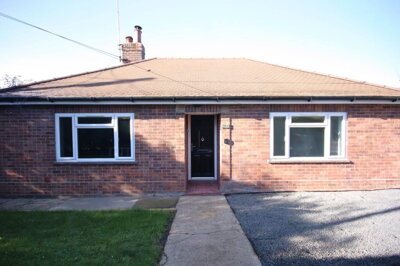
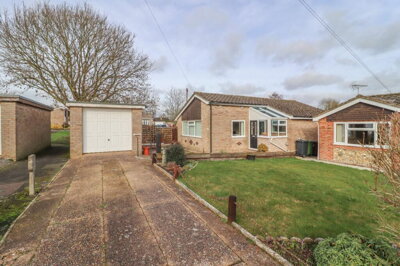
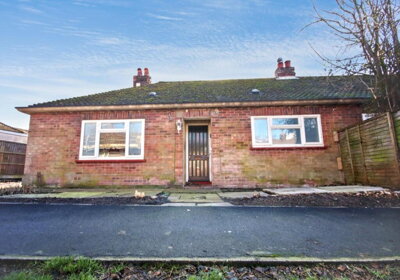
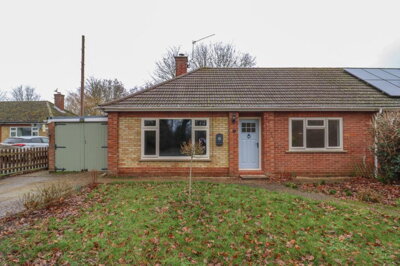
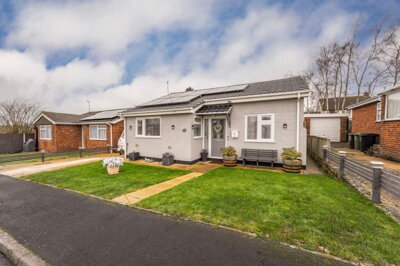
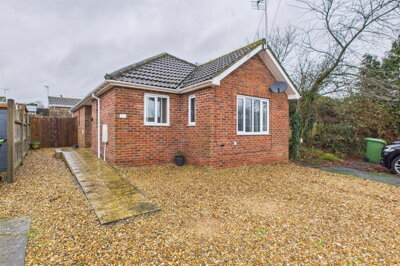
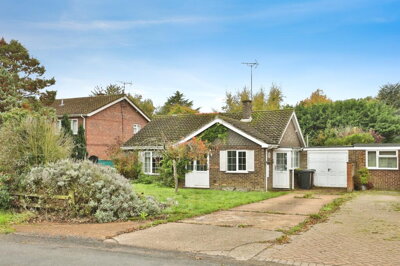
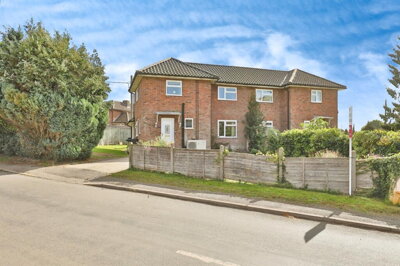
Browse 8 homes for sale in Little Dunham from local estate agents.
The 2 bed house market features detached, semi-detached, and terraced properties with two separate bedrooms plus living spaces. Properties in Little Dunham range from Victorian and Edwardian period homes to modern new builds, with pricing varying across different neighbourhoods.
The Little Dunham property market reflects the quiet confidence of rural Norfolk at its finest. Current listings include detached properties averaging around £430,000, semi-detached homes at approximately £280,000, and terraced properties starting from £200,000. Over the past twelve months, there have been 10 property sales recorded in the village, indicating steady transaction volumes for a settlement of this size. The 2.9% annual price increase suggests sustained demand for rural properties in Breckland, driven partly by buyers seeking more space and accessibility to the Norfolk countryside following changes in working patterns.
New build activity within the Little Dunham postcode area remains limited, with no active developments currently marketing within the village itself. Broader development in the Breckland district tends to concentrate around larger settlements, meaning buyers in Little Dunham are more likely to encounter traditional Norfolk properties constructed from local materials. The housing stock here spans multiple eras, from historic pre-1919 cottages featuring traditional brick and flint construction to post-war family homes and more recent additions constructed since 1980. This variety means buyers can choose between characterful period properties requiring some modernisation and more contemporary homes offering modern comforts and energy efficiency.
The village's position within the Brecks and its proximity to both Swaffham and Dereham influences buyer demographics significantly. Many purchasers are relocating from larger East Anglian towns seeking more space for their budget, while others are drawn by the prospect of working remotely from a characterful property in a well-connected rural location. Detached homes with generous gardens command a premium in this market, reflecting strong demand from families and those who work from home requiring dedicated office space and outdoor areas. The relatively stable nature of rural Norfolk property values offers a degree of security for long-term buyers concerned about market volatility.
Purchasing a property in Little Dunham offers several distinct advantages for buyers seeking rural Norfolk living without complete remoteness. The village provides an authentic Norfolk community experience with a church, local pub, and village hall that hosts regular events throughout the year. Unlike some larger settlements experiencing rapid gentrification, Little Dunham maintains realistic property prices that reflect genuine value for money in the current market. The average price of £360,000 compares favourably with neighbouring villages and offers significantly more space per pound than comparable properties near Norwich or along the coast.

Life in Little Dunham revolves around community spirit and the rhythms of rural Norfolk living. The village sits within the unique Brecks landscape, a distinctive area of England characterised by its mix of heathland, forest, and farmland that straddles the Norfolk and Suffolk border. Residents enjoy access to excellent walking and cycling routes, including connections to the wider Norfolk footpath network. The nearby town of Swaffham, approximately five miles away, provides essential supermarkets, independent shops, restaurants, and a weekly market where local producers sell fresh Norfolk produce. Dereham, another nearby market town, offers additional retail options, healthcare facilities, and community amenities.
The local economy around Little Dunham draws from diverse sources including agriculture, local services, and tourism related to Norfolk's heritage attractions. Many residents commute to larger towns and cities including Norwich, which lies around 30 miles east and offers comprehensive shopping, cultural venues, and employment opportunities. The village benefits from its position within the Breckland district while maintaining the intimate scale and character that makes small Norfolk villages so appealing. Property types reflect this rural character, with detached and semi-detached homes with generous gardens predominating over the terraced housing more commonly found in urban areas.
The Brecks landscape offers exceptional recreational opportunities, with the Norfolk Wildlife Trust managing several nature reserves within easy reach. The area is renowned for its unusual plant species, rare birds, and the distinctive landscape formed by glacial deposits and sandy heathland. For families, the combination of good schools in surrounding villages, safe rural lanes for cycling, and plenty of outdoor space makes Little Dunham particularly attractive. The village hall serves as a focal point for community activities, hosting everything from WI meetings to children's parties and local elections.
Families considering a move to Little Dunham will find educational options available at primary level within reasonable driving distance. The village's small scale means it relies on neighbouring communities for schooling, with several primary schools serving the surrounding villages. These schools typically cater to children from Reception through to Year 6, with class sizes that allow for personalised attention and strong community relationships between staff, pupils, and parents. Parents should research individual school performance, Ofsted ratings, and catchment area boundaries when considering properties, as these factors can significantly influence educational outcomes and school allocation.
Secondary education in the area centres on schools in nearby market towns, with several options accessible to Little Dunham families. Secondary schools in Swaffham and Dereham serve as the main destinations for students progressing beyond primary education, offering a range of academic and vocational subjects at GCSE and A-Level. For families prioritising grammar school education, Norfolk operates a selective system, and interested parents should investigate which grammar schools have sufficient capacity and transport connections from the Little Dunham area. Further education opportunities are available at colleges in Norwich, King's Lynn, and Cambridge, providing progression routes for older students pursuing higher qualifications or vocational training.
School transport arrangements are an important consideration for families moving to Little Dunham, as most secondary school pupils will require transport to schools in nearby towns. Breckland Council operates school transport services for eligible pupils, though private arrangements or car sharing among parents are common in the village. Parents should factor transport logistics into their property search, particularly if seeking properties closest to primary school locations in surrounding villages.
Transport connections from Little Dunham reflect its rural village character, with private vehicle travel remaining the primary mode of transport for most residents. The village sits within easy reach of the A47, Norfolk's main east-west trunk road, which provides connections to Norwich to the east and King's Lynn to the west. The A11 lies to the north, offering direct access to Cambridge and the M11 motorway beyond, making longer distance commuting feasible for those working in major cities. Journey times to Norwich city centre typically take around 45 minutes by car, while Cambridge can be reached in approximately 90 minutes under normal traffic conditions.
Public transport options are more limited but do exist for those without constant vehicle access. Bus services connect Little Dunham with nearby market towns, though frequencies are typically geared towards weekday shopping and market day journeys rather than daily commuting. The nearest railway stations are located in Norwich and Ely, providing connections to London Liverpool Street via Cambridge, with journey times to the capital ranging from around 90 minutes to two hours. For commuters working from home or maintaining flexible working arrangements, Little Dunham's position offers a practical compromise between rural tranquility and reasonable connectivity to regional employment centres.
For those who commute by train, Norwich station offers regular services to London Liverpool Street with journey times of approximately 90 minutes to two hours depending on the service. Ely station provides an alternative route to Cambridge and London Stansted, potentially offering faster connections to some destinations. Many Little Dunham residents find that the combination of flexible working and occasional office commutes is manageable from this location, particularly given the significantly lower property prices compared to commutable locations nearer London.
Before starting your property search, obtain a mortgage agreement in principle from a lender. This demonstrates your budget to estate agents and strengthens your position when making offers. Given current average prices around £360,000 in Little Dunham, you will need to budget for a deposit of typically 5-15% of the purchase price plus additional costs including Stamp Duty, legal fees, and survey costs.
Explore property listings across major portals and contact local estate agents active in the Breckland area. Understanding what is available, recent sale prices achieved, and how long properties take to sell will help you set realistic expectations and identify the right properties for your circumstances. Pay particular attention to the difference between period properties requiring renovation and newer homes offering modern specifications.
Schedule viewings of properties that match your criteria, paying attention to construction type, condition, and potential maintenance requirements. Many properties in Little Dunham are older constructions, so consider the implications of traditional brick and flint building methods and any maintenance history the seller can provide. View properties at different times of day and in various weather conditions to assess lighting, heating requirements, and drainage.
Once your offer is accepted, arrange a RICS Level 2 Survey to assess the property condition. Given the age of much of the local housing stock, this survey will identify any defects, structural concerns, or renovation requirements before you commit to purchase. Survey costs in Norfolk typically range from £400-900 depending on property size and value. A thorough survey is particularly important for period properties with traditional construction methods.
Appoint a conveyancing solicitor to handle the legal transfer of ownership. They will conduct searches with Breckland Council, investigate title deeds, and manage the complex paperwork involved in property transactions. Your solicitor will liaise with your mortgage lender and coordinate the completion process. Local solicitors with Breckland experience will be familiar with any specific requirements for rural properties.
Once all searches are satisfactory, your mortgage is approved, and both parties agree on terms, contracts are exchanged and a completion date is set. On completion day, the remaining funds are transferred, and you receive the keys to your new Little Dunham home. Arrange building insurance to commence from the contract exchange date, as this is when legal responsibility for the property transfers.
Purchasing a property in Little Dunham requires awareness of several area-specific factors that differ from urban property buying. The traditional construction methods used throughout rural Norfolk, including brick and flint walls and clay tile or slate roofs, bring particular considerations. Older properties may have solid walls rather than cavity wall insulation, which affects thermal performance and renovation options. A thorough survey will identify any issues with damp proof courses, roof condition, or timber elements that commonly affect period properties in this part of England.
Flood risk in Little Dunham is generally low from rivers and the sea due to the village's inland position, though surface water flooding can occur in localised areas during periods of heavy rainfall. The flat topography and local drainage characteristics mean some properties may be more susceptible than others. Prospective buyers should enquire about any historic flooding incidents and consider drainage patterns when assessing individual properties. Additionally, verify whether the property falls within any planning constraint areas, as Breckland Council may have specific requirements for properties in conservation zones or affecting listed buildings.
The geology of Little Dunham and the surrounding Breckland area consists predominantly of chalk bedrock, often overlain by glacial tills, sands, and gravels. Clay soils present in some areas can pose a shrink-swell risk, particularly for properties with trees nearby or those built on ground with higher clay content. A property survey will identify any signs of movement or subsidence that might indicate foundation issues requiring attention.
Freehold versus leasehold tenure is an important consideration, particularly for any properties sold as leasehold such as converted flats or newer properties with shared amenities. Ground rent terms and service charges should be clearly understood before committing to purchase. For buyers seeking period properties, be aware that traditional construction often requires more maintenance than modern equivalents, and budget accordingly for potential roof repairs, rewiring, or plumbing updates that older homes may require.
The average property price in Little Dunham was £360,000 as of February 2026. Detached properties average around £430,000, semi-detached homes approximately £280,000, and terraced properties start from £200,000. Property values have increased by 2.9% over the past twelve months, indicating steady demand for homes in this rural Norfolk village. The market benefits from its position within the Breckland district and proximity to good transport links, making it attractive for buyers seeking value outside more expensive East Anglian locations.
Council tax bands in Little Dunham are set by Breckland Council and depend on the property valuation band assigned by the Valuation Office Agency. Band A properties represent the lowest valuation tier, while Bands E through H apply to higher value homes. The typical mix of property types in the village means buyers will find properties across several council tax bands. You can check the specific banding for any listed property through the Valuation Office Agency website or on any council tax bill.
As a small village with approximately 320 residents, Little Dunham does not have its own school. Primary school options exist in surrounding villages, with parents advised to check individual school Ofsted ratings and catchment area boundaries when considering where to purchase. Secondary schools in nearby Swaffham and Dereham serve the area, including both comprehensive schools and grammar schools accessible for those meeting the selective entry criteria. School transport arrangements should be factored into any property decision for families with school-age children.
Public transport options from Little Dunham are limited, with bus services connecting to nearby market towns primarily for shopping and market day journeys rather than daily commuting. The nearest railway stations are in Norwich and Ely, providing connections to Cambridge and London Liverpool Street with journey times ranging from 90 minutes to two hours. Most residents rely on private vehicles for daily commuting, with the A47 providing reasonable access to Norwich and the A11 connecting to Cambridge and the M11 motorway network.
Little Dunham offers stable property values with consistent 2.9% annual growth, making it attractive for long-term investment. The rural Norfolk market tends to be less volatile than urban areas, and demand for period properties with character continues among buyers seeking rural lifestyles. However, investors should note that rental demand in very small villages can be limited, and proximity to larger towns like Swaffham and Dereham may affect tenant appeal. Properties requiring some modernisation may offer renovation potential for investors willing to take on period properties.
Standard Stamp Duty Land Tax rates start at 0% for properties up to £250,000, rising to 5% on the portion between £250,001 and £925,000. First-time buyers pay nothing on the first £425,000 and 5% on amounts up to £625,000. For a typical Little Dunham property priced at £360,000, standard buyers pay £3,000 in Stamp Duty while first-time buyers meeting the eligibility criteria pay £0. Additional costs including conveyancing and survey fees should be budgeted separately.
Older properties in Little Dunham commonly feature traditional construction methods including solid brick and flint walls, which can be susceptible to damp if not properly maintained. Roof conditions require careful inspection, as traditional clay tile or slate roofs may show wear requiring replacement. Timber defects including wet and dry rot can affect floor structures and window frames in period properties. Outdated electrical and plumbing systems often need updating to meet current standards. A RICS Level 2 Survey will identify these issues before purchase, allowing buyers to budget for any necessary works or negotiate accordingly with sellers.
As a historic Norfolk village, Little Dunham may have properties affected by planning constraints, particularly those near St Margaret's Church which is Grade I listed. Properties within any designated conservation areas will be subject to Breckland Council requirements for external alterations and extensions. Buyers should review the Breckland Council planning portal for any constraints affecting a specific property and factor potential restrictions into renovation plans. Standard permitted development rights may be limited for period properties and those within sensitive locations.
From 4.5% APR
Compare competitive mortgage rates for your Little Dunham purchase
From £499
Expert legal services for your property transaction in Breckland
From £400
Professional survey of your Little Dunham property
From £80
Energy performance certificate for your Norfolk property
Understanding the full costs of buying property in Little Dunham extends beyond the purchase price itself. Stamp Duty Land Tax applies to all purchases above £250,000 at standard rates, with 5% charged on the portion between £250,001 and £925,000. For a typical Little Dunham home priced at £360,000, this means a Stamp Duty bill of £3,000 for standard buyers. First-time buyers purchasing properties up to £625,000 benefit from relief on the first £425,000, meaning a £360,000 property would incur zero Stamp Duty for eligible first-time purchasers who have not previously owned property.
Additional purchase costs include conveyancing fees, typically ranging from £500 to £1,500 depending on complexity and whether the property is freehold or leasehold. A RICS Level 2 Survey for a property in the £280,000 to £430,000 range will cost approximately £400 to £900, with larger detached properties at the higher end. Search fees with Breckland Council, drainage and water searches, and Land Registry fees add several hundred pounds more. Removal costs, potential renovation works, and setting up utilities and broadband services complete the moving budget. Buyers should ensure they have funds equivalent to at least 5% of the purchase price available for these additional costs, on top of their deposit and mortgage arrangement.
Properties for Sale In London

Properties for Sale In Plymouth

Properties for Sale In Liverpool

Properties for Sale In Glasgow

Properties for Sale In Sheffield

Properties for Sale In Edinburgh

Properties for Sale In Coventry

Properties for Sale In Bradford

Properties for Sale In Manchester

Properties for Sale In Birmingham

Properties for Sale In Bristol

Properties for Sale In Oxford

Properties for Sale In Leicester

Properties for Sale In Newcastle

Properties for Sale In Leeds

Properties for Sale In Southampton

Properties for Sale In Cardiff

Properties for Sale In Nottingham

Properties for Sale In Norwich

Properties for Sale In Brighton

Properties for Sale In Derby

Properties for Sale In Portsmouth

Properties for Sale In Northampton

Properties for Sale In Milton Keynes

Properties for Sale In Bournemouth

Properties for Sale In Bolton

Properties for Sale In Swansea

Properties for Sale In Swindon

Properties for Sale In Peterborough

Properties for Sale In Wolverhampton

Enter your details to see if this property is within your budget.
Loans, cards, car finance
Estimated property budget
Borrowing + deposit
You could borrow between
Typical borrowing
Monthly repayment
Est. at 4.5%
Loan-to-value
This is an estimate only. Your actual budget may vary depending on interest rates, credit history, and personal circumstances. For an accurate affordability assessment, speak to one of our free mortgage advisors.
This calculator provides estimates for illustrative purposes only and does not constitute financial advice. Your home may be repossessed if you do not keep up repayments on your mortgage. Estimates based on 4.5% interest rate, repayment mortgage. Actual rates depend on your circumstances.
Homemove is a trading name of HM Haus Group Ltd (Company No. 13873779, registered in England & Wales). Homemove Mortgages Ltd (Company No. 15947693) is an Appointed Representative of TMG Direct Limited, trading as TMG Mortgage Network, which is authorised and regulated by the Financial Conduct Authority (FRN 786245). Homemove Mortgages Ltd is entered on the FCA Register as an Appointed Representative (FRN 1022429). You can check registrations at NewRegister or by calling 0800 111 6768.

We use cookies to show you personalised content and improve your experience of our website. Find out more in our Privacy policy and Cookie policy.