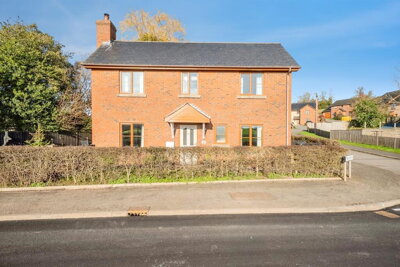
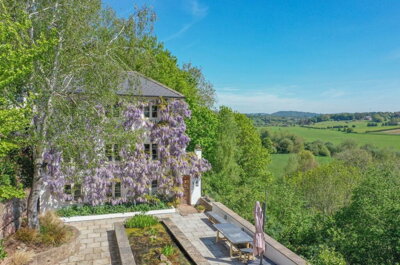
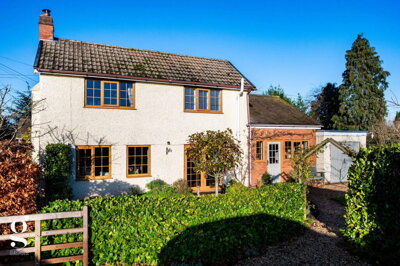
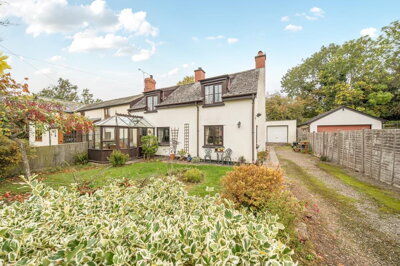
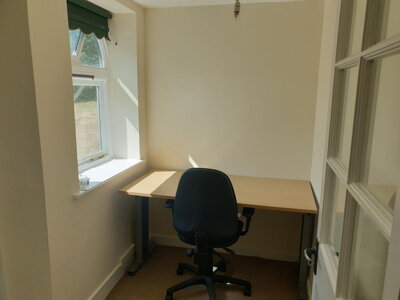
Browse 5 homes for sale in Little Dewchurch from local estate agents.
Three bedroom properties represent a significant portion of the Little Dewchurch housing market, offering space for families with multiple reception rooms and gardens in many cases. Browse detached, semi-detached, and terraced options ranging from period character homes to contemporary developments.
The Little Dewchurch property market has experienced notable shifts over the past year, with overall prices declining approximately 6% compared to the previous year and sitting 16% below the 2022 peak of £379,600. Despite these corrections, the village remains popular among buyers seeking spacious family homes in a rural setting. Property types available include traditional stone cottages, semi-detached houses from various decades, detached family homes, and bungalows catering to downsizers. The HR2 postcode area surrounding Little Dewchurch recorded around 2,100 property sales between January and December 2025, though this broader figure reflects Hereford's wider market rather than Little Dewchurch specifically.
Breaking down by property type reveals distinct pricing patterns. Detached properties dominate the upper end of the market at an average of £472,500, reflecting the demand for generous space and privacy that rural living affords. Semi-detached properties averaged £180,000 over the last 12 months, offering solid value for families seeking more manageable accommodation. Flats in the area, while less common, start from around £150,000. The forthcoming Athelstan Meadow development by Bell Homes will introduce 2, 3, and 4-bedroom homes including bungalows and low-cost housing options, launching late Spring 2026 at HR2 6PU.
For buyers watching the St Davids Rise area specifically, prices have shown different patterns to the wider village. Properties in this HR2 6PL postcode averaged 25% higher than the previous year, though still sitting 4% below the 2019 peak of £172,500. This suggests micro-market variations within Little Dewchurch that savvy buyers should investigate when narrowing their search to specific streets or developments.

Life in Little Dewchurch revolves around community spirit and a genuine connection to Herefordshire's beautiful countryside. The village name derives from its dedication to Saint David, with the Parish Church standing as the spiritual heart of the community since the 14th century, though the current building was largely rebuilt in 1870 following an 1876 directory that described the village as having loam and clay soil with a soft rock subsoil. The Plough Inn, dating from the late 18th century, provides a traditional pub setting where villagers gather for meals and social events. A village school opened in 1865, continuing to serve local families and reinforcing the village's enduring appeal to parents with young children.
Historically, until World War II, the majority of people in Little Dewchurch earned their living on the land as landowners, tenant farmers, or agricultural workers. This agricultural heritage is still reflected in the surrounding landscape of rolling Herefordshire countryside. The demographic makeup of Little Dewchurch reflects a balanced community combining long-established families with newcomers attracted by the quality of life. According to 2021 Census data, the parish contains 444 residents across 444 households, suggesting predominantly single-occupancy or smaller family homes. The village has grown thoughtfully over the decades, with St. David's Rise constructed in the 1950s, Court Close developed mainly in the 1970s, newer housing around the village green from around 2000, and The Furrows development adding 10 homes near The Plough Inn in 2011.
The village's position roughly halfway between Hereford and Ross-on-Wye provides residents with practical access to a wider range of amenities while maintaining rural character. Hereford itself offers comprehensive shopping, healthcare, and recreational facilities just a short drive away, making it feasible for residents to enjoy countryside living without sacrificing access to services. Community events, local traditions, and the presence of a working village school all contribute to the tight-knit atmosphere that defines life in Little Dewchurch.

Families considering Little Dewchurch will find educational options within easy reach, with the village maintaining its own primary school established in 1865. This historic institution has served generations of local children and continues to provide foundational education for young residents. The rural setting of Little Dewchurch means children typically walk to their local school, fostering independence from an early age while reducing the logistical burden on parents. Class sizes in village schools often remain smaller than urban counterparts, allowing teachers to provide more individual attention to each pupil's development.
Secondary education options include schools in nearby Hereford, accessible via school bus services that operate from the village. Hereford offers several secondary schools with strong academic records, catering to families willing to travel slightly further for broader curriculum choices or specific extracurricular programmes. Parents should research individual school performance data and consider catchment areas when budgeting for property purchase, as school catchment boundaries can significantly influence which institutions children attend. Sixth form provision in Hereford provides comprehensive further education opportunities, with the city's colleges offering A-level courses and vocational qualifications to suit various career aspirations.
For families prioritising educational provision, the availability of a village primary school within walking distance adds significant value to properties in Little Dewchurch. The continuity of a school established over 150 years ago speaks to the village's stability and long-term viability as a family location. When evaluating properties, parents should confirm current catchment arrangements with Herefordshire Council, as these can change and directly impact which schools children may attend.
Little Dewchurch occupies a convenient position approximately 6 miles south of Hereford city centre, making regular commuting practical for those working in the county town. The village sits roughly halfway between Hereford and Ross-on-Wye, providing access to the A49 corridor that connects major towns throughout Herefordshire and Worcestershire. Road connections to the M50 motorway at Ross-on-Wye open up broader regional destinations including Birmingham, Bristol, and Cardiff for those pursuing career opportunities further afield. Daily commuting by car to Hereford typically takes 15-20 minutes depending on traffic conditions and exact starting point within the village.
Public transport options serve the village through bus services connecting Little Dewchurch with Hereford and surrounding villages. These services provide essential connectivity for residents without private vehicles, though journey frequency may require planning around specific timetables. Hereford railway station offers direct rail connections to major destinations including London Paddington, Birmingham New Street, Cardiff Central, and Manchester Piccadilly. The West Midlands to Wales rail line passes through Hereford, positioning Little Dewchurch residents within reasonable reach of international airports at Birmingham and Bristol for business or leisure travel further afield.
For professionals considering Little Dewchurch as a base, the transport connections support both local and longer-distance commuting patterns. The journey time by rail from Hereford to London Paddington is typically around 3 hours, making day trips to the capital feasible for those with business there. The M50 provides quick access to the M5 and M4 motorway networks, opening up the West Midlands, South Wales, and the South West for residents willing to drive to major employment centres.
Explore current listings in Little Dewchurch to understand available properties, price ranges, and what your budget can purchase in this Herefordshire village. Our platform aggregates properties from multiple estate agents, allowing you to compare options efficiently. Pay particular attention to the different character areas within the village, from the historic cottages near the Parish Church to the more modern developments like St. David's Rise and The Furrows.
Contact lenders or mortgage brokers to obtain an agreement in principle before viewing properties. This demonstrates your financial credibility to sellers and strengthens your position when making offers, particularly important in a village market where multiple buyers may compete for desirable homes. Given the average property price of around £313,000, most buyers will need a mortgage sufficient to cover the majority of their purchase.
Visit properties that match your criteria, paying attention to the village's character, proximity to amenities, and specific property conditions. Consider factors like the age of construction, potential maintenance requirements, and whether the property suits your family's current and future needs. In Little Dewchurch, pay special attention to heating systems since many properties are not connected to the gas grid and may rely on oil, LPG, or electric heating.
Before proceeding with your purchase, arrange a comprehensive survey to assess the property's condition. Given Little Dewchurch's mix of older properties, including homes from the 1950s through to historic cottages dating back centuries, a professional survey can identify structural issues, damp, roof condition, and any maintenance concerns requiring attention or negotiation. For older properties or those with non-standard construction, a Level 2 survey typically costs between £400-£800.
Appoint a conveyancing specialist to handle the legal aspects of your purchase. Your solicitor will conduct searches, review contracts, and manage the transfer of ownership, ensuring all documentation meets legal requirements for properties in Herefordshire. Local knowledge of Herefordshire Council procedures and any specific village requirements will streamline the process.
Once all searches are satisfactory and financing is confirmed, your solicitor will coordinate the exchange of contracts with the seller's legal team. Completion typically follows within days or weeks, at which point you receive the keys and take ownership of your new Little Dewchurch home. Factor in stamp duty costs, typically around £3,150 on an average-priced property, when finalising your moving budget.
Properties in Little Dewchurch span several decades of construction, from historic cottages through to modern developments from the 2000s. The village's building heritage includes Victorian and Edwardian properties near the village centre, post-war housing in St. David's Rise from the 1950s, 1970s construction in Court Close, and contemporary homes built around 2000 near the village green. Older properties dating before 1964 may not have been connected to mains water or electricity originally, meaning careful investigation of electrical systems and plumbing is essential. Our inspectors frequently find that properties in this area require updates to meet modern standards.
Many homes in Little Dewchurch and the wider Hereford area rely on oil-fired heating, LPG boilers, or solid fuel systems rather than natural gas, so understanding the energy setup and associated costs should form part of your property assessment. The village's clay soil composition, noted in historical records as loam and clay with soft rock subsoil, means buyers should look for signs of ground movement or subsidence, particularly in properties with mature trees nearby. Damp and mould issues are a notable concern in Herefordshire's older housing stock, especially in properties with solid stone or brick walls that may have been built before modern damp-proof courses were standard.
Planning considerations in Little Dewchurch reflect the village's rural character and heritage status. The Grade II* listed Parish Church anchors the village's conservation ethos, and any modifications to period properties may require planning permission or listed building consent. The forthcoming Athelstan Meadow development brings 15 new homes to the village, potentially increasing demand for existing properties while offering buyers a choice of brand-new accommodation. When evaluating properties, consider the practical implications of rural living including driveway maintenance, private drainage systems where applicable, and the distance to nearest amenities in Hereford.
Common issues our surveyors identify in local properties include outdated electrical installations that pre-date current regulations, roofing that may need attention on older properties, and single-glazed windows that reduce energy efficiency. Properties with suspended timber floors may show signs of woodworm or rot, particularly in areas with poor ventilation. A thorough RICS Level 2 survey will flag these concerns before you commit to purchase, allowing you to renegotiate the price or request repairs.
The average sold price in Little Dewchurch over the last 12 months ranges from £313,000 to £318,750 depending on the data source, with detached properties averaging £472,500, semi-detached homes at £180,000, and flats from £150,000. Overall prices have declined approximately 6% compared to the previous year and sit 16% below the 2022 peak of £379,600, presenting potential opportunities for buyers entering the market. For specific streets like St. David's Rise, prices have performed differently, rising 25% year-on-year but still 4% below the 2019 peak.
Properties in Little Dewchurch fall under Herefordshire Council's jurisdiction for council tax purposes. Specific bandings depend on property value and characteristics, with most residential properties in the village ranging from Band B through to Band E. Prospective buyers should verify the exact council tax band for any specific property through the Herefordshire Council website or the property listing details. The band will affect your ongoing monthly costs once you move in, so this is worth confirming before completing your purchase.
Little Dewchurch benefits from its own historic primary school established in 1865, providing education for younger children within the village community. This village school offers smaller class sizes and shorter journeys for primary-age children compared to urban alternatives. Secondary school options are available in nearby Hereford, accessible via school bus services, with several secondary schools serving the wider Herefordshire area. Parents should research individual school Ofsted ratings and consider catchment areas when evaluating properties for families with school-age children, as catchment boundaries directly influence school placement.
Bus services connect Little Dewchurch with Hereford and surrounding villages, providing essential public transport options for residents without private vehicles. Hereford railway station offers direct services to London Paddington, Birmingham, Cardiff, and Manchester, with typical journey times to London of around 3 hours. The village's position 6 miles south of Hereford makes rail access practical for regular commuters, while the nearby M50 motorway provides road connectivity to Bristol, Birmingham, and South Wales for those willing to drive to major employment centres.
Little Dewchurch offers several investment considerations for property buyers. The village's rural character, community facilities including The Plough Inn pub and village school, and proximity to Hereford appeal to families and professionals seeking countryside living. The upcoming Athelstan Meadow development of 15 new homes by Bell Homes indicates continued local investment in the area. However, buyers should note the recent price correction of 6% year-on-year and 16% below the 2022 peak when evaluating long-term appreciation potential.
Stamp duty rates for 2024-25 apply at 0% on purchases up to £250,000, 5% between £250,001 and £925,000, 10% from £925,001 to £1.5 million, and 12% above £1.5 million. First-time buyers benefit from relief on the first £425,000, paying 5% between £425,001 and £625,000. Given the average property price in Little Dewchurch of around £313,000, most buyers would pay stamp duty only on the amount above £250,000, resulting in SDLT of approximately £3,150 at the 5% rate. First-time buyers purchasing at the average price would pay no SDLT thanks to the higher threshold.
When viewing properties in Little Dewchurch, pay particular attention to the heating system since many homes are not connected to the gas grid and rely on oil, LPG, or electric heating, which affects both running costs and maintenance requirements. Check the condition of plumbing and electrics, especially in older properties that may have been built before mains services were available. Look for signs of damp or subsidence related to the local clay soil, particularly near mature trees. Properties with solid stone or brick walls may lack modern damp-proof courses. A RICS Level 2 survey before purchase will identify any issues that need addressing.
From £400
A detailed inspection of the property condition, ideal for standard homes in Little Dewchurch
From £600
A comprehensive Building Survey for older or non-standard properties
From £85
Energy Performance Certificate required for all property sales
From £499
Solicitors to handle the legal transfer of ownership
Understanding the full costs of purchasing property in Little Dewchurch helps you budget accurately for your move. The current SDLT thresholds for 2024-25 set the zero-rate band at £250,000 for standard buyers. Given that the average property price in Little Dewchurch sits around £313,000, most purchases would incur stamp duty on approximately £63,000, resulting in SDLT of £3,150 at the 5% rate. This represents a meaningful addition to your purchase costs that should be factored into your financial planning alongside deposit, solicitor fees, and moving expenses.
First-time buyers purchasing in Little Dewchurch benefit from enhanced relief, with zero stamp duty applying up to £425,000 and 5% charged between £425,001 and £625,000. For a first-time buyer purchasing an average-priced property at £313,000, no SDLT would be payable, representing significant savings compared to previous thresholds. Beyond stamp duty, budget for solicitor conveyancing costs typically ranging from £500 to £1,500 depending on complexity, mortgage arrangement fees, valuation charges, and removal costs.
A RICS Level 2 survey, costing from £400 to £800 for properties in this price range, provides essential protection against discovering costly defects after purchase. For older properties in Little Dewchurch with solid stone walls or pre-1964 construction, the survey cost may be at the higher end due to non-standard construction considerations. Factor in ongoing costs such as council tax (typically Band B to E), building insurance, and maintenance reserves for rural properties where gardens and driveways may require more upkeep than urban homes.
Properties for Sale In London

Properties for Sale In Plymouth

Properties for Sale In Liverpool

Properties for Sale In Glasgow

Properties for Sale In Sheffield

Properties for Sale In Edinburgh

Properties for Sale In Coventry

Properties for Sale In Bradford

Properties for Sale In Manchester

Properties for Sale In Birmingham

Properties for Sale In Bristol

Properties for Sale In Oxford

Properties for Sale In Leicester

Properties for Sale In Newcastle

Properties for Sale In Leeds

Properties for Sale In Southampton

Properties for Sale In Cardiff

Properties for Sale In Nottingham

Properties for Sale In Norwich

Properties for Sale In Brighton

Properties for Sale In Derby

Properties for Sale In Portsmouth

Properties for Sale In Northampton

Properties for Sale In Milton Keynes

Properties for Sale In Bournemouth

Properties for Sale In Bolton

Properties for Sale In Swansea

Properties for Sale In Swindon

Properties for Sale In Peterborough

Properties for Sale In Wolverhampton

Enter your details to see if this property is within your budget.
Loans, cards, car finance
Estimated property budget
Borrowing + deposit
You could borrow between
Typical borrowing
Monthly repayment
Est. at 4.5%
Loan-to-value
This is an estimate only. Your actual budget may vary depending on interest rates, credit history, and personal circumstances. For an accurate affordability assessment, speak to one of our free mortgage advisors.
This calculator provides estimates for illustrative purposes only and does not constitute financial advice. Your home may be repossessed if you do not keep up repayments on your mortgage. Estimates based on 4.5% interest rate, repayment mortgage. Actual rates depend on your circumstances.
Homemove is a trading name of HM Haus Group Ltd (Company No. 13873779, registered in England & Wales). Homemove Mortgages Ltd (Company No. 15947693) is an Appointed Representative of TMG Direct Limited, trading as TMG Mortgage Network, which is authorised and regulated by the Financial Conduct Authority (FRN 786245). Homemove Mortgages Ltd is entered on the FCA Register as an Appointed Representative (FRN 1022429). You can check registrations at NewRegister or by calling 0800 111 6768.

We use cookies to show you personalised content and improve your experience of our website. Find out more in our Privacy policy and Cookie policy.