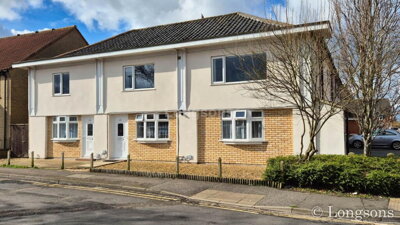
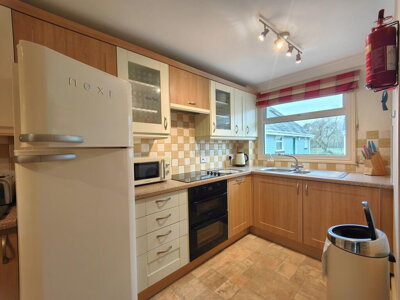
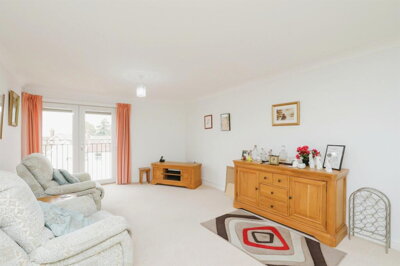
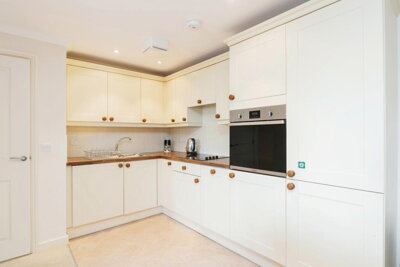
Browse 4 homes for sale in Little Cressingham from local estate agents.
Studio apartments feature open-plan living spaces without separate bedrooms, incorporating sleeping, living, kitchen, and bathroom facilities. The Little Cressingham studio market includes properties in modern apartment complexes, converted Victorian and Georgian buildings, and purpose-built developments.
The Ketton property market offers a diverse range of housing options to suit various budgets and preferences. Detached properties command the highest average prices at £437,800, reflecting the demand for spacious family homes with generous gardens in this desirable Rutland village. Semi-detached homes average £277,000, while terraced properties offer more affordable entry points at around £222,000. Flats in Ketton average £145,000, though these make up only a small portion of the housing stock at approximately 5.7% of all properties. The predominant housing stock reflects the village's family-oriented character, with detached homes comprising 49.3% of properties, semi-detached at 26.8%, and terraced homes at 18.2%.
New build activity is particularly strong in Ketton, with two significant developments currently underway. Ketton Grange, developed by Davidsons Homes on Empingham Road (PE9 3TE), offers 2, 3, 4, and 5 bedroom homes priced from £299,995 to £629,995. Similarly, The Maltings by Larkfleet Homes on Pit Lane (PE9 3SZ) provides the same range of bedroom configurations at comparable price points. These developments blend modern construction with design considerations that respect the village's limestone heritage, appealing to buyers who appreciate both contemporary comfort and traditional aesthetics. Both developments have been verified as active in Ketton and represent significant investment in the village's housing supply.
Recent market trends show modest price adjustments over the past twelve months, with overall values decreasing by approximately 0.8%. Detached properties saw the smallest decline at 0.7%, while semi-detached homes experienced a slightly larger adjustment of 1.4%. This stability reflects Ketton's position as a resilient market that weathered economic uncertainties better than many urban areas. The village's appeal stems from its rural character, excellent transport links to Stamford and Oakham, and the presence of key employers including Ketton Cement Works. For buyers seeking long-term value in a community-focused village setting, Ketton presents compelling opportunities across all property types.

Understanding the construction methods prevalent in Ketton helps buyers appreciate the character of local properties and anticipate maintenance requirements. The village's architectural heritage is defined by its use of local limestone, specifically Ketton Stone from the Jurassic Great Oolite Group. Traditional properties feature this stone laid in either coursed or random rubble patterns, demonstrating the craftsmanship of local builders who have worked with this material for centuries. The warm, golden appearance of these older properties distinguishes Ketton's village centre from surrounding areas where different building materials prevail.
Construction methods in Ketton vary significantly by property age. Older stone properties typically feature solid wall construction, which differs substantially from modern cavity wall systems. Solid walls are typically 300-450mm thick and were built without the air gaps found in contemporary construction, meaning they handle moisture differently and may require different approaches to insulation. Properties built from the 1920s onwards increasingly used cavity wall construction, particularly for brick-built homes, which offers better thermal performance and moisture resistance. Timber roof structures are standard throughout the village's housing stock, with traditional slate or clay tile coverings on older properties and concrete tiles on some post-war developments.
The underlying geology of Ketton presents some considerations for property buyers. The limestone bedrock belongs to the Great Oolite Group, which can include areas of karst topography with dissolution features. While this generally indicates stable ground conditions, localised variations can occur that affect foundation performance. Clay deposits in superficial geology can create shrink-swell risk, particularly for properties with trees or vegetation close to foundations. Our survey recommendations account for these geological factors, ensuring that properties in areas with variable ground conditions receive appropriate structural assessments. Buyers purchasing near former quarry sites should seek specialist advice regarding ground stability, though active quarrying operations in the area are generally well-managed under current regulations.
Life in Ketton revolves around a strong sense of community and the natural beauty of Rutland's countryside. The village has a population of approximately 1,794 residents across 768 households, creating an intimate atmosphere where neighbours often know each other by name. The village offers essential amenities including a post office, general store, and traditional pub, while the broader community hosts regular events that bring residents together throughout the year. This village spirit is a major draw for families and retirees seeking a slower pace of life without isolation. Community organisations and the local church play active roles in village life, with events ranging from summer fetes to quiz nights and craft workshops.
Ketton's geological heritage is intrinsically linked to its built environment. The village sits on Jurassic limestone formations, specifically the Great Oolite Group, which includes the famous Ketton Stone. This local limestone has been used as a building material for centuries, giving Ketton's older properties their distinctive warm, golden appearance. The stone is quarried locally, and many historic buildings showcase traditional coursed or random rubble patterns that demonstrate the skill of local craftsmen. Understanding this geological context helps explain why Ketton's architecture is so distinctive compared to surrounding villages where different building materials prevail.
The village's Conservation Area status protects numerous historic structures, including many Grade II listed buildings such as traditional stone houses and the village church. Properties in the Conservation Area are subject to planning considerations that preserve their character, which can affect renovation options and should be considered when purchasing. Outdoor enthusiasts appreciate Ketton's proximity to Rutland Water, excellent walking trails through the surrounding countryside, and easy access to the Welland and Gwash Valleys. The village sits near the River Chater, with some lower-lying areas presenting minor surface water flood risk that buyers should factor into their property decisions. Cyclists enjoy the relatively flat terrain through Rutland, making village-to-town cycling practical for regular commuting and leisure rides.
Ketton Cement Works represents the village's most significant industrial presence, providing employment for local residents and contributing to the regional economy. This employer helps sustain the village's working-age population and supports local services and businesses. The cement works has operated in the area for many years, with modern environmental controls managing its impact on the surrounding countryside. For property buyers, the presence of major employers like this contributes to the village's economic stability and helps ensure that Ketton remains a viable long-term residential choice rather than becoming purely a dormitory settlement for commuters.

Education provision in Ketton serves families with children of all ages, with primary education available within the village itself. Ketton Church of England Primary School provides local primary education, reflecting the strong community ties that characterise village life in Rutland. The school serves Ketton and surrounding villages, providing children with a solid educational foundation in a supportive, rural environment. Parents frequently cite the school's community atmosphere and dedicated teaching staff as key advantages of living in the village. The school's Church of England affiliation means it maintains close links with St Mary's Church in Ketton, enriching the educational experience with spiritual and cultural activities.
For secondary education, students typically travel to nearby towns including Stamford, approximately 5 miles from Ketton, where several well-regarded secondary schools are located. The transport links from Ketton make this daily commute manageable for families, with school bus services operating to schools in Stamford and Oakham. Parents should research specific catchment areas and admissions criteria when considering properties in Ketton, as school placement can significantly influence the overall educational experience for their children. The Kings School in Stamford and others in the area have established reputations for academic achievement and extracurricular activities that complement classroom learning.
Rutland is home to several grammar schools, and students in the area may have access to these selective schools depending on their academic abilities and residence. For further education, Oakham School and other sixth form providers in the region offer diverse curriculum options. The presence of quality educational institutions nearby enhances Ketton's appeal to families, ensuring that children can access excellent schooling without requiring long daily commutes. When purchasing property in Ketton, parents should confirm current school Ofsted ratings and admissions policies, as these can change and directly impact property values in specific areas. Schools near Ketton have shown consistent performance, though prospective buyers should verify current ratings through official Ofsted resources rather than relying on historical data.
Ketton benefits from excellent transport connections that make commuting to larger towns and cities entirely feasible for residents. The village is situated just off the A1, providing direct road access to Peterborough to the north and Grantham to the south. Stamford is approximately 5 miles away, offering comprehensive shopping facilities, restaurants, and additional amenities. The A606 runs through Rutland, connecting Oakham and Melton Mowbray, while the village's position in rural Rutland ensures relatively congestion-free driving conditions compared to urban routes. The nearby A47 provides additional connections eastwards towards Wisbech and the Cambridgeshire Fens.
Rail services are accessible from nearby stations including Stamford station and Peterborough station. Stamford provides regular services to cities including Birmingham, Cambridge, and London, with journey times to London St Pancras typically around 90 minutes via Peterborough. Peterborough station offers faster services to London, with some trains completing the journey in under 50 minutes. These connections make Ketton particularly attractive to commuters who work in larger cities but prefer the quality of life that village living provides. Peterborough also offers connections to Edinburgh and the North, making it a valuable hub for longer-distance travel.
Local bus services operate in the area, connecting Ketton with Stamford, Oakham, and surrounding villages. However, service frequency may be limited on evenings and weekends, so residents relying on public transport should verify current timetables through the Rutland County Council website or local operator information. For cycling, Rutland offers scenic routes through the countryside, with flat terrain in many areas making cycling accessible for most fitness levels. Cycling to nearby towns is popular among residents who prefer environmentally friendly commuting options. Parking in Ketton village is generally straightforward due to the low-density nature of the village, a significant advantage over town and city living where parking stress is a common complaint.
Start by exploring our comprehensive listings for homes for sale in Ketton. Understanding current prices, property types available, and recent sales helps set realistic expectations. With detached homes averaging £437,800 and new builds from £299,995 at Ketton Grange and The Maltings, knowing your budget parameters is essential before viewings. Review property price trends over the past twelve months, which showed a modest 0.8% overall decrease, indicating a stable market rather than volatile conditions.
Contact estate agents in the Ketton area to arrange viewings of properties that match your criteria. Consider viewing several properties to compare different styles, conditions, and locations within the village. Pay particular attention to the condition of older stone properties, which may require more maintenance than modern builds. Take notes during viewings and photograph properties to help with comparisons later. Ask agents about the reason for sale, how long properties have been on the market, and whether there have been any previous offers or price reductions.
Before making an offer, secure a mortgage agreement in principle from a lender. This demonstrates to sellers that you are a serious buyer with financing in place. Our mortgage partners can help you compare rates and find the most suitable mortgage product for your circumstances. With Ketton's average property price at £337,300, most buyers will require substantial mortgages, so understanding your borrowing capacity early in the process helps streamline subsequent steps.
Given Ketton's significant older housing stock, we strongly recommend commissioning a RICS Level 2 Survey before completing your purchase. These surveys typically cost between £400 and £700 in the Ketton area and can identify issues such as damp in stone properties, roof condition, and potential structural concerns. For listed buildings or properties requiring extensive renovation, consider a more detailed RICS Level 3 Survey. Common defects found in Ketton properties include rising damp in solid-walled limestone buildings, timber decay in roof structures, and outdated electrical systems in pre-1960s properties.
Your solicitor will handle all legal aspects of the purchase, including searches, contracts, and registration with the Land Registry. They will check local authority records, including Conservation Area restrictions that affect properties in Ketton's village centre. Our conveyancing partners offer competitive fixed fees for purchases in Rutland. Your solicitor will also conduct environmental searches checking for flood risk from the River Chater, radon levels given the limestone geology, and any historical quarrying activity near former Ketton Stone extraction sites.
Once all searches are satisfactory and your mortgage offer is confirmed, you will exchange contracts and pay your deposit. Completion typically follows within weeks, at which point you will receive your keys and take ownership of your new Ketton home. On completion day, arrange to collect your keys from the estate agent and take meter readings for utilities. Consider introducing yourself to neighbours, as the strong community spirit in Ketton means new residents are typically welcomed warmly into village life.
Purchasing property in Ketton requires awareness of several area-specific considerations that differ from urban property searches. The village's limestone construction heritage means that older properties often feature solid wall construction rather than cavity walls, which affects insulation properties and energy efficiency. Buyers should investigate heating systems and potential insulation improvements when purchasing older stone properties, as retrofitting can be more challenging and costly than in modern cavity-walled homes. Many older properties will have had some modernisation of windows and heating, but comprehensive upgrades may still be needed to achieve current comfort standards.
The Conservation Area designation covering Ketton's village centre brings additional planning considerations. Properties within this area may require planning permission for certain alterations, extensions, or exterior changes to preserve the village's historic character. External materials must often match or complement existing traditional styles, and permitted development rights may be more restricted than in non-conservation areas. Before purchasing, prospective buyers should consult with Rutland County Council planning department regarding any proposed works, as restrictions can affect property development potential and future resale value. The Ketton Conservation Area Appraisal document provides specific guidance on what features and characteristics are protected.
Flood risk in Ketton deserves consideration, particularly for properties near the River Chater or in lower-lying areas. Surface water flooding can occur during periods of heavy rainfall, so buyers should review Environment Agency flood maps and consider this risk alongside buildings insurance costs. Properties in known flood risk areas may face higher insurance premiums, though modern flood resilience measures in newer developments help mitigate these concerns. Obtaining a thorough survey that assesses drainage and damp vulnerability is particularly important in this village setting. The geological limestone substrate generally provides good drainage, but localised depressions and clay areas may retain water.
The prevalence of listed buildings in Ketton means some properties carry additional responsibilities and restrictions. Grade II listed buildings cannot be altered externally without Listed Building Consent, and works must often preserve original features such as windows, fireplaces, and stonework. While these properties offer exceptional character, buyers should budget for potentially higher maintenance costs and specialist conservation requirements. Properties with historic features may also contain asbestos-containing materials if built before 2000, which should be assessed by a specialist before any renovation works commence. Our survey recommendations help identify which properties would benefit from standard RICS Level 2 assessments versus more detailed heritage surveys.
Ketton's housing stock presents several characteristic defects that buyers should understand before committing to a purchase. The village's concentration of traditional limestone properties means that damp issues are among the most frequently encountered problems. Rising damp occurs when moisture travels up through solid walls where original damp-proof courses have failed or were never installed. Penetrating damp results from damaged stonework, failed mortar joints, or damaged rainwater goods allowing water ingress through the porous limestone. Condensation-related damp can affect any property where ventilation is inadequate, particularly in newer homes with improved insulation that reduces air movement through the building fabric.
Timber defects represent another significant category of issues found in Ketton properties. Woodworm infestation can affect roof timbers, floor joists, and structural timber throughout older properties, particularly where wood moisture content has exceeded 20% at any point. Wet and dry rot similarly target timber elements, with wet rot requiring sustained moisture conditions while dry rot can spread through relatively dry timber once established. Our inspectors frequently find evidence of timber decay in properties where roof leaks have gone unnoticed or where plumbing leaks have affected floor timbers over time. A thorough RICS Level 2 Survey will identify active timber defects and recommend appropriate treatment or repair approaches.
Electrical and plumbing systems in older Ketton properties frequently require updating to meet current standards. Properties built before the 1960s typically have wiring systems that cannot safely handle modern electrical loads from appliances, entertainment systems, and charging devices. Consumer units in older properties may lack the residual current device (RCD) protection required by current regulations. Similarly, lead or galvanised steel plumbing pipes common in pre-1970s properties corrode internally over time, reducing water pressure and potentially causing discoloured water. Budget-conscious buyers should factor the cost of complete rewiring and re-plumbing into their purchase calculations when considering older stone properties in Ketton.
Structural concerns in Ketton properties most commonly manifest as cracking to walls and ceilings, which can result from various causes ranging from minor settlement to more serious foundation movement. Properties built on clay soils near trees may experience subsidence as moisture-seeking roots remove water from the ground, causing it to shrink. Alternatively, properties built on or near areas with historical quarrying activity may experience ground movement as former excavation sites settle over time. While the limestone geology generally provides stable foundations, localised variations in ground conditions mean each property should be assessed individually. A RICS Level 2 Survey provides detailed analysis of any cracking observed, distinguishing between cosmetic issues and those requiring structural intervention.
As of February 2026, the average house price in Ketton stands at £337,300. Detached properties average £437,800, semi-detached homes around £277,000, terraced properties at approximately £222,000, and flats averaging £145,000. Property prices have shown modest stability over the past twelve months with a slight decrease of 0.8% overall, reflecting Ketton's resilient rural market despite wider national fluctuations. New build properties at developments like Ketton Grange and The Maltings start from £299,995 for 2-bedroom homes up to £629,995 for 5-bedroom homes, offering modern alternatives to the village's traditional stone properties. The PE9 postcode area recorded 102 property sales in the year to January 2026, indicating active market participation from both buyers and sellers.
Properties in Ketton fall under Rutland County Council jurisdiction, and council tax bands range from A to H depending on property value. Most terraced properties and smaller semi-detached homes typically fall into bands A to C, while larger detached properties and family homes often occupy bands D to F. At the time of the last review, a band D property in Rutland would pay approximately £1,800-£1,900 annually, with bands above and below scaling proportionally. You can check specific bandings on the Valuation Office Agency website using the property address or contact Rutland County Council directly for the most current information on council tax charges for Ketton properties. First-time buyers should note that some newly built properties may face higher banding assessments than comparable older homes due to their enhanced market value.
Ketton Church of England Primary School serves the village's youngest residents with early education in a community-focused environment. For secondary education, students typically attend schools in nearby Stamford, with The King's School and Stamford School among the options accessible via school transport services from Ketton. Rutland's grammar schools provide selective education options for academically able students, with schools in Oakham offering alternative pathways for students who pass the selection tests. Parents should verify current school performance data through Ofsted reports and examination results tables, as these can change over time and directly affect placement availability. The transport arrangements and catchment area boundaries should be confirmed before purchasing property in Ketton, as these factors influence both educational outcomes and property values in specific locations.
Ketton is well-connected by road via the nearby A1, providing easy access to Peterborough and Grantham for broader national travel. Rail services are available from Stamford and Peterborough stations, with Peterborough offering fast trains to London in under an hour and connections to Birmingham, Edinburgh, and other major cities. Local bus services operated by Rutland County Council connect Ketton with Stamford and Oakham, though frequencies may be limited on evenings and weekends with reduced Sunday services. For commuters working in Peterborough, Stamford, or Oakham, the village's position offers a practical balance between rural tranquility and access to major employment centres. Residents should check current timetables as service patterns may vary, and some routes operate school-day-only services that may not suit all commuting patterns.
Ketton offers several investment advantages, including its rural setting in England's smallest county, proximity to excellent transport links via the A1, and strong community character that attracts long-term residents. The presence of new developments like Ketton Grange and The Maltings indicates ongoing demand for quality housing in the village, with developers clearly confident in Ketton's appeal to buyers. Properties in Conservation Areas with traditional limestone construction tend to hold their value well due to limited supply and unique character that cannot be replicated in new builds. Rental demand from commuters working in Peterborough, Stamford, and surrounding towns provides solid tenant prospects for buy-to-let investors, though rental yields may be modest compared to higher-density urban areas. Buyers should note that the rural location means appreciation may be more modest than in urban growth areas, but the stability of the Ketton market and the village's enduring appeal suggest properties are likely to maintain their value over the long term.
For standard residential purchases from April 2025, stamp duty rates start at 0% on the first £250,000 of property value. The rate increases to 5% on the portion between £250,001 and £925,000, then 10% up to £1.5 million, and 12% on any value above that. First-time buyers benefit from increased thresholds, paying 0% on the first £425,000 and 5% between £425,001 and £625,000. At Ketton's average price of £337,300, a first-time buyer would pay no stamp duty, while a moving buyer purchasing at average price would pay approximately £4,365. Additional properties including second homes and buy-to-let purchases attract a 3% surcharge on all bands.SDLT calculators available through HMRC provide precise calculations for individual circumstances, and your solicitor will confirm the exact amount due on your specific transaction.
Environmental factors to consider when purchasing in Ketton include flood risk, radon exposure, and ground stability. Properties near the River Chater or in lower-lying areas face some surface water flood risk, particularly during periods of heavy rainfall, though this is generally manageable with appropriate insurance and drainage maintenance. The limestone geology means radon levels may be elevated in some properties, and an radon test is advisable particularly for ground-floor rooms and basements where they exist. Ground stability is generally good given the limestone bedrock, though properties near former quarrying sites should be investigated more thoroughly, and clay deposits in some areas can create shrink-swell risk for foundations, particularly where trees remove moisture from the soil. Environmental searches conducted during conveyancing will flag any registered contaminated land or historical mining activity in the vicinity of your chosen property.
Limestone properties in Ketton require regular maintenance of their stonework to prevent deterioration. Mortar between stones erodes over time and requires repointing every 20-30 years using appropriate lime mortar rather than modern cement, which can trap moisture and cause stone faces to spall and crack. The porosity of limestone means that lime-washing or breathable stone sealers may be needed to protect walls from driving rain and frost damage. Rainwater goods require regular inspection and cleaning as blocked gutters can cause water to overflow and saturate stone walls, leading to penetrating damp and erosion. Thermal performance of solid-walled limestone properties is typically poor, and buyers should understand that heating costs may be higher than for modern properties of equivalent size. Planning restrictions within the Conservation Area limit the external insulation options available, though internal wall insulation systems using breathable materials can improve energy efficiency while respecting the historic character of these distinctive properties.
From 3.5% APR
Expert mortgage advice and competitive rates for your Ketton property purchase
From £499
Fixed-fee legal services for property purchases in Rutland
From £400
Detailed inspection of Ketton properties identifying defects common to local housing stock
From £600
Comprehensive building survey recommended for historic stone properties and listed buildings
Properties for Sale In London

Properties for Sale In Plymouth

Properties for Sale In Liverpool

Properties for Sale In Glasgow

Properties for Sale In Sheffield

Properties for Sale In Edinburgh

Properties for Sale In Coventry

Properties for Sale In Bradford

Properties for Sale In Manchester

Properties for Sale In Birmingham

Properties for Sale In Bristol

Properties for Sale In Oxford

Properties for Sale In Leicester

Properties for Sale In Newcastle

Properties for Sale In Leeds

Properties for Sale In Southampton

Properties for Sale In Cardiff

Properties for Sale In Nottingham

Properties for Sale In Norwich

Properties for Sale In Brighton

Properties for Sale In Derby

Properties for Sale In Portsmouth

Properties for Sale In Northampton

Properties for Sale In Milton Keynes

Properties for Sale In Bournemouth

Properties for Sale In Bolton

Properties for Sale In Swansea

Properties for Sale In Swindon

Properties for Sale In Peterborough

Properties for Sale In Wolverhampton

Enter your details to see if this property is within your budget.
Loans, cards, car finance
Estimated property budget
Borrowing + deposit
You could borrow between
Typical borrowing
Monthly repayment
Est. at 4.5%
Loan-to-value
This is an estimate only. Your actual budget may vary depending on interest rates, credit history, and personal circumstances. For an accurate affordability assessment, speak to one of our free mortgage advisors.
This calculator provides estimates for illustrative purposes only and does not constitute financial advice. Your home may be repossessed if you do not keep up repayments on your mortgage. Estimates based on 4.5% interest rate, repayment mortgage. Actual rates depend on your circumstances.
Homemove is a trading name of HM Haus Group Ltd (Company No. 13873779, registered in England & Wales). Homemove Mortgages Ltd (Company No. 15947693) is an Appointed Representative of TMG Direct Limited, trading as TMG Mortgage Network, which is authorised and regulated by the Financial Conduct Authority (FRN 786245). Homemove Mortgages Ltd is entered on the FCA Register as an Appointed Representative (FRN 1022429). You can check registrations at NewRegister or by calling 0800 111 6768.

We use cookies to show you personalised content and improve your experience of our website. Find out more in our Privacy policy and Cookie policy.