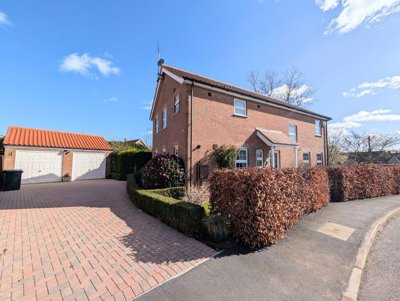
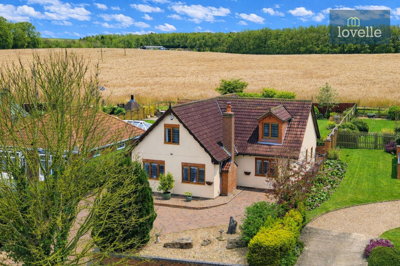
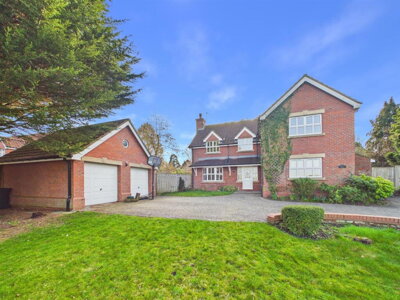
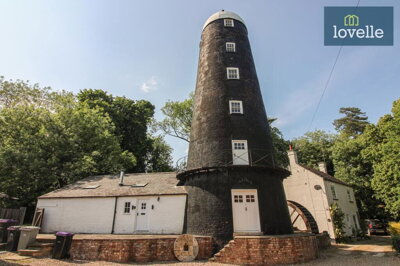
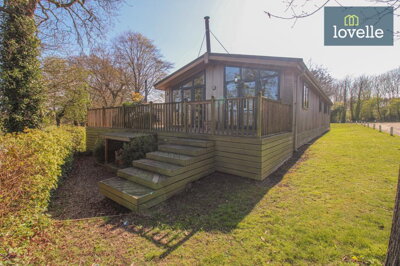
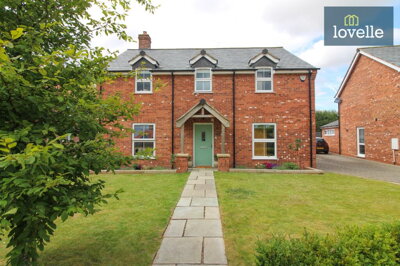
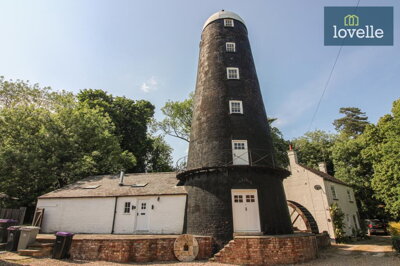
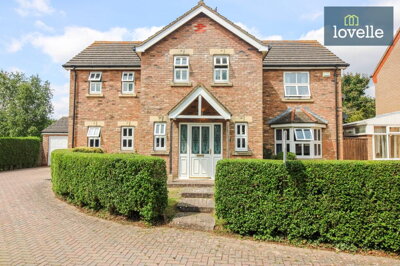
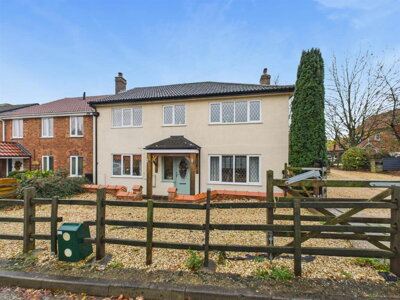
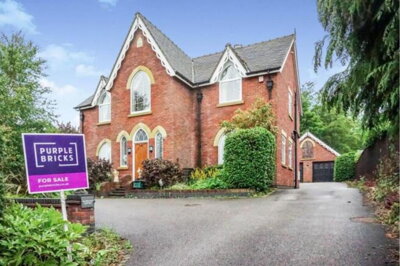
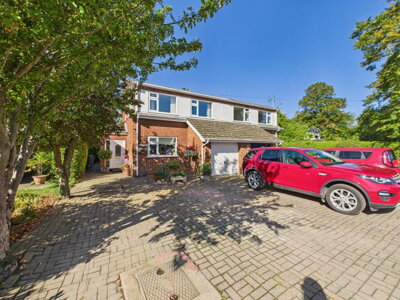
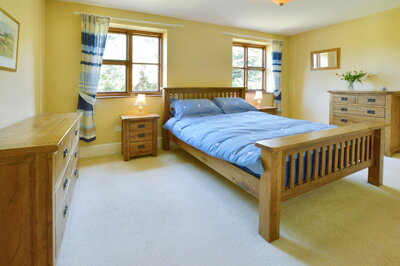
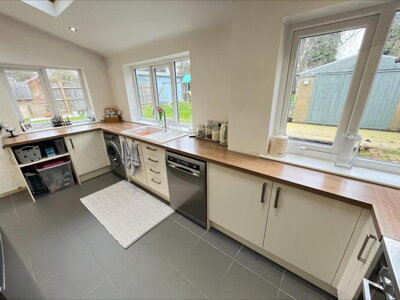
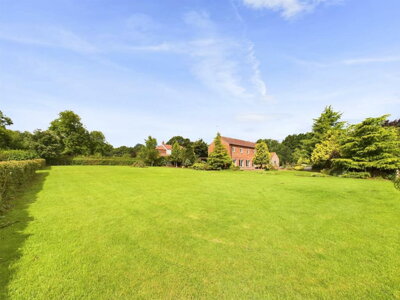
Browse 14 homes for sale in Little Cawthorpe from local estate agents.
The larger property sector typically features multiple bathrooms, substantial reception space, and private gardens or off-street parking. Four bedroom houses in Little Cawthorpe span detached, semi-detached, and occasionally terraced configurations, with styles ranging from period properties to modern executive homes.
The Little Cawthorpe property market has demonstrated remarkable resilience and growth over the past year, with average prices increasing by 42% compared to the previous year. Our data shows the current average house price stands at £344,500, though figures from sold prices indicate that buyers have been paying around £263,000 on average for properties in the village over the last twelve months. This upward trajectory reflects the broader appeal of rural Lincolnshire, where buyers increasingly seek more space and a better quality of life beyond major urban centres. The village forms part of the LN11 postcode area, which encompasses several neighbouring villages and provides a wider context for property values and availability.
Detached properties command the highest prices in Little Cawthorpe, with the average detached home selling for approximately £344,500. Higher specification properties can fetch significantly more, with a four-bedroom detached house on Watery Lane achieving £429,000 in late 2025, while another on the same road sold for £260,000 in February 2025. For those seeking more affordable options, terraced cottages provide excellent value, with a two-bedroom character cottage on Pinfold Lane listed at £250,000 and a four-bedroom end-of-terrace property in the same area priced at £330,000. The broader LN11 area shows an average asking price of approximately £409,331 for four-bedroom detached houses, indicating that Little Cawthorpe itself may offer relative value within this market segment.
Price growth in the village has been exceptional, with the average price increasing by £144,500 or 72.25% over the past year according to some measures. However, current prices remain approximately 15% below the 2015 peak of £407,167, suggesting there may be further growth potential as the market continues its recovery. This combination of recent strong growth and headroom relative to historical highs makes Little Cawthorpe an interesting proposition for both home buyers and those considering property investment. Properties along streets including Wood Lane and Top Road form the backbone of the village's residential stock, with sales data indicating consistent activity across multiple road names within the community.
New build activity in Little Cawthorpe remains limited, with no active developments specifically within the village itself. Prospective buyers interested in new build properties will need to explore the wider LN11 postcode area or consider neighbouring villages. However, this scarcity of new supply contributes to the charm of the area's existing housing stock, much of which comprises characterful period properties built from traditional red brick. The village's lack of new developments helps preserve its rural character and sense of community, factors that continue to attract buyers to the area.

Little Cawthorpe embodies the essence of rural Lincolnshire village life, offering residents a tranquil environment surrounded by productive farmland and natural landscapes. The village forms part of the larger parished area and shares amenities with neighbouring settlements, creating a close-knit community atmosphere where neighbours know one another and local events bring people together throughout the year. The surrounding area features gentle rolling countryside, mature hedgerows, and scenic footpaths that invite exploration on foot or by bicycle, making it particularly appealing to those who appreciate outdoor activities and the natural environment. The Lincolnshire Wolds, an Area of Outstanding Natural Beauty, lies to the west of the village, providing additional recreational opportunities including walking, cycling, and scenic drives through chalk hillside landscapes.
The village character is defined by its traditional architecture, including red brick cottages, farmhouses, and period properties that reflect the agricultural heritage of this part of East Lindsey. Property listings consistently highlight character features such as exposed beams, original fireplaces, and cottage-style gardens that distinguish homes in this area from more modern suburban developments. The LN11 postcode area encompasses several villages within easy reach of Little Cawthorpe, each offering their own local pubs, shops, and community facilities while maintaining the intimate scale of rural village living. Nearby villages including Grimoldby, Manby, and Hallington provide additional local services and community facilities that complement what the village itself offers.
Daily amenities are accessible through nearby villages and the market towns of Louth and Spilsby, both of which offer a wider range of shops, supermarkets, healthcare facilities, and recreational options. Louth, known as the capital of the Lincolnshire Wolds, provides a particularly comprehensive selection of independent retailers, restaurants, and cultural venues including the Riverhead Theatre. The town hosts regular markets in its historic indoor and outdoor markets, offering local produce and artisan goods. Residents of Little Cawthorpe typically appreciate the balance between village serenity and access to comprehensive services, with most necessities of daily life available within a short drive.

Families considering a move to Little Cawthorpe will find a selection of educational options within reasonable travelling distance. The village is served by primary schools in nearby villages, with several primary schools rated Good by Ofsted located within a few miles. For younger children, these village primary schools offer the advantage of small class sizes and strong community connections, allowing children to build confidence and develop academically in a supportive environment. Schools in the surrounding area include Grimoldby Primary School and schools in the nearby market town of Louth, which serve as feeder schools for secondary education in the area. Parents should research specific catchment areas and admission arrangements, as these can significantly influence school placement for properties in this rural location.
Secondary education options in the LN11 area include schools in Louth, which offers several secondary schools catering to different requirements and specialisms. These establishments provide a broader curriculum and extracurricular activities, with good transport links via school bus services connecting outlying villages to the town's educational facilities. For families prioritising academic excellence, researching individual school performance data, GCSE results, and sixth form provision will help identify the most suitable option for your children's educational journey. The travel time from Little Cawthorpe to schools in Louth is typically around 15-20 minutes by car, with school bus services providing an alternative for families without private transport.
Further education opportunities are available at colleges in Louth and the surrounding market towns, providing A-level courses, vocational qualifications, and apprenticeship pathways for students completing their secondary education. Louth College offers a range of vocational courses and training programmes suitable for students seeking practical skills and qualifications. Lincoln, as the nearest major city, offers additional higher education options including the University of Lincoln, which provides a full range of undergraduate and postgraduate degrees. For families planning their children's educational trajectory over the long term, the proximity of these further and higher education options represents an important consideration when evaluating properties in Little Cawthorpe.
Transport connectivity from Little Cawthorpe centres on road networks, with the village situated within easy reach of the A16, the main north-south route through Lincolnshire that connects Grimsby to Peterborough. This road provides direct access to the market towns of Louth and Spilsby, as well as connections to the A1 motorway further south for those commuting to Nottingham, Leicester, or London. The A158 runs through nearby Lincoln, providing access to the wider strategic road network and enabling journeys to major employment centres. For residents who need to travel regularly for work, understanding the precise road connections and typical journey times will be essential when considering a property in this rural location.
Public transport options in rural Lincolnshire are limited compared to urban areas, making car ownership effectively essential for most residents of Little Cawthorpe. Bus services connect the village to surrounding settlements and market towns, though frequencies are reduced compared to urban routes. The Stagecoach routing provides connections to Louth and surrounding villages, but prospective residents should check current timetables as services may be infrequent. The nearest railway stations are located in Cleethorpes and Grimsby to the north, providing East Coast Main Line services to major cities including Leeds, Newcastle, and London King's Cross via connections at Newark or Doncaster. For those working in regional centres, the practicalities of commuting from a rural location should be carefully evaluated against the flexibility of remote working where available.
For those travelling to larger employment centres, the journey to Lincoln takes approximately 45 minutes by car via the A16 and A158 route, while Grimsby and Cleethorpes are accessible within 30 minutes. The Humber Bridge, located to the north, provides access to North Lincolnshire and connections towards Hull and the motorway network beyond. Air travel is available through Humberside Airport, offering domestic and limited international flights, while larger airports in Leeds, Sheffield, and East Midlands provide more comprehensive flight options for business and leisure travel. The village's position relative to these transport options creates a balance between rural tranquility and reasonable connectivity for those who need to travel occasionally for work or leisure.
Before visiting properties, spend time understanding Little Cawthorpe and the broader LN11 area. Explore local amenities, consider your commuting requirements, and review recent sold prices to understand what properties have sold for in the village. The village's 42% year-on-year price increase and average prices around £344,500 suggest a dynamic market, so understanding current conditions is essential before making offers.
Speak to a mortgage broker or lender to obtain an Agreement in Principle before viewing properties. This demonstrates to sellers that you are a serious buyer with financing in place, strengthening your position when making offers. Given the rural nature of the market, having your finances arranged early can help you move quickly when the right property becomes available.
Contact estate agents through Homemove to arrange viewings of properties that match your criteria. Take time to view properties at different times of day and return for second viewings before making an offer. Given the character properties common in Little Cawthorpe, pay attention to the condition of period features and any signs of maintenance needs during viewings.
When you find the right property, submit an offer through the selling agent. Be prepared to negotiate on price and terms, particularly given the rising market conditions in Little Cawthorpe. With prices having increased significantly over the past year, sellers may have higher expectations, but thorough survey reports can provide leverage for price adjustments if issues are identified.
Appoint a conveyancing solicitor to handle the legal work and commission a RICS Level 2 Survey to assess the property's condition. Your solicitor will handle searches, contracts, and coordinate with the seller's representatives. For older character properties common in Little Cawthorpe, a thorough survey is particularly valuable for identifying any structural or maintenance concerns.
Once all enquiries are resolved and surveys completed, you will exchange contracts and pay a deposit. Completion typically follows within weeks, at which point you receive the keys to your new home in Little Cawthorpe. At this stage, ensure buildings insurance is in place and arrangements for moving day are confirmed.
Properties in Little Cawthorpe include a significant proportion of older character cottages and period farmhouses that may require ongoing maintenance or renovation. When viewing older properties, pay particular attention to the condition of the roof, the presence of damp or timber issues, and the state of original features such as windows and fireplaces. The traditional red brick construction common in the village is generally robust, but older properties may have solid walls without cavity insulation, affecting energy efficiency and heating costs. A RICS Level 2 Survey provides a comprehensive assessment of these elements and can identify any structural concerns that might affect your decision or provide leverage for price negotiations.
Given the rural location, understanding the property's connection to utilities and services is important. Check the broadband speed and mobile phone coverage, which can vary significantly in village locations. Many properties in Little Cawthorpe rely on private drainage systems or septic tanks rather than mains sewerage, and some may use oil or LPG for heating rather than natural gas. These factors affect both the running costs and practical considerations of maintaining a rural property and should be investigated before committing to a purchase. Your solicitor should conduct drainage and utility searches as part of the conveyancing process to confirm the property's arrangements.
The LN11 area and surrounding Lincolnshire has experienced significant property price growth over recent years, with prices rising 42% year-on-year. While this indicates strong demand for rural properties, it also raises questions about future growth potential and affordability. Prospective buyers should consider their long-term plans carefully and ensure they are comfortable with their purchase price relative to their needs and the property's condition. For investment purposes, rental demand in the area may be more limited than in urban locations due to the small population and limited employment base within the village itself. Properties relying on private drainage systems may face future upgrade costs to comply with changing regulations, so this should be factored into your assessment.
Energy efficiency is worth particular attention in older village properties. Many character cottages in Little Cawthorpe were built before modern insulation standards and may have higher heating costs than newer properties. Features such as single-glazed windows, solid walls, and older heating systems contribute to running costs. An EPC assessment can provide a clear picture of the property's energy performance, and any improvements could add value while reducing ongoing costs. Some buyers factor in renovation potential to upgrade properties to contemporary standards, though this should be weighed against the additional investment required.
The average house price in Little Cawthorpe currently stands at £344,500 according to current listings, with recent sold prices averaging around £263,000 over the past year. Prices have risen significantly by 42% compared to the previous year, with some measures showing even larger increases of over 72% when comparing absolute price changes. However, prices remain 15% below the 2015 peak of £407,167. Detached properties command the highest prices, with the average around £344,500, while terraced properties offer more accessible entry points starting from around £250,000 for character cottages. The variation between asking prices and actual sold prices suggests a competitive market where buyers should be prepared to move quickly on properties that meet their requirements.
Properties in Little Cawthorpe fall under East Lindsey District Council for council tax purposes. Bands range from A to H depending on the property's assessed value, with most village properties typically falling in bands A through D. Band A properties in East Lindsey currently pay around £1,400 per year, while Band D properties pay approximately £1,900 annually, though these figures change annually so you should verify current rates. Prospective buyers should check the specific council tax band for any property they are considering, as this affects annual running costs. East Lindsey District Council sets the council tax rates annually, and additional premiums may apply for second homes or empty properties.
Little Cawthorpe is served by primary schools in nearby villages, with several rated Good by Ofsted within a few miles of the village. Grimoldby Primary School serves families in the surrounding area and has been recognised for its community-focused approach to education. Secondary education is available at schools in Louth, which offers a choice of establishments serving the wider LN11 area. Parents should research specific catchment areas, as school admission policies in rural Lincolnshire often prioritise proximity to the school over other factors. The University of Lincoln and further education colleges in the region are accessible for older students seeking higher education.
Public transport options in Little Cawthorpe are limited, making car ownership essential for most residents. Bus services connect the village to surrounding settlements and market towns, though frequencies are reduced compared to urban areas with services typically running hourly or less frequently. The nearest railway stations are in Cleethorpes and Grimsby, providing East Coast Main Line connections to major cities including Leeds, Newcastle, and London via Newark or Doncaster. For commuters, the A16 provides road access to larger towns and the A1 motorway, though journey times to major cities will be longer than from urban locations. The journey to Lincoln takes approximately 45 minutes by car, while Grimsby and Cleethorpes are accessible within 30 minutes.
Little Cawthorpe and the wider LN11 area have experienced strong price growth of 42% year-on-year, reflecting increased demand for rural properties with more space and access to countryside. However, the village is small with limited local employment, so rental demand may be more subdued than in towns with better transport links. Capital growth potential exists given continuing interest in rural living, though buyers should carefully consider their investment horizon and the property's condition, as older stock may require maintenance costs. Properties in good condition in desirable village locations tend to hold their value well, particularly detached homes and character cottages that appeal to buyers seeking the rural lifestyle Little Cawthorpe offers.
Stamp Duty Land Tax rates for 2024-25 start at 0% on the first £250,000 of residential property purchases. Between £250,001 and £925,000, the rate is 5%, rising to 10% on the portion up to £1.5 million, and 12% above that threshold. First-time buyers benefit from relief on the first £425,000, with 5% applying between £425,001 and £625,000. For a typical £344,500 property in Little Cawthorpe, a standard buyer would pay £4,725 in stamp duty, while first-time buyers would pay £0. Additional property surcharges of 3% apply for second homes and buy-to-let properties, which can significantly increase the total SDLT bill for investors.
Get a mortgage quote
From 4.5%
Find a conveyancing solicitor
From £499
Ideal for standard properties
From £350
For older or complex properties
From £500
Required for all properties
From £85
Understanding the full costs of buying a property in Little Cawthorpe extends beyond the purchase price to include stamp duty, legal fees, survey costs, and moving expenses. For a property priced at the current average of £344,500, a standard buyer would pay £4,725 in Stamp Duty Land Tax under the 2024-25 thresholds. First-time buyers purchasing properties up to £425,000 would pay no stamp duty at all, representing a significant saving that can be redirected towards other purchase costs or improvements to the property. The relief available to first-time buyers can make a meaningful difference to the overall budget, particularly for those purchasing at the average price point for the village.
Legal costs for conveyancing typically start from around £499 for straightforward purchases, though costs increase for leasehold properties, those with complex titles, or transactions involving delays. Additional solicitor fees may apply for dealing with queries raised during the conveyancing process, particularly for older properties with potentially complex ownership histories. A RICS Level 2 Survey costs from approximately £350 for a typical family home, rising for larger or more complex properties. This investment is particularly valuable for older character cottages in Little Cawthorpe, where a thorough assessment of the property's condition can identify issues that might otherwise prove costly after purchase. An Energy Performance Certificate is legally required before marketing a property and costs from around £85, though this is typically arranged by the seller rather than the buyer.
Additional costs to budget for include mortgage arrangement fees, which can range from nothing to 1-2% of the loan amount, with many lenders offering fee-free deals that compensate through slightly higher interest rates. Land registry fees for registering your ownership are typically around £150 for a residential property purchase. Searches conducted by your solicitor including local authority, environmental, and drainage searches are essential and typically cost between £250 and £500 depending on the location and any additional enquiries required. For properties relying on private drainage or septic tanks, additional inspection and potential upgrade costs should be considered, as new regulations require septic tanks discharging to waterways to be replaced or upgraded by 2020. Moving costs vary depending on distance and volume, while buildings insurance must be in place from the day of completion. Careful budgeting for these expenses ensures a smoother purchase process and prevents financial surprises after you have committed to the transaction.
Properties for Sale In London

Properties for Sale In Plymouth

Properties for Sale In Liverpool

Properties for Sale In Glasgow

Properties for Sale In Sheffield

Properties for Sale In Edinburgh

Properties for Sale In Coventry

Properties for Sale In Bradford

Properties for Sale In Manchester

Properties for Sale In Birmingham

Properties for Sale In Bristol

Properties for Sale In Oxford

Properties for Sale In Leicester

Properties for Sale In Newcastle

Properties for Sale In Leeds

Properties for Sale In Southampton

Properties for Sale In Cardiff

Properties for Sale In Nottingham

Properties for Sale In Norwich

Properties for Sale In Brighton

Properties for Sale In Derby

Properties for Sale In Portsmouth

Properties for Sale In Northampton

Properties for Sale In Milton Keynes

Properties for Sale In Bournemouth

Properties for Sale In Bolton

Properties for Sale In Swansea

Properties for Sale In Swindon

Properties for Sale In Peterborough

Properties for Sale In Wolverhampton

Enter your details to see if this property is within your budget.
Loans, cards, car finance
Estimated property budget
Borrowing + deposit
You could borrow between
Typical borrowing
Monthly repayment
Est. at 4.5%
Loan-to-value
This is an estimate only. Your actual budget may vary depending on interest rates, credit history, and personal circumstances. For an accurate affordability assessment, speak to one of our free mortgage advisors.
This calculator provides estimates for illustrative purposes only and does not constitute financial advice. Your home may be repossessed if you do not keep up repayments on your mortgage. Estimates based on 4.5% interest rate, repayment mortgage. Actual rates depend on your circumstances.
Homemove is a trading name of HM Haus Group Ltd (Company No. 13873779, registered in England & Wales). Homemove Mortgages Ltd (Company No. 15947693) is an Appointed Representative of TMG Direct Limited, trading as TMG Mortgage Network, which is authorised and regulated by the Financial Conduct Authority (FRN 786245). Homemove Mortgages Ltd is entered on the FCA Register as an Appointed Representative (FRN 1022429). You can check registrations at NewRegister or by calling 0800 111 6768.

We use cookies to show you personalised content and improve your experience of our website. Find out more in our Privacy policy and Cookie policy.