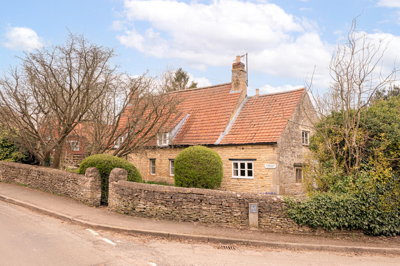
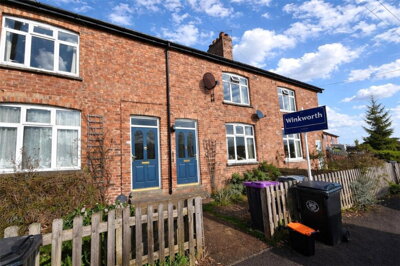
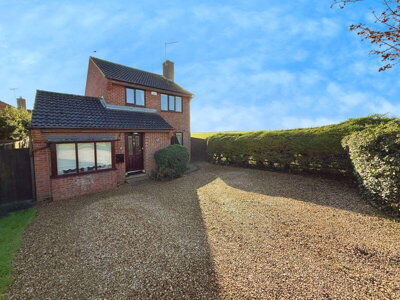
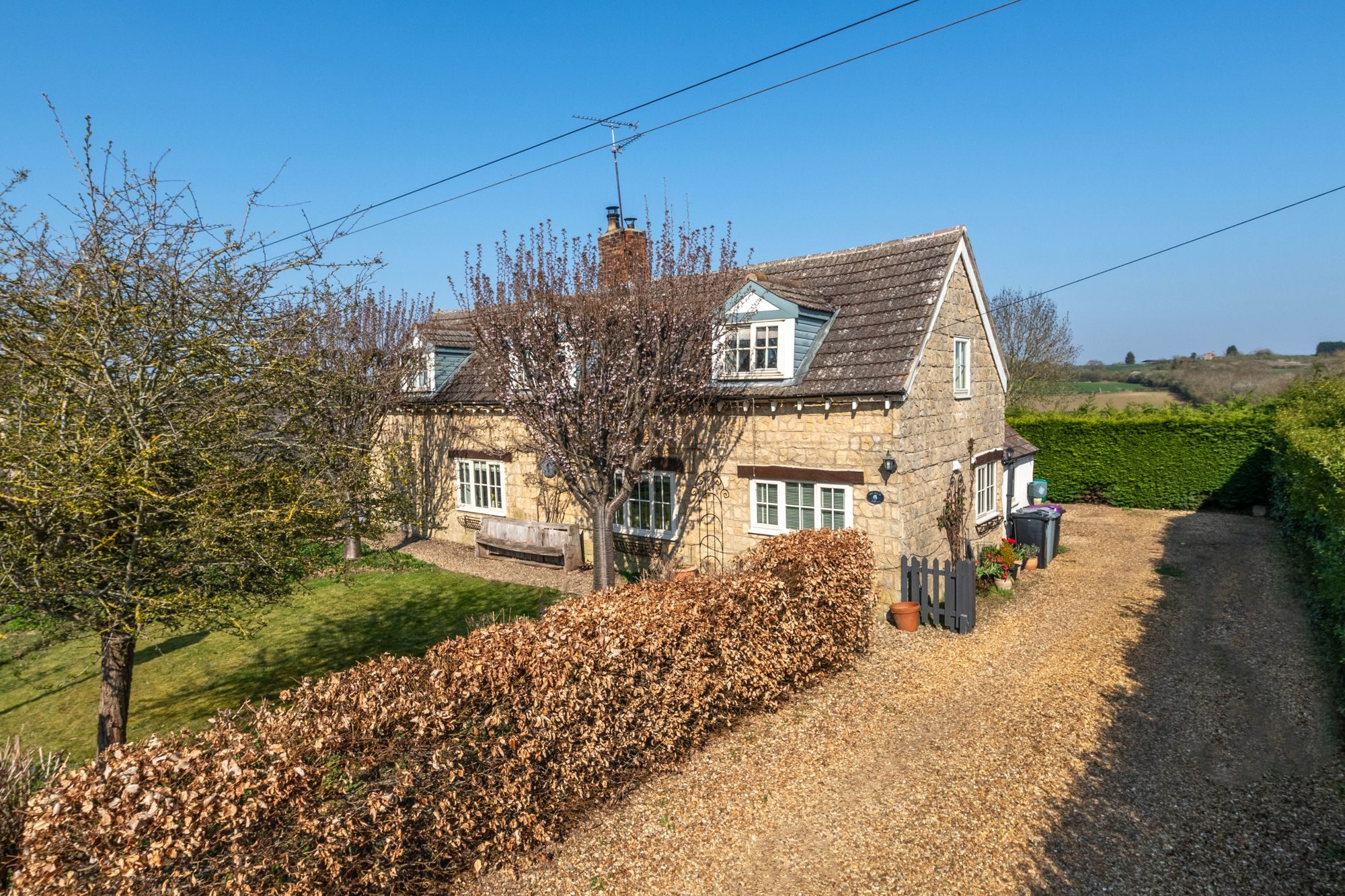
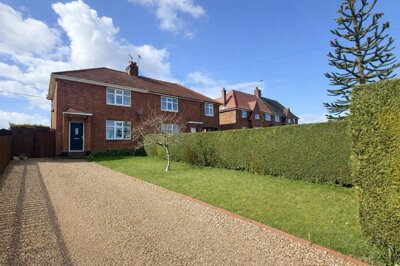
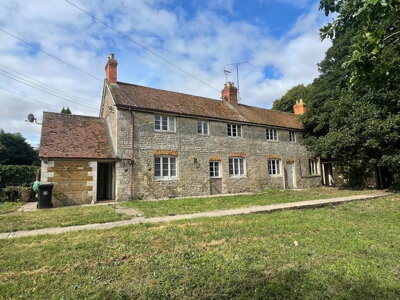
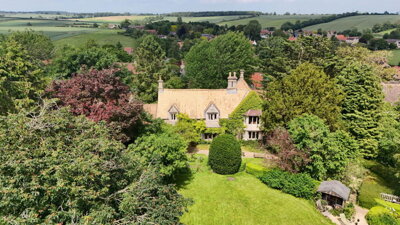
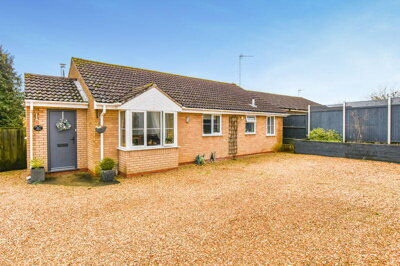
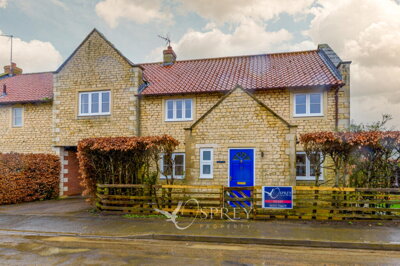
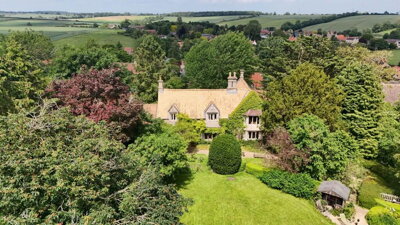
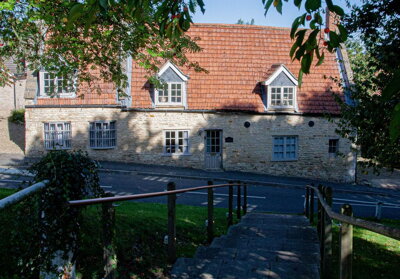
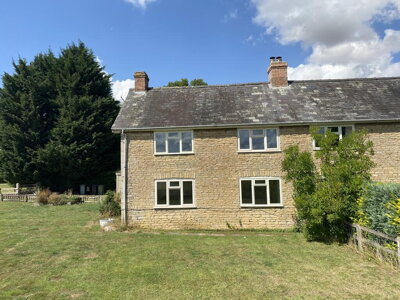
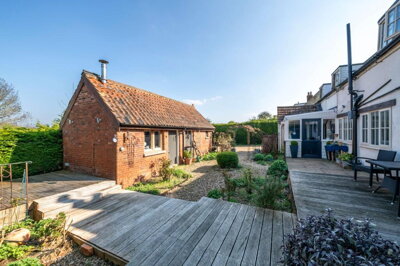
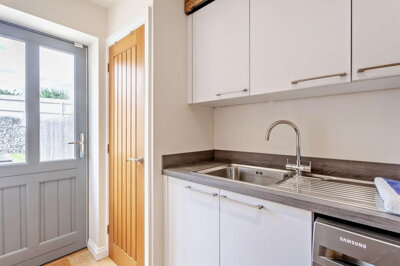
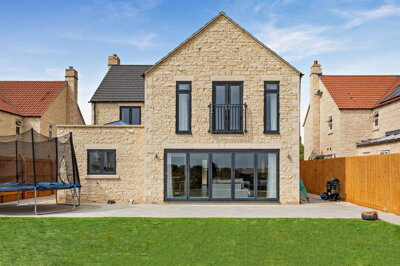
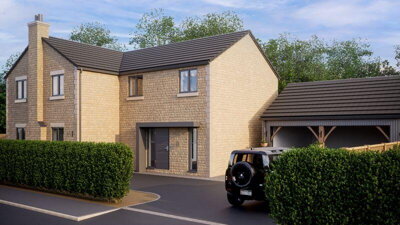
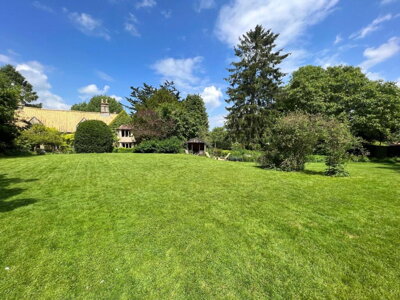
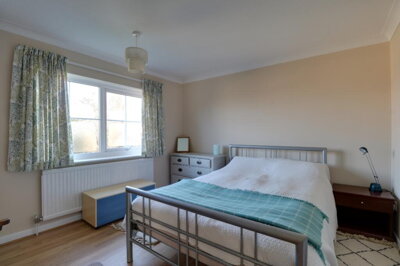
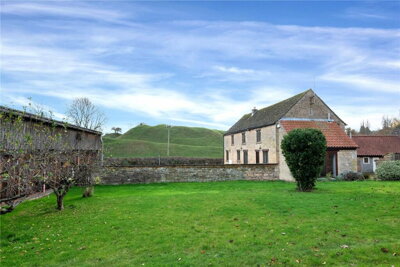
Browse 19 homes for sale in Little Bytham from local estate agents.
The Little Bytham property market reflects the character of this rural Lincolnshire village, with detached homes commanding the highest prices at an average of £431,250. These substantial properties typically offer generous gardens, traditional stone construction, and the kind of space that modern families increasingly seek as an alternative to urban living. Semi-detached properties average £280,000, while terraced homes provide more accessible entry points at around £240,000, making the village achievable for a range of budgets and circumstances.
Price growth in Little Bytham has remained steady at approximately 1% over the past twelve months, a trend consistent across all property types including detached, semi-detached, and terraced homes. This modest appreciation suggests a stable market that rewards long-term investment rather than speculative gains, appealing to buyers who prioritie community and lifestyle over rapid capital growth. The village has recorded 8 property sales in the past year, indicating a quiet but active market where quality homes attract committed buyers who appreciate what this Lincolnshire village has to offer.
New build development activity in the PE9 postcode area is minimal, with no active schemes currently underway specifically within Little Bytham itself. Broader new-build opportunities in nearby Stamford and Bourne serve the wider housing market, but the village's Conservation Area status and rural character mean that demand remains focused on existing properties. For buyers seeking character homes with original features, traditional construction using local limestone, and mature garden settings, the established housing stock in Little Bytham offers exactly what they are looking for.
The predominant housing stock in Little Bytham reflects its rural character and historic origins. Detached properties account for approximately 50-60% of the housing mix, with semi-detached homes comprising around 20-30% and terraced properties making up 10-20%. Flats are extremely rare in the village, representing less than 5% of available properties, meaning that most buyers will be purchasing houses rather than apartments when searching in Little Bytham.

Life in Little Bytham revolves around the rhythms of the English countryside, with the village offering a peaceful environment that feels a world away from the pressures of urban existence. The village centre features a historic church dedicated to St. Medardus and St. Gildardus, a focal point for the community that dates from earlier centuries and reflects the deep roots of settlement in this area. Several listed buildings and historic cottages line the village lanes, creating an atmospheric environment where every walk reveals another glimpse of local heritage and architectural quality.
The local economy of Little Bytham is predominantly agricultural, with farms in the surrounding countryside providing employment and shaping the rural landscape that defines the area. Many residents choose to commute to nearby towns including Stamford, Bourne, and Peterborough for work, taking advantage of the excellent road connections provided by the A1 trunk road. The proximity to these larger centres means that village residents enjoy access to wider amenities, shopping, and entertainment while returning each evening to the tranquility of their rural home.
The Jurassic limestone geology of the area has shaped both the landscape and the built environment, with local stone used extensively in the construction of cottages, farmhouses, and other village buildings throughout the centuries. The underlying Lincolnshire Limestone Formation supports the agricultural character of the surrounding countryside while contributing to the distinctive appearance of properties throughout the village. Walking routes across the farmland and through the village allow residents to enjoy the changing seasons and appreciate the natural beauty that makes Little Bytham such a desirable place to call home.
The village sits close to Rutland Water, a major reservoir offering extensive recreational opportunities including walking, cycling, sailing, and fishing. This proximity adds significantly to the lifestyle appeal of Little Bytham, providing residents with easy access to one of the region's most popular outdoor destinations. The wider footpath network across surrounding farmland connects with long-distance trails including the Hereward Way and cross-country routes that wind through the Lincolnshire countryside.

Families considering a move to Little Bytham will find primary education available through local schools in the surrounding villages and towns, with the closest options typically found in the nearby market towns of Stamford and Bourne. These primary schools serve the wider rural area and maintain strong reputations for academic achievement and pastoral care within close-knit communities. Parents should research specific catchment areas and admission arrangements, as these can vary depending on the precise location of properties within the village and the administrative arrangements of the local education authority.
Secondary education options in the area include well-regarded schools in Stamford, which has a selection of state secondary schools and grammar schools serving students from Little Bytham and the surrounding villages. The grammar school system in Lincolnshire provides academically focused pathways for students who meet the selection criteria, while other secondary schools offer comprehensive education with strong extracurricular programmes. School transport arrangements are typically available for students living in rural areas, connecting Little Bytham with secondary schools in nearby towns.
For families prioritising educational options, researching Ofsted ratings and performance data for schools in Stamford and Bourne is advisable before committing to a property purchase in Little Bytham. Independent schools in the broader region also provide alternative educational pathways, with options ranging from primary through to sixth form education. The proximity of Peterborough and its educational institutions extends the range of choices available to older students continuing their studies beyond GCSE level.
Given the village's small size and rural location, parents should factor school transport logistics into their property search. Journey times to schools in Stamford or Bourne can be significant, particularly during peak traffic periods on the A1 and surrounding roads. Some families choose properties based on school catchment boundaries, prioritising proximity to specific schools that meet their children's educational needs.
The A1 trunk road passes close to Little Bytham, providing direct road connections to London, the North, and the wider national motorway network. This excellent road accessibility is one of the key factors making rural Lincolnshire villages attractive to commuters who work in London but prefer the quality of life offered by countryside locations. Journey times to London via the A1 and M1 can be completed in approximately two hours, making regular commuting feasible for those with roles requiring occasional office attendance.
Rail connections from nearby stations in Stamford, Peterborough, and Grantham offer intercity services to London and other major cities, with Peterborough providing particularly comprehensive connectivity. The East Coast Main Line serves Grantham with regular trains to London King's Cross, while Peterborough offers additional route options and greater frequency of services. Local bus services connect Little Bytham with surrounding villages and market towns, though frequencies are limited and those dependent on public transport should verify current timetables.
For cyclists and walkers, the rural lanes surrounding Little Bytham offer pleasant routes for local journeys and recreational travel, though the hilly terrain can present challenges for less experienced cyclists. The proximity of Rutland Water provides an attractive destination for outdoor recreation, accessible by car or bike, while the wider footpath network across farmland allows residents to explore the countryside directly from their doorstep. Parking in the village is generally straightforward given the low traffic volumes, a significant advantage over urban living where parking stress forms part of daily life.
For residents working in Peterborough, the daily commute involves a journey of approximately 30-40 minutes by car, taking in the A15 road that connects the two towns through the Lincolnshire countryside. Stamford offers a shorter commute at around 20 minutes, making it a practical option for those with local employment. The village's position between these three employment centres gives residents genuine flexibility in their working lives while maintaining the rural character of their home environment.
Spend time exploring Little Bytham at different times of day and week to understand what life would be like as a resident. Visit the local area, walk the village lanes, check commute times to your workplace, and talk to local people about the community. Review local planning applications and understand any restrictions that might affect how you can use or develop a property.
Before viewing properties in Little Bytham, obtain a mortgage agreement in principle from a lender or broker to understand your budget clearly. This strengthens your position when making offers and demonstrates to sellers that you are a serious, financed buyer. Given the village's proximity to larger towns, explore options with lenders familiar with rural properties and the unique characteristics of the local market.
View a selection of available properties in Little Bytham, paying particular attention to the construction materials, age of the property, and any signs of damp or structural movement. Given the prevalence of older stone and brick properties, viewing properties with an experienced companion or agent who understands traditional construction is advisable. Note the proximity to the East Glen River for any flood risk considerations.
Before purchasing, arrange for a qualified RICS surveyor to inspect the property and produce a detailed homebuyer report. For properties in Little Bytham, expect to pay between £450 and £750 depending on property size and complexity. Given the village's clay soil geology and prevalence of older properties, a thorough survey is essential to identify any issues with subsidence, damp, or timber defects that may not be visible during a standard viewing.
Appoint a conveyancing solicitor with experience of rural properties and any local authority requirements applicable to South Kesteven District Council. Your solicitor will conduct searches, handle legal documentation, and manage the transfer of funds through to completion. With no new-build options in the village, all purchases involve existing properties where thorough due diligence on title and planning history is particularly important.
Properties in Little Bytham are predominantly constructed from local limestone and brick, often featuring slate or clay tile roofs that reflect the traditional building practices of this part of Lincolnshire. When viewing properties, examine the condition of stonework for signs of erosion or structural movement, check roof coverings for slipped or damaged tiles, and look for evidence of damp in solid-wall constructions that lack modern damp-proof courses. The age of the property will guide expectations around construction methods and typical defects, with pre-1919 buildings requiring particular attention to their structural integrity and maintenance history.
The clay-rich soils underlying parts of Little Bytham present a moderate to high shrink-swell risk that can affect foundations, particularly during periods of drought or heavy rainfall. Look for signs of subsidence such as cracking to walls, doors and windows that stick or fail to close properly, and any unevenness in floors. Properties with mature trees nearby should be inspected carefully, as tree roots can exacerbate moisture-related ground movement. A thorough RICS Level 2 Survey will identify any existing subsidence damage and assess the adequacy of foundations.
Flood risk is a consideration for some properties in Little Bytham, particularly those near the East Glen River or in areas with a history of surface water accumulation. Request information about previous flooding incidents and check whether the property falls within Environment Agency flood zones 2 or 3. Properties in affected areas may face higher insurance premiums or difficulties obtaining mortgage finance, so understanding the specific flood risk for any property you are considering is essential before proceeding with a purchase.
The village's Conservation Area status imposes certain restrictions on alterations, extensions, and external changes to properties, requiring planning permission or Listed Building Consent for works that would normally be permitted under general planning rules. If you are considering any future modifications to a property in Little Bytham, consult with South Kesteven District Council planning department to understand the constraints that may apply. Properties that are listed buildings require particular care and specialist advice, with a RICS Level 3 Building Survey often more appropriate than a standard Level 2 Survey.
Older properties in Little Bytham commonly exhibit issues related to their traditional construction methods. Solid-wall stone and brick buildings frequently lack modern damp-proof courses, making rising damp a common defect that requires professional assessment. Timber elements including roof structures, floor joists, and window frames may show signs of decay or woodworm infestation, particularly in properties that have not been well-maintained. Electrical wiring installed before the 1980s often fails to meet current safety standards and may require complete rewiring as part of any renovation programme.
The average house price in Little Bytham is currently £345,000, based on recent sales data. Detached properties average £431,250, semi-detached homes around £280,000, and terraced properties approximately £240,000. Prices have increased by 1% over the past twelve months, indicating a stable market with modest appreciation. With only 8 property sales recorded in the past year, the market is quiet but active, with quality homes attracting committed buyers who value the village's rural character and excellent road connections.
Properties in Little Bytham fall within South Kesteven District Council's jurisdiction. Council tax bands are assigned based on property value and range from Band A for lower-value properties through to Band H for the most expensive homes. Most properties in this rural village, given their traditional construction and character features, typically fall within Bands B to D. Prospective buyers should check specific band assignments with South Kesteven District Council or via the Valuation Office Agency website for any particular property of interest.
Little Bytham itself does not have its own primary or secondary school, with local primary education served by schools in surrounding villages and towns. Nearby Stamford offers well-regarded primary schools and the Lincolnshire grammar school system for secondary education, with schools including Stamford School, Charles Read Academy, and various primary schools that serve the wider rural area. Parents should verify current admission arrangements and catchment areas with Lincolnshire County Council, as these can affect which schools children from Little Bytham can access. School transport from Little Bytham to schools in Stamford or Bourne should be factored into family decisions, as journey times during peak hours can be significant.
Public transport options from Little Bytham are limited, reflecting its status as a small rural village. Local bus services connect the village with surrounding towns and villages, though frequencies are not high, making a car essential for most daily transport needs. Rail connections are available from nearby Stamford, Peterborough, and Grantham, with Peterborough offering the most comprehensive services including East Coast Main Line trains to London. The excellent road accessibility via the A1 compensates for limited public transport, making Little Bytham well-connected for those with access to a vehicle.
Little Bytham offers several factors that make it attractive for property investment, including a desirable rural location, proximity to major road connections, and a stable local market with modest but consistent price growth. The village's Conservation Area status and limited supply of properties help maintain values, while demand from buyers seeking countryside living continues to support the market. However, the village's small population and limited local employment mean that rental demand may be relatively modest compared to larger towns, making long-term capital growth more likely than strong rental yields. Properties with good access to the A1 and those offering modern amenities within traditional shells tend to attract the strongest interest from buyers.
Stamp Duty Land Tax rates from 1 April 2025 are 0% on the first £250,000 of property value, 5% on the portion from £250,001 to £925,000, 10% on the portion from £925,001 to £1.5 million, and 12% on any amount exceeding £1.5 million. First-time buyers benefit from relief on the first £425,000, with 5% charged between £425,001 and £625,000, though this relief is not available for purchases above £625,000. For a typical Little Bytham property at the average price of £345,000, standard buyers pay no stamp duty on the first £250,000 and 5% on the remaining £95,000, totalling £4,750.
The main risks when buying older properties in Little Bytham relate to traditional construction methods and local geological conditions. Properties built from local limestone using solid-wall construction may lack modern damp-proof courses, leading to rising damp that requires professional treatment. The shrink-swell risk from clay-rich soils, particularly boulder clay deposits, can cause foundation movement and subsidence damage that may not be immediately apparent during viewings. Properties near the East Glen River face potential flood risk that could affect insurance costs and mortgage availability. Our RICS Level 2 Survey specifically checks for these issues, examining foundations, dampness, and flood risk indicators to give buyers a complete picture of any property they are considering purchasing.
Properties in Little Bytham's Conservation Area face stricter planning controls than properties outside such designations. External alterations, extensions, and even some works like replacing windows or roofing materials may require planning permission or consent from South Kesteven District Council. Listed buildings, which include several properties in the village, require Listed Building Consent for any works that might affect their character or fabric. These restrictions help preserve the village's historic appearance but mean that renovation projects may take longer and cost more than in non-designated areas. Prospective buyers should consult the planning department before purchasing if they have plans for significant alterations.
When purchasing a property in Little Bytham, budget carefully for the additional costs beyond the purchase price that accompany any property transaction. The most significant additional cost is Stamp Duty Land Tax, which for a property at the village average price of £345,000 would amount to £4,750 under current rates for standard buyers. This tax applies to the portion of the purchase price exceeding £250,000 at the 5% rate, with nothing charged below that threshold. First-time buyers purchasing properties up to £425,000 pay no stamp duty at all, making homeownership more accessible for those entering the market for the first time.
Professional fees form another substantial category of buying costs, with conveyancing solicitor fees typically ranging from £500 to £1,500 depending on the complexity of the transaction and whether the property is freehold or leasehold. Survey costs for a RICS Level 2 Survey in the PE9 postcode area range from £450 to £750, with higher fees applying to larger or more complex properties such as substantial detached homes. Mortgage arrangement fees, if applicable, can add several hundred pounds or more depending on the lender and product chosen.
Additional disbursements include search fees charged by your solicitor, typically £200 to £400 for the standard package of local authority, drainage, and environmental searches. These searches are essential for identifying any issues that might affect the property, including planning history, flood risk, and ground conditions. Land Registry fees for registering the transfer of ownership are relatively modest, usually under £200, while electronic money transfer fees and bankruptcy searches add only small amounts to the overall cost. Building insurance must be in place from the point of exchange, and moving costs should also be factored into your budget when planning the total expenditure for purchasing your new home in Little Bytham.
For buyers purchasing character properties in Little Bytham, additional costs may arise from the unique requirements of older buildings. Properties requiring electrical rewiring, new heating systems, or damp treatment should have these costs factored into the overall budget. Listed buildings may require specialist contractors and materials that comply with heritage requirements, potentially increasing renovation costs significantly compared to standard properties. Our surveyors can identify these issues during the RICS Level 2 inspection, helping buyers understand the full cost of ownership before committing to a purchase.
Properties for Sale In London

Properties for Sale In Plymouth

Properties for Sale In Liverpool

Properties for Sale In Glasgow

Properties for Sale In Sheffield

Properties for Sale In Edinburgh

Properties for Sale In Coventry

Properties for Sale In Bradford

Properties for Sale In Manchester

Properties for Sale In Birmingham

Properties for Sale In Bristol

Properties for Sale In Oxford

Properties for Sale In Leicester

Properties for Sale In Newcastle

Properties for Sale In Leeds

Properties for Sale In Southampton

Properties for Sale In Cardiff

Properties for Sale In Nottingham

Properties for Sale In Norwich

Properties for Sale In Brighton

Properties for Sale In Derby

Properties for Sale In Portsmouth

Properties for Sale In Northampton

Properties for Sale In Milton Keynes

Properties for Sale In Bournemouth

Properties for Sale In Bolton

Properties for Sale In Swansea

Properties for Sale In Swindon

Properties for Sale In Peterborough

Properties for Sale In Wolverhampton

Enter your details to see if this property is within your budget.
Loans, cards, car finance
Estimated property budget
Borrowing + deposit
You could borrow between
Typical borrowing
Monthly repayment
Est. at 4.5%
Loan-to-value
This is an estimate only. Your actual budget may vary depending on interest rates, credit history, and personal circumstances. For an accurate affordability assessment, speak to one of our free mortgage advisors.
This calculator provides estimates for illustrative purposes only and does not constitute financial advice. Your home may be repossessed if you do not keep up repayments on your mortgage. Estimates based on 4.5% interest rate, repayment mortgage. Actual rates depend on your circumstances.
Homemove is a trading name of HM Haus Group Ltd (Company No. 13873779, registered in England & Wales). Homemove Mortgages Ltd (Company No. 15947693) is an Appointed Representative of TMG Direct Limited, trading as TMG Mortgage Network, which is authorised and regulated by the Financial Conduct Authority (FRN 786245). Homemove Mortgages Ltd is entered on the FCA Register as an Appointed Representative (FRN 1022429). You can check registrations at NewRegister or by calling 0800 111 6768.

We use cookies to show you personalised content and improve your experience of our website. Find out more in our Privacy policy and Cookie policy.