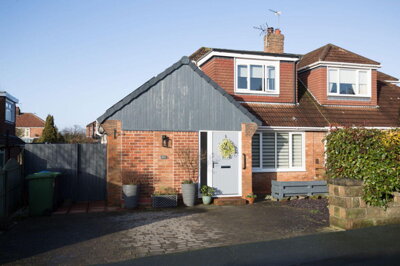
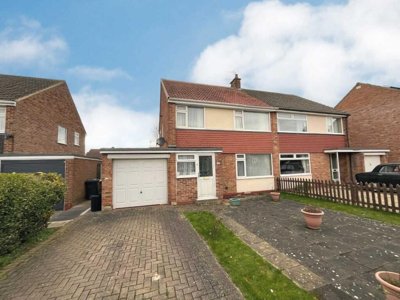
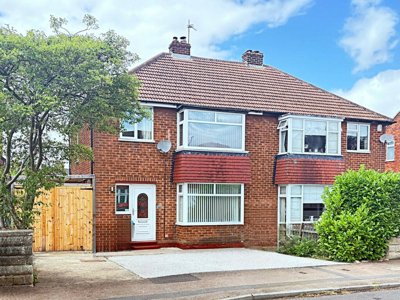
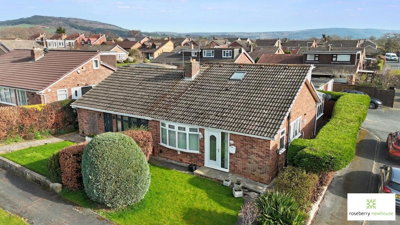
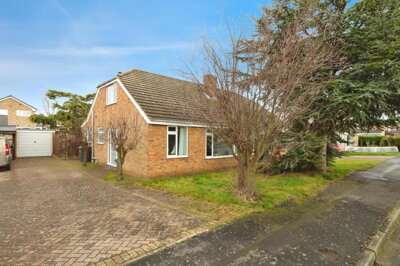
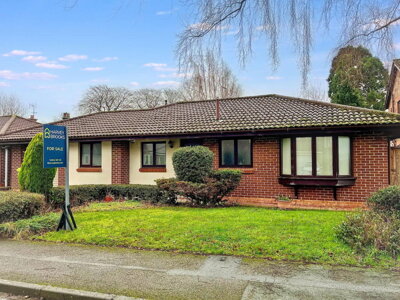
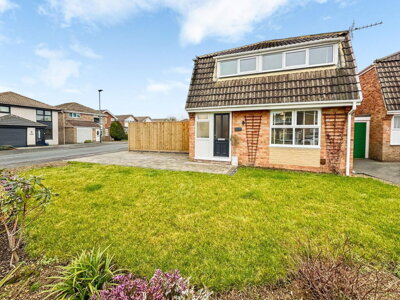
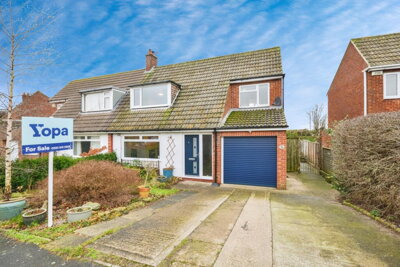
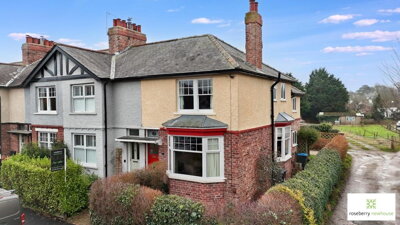
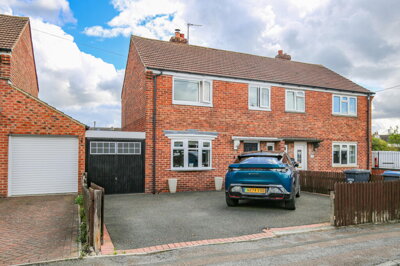
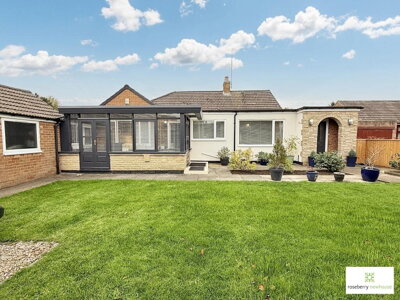
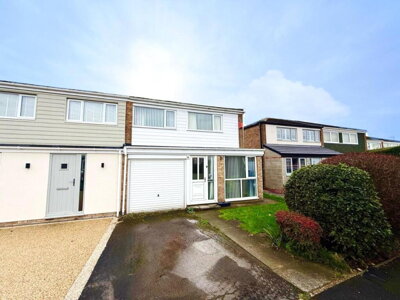
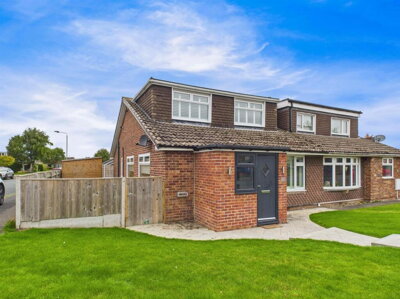
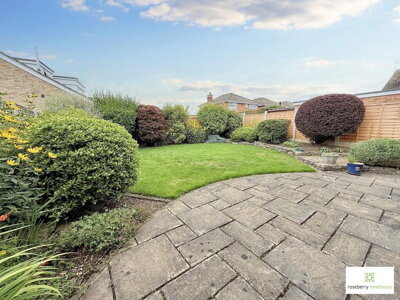
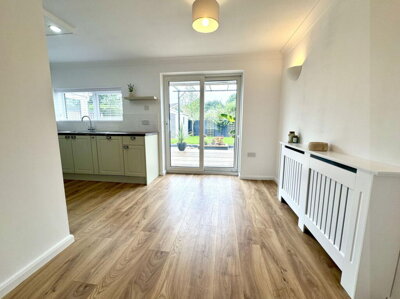
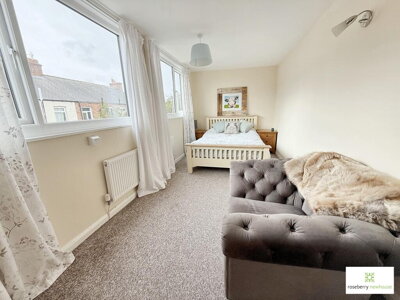
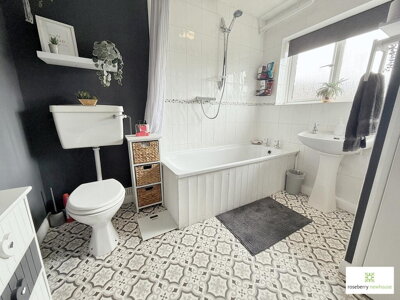
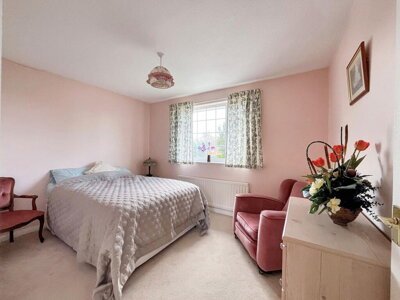
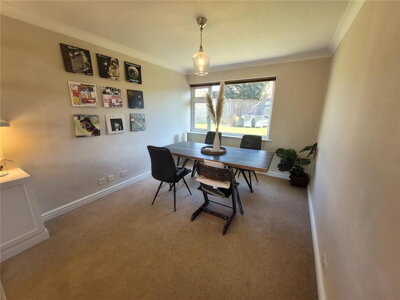
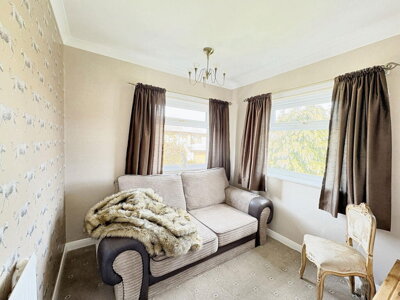
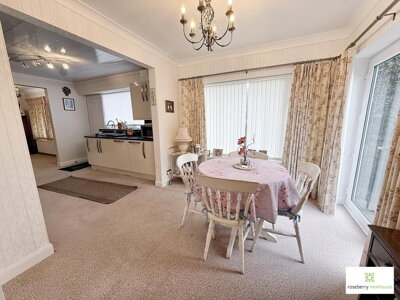
Browse 25 homes for sale in Little Ayton from local estate agents.
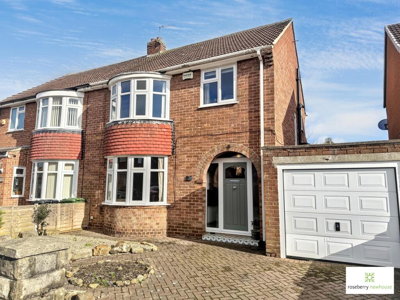
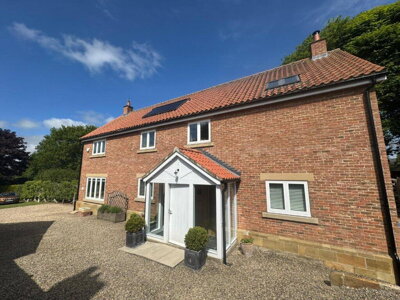
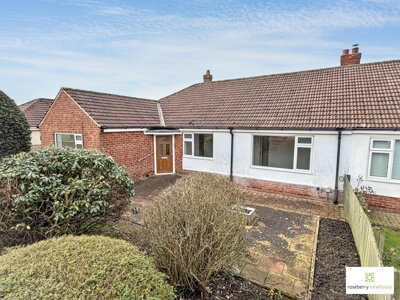
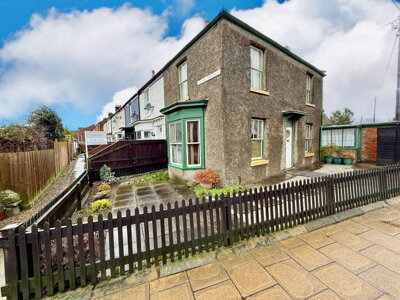
Three bedroom properties represent a significant portion of the Little Ayton housing market, offering space for families with multiple reception rooms and gardens in many cases. Browse detached, semi-detached, and terraced options ranging from period character homes to contemporary developments.
The Little Ayton property market has demonstrated steady growth over the past year, with overall house prices rising 10% compared to the previous year and sitting 5% above the 2023 peak of £287,332. This consistent upward trajectory reflects the enduring appeal of North Yorkshire village living and the limited supply of properties in this small hamlet. Detached properties command the highest prices in the area, averaging £463,971, offering buyers generous space and often featuring substantial gardens with views across the surrounding farmland and hills. The premium for detached homes reflects the desirability of privacy and room to breathe that village life affords.
Semi-detached properties in Little Ayton average £264,741, providing an accessible entry point for buyers seeking the village lifestyle without the premium attached to larger detached homes. Terraced properties average £234,588, with these homes often dating from the 17th century or later, featuring thick stone walls and traditional Yorkshire sliding sash windows that characterise the historic housing stock. Flats in the broader Ayton area have sold for approximately £120,000, though options within Little Ayton itself are rare given the predominantly houses and cottages that make up the hamlet's character.
New build activity directly within Little Ayton postcodes remains limited, with most development concentrated in the neighbouring village of Great Ayton. Taylor Wimpey has submitted detailed planning applications for up to 68 new homes on land east of Easby Lane, while North Yorkshire councillors have approved plans for up to 55 houses on land west of Allotment Gardens in Great Ayton. Additionally, Saddington Taylor is preparing an outline planning application for 35 dwellings at School Farm, including self-build plots and conversion of an existing barn into two dwellings. For buyers specifically seeking new construction within Little Ayton itself, options are extremely scarce, making resale properties the primary avenue for acquisition in this picturesque hamlet.

Life in Little Ayton revolves around community, natural beauty, and a pace of life that contrasts sharply with urban living. The 2021 Census recorded just 112 residents living across 47 households, creating an intimate atmosphere where local events and village traditions maintain their importance. The population has grown modestly since the 2011 Census, when fewer than 100 residents were recorded, suggesting increasing recognition of Little Ayton's charms among buyers seeking countryside relocation. The economy of this hamlet is closely tied to neighbouring Great Ayton, which offers essential shops, pubs, and services, while the wider North Yorkshire region provides employment opportunities across professional services, healthcare, retail, and tourism sectors.
The underlying geology of Little Ayton shapes both its landscape and property considerations for prospective buyers. The village sits on Corallian limestones from the Jurassic period, with a band of clay geology immediately north of the limestone escarpment. These clay soils present a shrink-swell hazard, meaning properties may experience ground movement during periods of drought or heavy rainfall. While this is a noted geohazard across Britain, understanding the local conditions helps buyers make informed decisions about property surveys and insurance requirements. Evidence for glaciation in the region includes tills, glaciofluvial sands and gravels, and lacustrine silts and clays on the lower slopes and in the valley bottoms, which can affect foundation conditions.
Properties in the area have historically been constructed using local materials, with stone facades, pantile or slate roofs, and traditional timber windows ensuring that new arrivals blend seamlessly with the established character of the hamlet. Many buildings date from the 17th century or earlier, with some farmhouses featuring the characteristic thick stone walls typical of traditional North Yorkshire construction. The nearby East and West Ayton Conservation Area, designated in March 1995, contains 21 listed buildings and structures, including the Grade I listed Ayton Castle, a ruined peel tower from the fourteenth century, and the Grade II* listed Church of St John the Baptist. While Little Ayton itself lacks formal conservation area designation, its proximity to these heritage assets contributes to the strong sense of historical character throughout the area.
Families considering a move to Little Ayton will find educational provision concentrated in the nearby village of Great Ayton, just a short distance away. The primary school in Great Ayton serves the local community, with pupils typically progressing to secondary education in the surrounding market towns. Parents should research current catchment areas and admission policies, as these can change and may influence school placement decisions. The proximity to the North York Moors National Park also provides exceptional opportunities for outdoor education, with schools in the area often incorporating the natural landscape into their curriculum through environmental studies and adventure activities.
For secondary education, pupils typically travel to schools in nearby towns such as Stokesley, Guisborough, or Middlesbrough, all accessible by public transport or car. Several schools in the wider Tees Valley area have established reputations for academic achievement and extracurricular provision. Parents seeking grammar school education should note that the local authority arrangements for selective education differ across the region, and visiting schools directly provides the best insight into available options and admission requirements. Sixth form and further education college facilities are available in the larger towns, with Middlesbrough offering a comprehensive range of vocational and academic courses for older students.
The small population of Little Ayton means that educational facilities within the hamlet itself are limited, though this is offset by the strong sense of community that small village schools often provide. For families with younger children, the journey to primary school in Great Ayton is typically manageable by car or on foot along the well-maintained footpaths connecting the two villages. Secondary school pupils commonly use school bus services that operate from the Great Ayton area to schools in the surrounding towns, though families should factor transport arrangements into their planning when evaluating properties in Little Ayton.
Little Ayton benefits from its position within the Tees Valley region while maintaining its rural character, offering residents reasonable connectivity to major employment centres. The village lies within easy reach of Middlesbrough, approximately 10 miles distant, where the railway station provides services across the region and connections to the national rail network. Commuters to Teesside industrial areas, the University Hospital of North Tees, or commercial centres in Darlington and Hartlepool find Little Ayton a viable base with manageable journey times. The A172 provides important road links connecting the village to the A19, which runs north-south through Teesside, giving access to York, Newcastle, and the wider motorway network.
Local bus services operate between Little Ayton, Great Ayton, and the surrounding villages, providing essential connectivity for residents without private vehicles. The bus routes connect to railway stations and town centres, enabling multi-modal commuting for those working in larger urban centres. Cycling is popular in this area, with the undulating landscape offering both challenging routes for fitness enthusiasts and flatter routes along valley bottoms for leisurely rides. Parking provision within the village is generally adequate for a settlement of its size, though visitors to the popular walking routes across the Tabular Hills may find popular spots busy during summer weekends and school holidays.
The A19 corridor is particularly valuable for Little Ayton residents, providing direct access to the Teesside Freeport, major distribution centres, and the industrial complexes that form the backbone of the regional economy. Those working in professional services or healthcare frequently commute to Middlesbrough or the surrounding towns, with typical journey times by car ranging from 20 to 40 minutes depending on traffic conditions. Northallerton, approximately 15 miles to the north, offers additional employment opportunities and rail connections to the east coast main line, making it a viable option for commuters to cities such as York, Newcastle, and London.
Spend time exploring Little Ayton at different times of day and week to understand the community atmosphere, noise levels from agriculture and local events, and the condition of nearby properties. Check flood risk information for specific addresses using government databases and consider how the River Leven flood plain affects any property you are considering. Properties at Levenside, High Street, Park Square, School Lane, and Leven Court are specifically mentioned in flood warning notifications for the River Leven area.
Before scheduling viewings, approach a mortgage broker or lender to secure an agreement in principle. This confirms your borrowing capacity and demonstrates to sellers that you are a serious buyer. Given the average property price of £300,955 in Little Ayton, ensure your mortgage range covers the full spectrum of properties from terraced cottages to substantial detached family homes. Rural properties with larger gardens may also attract different lending considerations.
View multiple properties across different price points and property types to understand what is available within your budget. Take notes on construction materials, signs of damp or structural movement, and the condition of roofs and windows. Properties in Little Ayton often feature traditional stone construction and period features that require careful assessment. Pay particular attention to the condition of pointing, as deterioration in stone walls is a common issue in properties of this age.
Before proceeding with a purchase, instruct a qualified RICS surveyor to conduct a Level 2 HomeBuyer Report. For properties averaging around £300,000, survey costs typically range between £400 and £600. This survey will identify defects common to older stone properties, including dampness, roof condition, timber defects, and any signs of subsidence related to the local clay geology. Given the shrink-swell hazard present in some local soils, a thorough assessment of foundations is particularly important for properties in affected areas.
Appoint a solicitor experienced in North Yorkshire property transactions to handle the legal aspects of your purchase. They will conduct searches, review the title deeds, and manage the exchange and completion process. Given the rural nature of Little Ayton, searches may include environmental database checks for flood risk, ground conditions, and any planning constraints that might affect the property. The solicitor should also investigate whether the property is within a radon-affected area, as North Yorkshire has known radon concentrations in certain geological formations.
Once all searches are satisfactory and finances are arranged, your solicitor will exchange contracts and set a completion date. On completion day, the remaining funds are transferred, and you receive the keys to your new home in Little Ayton. Buildings insurance should be arranged from exchange of contracts, as liability for the property transfers at this point.
Properties in Little Ayton present several considerations that differ from urban homes, and understanding these local factors helps buyers avoid costly surprises after purchase. The flood risk from the River Leven should be carefully evaluated, with properties along the river corridor and in low-lying areas requiring specific insurance consideration. Government flood risk databases provide detailed mapping showing flood zones, and a thorough property survey will assess any history of flooding or water damage. The alluvial flood plain composition means that ground conditions can be variable, and foundations should be assessed by a qualified surveyor, particularly for older properties with potentially shallow footings.
The traditional construction methods used in local properties require specialist knowledge when assessing condition and planning renovations. Stone walls, while durable, can suffer from penetrating damp, especially where pointing has deteriorated or where modern render has been incorrectly applied. Traditional timber windows, including the characteristic Yorkshire sliding sash design, require ongoing maintenance but can be restored to excellent condition by specialists. Properties in or near conservation areas, even if Little Ayton itself lacks formal designation, may face planning restrictions on alterations and extensions that affect future renovation plans. Always verify planning constraints with the local planning authority before committing to a purchase that involves significant changes.
Our surveyors frequently identify specific defects in properties across this area that buyers should watch for during viewings. Roof condition is a primary concern, as deterioration of red clay pantiles or grey slate can lead to water ingress that causes timber decay and structural damage over time. Check the condition of chimney stacks, many of which are constructed from stone or brick with render finishes that can crack and deteriorate in freeze-thaw cycles common to North Yorkshire winters. Electrical systems in older properties may not meet current safety standards, and lead pipework, while durable, should be replaced during renovation to ensure compliance with modern requirements. Properties with original timber frames or those featuring the traditional cross-passage layout common to 17th-century farmhouses may require specialist assessment to evaluate their structural integrity and renovation potential.
The overall average house price in Little Ayton is £300,955, based on properties sold over the past year. Detached properties average £463,971, semi-detached homes average £264,741, and terraced properties average £234,588. Prices have increased by 10% compared to the previous year and sit 5% above the 2023 peak of £287,332, indicating steady demand for properties in this North Yorkshire hamlet. The limited supply of available properties in this small hamlet, combined with strong interest from buyers seeking rural lifestyles within commuting distance of Teesside, continues to support prices across all property types.
Properties in Little Ayton fall under the North Yorkshire Council authority for council tax purposes. Bands range from A through to H, with the specific band depending on the property's assessed value. Rural properties with large gardens or agricultural land may attract higher banding assessments than comparable urban properties. Prospective buyers should check the current banding with North Yorkshire Council or view the property's listing on the Valuation Office Agency website. Properties dating from the 17th century or earlier, which form a significant proportion of Little Ayton's housing stock, often have historical banding assessments that may differ from modern valuation methods.
Little Ayton itself is a small hamlet without its own primary school, with pupils typically attending schools in neighbouring Great Ayton. The nearest primary schools serve the local community with good reputations for pastoral care and academic progress. Secondary education options include schools in Stokesley, Guisborough, and Middlesbrough, all accessible by school transport or car. Parents should verify current admission arrangements and catchment areas, as these can be reviewed annually by the local education authority. The travel distances to secondary schools mean that families should factor school transport arrangements into their property search, particularly for those without private vehicle access.
Local bus services connect Little Ayton with Great Ayton and surrounding villages, providing essential access to shops, healthcare, and railway stations. The nearest railway stations are located in Middlesbrough and Northallerton, offering connections to major cities including Newcastle, York, Leeds, and London. The A172 road provides convenient access to the A19, connecting the village to the wider regional road network. Residents with private vehicles benefit from straightforward access to Teesside and the North York Moors National Park. The strategic position of Little Ayton relative to both the A19 and the coast means that a range of destinations are accessible within reasonable driving times, supporting both commuting and leisure travel.
Little Ayton offers several factors that appeal to property investors, including limited supply of properties within the hamlet, proximity to the North York Moors National Park driving tourism and rental demand, and strong transport links to major employment centres. The village's small population of 112 residents creates a tight-knit community feel that attracts buyers seeking rural lifestyles. However, investors should consider the limited rental market within the hamlet itself and the potential for voids during tenant transitions. Properties requiring renovation may offer value opportunities, though traditional construction requires specialist knowledge. The planned new housing developments in nearby Great Ayton, including Taylor Wimpey's 68-home development on Easby Lane, may influence rental demand in the broader area as new residents move to the region.
Stamp duty Land Tax rates from April 2024 onwards are 0% on the first £250,000 of property value, 5% on the portion from £250,001 to £925,000, 10% on the portion from £925,001 to £1,500,000, and 12% on any value above £1,500,000. First-time buyers qualify for relief on the first £425,000, paying 5% on the portion from £425,001 to £625,000, with no relief above £625,000. For an average property priced at £300,955, a standard buyer would pay £2,548 in stamp duty, while a first-time buyer would pay nothing on this purchase. Semi-detached properties averaging £264,741 would attract no stamp duty for standard buyers, making this property type particularly attractive for first-time buyers looking to enter the Little Ayton property market.
Little Ayton lies within the River Leven flood warning area, with properties near the river and in low-lying areas facing potential flood risk during periods of heavy rainfall. The flood plain is composed of alluvium, which has historically accumulated deposits from river flooding. Properties at Levenside, High Street, Park Square, School Lane, Leven Court, and properties along the river corridor are specifically mentioned in flood warning notifications. Buyers should obtain a flood risk certificate and consider flood resilience measures when evaluating properties in affected areas. Properties at Grange Farm at Little Ayton are also included in the River Leven at Great Ayton flood warning area, meaning any property near the river requires thorough investigation of flood history and appropriate insurance cover.
From 4.5%
Find competitive mortgage rates for Little Ayton properties
From £499
Expert solicitors for your Little Ayton property purchase
From £400
Professional survey for properties in Little Ayton
From £80
Energy performance certificate for your property
Understanding the full cost of purchasing property in Little Ayton helps buyers budget accurately and avoid financial surprises during the transaction process. Stamp duty Land Tax applies to all purchases above £250,000 at the standard rate, with the total amount calculated on the property price. For a detached property at the average price of £463,971, stamp duty would amount to £10,699. Semi-detached properties averaging £264,741 would attract no stamp duty for standard buyers, as the purchase falls below the threshold. First-time buyers benefit from more generous relief, with no stamp duty payable on purchases up to £425,000, providing significant savings for those entering the property market in this picturesque location.
Beyond stamp duty, buyers should budget for solicitor fees, which typically range from £500 to £2,000 depending on the complexity of the transaction and whether the property is freehold or leasehold. A RICS Level 2 HomeBuyer Report costs between £400 and £600 for properties in the Little Ayton price range, providing essential protection against hidden defects. Search fees for local authority, drainage, and environmental searches typically total £200 to £400. Mortgage arrangement fees vary by lender but often range from £0 to £2,000, though many deals offer cashback or fee-free mortgages. Buildings insurance should be arranged from exchange of contracts, as properties become your legal responsibility from that point.
For properties in Little Ayton, additional costs may include specialist surveys for traditional stone construction, where a RICS Level 3 Building Survey might be recommended for listed buildings or properties of non-standard construction. The proximity to the River Leven flood plain may require specific insurance considerations, with flood resilience measures potentially adding to renovation budgets for affected properties. Land registry searches and local authority inquiries regarding planning history, building regulations compliance, and any enforcement notices should be included in the conveyancing budget. By planning for these costs from the outset, buyers can proceed with confidence through every stage of their Little Ayton property purchase.

Properties for Sale In London

Properties for Sale In Plymouth

Properties for Sale In Liverpool

Properties for Sale In Glasgow

Properties for Sale In Sheffield

Properties for Sale In Edinburgh

Properties for Sale In Coventry

Properties for Sale In Bradford

Properties for Sale In Manchester

Properties for Sale In Birmingham

Properties for Sale In Bristol

Properties for Sale In Oxford

Properties for Sale In Leicester

Properties for Sale In Newcastle

Properties for Sale In Leeds

Properties for Sale In Southampton

Properties for Sale In Cardiff

Properties for Sale In Nottingham

Properties for Sale In Norwich

Properties for Sale In Brighton

Properties for Sale In Derby

Properties for Sale In Portsmouth

Properties for Sale In Northampton

Properties for Sale In Milton Keynes

Properties for Sale In Bournemouth

Properties for Sale In Bolton

Properties for Sale In Swansea

Properties for Sale In Swindon

Properties for Sale In Peterborough

Properties for Sale In Wolverhampton

Enter your details to see if this property is within your budget.
Loans, cards, car finance
Estimated property budget
Borrowing + deposit
You could borrow between
Typical borrowing
Monthly repayment
Est. at 4.5%
Loan-to-value
This is an estimate only. Your actual budget may vary depending on interest rates, credit history, and personal circumstances. For an accurate affordability assessment, speak to one of our free mortgage advisors.
This calculator provides estimates for illustrative purposes only and does not constitute financial advice. Your home may be repossessed if you do not keep up repayments on your mortgage. Estimates based on 4.5% interest rate, repayment mortgage. Actual rates depend on your circumstances.
Homemove is a trading name of HM Haus Group Ltd (Company No. 13873779, registered in England & Wales). Homemove Mortgages Ltd (Company No. 15947693) is an Appointed Representative of TMG Direct Limited, trading as TMG Mortgage Network, which is authorised and regulated by the Financial Conduct Authority (FRN 786245). Homemove Mortgages Ltd is entered on the FCA Register as an Appointed Representative (FRN 1022429). You can check registrations at NewRegister or by calling 0800 111 6768.

We use cookies to show you personalised content and improve your experience of our website. Find out more in our Privacy policy and Cookie policy.