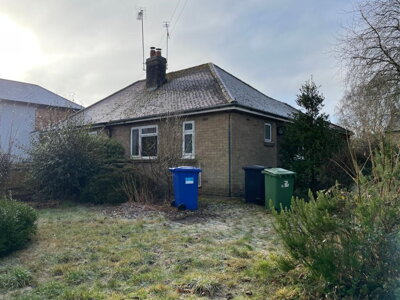
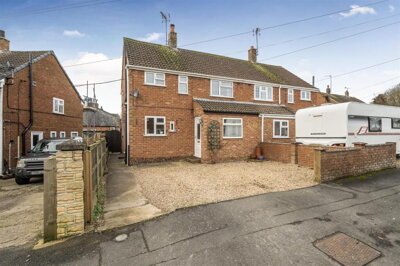
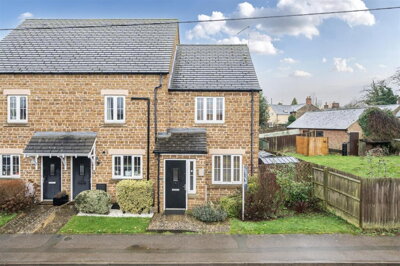
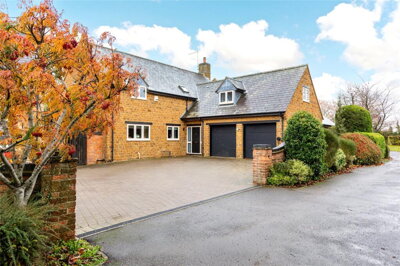
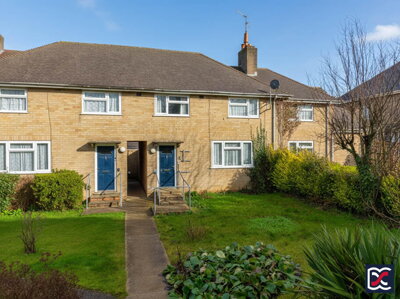
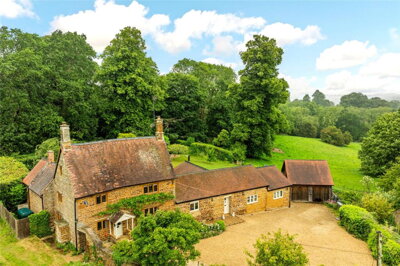
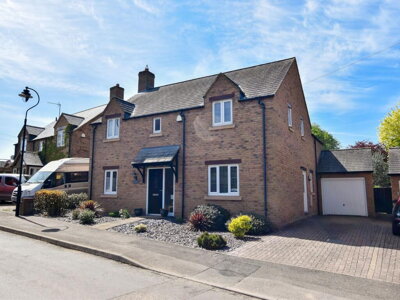
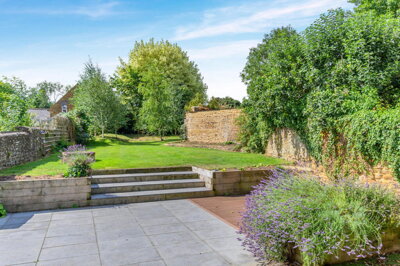
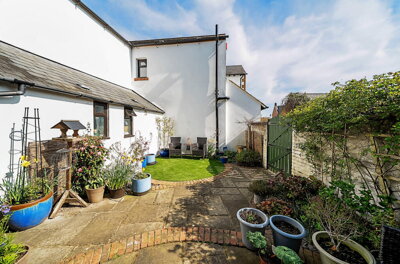
Browse 12 homes for sale in Litchborough, West Northamptonshire from local estate agents.
£1.15M
3
1
110
Source: home.co.uk
Source: home.co.uk
Detached
3 listings
Avg £1.03M
Source: home.co.uk
Source: home.co.uk
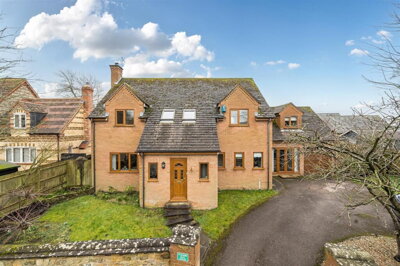
The Litchborough property market reflects its character as a desirable Northamptonshire village, with a housing stock dominated by detached family homes. According to census data, 51.7% of properties in the village are detached houses, 27.6% are semi-detached, 12.1% are terraced, and 8.6% are flats or apartments. This breakdown makes Litchborough particularly attractive to families seeking space and privacy, as well as downsizers looking to trade urban life for village tranquility. The NN12 postcode area saw 1,228 property sales in the twelve months to February 2026, indicating a healthy level of market activity in the broader region.
Property prices in the NN12 area show a range that reflects the variety of homes available. Detached properties command an average price of around £506,000, while semi-detached homes average approximately £309,000. Terraced properties in the area typically sell for around £264,000, and flats average £174,000. Over the past twelve months, prices in the NN12 area have shown a slight softening of 0.7% overall, with terraced properties seeing the most significant adjustment at minus 1.5%. This modest correction may present opportunities for buyers who have been waiting for more favorable market conditions before making a move to this sought-after village location.
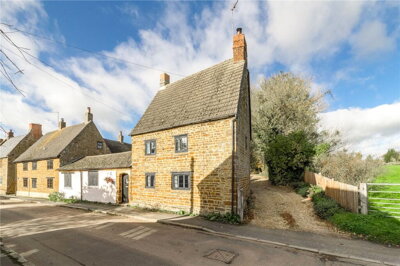
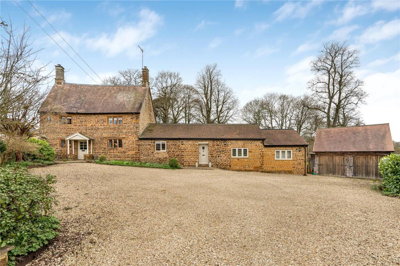
The village's historic character means many properties date from the Victorian era and earlier, with stone construction being a defining feature of the local housing stock. Older properties in Litchborough often feature Northamptonshire ironstone walls constructed with lime mortar, which requires different maintenance approaches compared to modern cavity-wall properties. Buyers should expect a mix of period features, original fireplaces, and traditional timber-framed construction alongside more recent additions built to contemporary standards. The limited supply of properties coming to market in this small village creates competitive conditions when desirable homes do appear, making it worthwhile for buyers to register with local estate agents for early notification of new listings.
When considering property values in Litchborough, prospective buyers should factor in the additional costs associated with maintaining historic construction. Stone-built properties with solid walls typically cost more to heat than modern insulated homes, and this running cost differential should be weighed against the character benefits that traditional construction provides. Energy Performance Certificate ratings for older properties often fall into lower bands, though improvements to insulation and heating systems can be made over time subject to planning consent where properties are listed or within a conservation area.

Litchborough is a village that has retained its historic character through the centuries, with properties built predominantly from local Northamptonshire ironstone and traditional red brick. The village is home to several notable historic buildings, including the Church of St. Martin, which dates from around 1290 and was rebuilt in the Decorated architectural style. This Grade I listed church serves as the spiritual centre of the village and a reminder of Litchborough's medieval origins. Nearby, Litchborough Hall stands as a fine example of 17th-century domestic architecture, with distinctive 19th-century neo-Tudor extensions that reflect changing tastes across the generations.
The community spirit in Litchborough is evident in its active Village Hall, which provides a focal point for social activities, clubs, and events throughout the year. The Old Red Lion pub offers a traditional setting for food and drink, where neighbours gather and newcomers are made to feel welcome. The village forms part of South Northamptonshire, a district celebrated for its scenic countryside, traditional market towns, and strong local identity. With a population of 354 residents according to the 2021 census, Litchborough offers an intimate community atmosphere while remaining well-connected to larger urban centres for work, shopping, and leisure activities.
Daily life in Litchborough requires a short drive for many amenities, with the nearby market town of Towcester providing essential services including a GP surgery, pharmacy, and convenience shopping. The town hosts a weekly market and several independent shops that serve the surrounding villages. For larger shopping trips, residents typically travel to Northampton, approximately 20 miles distant, or to Milton Keynes, which offers comprehensive retail facilities including intu Milton Keynes shopping centre. The village's position in the South Northamptonshire countryside provides easy access to walking routes, bridleways, and the wider network of public footpaths that criss-cross the rolling farmland between settlements.
The local economy around Litchborough draws from a mix of agriculture, local businesses, and commuters travelling to larger employment centres. Agriculture remains significant in the surrounding countryside, while the proximity of the A5 trunk road connects residents to employment opportunities in logistics, manufacturing, and service industries across the region. Many residents work in Northampton, Milton Keynes, or commute to Birmingham and beyond, taking advantage of the strategic road connections that serve the area. The combination of rural charm and commuting accessibility makes Litchborough popular with professionals seeking to balance countryside living with career opportunities.

Families considering a move to Litchborough will find a selection of educational options within reasonable distance of the village. Primary education is available at schools in surrounding villages and the nearby town of Towcester, which hosts several primary schools serving the local area. Parents should research individual school catchments and admissions criteria, as places can be competitive in popular rural locations. Visiting schools and speaking with local parents can provide valuable insights into the educational landscape and community atmosphere of each option.
Secondary education in the area includes schools in Towcester, where students can progress through to GCSE level, with further education opportunities available at colleges in Northampton, Milton Keynes, and surrounding towns. For families prioritising academic selection, several grammar schools operate in Northamptonshire, with entrance based on the 11-plus examination. Independent schools in the wider region offer alternative educational pathways for those pursuing non-selective education. Given the importance of school admissions to family buyers, we recommend consulting the Northamptonshire County Council school admissions portal and visiting potential schools to understand their specific requirements and facilities.
The 2021 census recorded 145 households in Litchborough, suggesting a village population where local school provision serves a mix of resident families and those from surrounding farms and smaller settlements. Primary schools in the area typically serve several villages each, meaning catchment boundaries can fall some distance from Litchborough itself. Transport arrangements for school transport should be verified with Northamptonshire County Council, as some families may qualify for assistance with travel costs where schools fall beyond the statutory walking distance. For secondary education, many families factor school transport or independent travel arrangements into their decision-making process when considering properties in this rural location.
Litchborough enjoys a strategic position within Northamptonshire, with the A5 trunk road passing nearby and providing direct connections to major road networks. The A5 offers routes south to Milton Keynes and north towards Rugby, while the nearby A45 and A14 provide access to Northampton, Kettering, and connections to the national motorway network including the M1. For commuters, this positioning allows access to employment centres across the Midlands and into London via the rail network. The village's rural setting means that access to these major routes requires a short drive, making car ownership essential for most residents.
Rail services in the region are accessed from stations in Northampton, Milton Keynes Central, and Wolverhampton, with journey times to London Euston from around 45 minutes from Milton Keynes Central. Bus services connect Litchborough with nearby towns, though frequencies are typically more limited than in urban areas, making timetable planning important for those relying on public transport. Cyclists will find that the Northamptonshire countryside offers both challenges and rewards, with rolling terrain and scenic routes through villages, though main roads require caution during busy periods. For those working from home, the village benefits from good connectivity for remote workers, though broadband speeds should be verified with individual providers before committing to a purchase.
The village's position bounded by tributaries of the Rivers Nene and Tove creates pleasant walking and cycling routes along the watercourses, though these same features can affect road travel during periods of heavy rainfall. The minor roads around Litchborough are generally well-maintained, reflecting South Northamptonshire Council's investment in rural infrastructure, though some lane sections remain narrow and require careful navigation. For residents who commute by car, typical journey times to Northampton take approximately 30-40 minutes, while Milton Keynes is accessible in around 25 minutes via the A5. Those working in Birmingham can expect journeys of approximately one hour, depending on traffic conditions on the M1 and surrounding motorways.
Before you begin viewing properties, obtain a mortgage agreement in principle from a lender. This confirms your borrowing capacity and strengthens your position when making offers on homes in Litchborough and the surrounding NN12 area. Having a mortgage Decision in Principle demonstrates to sellers and agents that you are a serious buyer with financing already arranged.
Study property prices, recent sales, and market trends in the Litchborough area. Understanding the current 0.7% price adjustment in the NN12 market can help you negotiate confidently and recognise fair value when you see it. Register with local estate agents in the Towcester and NN12 area to receive alerts when new properties matching your criteria come to market, as village homes sell quickly when priced correctly.
Schedule viewings of homes that match your criteria, visiting at different times of day to understand the neighbourhood's character. Pay attention to the village atmosphere, proximity to the River Nene and Tove tributaries, and the condition of historic stone-built properties. For period properties, consider attending viewings with a friend or family member who has experience of historic construction, or take photographs to review later alongside research on typical defects in older buildings.
Before completing your purchase, arrange a comprehensive survey from a qualified RICS surveyor. Given Litchborough's historic housing stock, this report can identify issues such as damp, timber defects, or structural concerns common to older properties built from Northamptonshire stone. Our inspectors understand the specific construction methods used in this area and can advise on appropriate maintenance and remediation where issues are found.
Choose a conveyancing solicitor to handle the legal aspects of your purchase, including local searches, title checks, and coordination with the seller's representatives. Ask about their experience with rural properties and any specific considerations for conservation areas, as these may affect what works require consent after completion.
Once all searches are satisfactory and your mortgage is finalized, you will exchange contracts and pay your deposit. Completion typically follows shortly after, at which point you receive the keys and take ownership of your new home in Litchborough. We recommend arranging buildings insurance to commence from exchange of contracts, as this protects your investment from that point forward.
Understanding the construction methods used in Litchborough properties helps buyers appreciate both the character and the maintenance requirements of homes in this historic village. The predominant building material is Northamptonshire ironstone, a warm-toned limestone that has been quarried locally for centuries and used extensively in the village's older properties. This ironstone is relatively soft compared to harder stones like granite, making it workable for carving but also more susceptible to weathering and erosion over time. Lime mortar was traditionally used in the construction of these older buildings, allowing the structure to breathe and manage moisture naturally.
Many properties in Litchborough feature solid wall construction rather than the cavity walls found in modern properties. Solid walls typically have no gap between the inner and outer leaves, meaning they have less inherent insulation than contemporary standards require. This does not mean solid-walled properties cannot be made warm and comfortable, but it does mean that insulation solutions need careful specification to avoid trapping moisture within the walls. Breathable materials such as lime-based plasters and renders are recommended for solid wall properties, while non-breathable materials like cement-based products can trap moisture and cause deterioration of the stonework over time.
The roofing on older Litchborough properties typically features timber rafters with slate or clay tile coverings. Natural slate was historically imported from Wales for high-quality buildings, while more modest properties used locally produced clay tiles. Lead is commonly found on valleys, flashings, and flat roof details on period properties, and this material requires periodic inspection as it can deteriorate over time. The timber roof structure in older properties may show signs of past movement or beetle activity, which a thorough survey can assess. Modern extensions and conversions in the village may feature concrete tile coverings or more contemporary roofing materials.
Given that a significant proportion of Litchborough's housing stock is over 50 years old, prospective buyers should budget for ongoing maintenance and improvement works. Properties with original windows may need updating to improve thermal performance, while older heating systems should be assessed for efficiency and condition. The geology of Northamptonshire includes areas with clay soils that can experience shrink-swell movement, potentially affecting foundations. Our surveyors check for signs of past or current movement during inspections and can advise on the need for further investigation or remedial works where appropriate.
Purchasing a property in a historic village like Litchborough requires careful consideration of several local factors. Many homes in the village are constructed from local ironstone, a traditional building material that requires specific maintenance approaches. Lime mortar pointing, rather than cement, is often recommended for older stone properties to allow the building to breathe and prevent moisture retention. Prospective buyers should look for signs of damp, particularly rising damp in solid-walled properties that may lack modern damp-proof courses. The age of wiring and plumbing systems should also be assessed, as older homes may require updating to meet current electrical safety standards.
Flood risk represents another consideration for properties in Litchborough. While the village itself is inland and not subject to coastal flooding, its position bounded by tributaries of the Rivers Nene and Tove means some locations near watercourses could face surface water or river flooding during heavy rainfall. A property search and environmental report can clarify the flood risk for any specific address. Additionally, the village's conservation status means that planning restrictions may apply to alterations, extensions, or significant changes to the exterior of properties. Buyers should consult South Northamptonshire Council planning records to understand any designations affecting their potential purchase.
The village's position on undulating countryside with underlying clay geology means foundation conditions warrant attention during the survey process. Properties may show evidence of past movement, particularly if large trees are present nearby or if the property has experienced changes in ground conditions over time. Our surveyors look for tell-tale signs such as cracking to walls and ceilings, doors and windows that stick or do not close properly, and gaps around window frames that may indicate movement. Where concerns arise, a more detailed structural engineer's inspection can provide definitive advice on the condition and necessary remediation.
Properties in conservation areas or those that are listed buildings require additional consideration before purchase. Planning consent may be needed for alterations that would otherwise be permitted development, and any works to listed buildings require specialist consent from the local planning authority. These designations protect the village's historic character but also impose obligations on owners to maintain properties appropriately. Buyers should factor in the potential costs of compliance with these requirements, particularly if the property shows signs of deferred maintenance that may need addressing to prevent further deterioration.
Average house prices for Litchborough specifically are typically aggregated with the wider NN12 postcode area, where the overall average is around £376,000. Detached properties average £506,000, semi-detached homes around £309,000, terraced properties £264,000, and flats approximately £174,000. The village's housing stock is dominated by detached homes at 51.7%, which means family-sized properties command the higher end of the market. Recent price trends show a slight softening of 0.7% across the NN12 area over the past twelve months, with terraced properties seeing the most significant adjustment.
Properties in Litchborough fall under South Northamptonshire Council administration. Council tax bands range from A to H depending on the property's assessed value, with most homes in the village likely falling into bands C through E given the mix of period cottages and family homes. You can check the specific band for any property through the Valuation Office Agency website or your solicitor during the conveyancing process. Council tax rates for South Northamptonshire are set annually and can be confirmed closer to your move date.
Primary schools are available in nearby villages and Towcester, with several rated good or outstanding by Ofsted. For secondary education, schools in Towcester serve the local area, while grammar school options exist in Northamptonshire for academically selective families. Further education colleges in Northampton and Milton Keynes provide post-16 pathways. School catchments vary, so parents should verify admissions arrangements with Northamptonshire County Council, particularly as rural catchments can cover wide geographic areas.
Public transport options in Litchborough are limited, reflecting its rural village character. Bus services connect the village to nearby towns including Towcester, though frequencies are not as frequent as in urban areas. Rail connections require travel to stations in Northampton or Milton Keynes, with services to London taking approximately 45 minutes from Milton Keynes Central. Most residents find car ownership essential for daily life, though cycle routes through the Northamptonshire countryside offer scenic alternatives for shorter journeys.
Litchborough offers appeal for both homeowners and investors seeking a foothold in the Northamptonshire countryside. The village's historic character, strong community atmosphere, and proximity to major road networks make it desirable for families and professionals. Property values in the NN12 area have shown slight softening over the past year, potentially offering entry opportunities. Rural villages with good connectivity often hold their value well over the long term, though buyers should be aware that smaller markets can experience less liquidity than urban areas.
Stamp duty Land Tax for residential purchases in England currently applies at 0% on the first £250,000 of property value, 5% between £250,000 and £925,000, 10% from £925,000 to £1.5 million, and 12% above £1.5 million. First-time buyers qualify for relief on properties up to £625,000, paying 0% on the first £425,000 and 5% on the portion between £425,000 and £625,000. Your solicitor will calculate the exact amount due based on your purchase price and circumstances.
Litchborough contains several listed buildings reflecting its medieval origins and historic character. The Church of St. Martin dates from around 1290 and holds Grade I listing as a building of exceptional interest. Litchborough Hall, a 17th-century manor house with 19th-century extensions, represents another significant heritage asset in the village. Other properties throughout the village may have listing status, and these buildings require specialist maintenance approaches that differ from modern construction. Buyers considering a listed property should understand the obligations involved in preserving heritage buildings.
Broadband speeds in rural villages like Litchborough can vary significantly depending on the infrastructure serving the area. We recommend checking availability with major providers before committing to a purchase, particularly if fast internet is essential for your work or household needs. The UK government is investing in rural broadband expansion, and some properties may be eligible for connection schemes. Mobile phone coverage should also be verified, as signal strength can be limited in some rural locations despite improvements to networks across Northamptonshire.
From £400
A thorough inspection ideal for modern and older properties in Litchborough
From £600
A comprehensive building survey recommended for historic stone properties
From £60
Energy performance certificate required for property sales
From 4.5%
Competitive mortgage rates for Litchborough buyers
From £499
Expert legal services for your property purchase
Understanding the full costs of buying a property in Litchborough goes beyond the purchase price itself. Stamp duty Land Tax represents one of the largest additional costs, and the thresholds for 2024-25 are 0% on the first £250,000, 5% on the portion from £250,001 to £925,000, 10% between £925,001 and £1.5 million, and 12% for amounts exceeding £1.5 million. For a typical Litchborough property around the NN12 average of £376,000, a buyer who is not a first-time owner would pay stamp duty of £6,300. First-time buyers purchasing properties up to £625,000 benefit from relief, paying nothing on the first £425,000 and 5% on the amount between £425,000 and £625,000, which would reduce their stamp duty to zero on a £376,000 purchase.
Beyond stamp duty, buyers should budget for solicitor fees typically ranging from £500 to £1,500 for conveyancing, plus search fees of around £250 to £400 for local authority, environmental, and drainage searches. A RICS Level 2 Survey for a property in Litchborough typically costs between £400 and £800 depending on the property size and complexity. Given the village's historic stone-built properties, this survey is money well spent to identify any structural issues before completion. Mortgage arrangement fees, valuation fees, and broker charges can add several hundred pounds, while removals and furnishings complete the budget picture.
For properties with historic construction, additional costs may arise from specialist surveys or investigations recommended by your RICS Level 2 report. Older stone properties sometimes require targeted inspections of the building fabric by structural engineers or historic building specialists, and these additional professional fees should be anticipated. Buildings insurance for period properties can also be more expensive than for modern homes, and we recommend obtaining quotes from insurers familiar with historic construction before finalising your budget. Setting aside a contingency fund of at least 5% of the purchase price allows for unexpected costs that frequently arise during the buying process and in the first months of homeownership.
Properties for Sale In London

Properties for Sale In Plymouth

Properties for Sale In Liverpool

Properties for Sale In Glasgow

Properties for Sale In Sheffield

Properties for Sale In Edinburgh

Properties for Sale In Coventry

Properties for Sale In Bradford

Properties for Sale In Manchester

Properties for Sale In Birmingham

Properties for Sale In Bristol

Properties for Sale In Oxford

Properties for Sale In Leicester

Properties for Sale In Newcastle

Properties for Sale In Leeds

Properties for Sale In Southampton

Properties for Sale In Cardiff

Properties for Sale In Nottingham

Properties for Sale In Norwich

Properties for Sale In Brighton

Properties for Sale In Derby

Properties for Sale In Portsmouth

Properties for Sale In Northampton

Properties for Sale In Milton Keynes

Properties for Sale In Bournemouth

Properties for Sale In Bolton

Properties for Sale In Swansea

Properties for Sale In Swindon

Properties for Sale In Peterborough

Properties for Sale In Wolverhampton

Enter your details to see if this property is within your budget.
Loans, cards, car finance
Estimated property budget
Borrowing + deposit
You could borrow between
Typical borrowing
Monthly repayment
Est. at 4.5%
Loan-to-value
This is an estimate only. Your actual budget may vary depending on interest rates, credit history, and personal circumstances. For an accurate affordability assessment, speak to one of our free mortgage advisors.
This calculator provides estimates for illustrative purposes only and does not constitute financial advice. Your home may be repossessed if you do not keep up repayments on your mortgage. Estimates based on 4.5% interest rate, repayment mortgage. Actual rates depend on your circumstances.
Homemove is a trading name of HM Haus Group Ltd (Company No. 13873779, registered in England & Wales). Homemove Mortgages Ltd (Company No. 15947693) is an Appointed Representative of TMG Direct Limited, trading as TMG Mortgage Network, which is authorised and regulated by the Financial Conduct Authority (FRN 786245). Homemove Mortgages Ltd is entered on the FCA Register as an Appointed Representative (FRN 1022429). You can check registrations at NewRegister or by calling 0800 111 6768.

We use cookies to show you personalised content and improve your experience of our website. Find out more in our Privacy policy and Cookie policy.