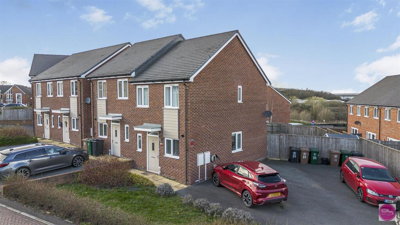
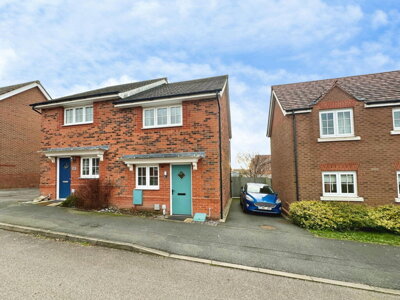
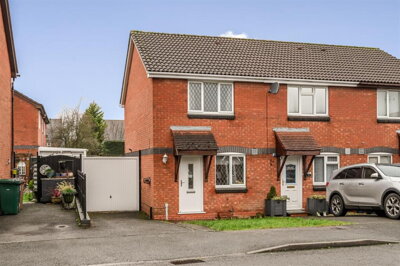
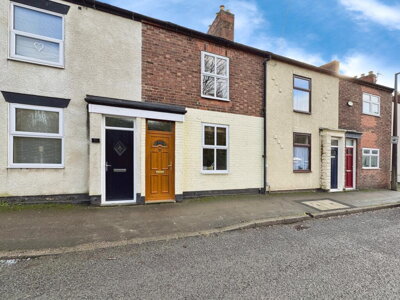
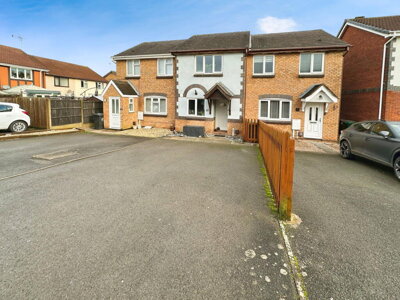
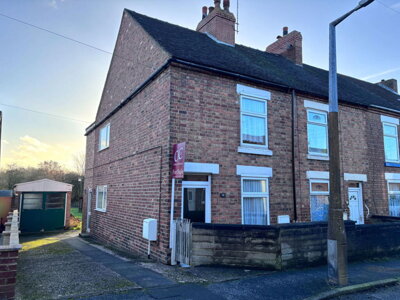
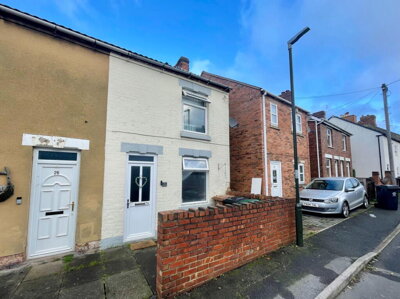
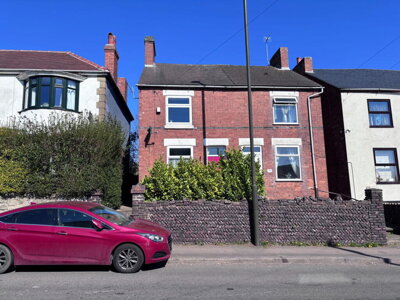
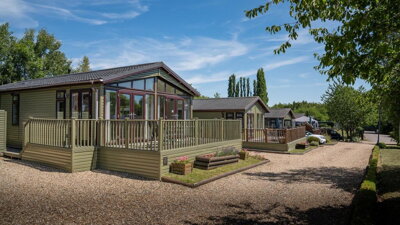
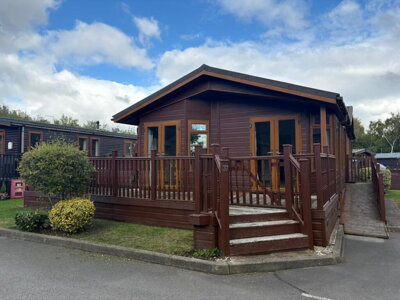
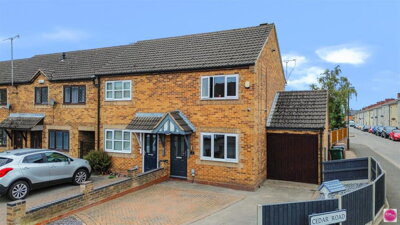
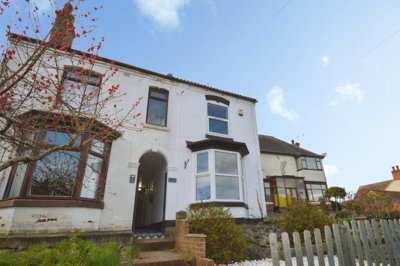
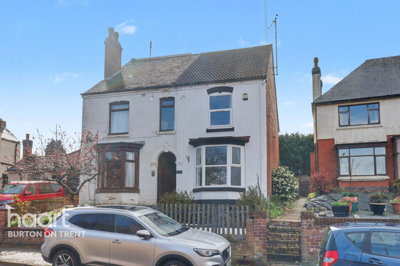
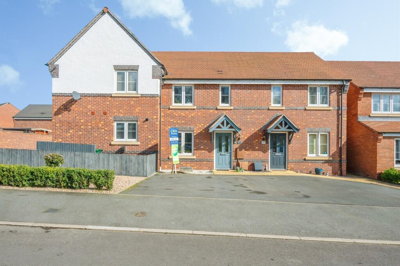
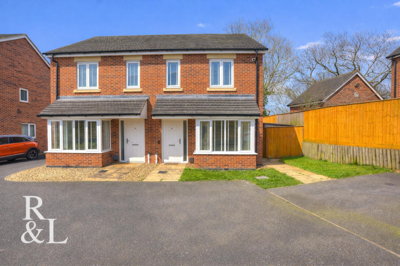
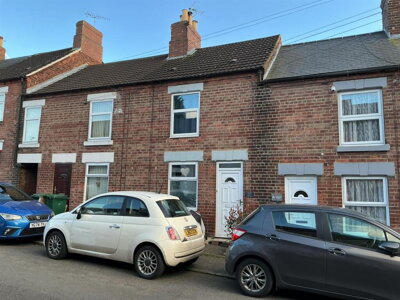
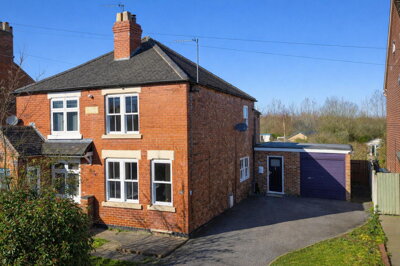
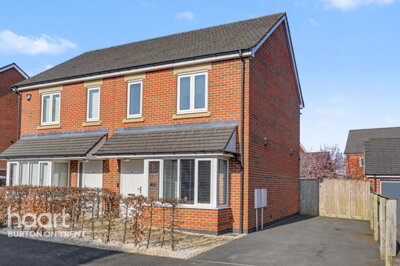
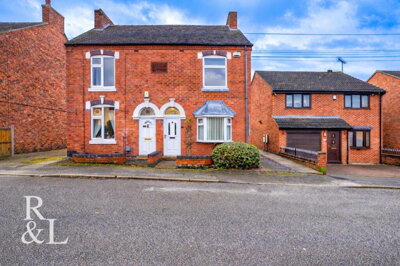
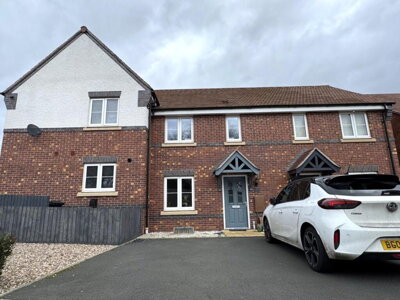
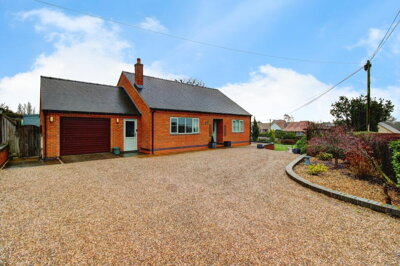
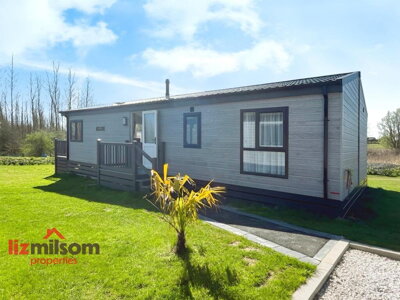
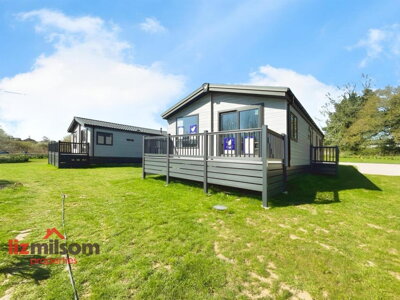
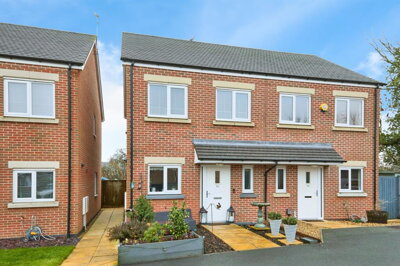
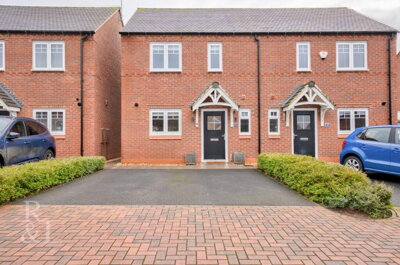
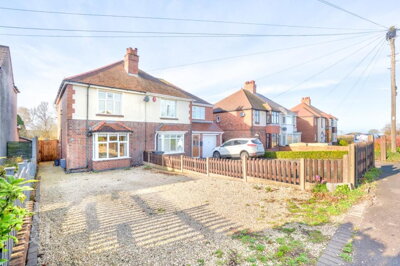
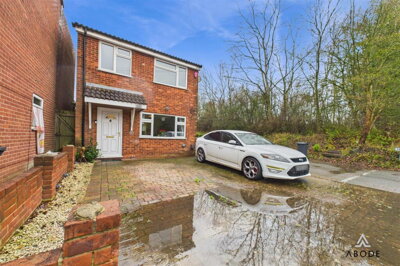
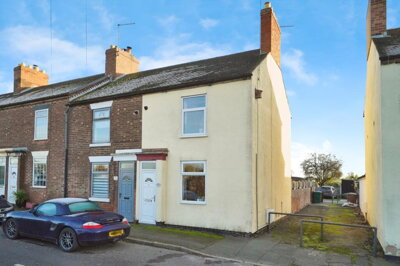
Browse 36 homes for sale in Linton from local estate agents.
The 2 bed house market features detached, semi-detached, and terraced properties with two separate bedrooms plus living spaces. Properties in Linton range from Victorian and Edwardian period homes to modern new builds, with pricing varying across different neighbourhoods.
The property market in Linton, South Derbyshire, presents a diverse range of housing options catering to various buyer requirements. Our current listings include detached houses, semi-detached family homes, and terraced properties, reflecting the village's traditional character and varied housing stock. Rightmove reports an overall average house price of £240,287 over the last year, with Zoopla indicating an average sold price of £242,159. The village falls within the DE12 postcode area, and buyers will find prices that vary significantly depending on property type, size, and condition. Detached properties command the highest prices at approximately £309,334 on average, while semi-detached homes trade around the £240,230 mark, making them popular choices for growing families seeking space and value.
Recent market trends show that property prices in Linton have experienced some correction following the peaks seen during the pandemic years. According to Rightmove data, sold prices over the last year were 6% down on the previous year and 16% down on the 2022 peak of £284,377. This adjustment presents opportunities for buyers who may have been priced out during the height of the market. OnTheMarket records an average price paid of £217,000 as of early 2026. Despite these corrections, the broader South Derbyshire area has shown resilience, with the Office for National Statistics reporting an average house price of £258,000 in December 2025, representing a 1.8% increase year-on-year. Semi-detached properties in the wider district have performed particularly well, rising by 2.5% during this period.
The housing stock in Linton reflects its heritage as a village with roots predating the twentieth century. Properties built between 1800 and 1911 on Linton Heath and surrounding streets contribute significantly to the local character, alongside more modern developments that have expanded the village over subsequent decades. This mix of period and contemporary homes creates a market where buyers can choose between the charm of traditional brick-built properties and the convenience of more recently constructed houses. Understanding the age and construction of properties is essential when assessing value and potential maintenance requirements in the Linton market.

Linton, South Derbyshire, embodies the essence of rural English village living while maintaining excellent connections to surrounding towns and cities. The village forms part of the civil parish of Linton and predates the twentieth century, as evidenced by the presence of period houses built between 1800 and 1911 on Linton Heath. These traditional brick-built properties contribute significantly to the village's character, featuring the architectural details and solid construction methods typical of their era. The prevalence of brick construction throughout the East Midlands region is reflected in Linton's housing stock, with many homes showcasing the red brick that has defined the area's built environment for generations.
The village setting offers residents a peaceful environment with access to local amenities in nearby Swadlincote, just a short drive or bus journey away. Swadlincote provides comprehensive shopping facilities, supermarkets, healthcare services, and recreational amenities including the Ebenezer Slip railway heritage attraction and numerous parks. The surrounding South Derbyshire countryside offers beautiful walks and outdoor pursuits, with the National Forest area providing additional recreational opportunities. Local pubs and community facilities in Linton itself foster a strong sense of community, while the proximity to larger towns ensures that urban conveniences remain accessible for those seeking entertainment, dining, or specialist services.
The community spirit in Linton makes it particularly appealing to families and those seeking a slower pace of life. The village hosts regular events and maintains facilities that bring residents together throughout the year. For newcomers, integrating into the community is typically straightforward, with local establishments providing natural gathering points for meeting neighbours. The combination of village charm and accessibility to larger towns and cities makes Linton an attractive proposition for buyers who want to enjoy the best of both urban and rural lifestyles without compromise.

Families considering a move to Linton, South Derbyshire, will find educational options available both within the village and the surrounding area. Primary education is accessible through schools in nearby villages and in Swadlincote, with the wider South Derbyshire district offering a range of options for children of all ages. Parents should research individual school Ofsted ratings and performance data to identify the best fit for their children, as school quality can vary across the local area. The presence of period properties in Linton, including homes built before 1911, means that some children may benefit from smaller class sizes and strong community connections at village schools.
Secondary education options in the area include schools in Swadlincote and surrounding towns, with transport links making these accessible for families living in Linton. Sixth form and further education provision is available at colleges in Burton-upon-Trent and Derby, which serve students from across South Derbyshire. When purchasing property in Linton, families should carefully consider catchment areas, as these can significantly influence school placement decisions. Consulting with South Derbyshire District Council and individual schools directly provides the most current information regarding admissions criteria, capacity, and any planned changes to local educational provision.
The quality of local schools often influences property values and buyer interest in an area, making this an important consideration when searching for homes for sale in Linton, South Derbyshire. Prospective buyers can access detailed school performance data through government databases, comparing SATs results, GCSE outcomes, and Ofsted inspection reports across the local area. Many families relocating to Linton prioritise proximity to good schools, and properties within desirable catchment areas can command premium prices. Visiting schools and meeting with headteachers before committing to a purchase provides valuable insight that goes beyond published statistics and Ofsted ratings.
Linton, South Derbyshire, benefits from its strategic position within the East Midlands, offering residents convenient access to major road networks and public transport options. The village sits near the A511 trunk road, which provides direct connections to Leicester, Nottingham, and Derby. This makes Linton an attractive location for commuters working in these major employment centres who prefer the lifestyle benefits of village living. The A50 dual carriageway, accessible nearby, offers additional routes to Stoke-on-Trent and Birmingham, further expanding employment opportunities for residents.
For those relying on public transport, local bus services connect Linton to Swadlincote and Burton-upon-Trent, where mainline railway stations provide longer-distance rail connections. East Midlands Airport, located within reasonable driving distance, offers domestic and international flights for both business and leisure travel. The village's position in the East Midlands places it within England's transport network, with motorway connections providing straightforward access to cities across the Midlands and beyond. Cyclists will find varying terrain in the surrounding countryside, with some challenging routes and pleasant scenic rides available for those who prefer pedal power to car journeys.
Commuting times from Linton vary depending on destination and mode of transport, with many residents finding the journey to Derby manageable at around 30 minutes by car. The A511 provides relatively straightforward access during off-peak hours, though rush hour traffic on approaches to larger towns should be factored into travel planning. For professionals working in Nottingham or Leicester, the commute is longer at approximately 45 minutes to an hour, making Linton more suitable for those with flexible working arrangements or who primarily commute to Derby and surrounding South Derbyshire employment hubs. The village's position offers a practical balance between peaceful residential living and access to major employment centres.
Before beginning your property search in Linton, obtain a mortgage agreement in principle from a lender. This demonstrates your buying capacity to estate agents and sellers, strengthening your position when making offers. Research current interest rates and consider speaking with an independent mortgage broker to find the most suitable product for your circumstances.
Explore property listings in Linton to understand the range of homes available, price points, and what is included. The village offers properties ranging from traditional period cottages to modern family homes. Review recent sold prices and compare with current asking prices to gauge market conditions and identify well-priced properties.
Schedule viewings of properties that match your criteria. When visiting Linton homes, pay attention to the condition of older properties, noting potential maintenance requirements. A RICS Level 2 Survey can identify defects in period properties, which form a significant part of the local housing stock.
Once you find your ideal home, submit an offer through the estate agent. Be prepared to negotiate on price or conditions based on the property's condition and survey findings. In Linton's market, where properties may have historic features requiring maintenance, negotiation flexibility can work in your favour.
Appoint a conveyancing solicitor to handle the legal aspects of your purchase. Your solicitor will conduct searches, review contracts, and coordinate with the seller's representatives. For properties in South Derbyshire, local knowledge can help navigate any specific planning considerations or local authority requirements.
After satisfactory searches and negotiations, exchange contracts and agree on a completion date. On completion day, collect your keys and begin your new life in Linton, South Derbyshire.
Purchasing a property in Linton, South Derbyshire, requires careful consideration of several factors unique to the village and its housing stock. The presence of period properties, particularly those built between 1800 and 1911 on Linton Heath and surrounding streets, means buyers should be vigilant about common issues affecting older homes. These may include damp penetration, roof condition, outdated electrical systems, and plumbing that may not meet current standards. A thorough RICS Level 2 Survey is strongly recommended for any traditional property to identify defects and potential repair costs before committing to a purchase.
Property buyers should investigate the tenure of homes in Linton, as both freehold and leasehold properties exist in the area. Understanding ground rent terms, service charges, and any remaining lease duration for leasehold properties is essential to avoid unexpected costs. South Derbyshire District Council manages local planning matters, so prospective buyers should research any planning applications affecting neighbouring properties or nearby developments. Flood risk in the Linton area should be verified through official Environment Agency mapping, particularly for properties near watercourses or in low-lying areas of the village.
Conservation considerations may apply to certain properties in Linton, particularly those of historic character. If you are considering a property with period features, verify whether any planning restrictions apply to renovations or alterations. Buildings of architectural significance may be listed, which would require Listed Building Consent for certain works. Insurance costs for older properties may be higher than average, and some mortgage lenders have specific requirements for properties exceeding certain ages or constructed with non-standard methods. Taking professional advice on these matters before purchasing helps avoid costly surprises after completion.
When viewing properties in Linton, pay particular attention to the construction materials used. Many traditional properties in the area feature solid brick walls rather than modern cavity wall construction, which affects insulation performance and renovation options. Lime mortar, commonly used in period properties, requires specialist repair techniques that differ from standard bricklaying. The age of the property also influences the likelihood of hidden defects, with Victorian and Edwardian homes often requiring updates to electrics, plumbing, and heating systems. Budgeting for these potential works when making an offer provides a realistic financial picture of your purchase.
Understanding the full costs of buying a property in Linton, South Derbyshire, helps you budget accurately and avoid financial surprises. Beyond the purchase price, buyers should account for Stamp Duty Land Tax, which for most residential purchases in Linton will apply to amounts exceeding the nil-rate threshold. With the average property price around £240,000 to £309,000 for detached homes, many buyers purchasing at the lower end of the market may benefit from relief on stamp duty. First-time buyers purchasing properties up to £425,000 can benefit from first-time buyer relief, potentially saving thousands compared to standard SDLT rates.
Additional buying costs include solicitor fees for conveyancing, typically ranging from £500 to £2,000 depending on the complexity of the transaction. A RICS Level 2 Survey costs from around £350 for standard properties, rising for larger or more complex homes. For Linton's period properties, which may require more detailed assessment, survey costs could be higher. Mortgage arrangement fees vary by lender but typically range from zero to £2,000, and should be factored into your affordability calculations. An EPC assessment is mandatory for all sales and costs from approximately £60 to £120. Land Registry fees for registering your ownership are typically modest but should be included in your budget.
Ongoing costs after purchase include council tax, utility bills, building insurance, and maintenance. Properties in South Derbyshire fall under South Derbyshire District Council's jurisdiction, with council tax bands varying by property. Buildings insurance premiums for period properties may be higher due to rebuild costs and potential structural complexities. Annual maintenance reserves of around 1% of property value are recommended to cover repairs and renovations, particularly important for traditional properties where unexpected issues can arise. Factor these ongoing costs into your decision when considering different property types and price ranges in Linton.
The average house price in Linton varies depending on the source and timeframe measured. Rightmove reports an overall average of £240,287 over the last year, while Zoopla indicates an average sold price of £242,159. Property prices vary significantly by type, with detached homes averaging around £309,334, semi-detached properties at approximately £240,230, and terraced homes from £157,600. Recent market data shows prices have corrected by approximately 6% year-on-year, presenting opportunities for buyers who missed the 2022 peak of £284,377. For the broader South Derbyshire area, ONS data for December 2025 shows an average price of £258,000, indicating the district's relative stability compared to village-specific fluctuations.
Primary and secondary education is available in Linton and the surrounding South Derbyshire area, with specific school quality varying by institution. Parents should research individual Ofsted ratings and performance data for schools in Swadlincote and nearby villages, as these serve the Linton catchment area. Secondary options include schools in Swadlincote, with further education colleges available in Burton-upon-Trent and Derby. School admission criteria are managed through South Derbyshire local authority, and catchment area boundaries should be confirmed before purchasing property. Properties in the DE12 postcode area, including Linton, typically feed into schools that serve the wider South Derbyshire catchment, and families are advised to verify current arrangements directly with schools before committing to a purchase.
Linton is served by local bus routes connecting the village to Swadlincote and Burton-upon-Trent, where mainline railway stations provide broader rail network access. The village's position near the A511 trunk road makes road transport the primary option for most residents, with straightforward connections to Leicester, Nottingham, Derby, and the wider motorway network. East Midlands Airport is accessible within reasonable driving distance for air travel. Bus services typically operate at frequencies suitable for daily commuting to nearby towns, though those working in larger cities may find private vehicle travel more practical given the village's rural location.
Linton offers potential for property investment, particularly given the broader South Derbyshire market's resilience. House prices in the wider district increased by 1.8% from December 2024 to 2025, with semi-detached properties rising by 2.5%. The village attracts families seeking village character with good transport links, and demand for quality homes remains steady. Period properties may offer renovation potential, though buyers should factor in maintenance costs and obtain thorough surveys before purchase. The local market has seen price corrections following pandemic-era peaks, which may present buying opportunities for investors willing to take a medium-term view on property values in the DE12 area.
Properties in Linton fall under South Derbyshire District Council's jurisdiction for council tax purposes. Council tax bands are assigned based on property value and are A through H in most cases. Specific band information for individual properties can be found on the Valuation Office Agency website or by contacting South Derbyshire District Council directly. Band information is typically included in property listings and can be verified before making an offer. The average property values in Linton, ranging from terraced homes around £157,600 to detached properties at approximately £309,334, suggest a mix of council tax bands across the village's housing stock.
Stamp Duty Land Tax (SDLT) applies to all property purchases in England. For standard residential purchases, you pay 0% on the first £250,000, 5% on £250,001 to £925,000, 10% on £925,001 to £1.5 million, and 12% on amounts exceeding £1.5 million. First-time buyers benefit from relief paying 0% on the first £425,000, with 5% on the portion from £425,001 to £625,000. Given Linton's average property prices around £240,000 to £300,000 for detached homes, most buyers purchasing at typical price points would only pay stamp duty on amounts exceeding the nil-rate threshold. A first-time buyer purchasing a terraced property at £157,600 would pay no SDLT at all under current thresholds.
Given Linton's housing stock includes period properties built between 1800 and 1911, common defects include damp, timber decay, roof deterioration, and outdated electrics or plumbing systems. Properties of this age may have solid walls rather than cavity walls, requiring different insulation approaches. Foundations on older properties may be shallower than modern standards, and building materials such as lime mortar require specialist repair knowledge. A RICS Level 2 Survey is essential for identifying these issues before purchase. Given that semi-detached properties form around 62% of recent transactions in the DE12 postcode, buyers should also consider issues common to this housing type, including shared wall maintenance responsibilities and potential sound transmission concerns.
The Linton property market offers a diverse mix of housing types to suit different buyer requirements and budgets. Detached family homes command the highest prices at approximately £309,334 on average, offering generous garden space and off-street parking typical of traditional East Midlands design. Semi-detached properties, which dominate around 62% of recent transactions, provide an affordable middle ground with prices around £240,230. Terraced homes offer the most accessible entry point from approximately £157,600, making them popular with first-time buyers and investors. The village also contains period properties built between 1800 and 1911, particularly concentrated on Linton Heath, which appeal to buyers seeking character homes with traditional brick construction and original architectural features.
The Linton property market has experienced a notable correction following the pandemic-era highs of 2022. Rightmove data shows sold prices over the last year were 6% down on the previous year and 16% down on the 2022 peak of £284,377. OnTheMarket reports a more significant 32.2% fall over the last 12 months, though this figure may reflect a smaller sample of recent transactions. Despite these village-specific corrections, the broader South Derbyshire area has shown resilience, with the Office for National Statistics reporting a 1.8% increase to an average of £258,000 in December 2025. This divergence between local and regional trends may present opportunities for buyers who can take advantage of current market conditions in Linton before prices potentially align with broader district growth patterns.
From 4.5% APR
Compare mortgage deals from leading lenders
From £499
Expert property solicitors to handle your legal work
From £350
Professional survey to identify defects in your new home
From £60
Energy performance certificate for your property
Properties for Sale In London

Properties for Sale In Plymouth

Properties for Sale In Liverpool

Properties for Sale In Glasgow

Properties for Sale In Sheffield

Properties for Sale In Edinburgh

Properties for Sale In Coventry

Properties for Sale In Bradford

Properties for Sale In Manchester

Properties for Sale In Birmingham

Properties for Sale In Bristol

Properties for Sale In Oxford

Properties for Sale In Leicester

Properties for Sale In Newcastle

Properties for Sale In Leeds

Properties for Sale In Southampton

Properties for Sale In Cardiff

Properties for Sale In Nottingham

Properties for Sale In Norwich

Properties for Sale In Brighton

Properties for Sale In Derby

Properties for Sale In Portsmouth

Properties for Sale In Northampton

Properties for Sale In Milton Keynes

Properties for Sale In Bournemouth

Properties for Sale In Bolton

Properties for Sale In Swansea

Properties for Sale In Swindon

Properties for Sale In Peterborough

Properties for Sale In Wolverhampton

Enter your details to see if this property is within your budget.
Loans, cards, car finance
Estimated property budget
Borrowing + deposit
You could borrow between
Typical borrowing
Monthly repayment
Est. at 4.5%
Loan-to-value
This is an estimate only. Your actual budget may vary depending on interest rates, credit history, and personal circumstances. For an accurate affordability assessment, speak to one of our free mortgage advisors.
This calculator provides estimates for illustrative purposes only and does not constitute financial advice. Your home may be repossessed if you do not keep up repayments on your mortgage. Estimates based on 4.5% interest rate, repayment mortgage. Actual rates depend on your circumstances.
Homemove is a trading name of HM Haus Group Ltd (Company No. 13873779, registered in England & Wales). Homemove Mortgages Ltd (Company No. 15947693) is an Appointed Representative of TMG Direct Limited, trading as TMG Mortgage Network, which is authorised and regulated by the Financial Conduct Authority (FRN 786245). Homemove Mortgages Ltd is entered on the FCA Register as an Appointed Representative (FRN 1022429). You can check registrations at NewRegister or by calling 0800 111 6768.

We use cookies to show you personalised content and improve your experience of our website. Find out more in our Privacy policy and Cookie policy.