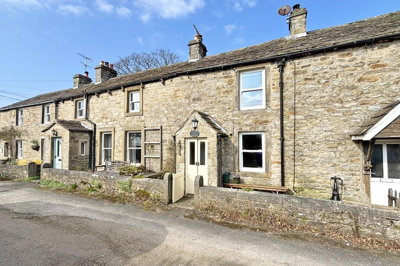
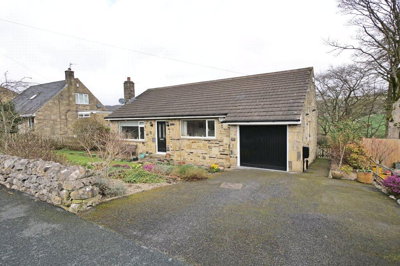
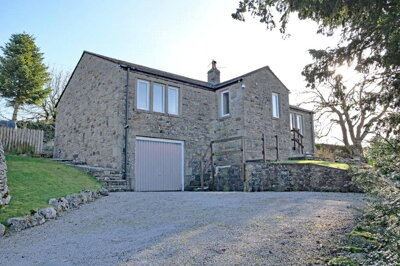
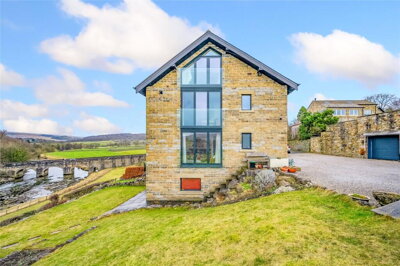
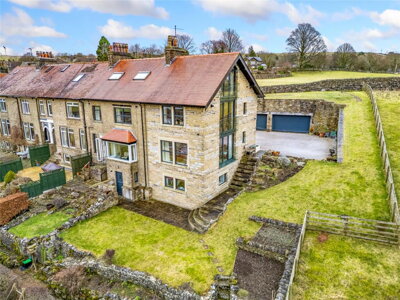
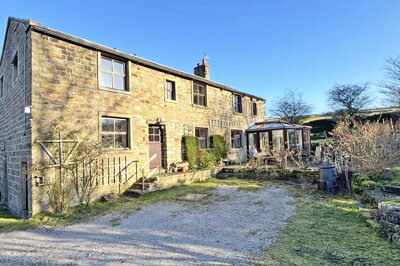
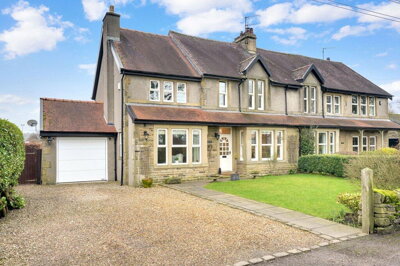
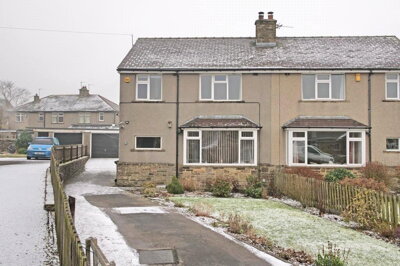
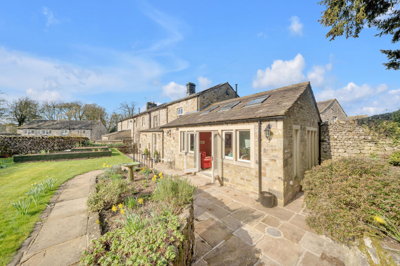
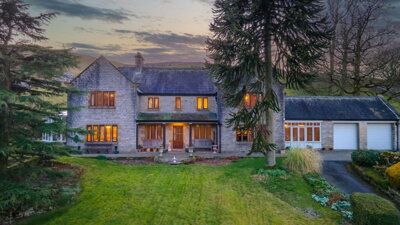
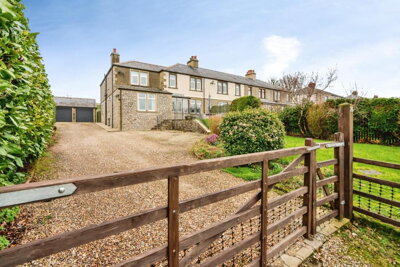
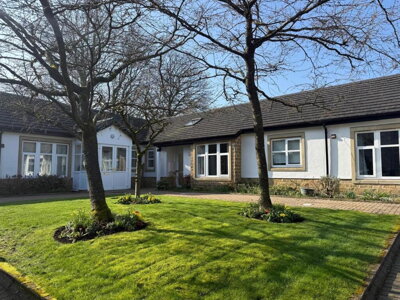
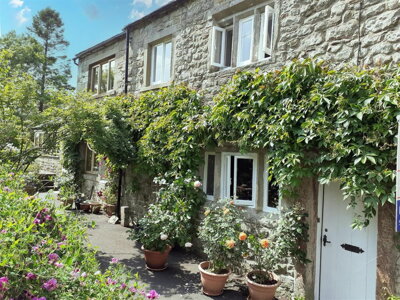
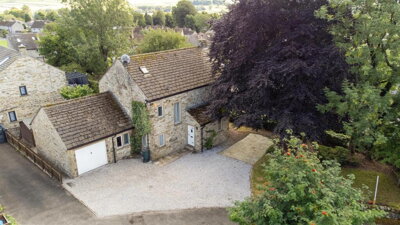
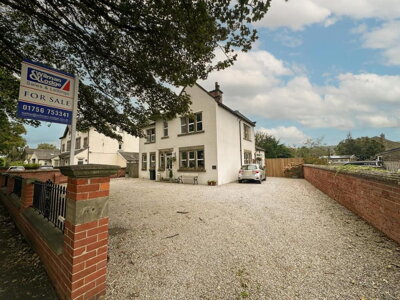
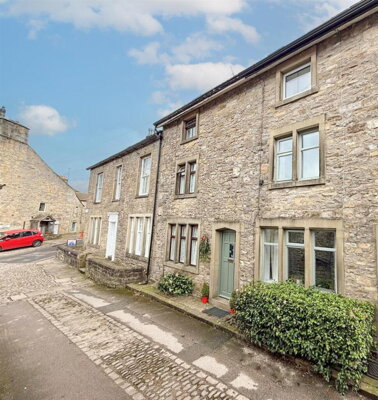
Browse 36 homes for sale in Linton from local estate agents.
Our data shows that the Linton property market reflects the character of this small but highly desirable village, with an overall average sold price of approximately £360,000 recorded in recent transactions. This figure positions Linton within the mid-range of Yorkshire Dales property values, offering relative affordability compared to more tourist-heavy Dales villages while maintaining strong investment credentials. Detached properties in the broader area command significant premiums, often exceeding £900,000 for substantial period homes with land, while terraced cottages in the village centre typically change hands for £250,000 to £350,000 depending on condition and position. Our platform connects you directly with local estate agents who can provide detailed information about each property currently available.

Linton, North Yorkshire, presents a quintessential Dales village experience, where the pace of life slows and community connections run deep. The civil parish encompasses a population of approximately 176 residents according to the 2011 census, creating an intimate community where neighbours know one another and local events bring people together throughout the year. The village derives much of its character from the dominant employment sector of Managers, Directors, and Senior Officials, suggesting a professional population who appreciate the rural lifestyle while maintaining careers, possibly through remote working arrangements that have become increasingly viable in recent years. The settlement sits within the Yorkshire Dales National Park boundary in certain areas, granting residents access to some of England's most spectacular landscapes, ancient dry-stone walls, and protected moorland.
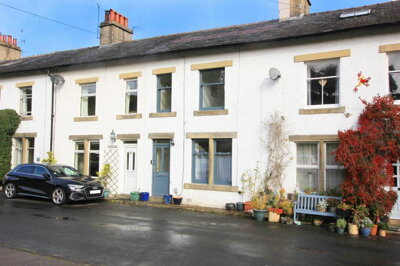
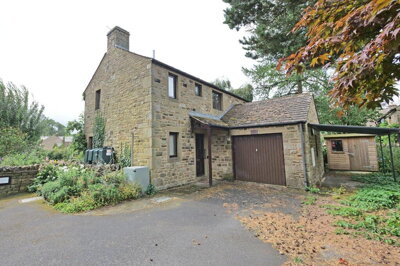
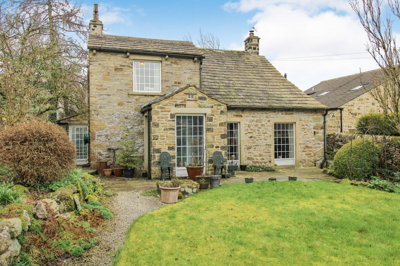
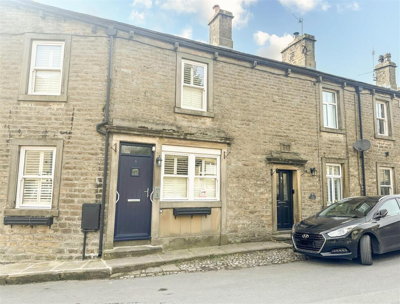
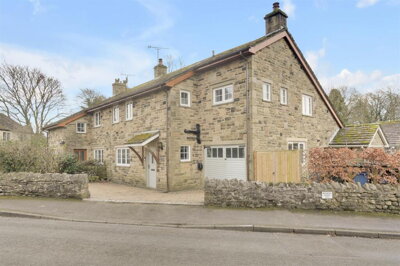
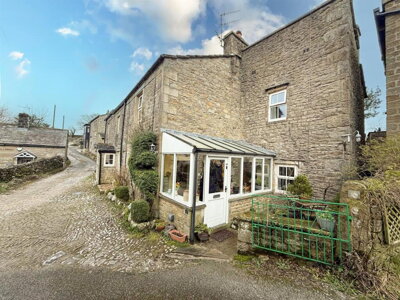
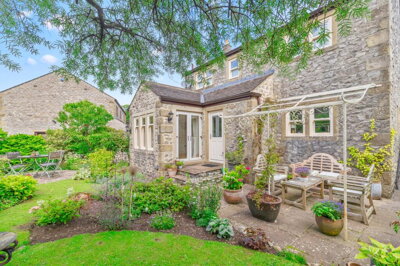
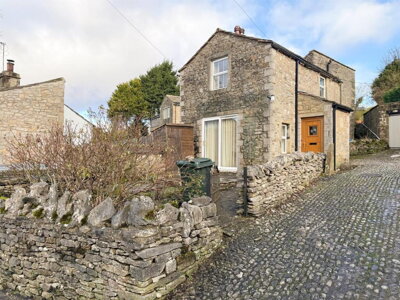
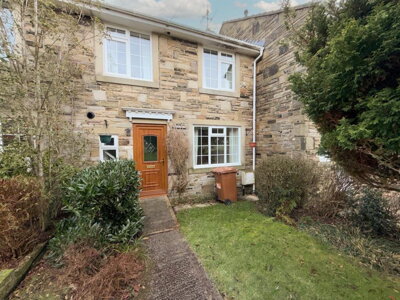
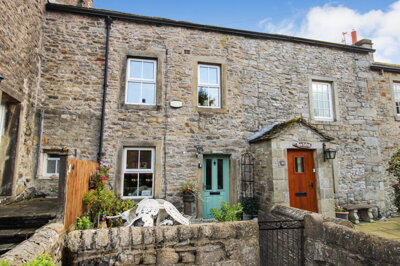
The architectural heritage of Linton contributes significantly to its appeal, with the village containing 23 listed buildings recorded in the National Heritage List for England. Among these are two buildings of Grade II* designation, including the Fountaines Hospital, a dominating feature in the village that reflects the area's history of charitable foundations and ecclesiastical patronage. The oldest houses in the village trace their origins to the seventeenth century, with the majority of the remaining housing stock constructed during the eighteenth and nineteenth centuries when the local economy supported prosperous farming families and tradespeople. Local building materials reflect the underlying geology of Millstone Grit and limestone formations, with walls constructed from locally quarried stone and roofs covered in traditional sandstone slates that weather to distinctive grey and silver tones over time.
The village offers essential amenities for daily living while the nearby market town of Skipton provides comprehensive shopping, healthcare, and educational facilities within a short drive. Local walks traverse the surrounding countryside, connecting Linton to neighbouring villages and offering panoramic views across the Dales landscape. The presence of St Michael's Church, dating from the twelfth century, anchors the spiritual and historical identity of the community, while converted barns, public houses, and former almshouses provide evidence of the village's continuous habitation and adaptation over more than five centuries.
Our transport overview for Linton reflects its position as a small rural village, with residents typically relying on private vehicles for the majority of journeys while public transport serves key routes to nearby towns. The village sits approximately five miles from Skipton, which provides the nearest railway station with regular services to Leeds, Bradford Forster Square, and Lancaster. Direct trains from Skipton reach Leeds in approximately 45 minutes, making day commuting feasible for professionals who work in the city but prefer countryside living. The Settle-Carlisle railway line, one of England's most scenic rail routes, passes through the area, offering leisure connections and occasional intercity services that extend to Carlisle and the Scottish borders.
Bus services connect Linton with Skipton and neighbouring villages, though frequencies are limited compared to urban areas, making advance planning essential for those relying on public transport. The X84 bus route provides connections to larger centres including Leeds, while local services link the Dales villages for shopping and recreational trips. For residents commuting to Leeds or York, the strategic road network provides access via the A59, which passes through Skipton and connects to the M1 motorway network at Leeds. Journey times by car to Leeds city centre typically range from 50 minutes to one hour, depending on traffic conditions on the approach roads and time of travel.
Cycling infrastructure in North Yorkshire continues to develop, with the Leeds and Liverpool Canal towpath and various minor roads providing options for recreational and utility cycling. The Sustrans National Cycle Network passes through nearby Skipton, offering traffic-free routes for confident cyclists. However, the hilly terrain of the Dales presents challenges for less experienced riders, and many residents choose to combine cycling with public transport for longer journeys. Parking provision in the village remains limited given its historic layout, though this is unlikely to concern residents who walk or cycle locally, and the modest scale of the settlement means most daily needs can be met without vehicle use.
Our inspectors frequently encounter the distinctive construction methods that characterise properties throughout Linton, where locally quarried gritstone and limestone dominate the building fabric. Walls are typically constructed as double skins with rubble-filled cores, creating structures that breathe and regulate moisture differently from modern cavity wall construction. The underlying Millstone Grit and limestone geology of the area meant builders had ready access to materials, with sandstone slates quarried locally used for roofing. Yorkshire stone, a durable sedimentary limestone, features extensively in foundations, flag floors, and boundary walls, demonstrating the resourcefulness of historical builders in using materials suited to the local environment.
Traditional lime mortars allow historic stone walls to remain permeable, enabling moisture to evaporate rather than becoming trapped within the fabric. Our surveyors consistently advise that using modern cement-based products on these structures can cause significant damage by preventing the natural drying process. Render applied to historic stonework in the past has sometimes caused problems where it has cracked, allowing water penetration while preventing escape of moisture from within the wall. Prospective buyers should look for signs of inappropriate modern materials when viewing properties, as these can indicate previous renovation work that may have compromised the building's long-term durability.
Timber-framed construction is less common in this part of the Dales compared to other regions, though some properties may incorporate timber elements in upper floors or internal partitions. Oak beams and softwood joists in period properties require careful inspection for signs of decay, fungal attack, or woodworm infestation. Our team has identified that properties in the Linton area sometimes feature original softwood floorboards that may have been replaced or repaired over the years, and the condition of these elements can indicate how well the property has been maintained. The sympathetic conversion of agricultural buildings has created contemporary living spaces within historic structures, and these conversions require particular attention to insulation, damp proofing, and the integration of modern services.
Our survey experience in the Linton area has identified several defect patterns that buyers should understand before purchasing period properties. The village's housing stock, predominantly constructed between the seventeenth and nineteenth centuries, often features shallow strip foundations that may be susceptible to ground movement. The underlying clay-rich soils in parts of the area can cause shrink-swell movement during dry spells, particularly where trees are present near properties. Our inspectors check for cracks in walls and ceilings, uneven floors, and misaligned doors and windows, all of which can indicate foundation movement that may require professional assessment.
Penetrating damp represents one of the most common issues our surveyors encounter in Linton properties, especially where render or cement-based products have been applied to historic stonework. The double-skinned construction with rubble-filled cores can trap moisture if inappropriate materials have been used, leading to deterioration of the stone and timber elements within the wall. Rising damp can affect properties without functioning damp-proof courses, though many period properties were built without any formal damp proofing and rely on the breathability of lime mortars to manage moisture. Our surveyors inspect skirting boards, ground-floor timbers, and wall plaster for signs of damp-related damage.
The village's Conservation Area status and presence of 23 listed buildings mean that some properties carry additional obligations for prospective buyers. Works affecting listed structures require both planning permission and potentially Listed Building Consent, with requirements for specialist conservation techniques and traditional materials. Our team advises that budgeting for potential renovation work should account for the higher costs associated with using appropriate materials and qualified contractors. Drainage and plumbing systems in older properties may require updating to meet modern standards, and electrical installations should be checked by a qualified electrician before purchase.
Families considering a move to Linton will find educational provision centred primarily in the nearby market town of Skipton, approximately five miles from the village centre. Primary education in the surrounding area includes several village schools serving small cohorts of students, providing intimate learning environments where teachers can offer individual attention and pupils benefit from mixed-age interactions. The rural primary school model common in North Yorkshire maintains close links with local communities, and many schools incorporate outdoor learning opportunities that take advantage of the stunning natural environment surrounding the Dales villages.
Secondary education options include established comprehensive schools in Skipton that serve students from across the wider Craven district, with some families also considering grammar school provision in areas where available. The historic Skipton Girls' High School and Ermysted's Grammar School in Skipton represent established educational institutions that consistently achieve strong academic results, though places are subject to catchment area considerations and selective admission criteria. For families seeking faith-based education, Catholic secondary schools in the region offer alternative provision, while independent schools in Yorkshire provide further options for those prioritising particular educational philosophies or examination results.
Further and higher education opportunities are readily accessible via daily travel to Skipton College or longer journeys to universities in Leeds, York, and Lancaster. The proximity to major university cities makes Linton viable for families with older children who may wish to commute during term time while maintaining family roots in the village. Parents are advised to research specific school catchments and admission arrangements, as these can change and may significantly influence property values in particular streets or neighbourhoods. Visiting schools during open days provides valuable insight into educational culture and facilities before committing to a property purchase in the area.
Before viewing properties in Linton, spend time exploring the village at different times of day and on different days of the week. Visit local amenities, speak with residents about their experience of living in the area, and research the local property market thoroughly using Homemove to understand current pricing and availability. Consider how the conservation area restrictions might affect any plans for property alterations or extensions.
Obtain a mortgage agreement in principle from a qualified lender before beginning property viewings, as this strengthens your position when making offers in a desirable village location. Our mortgage comparison tool allows you to explore rates from multiple providers and find the most suitable product for your circumstances. Factor in additional costs including solicitor fees, survey costs, stamp duty, and potential renovation expenses that older properties may require.
View multiple properties in Linton to compare the condition, character, and value offered by different homes. Pay particular attention to the construction materials and potential maintenance requirements of stone-built properties, noting any signs of damp, structural movement, or roof deterioration. Our platform connects you directly with local estate agents who can arrange viewings and provide detailed information about each property.
Once your offer is accepted, instruct a qualified surveyor to conduct a RICS Level 2 HomeBuyer Survey on the property. Given that most Linton properties date from the seventeenth to nineteenth centuries, professional survey advice is essential to identify any defects or maintenance requirements. The survey will assess construction quality, identify potential issues with foundations, roofing, and damp resistance, and provide a valuation for mortgage purposes.
Choose a solicitor experienced in rural property transactions to handle the legal aspects of your purchase, including title checks, local authority searches, and contract preparation. Conveyancing costs in North Yorkshire typically start from £499 for standard transactions, though complexity varies depending on property type and any planning issues identified during the process. Your solicitor will liaise with the seller's representatives and manage the exchange and completion process.
Once all enquiries are resolved and your mortgage offer is confirmed, your solicitor will arrange for contract exchange, after which both parties are legally committed to the transaction. Completion typically follows within days or weeks, depending on arrangements made between buyer and seller. On completion day, you will receive the keys to your new home in Linton and can begin the exciting process of settling into your new village community.
Our inspectors always advise buyers to examine certain key areas when viewing properties in Linton, where the age and traditional construction of most buildings differ significantly from modern building standards. The predominant use of locally quarried gritstone and limestone means walls are typically constructed as double skins with rubble-filled cores, creating structures that breathe and regulate moisture differently from modern cavity wall construction. Prospective buyers should look for signs of penetrating damp, particularly in areas where render or cement-based products have been applied to historic stonework, as these materials can trap moisture and cause deterioration of the underlying fabric. Traditional lime mortars allow walls to breathe and should be maintained with compatible materials during any renovation work.
The village's Conservation Area status means that exterior alterations, extensions, and certain types of development require consent from the local planning authority, adding complexity to any renovation projects. Planning authorities typically expect high standards of design and materials that respect the historic character of the area, which is generally welcomed by residents but requires careful consideration when budgeting for changes. The presence of 23 listed buildings in the parish means some properties carry additional obligations, as works affecting listed structures require both planning permission and potentially Listed Building Consent, with requirements for specialist conservation techniques and materials.
Foundation conditions deserve particular attention in Linton, where properties dating from the seventeenth to nineteenth centuries typically feature shallow strip foundations that may be susceptible to ground movement. The underlying geological conditions, including clay-rich soils in some areas, can cause shrink-swell movement during dry spells, particularly where trees are present near properties. Our surveyors check the exterior for cracks, particularly diagonal fractures around door and window openings, and assess the interior for signs of movement including doors that stick or uneven floors. Surface water and groundwater flood risk should be assessed using Environment Agency data and local knowledge, as the village sits in a landscape shaped by historical water management and natural drainage patterns. Drainage and plumbing systems in older properties may require updating to meet modern standards, and electrical installations should be checked by a qualified electrician before purchase.
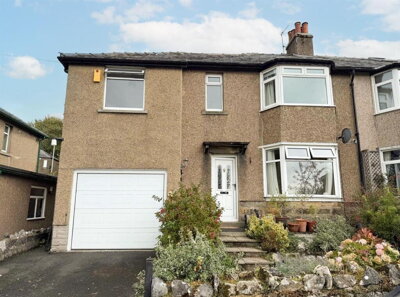
The average sold price for properties in the Linton area (BD23 postcode) stands at approximately £360,000 based on recent transactions. Terraced properties in the village typically sell for around £305,000, while semi-detached homes have achieved prices near £220,000. Detached period properties and farmhouses with land command significantly higher prices, often exceeding £500,000 depending on condition and grounds. The local market has shown relative stability, though some price adjustment occurred following peak values in 2023.
Properties in Linton fall within the Craven district of North Yorkshire Council, with the majority of historic stone cottages and farmhouses typically rated in council tax bands B through E. The precise band depends on the property's valuation and characteristics, with smaller terraced cottages generally occupying lower bands while substantial detached homes may attract higher ratings. Prospective buyers can verify specific bandings using the Valuation Office Agency website or through standard pre-contract enquiries conducted during the conveyancing process.
Primary education in the Linton area is served by village schools in the surrounding Dales communities, while secondary education options include Skipton Girls' High School and Ermysted's Grammar School in Skipton, both of which have established academic reputations. Families are advised to research specific catchment areas and admission arrangements, as these can vary and may change over time. The nearest further education college is located in Skipton, with universities accessible via daily commuting or relocation to cities such as Leeds, York, or Lancaster.
Public transport connections from Linton reflect its rural village status, with limited bus services operating between the village and Skipton, where the nearest railway station provides regular trains to Leeds, Lancaster, and the Settle-Carlisle line. The X84 bus route offers connections to larger centres including Leeds, though frequencies are modest compared to urban areas. Residents commuting to major cities typically rely on private vehicles, with journey times to Leeds by car taking approximately one hour under normal traffic conditions.
Linton offers several investment characteristics that appeal to buyers seeking property in North Yorkshire, including the village's Conservation Area status, limited development opportunities, and the enduring appeal of period properties in the Yorkshire Dales. Properties have historically maintained their value well, supported by restricted supply and consistent demand from buyers seeking rural lifestyles. However, potential investors should consider that the small population limits rental demand, and any rental income must be balanced against maintenance costs for older properties and potential void periods between tenants.
Standard Stamp Duty Land Tax rates for 2024-25 apply in North Yorkshire, with no additional levies for properties in Linton. Buyers pay 0% on the first £250,000 of purchase price, 5% on the portion between £250,001 and £925,000, 10% on the amount from £925,001 to £1.5 million, and 12% on any amount exceeding £1.5 million. First-time buyers benefit from relief on the first £425,000 of purchase price, paying 5% on values between £425,001 and £625,000, with no relief available above £625,000. Properties in Linton rarely exceed the threshold where additional rates apply.
Our surveyors recommend paying particular attention to the construction materials and their condition, as traditional stone-built properties require different maintenance approaches than modern homes. Look for signs of damp particularly around ground floor levels and where cement-based renders have been applied to historic stonework. Check window frames and doors for signs of movement, as older properties often settle over time and may require adjustment. The condition of the roof should be inspected carefully, including the flashing around chimneys and the state of any valley gutters. Our RICS Level 2 survey provides a detailed assessment of these elements and helps you budget for any works identified.
The civil parish of Linton contains 23 listed buildings recorded in the National Heritage List for England, including two buildings of Grade II* designation. These span various property types including houses, cottages, farmhouses, a twelfth-century church, bridges, a public house, and almshouses. If you are considering purchasing a listed property, be aware that works affecting its special architectural or historic interest will require Listed Building Consent, and specialist conservation techniques must be used for any repairs or alterations.
Understanding the full costs of purchasing property in Linton is essential for budgeting effectively, as the purchase price represents only part of the total investment required. Stamp Duty Land Tax applies to all property purchases above £250,000 at standard rates, with the threshold currently set at £250,000 for residential purchases. For a typical Linton property priced around £360,000, this means the first £250,000 attracts no SDLT, while the remaining £110,000 is taxed at 5%, resulting in a stamp duty liability of £5,500 for standard buyers. First-time buyers benefit from increased thresholds, paying nothing on the first £425,000 and 5% on the portion between £425,001 and £625,000, potentially eliminating SDLT entirely for qualifying purchases within this range.
Survey costs represent an important investment for properties in Linton, where the age and traditional construction of most buildings makes professional assessment particularly valuable. A RICS Level 2 HomeBuyer Survey typically costs from £375 for standard properties in Yorkshire, though costs increase for larger homes, high-value properties, or those requiring more detailed inspection. Given that many Linton properties date from the seventeenth to nineteenth centuries, potential defects including damp, structural movement, and timber deterioration should be professionally assessed before purchase. For properties requiring mortgage financing, the lender will also commission a valuation report, though this protects the lender rather than the buyer.
Legal fees for conveyancing in North Yorkshire typically start from £499 for standard transactions, rising to £1,500 or more for complex purchases involving listed buildings, auction sales, or properties with title complications. Additional costs include search fees, which cover local authority, drainage, and environmental searches specific to the Craven district, typically adding £250-400 to the legal bill. Land Registry fees for registering the transfer of ownership are modest, usually under £200, and mortgage arrangement fees vary significantly between lenders, ranging from free to 1.5% of the loan amount. Buyers should budget for removals, potential renovation costs, and a contingency fund equivalent to at least 10% of the purchase price for older properties where unexpected works are frequently discovered after completion.
From 3.84%
Compare mortgage rates from multiple lenders to find the best deal for your Linton property purchase
From £499
Expert conveyancing solicitors to handle your legal work, searches, and registration
From £375
Professional survey to assess the condition of your chosen property before purchase
From £80
Energy Performance Certificate required for all property sales
Properties for Sale In London

Properties for Sale In Plymouth

Properties for Sale In Liverpool

Properties for Sale In Glasgow

Properties for Sale In Sheffield

Properties for Sale In Edinburgh

Properties for Sale In Coventry

Properties for Sale In Bradford

Properties for Sale In Manchester

Properties for Sale In Birmingham

Properties for Sale In Bristol

Properties for Sale In Oxford

Properties for Sale In Leicester

Properties for Sale In Newcastle

Properties for Sale In Leeds

Properties for Sale In Southampton

Properties for Sale In Cardiff

Properties for Sale In Nottingham

Properties for Sale In Norwich

Properties for Sale In Brighton

Properties for Sale In Derby

Properties for Sale In Portsmouth

Properties for Sale In Northampton

Properties for Sale In Milton Keynes

Properties for Sale In Bournemouth

Properties for Sale In Bolton

Properties for Sale In Swansea

Properties for Sale In Swindon

Properties for Sale In Peterborough

Properties for Sale In Wolverhampton

Enter your details to see if this property is within your budget.
Loans, cards, car finance
Estimated property budget
Borrowing + deposit
You could borrow between
Typical borrowing
Monthly repayment
Est. at 4.5%
Loan-to-value
This is an estimate only. Your actual budget may vary depending on interest rates, credit history, and personal circumstances. For an accurate affordability assessment, speak to one of our free mortgage advisors.
This calculator provides estimates for illustrative purposes only and does not constitute financial advice. Your home may be repossessed if you do not keep up repayments on your mortgage. Estimates based on 4.5% interest rate, repayment mortgage. Actual rates depend on your circumstances.
Homemove is a trading name of HM Haus Group Ltd (Company No. 13873779, registered in England & Wales). Homemove Mortgages Ltd (Company No. 15947693) is an Appointed Representative of TMG Direct Limited, trading as TMG Mortgage Network, which is authorised and regulated by the Financial Conduct Authority (FRN 786245). Homemove Mortgages Ltd is entered on the FCA Register as an Appointed Representative (FRN 1022429). You can check registrations at NewRegister or by calling 0800 111 6768.

We use cookies to show you personalised content and improve your experience of our website. Find out more in our Privacy policy and Cookie policy.