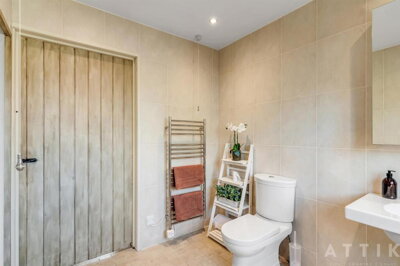
Browse 1 home for sale in Linstead Parva from local estate agents.
The larger property sector typically features multiple bathrooms, substantial reception space, and private gardens or off-street parking. Four bedroom houses in Linstead Parva span detached, semi-detached, and occasionally terraced configurations, with styles ranging from period properties to modern executive homes.
The property market in Linstead Parva reflects the character of this small East Suffolk village, where demand consistently outstrips supply given the limited number of homes available at any time. House prices in the IP19 0LB postcode, which includes Linstead Parva and surrounding farmland, averaged £345,000 over the last year, representing a significant 22% increase compared to the previous twelve months. This substantial rise in values demonstrates the growing appeal of rural Suffolk villages among buyers seeking more space, access to countryside, and the opportunity to own property in a historic listed building or traditional Suffolk farmhouse. Research for the broader IP19 area shows price trends that vary between neighbouring villages, with Linstead Magna showing prices 4% down on the previous year, while the aggregated postcode data reveals the overall upward trajectory driven by sustained demand for rural properties across this part of Suffolk.
Property types in Linstead Parva predominantly consist of historic farmhouses, timber-framed cottages, and agricultural buildings converted into residential dwellings. Research into nearby Linstead Magna, which shares similar characteristics, shows that detached properties command the highest prices, with an average sale price of £531,050 for standalone farmhouses with land. Semi-detached properties averaged £313,333, while terraced cottages achieved around £195,000. Given the village's concentration of listed buildings, with five protected structures including a Grade I listed church and a Grade II* listed Bridge Farmhouse, buyers should be aware that owning a heritage property carries both privileges and responsibilities regarding maintenance and any permitted development rights.
The limited supply of available properties in Linstead Parva means that opportunities to purchase in this village are infrequent and often attract competitive interest. New build activity within the village itself is minimal, with most development confined to individual planning applications for conversions or alterations. Nearby Halesworth offers newer properties through developments such as Chediston Place by Hopkins Homes, providing 2, 3 and 4-bedroom homes for buyers seeking modern construction within reasonable distance of the village. For buyers specifically targeting new builds in Linstead Parva itself, properties are scarce, and most transactions involve period properties requiring careful consideration of their condition and maintenance requirements.

Life in Linstead Parva is defined by the rhythms of the agricultural calendar, the beauty of the River Blyth valley, and the close-knit community that has characterised this Suffolk village for centuries. With only 123 residents living across approximately 30 households, according to the 2021 census, the village retains an intimate atmosphere that is increasingly rare in modern Britain. The community is centred around St Margaret's Church, a Grade I listed building dating from the early 13th century, which stands as testament to the village's long history. The surrounding landscape features scattered farmsteads, historic cottages many of which are timber-framed and listed for their heritage value, and traditional Suffolk fields divided by hedgerows.
The local economy revolves primarily around agriculture, with several working farms continuing to operate in the parish. Linstead Farm and Garden Machinery provides local agricultural services, while Easitron undertakes steel fabrication and metalwork, representing the village's small industrial base. For everyday amenities, residents travel to nearby Halesworth, a market town approximately 3.5 miles to the east-southeast, which offers a weekly market, independent shops, the train station with connections to Norwich and London Liverpool Street, and the renowned Norfolk and Suffolk Aviation Museum. The nearby Camel Centre at Linstead Magna provides a tourist attraction, while the broader Suffolk coast and the Norfolk Broads are within easy driving distance for day trips.
The appeal of Linstead Parva extends beyond permanent residency, with the village attracting interest from buyers seeking second homes or holiday retreats in rural Suffolk. The combination of historic character, scenic countryside, and proximity to both the coast and Norfolk Broads makes the village an attractive proposition for those able to work remotely or seeking a peaceful escape from urban life. However, prospective buyers should note that the small permanent population limits local services, with the nearest GP surgery, pharmacy, and post office located in Halesworth. The village does not have a village shop or pub, which means daily necessities require a short drive to surrounding towns.

Understanding the construction methods used in Linstead Parva properties is essential for any buyer considering a purchase in this historic village. The predominant building material is timber-framing, with many properties dating from the 16th and 17th centuries featuring exposed oak beams, wattle and daub infill panels, and original joinery that reflects centuries of traditional craftsmanship. Valley Farmhouse, a Grade II listed building in the village, exemplifies this construction style, featuring timber-framing with modern cement render and a plaintiled roof to the front and pantiled roof to the rear, demonstrating how historic properties often combine traditional and modern elements over time.
St Margaret's Church, the Grade I listed village church, provides insight into the broader construction traditions of the area. Built primarily of flint and stone rubble, with the nave partly rebuilt in the early 16th century using red brick, the church demonstrates the local availability of building materials and how construction techniques evolved over centuries. This mix of materials is commonly found in properties throughout the village, where flint cobbles from field clearance and local stone were combined with imported brick for more prestigious elements such as chimneys and chimney stacks.
The underlying geology of Linstead Parva influences both the construction of local properties and their long-term maintenance requirements. The village sits on glacial till, specifically chalky boulder clay deposited during the Anglian Glaciation, which forms a heavy seasonally waterlogged clay soil belonging to the Beccles series common across East Suffolk. This geology has historically influenced building practices, with deeper foundations often required for larger structures and specific considerations needed for drainage and moisture management around historic buildings.
Education provision in Linstead Parva reflects the village's small scale, with primary school-aged children typically attending schools in the nearby market town of Halesworth. The town offers several primary options including Halesworth Primary School, which serves families from the surrounding rural area and provides education for children from reception through to Year 6. For secondary education, students generally travel to schools in Halesworth or surrounding towns, with the nearest secondary schools located within a reasonable bus journey of the village. Parents considering a move to Linstead Parva should verify current catchment areas and admissions policies with Suffolk County Council, as school places in popular rural areas can be competitive.
The travel distance from Linstead Parva to schools in Halesworth is approximately 4 miles by road, with school transport provided by Suffolk County Council for children of primary age who live beyond the statutory walking distance. Secondary school students typically travel to Halesworth High School or schools in nearby towns including Beccles, which offers several secondary options with dedicated school bus services operating from the village. The journey time by school bus to Halesworth High School is typically 15-20 minutes, making daily attendance feasible for secondary students.
Beyond standard state education, the broader East Suffolk area offers various independent schooling options, though these require travel and are concentrated in larger towns such as Bury St Edmunds, Norwich, or the Suffolk coast. For families prioritising academic selection, the area falls within the catchment for various grammar schools, though competition for places is significant. Sixth form provision is available at sixth form colleges in Beccles and other nearby towns, providing clear progression pathways for students completing their GCSEs. Prospective buyers with school-age children should thoroughly research current school performance data, Ofsted ratings, and admissions criteria before committing to a property purchase in this rural area.
Transport connections from Linstead Parva are centred on the nearby market town of Halesworth, approximately 3.5 miles away, which provides the nearest railway station on the East Suffolk line. From Halesworth, passengers can access direct services to Norwich, with connections to the wider rail network including services to London Liverpool Street via Cambridge or London Liverpool Street via Ipswich. Journey times to Norwich typically range from 35 to 45 minutes, while London can be reached in approximately two and a half hours by changing at Norwich or Ipswich. The A144 road provides the main route connecting Linstead Parva to Halesworth and onward to the A12, which runs through the heart of Suffolk connecting the village to Ipswich and Lowestoft.
For daily commuting by car, residents should be aware that the rural nature of Linstead Parva means that most destinations require driving, with the nearest major employment centres located in Norwich, approximately 25 miles to the north, or Ipswich, approximately 30 miles to the south. The drive to Norwich typically takes 40-50 minutes via the A144 and A146, while Ipswich is accessible in around 50 minutes via the A12. These commute times make Linstead Parva potentially viable for those working in larger East Anglian towns who can work flexibly or travel less frequently to offices.
Bus services connecting the village to surrounding towns are limited, as is typical for rural Suffolk, making car ownership essential for most residents. The nearest bus stops are located within the village itself, serving routes connecting to Halesworth and surrounding villages. However, service frequency is low, with most routes operating on a weekday-only basis with limited morning and afternoon journeys suitable for school or work commutes. Cycling infrastructure in the immediate area is minimal, though the quiet country lanes are popular with recreational cyclists, and the flat terrain of the River Blyth valley makes cycling feasible for shorter local journeys. Parking at the village is unrestricted given the low traffic volumes, though residents should note that road surfaces on minor lanes may not be maintained to the same standard as urban roads, particularly during winter months.
Begin by exploring current listings in Linstead Parva and the broader IP19 postcode area to understand what properties are available and at what price points. Given the limited supply in this small village, register your interest with local estate agents serving Halesworth and the surrounding East Suffolk villages, and set up property alerts to be notified when new properties come to market. In a village with only around 30 households, sales are infrequent, so patience and preparedness are essential.
Once you have identified suitable properties, arrange viewings through the listing agent. In a village with only around 30 households, opportunities may be infrequent, so be prepared to act quickly when suitable properties appear. Consider viewing properties at different times of day and in various weather conditions to assess the full character of the location and any potential issues such as road noise, accessibility during poor weather, or evening lighting conditions.
Before making an offer, secure a mortgage agreement in principle from a lender. This demonstrates to sellers that you are a serious buyer with finance in place. Given the rural nature of Linstead Parva and the age of many properties, some lenders may have specific requirements regarding property surveys or flood risk assessments. Specialist rural mortgage brokers may be particularly helpful for properties with unusual characteristics such as land, outbuildings, or listed status.
Given the prevalence of historic, timber-framed, and listed buildings in Linstead Parva, a RICS Level 2 survey is strongly recommended for most purchases. This home buyer report will identify any structural issues, damp, timber defects, or roof problems that are common in older properties. For more complex historic buildings, a RICS Level 3 Building Survey may be more appropriate, particularly for Grade II* listed Bridge Farmhouse or other significant heritage properties. Our inspectors have extensive experience surveying period properties across Suffolk and understand the specific defect patterns associated with timber-framed construction and clay soil conditions.
Once your offer is accepted, instruct a solicitor experienced in rural property transactions to handle the legal aspects of your purchase. They will conduct searches, handle land registry requirements, and ensure all planning permissions and listed building consents are in order, which is particularly important for properties in conservation areas or with heritage status. Given the number of listed buildings in Linstead Parva, your solicitor should specifically investigate whether any works have been carried out that may require retrospective listed building consent.
Your solicitor will guide you through the exchange of contracts, after which you will be legally committed to the purchase. Completion typically follows within weeks, after which you will receive the keys to your new home in Linstead Parva. Ensure you have arranged buildings insurance from the point of exchange and organised utility connections for your new property. Given the rural location, it is worth confirming broadband availability and speeds before completion, as rural connectivity can vary significantly.
Purchasing a property in Linstead Parva requires careful consideration of several factors specific to this rural East Suffolk location. The underlying geology consists of chalky boulder clay, a heavy seasonally waterlogged clay soil that is part of the Beccles series common across East Suffolk. This clay soil type presents a shrink-swell risk, meaning the ground can expand and contract significantly with moisture changes, potentially causing subsidence or structural movement in properties. Prospective buyers should examine properties for signs of subsidence, cracking, or doors and windows that stick, which may indicate ground movement issues. Given the age of many properties in the village, with buildings dating back to the 16th and 17th centuries, timber-framed properties require particular attention to their structural condition and the integrity of their oak frame joints.
Our inspectors frequently identify timber defects in properties across this part of Suffolk, where traditional construction methods result in specific vulnerability patterns. Key areas of concern include the condition of oak beams and joints, the presence of beetle activity or fungal decay in structural timbers, and the effectiveness of previous timber repairs. In properties with cement render, such as Valley Farmhouse, moisture trapped behind the render can accelerate timber decay, making thorough inspection of hidden timbers essential. We recommend requesting documentary evidence of any previous timber treatment or structural works when purchasing a period property in the village.
Flood risk is another important consideration for Linstead Parva properties. The village occupies a low-lying rural landscape along the valley of the River Blyth, which meanders through the parish and influences local groundwater levels. While detailed flood risk maps for specific properties were not available in research, the river's proximity indicates a potential for riverine flooding, and buyers should conduct specific flood risk assessments before purchase. Properties in the village may also be affected by surface water flooding during periods of heavy rainfall, given the heavy clay soil's poor drainage characteristics. Home insurance costs may be higher for properties with perceived flood risk, and mortgage lenders may require flood risk assessments as part of their lending criteria. We recommend requesting copies of any previous flood incident reports from the vendor.
The high proportion of listed buildings in Linstead Parva adds another layer of consideration for prospective buyers. Properties with listed status are subject to strict planning controls regarding alterations, extensions, and even routine maintenance works. The village contains five listed buildings including a Grade I listed church, a Grade II* listed Bridge Farmhouse, and three Grade II listed farmhouses. Before purchasing a listed property, we strongly recommend commissioning a RICS Level 3 Building Survey to provide the detailed assessment required for heritage properties. Buyers should also verify with East Suffolk Council whether the property is within a conservation area and understand the implications for permitted development rights.
The average house price in the IP19 0LB postcode area, which encompasses Linstead Parva, is currently £345,000 based on sales over the last year. House prices have risen 22% compared to the previous year, demonstrating strong demand for rural Suffolk property. Detached farmhouses and period properties command the highest prices, with similar properties in nearby Linstead Magna averaging over £530,000, while terraced cottages can be found from around £195,000. The limited supply of properties in this small village, combined with its historic character and proximity to the River Blyth valley, continues to support values in the local market. Prospective buyers should note that price trends vary between neighbouring villages, with Linstead Magna showing a 4% decrease in values over the same period.
Properties in Linstead Parva fall under East Suffolk Council for council tax purposes. Specific banding depends on the property's assessed value, but most rural cottages and farmhouses in East Suffolk fall within bands A through D. Historic and listed properties may have specific banding considerations, and buyers should verify the exact council tax band for any specific property through the Valuation Office Agency or East Suffolk Council's online records. The council tax for a typical three-bedroom period cottage in this area would typically fall within band B or C, while larger detached farmhouses may be in band D or above.
The nearest primary schools to Linstead Parva are located in Halesworth, approximately 3.5 miles away, including Halesworth Primary School which serves the surrounding rural villages. The school is accessible via school transport provided by Suffolk County Council for children living beyond the statutory walking distance. For secondary education, students typically attend schools in Halesworth or travel to nearby towns including Beccles, which offers several secondary options with dedicated school bus services operating from the village. The broader area has access to grammar schools, though catchment areas and admissions criteria vary. Parents should research current school performance data and admissions policies through Suffolk County Council's education portal before purchasing.
Public transport connections from Linstead Parva are limited, reflecting its rural character. The nearest railway station is in Halesworth, approximately 3.5 miles away, offering services to Norwich and connections to London Liverpool Street via Ipswich, with journey times to London of approximately two and a half hours. Bus services connecting the village to surrounding towns are infrequent, typically running limited services on weekdays only, making car ownership essential for most residents. The A144 provides road access to Halesworth, with the A12 trunk road accessible for travel to Ipswich and Lowestoft. Cyclists should note that country lanes, while scenic, may not have dedicated cycling infrastructure, though the flat terrain of the River Blyth valley makes cycling feasible for shorter local journeys.
Linstead Parva can be an attractive option for buyers seeking a rural lifestyle investment or a second home in Suffolk. House prices in the IP19 postcode have risen 22% over the past year, indicating continued demand for village properties. The village's concentration of listed buildings and historic properties, combined with the limited supply of available homes, helps support values. However, prospective investors should be aware of the small population of 123 residents, which limits rental demand for long-term tenants. Properties suitable for holiday letting may offer better rental returns, subject to planning permission and local regulations. Always conduct thorough research and consider consulting a local property expert before committing to a purchase. The proximity to the Suffolk coast and Norfolk Broads enhances the area's appeal for holidaymakers.
Stamp duty land tax applies to all property purchases in England, including Linstead Parva in East Suffolk. For standard purchases, there is no stamp duty on properties up to £250,000. Properties priced between £250,000 and £925,000 incur 5% on the amount above £250,000, while those between £925,000 and £1.5 million pay 10% above £925,000. Properties exceeding £1.5 million incur 12% on the value above this threshold. First-time buyers benefit from relief on the first £425,000 of a property purchase, paying 5% on the amount between £425,000 and £625,000, with no relief available above £625,000. Given the village's average property price of £345,000, many purchases would attract minimal stamp duty under current rules. A standard buyer purchasing at the average price would pay £4,750 in stamp duty, while a first-time buyer would pay nothing on a property under £625,000.
New build activity within Linstead Parva itself is minimal, with most development confined to individual planning applications for conversions or alterations rather than large-scale housing estates. The village's historic character and concentration of listed buildings limit opportunities for new construction. However, nearby Halesworth offers new build options through developments such as Chediston Place by Hopkins Homes, providing 2, 3 and 4-bedroom homes for buyers seeking modern construction within approximately 4 miles of Linstead Parva. Other nearby developments include Barsham Vale in Beccles, offering homes on the edge of that market town. For buyers specifically seeking to purchase in Linstead Parva itself, the market consists almost entirely of period properties requiring careful consideration of their condition and potential renovation needs.
Understanding the full costs of purchasing property in Linstead Parva extends beyond the advertised asking price. Stamp duty land tax, which applies to all residential property purchases in England, is calculated on a progressive tiered system. For properties purchased at the current average price of £345,000 in Linstead Parva, a standard buyer would pay no stamp duty on the first £250,000 and then 5% on the remaining £95,000, resulting in a total SDLT bill of £4,750. First-time buyers, provided the property is their main residence and priced under £625,000, would qualify for first-time buyer relief and pay no stamp duty on the first £425,000, reducing their SDLT liability to zero on a property at this price point.
Beyond stamp duty, buyers should budget for solicitor conveyancing costs, which typically range from £500 to £1,500 depending on the complexity of the transaction and whether the property is freehold or leasehold. Given the number of listed buildings and heritage properties in Linstead Parva, conveyancing may involve additional complexity and costs related to investigating listed building consents and planning history. Survey costs are particularly important for Linstead Parva properties given the prevalence of historic, timber-framed buildings. A RICS Level 2 home buyer report typically costs between £400 and £550 for a standard residential property, rising to £586 or more for homes valued above £500,000. Given the village's geology, with its heavy clay soils and potential shrink-swell risk, and the number of listed buildings, buyers may wish to commission additional investigations or opt for a more comprehensive RICS Level 3 Building Survey.
Other costs include Land Registry fees for registering the title transfer, local authority search fees covering drainage, environmental, and planning matters, mortgage arrangement fees which vary between lenders, and removals costs. For properties in rural locations like Linstead Parva, buyers should also budget for connection charges for utilities and broadband, which can be higher in rural areas where infrastructure may be less developed. Buildings insurance is essential from the point of exchange, and premiums may be higher for period properties, those in flood risk areas, or listed buildings. Collectively, these additional costs typically add £3,000 to £5,000 to the purchase price for a property at the village average, though this can vary significantly depending on property type and individual circumstances.
Properties for Sale In London

Properties for Sale In Plymouth

Properties for Sale In Liverpool

Properties for Sale In Glasgow

Properties for Sale In Sheffield

Properties for Sale In Edinburgh

Properties for Sale In Coventry

Properties for Sale In Bradford

Properties for Sale In Manchester

Properties for Sale In Birmingham

Properties for Sale In Bristol

Properties for Sale In Oxford

Properties for Sale In Leicester

Properties for Sale In Newcastle

Properties for Sale In Leeds

Properties for Sale In Southampton

Properties for Sale In Cardiff

Properties for Sale In Nottingham

Properties for Sale In Norwich

Properties for Sale In Brighton

Properties for Sale In Derby

Properties for Sale In Portsmouth

Properties for Sale In Northampton

Properties for Sale In Milton Keynes

Properties for Sale In Bournemouth

Properties for Sale In Bolton

Properties for Sale In Swansea

Properties for Sale In Swindon

Properties for Sale In Peterborough

Properties for Sale In Wolverhampton

Enter your details to see if this property is within your budget.
Loans, cards, car finance
Estimated property budget
Borrowing + deposit
You could borrow between
Typical borrowing
Monthly repayment
Est. at 4.5%
Loan-to-value
This is an estimate only. Your actual budget may vary depending on interest rates, credit history, and personal circumstances. For an accurate affordability assessment, speak to one of our free mortgage advisors.
This calculator provides estimates for illustrative purposes only and does not constitute financial advice. Your home may be repossessed if you do not keep up repayments on your mortgage. Estimates based on 4.5% interest rate, repayment mortgage. Actual rates depend on your circumstances.
Homemove is a trading name of HM Haus Group Ltd (Company No. 13873779, registered in England & Wales). Homemove Mortgages Ltd (Company No. 15947693) is an Appointed Representative of TMG Direct Limited, trading as TMG Mortgage Network, which is authorised and regulated by the Financial Conduct Authority (FRN 786245). Homemove Mortgages Ltd is entered on the FCA Register as an Appointed Representative (FRN 1022429). You can check registrations at NewRegister or by calling 0800 111 6768.

We use cookies to show you personalised content and improve your experience of our website. Find out more in our Privacy policy and Cookie policy.