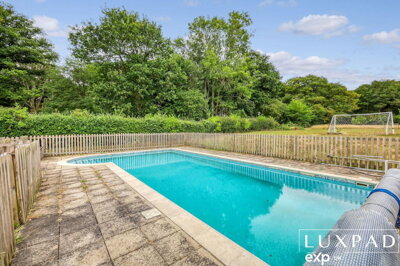
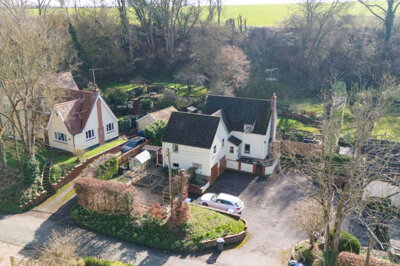
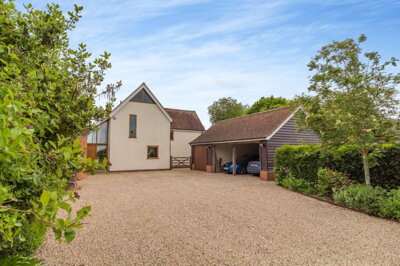
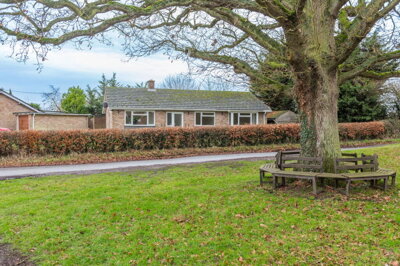
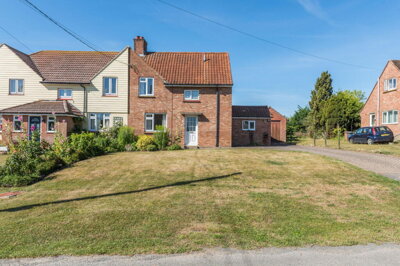
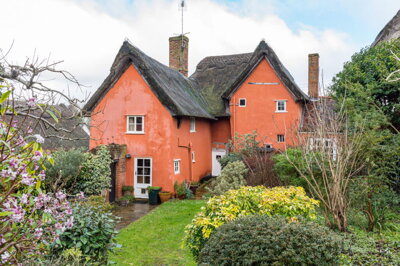
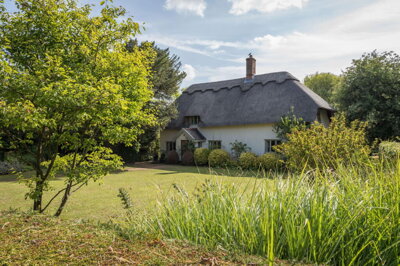
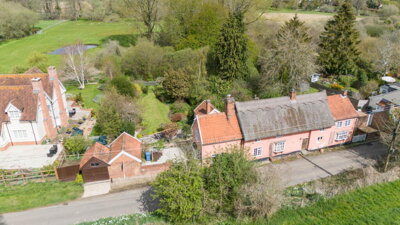
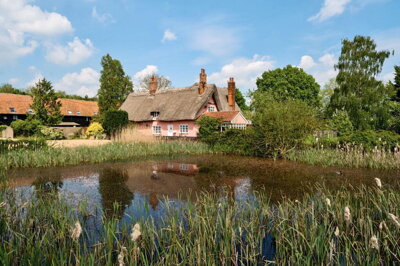
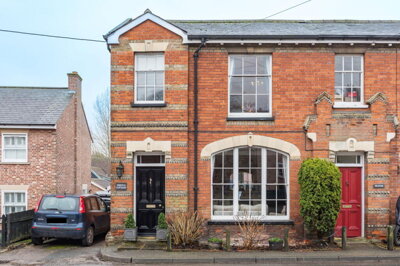
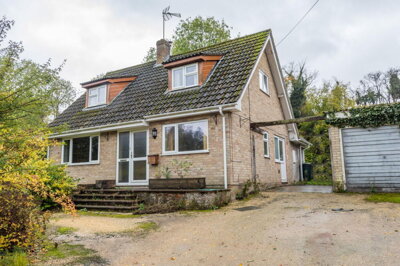
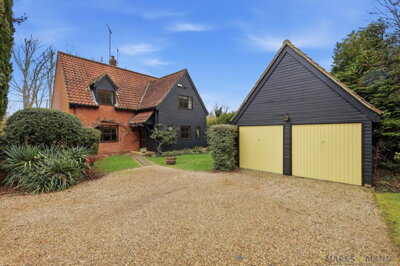
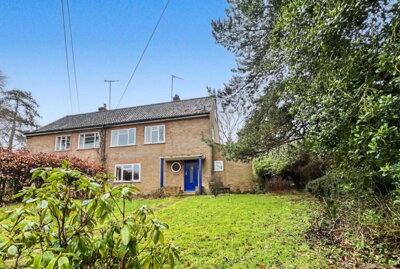
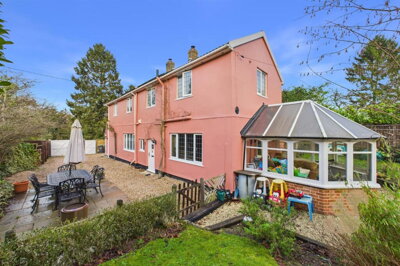
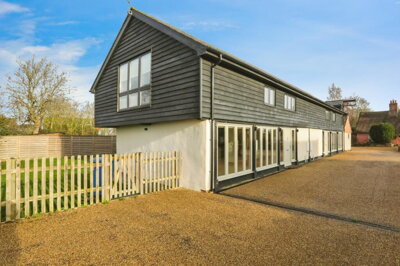
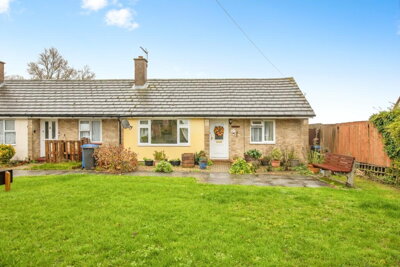
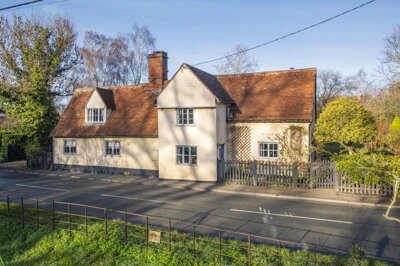
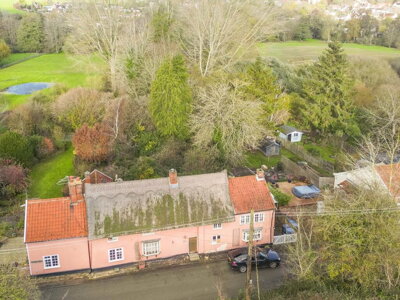
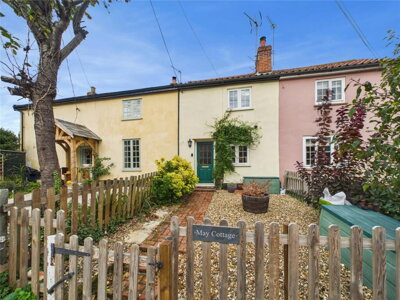
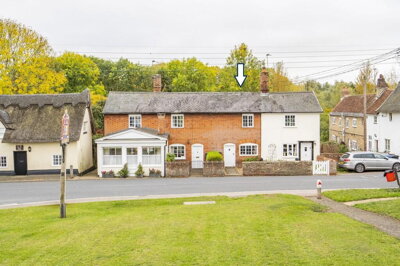
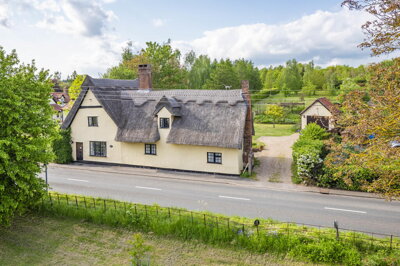
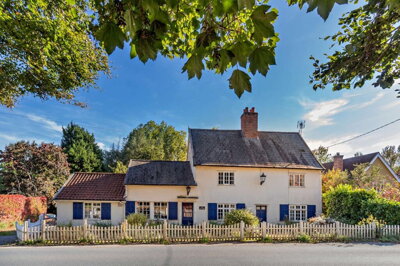
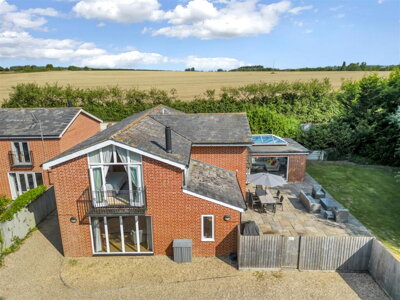
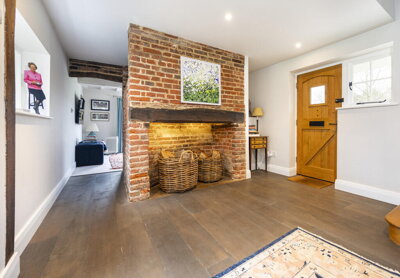
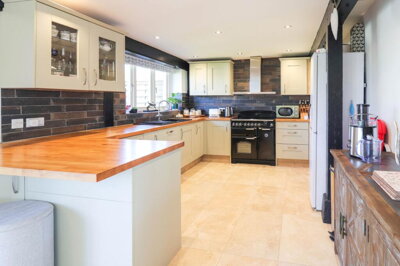
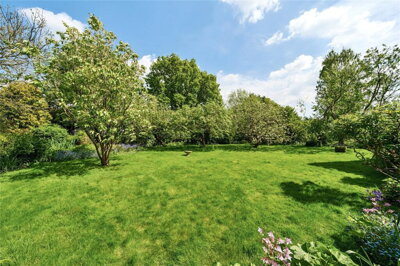
Browse 26 homes for sale in Lindsey, Babergh from local estate agents.
£0k
0
0
0
Source: home.co.uk
The property market in Southolt reflects the character of the village itself - small, select, and deeply rooted in Suffolk's rural heritage. Due to the village's intimate size, with just 27 households and a population of 60, granular property data specific to Southolt itself is not published by major property portals or the Land Registry at this granular level. Instead, the broader IP23 postcode district, which encompasses Southolt and surrounding villages, provides the most relevant market context for prospective buyers. Properties in this area typically range from traditional farmhouse-style homes to charming cottages, with detached and semi-detached houses forming the majority of available stock.
The housing stock in Southolt skews heavily towards older properties, many of which date back well into the 19th century or earlier, reflecting the village's origins as an agrarian settlement. New build activity in the village itself has been minimal, with the small population and rural character limiting significant development. The predominant construction materials include traditional flint and brick, timber framing, and external finishes such as render, plaster, and weatherboarding that are characteristic of historic Suffolk properties. Buyers should expect to find period features, generous plots, and the kind of character that simply cannot be replicated in modern construction.
Given the age of most properties in Southolt, understanding local construction methods is particularly valuable for buyers. Traditional Suffolk buildings often feature timber-framed structures with infill panels of brick or wattle and daub, external walls finished with render or weatherboard, and flint work particularly in the older structures - all methods you will see exemplified in St Margaret's Church with its 15th-century flint construction. These construction approaches bring considerable charm but also require specific maintenance knowledge. Properties may have solid walls without cavity insulation, single-glazed windows, and older roofing materials including clay tiles, slate, and in some cases thatch. We recommend engaging with local estate agents who understand these traditional buildings to identify properties that match your requirements.

Life in Southolt offers an authentic taste of Suffolk's rural traditions, where the pace of life slows and community bonds run deep. This tiny civil parish has maintained its agricultural character throughout the centuries, with the local economy historically dependent on arable farming including cereals, beet, and oil-seed production. The village's population of 60 residents represents a close-knit community where neighbours know one another and local events bring people together around the historic church that anchors the settlement. For families or individuals seeking an escape from urban pressures, Southolt provides an environment where the changing seasons dictate the rhythm of life.
The village's small size means that essential amenities are found in nearby Eye, approximately 4.5 miles to the northwest. Eye town offers a range of local services including shops, pubs, primary schools, and healthcare facilities, providing practical support for Southolt residents while maintaining the peaceful character of village life. The surrounding Mid Suffolk countryside is characterised by rolling farmland, country lanes, and picturesque villages connected by ancient footpaths and bridleways. Walking, cycling, and exploring the local landscape form natural parts of daily life here, with the beauty of Suffolk's rural heartland on the doorstep.
The agricultural heritage of Southolt and the surrounding Mid Suffolk area means that rural land management practices influence the local environment. Farmers in the area continue to cultivate arable crops across the rolling countryside, with cereals, sugar beet, and oil-seed rape among the primary produce. This working agricultural landscape provides habitat for diverse wildlife and maintains the traditional patchwork of fields, hedgerows, and woodland that defines Suffolk's countryside character. For residents, this connection to productive rural land offers a lifestyle that is both economically grounded and visually beautiful, with expansive views across open farmland a daily feature of village life.
Education for families considering a move to Southolt is accessible through nearby towns, with Eye offering primary school provision for younger children. The small village setting means that families will typically travel to surrounding towns for schooling, with primary-age children able to access local village or town schools within reasonable commuting distance. Secondary education options in the area include schools in towns such as Diss, Harleston, or Debenham, with families often choosing based on Ofsted ratings, available transport routes, and specific academic or extracurricular offerings.
For families prioritising education in their property search, understanding local school catchment areas and admission arrangements is essential. Primary schools in the surrounding Mid Suffolk villages serve their local communities, with some offering the advantage of smaller class sizes and strong community connections that align well with Southolt's village atmosphere. Schools serving this rural area often benefit from dedicated teaching staff who know their pupils well, and many families appreciate the nurturing environment that smaller rural schools can provide. Parents should research specific admission criteria for their chosen schools, as catchment areas can vary and some schools may have waiting lists in popular year groups.
Secondary schools in the broader area vary in their academic and sporting facilities, and parents should research specific school performance data and inspection reports. Schools in Diss serve students from across the wider rural area, with transport arrangements a practical consideration for Southolt families. Harleston and Debenham also provide secondary education options, each with their own character and offerings. Sixth form and further education provision is available in larger towns including Diss and Stowmarket, where learners can access a broader range of A-level and vocational courses. For families moving to Southolt, beginning school research early in the property search process is advisable given the practical transport implications of secondary education in a rural location.
Transport connections from Southolt reflect its rural character, with the village positioned away from major trunk roads while maintaining reasonable access to the wider region. The nearest railway stations are found in surrounding towns, with Diss station offering connections to London Liverpool Street and Norwich, providing commuters with access to the capital in around two hours. The A140 provides the main north-south road corridor through the region, connecting to Norwich and Ipswich, while the A14 trunk road passes nearby, offering access to Cambridge and the national motorway network via the M11.
For daily commuting, residents of Southolt typically rely on private transport, with driving the most practical option for reaching work, schools, and amenities. The village's position on country lanes creates a peaceful environment but means that access to public transport requires travelling to nearby towns. Bus services connect Southolt with surrounding villages and towns, though frequencies are limited compared to urban areas and typically serve specific routes at set times. For buyers considering Southolt as a home, a vehicle is generally considered essential for practical daily living, though the beauty of the surrounding countryside makes even routine journeys pleasant.
The road network around Southolt consists primarily of single-track country lanes with passing places, reflecting the village's quiet rural setting. These lanes connect the village to the wider local road network, with the journey to Eye taking approximately 15 minutes by car under normal conditions. The A14, which passes through Mid Suffolk providing links to Felixstowe port, Cambridge, and the M1, is accessible via the A140 - with typical journey times to Cambridge being around 45 minutes to an hour depending on traffic. For those working in Norwich, the journey is approximately 30 miles and typically takes around an hour, while Ipswich is roughly 25 miles away with similar travel times. Road conditions in winter months may occasionally affect travel times on rural lanes, though gritting routes generally cover the main access roads.
Begin by exploring available properties in Southolt and the broader IP23 area through our platform, while researching the village's character, nearby amenities, and typical property types. Understanding what makes this rural community special will help you identify properties that match your lifestyle requirements and budget expectations. Take time to visit the area at different times of day and week to get a genuine feel for life in this intimate community.
Before viewing properties, obtain a mortgage agreement in principle from a lender. This demonstrates your financial readiness to estate agents and sellers, strengthening your position when making offers on properties in this sought-after rural village where competition for the right home can be strong. Rural properties with genuine character often attract multiple interested buyers, so having your financing arranged early gives you a competitive edge.
Work with local estate agents to arrange viewings of properties that meet your criteria. When viewing properties in Southolt, pay particular attention to the age and condition of the buildings, traditional construction materials, and any features that may require maintenance or renovation. Older rural properties often require a different approach to assessment than modern homes, and viewing in daylight hours allows you to assess the condition of roofs, walls, and external areas more effectively.
Given the age of properties in Southolt, a RICS Level 2 Survey (Homebuyer Report) is strongly recommended before purchasing. This survey will identify any structural issues, defects in traditional construction, roof condition, damp, and other common concerns in period properties. For listed buildings or more complex historic properties, consider a RICS Level 3 Building Survey. Our team can connect you with qualified RICS surveyors who understand traditional Suffolk construction methods.
Appoint a solicitor with experience in rural property transactions to handle the legal aspects of your purchase. They will conduct searches, review the title, and manage the exchange and completion process. For properties in conservation areas or with listed building status, additional checks may be required. Rural properties may also involve rights of way, agricultural covenants, or drainage arrangements that need careful review.
Once all searches are satisfactory and finances are confirmed, your solicitor will exchange contracts and agree a completion date. On completion day, you will receive the keys to your new Southolt home and can begin enjoying life in this historic Suffolk village. We recommend arranging buildings insurance before completion and notifying utility suppliers of your moving date.
Buying a property in Southolt requires careful attention to the characteristics of traditional rural Suffolk housing. Many properties in this village and the surrounding area will have been built using traditional methods that differ significantly from modern construction. Flint and brick are common building materials, with timber framing often visible in older properties. These construction methods bring considerable charm but require understanding and maintenance. A thorough survey by a qualified RICS surveyor is essential to identify any issues that may not be immediately apparent during viewings, including potential problems with foundations on the clay geology that characterises parts of Suffolk.
Common defects found in older Suffolk properties include damp issues, particularly rising damp in properties with solid walls or inadequate damp-proof courses, and timber defects such as wet rot, dry rot, and woodworm affecting structural elements. Roof conditions in period properties often require careful assessment, with issues including slipped or missing tiles, degraded mortar in ridge and hip junctions, and deterioration of timber roof structures. Our inspectors frequently identify these concerns during surveys of traditional rural properties, and addressing them early can prevent more significant problems developing over time.
Flood risk should be considered when evaluating any property, with surface water flooding a general concern across many rural areas. Southolt's inland position means coastal erosion is not a factor, but proximity to watercourses and local topography should be assessed. Properties in Southolt may include those with historic listed status, given that St Margaret's Church is Grade II* listed. Any listed building requires careful consideration regarding permitted development rights and the responsibilities of maintaining historic character. Buyers should also investigate whether the village falls within a conservation area, which would impose additional planning controls on alterations and extensions.
The age of Southolt's housing stock means that electrical and plumbing systems may require updating to meet current standards. Properties built before modern regulations may have outdated fuse boxes, wiring that does not meet current requirements, and plumbing systems in need of replacement. Energy efficiency is another consideration, as older properties often lack cavity wall insulation and may have single-glazed windows. While these characteristics add to the charm and authenticity of period properties, they also represent potential investment opportunities for buyers planning renovations or improvements. Our team can connect you with specialists who understand traditional Suffolk buildings and can advise on appropriate upgrades.
Specific average house price data for Southolt village itself is not published due to the small number of property transactions in this intimate community of just 27 households. Property prices in the broader IP23 postcode district, which encompasses Southolt and surrounding villages, provide the most useful market context. Properties in this rural Mid Suffolk area typically range significantly depending on property type, size, and condition, with traditional period homes commanding premiums reflecting their character and land. For accurate current valuations, speaking directly with local estate agents who handle properties in the Southolt area is recommended, as they have visibility of actual sale prices and current market conditions.
Properties in Southolt fall under Mid Suffolk District Council for council tax purposes. The specific band assigned to a property depends on its assessed value, with bands ranging from A through H. Rural properties with historical character, including period cottages and farmhouses common in the Southolt area, are distributed across various bands depending on their size and features. Prospective buyers can check specific council tax bands for listed properties through the Valuation Office Agency website, and monthly charges can be verified through Mid Suffolk District Council's online portal. Band A properties typically have lower annual charges than larger homes rated in bands E through H.
Primary education for Southolt residents is typically accessed through schools in nearby Eye and surrounding villages, with many families finding strong provision at the local level. Schools in Eye and the surrounding Mid Suffolk villages offer the advantage of smaller class sizes and close community connections that reflect the rural nature of the area. Parents should research current Ofsted ratings and consider visiting schools as part of their property search to assess which provision best suits their family's needs. Secondary schools in towns including Diss, Harleston, and Debenham serve the wider area, with transport arrangements an important practical consideration given the rural setting.
Public transport options from Southolt reflect its status as a small rural village, with limited bus services connecting to nearby towns and villages. The nearest railway station is in Diss, providing East Anglian main line services to London Liverpool Street and Norwich, with journey times to London typically around two hours. Bus services run to Eye, Stradbroke, and other local destinations, though frequencies are significantly reduced compared to urban areas and schedules should be checked before relying on them. For daily commuting and access to amenities, private transport is generally considered essential for Southolt residents.
Property investment in Southolt should be considered within the context of the village's small scale and rural character. The intimate community of 60 residents means that rental demand may be limited compared to larger towns, and properties tend to be family homes rather than investment units. However, for buyers seeking a genuine countryside lifestyle with strong heritage credentials, Southolt offers an authentic proposition that is increasingly rare. The wider Mid Suffolk area has seen steady interest from buyers seeking to escape larger conurbations, which supports property values over the longer term. As with any property purchase, individual circumstances and objectives should guide the decision.
Stamp duty land tax (SDLT) rates for residential property purchases are set nationally and depend on the purchase price and your buyer status. For standard purchases, there is no SDLT on the first £250,000 of the purchase price, with 5% charged on the portion from £250,001 to £925,000, 10% from £925,001 to £1.5 million, and 12% above £1.5 million. First-time buyers benefit from relief on the first £425,000, with 5% charged between £425,001 and £625,000. Given the property values typical of traditional rural homes in Southolt, many purchases will fall within the standard nil-rate band or first-time buyer relief thresholds, though specific calculations depend on individual circumstances and purchase prices.
Properties in Southolt predominantly consist of traditional period homes reflecting the village's long agricultural history. Detached and semi-detached houses form the majority of available stock, with cottage-style properties and converted agricultural buildings also present in the local market. Given the village's historical nature and the presence of St Margaret's Church as a Grade II* listed building, some properties may carry their own listed status. Construction typically features traditional materials including flint, brick, timber framing, and external finishes such as render and weatherboarding that are characteristic of historic Suffolk properties.
Suffolk's geology is characterised by Cenozoic sedimentary rocks, including various clays, sands, and gravels, which can affect properties in the Southolt area. Clay geology, where present, can pose a shrink-swell risk to foundations, particularly for properties built on shallow foundations, especially during periods of drought or when affected by leaking drains or trees with high water demand. Our inspectors pay particular attention to foundation conditions during surveys of older rural properties. Surface water drainage should also be assessed, as low-lying areas of gardens and access routes may be prone to waterlogging after heavy rainfall.
Understanding the full costs of purchasing a property in Southolt is essential for budgeting effectively. Beyond the purchase price, buyers should account for stamp duty land tax (SDLT), which applies to residential property purchases above £250,000. For a property priced at the typical value for a period home in this rural Mid Suffolk area, SDLT charges may range from nil for lower-value properties to several thousand pounds for more substantial homes. First-time buyers benefit from increased thresholds, with no SDLT on the first £425,000 of the purchase price, provided the property price does not exceed £625,000 and certain conditions are met. Using an online SDLT calculator can help you estimate your specific liability based on the purchase price and your buyer status.
Professional costs form a significant part of the buying budget. Solicitors or conveyancers typically charge between £500 and £2,000 for handling the legal work involved in a property purchase, with costs varying based on complexity and property value. For older properties in Southolt, additional searches may be required, and the legal work can be more detailed than for modern homes. A RICS Level 2 Survey costs between £400 and £900 depending on the property's value and size, while an Energy Performance Certificate (EPC) is a mandatory cost of around £80 to £150. Mortgage arrangement fees, valuation fees, and broker charges should also be factored into your budget when calculating the total cost of purchasing your Southolt home.
Ongoing costs after purchase include council tax, utility bills, building insurance, and maintenance reserves. Council tax charges in Mid Suffolk vary by property band, with Band A properties currently paying around £1,400 annually while higher-banded homes pay proportionally more. Properties in Southolt, with their traditional construction and older fittings, may require more maintenance budget than modern equivalents. Setting aside funds for periodic maintenance, including potential updates to electrical systems, plumbing, or heating, represents prudent financial planning for buyers of period rural properties. Buildings insurance is essential and may cost more for older or listed properties due to their specialist repair requirements. We provide access to all the professional services you need, connecting you with trusted providers who understand the specific requirements of purchasing property in this historic Suffolk village.
Properties for Sale In London

Properties for Sale In Plymouth

Properties for Sale In Liverpool

Properties for Sale In Glasgow

Properties for Sale In Sheffield

Properties for Sale In Edinburgh

Properties for Sale In Coventry

Properties for Sale In Bradford

Properties for Sale In Manchester

Properties for Sale In Birmingham

Properties for Sale In Bristol

Properties for Sale In Oxford

Properties for Sale In Leicester

Properties for Sale In Newcastle

Properties for Sale In Leeds

Properties for Sale In Southampton

Properties for Sale In Cardiff

Properties for Sale In Nottingham

Properties for Sale In Norwich

Properties for Sale In Brighton

Properties for Sale In Derby

Properties for Sale In Portsmouth

Properties for Sale In Northampton

Properties for Sale In Milton Keynes

Properties for Sale In Bournemouth

Properties for Sale In Bolton

Properties for Sale In Swansea

Properties for Sale In Swindon

Properties for Sale In Peterborough

Properties for Sale In Wolverhampton

Enter your details to see if this property is within your budget.
Loans, cards, car finance
Estimated property budget
Borrowing + deposit
You could borrow between
Typical borrowing
Monthly repayment
Est. at 4.5%
Loan-to-value
This is an estimate only. Your actual budget may vary depending on interest rates, credit history, and personal circumstances. For an accurate affordability assessment, speak to one of our free mortgage advisors.
This calculator provides estimates for illustrative purposes only and does not constitute financial advice. Your home may be repossessed if you do not keep up repayments on your mortgage. Estimates based on 4.5% interest rate, repayment mortgage. Actual rates depend on your circumstances.
Homemove is a trading name of HM Haus Group Ltd (Company No. 13873779, registered in England & Wales). Homemove Mortgages Ltd (Company No. 15947693) is an Appointed Representative of TMG Direct Limited, trading as TMG Mortgage Network, which is authorised and regulated by the Financial Conduct Authority (FRN 786245). Homemove Mortgages Ltd is entered on the FCA Register as an Appointed Representative (FRN 1022429). You can check registrations at NewRegister or by calling 0800 111 6768.

We use cookies to show you personalised content and improve your experience of our website. Find out more in our Privacy policy and Cookie policy.