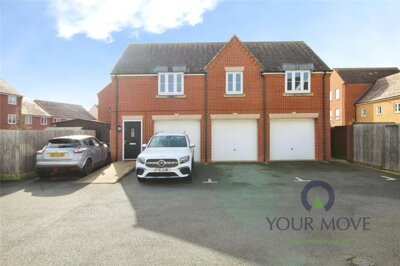
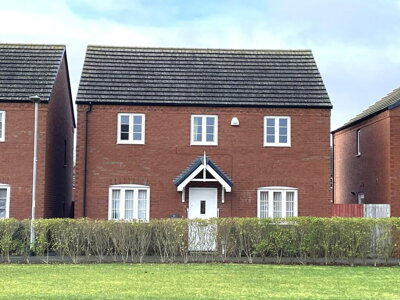
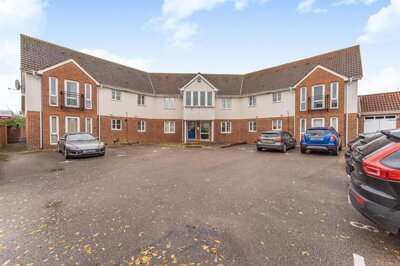
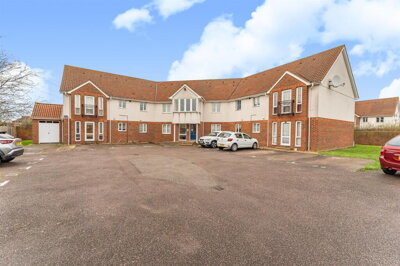
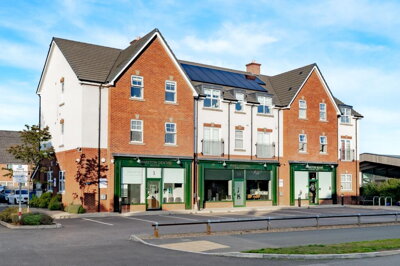
Browse 5 homes for sale in Lidlington, Central Bedfordshire from local estate agents.
Studio apartments feature open-plan living spaces without separate bedrooms, incorporating sleeping, living, kitchen, and bathroom facilities. The Lidlington studio market includes properties in modern apartment complexes, converted Victorian and Georgian buildings, and purpose-built developments.
£0k
0
0
0
Source: home.co.uk
Showing 0 results for Studio Flats for sale in Lidlington, Central Bedfordshire.
The Dartmouth property market has demonstrated remarkable resilience over the past five years, with prices increasing by 19% since 2019. This growth reflects the enduring appeal of Devon's southern coastline and the limited supply of quality homes in a town constrained by its historic fabric and riverside location. In the past 12 months, the market has shown modest correction, with prices easing by approximately 1% as national economic pressures have tempered buyer confidence across the region.
The market has seen 100 property sales in the last 12 months, providing a reasonable volume of transaction data for buyers assessing values. Detached properties, which typically comprise 29.5% of the housing stock, command the highest prices with an average of £620,000. These homes often occupy elevated positions with panoramic views across the Dart estuary or sit in generous plot sizes within easy walking distance of the town centre. The premium for waterfront and estuary-view positions remains substantial, with well-presented detached homes in prime locations regularly exceeding this average.
Terraced houses dominate the housing stock at 39.1%, many dating from the Georgian and Victorian periods when the town flourished as a naval port. These properties typically range from £320,000 to £450,000 depending on condition, position, and whether they benefit from outside space. The compact nature of Dartmouth's historic core means that even modest terraced homes can offer remarkable character, with features such as original fireplaces, exposed stone walls, and sash windows contributing to their appeal. Semi-detached homes make up 10.1% of the stock, averaging around £410,000, while flats, maisonettes, and apartments account for 20.3%, providing more accessible entry points from £290,000 upwards.

Dartmouth's character is defined by its maritime heritage and Georgian architecture. The town centre features the famous Butterwalk, a colonnaded walkway supported by stone pillars that dates from the 1630s, where many historic properties display intricately carved wooden balconies overlooking the Quay. The population of 5,049 residents (2021 Census) creates an intimate community where neighbours recognise each other, local shops thrive, and seasonal visitors add vibrancy to the town's rhythm throughout the year.
The local economy centres on tourism, the Britannia Royal Naval College, and the maritime industry, including boat building and marine services. These sectors provide employment for the 2,492 households in the area while shaping Dartmouth's distinctive atmosphere. The Britannia Royal Naval College, situated across the river in Kingswear, represents one of the most significant employers in the wider area, while the boat yards along the waterfront employ skilled craftspeople whose expertise spans traditional wooden boat building to modern composite construction techniques.
A notable feature of the housing market is the proportion of properties used as second homes or holiday lets, which influences both demand patterns and the availability of long-term rental accommodation. This dynamic contributes to higher property values but can limit housing options for permanent residents. Prospective buyers seeking a primary residence should be aware that some streets see significant seasonal variation in occupancy levels, which can affect the character and availability of local services throughout the year.
The surrounding South Hams countryside offers excellent walking and outdoor activities, with the Dartmouth to Kingswear ferry providing access to the National Trust's Coleton Camp and Brownstone Head gardens. The River Dart itself offers kayaking, sailing, and boat trips, while the nearby South West Coast Path provides spectacular cliff-top walking with views across Lyme Bay to the east and toward Plymouth in the west.

Families considering a move to Dartmouth will find a range of educational options within the town and surrounding South Hams area. Dartmouth Primary School serves the town itself, providing education for children from Reception through to Year 6. The school, located on Oxford Lane near the town centre, has earned recognition for its nurturing approach and strong community connections. For families with younger children, there are several nurseries and pre-school settings within the town, including the Dartmouth Childcare Centre operating from the community centre.
For secondary education, students typically travel to institutions in the wider South Hams catchment area. Kingsbridge Community College is a popular choice for families living in the southern part of the catchment, offering a comprehensive curriculum and strong GCSE results. Alternatively, the school in Totnes provides another option, with its dedicated Science and Arts specialisms attracting students willing to travel. Families should research specific school catchments and admission arrangements, as these can significantly impact property values in certain streets and influence the long-term investment potential of a purchase.
The property age distribution in Dartmouth, where 35% of homes were built before 1919 and a further 40% date from the interwar and post-war periods up to 1980, reflects the historical development of the town around educational and institutional establishments. Properties in catchment areas for well-regarded schools command premiums, and buyers should factor school admission criteria into their property search. The South Hams local authority website provides school finder tools and catchment maps that help prospective buyers understand which addresses fall within specific school admissions areas.
Transport connections from Dartmouth reflect its peninsula location and historic development pattern. The nearest mainline railway station is in Totnes, approximately 12 miles away, providing connections to Plymouth, Exeter, and London Paddington. Journey times from Totnes to London Paddington take around three hours, making Dartmouth accessible for occasional commuting while maintaining its position as a desirable residential location away from the capital's pressures.
Within Dartmouth itself, the Dartmouth and Kingswear Railway operates a scenic branch line connecting the town to Paignton, a popular route for visitors and residents alike during the summer season. This heritage railway follows the original route closed in 1972 and has been restored by dedicated volunteers, now operating as a popular tourist attraction with steam and diesel services throughout the summer months. Bus services connect Dartmouth to surrounding villages, with the 110 route serving Kingsbridge and the 93 providing connections to Torquay via Brixham.
Road access to Dartmouth is via the A379, which winds through the South Hams countryside before reaching the town across the historic Lower Ferry or via the Kingsbridge road. The Lower Ferry operates a vehicle ferry connecting Dartmouth to the village of Kingswear on the opposite bank, providing an alternative route for those heading towards Brixham and Torbay. The town centre itself is largely traffic-free, with most amenities within walking distance of the main car parks. For commuters working in Plymouth or Exeter, journey times are approximately 45 minutes and 75 minutes respectively by car, though the coastal route can be affected by seasonal traffic congestion during summer holidays.
Explore Dartmouth's various neighbourhoods, from the historic town centre with its listed buildings and conservation areas to the quieter residential streets with estuary views. Consider factors such as flood risk for waterfront properties, proximity to amenities, and the impact of seasonal tourism on different areas. The area around Victoria Road offers a good mix of period properties with convenient parking, while the streets near the Naval College would suit those working at the institution or seeking regular ferry access to Kingswear.
Obtain a mortgage Agreement in Principle before viewing properties. This demonstrates your budget to estate agents and sellers, and helps you understand how much you can borrow based on your financial circumstances. Several lenders operate in the South Hams area with products suitable for properties at various price points, including those familiar with older construction types common in Dartmouth. If you are purchasing a property for holiday letting purposes, specialist mortgage products may be required, as standard residential mortgages often prohibit commercial rental activity.
Visit properties that match your criteria, paying attention to construction materials, condition, and any signs of damp or structural movement common in older properties. When you find your ideal home, submit a competitive offer through the estate agent, preferably with proof of your mortgage arrangement. In a town like Dartmouth where the property stock is dominated by older buildings, viewing properties at different times of year can reveal how they cope with varying weather conditions and whether seasonal flooding affects the surrounding area.
Given that 75% of properties in Dartmouth were built before 1980, a RICS Level 2 Survey is strongly recommended for most purchases. Survey costs in Dartmouth typically range from £400 to £900 depending on property size and complexity. For listed buildings or period properties with significant defects, a more detailed RICS Level 3 Survey may be appropriate. Our team can arrange a RICS qualified surveyor who understands Dartmouth's specific construction types and common defect patterns.
Appoint a conveyancing solicitor to handle the legal transfer of ownership. They will conduct searches, handle land registry documentation, and coordinate with your mortgage lender. For properties in the Conservation Area or listed buildings, additional checks regarding planning conditions and restrictions will be required. Local conveyancers familiar with Dartmouth's specific issues, such as listed building consents and estuary access rights, can provide valuable guidance throughout the process.
Once searches are satisfactory and finances are arranged, you will exchange contracts and pay your deposit. Completion typically follows within two to four weeks, after which you will receive your keys and can begin your new life in Dartmouth. Factor in time for setting up utilities, registering with local services, and familiarising yourself with the town's rhythms, which shift considerably between summer's tourist season and the quieter winter months.
Properties in Dartmouth present specific considerations that buyers should evaluate carefully during their search. The town's geology, predominantly Devonian slate and limestone with areas of river alluvium, generally presents a low shrink-swell clay risk, though localised superficial deposits can create moderate risk in some locations. A thorough survey will identify any ground stability concerns that might affect your purchase decision or require remediation. Properties built on the more recent alluvial deposits near the waterfront may be more susceptible to ground movement during periods of wet weather.
Flood risk is an important consideration for properties near the waterfront or in low-lying areas adjacent to the River Dart estuary. Surface water flooding can also occur during periods of heavy rainfall when drainage capacity is exceeded. Prospective buyers should review flood risk data for specific properties and ensure that appropriate insurance is available before committing to a purchase. Many mortgage lenders will require flood risk assessment for properties in affected areas. Insurance premiums for waterfront properties can be significantly higher than for properties in elevated positions, and some providers may decline cover for properties with a history of flooding.
The extensive Conservation Area covering much of Dartmouth's historic town centre brings both charm and obligations. Many properties are listed buildings requiring Listed Building Consent for alterations or significant works. The architectural character, typically featuring traditional construction with solid stone or brick walls, painted render, and slate roofs, contributes to the town's appeal but may result in higher maintenance costs and more complex renovation projects than modern properties. Before purchasing, establish whether the property you are considering is listed and what restrictions this places on future alterations.
Common defects found in Dartmouth's older properties include damp issues, particularly rising damp and penetrating damp in buildings close to the estuary where salt air accelerates moisture penetration. Timber defects such as wet rot and woodworm affect many period properties, especially those with solid floors or limited ventilation. Roofing issues are frequently encountered, including slipped slates, defective lead flashing at chimney stacks, and general wear on slate roofs that may be approaching the end of their serviceable life. Render cracking is common on south-facing elevations exposed to prevailing winds and coastal weather, and inspection should carefully assess the condition of external wall insulation and weatherproofing.
The average house price in Dartmouth is currently £472,308 based on recent sales data. Detached properties average £620,000, semi-detached homes around £410,000, terraced houses approximately £395,000, and flats or apartments starting from £290,000. Prices have increased by 19% over the past five years, though the market has shown a modest 1% correction over the past 12 months. The market has recorded 100 property sales in the past year, providing reasonable transaction volume for buyers assessing current market conditions.
Properties in Dartmouth fall under South Hams District Council. Council tax bands vary by property depending on valuation, with typical bands for the area ranging from A through to G. A Victorian terraced house might fall into band B or C, while a detached home with estuary views could be band F or G. You should check the specific band for any property you are considering, as this will affect your annual running costs. South Hams District Council provides online lookup tools using the property address, and band information is recorded on the Land Registry title register.
Dartmouth Primary School serves the town for primary education, with good Ofsted ratings for pupil achievement and safety. For secondary education, families typically consider schools in the wider South Hams area, including options in Totnes and Kingsbridge. Kingsbridge Community College is a popular choice with strong GCSE results, while Totnes Community School offers specialist subjects in Science and the Arts. Parents should research specific school catchments and admission criteria, as these can significantly influence the suitability of different residential areas for families with school-age children.
Dartmouth is served by the Dartmouth and Kingswear Railway connecting to Paignton, with onward connections to the national rail network. The nearest mainline station is Totnes, approximately 12 miles away, providing direct services to Plymouth, Exeter, and London Paddington. Bus services operate within the town and connect to surrounding villages via routes including the 110 to Kingsbridge and the 93 to Torquay via Brixham. The Lower Ferry and Higher Ferry connect Dartmouth to Kingswear and the eastern side of the River Dart, though car ownership remains beneficial for many residents given the rural nature of the South Hams.
Dartmouth's property market has demonstrated consistent growth, with prices rising 19% over five years, reflecting strong demand for coastal properties in South Devon. The town's mix of primary residences, second homes, and holiday lets creates a diverse market with appeal to different buyer types. However, buyers should note that the proportion of properties used as holiday accommodations can affect rental availability and that the Conservation Area restrictions limit certain development opportunities. Long-term capital appreciation has been positive, though the market can be sensitive to broader economic conditions affecting second-home purchases.
Stamp Duty Land Tax (SDLT) applies at standard residential rates: 0% on the first £250,000 of purchase price, 5% on £250,001 to £925,000, 10% on £925,001 to £1.5 million, and 12% on amounts exceeding £1.5 million. First-time buyer relief raises the nil-rate threshold to £425,000, with 5% applying between £425,001 and £625,000. Given Dartmouth's average price of £472,308, a typical purchase by a first-time buyer would attract approximately £2,365 in SDLT, while a buyer purchasing a £620,000 detached property would pay £18,500.
Properties in Dartmouth frequently exhibit defects related to their age and coastal location. Damp issues are prevalent, particularly in the solid-walled Georgian and Victorian properties that dominate the housing stock. Timber defects including wet rot, dry rot, and woodworm affect floor joists, roof timbers, and window frames throughout period properties. Slate roofs commonly show signs of wear including slipped tiles, deteriorating leadwork at chimney flashings, and nail sickness where fixings have corroded. External render frequently cracks on south and west-facing elevations exposed to coastal weather, and many properties lack modern damp-proof courses or adequate insulation. A thorough RICS Level 2 or Level 3 Survey will identify these issues and allow you to budget for necessary repairs.
Much of Dartmouth's historic town centre falls within the Conservation Area, and many properties carry Listed Building status protecting their architectural significance. Grade II listed properties require Listed Building Consent for any alterations that might affect their character, including window replacement, internal layout changes, and external modifications. This approval process adds time and cost to renovation projects but ensures the preservation of the town's heritage. Listed buildings often require more maintenance than modern properties, with traditional materials and techniques needed for repairs. Buildings insurance for listed properties may cost more and require specialist providers familiar with traditional construction methods.
From 4.5%
Find competitive mortgage rates for your Dartmouth purchase
From £499
Expert legal services for your property purchase
From £400
Comprehensive condition report for your new home
From £600
Detailed structural survey for older or complex properties
Two significant new build developments are currently underway in Dartmouth, offering opportunities for buyers seeking modern homes within this historic town. Dartmouth Place, developed by Baker Estates and located at TQ6 9GY, presents 2, 3, and 4 bedroom homes priced from £320,000 to £550,000. These properties offer contemporary construction and layouts while maintaining accessibility to the town centre and waterfront. Modern features typically include energy-efficient heating systems, double glazing throughout, and open-plan living spaces designed for contemporary lifestyles.
Little Cotton Farm, developed by Cavanna Homes and situated at TQ6 0HS, provides a broader range of options with 2, 3, 4, and 5 bedroom homes priced from £310,000 to £650,000. This development offers larger family homes suitable for permanent residence or those seeking more generous living space than typically available in Dartmouth's historic housing stock. Both developments provide alternatives to the older properties that dominate the local market, though competition for new build homes in this desirable location can be strong.
New build properties offer several advantages over the period properties that make up most of Dartmouth's housing stock, including the absence of historic defects, modern insulation standards, and typically lower maintenance requirements in the early years of ownership. However, buyers seeking the character features that make Dartmouth distinctive - original fireplaces, exposed stonework, sash windows, and traditional construction - will find that only the older properties provide these characteristics. Many buyers choosing Dartmouth specifically want the Georgian or Victorian character that cannot be replicated in new construction, even when modern homes offer superior energy efficiency and practical layouts.
Properties for Sale In London

Properties for Sale In Plymouth

Properties for Sale In Liverpool

Properties for Sale In Glasgow

Properties for Sale In Sheffield

Properties for Sale In Edinburgh

Properties for Sale In Coventry

Properties for Sale In Bradford

Properties for Sale In Manchester

Properties for Sale In Birmingham

Properties for Sale In Bristol

Properties for Sale In Oxford

Properties for Sale In Leicester

Properties for Sale In Newcastle

Properties for Sale In Leeds

Properties for Sale In Southampton

Properties for Sale In Cardiff

Properties for Sale In Nottingham

Properties for Sale In Norwich

Properties for Sale In Brighton

Properties for Sale In Derby

Properties for Sale In Portsmouth

Properties for Sale In Northampton

Properties for Sale In Milton Keynes

Properties for Sale In Bournemouth

Properties for Sale In Bolton

Properties for Sale In Swansea

Properties for Sale In Swindon

Properties for Sale In Peterborough

Properties for Sale In Wolverhampton

Enter your details to see if this property is within your budget.
Loans, cards, car finance
Estimated property budget
Borrowing + deposit
You could borrow between
Typical borrowing
Monthly repayment
Est. at 4.5%
Loan-to-value
This is an estimate only. Your actual budget may vary depending on interest rates, credit history, and personal circumstances. For an accurate affordability assessment, speak to one of our free mortgage advisors.
This calculator provides estimates for illustrative purposes only and does not constitute financial advice. Your home may be repossessed if you do not keep up repayments on your mortgage. Estimates based on 4.5% interest rate, repayment mortgage. Actual rates depend on your circumstances.
Homemove is a trading name of HM Haus Group Ltd (Company No. 13873779, registered in England & Wales). Homemove Mortgages Ltd (Company No. 15947693) is an Appointed Representative of TMG Direct Limited, trading as TMG Mortgage Network, which is authorised and regulated by the Financial Conduct Authority (FRN 786245). Homemove Mortgages Ltd is entered on the FCA Register as an Appointed Representative (FRN 1022429). You can check registrations at NewRegister or by calling 0800 111 6768.

We use cookies to show you personalised content and improve your experience of our website. Find out more in our Privacy policy and Cookie policy.