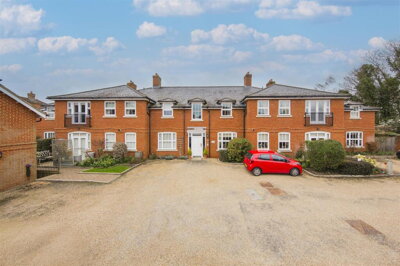
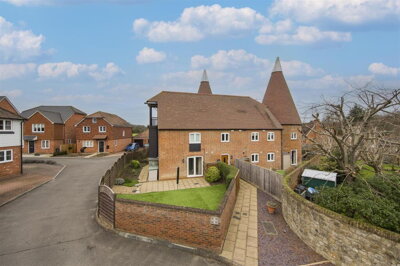
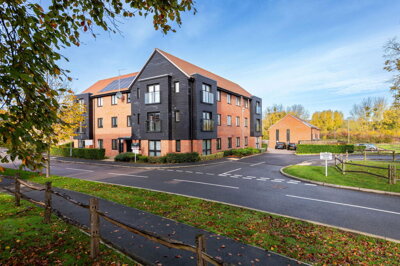
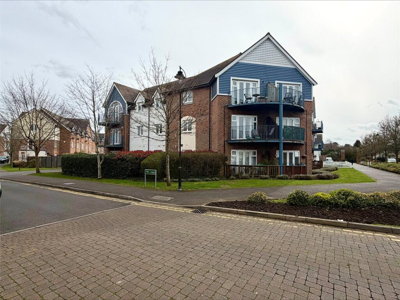
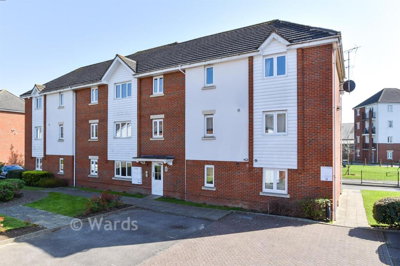
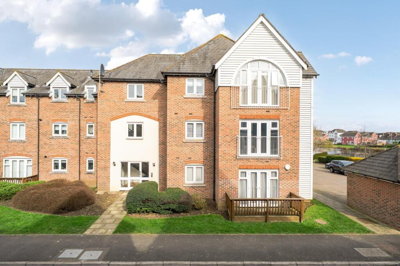
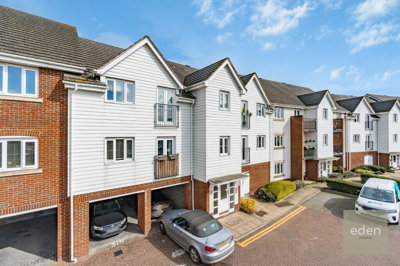
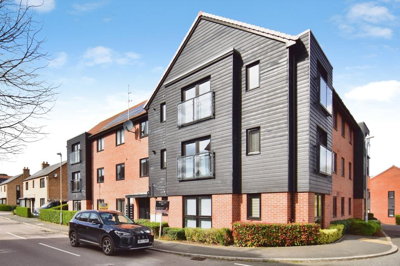
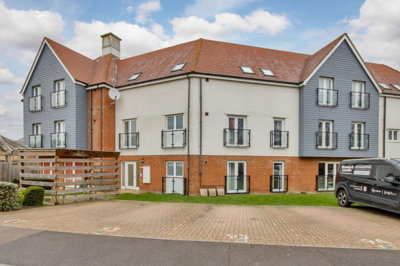
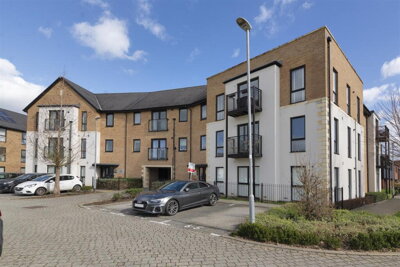
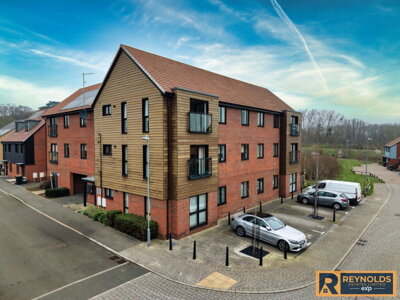
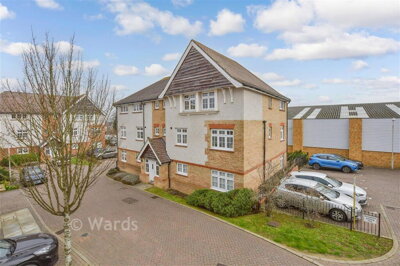
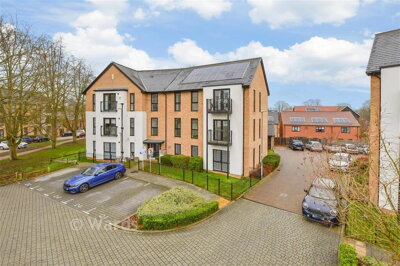
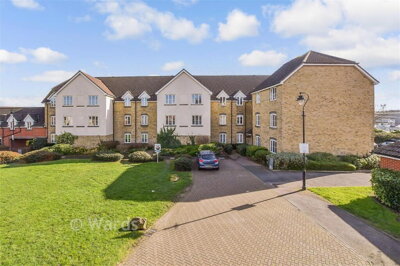
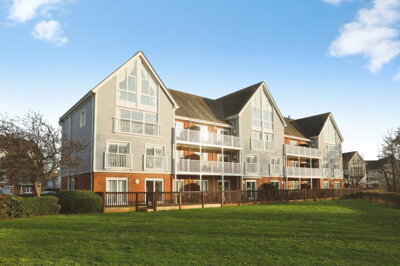
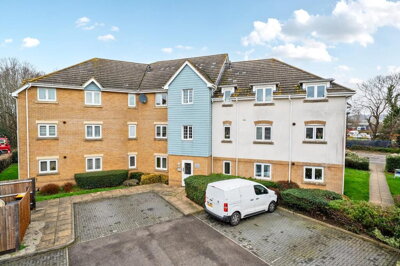
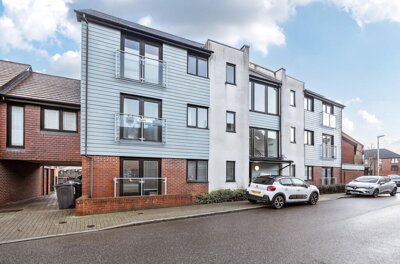
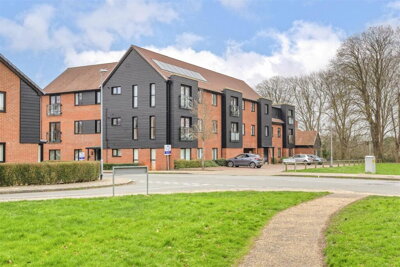
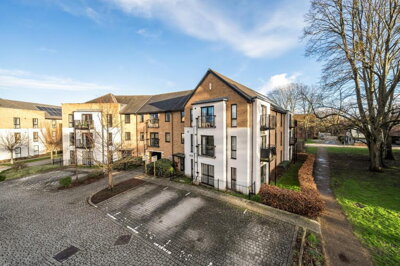
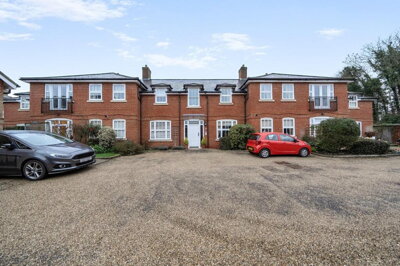
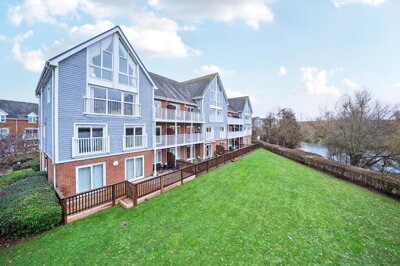
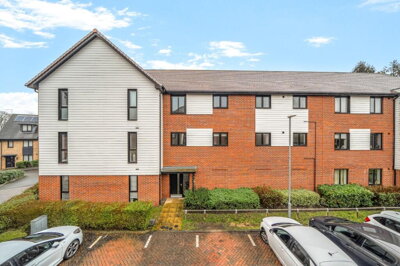
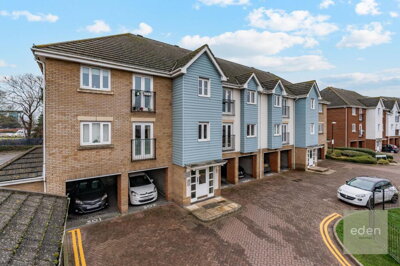
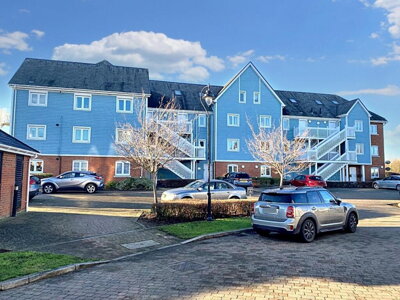
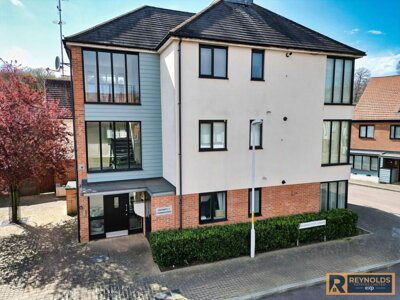
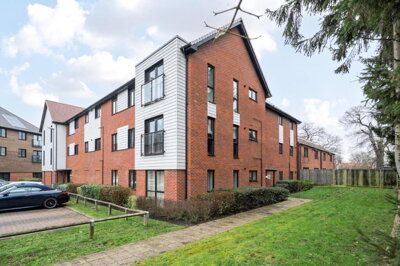
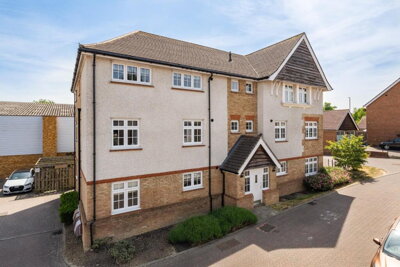
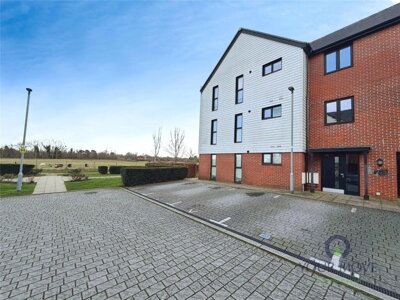
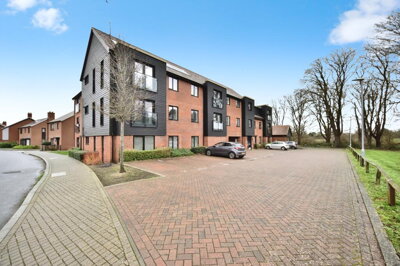
Browse 45 homes for sale in Leybourne, Tonbridge and Malling from local estate agents.
Studio apartments feature open-plan living spaces without separate bedrooms, incorporating sleeping, living, kitchen, and bathroom facilities. The Leybourne studio market includes properties in modern apartment complexes, converted Victorian and Georgian buildings, and purpose-built developments.
£250k
4
0
78
Source: home.co.uk
Showing 4 results for Studio Flats for sale in Leybourne, Tonbridge and Malling. The median asking price is £250,000.
Source: home.co.uk
Flat
4 listings
Avg £253,750
Source: home.co.uk
Source: home.co.uk
The property market in Great Milton reflects the broader appeal of South Oxfordshire as one of the most desirable rural locations in England. According to Rightmove, the overall average house price in Great Milton over the last year stood at £340,000, while Zoopla and OnTheMarket report higher figures around £493,333 based on recent transaction data. This variation highlights how different methodologies and data sources can influence reported averages, making it essential for buyers to examine specific properties rather than relying solely on headline figures. The discrepancy between sources often reflects whether data includes all property types or focuses on particular categories such as recently sold homes versus asking prices.
Property prices in Great Milton vary considerably by type, with detached homes achieving an average price of £977,269 based on 26 sales recorded since 2018, making them the most valuable category in the village. Semi-detached properties average £569,812 across 32 recorded sales, with Rightmove data from the last year showing some sales closer to the £400,000 mark for this property type. Terraced properties, though fewer in number with just 12 recorded sales, still command significant prices averaging £500,625, reflecting the premium attached to period homes in this sought-after location. The data suggests that buyers seeking more affordable options in Great Milton should consider the semi-detached sector, where entry-level properties occasionally appear at lower price points.
Recent market activity shows that Great Milton experienced 5 recorded property sales in 2025 with an average price of £496,250, following 6 sales in 2024 averaging £622,833. Rightmove indicates that overall historical sold prices in Great Milton over the last year were 31% down on the previous year, while OnTheMarket reports a more modest fall of 0.5% over the last 12 months. This year-on-year comparison indicates some correction in average sale prices, though this reflects individual transaction mix rather than necessarily declining values. The village's limited stock and consistent demand from buyers seeking rural Oxfordshire living continue to support the local market, with properties often selling quickly when correctly priced for current conditions.
The housing stock in Great Milton, as evidenced by sales data since 2018, shows a healthy mix of property types that cater to different buyer requirements and budgets. With 26 detached sales, 32 semi-detached sales, and 12 terraced sales recorded over this period, the village offers diversity in its residential offerings. This variety means that whether you are a first-time buyer seeking a terraced starter home, a growing family requiring more space in a semi-detached property, or someone looking for a substantial detached home with land, Great Milton has historically provided options across these categories.

Great Milton embodies the essence of classic English village life in rural Oxfordshire. The village centre features a collection of historic properties built from traditional materials including painted brickwork and exposed stonework, creating an attractive streetscape that has been preserved over generations. Many homes in the village date back well over a century, with some properties like converted barns dating to 1849, offering buyers the opportunity to own characterful homes with original features such as exposed beams and period fireplaces. The village's architecture reflects centuries of development, from medieval origins through Georgian and Victorian periods to more recent construction that respects the established character.
The community atmosphere in Great Milton attracts families and professionals seeking an escape from urban life while maintaining access to essential amenities. The village maintains its agricultural heritage with surrounding farmland providing an attractive landscape of fields and hedgerows characteristic of South Oxfordshire. Local residents enjoy the peaceful surroundings while benefiting from a strong sense of community that smaller villages often foster, with village events and local pubs serving as social hubs for the neighbourhood. The slower pace of life in Great Milton contrasts with the bustle of nearby Oxford, offering residents a retreat while maintaining connectivity to urban conveniences.
Amenities within Great Milton itself include a traditional village pub that serves as a focal point for community gatherings, while nearby Thame offers comprehensive shopping facilities, restaurants, and services including banks, supermarkets, and healthcare provision. The proximity to Oxford, approximately 10 miles distant, provides access to world-class cultural attractions, major employers, and university facilities, making Great Milton particularly attractive to commuters who work in the city but prefer countryside living. Families moving to the area appreciate the balance between village tranquility and access to the extensive facilities that Oxford provides, from hospitals and specialist shops to entertainment venues and sporting facilities.
The surrounding South Oxfordshire landscape offers numerous opportunities for outdoor recreation and countryside pursuits. The village sits between the Oxford city fringe and the market town of Thame, placing residents within easy reach of various footpaths, bridleways, and public rights of way that traverse the local farmland and countryside. Cycling is popular in the area, though the undulating terrain of South Oxfordshire requires some fitness. Golf courses, equestrian facilities, and local sports clubs provide additional leisure options for residents seeking an active lifestyle in this attractive rural setting.

Education provision for families considering Great Milton includes several well-regarded schools in the surrounding South Oxfordshire area. Primary education for village children is typically provided by schools in nearby villages, with many families travelling short distances to access popular village primary schools that serve the rural community. These smaller schools often benefit from strong community connections and individual attention for pupils, characteristics that parents frequently seek when choosing where to raise their children. The village's position between Oxford and Thame means families have access to primary schools in multiple directions, allowing them to consider different options based on specific provision, class sizes, and educational approaches.
Secondary education options for Great Milton residents include schools in Thame and the surrounding market towns, with several secondary schools in South Oxfordshire maintaining good Ofsted ratings. Parents should research specific catchment areas and admission arrangements, as school places are allocated based on proximity and catchment zones. The nearby Lord Grey Academy in Bletchley and schools in the Oxford area serve different catchment zones, and families should verify which school their property falls within before purchasing. Many families find that the excellent transport connections from Great Milton make accessing a wider range of secondary schools practical, including those in Oxford for those willing to make the longer journey.
For families prioritising academic excellence, the grammar school system in Buckinghamshire remains accessible to some Great Milton residents depending on catchment areas, while independent schools in Oxford and surrounding areas provide additional options for those seeking private education. Notable independent schools within reasonable distance include St Edward's School, Dragon School, and Oxford High School, all of which serve families from across the region. The grammar school entry process involves the eleven-plus examination, and preparation courses are available through tutors in Oxford and surrounding towns. Families choosing the independent route should budget for tuition fees, which vary considerably depending on the school and whether boarding facilities are used.
Sixth form provision in nearby towns offers a good range of A-level subjects and vocational courses, with Oxford's colleges and further education institutions providing extensive opportunities for older students seeking higher education or vocational qualifications. Abingdon and Witney College provides vocational courses accessible to students from the Great Milton area, while Oxford's sixth form colleges offer a broader range of A-level subjects. University access is straightforward from Great Milton, with Oxford Brookes University and the University of Oxford both within easy reach, alongside the extensive options available in London and elsewhere via Oxford's train station.
Transport connections from Great Milton balance the village's rural character with practical accessibility for commuters and visitors alike. The location sits conveniently near the A40, a major route connecting Oxford to the M40 motorway and London, providing relatively straightforward access to the capital and other major destinations. The A40 passes through nearby Wheatley, providing a direct route east towards London and west towards Oxford and the Cotswolds. For residents working in Oxford, the journey by car typically takes around 25-35 minutes outside peak hours, though this extends considerably during rush hour when traffic on the Oxford ring road and approach routes can be heavy.
Local bus services operate between surrounding villages and market towns, connecting residents to train stations and comprehensive services available in larger settlements. The 280 service connects Oxford to Thame via various villages including Wheatley, providing a public transport option for commuters and shoppers. However, bus frequencies in rural South Oxfordshire are limited compared to urban routes, with services typically running hourly or less frequently on weekdays and very limited weekend provision. Residents without cars should consider this carefully when choosing to move to Great Milton, as reliance on public transport may significantly affect daily routines and access to services.
Rail services from nearby stations provide access to main line connections serving destinations across England. Oxford station offers direct trains to London Paddington, with journey times of approximately one hour to the capital, while Birmingham is reachable via changes or direct services. Stations further afield such as Bicester Village provide additional options for longer distance travel, with fast trains to London Marylebone from Bicester taking around 50 minutes. Many commuters from South Oxfordshire choose to drive to these stations, with parking availability varying by location and time of day, making early morning departures practical for those with workplace flexibility.
For cyclists and walkers, the rural lanes surrounding Great Milton offer scenic routes through the Oxfordshire countryside, though the undulating terrain and limited cycle lanes require care on busier roads. National Cycle Route 5 passes through the region, providing signed routes for longer journeys by bicycle. The village's position between Oxford and Thame means that essential services in both towns are reachable by car within 20-30 minutes, providing residents with access to comprehensive retail, healthcare, and leisure facilities while maintaining the peaceful village environment that makes Great Milton so appealing. Cycling to Oxford is possible for the energetic, though the route involves some busy roads and significant elevation changes.
Review current listings and recently sold prices in Great Milton to understand property values and availability. The variation between average prices reported by different sources means examining specific properties and comparable sales provides the most accurate picture of market conditions. Set up alerts on property portals such as Rightmove and Zoopla to receive notifications when new properties matching your criteria are listed, as the village's limited stock means suitable homes can sell quickly. Visiting the village at different times of day and week helps you understand the area's character, traffic patterns, and community atmosphere before committing to a purchase.
Obtain a mortgage agreement in principle before viewing properties to demonstrate your purchasing capacity to estate agents and sellers. With rural properties commanding significant prices, securing suitable mortgage financing in advance strengthens your position when making offers. Given that many properties in Great Milton exceed £400,000, ensure your mortgage broker understands the rural property market and can advise on appropriate products. Some lenders have restrictions on older properties, thatched roofs, or non-standard construction, so discussing your target property types early prevents delays later in the process. Having your deposit funds documented and readily available streamlines the process once you find your ideal home.
Visit properties that match your requirements and assess their condition, location within the village, and suitability for your needs. Pay particular attention to the age of properties, as many homes in Great Milton are period builds that may require ongoing maintenance or updating. Take photographs and notes during viewings to help compare properties later, and don't hesitate to revisit properties that particularly interest you. Viewing properties at different times of day reveals variations in natural light, noise levels, and traffic that a single visit might miss. Ask the estate agent about the reason for sale, length of current ownership, and any offers already received to gauge your negotiating position.
Before completing your purchase, arrange a professional survey to assess the property's condition. With many homes exceeding 50 years of age, a thorough inspection identifies any structural concerns, maintenance requirements, or potential issues that might affect your decision. A RICS Level 2 survey provides a condition report suitable for most properties, while a Level 3 building survey offers more detailed analysis for older or more complex properties. For listed buildings or homes with unusual construction, consider a specialist surveyor experienced with historic properties. The survey report provides valuable ammunition for negotiating the purchase price if issues are identified that require remediation.
Choose a conveyancing solicitor experienced with rural property transactions to handle the legal aspects of your purchase. They will conduct searches, handle contracts, and coordinate with your mortgage lender to ensure a smooth transaction. Searches specific to South Oxfordshire, including local authority searches, drainage and water searches, and environmental searches, help identify any issues affecting the property. Your solicitor should also investigate planning history, building regulations approvals, and any restrictions affecting the property's use. Given that many properties in Great Milton are period homes, your solicitor should specifically check for listed building status, conservation area designation, and any unusual rights or obligations that might affect the property.
Once all conditions are satisfied and searches returned, you can proceed to exchange contracts and set a completion date. Your solicitor will notify you of any remaining funds to transfer, and keys will be released on the agreed completion day. At this stage, arrange buildings insurance to commence from exchange of contracts, as the property becomes your legal responsibility at that point. Consider arranging utility transfers and redirecting mail well in advance of completion to ensure a smooth transition into your new home. Take final meter readings on the day of completion and notify relevant service providers to ensure billing is transferred to your name promptly.
Great Milton's housing stock reflects centuries of architectural development, with many properties constructed using methods and materials that differ significantly from modern building practices. Properties built from painted brickwork and exposed stonework characterise much of the village centre, with traditional lime-based mortars and renders used throughout historic construction. These materials require different maintenance approaches compared to modern cement-based products, and understanding this is essential for anyone purchasing a period property in the village. Older properties may also incorporate structural timbers, thatch roofing on some buildings, and original sash windows that contribute to their character but require specialist knowledge to maintain properly.
The age of properties in Great Milton means that many homes will have undergone various alterations and extensions over the years, some more professionally executed than others. When considering a historic property, understanding its construction history helps identify potential issues. Properties converted from agricultural buildings, such as the barns dating to 1849 mentioned in local listings, often have unusual features including high ceilings, exposed beams, and former animal housing that might require attention. These conversions can present challenges including non-standard room shapes, limited natural light in former storage areas, and structural elements that require careful assessment by a qualified surveyor.
Listed buildings in Great Milton are subject to planning restrictions that affect what owners can do with their properties. Listed Building Consent is required for any alterations that might affect the building's character or structural integrity, inside or out. This includes changes that might seem minor such as replacing windows, altering internal walls, or modifying fireplaces. Prospective buyers should verify the listing status of any property of interest through the Historic England database or local planning authority records. The additional constraints on listed properties should be weighed against their unique character and potential for appreciation as desirable historic homes in a sought-after village location.
Energy efficiency in older properties requires particular attention, as historic homes were built before modern insulation standards existed. Many properties in Great Milton will have some form of insulation added over the years, but achieving contemporary comfort levels while preserving the building's character requires careful balancing. Double glazing in period properties is possible but must be installed sympathetically to maintain the property's appearance and character. Solid walls, which are common in older construction, have limited options for insulation compared to cavity walls, and solutions such as internal dry-lining affect room sizes and the internal appearance of the property. Budgeting for ongoing improvements to energy efficiency helps future-proof your investment in a historic property.
Purchasing a property in Great Milton requires attention to factors specific to this historic South Oxfordshire village. The age of many properties means potential buyers should carefully assess the condition of original features such as thatched roofs, stone walls, and period windows that may require specialist maintenance or restoration. Properties built from traditional materials including exposed stone and painted brick often require different maintenance approaches compared to modern construction, and ongoing costs should factor into your budget calculations. Engaging a surveyor with experience in historic and period properties provides valuable insight into the condition of these traditional features and any remedial work that may be required.
Listed buildings and historic properties in Great Milton may be subject to planning restrictions that limit permitted development rights, affecting your ability to make alterations or extensions without obtaining Listed Building Consent. Prospective buyers should verify the listing status of any property of interest and understand the implications for future modifications. Your solicitor should include relevant searches to identify any designations that might affect your use or development of the property. The benefits of owning a listed property include protections that preserve the village's character and potentially enhance the property's value, but these come with responsibilities that buyers should understand before committing to a purchase.
Flood risk assessment requires attention even in relatively elevated rural locations, as surface water and drainage issues can affect properties regardless of their distance from rivers. While specific flood risk data for Great Milton requires individual property assessment, rural properties with large gardens may have drainage systems that require maintenance or improvement. Properties in South Oxfordshire can be affected by surface water flooding during periods of heavy rainfall, particularly those with inadequate drainage or located in natural drainage paths. Requesting drainage and flood risk information from the local authority and reviewing the property's history provides valuable insight into potential concerns.
Properties with large gardens or agricultural boundaries may have different considerations regarding land use and maintenance responsibilities that should be clarified before purchase. Boundaries in rural properties may not be clearly marked, and rights of way across land can affect how owners use their property. Agricultural land adjacent to properties may involve activities such as farming operations that create noise, dust, or traffic at various times of year. Understanding exactly what land is included with the property and any obligations attached to that land helps avoid unexpected situations after completion. Your solicitor should investigate title deeds and land registry records to clarify boundaries and any registered rights or easements affecting the property.
Average house prices in Great Milton vary between sources, with Rightmove reporting approximately £340,000 as an overall average while Zoopla indicates figures closer to £493,333 based on recent sales data from the last 12 months. By property type, detached homes average around £977,269 based on 26 sales recorded since 2018, semi-detached properties average approximately £569,812 across 32 recorded sales, and terraced homes average about £500,625 based on 12 recorded sales. These figures reflect the village's position as a desirable rural location in South Oxfordshire with a mix of period and modern properties commanding different price points, and the significant variation between detached and other property types shows the premium attached to larger family homes in this village setting.
Properties in Great Milton fall under South Oxfordshire District Council's jurisdiction for council tax purposes. Specific banding depends on the property's assessed value, with period properties and larger family homes typically falling in higher bands D through H. The village's mix of historic cottages and substantial detached homes means council tax bands vary considerably across the housing stock, with average values likely placing most properties in mid-range bands. Prospective buyers should check individual property details on the Valuation Office Agency website or request council tax band information from the vendor or their solicitor during the conveyancing process.
Great Milton is served by primary schools in surrounding villages, with families typically accessing schools within a few miles of the village in settlements such as Wheatley, Tiddington, and nearby Thame. Secondary education options include schools in Thame and nearby towns, many of which maintain good Ofsted ratings, with specific catchment areas determining placement. The grammar school system in Buckinghamshire is accessible to some residents depending on catchment areas and eleven-plus results, while independent schools in Oxford including St Edward's School, Dragon School, and Oxford High School provide additional options for those seeking private education. Families should verify current school catchments and admission policies directly with schools, as these can change and vary from general geographic assumptions.
Great Milton has limited public transport options typical of a small rural village, with local bus services connecting to nearby towns and villages including the 280 route between Oxford and Thame. The A40 road provides good access for car travel, connecting the village to Oxford approximately 10 miles away and to the M40 motorway for wider travel. Main line rail services are accessible from Oxford station, around 25-30 minutes drive away, with direct trains to London Paddington taking approximately one hour and services to Birmingham also available. Residents without cars should carefully consider how public transport limitations would affect daily life, employment options, and access to services when deciding whether Great Milton suits their circumstances.
Great Milton offers several factors that may appeal to property investors, including its desirable South Oxfordshire location, strong transport connections to Oxford and London, and the limited supply of properties in this small village. Rural properties with character features and good-sized gardens tend to retain their value well in this area, though the small market size means fewer opportunities and transactions take longer to complete. Rental demand in the village is likely limited given its small population and rural nature, with most rental demand concentrated in nearby towns. As with any property investment, buyers should consider rental demand, void periods, and ongoing maintenance costs for period properties before committing to a purchase.
Stamp Duty Land Tax rates for residential properties purchased in England from April 2025 start at 0% on the first £250,000 of purchase price, then 5% between £250,001 and £925,000, 10% between £925,001 and £1.5 million, and 12% on any amount above £1.5 million. First-time buyers may qualify for relief on the first £425,000 at 0% and up to £625,000 at 5%, though this relief is not available for purchases above £625,000 or for buy-to-let investors. For a typical £493,000 property in Great Milton, a standard buyer would pay approximately £12,150 in stamp duty, while a first-time buyer would pay around £3,400 under current relief schemes.
Great Milton is known for its historic homes and character properties, with many homes dating back well over a century and some significantly older. Examples include converted barns dating to 1849 and properties built in the 1930s, alongside older cottages featuring traditional construction with painted brickwork and exposed stonework. The village's historic character means period properties with original features form a significant part of the housing stock, appealing to buyers seeking traditional English village homes with authentic architectural details. Properties in the village centre particularly reflect historic building traditions, though modern development has added properties in various styles that complement rather than detract from the established character.
When purchasing an older property in Great Milton, pay particular attention to the condition of traditional features such as stone walls, thatched roofs where applicable, original windows, and structural timbers that may show signs of deterioration or woodworm. The maintenance history of the property is important, as period properties require ongoing care using appropriate traditional materials rather than modern substitutes. Check for any signs of damp, which can affect solid-wall construction more readily than modern cavity-walled properties, and assess the condition of the roof, which represents a significant maintenance item on older properties. Your survey should specifically address the property's construction type and identify any materials that might be considered non-standard or require specialist insurance coverage.
The conveyancing process for a property in Great Milton typically takes between 8 and 12 weeks from offer acceptance to completion, though this can vary significantly depending on chain complexity, mortgage lender requirements, and any issues arising from searches or surveys. Rural properties may sometimes take longer due to additional searches required, unusual title arrangements, or specialist survey requirements for period properties. Chain-free transactions or properties where you are in a strong negotiating position can sometimes proceed more quickly, while complex situations involving non-standard construction, listed buildings, or unusual legal arrangements may extend timescales considerably. Your solicitor should provide regular updates on progress and flag any potential delays as early as possible.
From 4.5% APR
Finding the right mortgage for your Great Milton property purchase
From £499
Expert solicitors to handle your property purchase
From £350
Professional survey for your Great Milton property
From £75
Energy performance certificate for your property
Understanding the full costs of purchasing property in Great Milton helps you budget accurately for your move. Beyond the purchase price, buyers should account for Stamp Duty Land Tax, solicitor fees, survey costs, and various other expenses that accumulate during the transaction process. With properties in Great Milton often exceeding £400,000, stamp duty costs form a significant part of the overall purchase budget and should be calculated carefully before committing to a purchase. The costs below provide a general guide, though individual circumstances and property specifics will affect the actual amounts you pay.
For a property priced at £493,000, which represents approximately the average sale price in Great Milton, a standard buyer purchasing without first-time buyer relief would pay stamp duty calculated as 0% on the first £250,000 plus 5% on the remaining £243,000, totalling £12,150. First-time buyers may benefit from relief on the first £425,000 at 0%, with 5% applying to the remaining £68,000, reducing their stamp duty liability to £3,400. These calculations highlight the significant savings available to first-time buyers under current government relief schemes, though eligibility criteria must be met and verified by your solicitor.
Additional costs to budget for include mortgage arrangement fees typically ranging from £500 to £2,000 depending on the lender and product, survey fees starting from around £350 for a basic RICS Level 2 survey with more detailed building surveys costing considerably more. Solicitor fees generally range between £800 and £1,500 for conveyancing on a standard transaction, with more complex properties requiring additional work that increases costs. Searches specific to South Oxfordshire, including local authority searches, drainage and water searches, and environmental searches, typically total £200 to £400 depending on the provider and scope. Factor in mortgage valuation fees, which lenders charge to assess the property, typically between £150 and £500 depending on the property value.
Building insurance should be in place from exchange of contracts, with annual premiums for properties in South Oxfordshire varying considerably based on property value, construction type, and coverage requirements. Period properties with thatched roofs or non-standard construction may attract higher insurance premiums, and some insurers specialise in historic homes. Removing fixtures and fittings agreed in the sale, professional cleaning, and any immediate moving costs should also be factored into your budget. Setting aside a contingency fund of around 5% of the purchase price for unexpected costs during the purchase process and immediate post-completion works helps ensure you are not caught out by expenses that commonly arise.
Properties for Sale In London

Properties for Sale In Plymouth

Properties for Sale In Liverpool

Properties for Sale In Glasgow

Properties for Sale In Sheffield

Properties for Sale In Edinburgh

Properties for Sale In Coventry

Properties for Sale In Bradford

Properties for Sale In Manchester

Properties for Sale In Birmingham

Properties for Sale In Bristol

Properties for Sale In Oxford

Properties for Sale In Leicester

Properties for Sale In Newcastle

Properties for Sale In Leeds

Properties for Sale In Southampton

Properties for Sale In Cardiff

Properties for Sale In Nottingham

Properties for Sale In Norwich

Properties for Sale In Brighton

Properties for Sale In Derby

Properties for Sale In Portsmouth

Properties for Sale In Northampton

Properties for Sale In Milton Keynes

Properties for Sale In Bournemouth

Properties for Sale In Bolton

Properties for Sale In Swansea

Properties for Sale In Swindon

Properties for Sale In Peterborough

Properties for Sale In Wolverhampton

Enter your details to see if this property is within your budget.
Loans, cards, car finance
Estimated property budget
Borrowing + deposit
You could borrow between
Typical borrowing
Monthly repayment
Est. at 4.5%
Loan-to-value
This is an estimate only. Your actual budget may vary depending on interest rates, credit history, and personal circumstances. For an accurate affordability assessment, speak to one of our free mortgage advisors.
This calculator provides estimates for illustrative purposes only and does not constitute financial advice. Your home may be repossessed if you do not keep up repayments on your mortgage. Estimates based on 4.5% interest rate, repayment mortgage. Actual rates depend on your circumstances.
Homemove is a trading name of HM Haus Group Ltd (Company No. 13873779, registered in England & Wales). Homemove Mortgages Ltd (Company No. 15947693) is an Appointed Representative of TMG Direct Limited, trading as TMG Mortgage Network, which is authorised and regulated by the Financial Conduct Authority (FRN 786245). Homemove Mortgages Ltd is entered on the FCA Register as an Appointed Representative (FRN 1022429). You can check registrations at NewRegister or by calling 0800 111 6768.

We use cookies to show you personalised content and improve your experience of our website. Find out more in our Privacy policy and Cookie policy.