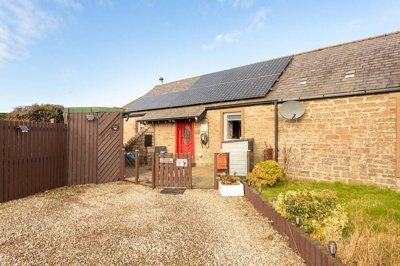
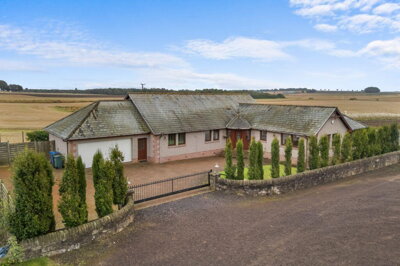
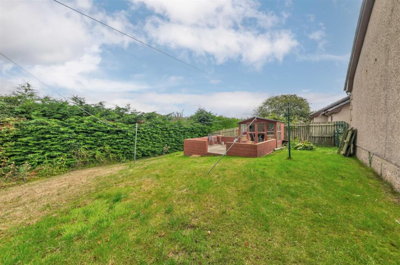
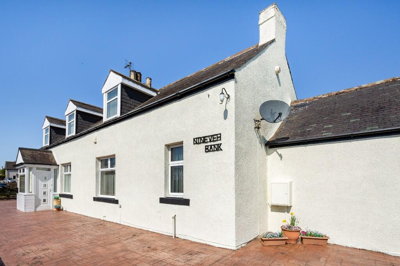
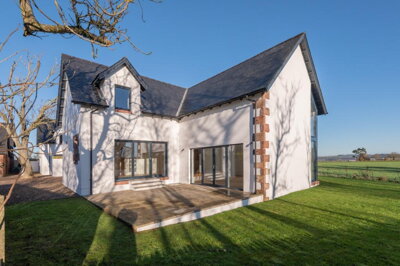
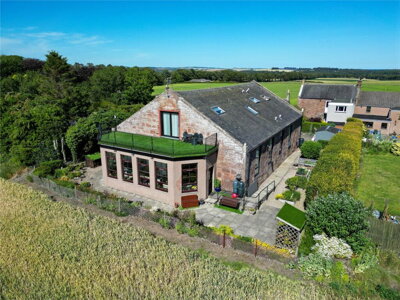
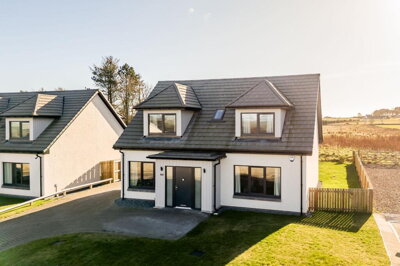
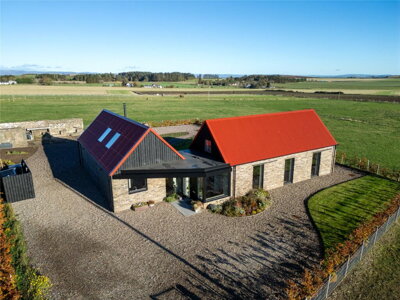
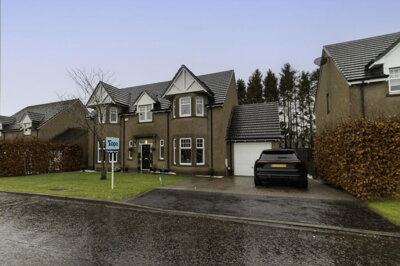
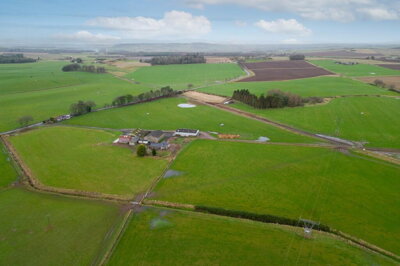
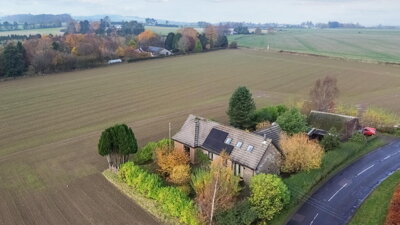
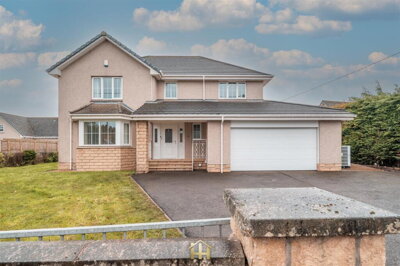
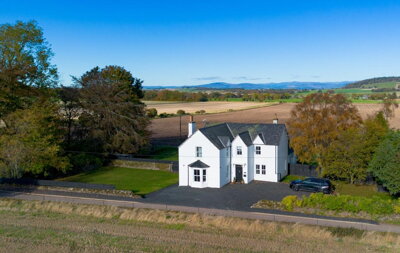
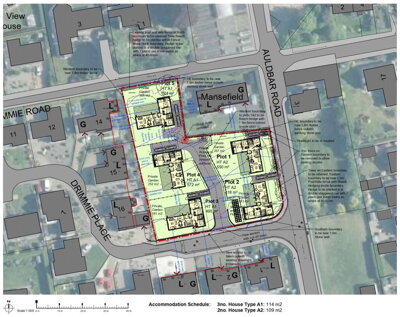
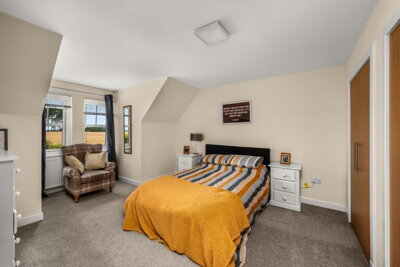
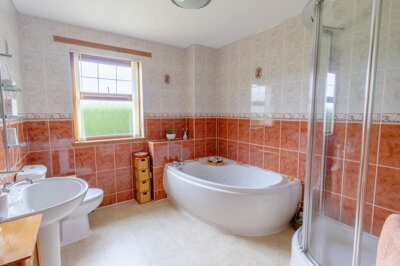
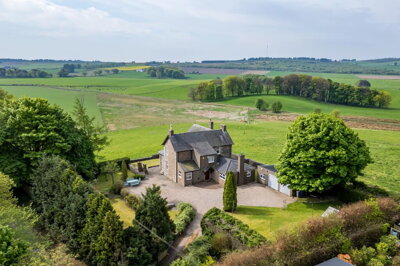
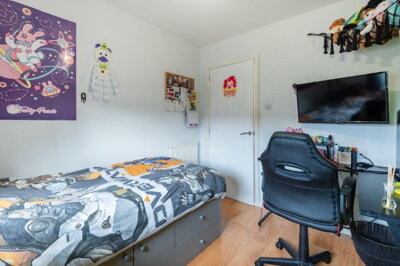
Browse 19 homes for sale in Letham & District from local estate agents.
The Charlton property market presents a diverse range of housing types that reflect the village's evolution from a traditional agricultural settlement to a sought-after residential location. Detached properties dominate the local housing stock, representing nearly half of all homes according to census data, and these command premium prices averaging around £562,500 based on recent sales. Semi-detached properties offer more accessible entry points at approximately £345,000, while terraced homes can be found from £170,000, providing options for first-time buyers and those with smaller budgets.
Price data from multiple sources indicates some variation in average values, with Rightmove reporting around £410,000 and Zoopla showing slightly higher figures of approximately £666,357 for completed sales. This spread reflects differences in property types sold during different periods and the mix of homes changing hands. The 11.2% market adjustment seen over the past year has brought values closer to the 2021 peak of £411,182, suggesting that buyers may find better value relative to recent years. The high proportion of properties owned outright in Charlton indicates a settled community with residents who have established roots in the area, and this stability contributes to the village's enduring appeal.
New build activity in Charlton itself appears limited, with no major developments currently advertised within the village boundary. Buyers seeking modern homes may need to explore neighbouring villages in the Wychavon district or consider properties that have been recently modernised. The absence of extensive new build stock means that character properties, including those with period features, form a significant part of the available housing stock. For buyers prioritising character and authenticity over modern conveniences, Charlton's older properties offer the opportunity to own a piece of Worcestershire's rural heritage. Working with local estate agents who understand the nuances of the village market can help identify properties that meet specific requirements.

Life in Charlton, Wychavon, embodies the essence of English countryside living, where community spirit thrives and the pace of life allows residents to appreciate their surroundings. The village is characterised by its tranquil setting, with properties interspersed among green spaces and agricultural land that define the Worcestershire landscape. Residents describe themselves through lifestyle categories including Country Living, Rural Reality, and Prestige Positions, indicating a population that values both the practicalities and pleasures of rural existence. The village attracts individuals and families who prioritise quality of life over urban conveniences.
The demographic profile of Charlton reveals a community of well-established homeowners with higher rates of self-employment than many comparable areas. Car ownership is notably high, reflecting the necessity of private transport in rural locations where public transport options may be limited. This characteristic shapes daily life in the village, with residents accustomed to driving to nearby towns for shopping, healthcare, and entertainment. The self-sufficiency of many households contributes to a resilient local economy and a community that supports local businesses and services where possible.
Community facilities in Charlton typically include a village hall, local pub, and perhaps a church, providing focal points for social interaction and events. The surrounding Worcestershire countryside offers extensive walking and cycling opportunities, with footpaths crossing farmland and connecting to neighbouring villages. The proximity to the River Avon and the Malvern Hills provides additional recreational options for outdoor enthusiasts. For families, the village environment offers children space to play and explore safely, while the strong community bonds provide support networks that urban areas often lack.
The village's position within easy reach of market towns including Evesham, Pershore, and Droitwich Spa means that access to supermarkets, medical centres, and specialist shops remains practical for regular needs. Many residents combine the benefits of village life with the conveniences offered by these nearby towns, creating a balanced lifestyle that does not require compromises on either front.

Families considering a move to Charlton will find a range of educational options available within the Wychavon district and wider Worcestershire. Primary education is typically provided through village schools in the surrounding area, with several rated Good or Outstanding by Ofsted inspectors. Parents should research specific school performance data and consider catchment area boundaries when selecting properties, as school places are allocated based on proximity. The village's small population means that some primary schools may have limited capacity, making early application advisable for families with young children.
Primary schools in the neighbouring villages serve Charlton families, with options including schools in Cropthorne, Fladbury, and the surrounding area. These village primary schools typically cater to smaller cohorts, allowing for more individual attention and strong community connections between staff, pupils, and families. Journey times from Charlton to these primary schools vary depending on the specific property location and the school selected, and parents should factor school transport arrangements into their property search criteria.
Secondary education options in the area include comprehensive schools and grammar schools, with Wychavon benefiting from access to schools in Evesham, Pershore, and Droitwich Spa. Secondary school performance in Worcestershire varies, and parents should review individual school results and Ofsted ratings when making relocation decisions. Some families opt for independent schooling, with options available in Worcester and surrounding towns. The proximity to Worcester, approximately 15 miles distant, provides access to additional educational institutions including the University of Worcester for higher education.
For families with children requiring before and after-school care, arrangements may involve travel to schools in neighbouring villages, and this should be factored into daily routines and transportation planning. The rural location means that school transport arrangements are important considerations, with Worcestershire County Council providing transport assistance for children living beyond specified distances from their allocated school. Prospective buyers with school-age children should confirm current arrangements and consider the practical implications of school runs when evaluating properties at different distances from educational facilities.
Transport connectivity from Charlton reflects the reality of rural Worcestershire living, where private car ownership is essential for most residents. The village sits within reasonable distance of major road networks, including the A44 and A46, providing routes to Worcester, Evesham, and Stratford-upon-Avon. The M5 motorway is accessible within approximately 20 miles, connecting residents to Birmingham, Bristol, and the national motorway network. For commuters working in larger cities, the village offers a base from which to travel while enjoying countryside living during non-working hours.
The A44 passes through nearby Evesham and provides a direct route towards Oxford, while the A46 offers connections to Tewkesbury and the M5 junction. Traffic volumes on these routes are generally lighter than motorway driving, though rush hour delays can occur near market towns during busy periods. Many Charlton residents find that driving to work is preferable to relying on public transport, particularly given the frequency of services available from rural stations in the area.
Rail services in the area are accessed through stations in Evesham, Pershore, or Worcester, which provide connections to major destinations including Birmingham, London Paddington, and Oxford. Journey times to Birmingham from Worcester take approximately 45 minutes by train, while London can be reached in around two hours from Worcester Parkway or Shrub Hill stations. These rail connections make Charlton viable for professionals who need to commute to larger employment centres while maintaining a rural lifestyle. Advance planning of train times is advisable, as service frequencies may be limited compared to urban areas.
Bus services operate in the surrounding area, connecting Charlton with neighbouring villages and market towns, though frequencies are typically reduced compared to urban routes. Residents without access to private vehicles should carefully review bus timetables and consider whether service patterns meet their daily requirements. Cycling is popular for local journeys, with the relatively flat Worcestershire countryside providing favourable conditions for cyclists. For those working from home, which is increasingly common given the high rate of self-employment in Charlton, transport considerations may be less critical, and the village's connectivity for broadband becomes more important.
Begin by exploring current property listings in Charlton and comparing prices against recent sales data. Understanding that average prices hover around the £468,000 mark helps set realistic expectations and identify properties that represent good value within the current market conditions. Register with multiple estate agent portals and set up alerts for new listings, as desirable properties in this sought-after village can sell quickly.
Before viewing properties, obtain a mortgage agreement in principle from a lender. This demonstrates your financial readiness to estate agents and sellers, strengthening your position when making offers on homes in this competitive village market. Having this documentation ready shows sellers that you are a serious buyer capable of proceeding swiftly once your offer is accepted.
Visit multiple properties in Charlton to understand the range of housing available. Consider factors such as property condition, garden size, and proximity to village amenities when evaluating different homes. Take notes and photographs during viewings to help compare properties later, and don't hesitate to revisit properties that particularly appeal to you.
Commission a RICS Level 2 survey before proceeding with your purchase. Given that Charlton's housing stock includes many established properties, a thorough survey can identify any structural issues or maintenance requirements that might affect your decision. The survey will assess the property's condition, highlight any defects, and provide guidance on repairs and maintenance.
Once your offer is accepted, instruct a solicitor to handle the legal aspects of your purchase. Local property solicitors familiar with Worcestershire transactions can efficiently manage searches and contracts. Your solicitor will conduct local authority searches, drainage searches, and handle the contract exchange process on your behalf.
Finalise your mortgage, complete property searches, and proceed to exchange contracts. On completion day, you will receive the keys to your new Charlton home and can begin settling into village life. Ensure that buildings insurance is in place from the completion date, and arrange for mail forwarding from your previous address.
Buying a property in Charlton requires careful consideration of factors specific to rural Worcestershire living. Properties in the village span various ages and styles, from traditional stone cottages to more recent detached family homes. When viewing properties, pay attention to the condition of outbuildings, boundary treatments, and any signs of settlement or structural movement. The high proportion of older properties means that maintenance requirements may be higher than for modern homes, and this should be reflected in your budget calculations.
Flood risk assessment is advisable for any property in the Wychavon area, given the proximity to the River Avon and its tributaries. While no specific flood risk data was identified for Charlton itself, properties near watercourses or in low-lying areas warrant careful evaluation. Consider requesting a flood risk search as part of your conveyancing process, and factor any necessary flood resilience measures into your property purchase decision. Buildings insurance costs may vary based on flood risk assessments, and insurers may have specific requirements for properties in flood-prone areas.
Properties in Charlton may include features such as oil-fired central heating, private drainage systems, and off-street parking arrangements that differ from urban homes. These characteristics affect running costs and maintenance responsibilities, so understanding the systems in place is important before completing your purchase. Some properties may have shared driveways or rights of way that affect use and enjoyment of the land. A thorough property survey will help identify any issues with these rural-specific features and ensure you understand your responsibilities as a new owner.
When viewing properties, consider the orientation of gardens and outdoor spaces, as these contribute significantly to quality of life in a village setting. Many buyers prioritise south-facing gardens for maximum sunlight exposure, while proximity to village amenities and footpaths may also influence your decision. The village's position within the wider Worcestershire countryside means that views across farmland and open fields can enhance property values, particularly for homes with uninterrupted outlooks.
The average house price in Charlton, Wychavon, stands at approximately £468,000 as of January 2026. This figure represents a market adjustment of 11.2% over the previous twelve months. Detached properties typically sell for around £562,500, while semi-detached homes average £345,000 and terraced properties from £170,000. The variation in reported averages across different sources reflects differences in property types sold and data collection periods, so buyers should compare specific properties against comparable recent sales rather than relying solely on headline averages.
Properties in Charlton fall under Wychavon District Council, which sets council tax bands based on property values assessed in 1991. Most detached family homes in the village fall into bands D through F, while smaller cottages and terraced properties may be in bands B or C. Prospective buyers should check individual property listings for specific band information and estimated annual charges, as council tax represents an ongoing cost that should be factored into the overall household budget.
Charlton itself has limited schooling facilities, with primary education typically provided in neighbouring villages. Schools in the surrounding Wychavon area have received Good and Outstanding Ofsted ratings, though parents should research individual school performance data and consider catchment boundaries when selecting a property. Secondary options include schools in Evesham, Pershore, and Droitwich Spa, with Worcester providing additional educational opportunities approximately 15 miles away. The journey time to secondary schools will vary depending on the specific property location and chosen school, and parents should factor school transport arrangements into their decision-making process.
Public transport connectivity in Charlton reflects its rural location, with limited bus services connecting the village to nearby towns and villages. The nearest railway stations are in Evesham, Pershore, or Worcester, providing rail services to Birmingham and London. Most residents rely on private car ownership for daily transport needs, and this high car dependency is reflected in the demographic profile of the village. For buyers accustomed to urban public transport, the rural transport situation represents a significant lifestyle adjustment that should be carefully considered.
Charlton offers appeal for buyers seeking rural lifestyle properties, with strong community bonds and desirable village characteristics. The local market has experienced price adjustments, potentially creating entry opportunities for buyers. The high proportion of owner-occupiers and the prosperity indicated by resident lifestyle categories suggest stable demand for quality homes in the area. As with any property investment, buyers should consider their long-term plans and local market conditions carefully, and seek professional advice before committing to a purchase.
Stamp Duty Land Tax for properties in England is calculated based on purchase price. For residential purchases up to £250,000, no SDLT is payable. From £250,001 to £925,000, the rate is 5%. Properties priced between £925,001 and £1.5 million attract 10%, with 12% above £1.5 million. First-time buyers purchasing properties up to £625,000 pay 0% on the first £425,000, then 5% on the remainder. At average Charlton prices of £468,000, a standard buyer would pay approximately £10,900 in SDLT, while first-time buyers would pay around £2,150.
Life in Charlton suits those who appreciate countryside living and community atmosphere. The village has approximately 565 residents and high car ownership, with most households owning multiple vehicles. Self-employment rates are above average, and many residents work from home or commute to nearby towns. Daily necessities require travel to larger villages or towns, making private transport essential rather than optional. The village offers a peaceful environment with strong community bonds, but buyers should ensure that the rural lifestyle and limited local amenities align with their expectations and requirements.
From £350
RICS Level 2 Survey for Charlton homes
From £500
Comprehensive RICS Level 3 Survey for Charlton
From £499
Solicitors for Charlton property purchases
From 4.5% APRC
Find competitive mortgage rates for Charlton
Understanding the costs involved in purchasing property in Charlton helps buyers budget accurately and avoid surprises during the transaction process. The Stamp Duty Land Tax (SDLT) represents a significant upfront cost, and current thresholds place most Charlton properties within the 5% band. For a typical home at the village average of £468,000, a standard buyer would calculate SDLT on £218,000 above the £250,000 nil-rate threshold, resulting in a charge of approximately £10,900. First-time buyers benefit from increased thresholds, paying only 5% on £43,000 above their £425,000 nil-rate band, reducing the SDLT to around £2,150.
Beyond SDLT, buyers should budget for solicitor conveyancing fees typically ranging from £500 to £1,500 depending on complexity and property value. Search fees, typically £200 to £400, cover local authority, drainage, and environmental searches specific to Worcestershire. Survey costs vary based on property type and inspection level, with a RICS Level 2 survey starting from around £350 for a standard property. Mortgage arrangement fees, often 0% to 1% of the loan amount, should be factored into the overall cost comparison when selecting a lender.
Additional costs include removal expenses, which can range from £500 for a small move to several thousand pounds for a full household relocation. Buildings insurance must be in place from completion day, while contents insurance should be arranged shortly after moving in. For rural properties like those in Charlton, buyers should verify that insurance premiums reflect the property type, age, and any flood risk assessment. Setting aside a contingency fund equivalent to 10% of purchase price covers unexpected costs and ensures a smooth transition to your new Worcestershire home.
Other costs to budget for include land registry fees, which are typically around £200 to £500 depending on property price, and teleport fees if you are moving from overseas. Property surveys are particularly important for Charlton's older housing stock, as the condition of period properties can vary significantly. Investing in a thorough survey can save money in the long run by identifying issues before completion that might otherwise result in costly repairs after moving in.
Properties for Sale In London

Properties for Sale In Plymouth

Properties for Sale In Liverpool

Properties for Sale In Glasgow

Properties for Sale In Sheffield

Properties for Sale In Edinburgh

Properties for Sale In Coventry

Properties for Sale In Bradford

Properties for Sale In Manchester

Properties for Sale In Birmingham

Properties for Sale In Bristol

Properties for Sale In Oxford

Properties for Sale In Leicester

Properties for Sale In Newcastle

Properties for Sale In Leeds

Properties for Sale In Southampton

Properties for Sale In Cardiff

Properties for Sale In Nottingham

Properties for Sale In Norwich

Properties for Sale In Brighton

Properties for Sale In Derby

Properties for Sale In Portsmouth

Properties for Sale In Northampton

Properties for Sale In Milton Keynes

Properties for Sale In Bournemouth

Properties for Sale In Bolton

Properties for Sale In Swansea

Properties for Sale In Swindon

Properties for Sale In Peterborough

Properties for Sale In Wolverhampton

Enter your details to see if this property is within your budget.
Loans, cards, car finance
Estimated property budget
Borrowing + deposit
You could borrow between
Typical borrowing
Monthly repayment
Est. at 4.5%
Loan-to-value
This is an estimate only. Your actual budget may vary depending on interest rates, credit history, and personal circumstances. For an accurate affordability assessment, speak to one of our free mortgage advisors.
This calculator provides estimates for illustrative purposes only and does not constitute financial advice. Your home may be repossessed if you do not keep up repayments on your mortgage. Estimates based on 4.5% interest rate, repayment mortgage. Actual rates depend on your circumstances.
Homemove is a trading name of HM Haus Group Ltd (Company No. 13873779, registered in England & Wales). Homemove Mortgages Ltd (Company No. 15947693) is an Appointed Representative of TMG Direct Limited, trading as TMG Mortgage Network, which is authorised and regulated by the Financial Conduct Authority (FRN 786245). Homemove Mortgages Ltd is entered on the FCA Register as an Appointed Representative (FRN 1022429). You can check registrations at NewRegister or by calling 0800 111 6768.

We use cookies to show you personalised content and improve your experience of our website. Find out more in our Privacy policy and Cookie policy.