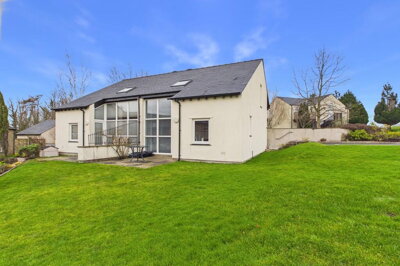
Browse 1 home for sale in Leck, Lancaster from local estate agents.
The 2 bed house market features detached, semi-detached, and terraced properties with two separate bedrooms plus living spaces. Properties in Leck range from Victorian and Edwardian period homes to modern new builds, with pricing varying across different neighbourhoods.
£0k
0
0
0
Source: home.co.uk
Showing 0 results for 2 Bedroom Houses for sale in Leck, Lancaster.
The Leck property market reflects its status as a small, desirable rural village in the Lune Valley. Our data shows that properties in Leck and the surrounding LA6 postcode area have demonstrated steady long-term growth, with prices in postcode LA6 2HZ increasing by 34.5% over the past decade. This trend underscores the enduring appeal of rural Lancashire villages among buyers seeking character properties away from urban centres while maintaining access to essential amenities. The LA6 postcode area encompasses several villages beyond Leck itself, including Whittington, Kirkby Lonsdale, and parts of the Ingleton area, each contributing to the broader market dynamics.
Property types available in Leck are predominantly traditional rural homes reflecting the area's agricultural heritage. Detached properties command significant premiums, with median sale prices reaching £1,500,000 in 2023 based on three recorded sales, including a substantial residence on Woodman Lane. Semi-detached properties offer more accessible entry points, with recent sales around £361,500 for properties on Low Lane. The village's heritage is evident in its housing stock, with 21 listed buildings scattered throughout the parish, including the notable Leck Hall (Grade II listed, constructed in 1811) and numerous historic farmhouses and associated structures. Flats and terraced properties remain rare in this predominantly agricultural community.
New build activity within Leck itself is essentially non-existent, as the village maintains its historic character through careful planning considerations. The broader LA6 postcode area does see occasional new development in nearby villages such as Whittington, where the Whittington Farm development offers opportunities within the local market. For buyers specifically seeking new construction, expanding searches to these neighbouring communities may yield options while still benefiting from the Leck area lifestyle. The Lancaster district planning authority maintains strict control over development in rural villages like Leck, preserving the character that makes the area so appealing to buyers in the first instance.

Leck embodies the essence of rural Lancashire living at its most authentic. Set within the Lune Valley, the village sits amid working farmland and traditional agricultural landscapes characterised by the drystone walls and hedgerows that define the region. The population of 234 residents creates an intimate community atmosphere where local events, parish meetings, and agricultural traditions continue to hold significance. The mean age of 44.3 years suggests a balanced demographic mix of families, couples, and individuals drawn to the quality of life the village offers. This demographic balance reflects the appeal of Leck across different life stages, from young families seeking a safe environment to retirees looking for a peaceful countryside location.
The village's architectural heritage forms the backdrop to daily life, with sandstone buildings featuring prominently throughout the parish. The Grade II listed Leck Hall stands as the area's Georgian heritage landmark, constructed in 1811 by John Webb and standing as the area's historical significance. Scattered farmhouses and cottages showcase the traditional building techniques using local materials, with Lancashire's characteristic durable building stones, including sandstones and limestones, much in evidence. These materials are paired with practical slate roofing that has protected these structures through generations of variable British weather. The solid masonry construction using local sandstone provides these properties with excellent thermal mass, though modern insulation upgrades may be required to achieve contemporary energy efficiency standards.
Beyond the village itself, residents enjoy access to some of England's most celebrated landscapes. The Yorkshire Dales National Park lies to the northeast, while the Lake District National Park is within comfortable driving distance to the north and west. This positioning offers exceptional opportunities for outdoor recreation, including walking, cycling, and exploring the natural beauty that draws visitors to this corner of Lancashire year-round. The nearby market town of Kirkby Lonsdale, straddling the Lancashire-Cumbria border, provides essential shopping, dining, and services for Leck residents. The A65 trunk road connects Leck to these destinations, making the village well-positioned for exploring the region while maintaining its peaceful character.

Properties in Leck showcase the traditional building methods that have characterised rural Lancashire for centuries. The predominant construction material is local sandstone, quarried from the geological formations that underlie the Lune Valley. This durable stone has been used for centuries in the area, evidenced by Leck Hall (1811) and the numerous listed farmhouses and cottages scattered throughout the parish. The sandstone typically displays the warm, buff colours characteristic of Lancashire building stone, with variations depending on the specific geological layer from which it was extracted. Traditional lime mortar was used throughout, which allows the walls to breathe and accommodates slight movement in the structure without cracking.
Slate roofing predominates across Leck's housing stock, imported primarily from the Lake District or Welsh quarries during the Victorian and Edwardian periods. These roofs are typically steep-pitched to shed the significant rainfall experienced in this part of Lancashire. The combination of sandstone walls and slate roofs creates the distinctive appearance that defines the village's character. However, these traditional roofs often require ongoing maintenance, with individual slates needing replacement over time. Prospective buyers should commission thorough inspections of roof conditions, as re-roofing using traditional materials can be expensive in conservation contexts.
The geology of the Leck area presents relatively low shrink-swell risk compared to other parts of Britain, as the Lancashire clay deposits are generally older and more hardened than those found in south-eastern England. However, localised ground conditions can vary, and properties near watercourses or on sloping ground warrant careful investigation. The presence of Leck Beck and other watercourses through the parish means that some properties may be subject to ground water variations. Our team always recommends a thorough survey for any property purchase in Leck, given the age of much of the housing stock and the importance of understanding any historical maintenance or structural issues.
Families considering relocation to Leck will find educational provision centred on the surrounding area, with primary schools serving the rural communities of the Lune Valley and nearby settlements. The village's small population means that local primary education is typically accessed in neighbouring villages and towns, with school transport arrangements supporting families across this dispersed rural area. Parents are advised to research individual school catchments and admission arrangements when planning a move, as availability can vary significantly depending on specific location within the parish. The rural nature of Leck means that primary school journeys may involve travel along country lanes, and parents should factor these transport arrangements into their property search.
Secondary education options for Leck residents include schools in the wider Lancaster district, with secondary schools in Kirkby Lonsdale and Lancaster city providing GCSE and A-level programmes. The Lancaster district benefits from a strong educational presence due to Lancaster University and the University of Cumbria's Lancaster campus, contributing to a broader culture of learning that influences the area. Sixth form provision and further education colleges in Lancaster offer comprehensive post-16 pathways for students pursuing vocational or academic qualifications. The proximity to two universities also means that Lancaster offers extensive adult education and continuing professional development opportunities for residents seeking to enhance their skills.
For families prioritising educational excellence, researching Ofsted ratings and performance data for schools across the Lancaster and South Lakeland districts is essential. School transport routes and journey times should factor into property selection decisions, particularly given the rural nature of Leck and the distances involved in reaching some secondary schools. Private and independent school options exist in the region for families seeking alternative educational approaches, with several well-established institutions within reasonable driving distance of the village. The Settlebeck School in Sedbergh and Dallam School in Milnthorpe are examples of nearby options that serve the rural communities of the Lune Valley and surrounding areas.
Transport connectivity from Leck reflects its rural character, with residents typically relying on private vehicles as the primary means of transportation. The village sits near the A65 trunk road, which provides the main arterial route connecting the Lune Valley to Lancaster to the south and the Lake District to the northwest. This road passes through Kirkby Lonsdale, offering access to further connections including the M6 motorway at junction 36 near Kendal. Journey times by car to Lancaster city take approximately 30-40 minutes under normal traffic conditions, while reaching the M6 motorway network requires around 20-25 minutes. The A65 itself is a well-maintained single-carriageway road, though sections through Kirkby Lonsdale can experience congestion during peak tourist season.
Public transport options serving Leck are limited, consistent with the pattern experienced across rural Lancashire villages. Bus services connecting Leck to neighbouring towns operate on reduced frequencies compared to urban routes, making private vehicle ownership practically essential for most residents. The 80 bus service provides a link between Lancaster and Kirkby Lonsdale, passing through the Lune Valley villages including Leck, though frequencies are typically two or three services per day on weekdays with reduced weekend provision. For those commuting to larger employment centres, the train stations at Lancaster provide connections to major cities including Manchester, Leeds, and London. Lancaster station offers direct services to London Euston with journey times of approximately two and a half hours, supporting occasional office attendance for remote workers.
Cycling infrastructure in the area includes scenic routes through the Lune Valley and connections to the broader Lancashire cycling network. The rural lanes surrounding Leck are popular with recreational cyclists, though the hilly terrain requires a reasonable fitness level. Routes towards Kirkby Lonsdale and into the Howgill Fells offer challenging but rewarding cycling experiences. Walking opportunities abound, with footpaths crossing farmland and connecting to longer-distance trails including the Pennine Journey and routes into the Yorkshire Dales. For residents working from home, superfast broadband availability should be verified for specific properties, as rural broadband speeds can vary considerably across the parish and can significantly impact the viability of remote working arrangements.
Before arranging viewings, explore current listings across multiple property portals and familiarise yourself with the LA6 postcode area market. Understanding local price trends, including the premium commanded by detached properties and listed buildings, will help you set realistic expectations and identify properties that represent genuine value. Given the small number of annual transactions in this rural village, market research should extend to comparable villages in the Lune Valley to build a comprehensive picture of value.
Contact lenders or mortgage brokers to secure an agreement in principle before beginning property viewings. Given the higher property values typical in Leck, particularly for detached homes which have achieved £1,500,000 in recent sales, having your financing arranged demonstrates seriousness to sellers and streamlines the formal mortgage application process once you find your ideal property. Specialist rural mortgage brokers may have access to products suited to traditional and listed properties that high street lenders do not offer.
View multiple properties across different seasons if possible, as the rural character of Leck transforms throughout the year. Pay attention to the condition of sandstone walls, slate roofs, and grounds, as older properties often require ongoing maintenance. For listed buildings, factor in the additional responsibilities and potential restrictions associated with Grade II designations. Properties at various locations throughout the parish, from Low Lane to properties near Leck Hall, will offer different characters and considerations.
Before completing your purchase, arrange a comprehensive RICS Level 2 Survey (Homebuyer Report) to assess the property condition. Given Leck's older housing stock and prevalence of traditional construction, surveys typically cost between £400 and £800 depending on property value and accessibility. For Grade II listed properties or those predating 1900, consider whether a more detailed RICS Level 3 Building Survey would be more appropriate, as the additional investigation time and specialist expertise can identify issues specific to traditional construction that a standard survey might miss.
Appoint a solicitor experienced in rural Lancashire property transactions to handle the legal aspects of your purchase. Your solicitor will conduct searches including local authority checks, drainage and water searches, and mining records if applicable, given Lancashire's industrial heritage. Exchange and completion typically proceed over several weeks once all enquiries are resolved. For properties near watercourses, additional drainage and flood risk searches are essential.
Purchasing property in Leck requires attention to several area-specific considerations that distinguish this rural village market from urban property transactions. The prevalence of traditional sandstone construction and slate roofing demands careful inspection for signs of weathering, structural movement, and historical maintenance. Properties in Leck, particularly the numerous listed buildings, may have been maintained using traditional techniques that differ from modern building standards, and this context should inform both survey assessments and renovation plans. Pointing deterioration is a common issue in older sandstone properties, where lime mortar may have been replaced with cement mortars that trap moisture within the wall structure.
Flood risk assessment is essential for any Leck property purchase. The village sits within the River Lune catchment, with Leck Beck flowing through the parish and presenting potential flood risks to isolated properties, farms, and local roads. Some properties along Low Lane and near the village centre may be closer to watercourses than appears immediately obvious, and historical flooding incidents should be investigated during conveyancing. Prospective buyers should consult the GOV.UK long-term flood risk mapping service and specifically enquire about any historical flooding incidents during the conveyancing process. Properties near watercourses or in low-lying positions warrant particularly thorough investigation, including review of any flood resilience measures the current owners may have implemented.
The concentration of Grade II listed buildings throughout Leck introduces specific considerations for prospective purchasers. Listed status provides legal protection requiring Listed Building Consent for most alterations, extensions, or significant external changes. This applies to properties throughout the parish, including those near Leck Hall and along the established historic farm lanes. Buyers should budget for potential additional costs when purchasing listed properties, as specialist surveys, conservation-appropriate materials, and heritage contractors typically command premium rates. However, these restrictions also help preserve the village's distinctive character and can protect property values over time. Properties in Leck that benefit from listed status often include features such as exposed beams, original fireplaces, and traditional joinery that would be prohibitively expensive to install in a modern property.
The median sale price in Leck was £361,500 based on 2024 data, though this figure reflects a limited sample of recent transactions with only one recorded sale that year. Detached properties command significantly higher prices, with median values around £1,500,000 recorded in 2023 based on three sales. Properties in the wider LA6 postcode area have shown consistent long-term growth, with prices increasing by approximately 34.5% over the past decade. Buyers should note that the small number of annual sales in this rural village means individual transactions can significantly influence average figures, making comprehensive market research essential before setting expectations.
Properties in Leck fall under Lancaster City Council's jurisdiction for council tax purposes, with the council providing services to the village from the civic offices in Lancaster. Specific band allocations vary by property depending on the assessed value under the 1991 valuation, with Band A representing the lowest valuations and Band H the highest. Prospective buyers should check individual property council tax bands via the Valuation Office Agency website or request this information during the conveyancing process. Lancaster City Council sets annual council tax rates based on the band's share of the council tax requirement, and residents of Leck also contribute to Lancashire County Council and police authority charges through their council tax payments.
Primary education in the Leck area is provided through village schools in surrounding communities, with specific provision depending on exact location within the parish and school admission arrangements. The nearest primary schools are located in neighbouring villages, with the catchment school determined by the specific location of your property within the LA6 postcode area. Secondary schools in Kirkby Lonsdale and Lancaster serve the wider area, with the Lancaster district benefiting from strong educational provision influenced by two universities. Parents should research individual school Ofsted ratings and consider transport arrangements when evaluating properties, as school transport routes and journey times vary considerably across this rural area.
Public transport connectivity from Leck is limited, reflecting the patterns typical of rural Lancashire villages. Bus services operate between Leck and nearby towns including Kirkby Lonsdale, with the 80 service providing the main link to Lancaster, though frequencies are considerably reduced compared to urban routes with typically only two or three services on weekdays. The nearest train stations are in Lancaster, providing connections to Manchester, Leeds, and London, with direct services to London Euston taking approximately two and a half hours. Residents typically rely on private vehicles for daily transportation, and car ownership is practically essential for most households given the rural nature of the village and the distances involved in accessing amenities and services.
Leck offers potential for property investment, though buyers should understand the specific dynamics of this small rural village market. The long-term price growth in the LA6 postcode area, with values increasing by 34.5% over ten years, suggests underlying demand for rural properties in the Lune Valley. Limited supply due to the village's small size and conservation characteristics can support prices, while the proximity to the Yorkshire Dales and Lake District maintains appeal among buyers seeking rural lifestyles. However, rental demand in Leck is likely modest given the small population of approximately 234 residents, and properties may experience longer void periods between tenants compared to urban markets. Investors should carefully assess their objectives and consider the practicalities of managing a rental property in a remote rural location.
Stamp Duty Land Tax (SDLT) rates from April 2024 apply to all property purchases in England, including Leck. For residential purchases, there is no SDLT on the first £250,000 of the purchase price, 5% on the portion from £250,001 to £925,000, and 10% on the portion from £925,001 to £1,500,000. First-time buyers may benefit from increased thresholds, paying no SDLT on the first £425,000 and 5% on the portion from £425,001 to £625,000, provided all purchasers are first-time buyers and the property is not valued above £625,000. Given the median property prices in Leck around £361,500, most purchases would attract some SDLT liability, though first-time buyers purchasing at median price levels would typically fall below the higher threshold.
Properties in Leck are predominantly traditional sandstone constructions with slate roofs, and as such, common defects include weathering and deterioration of the pointing to sandstone walls, individual slate tile damage or displacement, and signs of penetrating or rising damp in structures predating modern damp-proof courses. The age of much of the housing stock, including 21 listed buildings throughout the parish, means that electrical and plumbing systems may require updating to meet modern standards. Timber decay including woodworm and wet or dry rot can affect structural elements where ventilation is poor or dampness has been long-standing. A thorough RICS Level 2 Survey will identify these issues before you commit to a purchase, allowing you to factor remediation costs into your decision.
Leck is located within the River Lune catchment, with Leck Beck flowing through the parish and presenting potential flood risks to isolated properties, farms, and local roads. Some isolated properties and farms within the parish are shown to be at flood risk from the River Lune and its tributaries according to GOV.UK flood risk mapping. Properties situated near watercourses or in low-lying positions within the village should be subject to thorough investigation during the conveyancing process, including enquiries about historical flooding incidents. Lancashire County Council, as Lead Local Flood Authority, maintains records of local flood incidents and any flood alleviation schemes in the area. Prospective buyers should request a specific drainage and flood risk search during conveyancing.
From 3.89%
Compare rates from leading lenders for your Leck property purchase
From £499
Expert solicitors for your Leck property transaction
From £400
Comprehensive homebuyer report for traditional Leck properties
From £80
Energy performance certificate for your Leck property
Properties for Sale In London

Properties for Sale In Plymouth

Properties for Sale In Liverpool

Properties for Sale In Glasgow

Properties for Sale In Sheffield

Properties for Sale In Edinburgh

Properties for Sale In Coventry

Properties for Sale In Bradford

Properties for Sale In Manchester

Properties for Sale In Birmingham

Properties for Sale In Bristol

Properties for Sale In Oxford

Properties for Sale In Leicester

Properties for Sale In Newcastle

Properties for Sale In Leeds

Properties for Sale In Southampton

Properties for Sale In Cardiff

Properties for Sale In Nottingham

Properties for Sale In Norwich

Properties for Sale In Brighton

Properties for Sale In Derby

Properties for Sale In Portsmouth

Properties for Sale In Northampton

Properties for Sale In Milton Keynes

Properties for Sale In Bournemouth

Properties for Sale In Bolton

Properties for Sale In Swansea

Properties for Sale In Swindon

Properties for Sale In Peterborough

Properties for Sale In Wolverhampton

Enter your details to see if this property is within your budget.
Loans, cards, car finance
Estimated property budget
Borrowing + deposit
You could borrow between
Typical borrowing
Monthly repayment
Est. at 4.5%
Loan-to-value
This is an estimate only. Your actual budget may vary depending on interest rates, credit history, and personal circumstances. For an accurate affordability assessment, speak to one of our free mortgage advisors.
This calculator provides estimates for illustrative purposes only and does not constitute financial advice. Your home may be repossessed if you do not keep up repayments on your mortgage. Estimates based on 4.5% interest rate, repayment mortgage. Actual rates depend on your circumstances.
Homemove is a trading name of HM Haus Group Ltd (Company No. 13873779, registered in England & Wales). Homemove Mortgages Ltd (Company No. 15947693) is an Appointed Representative of TMG Direct Limited, trading as TMG Mortgage Network, which is authorised and regulated by the Financial Conduct Authority (FRN 786245). Homemove Mortgages Ltd is entered on the FCA Register as an Appointed Representative (FRN 1022429). You can check registrations at NewRegister or by calling 0800 111 6768.

We use cookies to show you personalised content and improve your experience of our website. Find out more in our Privacy policy and Cookie policy.