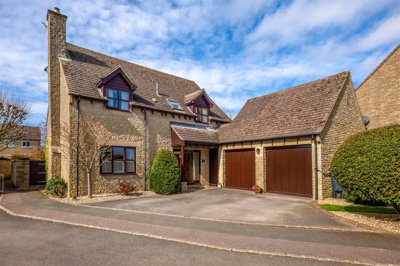
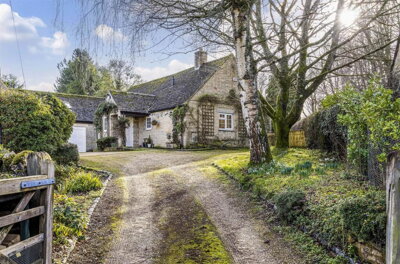
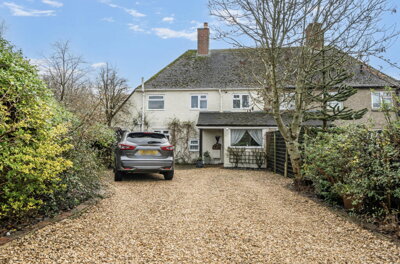
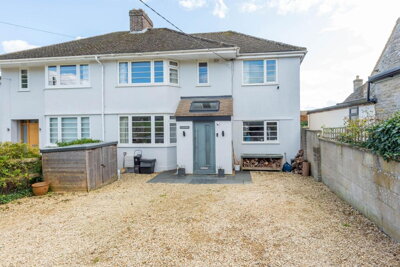
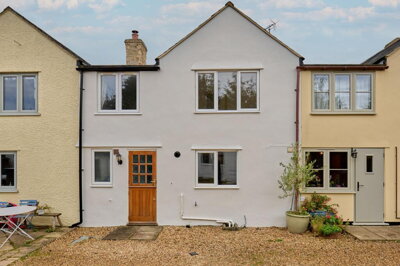
Browse 5 homes for sale in Leafield, West Oxfordshire from local estate agents.
The larger property sector typically features multiple bathrooms, substantial reception space, and private gardens or off-street parking. Four bedroom houses in Leafield span detached, semi-detached, and occasionally terraced configurations, with styles ranging from period properties to modern executive homes.
£668k
2
1
31
Source: home.co.uk
Showing 2 results for 4 Bedroom Houses for sale in Leafield, West Oxfordshire. 1 new listing added this week. The median asking price is £667,500.
Source: home.co.uk
Detached
1 listings
Avg £685,000
Semi-Detached
1 listings
Avg £650,000
Source: home.co.uk
Source: home.co.uk
£304,383
Average Property Price
104
Properties Sold (12 months)
14,354
Population (Ward)
6,051
Households (Ward)
The Oulton property market offers diverse options across all price brackets, from affordable terraced homes to spacious detached family houses. Currently, detached properties command the highest prices with an average of £458,542, reflecting the demand for generous living space and gardens in this desirable suburb. Semi-detached homes, which form the largest segment of housing stock at 39%, average £280,094, making them an accessible choice for families looking to upgrade from terraced properties. Terraced properties average £206,429, while flats remain the most affordable option at £137,500 on average.
New build activity is vibrant in Oulton, with two significant developments currently underway. The Avenue, developed by Harron Homes off Aberford Road, offers 3, 4, and 5-bedroom detached and semi-detached homes priced from £344,995 to £649,995. Meanwhile, Oulton Locks by Avant Homes presents 3 and 4-bedroom properties ranging from £309,995 to £499,995. Both developments are located in the LS26 8HN area, providing modern specifications and energy-efficient designs for buyers seeking new build properties in this established suburb.
Price trends over the past 12 months show a modest cooling in the market, with overall values declining by approximately 1.03%. Terraced properties experienced the largest decrease at 1.41%, while detached homes saw more resilient pricing with a 0.62% fall. Flats recorded a 1.82% decline. These figures suggest a buyer's market where negotiation may be possible, particularly for properties that have been listed for some time. However, well-priced homes in desirable locations continue to attract competitive interest from multiple buyers.
Oulton sits within the Oulton and Woodlesford ward, which has a population of approximately 14,354 residents across 6,051 households according to the 2021 Census. The area strikes a balance between residential calm and practical convenience, with local shops, pubs, and restaurants serving the community alongside regular bus connections to Leeds city centre. The ward benefits from several parks and green spaces, providing recreational opportunities for families and outdoor enthusiasts. Community events and traditional pubs reinforce the neighbourhood identity, making Oulton particularly suitable for families seeking an established suburban environment with good local services.
The character of Oulton reflects its historical origins as a village that grew around the Oulton Hall estate. The conservation area centred on Oulton Hall protects the historic core, featuring listed buildings and traditional architecture that give the neighbourhood its distinctive identity. Yorkshire stone and red brick are prevalent in older properties, while modern developments have introduced contemporary housing styles that complement the established streetscape. The area retains a strong sense of community despite its proximity to the larger town of Rothwell and the employment opportunities of Leeds.
Local amenities include supermarkets, convenience stores, and a range of independent businesses serving day-to-day needs. The nearby Rothwell and Glasshoughton areas offer additional shopping facilities and leisure options, including the Xscape complex for entertainment and retail therapy. For outdoor activities, the area is well-served by parks and green spaces, with the River Aire and its tributaries providing opportunities for riverside walks. Local pubs serve as community hubs, hosting events and providing traditional Yorkshire hospitality.

Families considering a move to Oulton will find a selection of primary and secondary schools within easy reach. The area falls within the catchment areas for several well-regarded schools serving the LS26 postcode and surrounding neighbourhoods. Primary schools in the Oulton and Woodlesford ward serve the local community, with secondary schools providing good GCSE and A-level provision in the wider area. Sixth form colleges are accessible for older students continuing their education beyond GCSE.
The property age data for the area indicates that 20.3% of homes were built before 1919, with substantial construction during the post-war period (1945-1964 at 21.0%) and the mid-century boom (1965-1982 at 17.6%). This mature housing stock often falls within catchment areas for established schools with good reputations. Given that approximately 70.9% of properties were built before 1983, many families in Oulton live in areas served by schools with long-standing relationships with the local community.
For families prioritising education, researching specific school performance, admissions criteria, and transport options from Oulton properties is essential before making an offer. School proximity can be a significant factor in achieving good resale values, particularly for family-sized homes near popular primary schools. Parents should review individual Ofsted ratings and performance data when planning their move, as school quality can significantly impact property values and family lifestyle choices in this commuter suburb.
Oulton enjoys excellent transport connections that make it attractive to commuters working in Leeds city centre and the wider West Yorkshire region. The village is well-served by road infrastructure, with the A642 providing direct access to Leeds and the M1 motorway accessible for regional travel. The M1 connects Leeds to Sheffield, Nottingham, and London, making Oulton suitable for professionals who need to travel further afield for work. Easy access to the M62 also provides connections to Manchester and Hull for those working in regional centres.
For rail travel, nearby Woodlesford station offers regular services to Leeds city centre with journey times of approximately 15-20 minutes. This makes daily commuting highly practical for city centre workers, reducing the need for costly city centre parking while maintaining excellent connectivity. The station also provides connections to Sheffield and other northern cities for those working in regional centres. Northern Rail and TransPennine Express services operate from Woodlesford, providing regular options for commuters.
Local bus services connect Oulton to Leeds, Rothwell, and surrounding areas, providing public transport options for those without cars. The area has adequate parking provision, with most residential properties benefiting from driveways or garages. Cycling infrastructure has improved in recent years, with cycle routes connecting Oulton to neighbouring areas and Leeds city centre for those preferring environmentally friendly commuting options. The Leeds Cycle Superhighway initiative has enhanced routes into the city for commuters.
Oulton falls within a historical coal mining area, which is an important consideration for prospective buyers. The underlying geology consists of Carboniferous rocks, including sandstone, mudstone, siltstone, and coal seams that have been extensively worked. Given this mining heritage, most conveyancing solicitors will recommend ordering a mining search (Con29M) as standard practice. This search identifies recorded mine entries, shafts, or workings that could affect ground stability and helps determine whether specialist insurance or further investigation is required.
While many former mines are long closed and serious incidents are uncommon, residual risks including ground instability from old workings or shafts can exist. Properties with original shallow foundations may be more susceptible to movement if historic mine workings collapse or flood. A mining report typically costs between £30 and £50, making it a modest expense that provides important protection for your investment. Your solicitor will typically include this as part of the standard search package for any Oulton property.
Properties with mature trees require particular attention given the clay content in the local soil. Tree roots can exacerbate clay shrinkage during dry periods, potentially affecting foundations. Signs of subsidence or foundation movement include cracking to walls, particularly diagonal cracks around door and window openings, floors that feel uneven underfoot, and doors or windows that stick or fail to close properly. A thorough survey can identify any signs of past or potential subsidence and help you understand any remedial works that may be required.
The geology of Oulton presents particular considerations for property buyers. The area is underlain by Carboniferous rocks with significant clay content in superficial deposits, creating a moderate to high shrink-swell risk. Clay soils expand when wet and contract during dry periods, which can cause foundation movement particularly in properties with shallower foundations. This is especially relevant for older properties, many of which were built before modern foundation standards were established.
Flood risk varies across Oulton, with areas adjacent to the River Aire and its tributaries, including Fleet Dyke which runs through the area, facing higher river flooding risk. Surface water flooding can also occur in low-lying areas during heavy rainfall when drainage systems are overwhelmed. Buyers should review Environment Agency flood maps and consider the property's flood history before purchasing. Properties in higher-risk flood zones may face higher insurance premiums, so factor this into your budget when comparing properties.
The conservation area around Oulton Hall also imposes planning restrictions on alterations and extensions to protect the historic character of the neighbourhood. Properties within this designated area require planning permission for certain works that might not need consent elsewhere. Listed buildings, of which there are several in the conservation area, require special consent from Leeds City Council for any works affecting their special architectural or historic interest. Your solicitor will investigate any planning constraints affecting the property as part of the standard searches.
Given that approximately 70.9% of properties in Oulton were built before 1983, commissioning a professional survey is essential before purchasing. A RICS Level 2 Survey provides a thorough inspection of the property condition, identifying defects that may not be visible during viewings. Surveyors will examine the roof, walls, floors, plumbing, electrics, drainage, and overall structure, providing a detailed report on the property's condition and any concerns requiring attention.
Common defects found in Oulton properties include damp problems, which can manifest as rising damp from failed damp-proof courses, penetrating damp from damaged pointing or renders, or condensation issues resulting from inadequate ventilation. Roof condition is another frequent concern, with older properties often suffering from slipped tiles, perished felt, or deteriorated leadwork around chimneys. Electrical and plumbing systems in properties built before the 1980s frequently fall below current standards and may require partial or complete replacement.
For properties within the Oulton Conservation Area or those that are listed, a more detailed RICS Level 3 Survey (Building Survey) may be recommended. These older properties often feature traditional construction methods and historic building materials that require specialist knowledge to assess properly. The additional cost of a comprehensive survey is worthwhile given the potential for hidden defects in older properties, and the report provides valuable leverage for negotiating price adjustments with sellers.
Properties in Oulton reflect the building practices and materials typical of West Yorkshire, with significant variation between older and newer homes. Traditional red brick dominates the housing stock, particularly in properties built during the twentieth century when brick was the standard material for cavity wall construction. Yorkshire stone features in older properties, especially those built before 1900, including historic buildings within the Oulton Hall conservation area. Roofs throughout the area typically feature slate or concrete tiles on timber roof structures.
The age profile of Oulton's housing means that many properties will have been constructed using techniques that differ from modern standards. Properties built before 1983 may feature single-skin walls, solid brick construction, or early cavity wall systems that provide less insulation than contemporary builds. Timber framed construction is less common in this area compared to some other parts of England, but period features such as original sash windows, decorative plasterwork, and solid wood floors can be found in older properties throughout Oulton.
For buyers considering renovation or improvement works, understanding the construction type is essential. Properties within the Oulton Conservation Area face restrictions on alterations to preserve the historic character, and listed buildings require special consent for any works affecting their special interest. A RICS Level 2 Survey will identify the construction type and flag any concerns about the condition of key structural elements or outdated building fabric.
Given that approximately 70.9% of properties in Oulton were built before 1983, buyers should be alert to defects common in older housing stock. Damp problems feature prominently in survey reports for Oulton properties, including rising damp caused by failed or absent damp-proof courses, penetrating damp from damaged pointing or deteriorated renders, and condensation issues resulting from inadequate ventilation. Properties with solid walls are particularly susceptible to condensation, especially where modern heating systems have been installed without adequate background ventilation.
Roof condition is another frequent concern, with older properties often suffering from slipped or broken tiles, perished felt beneath the tiles, and deteriorated leadwork around chimneys and joints. These defects can allow water ingress that causes internal damage to ceiling timbers and plasterwork. Given the age of many Oulton properties, timber elements such as rafters, joists, and floor boards may show signs of woodworm or fungal decay, particularly where roof defects have allowed moisture to penetrate the structure over many years.
The local geology of Oulton, characterised by clay deposits, creates particular challenges for foundations. Clay soils are prone to shrink-swell movement as moisture levels change, which can cause foundation movement particularly in properties with shallow foundations or those affected by tree roots. Signs of subsidence or heave include cracking to walls (especially diagonal cracks around door and window openings), floors that feel uneven, and doors or windows that stick. Properties with mature trees, common in this established suburb, require careful assessment of foundation condition.
Electrical and plumbing systems in properties built before the 1980s often fall below current standards and regulations. Older properties may still have original wiring with round-pin sockets, fabric-covered cables, or fuse boards without modern circuit protection. Plumbing may feature galvanised steel pipes prone to internal corrosion, lead supply pipes, or original lead-based solder. These systems frequently require partial or complete replacement, representing a significant cost that buyers should factor into their budget.
Before viewing properties in Oulton, obtain a mortgage agreement in principle from a lender to strengthen your position when making offers and demonstrate serious intent to sellers. Use Homemove's mortgage comparison tool to find competitive rates suited to your circumstances and budget for all associated costs including SDLT, solicitor fees, and survey costs.
Study property prices, trends, and available homes in Oulton and the wider LS26 area, reviewing the two new build developments (The Avenue and Oulton Locks) against local averages. Understanding current market conditions, including the modest 1.03% price decline over the past year, helps you identify fairly priced properties and negotiate effectively.
Visit a selection of properties across different price ranges and types, paying attention to construction age and condition given that 70.9% of homes were built before 1983. Look for signs of damp, roof issues, or structural movement, and take notes and photographs to help compare properties and recall details after multiple viewings.
With approximately 70.9% of Oulton properties over 40 years old and the area's clay geology and mining history, a RICS Level 2 Survey is essential before purchasing. The survey identifies defects including subsidence risk from clay soil movement, damp problems, roof condition issues, and outdated electrics. Costs for a typical 3-bedroom property range from £400 to £700, with more comprehensive surveys available for older or listed properties.
Appoint a solicitor to handle the legal aspects of your purchase, including local authority searches, contract review, and land registry checks. Your solicitor will also order a mining search (Con29M) given Oulton's historical coal mining area status and investigate any planning constraints affecting the property, including conservation area requirements around Oulton Hall.
Once your mortgage offer is confirmed and all searches are satisfactory, you will exchange contracts and pay your deposit, typically 10% of the purchase price. Completion usually follows within 2-4 weeks, after which you will receive your keys and take ownership of your new Oulton home.
The average house price in Oulton (LS26) currently stands at £304,383, according to recent property data. Detached properties average £458,542, semi-detached homes £280,094, terraced properties £206,429, and flats £137,500. Prices have declined modestly by approximately 1.03% over the past 12 months, creating potential opportunities for buyers in this Leeds suburb.
Properties in Oulton fall under Leeds City Council jurisdiction, with council tax bands ranging from A to H depending on the property value. Most residential properties in the LS26 postcode fall within bands A through D. You can check the specific band with Leeds City Council or via the Valuation Office Agency website before budgeting for running costs.
Oulton has several primary schools serving the local community within the Oulton and Woodlesford ward, with secondary options available in the wider LS26 area. Parents should research individual school Ofsted ratings and performance data when choosing a property, as school admissions often depend on catchment area proximity. Several faith and community schools serve the wider area, with additional options in nearby Rothwell and Woodlesford.
Oulton has good public transport links, with nearby Woodlesford station offering regular train services to Leeds city centre in approximately 15-20 minutes. Local bus services connect Oulton to Leeds, Rothwell, and surrounding areas, while the A642 provides direct road access to Leeds city centre and the M1 motorway is readily accessible for regional travel, making the area particularly suitable for commuters.
Oulton offers several investment characteristics worth considering, including proximity to Leeds city centre, good transport links, and a variety of housing stock. The new build developments at The Avenue and Oulton Locks indicate ongoing demand in the area. However, buyers should factor in potential mining risk from the historical coal mining area, flood risk in certain locations near Fleet Dyke and the River Aire, and the current modest price softening when assessing investment potential.
Stamp Duty Land Tax for standard buyers starts at 0% on the first £250,000 of property value, rising to 5% on the portion between £250,001 and £925,000, 10% between £925,001 and £1.5 million, and 12% above £1.5 million. First-time buyers benefit from relief on the first £425,000 at 0% rate, with 5% applied between £425,001 and £625,000. Given the average price of £304,383, many Oulton properties fall within the lowest SDLT bands, making first-time buyer SDLT costs minimal or zero.
Yes, a mining search (Con29M) is strongly recommended when purchasing in Oulton, as the area sits above Carboniferous coal measures with historic collieries in the wider Leeds region. The search identifies recorded mine entries, shafts, or workings that could affect ground stability and identifies whether specialist insurance or further investigation is required. Costs are typically £30-£50, making this a modest expense that provides important protection for your investment.
From 4.5%
Compare competitive mortgage rates from leading lenders for your Oulton purchase
From £499
Expert property solicitors handling legal work, including mining searches for Oulton
From £400
Thorough inspection recommended for the 70.9% of Oulton properties built before 1983
From £600
Comprehensive survey for older, listed, or conservation area properties
From £30
Essential Con29M search for Oulton's historical coal mining area
Properties for Sale In London

Properties for Sale In Plymouth

Properties for Sale In Liverpool

Properties for Sale In Glasgow

Properties for Sale In Sheffield

Properties for Sale In Edinburgh

Properties for Sale In Coventry

Properties for Sale In Bradford

Properties for Sale In Manchester

Properties for Sale In Birmingham

Properties for Sale In Bristol

Properties for Sale In Oxford

Properties for Sale In Leicester

Properties for Sale In Newcastle

Properties for Sale In Leeds

Properties for Sale In Southampton

Properties for Sale In Cardiff

Properties for Sale In Nottingham

Properties for Sale In Norwich

Properties for Sale In Brighton

Properties for Sale In Derby

Properties for Sale In Portsmouth

Properties for Sale In Northampton

Properties for Sale In Milton Keynes

Properties for Sale In Bournemouth

Properties for Sale In Bolton

Properties for Sale In Swansea

Properties for Sale In Swindon

Properties for Sale In Peterborough

Properties for Sale In Wolverhampton

Enter your details to see if this property is within your budget.
Loans, cards, car finance
Estimated property budget
Borrowing + deposit
You could borrow between
Typical borrowing
Monthly repayment
Est. at 4.5%
Loan-to-value
This is an estimate only. Your actual budget may vary depending on interest rates, credit history, and personal circumstances. For an accurate affordability assessment, speak to one of our free mortgage advisors.
This calculator provides estimates for illustrative purposes only and does not constitute financial advice. Your home may be repossessed if you do not keep up repayments on your mortgage. Estimates based on 4.5% interest rate, repayment mortgage. Actual rates depend on your circumstances.
Homemove is a trading name of HM Haus Group Ltd (Company No. 13873779, registered in England & Wales). Homemove Mortgages Ltd (Company No. 15947693) is an Appointed Representative of TMG Direct Limited, trading as TMG Mortgage Network, which is authorised and regulated by the Financial Conduct Authority (FRN 786245). Homemove Mortgages Ltd is entered on the FCA Register as an Appointed Representative (FRN 1022429). You can check registrations at NewRegister or by calling 0800 111 6768.

We use cookies to show you personalised content and improve your experience of our website. Find out more in our Privacy policy and Cookie policy.