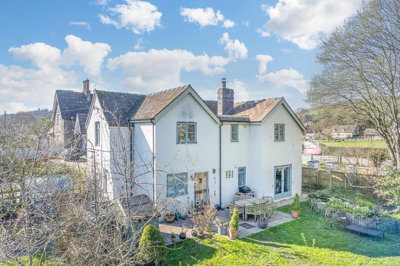
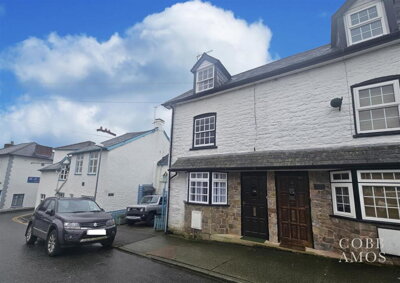
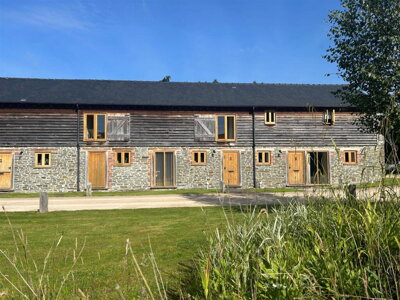
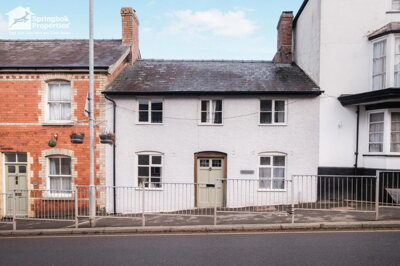
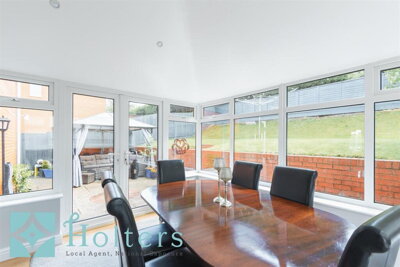
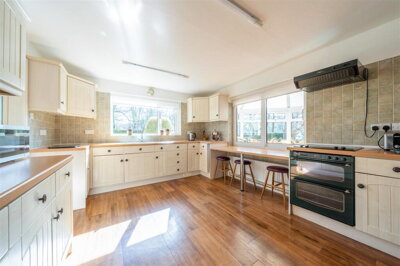
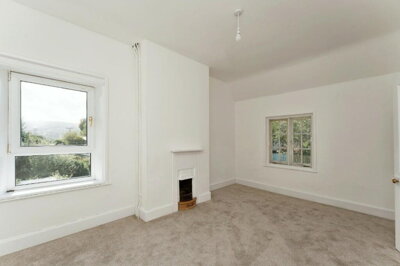
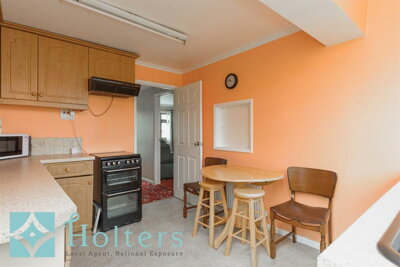
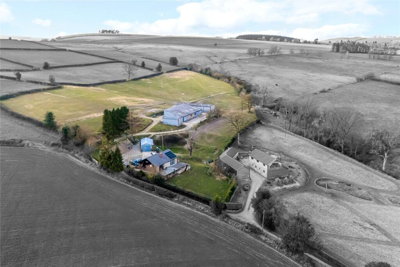
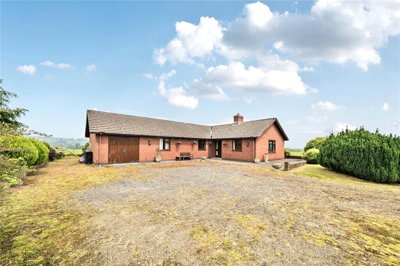
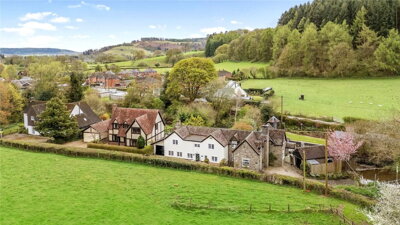
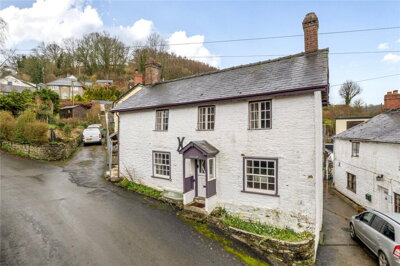
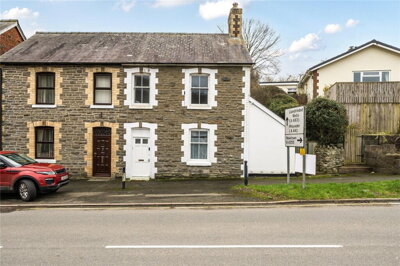
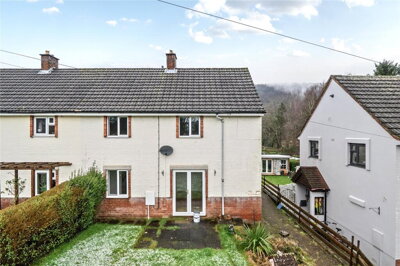
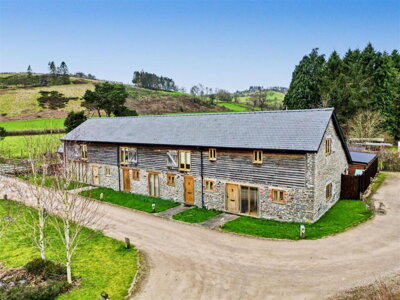
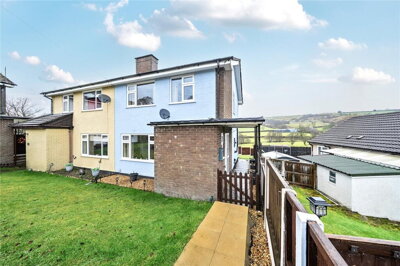
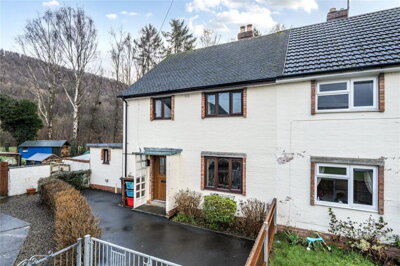
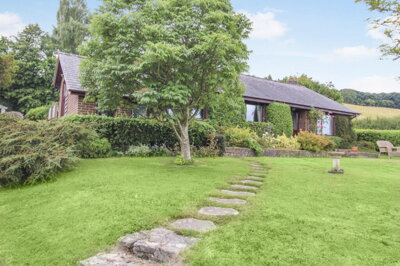
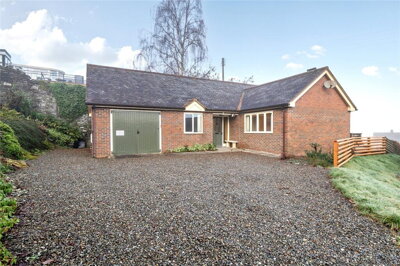
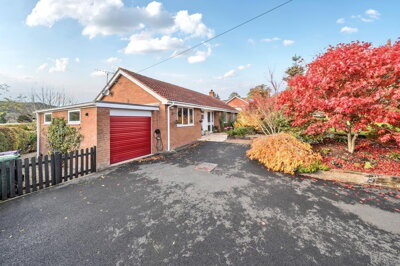
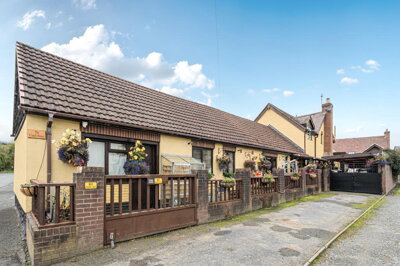
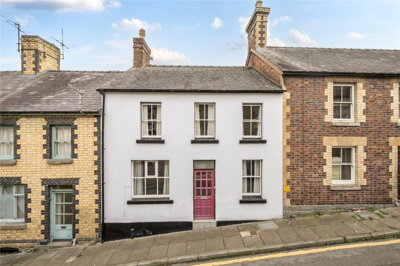
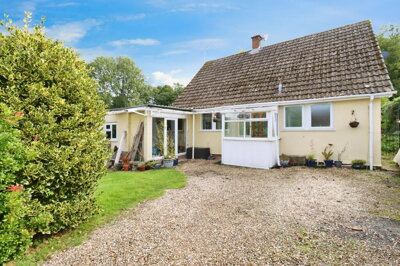
Browse 35 homes for sale in LD7 from local estate agents.
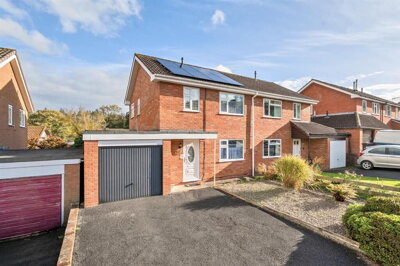
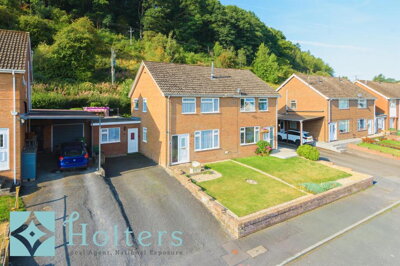
Three bedroom properties represent a significant portion of the LD7 housing market, offering space for families with multiple reception rooms and gardens in many cases. Browse detached, semi-detached, and terraced options ranging from period character homes to contemporary developments.
£185k
7
0
153
Source: home.co.uk
Showing 7 results for 3 Bedroom Houses for sale in LD7. The median asking price is £185,000.
Source: home.co.uk
Detached
3 listings
Avg £256,667
Semi-Detached
2 listings
Avg £185,000
Terraced
2 listings
Avg £170,000
Source: home.co.uk
Source: home.co.uk
The LD7 property market offers diverse options across all property types, with prices that represent good value compared to many other parts of Wales and the wider UK. Detached properties command the highest prices, averaging £350,000, making them ideal for families seeking generous space and privacy. Semi-detached homes provide a more affordable entry point at around £220,000, while terraced properties can be found from £180,000, offering excellent value for first-time buyers or those seeking a low-maintenance lifestyle.
The market has shown resilience and steady growth, with the detached sector leading the way at 3.1% annual appreciation. This trend reflects strong demand for family homes with gardens in the Knighton area. Flats in LD7 remain the most affordable option at approximately £130,000, perfect for investors or those downsizing. Over the past year, approximately 150 property sales have completed in the area, indicating a healthy level of market activity.
Two significant new build developments are currently active in the LD7 postcode area. Persimmon Homes offers properties at The Meadows on Meadow Lane from £210,000 to £380,000, with two, three, and four-bedroom options available. Elan Homes presents Ffrydd Gate on Ffrydd Road, featuring three and four-bedroom detached homes priced between £295,000 and £450,000. These new build options provide modern specifications and energy-efficient designs for buyers seeking newer construction.
Beyond new builds, the existing housing stock in LD7 reflects the area's rich heritage, with many properties dating from the Victorian and Edwardian periods. The predominance of detached homes at around 45% of the housing stock demonstrates the rural character of the area, where larger plots and generous gardens remain common. Semi-detached properties at 25% and terraced homes at 20% provide more affordable options in the town centre and surrounding streets, while flats comprise just 10% of stock, largely concentrated in converted buildings.

Knighton, the principal settlement in the LD7 postcode area, is a thriving market town with a population of approximately 3,000 residents across roughly 1,300 households. The town is renowned for its friendly community spirit and serves as a vital local hub for surrounding villages throughout the Teme Valley. The housing landscape reflects the area's heritage, with detached properties comprising approximately 45% of the stock, semi-detached at 25%, terraced homes at 20%, and flats making up the remaining 10%. This mix provides options ranging from spacious country houses to compact town apartments.
The local economy benefits from a variety of sectors, with agriculture and related services remaining significant employers in the wider rural area. Local services, retail, and tourism contribute substantially to Knighton's economic vitality, while the presence of schools and healthcare facilities provides stable employment opportunities. The town centre features independent shops, cafes, and traditional pubs, creating an atmosphere that many newcomers find refreshingly different from larger urban centres. The surrounding countryside offers excellent walking and outdoor recreation, with the Radnor Forest and Offa's Dyke Path nearby.
Properties in LD7 showcase traditional Welsh building techniques, with many older homes constructed from local stone, often grey or reddish sandstone, and red brick. These solid wall properties typically feature slate roofs and date from the Victorian and Edwardian periods, with an estimated 30-40% of the housing stock pre-dating 1919. The town centre includes a designated Conservation Area, preserving the historic character of Knighton's architecture. More modern developments from the post-war period and recent decades have expanded the town, adding variety to the housing stock while maintaining the area's aesthetic appeal.
The underlying geology of LD7, comprising Silurian mudstones and sandstones with areas of glacial till, presents specific considerations for property buyers. Clay-rich soils in the area can present a moderate to high shrink-swell risk, particularly for properties with shallow foundations or those situated near mature trees. Understanding local ground conditions helps buyers assess potential structural issues and plan appropriate surveys for older properties in the area.

Education provision in LD7 serves families across all age groups, with Knighton acting as the main educational centre for the surrounding rural area. Primary education is available at Knighton Primary School, which serves the town and surrounding villages, providing a foundation for young learners in a community-focused environment. The school accommodates children from reception through to Year 6, with facilities that have been developed to meet the needs of modern education while maintaining the character of the historic building.
Secondary education is provided by Knighton Secondary School, which offers comprehensive education for students aged 11-16. The school provides a range of GCSE subjects and has developed partnerships with further education colleges in the region to expand vocational options for older students. For families seeking grammar school education, the nearest options are located in larger towns outside the LD7 area, and parents should research specific catchment areas and admission criteria when considering these schools.
Several primary schools in nearby villages serve smaller communities within the LD7 postcode, providing local education for families living outside Knighton. These include schools in villages such as Leintwardine, Cascob, and others within the Teme Valley area. Parents are advised to verify current school performance data and Ofsted ratings, as these can change over time. For sixth form and further education, students typically travel to colleges in towns such as Ludlow in Shropshire or Newtown in Powys, both of which offer a wider range of A-level and vocational courses.
The quality of local education often influences property values in surrounding areas, with families frequently prioritising proximity to good schools when house hunting in LD7. Properties within the catchment area of well-performing schools can command premiums, while those in villages with smaller primary schools may offer better value for buyers who do not have school-age children. We recommend checking current Estyn reports for Welsh schools and Ofsted ratings for any English-language provision in the border region before making purchasing decisions.
Transport connectivity in LD7 centres on Knighton's position along the A488 road, which provides the main route through the town connecting to the A4113 and onwards to the broader regional road network. The town lies approximately 12 miles from the A5 trunk road, which runs through Shropshire and provides connections to larger urban centres. The A489 provides an alternative route towards Newtown in one direction and Craven Arms in the other, giving residents flexibility in their travel choices. For commuters, understanding the road network is essential when considering properties in this rural postcode area.
The railway station at Knighton offers direct services on the Heart of Wales line, connecting the town to destinations including Shrewsbury to the north and Swansea to the south. Journey times to Shrewsbury typically range from around 45 minutes to one hour, making day commuting feasible for those working in the county town. The Heart of Wales line passes through scenic countryside, though service frequencies are less frequent than on major routes, so residents should check current timetables when planning regular commutes. Knighton station provides essential connectivity for a rural area, connecting LD7 to the national rail network.
Local bus services operate within Knighton and connect the town to surrounding villages and nearby towns including Presteigne, Ludlow, and Llandrindod Wells. These services are particularly important for those without private vehicles, providing access to additional facilities and amenities. Parking in Knighton town centre is generally straightforward, with public car parks available for visitors and residents conducting daily business. The area also offers opportunities for cycling, with quieter rural lanes providing scenic routes for recreational cycling and sustainable commuting where distances allow.
For those working in larger towns such as Shrewsbury or Newtown, the commute from LD7 requires careful planning given the rural nature of the area. Many residents who work in professional roles in these larger centres choose to drive, with the journey to Shrewsbury taking approximately 45 minutes to an hour depending on traffic conditions. The relative isolation of the postcode area means that access to reliable transport is an important factor when evaluating properties for purchase.
Explore property listings on Homemove and spend time visiting Knighton and surrounding villages to understand the local lifestyle, amenities, and community atmosphere before committing to a purchase. Consider factors such as proximity to schools, transport links, and the specific characteristics of different neighbourhoods within the postcode area. Visiting at different times of day and week helps build a complete picture of what living in LD7 would be like.
Arrange a mortgage agreement in principle before viewing properties. This demonstrates your readiness to proceed and helps you understand your true budget within the LD7 market. With detached properties averaging £350,000 and flats from £130,000, knowing your limit streamlines your search considerably. Speak to a mortgage broker familiar with rural property markets, as lenders may have different criteria for older properties or those in less populated areas.
Schedule viewings of properties that match your criteria, taking time to examine the condition of both internal and external spaces. In LD7, pay particular attention to the condition of older stone and slate-roofed properties, as these require careful assessment for potential issues common to traditional construction. Take photographs and notes during viewings to help compare properties later.
Commission a RICS Level 2 Survey (Homebuyer Report) before completing your purchase. Given that 60-70% of properties in LD7 are over 50 years old, a thorough survey is essential. Local surveys for three-bedroom properties typically cost £550-£650. The survey will identify defects including damp, roof condition, timber issues, and any signs of subsidence related to the shrink-swell clay soils in the area. Our team can connect you with qualified surveyors who understand local construction methods.
Choose a conveyancing solicitor to handle the legal aspects of your purchase. They will conduct searches, review contracts, and manage the transfer of ownership. Searches specific to LD7 should include drainage and water authority checks, local authority planning records, and environmental searches given the area's flood risk near the River Teme. Choose a solicitor with experience in Welsh property law, as some matters differ from English transactions.
Once all searches are satisfactory and financing is confirmed, your solicitor will exchange contracts and agree a completion date. On completion day, you will receive the keys to your new LD7 property and can begin your life in the Teme Valley. We recommend arranging buildings insurance to be in place from the moment contracts are exchanged.
Properties in LD7 present unique considerations for buyers, particularly those unfamiliar with traditional Welsh construction methods. The predominance of older properties built before 1919, many constructed from local sandstone and brick with solid walls and lime mortar, requires careful inspection. Look for signs of damp, which can manifest as penetrating damp on exposed walls or rising damp in properties lacking adequate damp-proof courses. The grey or reddish local sandstone, while durable, can be susceptible to weathering and water penetration if not properly maintained, making roof condition and lead flashing particularly important to assess.
The underlying geology of LD7, comprising Silurian mudstones and sandstones with areas of glacial till, presents a moderate to high shrink-swell risk for clay-rich soils. This risk is most significant for properties with shallow foundations or those located near mature trees, where root systems can affect soil moisture levels. During your survey, ask specifically about the foundation depth and any previous structural movement. Properties in areas near the River Teme and its tributaries face additional consideration, as low-lying areas near riverbanks carry flood risk that buyers should understand through appropriate searches and, where possible, previous owners' experiences.
Knighton town centre falls within a Conservation Area, meaning properties here may be subject to specific planning restrictions regarding alterations, extensions, and exterior changes. Numerous listed buildings exist throughout the LD7 postcode, ranging from minor listed structures to buildings of significant historic interest. These properties require Listed Building Consent for many works and may need specialist survey approaches. If purchasing a flat, investigate the service charges, ground rent terms, and the overall maintenance programme for the building, as these costs vary considerably and can affect the long-term affordability of your purchase.
Older properties in LD7 often feature construction details that differ significantly from modern buildings. Solid brick or stone walls lack cavity insulation, meaning heat loss can be substantial without remedial works. Original timber windows, while characterful, may require restoration or replacement to meet modern energy standards. Electrical systems in pre-1980s properties frequently need updating, and plumbing may use older materials such as lead or galvanised steel that require replacement. Understanding these typical characteristics helps buyers budget for potential renovation costs alongside the purchase price.
The current average house price in LD7 stands at £265,000 as of early 2026. Property prices vary significantly by type, with detached homes averaging £350,000, semi-detached properties around £220,000, terraced houses at approximately £180,000, and flats from £130,000. The market has shown steady growth of approximately 2.5% over the past twelve months, with around 150 sales completing in the area during this period. This growth rate, while modest compared to some urban markets, reflects the stable demand from buyers seeking the lifestyle that Knighton and the surrounding Teme Valley provide.
Properties in LD7 fall under Powys County Council's tax bands, which range from Band A for the lowest value properties up to Band H for the most expensive homes. Given the mix of property values in the Knighton area, from flats around £130,000 to large detached homes exceeding £350,000, council tax bands will vary accordingly. You can verify the specific band for any property through the Valuation Office Agency website or by contacting Powys County Council directly. Council tax rates in Powys are generally competitive compared to many English local authorities, though this varies by band.
Knighton Primary School serves the main town and provides education from reception through Year 6, while Knighton Secondary School accommodates students aged 11-16. Several village primary schools also operate within the LD7 postcode, serving surrounding communities. For the most current information on school performance and ratings, parents should consult the Estyn website for Welsh school inspections or Ofsted reports for any English-based provision in the border area. School catchment areas can be verified through Powys County Council's admissions department. The secondary school offers GCSE subjects and has links with further education colleges in Ludlow and Newtown for post-16 provision.
LD7 is connected to the national rail network via Knighton railway station on the Heart of Wales line, with services to Shrewsbury (approximately 45 minutes to 1 hour) and Swansea to the south. Bus services operated by local providers connect Knighton to surrounding villages and towns including Presteigne, Ludlow, and Llandrindod Wells. While frequencies are appropriate for a rural area, residents with daily commuting requirements should check current timetables carefully, as services may be less frequent than in urban areas. The Heart of Wales line is known for its scenic route through mid-Wales, making travel part of the attraction rather than merely a means to an end.
The LD7 property market has demonstrated consistent growth of around 2.5% annually, with approximately 150 properties selling in the past year, indicating healthy market activity. The area offers relatively affordable entry prices compared to many other UK regions, with terraced properties available from £180,000 and flats from £130,000. Rental demand exists from local workers, those relocating to the area, and holidaymakers interested in the Teme Valley. The presence of new build developments from established developers also indicates confidence in the local market. Properties along Offa's Dyke Path and near Radnor Forest may offer particular potential for holiday lets.
Standard Stamp Duty Land Tax rates apply in Wales: 0% on the first £225,000, 5% on £225,001 to £400,000, 10% on £400,001 to £750,000, and 12% on amounts exceeding £750,000. For a typical LD7 property at the average price of £265,000, a buyer would pay no stamp duty on the first £225,000 and 5% on the remaining £40,000, totalling £2,000. First-time buyers may qualify for first-time buyer relief, which raises the zero-rate threshold to £300,000 for qualifying purchases. Buyers purchasing additional properties above £40,000 will pay the higher rates plus a 3% surcharge.
Given that 60-70% of properties in LD7 are over 50 years old, buyers should watch for issues common to older construction including damp (rising and penetrating), deteriorated slate roofs, timber defects such as woodworm and rot, and outdated electrical and plumbing systems. The shrink-swell clay soils in the area present a potential subsidence risk, particularly near mature trees. Properties near the River Teme may face flood risk, and buyers should review appropriate searches. The Conservation Area in Knighton town centre imposes planning restrictions on alterations, while listed buildings require specialist consideration for any works.
Yes, two significant new build developments are currently active in the LD7 postcode area. Persimmon Homes offers two, three, and four-bedroom properties at The Meadows on Meadow Lane, Knighton, priced from £210,000 to £380,000. Elan Homes presents Ffrydd Gate on Ffrydd Road, featuring three and four-bedroom detached homes priced between £295,000 and £450,000. These developments offer modern construction with contemporary insulation standards and energy-efficient designs, which can result in lower running costs compared to older properties in the area.
The primary flood risk in LD7 is associated with the River Teme and its tributaries, which run through the area, particularly affecting low-lying areas near the riverbanks in Knighton. Surface water flooding can also be a concern in parts of the town, especially during heavy rainfall, due to local topography and drainage capacity. There is no coastal flood risk as LD7 is an inland area. We recommend requesting drainage and environmental searches as part of your conveyancing, and checking the Welsh Government flood risk mapping for detailed information specific to any property you are considering.
From 3.8%
Finding the right mortgage is essential when purchasing in LD7. With property values ranging from £130,000 for flats to £350,000 for detached homes, a broker can help find competitive rates and.
From £499
Local property solicitors familiar with Welsh land law can handle your purchase efficiently. Searches specific to LD7 include drainage and water authority checks and environmental searches for flood risk from the River Teme.
From £550
With 60-70% of LD7 properties over 50 years old, a thorough survey is essential. Our qualified surveyors understand local construction methods including solid wall stone properties and slate roofs common in the Knighton area.
From £85
Energy Performance Certificates are required for all property sales. Older stone and solid wall properties in LD7 often have lower EPC ratings, making this assessment important for understanding potential upgrade costs.
Understanding the full costs of purchasing property in LD7 helps you budget accurately for your move. On a typical property priced at the postcode average of £265,000, Stamp Duty Land Tax (now collected by the Welsh Revenue Authority) will apply at the Welsh rates: nothing on the first £225,000, then 5% on the amount between £225,000 and £265,000, resulting in a total SDLT bill of £2,000. For first-time buyers meeting the qualifying criteria, relief can increase the zero-rate threshold, potentially reducing or eliminating this cost entirely on properties up to £300,000.
Beyond stamp duty, buyers should budget for solicitor conveyancing costs, which typically start from around £499 for a straightforward transaction but may increase depending on complexity. Local search fees for the LD7 area will include drainage and water authority searches, local authority planning and highways searches, and environmental searches to assess any flood risk from the River Teme. These searches typically total between £200 and £400. A RICS Level 2 Survey for a three-bedroom property in the area will cost approximately £550-£650, providing essential protection against hidden defects in older properties that make up the majority of the local housing stock.
Additional costs to factor include mortgage arrangement fees (which vary by lender but can reach £2,000 or more), valuation fees (typically £200-£500 depending on property value), land registry fees for title registration, and moving costs. For those purchasing flats or leasehold properties, ground rent and service charge details should be carefully reviewed, as these ongoing costs vary significantly between developments. When calculating your total budget, ensure you have funds available beyond the purchase price to cover these associated costs, which on a typical LD7 property could add £3,000 to £5,000 or more to your overall expenditure.
Properties for Sale In London

Properties for Sale In Plymouth

Properties for Sale In Liverpool

Properties for Sale In Glasgow

Properties for Sale In Sheffield

Properties for Sale In Edinburgh

Properties for Sale In Coventry

Properties for Sale In Bradford

Properties for Sale In Manchester

Properties for Sale In Birmingham

Properties for Sale In Bristol

Properties for Sale In Oxford

Properties for Sale In Leicester

Properties for Sale In Newcastle

Properties for Sale In Leeds

Properties for Sale In Southampton

Properties for Sale In Cardiff

Properties for Sale In Nottingham

Properties for Sale In Norwich

Properties for Sale In Brighton

Properties for Sale In Derby

Properties for Sale In Portsmouth

Properties for Sale In Northampton

Properties for Sale In Milton Keynes

Properties for Sale In Bournemouth

Properties for Sale In Bolton

Properties for Sale In Swansea

Properties for Sale In Swindon

Properties for Sale In Peterborough

Properties for Sale In Wolverhampton

Enter your details to see if this property is within your budget.
Loans, cards, car finance
Estimated property budget
Borrowing + deposit
You could borrow between
Typical borrowing
Monthly repayment
Est. at 4.5%
Loan-to-value
This is an estimate only. Your actual budget may vary depending on interest rates, credit history, and personal circumstances. For an accurate affordability assessment, speak to one of our free mortgage advisors.
This calculator provides estimates for illustrative purposes only and does not constitute financial advice. Your home may be repossessed if you do not keep up repayments on your mortgage. Estimates based on 4.5% interest rate, repayment mortgage. Actual rates depend on your circumstances.
Homemove is a trading name of HM Haus Group Ltd (Company No. 13873779, registered in England & Wales). Homemove Mortgages Ltd (Company No. 15947693) is an Appointed Representative of TMG Direct Limited, trading as TMG Mortgage Network, which is authorised and regulated by the Financial Conduct Authority (FRN 786245). Homemove Mortgages Ltd is entered on the FCA Register as an Appointed Representative (FRN 1022429). You can check registrations at NewRegister or by calling 0800 111 6768.

We use cookies to show you personalised content and improve your experience of our website. Find out more in our Privacy policy and Cookie policy.