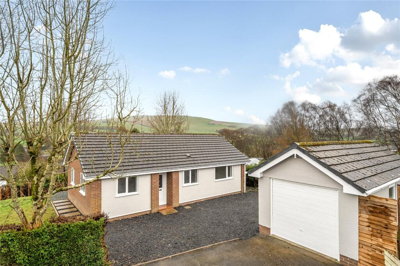
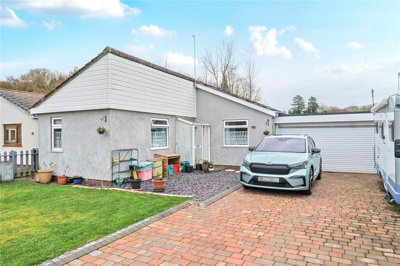
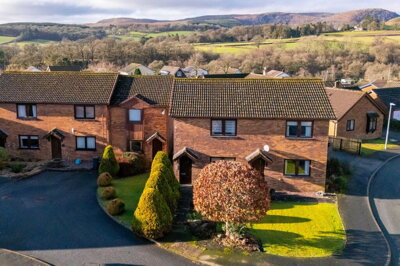
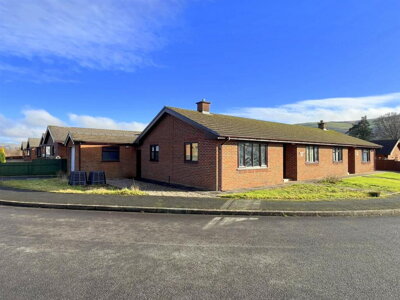
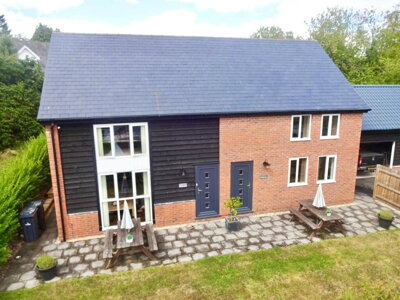
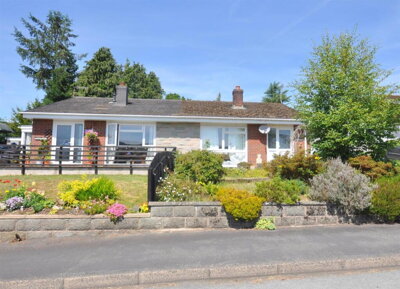
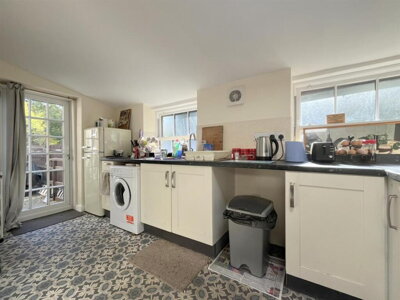
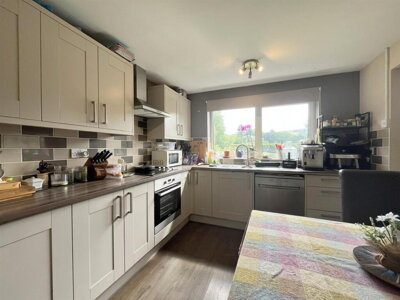
Browse 8 homes for sale in LD6 from local estate agents.
The 2 bed house market features detached, semi-detached, and terraced properties with two separate bedrooms plus living spaces. Properties in LD6 range from Victorian and Edwardian period homes to modern new builds, with pricing varying across different neighbourhoods.
£215k
1
0
134
Source: home.co.uk
Showing 1 results for 2 Bedroom Houses for sale in LD6. The median asking price is £215,000.
Source: home.co.uk
Semi-Detached
1 listings
Avg £215,000
Source: home.co.uk
Source: home.co.uk
The LD6 property market presents an attractive opportunity for buyers seeking rural Welsh living at reasonable prices compared to many parts of England. Detached properties command the highest prices, averaging around £350,000, offering generous space and often sitting on substantial plots with countryside views. Semi-detached homes provide excellent value at approximately £220,000, making them ideal for families seeking more room without the premium associated with detached properties. These properties often feature traditional Welsh construction with stone facades and slate roofs that are characteristic of the region.
Terraced properties in LD6 average around £180,000 and represent an accessible entry point to the local property market. Many of these homes date from the Victorian or Edwardian era, featuring thick walls that provide natural insulation and excellent thermal mass. Flats in the area typically start from £150,000, offering affordable options for first-time buyers or those seeking a low-maintenance lifestyle. The housing stock distribution shows approximately 45% detached homes, 30% semi-detached, 15% terraced, and 10% flats, reflecting the predominantly spacious nature of rural Welsh housing.
Notably, there are currently no active new-build developments confirmed within the LD6 postcode itself, meaning most properties on the market are established homes with character and history woven into their foundations. The absence of new-build stock means buyers are purchasing properties with proven track records of performance, though this also means many homes will require ongoing maintenance and updating. Our team regularly advises buyers to budget for renovation works when purchasing older properties, particularly those dating from the Victorian and Edwardian periods when construction standards differed from modern requirements.

Life in LD6 revolves around community, tradition, and the outstanding natural beauty of Mid Wales. The housing stock reflects the area's heritage, with approximately 35% of properties built before 1919, constructed using local stone and traditional methods that give villages their distinctive character. The remaining housing comprises properties from subsequent eras, including 20% built between 1919 and 1945, 30% from the post-war period through 1980, and just 15% constructed after 1980. This mix creates neighbourhoods where historic farmhouses sit alongside post-war semis and family homes from later decades, each contributing to the area's architectural diversity.
The local economy centres on agriculture, tourism, and small businesses, with public sector employment in healthcare and education providing stable income for many residents. The area's appeal to second-home owners and retirees influences property demand and prices, particularly in the most picturesque villages scattered throughout the postcode. Local amenities include traditional pubs, village shops, craft workshops, and regular markets where producers sell local food and handmade goods. Community events throughout the year, from agricultural shows to music festivals, foster the strong social bonds that make rural Welsh life so rewarding.
The LD6 area benefits from its proximity to the River Wye and its tributaries, which shape both the landscape and the lives of local residents. Riverside villages and towns within the postcode offer beautiful waterside walks and recreational opportunities, though buyers should be aware of flood risk considerations in properties close to watercourses. The surrounding countryside comprises a mix of farmland, moorland, and forest, providing extensive outdoor activities including walking, cycling, and fishing. Our inspectors often note how the natural environment influences property conditions, with rural settings presenting both opportunities and specific maintenance considerations for prospective buyers.

Education provision in the LD6 area caters to families with children of all ages, from early years through secondary education. The postcode area falls within Powys County Council's education framework, which maintains a network of primary schools serving local communities across the scattered villages and towns. These schools typically benefit from small class sizes that allow for personalised attention and strong community connections between staff, pupils, and families. Parents should research specific catchment areas and admission policies when considering properties, as school catchments can vary significantly across the rural geography.
Primary schools within and adjacent to the LD6 postcode area serve children from Reception through Year 6, providing a foundation in core subjects alongside the Welsh curriculum that promotes bilingualism. Many primary schools in rural Powys have historically achieved favourable inspection results from Estyn, the Welsh education inspectorate, though individual school performance varies. The small scale of these schools often means teachers develop strong relationships with families, creating supportive learning environments that parents frequently cite as a key advantage of rural education. Early years provision including nursery classes and childcare settings provides additional options for families with younger children.
Secondary education options include local secondary schools that serve wider catchment areas, often requiring some travel for students living in more isolated villages. Secondary schools in the Powys area typically offer GCSE and A-Level qualifications across a range of subjects, with students travelling from across the LD6 postcode to access provision. For families requiring specialised education or alternative educational approaches, wider options in neighbouring towns may be worth considering. Welsh-medium secondary education is available in the region for families seeking bilingual schooling options. Families moving to LD6 should contact Powys County Council's education department directly to confirm current school placements, catchment boundaries, and any planned changes to provision in their specific area.
The LD6 postcode area benefits from reasonable connectivity despite its rural nature, with the Heart of Wales railway line serving communities within and near the postcode area. This scenic rail route provides connections to larger towns and cities, though journey times reflect the winding nature of the line through Welsh countryside. The railway line connects LD6 communities to destinations including Shrewsbury to the east, where passengers can access mainline services to London and other major cities. Bus services operate across the area, connecting villages to market towns where residents can access wider transport networks. Those considering LD6 as a base for commuting should carefully research specific journey times and service frequencies, as public transport options in very rural areas may be limited.
Road access centres on A-roads that pass through the area, connecting LD6 to neighbouring towns in Powys and beyond. The A483 runs through the region, providing an important artery for road transport and connecting communities to employment centres in towns such as Brecon, Newtown, and Llandrindod Wells. Secondary roads and country lanes provide access to individual villages and properties, though some remote locations may require significant travel for daily work. Car ownership remains high across the LD6 area, which is typical for rural Wales where public transport cannot fully serve dispersed communities.
For those working in the area, local employment opportunities exist in the agricultural sector, tourism, healthcare, education, and small businesses that serve the community. Remote working has become increasingly viable in LD6, with many properties benefiting from decent broadband connections that enable residents to work from home while enjoying rural living. Cycling infrastructure is developing, though the hilly terrain presents challenges for some riders. Parking at village amenities is generally straightforward compared to urban areas, and the absence of heavy traffic on country lanes makes driving a pleasure for those who appreciate scenic routes.
Contact a mortgage broker before viewing properties to understand your budget and borrowing capacity. Having an agreement in principle strengthens your position when making offers on homes in this competitive rural market. Our team can recommend brokers familiar with the LD6 area who understand the specific requirements of rural Welsh property transactions.
Explore the LD6 villages and towns to find the community that suits your lifestyle. Consider commute times, school catchments, proximity to amenities, and flood risk considerations before focusing your property search. Properties near the River Wye tributaries may offer beautiful settings but require careful consideration of flood risk assessments.
Visit a range of properties across different price points and property types. With approximately 75 sales annually, inventory moves reasonably quickly in this area. We recommend viewing several properties to understand the range of conditions and prices before making an offer. Many homes in LD6 are older properties that may require varying degrees of renovation work.
Given that 85% of LD6 properties are over 50 years old, a thorough survey is essential. Budget £450 to £700 for a Level 2 survey that will identify common issues including dampness, timber defects, and roof condition. Our inspectors are experienced in assessing traditional Welsh construction methods and local building materials.
Choose a solicitor experienced in Welsh property transactions to handle legal work, searches, and contracts. They will liaise with your mortgage lender and the seller's solicitors while conducting local authority searches specific to Powys. Properties in conservation areas or listed buildings will require additional specialist attention.
Once searches are satisfactory and finances are confirmed, you will exchange contracts and set a completion date. Keys are typically collected on the agreed completion day. Our team can recommend local conveyancing solicitors who understand the specific requirements of buying property in the LD6 postcode area.
Properties in LD6 require careful inspection due to the age of much of the housing stock and the local geology. Approximately 85% of homes in the area predate 1980, meaning traditional construction methods and period features are common. Many properties feature solid walls rather than cavity wall insulation, which can affect thermal efficiency and may require additional heating costs. Our inspectors frequently identify issues related to traditional building methods that differ significantly from modern construction standards. Prospective buyers should look for signs of dampness, which is particularly common in older properties without modern damp-proof courses.
The local geology of LD6 comprises Silurian and Ordovician sedimentary rocks, including shales, mudstones, and sandstones, with areas of glacial till containing boulder clay. This geology creates specific considerations for property condition, with areas underlain by shrinkable clay soils presenting a moderate subsidence risk, particularly where large trees are present near properties. Properties built on these soils may experience movement if vegetation absorbs moisture from the ground, causing clay to shrink. Our surveyors pay particular attention to foundation conditions and any signs of movement in properties built on clay soils, which are prevalent in parts of the LD6 postcode.
The LD6 area includes moderate to high flood risk zones near the River Wye and its tributaries, so buyers should check Environment Agency flood maps and consider requiring a specialist flood risk assessment for properties in affected areas. Surface water flooding can also be a concern in low-lying areas and where drainage infrastructure is limited. Properties in designated conservation areas or those that are listed buildings will face planning restrictions on alterations and may require specialist surveys beyond a standard RICS Level 2 report. Common defects our inspectors find in LD6 properties include dampness affecting solid walls, timber rot and woodworm in structural elements, deteriorated slate roofs with defective leadwork, and outdated electrical systems that do not meet current standards. Always review local authority planning records and building control history before committing to a purchase.
The average house price in the LD6 postcode area is approximately £270,000, according to recent Land Registry data. Detached properties average £350,000, semi-detached homes around £220,000, terraced properties at £180,000, and flats from £150,000. Prices have increased by approximately 3% over the past 12 months, reflecting steady demand for rural properties in Mid Wales. The LD6 market has shown consistent growth patterns, with demand driven by buyers seeking countryside living without the premium prices found in more accessible rural areas of England.
Properties in LD6 fall under Powys County Council's jurisdiction. Most properties in the area will fall within bands A through D, which are common for rural Welsh properties. Band A properties typically have the lowest council tax charges, while larger detached homes may be in bands D or above. You can verify the specific band for any property through the Valuation Office Agency website using the property address. Council tax rates in Powys are generally competitive compared to many English local authorities, contributing to the affordability of living in the LD6 area.
LD6 benefits from several primary schools serving local communities, with small class sizes that parents often praise. The area falls within Powys County Council's education provision, and secondary education is available through local secondary schools serving wider catchment areas. For the most current information on school performance, catchment boundaries, and any changes to provision, parents should contact Powys County Council directly or visit the Estyn website for recent inspection reports. Welsh-medium education options are available in the region for families seeking bilingual schooling opportunities, which are highly valued in this part of Wales.
Public transport in LD6 is limited compared to urban areas, reflecting its rural nature. The Heart of Wales railway line provides rail connections to surrounding towns and cities, with stations serving communities within the postcode area. Bus services connect villages to market towns, but those relying entirely on public transport should research specific journey times and frequencies for their intended location. The scenic railway route through Mid Wales offers beautiful journeys, though service frequency is designed for local needs rather than high-volume commuting. Car ownership is high across the area and is generally considered necessary for daily life in most LD6 communities.
The LD6 property market has shown steady growth with a 3% price increase over the past year, driven by demand for rural living and the area's appeal to remote workers, retirees, and those seeking quality of life away from cities. With approximately 75 property sales annually, the market is active though not highly volatile. The presence of second-home buyers and retirees supports demand, but investors should consider factors including void periods if letting, maintenance costs for older properties built from traditional materials, and potential flood risk in certain locations near the River Wye and its tributaries. Properties in conservation areas or listed buildings may offer unique investment potential but require specialist knowledge of planning restrictions and maintenance requirements.
For standard purchases from April 2025, Land Transaction Tax applies 0% on the first £225,000 of residential property, 6% on the portion from £225,000 to £400,000, and 8% above £400,000. First-time buyers in Wales may qualify for first-time buyer relief providing 0% up to £300,000 if all buyers are first-time purchasers and the property is under £500,000. For a typical £270,000 property in LD6, this means approximately £2,700 in LTT on a standard purchase. Always verify current thresholds with HMRC or a conveyancing solicitor, as rates can change.
Given that approximately 85% of LD6 properties are over 50 years old, buyers should be aware of common issues including dampness affecting solid walls, timber rot and woodworm in structural elements, and slate roof deterioration with defective leadwork and flashing. Properties built from local stone may experience weathering and mortar deterioration over time. The local geology containing glacial till and shrinkable clay soils can contribute to subsidence issues, particularly where large trees are present near properties. Outdated electrical systems are common in older homes and may require upgrading to meet current standards. Our RICS Level 2 surveys specifically address these area-specific concerns, identifying defects before you commit to a purchase.
🏠
Our inspectors cover all LD6 postcodes and understand local construction methods. Detached homes from £550
🏠
Local conveyancing solicitors experienced in Powys property transactions
🏠
Independent mortgage advice for LD6 property purchases
🏠
Energy Performance Certificate for your LD6 property
Buying a property in LD6 involves several costs beyond the purchase price that buyers should budget for from the outset. Land Transaction Tax (the Welsh equivalent of stamp duty) applies to all property purchases in Wales, with current thresholds starting at 0% for the first £225,000 of the purchase price. For a typical £270,000 property in LD6, the LTT would be approximately £2,700 on a standard purchase. First-time buyers who meet the qualifying criteria may benefit from first-time buyer relief, which raises the zero-rate threshold to £300,000 for eligible purchases. Our team can provide detailed calculations based on your specific circumstances and purchase price.
Survey costs are particularly important for LD6 purchases due to the age of the housing stock. A RICS Level 2 Survey typically costs between £450 and £700 depending on property size and complexity, with larger detached homes at the higher end of this range. Given that approximately 85% of properties in the area are over 50 years old, investing in a thorough survey is money well spent to identify defects such as dampness, timber issues, or roof problems before completion. Our inspectors understand traditional Welsh construction methods and can provide detailed assessments of properties built using local stone, brick, and traditional techniques. Properties in conservation areas or listed buildings may require additional specialist surveys.
Legal fees for conveyancing usually start from around £499 for standard transactions, though more complex purchases involving listed buildings or properties with planning histories may cost more. Additional costs include mortgage arrangement fees, valuation fees charged by lenders, and searches including local authority, environmental, and drainage searches specific to the property location in Powys. Buyers should also factor in moving costs, potential renovation or repair works identified during survey, and ongoing maintenance costs for older properties. Our recommended local solicitors and mortgage brokers can provide comprehensive quotes that account for the specific requirements of buying in the LD6 postcode area.
Properties for Sale In London

Properties for Sale In Plymouth

Properties for Sale In Liverpool

Properties for Sale In Glasgow

Properties for Sale In Sheffield

Properties for Sale In Edinburgh

Properties for Sale In Coventry

Properties for Sale In Bradford

Properties for Sale In Manchester

Properties for Sale In Birmingham

Properties for Sale In Bristol

Properties for Sale In Oxford

Properties for Sale In Leicester

Properties for Sale In Newcastle

Properties for Sale In Leeds

Properties for Sale In Southampton

Properties for Sale In Cardiff

Properties for Sale In Nottingham

Properties for Sale In Norwich

Properties for Sale In Brighton

Properties for Sale In Derby

Properties for Sale In Portsmouth

Properties for Sale In Northampton

Properties for Sale In Milton Keynes

Properties for Sale In Bournemouth

Properties for Sale In Bolton

Properties for Sale In Swansea

Properties for Sale In Swindon

Properties for Sale In Peterborough

Properties for Sale In Wolverhampton

Enter your details to see if this property is within your budget.
Loans, cards, car finance
Estimated property budget
Borrowing + deposit
You could borrow between
Typical borrowing
Monthly repayment
Est. at 4.5%
Loan-to-value
This is an estimate only. Your actual budget may vary depending on interest rates, credit history, and personal circumstances. For an accurate affordability assessment, speak to one of our free mortgage advisors.
This calculator provides estimates for illustrative purposes only and does not constitute financial advice. Your home may be repossessed if you do not keep up repayments on your mortgage. Estimates based on 4.5% interest rate, repayment mortgage. Actual rates depend on your circumstances.
Homemove is a trading name of HM Haus Group Ltd (Company No. 13873779, registered in England & Wales). Homemove Mortgages Ltd (Company No. 15947693) is an Appointed Representative of TMG Direct Limited, trading as TMG Mortgage Network, which is authorised and regulated by the Financial Conduct Authority (FRN 786245). Homemove Mortgages Ltd is entered on the FCA Register as an Appointed Representative (FRN 1022429). You can check registrations at NewRegister or by calling 0800 111 6768.

We use cookies to show you personalised content and improve your experience of our website. Find out more in our Privacy policy and Cookie policy.