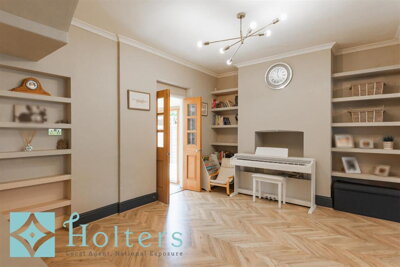
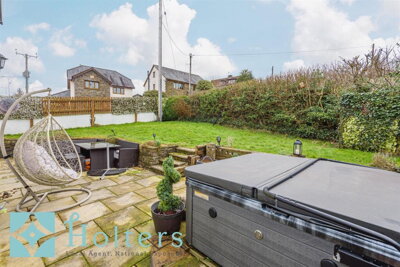
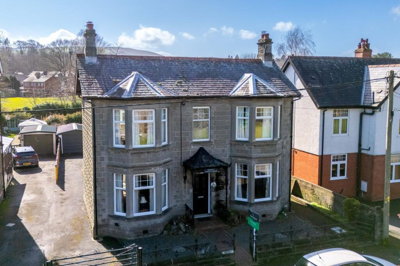
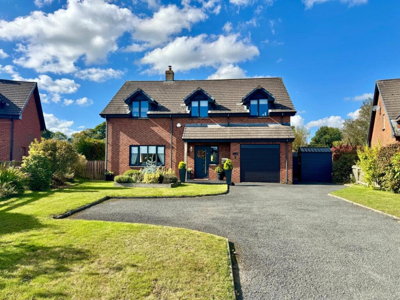
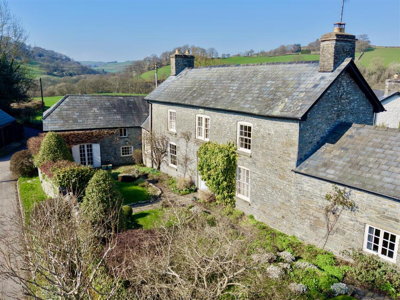
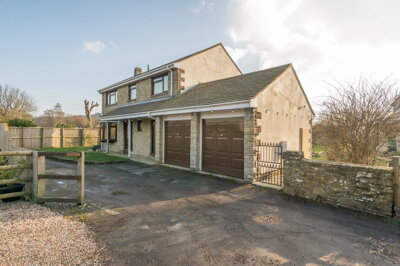
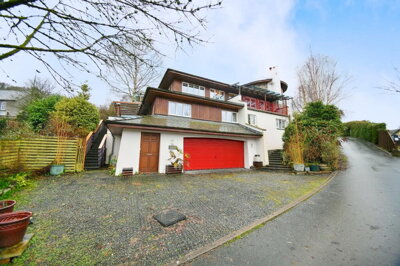
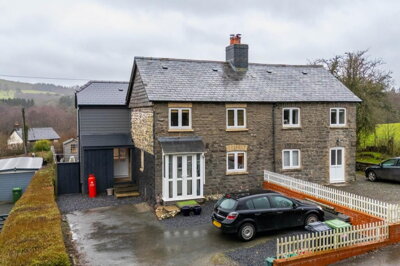
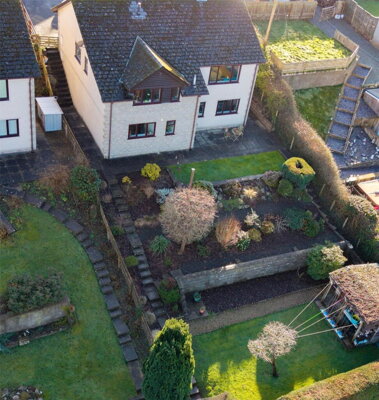
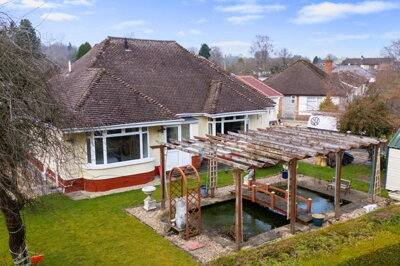
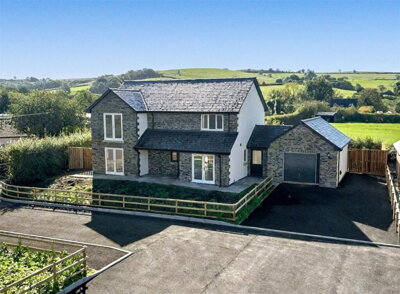
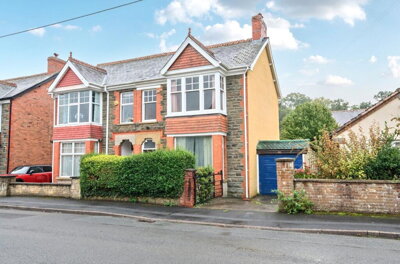
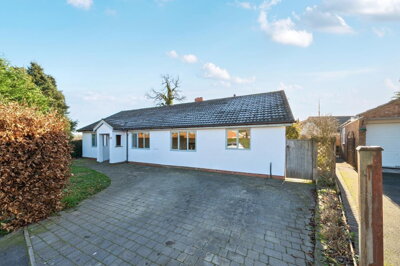
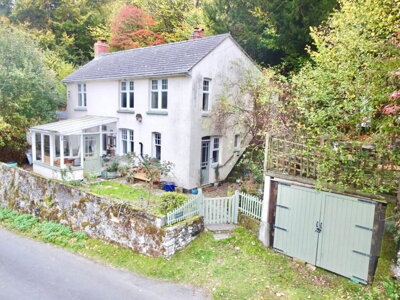
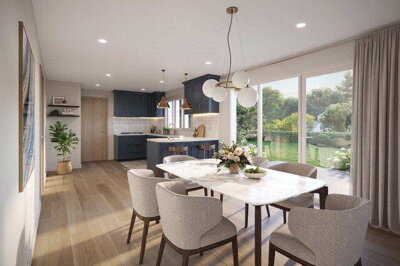
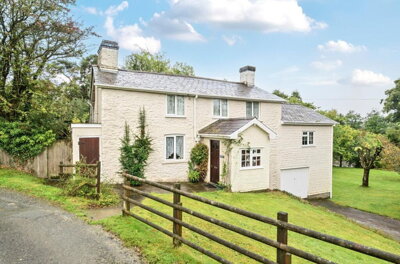
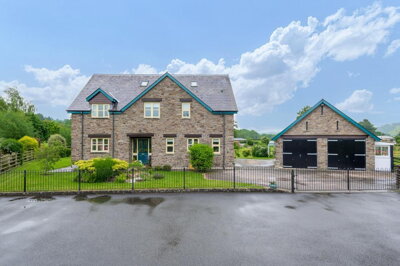
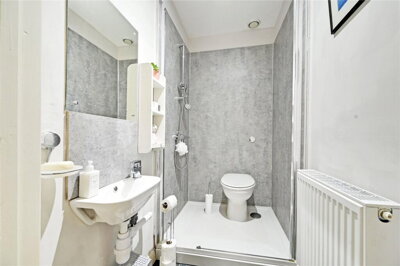
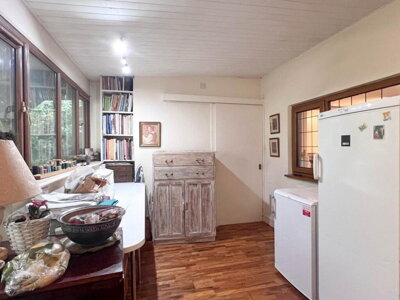
Browse 20 homes for sale in LD2 from local estate agents.
The larger property sector typically features multiple bathrooms, substantial reception space, and private gardens or off-street parking. Four bedroom houses in LD2 span detached, semi-detached, and occasionally terraced configurations, with styles ranging from period properties to modern executive homes.
£443k
10
1
110
Source: home.co.uk
Showing 10 results for 4 Bedroom Houses for sale in LD2. 1 new listing added this week. The median asking price is £442,500.
Source: home.co.uk
Detached
10 listings
Avg £480,495
Source: home.co.uk
Source: home.co.uk
The LD2 property market reflects the character of mid-Wales itself: diverse, affordable, and steeped in history. Detached properties command the highest prices, averaging £308,000, which remains competitive compared to many English counterparts. Semi-detached homes, ideal for families, typically sell for around £194,000, while terraced properties offer the most accessible entry point at approximately £165,000. Flats and apartments in the area average £108,000, making them particularly attractive for first-time buyers or investors seeking rental opportunities in this growing market.
The housing stock breakdown in LD2 reveals the area's traditional character, with detached properties comprising 37.6% of the market, semi-detached homes at 28.5%, terraced properties at 20.3%, and flats or apartments at 12.8%. This predominance of larger properties explains why families and those seeking space are drawn to the area, while the terraced and flat segments provide accessible options for first-time buyers entering the market. The property age distribution shows that 35.7% of homes were built before 1945, with a further 34.5% constructed between 1945 and 1980, meaning over 70% of the housing stock predates modern building standards.
Over the past twelve months, the LD2 market has experienced modest price adjustments, with overall values declining by 1.57%. This stabilisation follows broader national trends and presents genuine opportunities for buyers who may have previously been priced out of more volatile markets. The 147 sales recorded in the area demonstrate healthy market activity, with properties across all segments attracting interest from both local buyers and those relocating from busier urban centres. Terraced properties saw the largest price adjustment at minus 2.37%, while flats dropped 2.70%, suggesting that smaller properties are experiencing the most significant corrections as buyers prioritise space and value for money.

The LD2 postcode encompasses Llandrindod Wells, the administrative centre of Radnorshire and a town with a fascinating Victorian spa heritage. The population of approximately 5,600 residents enjoys a close-knit community atmosphere, while the broader area showcases the stunning landscapes of mid-Wales, from rolling hills to the valleys carved by the River Ithon. The town centre features elegant Victorian and Edwardian architecture, reflecting its status as a fashionable spa destination in the 19th century, with many properties dating from that period now falling within the designated Conservation Area.
Local amenities in Llandrindod Wells include a supermarket, independent retailers, healthcare facilities including a cottage hospital, and a range of cafes and pubs. The town also hosts regular markets and community events throughout the year. Outdoor enthusiasts appreciate the proximity to the Cambrian Mountains, Elan Valley, and various bridleways and footpaths, while the Radnorshire Forest offers excellent cycling and walking opportunities. The demographic profile shows a mix of families, retirees, and professionals drawn to the quality of life and relative affordability compared to larger cities.
The local economy in LD2 and the wider Powys area relies on several key sectors that provide employment for residents. Public sector roles in health, education, and local government through Powys County Council represent significant employers in the region. Tourism plays a vital role, with visitors drawn to the spa heritage, natural beauty, and outdoor activities available in the surrounding countryside. Agriculture remains important to the local economy, while small businesses and retail operations provide additional employment opportunities. This diverse economic base helps sustain the housing market and ensures continued demand for properties in the LD2 area.

Education provision in the LD2 area serves families well, with several primary schools catering to younger children within the town and surrounding villages. Llandrindod Wells Primary School provides education for Reception through to Year 6, while Knockin Primary School and other village schools serve their local communities. These schools benefit from small class sizes that allow for more individual attention and strong community connections, factors that rate highly with parents considering the area for family relocation. The proportion of older properties in the LD2 catchment area means many school buildings themselves are period structures, lending character to the educational environment.
Secondary education is available at Llandrindod Wells High School, which serves students from across the LD2 catchment area. The school offers a comprehensive curriculum and various extracurricular activities. For families seeking faith-based education, there are primary schools in the broader Powys area with religious affiliations. Sixth form provision allows students to continue their education locally, while further and higher education options are accessible in larger towns such as Newtown or through distance learning programmes, making LD2 suitable for families at all stages.
Parents researching schools in the LD2 area should verify current Ofsted ratings and admission catchment areas on the Estyn website, as these can change over time and affect placements for families relocating to the area. The relatively rural nature of the catchment means school transport arrangements are important to understand before committing to a purchase. Many families appreciate that the smaller school populations foster strong pupil-teacher relationships and community spirit, though they should weigh this against the potentially more limited subject choices available compared to larger secondary schools in urban areas.
Llandrindod Wells railway station sits within the LD2 area, offering regular rail services that connect the town to the wider rail network. Direct trains run to Shrewsbury, where passengers can access connections to Birmingham, Manchester, and London. The journey to Shrewsbury takes approximately one hour, making day trips and business travel to major cities feasible without the stress of driving. The station has parking facilities, which is particularly useful for those commuting by car to catch a train. Advance booking often secures better fares for regular commuters travelling to Birmingham or London for work.
Road connectivity in LD2 is centred on the A483, which runs through Llandrindod Wells and connects the town to Newtown and Welshpool to the north, and to Llandilo and the M4 corridor to the south. Bus services operated by Powys County Council and private operators provide essential links between villages in the LD2 area and the town centre, though frequencies may be limited on less popular routes. For those driving, journey times to Swansea take around two hours, while Birmingham is approximately two and a half hours away. The relatively traffic-free roads around LD2 make cycling a viable option for shorter local journeys.
Commuters considering a move to LD2 should factor in the realities of rural transport connectivity when assessing feasibility. While the train station provides good links to major cities, the frequency of services means that working from home or flexible working arrangements are advantageous for those in professional roles. Many residents who previously commuted daily to offices in Birmingham or Cardiff have transitioned to hybrid working patterns that make LD2's location entirely practical. The lower cost of property in the area often offsets the occasional longer journey, particularly for those valuing countryside living over daily city access.
Start by exploring our comprehensive listings to understand what is available within your budget. With detached homes averaging £308,000 and terraced properties at around £165,000, you can quickly identify which areas and property types match your requirements. Consider factors such as proximity to schools, commuting needs, and access to local amenities when narrowing your search. The seasonal nature of the LD2 market means that listings can fluctuate, so regular monitoring of new properties is advisable.
Before arranging viewings, approach a lender to secure an Agreement in Principle. This document confirms how much you can borrow and strengthens your position when making offers. Our mortgage comparison tool helps you explore rates and find the most suitable product for your circumstances, whether you are a first-time buyer or an experienced homeowner. Given the relatively modest property values in LD2, many buyers find they can borrow well above their target purchase price, giving them flexibility in their search.
Contact the estate agents listed with our properties to arrange viewings. When visiting LD2 properties, pay attention to the construction materials, as many homes are built from local stone with slate roofs. Given that over 70% of properties in the area were built before 1980, building condition becomes especially important. We recommend taking someone with building knowledge to assess condition alongside your emotional response to the property, or booking a survey before committing.
Before completing your purchase, arrange a Level 2 Survey to assess the condition of the property. With approximately 70% of homes in the LD2 area built before 1980, many properties may have issues such as damp, timber defects, outdated electrics, or roof problems common to older construction. A professional survey from our team identifies problems that might not be visible during a standard viewing and allows you to negotiate repairs or price adjustments before exchange of contracts.
Your solicitor will handle the legal aspects of the purchase, including searches, contracts, and registration with HM Land Registry. Choose a conveyancer with experience in the Powys area to ensure familiarity with local requirements. Exchange of contracts marks the point of no return, after which you are legally committed to the purchase. Searches specific to the LD2 area should include flood risk assessments given the proximity to the River Ithon and its tributaries.
Finalisation involves transferring the remaining funds to your solicitor, who will complete the transaction with the seller. Once completed, you will receive the keys to your new LD2 home. Congratulations on joining the community of this historic spa town and its surrounding villages.
Properties in the LD2 area present unique considerations that buyers should carefully evaluate before committing to a purchase. Many homes are constructed from local stone with slate roofs, a traditional building style that offers excellent character and durability but may require more maintenance than modern equivalents. The geology of Powys, dominated by Silurian and Ordovician sedimentary rocks including mudstones, shales, and sandstones, influences foundation conditions throughout the area. When viewing stone-built properties, check for signs of cracking, bulging walls, or mortar deterioration, as these can indicate structural movement or water ingress requiring attention.
The flood risk in certain parts of LD2 warrants investigation, particularly for properties near the River Ithon or in low-lying areas where glacial till and river alluvium deposits create softer ground conditions. Request information about previous flooding incidents and review the Environment Agency's flood maps before proceeding. Areas with significant clay content in superficial deposits may have moderate to high shrink-swell risk, potentially affecting foundations over time. Similarly, given the age of the housing stock, electrical wiring, plumbing, and insulation may not meet current standards. A comprehensive survey will identify these issues and allow you to factor remediation costs into your offer or request that the seller address them before completion.
Llandrindod Wells Conservation Area imposes certain restrictions on alterations and extensions to preserve the town's Victorian and Edwardian character. If you are considering making changes to a period property, consult with Powys County Council planning department before committing to a purchase. Properties in the conservation area may benefit from grants for restoration work, but they also require sensitivity when undertaking any modifications. Listed buildings within LD2 require additional specialist consideration, as works affecting their character or structure require consent from the local planning authority. Always verify whether a property is freehold or leasehold, as this affects your rights and ongoing costs.
Given that over 70% of properties in the LD2 area were built before 1980, understanding common defects in older Welsh properties is essential for buyers. Rising damp affects many solid-floor Victorian and Edwardian properties where original damp-proof courses have failed or were never installed. Our inspectors frequently identify penetrating damp in stone and solid-wall constructions where pointing has deteriorated or render has cracked, allowing water ingress through the building fabric. Condensation issues are also common in older properties that lack adequate ventilation, particularly in kitchens and bathrooms where moisture generation is highest.
Timber defects represent another significant concern in LD2 properties, given the traditional construction methods used throughout the area. Our inspectors commonly find wet rot and dry rot in floor joists, roof timbers, and window frames where moisture has accumulated over time. Woodworm infestation can affect any timber element, though it is particularly prevalent in properties with histories of damp or where original treatment has worn off. When viewing properties, look for signs of timber decay including softening, discolouration, or the presence of beetle holes, and ensure a full survey covers all accessible timbers.
Roof conditions in LD2 require careful assessment, with many properties featuring traditional slate roofs that have served for decades. Slipped or missing slates, deteriorated lead flashing, and damaged ridge tiles are common findings during surveys of older properties in the area. The condition of felt underlays, where fitted, can indicate whether the roof has been recovered or maintained adequately. Original timber sash windows in Victorian and Edwardian properties often require restoration rather than replacement to maintain both character and weathertightness. Many buyers in LD2 budget for window restoration as part of their renovation plans, a cost that should be factored into your overall purchase budget.
The average house price in the LD2 postcode area stands at approximately £233,400, according to recent market data. Detached properties average £308,000, semi-detached homes around £194,000, terraced properties at £165,000, and flats at £108,000. Over the past twelve months, prices have remained relatively stable with a modest decline of 1.57% overall, making LD2 an accessible market for buyers compared to many other parts of the UK where entry costs are significantly higher.
Properties in LD2 fall under Powys County Council's jurisdiction for council tax purposes. Bands range from A to I, with most residential properties in the area falling within bands A through D, reflecting the relatively affordable property values in this part of mid-Wales. The exact band for a specific property depends on its assessed value, and you can verify this through the Valuation Office Agency website or on your solicitor's searches during the conveyancing process. Budget typically ranges from around £1,200 to £2,000 annually for most properties in the LD2 area.
The LD2 area offers good educational provision, with Llandrindod Wells Primary School and several village primary schools serving younger children. Llandrindod Wells High School provides secondary education for the catchment area, and both benefit from small class sizes and strong community links. Parents should verify current Estyn ratings and admission catchment areas, as these can change and may affect school placements for families relocating to the area. The smaller school populations often mean more individual attention for pupils, though subject choices at GCSE and A-Level may be more limited than in larger urban schools.
Llandrindod Wells railway station provides regular connections to Shrewsbury, where you can access onward services to Birmingham, Manchester, and London. Bus services operated by Powys County Council link the town with surrounding villages, though frequencies are more limited than in urban areas. The A483 provides the main road artery through the area, connecting LD2 to neighbouring towns and the M4 corridor. For commuting purposes, most residents rely on a combination of driving and train travel, with those working in Birmingham or Cardiff often adopting hybrid arrangements.
The LD2 property market offers several attractive features for investors. The average price of £233,400 represents excellent value compared to national averages, while the tourism associated with Llandrindod Wells and the surrounding natural beauty creates demand for holiday lets and rental properties. The town's popularity with retirees also suggests steady demand for smaller properties, particularly single-level accommodation in the town centre. However, investors should consider factors such as potential void periods between tenants, maintenance costs for older properties, and local rental yields before committing. Many Victorian and Edwardian properties in LD2 offer excellent rental potential given their character and the steady flow of professionals seeking accommodation in the area.
Stamp Duty Land Tax rates for standard buyers start at 0% on the first £250,000 of purchase price, rising to 5% on the portion between £250,001 and £925,000. For properties above £925,000, rates increase to 10% up to £1.5 million and 12% above that threshold. First-time buyers benefit from relief on the first £425,000, paying 5% on amounts between £425,001 and £625,000. Given the relatively modest prices in LD2, many transactions fall below the higher rate thresholds, reducing the overall tax burden for buyers.
While large-scale private new-build developments are limited within the LD2 postcode itself, affordable housing schemes such as The Pastures and Ffordd Y Castell operated by Mid Wales Housing Association and Pobl Group provide new homes in the broader Llandrindod Wells area. These developments offer 2 and 3-bedroom homes under affordable tenure arrangements. Buyers seeking new build properties in the immediate LD2 area should broaden their search to include surrounding postcodes and consider the benefits of older properties that often feature superior construction materials and character.
The main risks when purchasing period properties in LD2 include structural issues related to traditional construction methods, damp penetration through solid walls, timber decay in floors and roofs, and outdated building services. Many properties constructed before modern building regulations have electrical systems, plumbing, and insulation that would not meet current standards. Flood risk near the River Ithon affects certain locations, while properties in the conservation area face restrictions on alterations. Our team recommends commissioning a thorough survey before purchase to identify any issues requiring remediation or negotiation with the seller.
From £400
A detailed inspection of the property condition, ideal for standard homes in LD2.
From £600
Comprehensive analysis for older or complex properties, recommended for Victorian and Edwardian homes in LD2.
From £80
Energy performance certificate required for all property sales.
From £499
Expert property solicitors handling your legal requirements.
From 4.5%
Competitive mortgage deals from trusted lenders.
Understanding the full cost of purchasing property in LD2 requires more than just the sale price. Stamp Duty Land Tax represents one of the most significant additional costs, though the relatively modest property values in this postcode work in buyers' favour. For a typical semi-detached property at £194,000, a standard buyer would pay no stamp duty on the first £250,000, resulting in zero SDLT liability. First-time buyers purchasing properties up to £425,000 can benefit from relief that eliminates tax on the first £425,000 of their purchase. Even for higher-value detached properties averaging £308,000, the SDLT bill remains modest compared to purchases in more expensive regions.
Beyond stamp duty, buyers should budget for solicitor conveyancing fees, which typically range from £500 to £1,500 depending on complexity. Search fees for local authority, drainage, and environmental searches in the Powys area usually total around £200 to £400. Survey costs should be factored in, particularly given the age of many LD2 properties, with RICS Level 2 surveys starting from approximately £400 for standard properties and Level 3 surveys from around £600 for larger or older homes. Moving costs, removal expenses, and any necessary renovations to older properties should also be considered when setting your budget.
The housing stock in LD2, with over 70% of properties built before 1980, may require updates to meet modern standards for energy efficiency and building regulations. Many period properties will need improvements to insulation, heating systems, and double glazing, which can represent significant costs but also opportunities to increase value. Factor in potential renovation budgets when calculating the true cost of purchase, and consider obtaining quotes for essential works before committing to a final offer amount. Energy performance certificate ratings are particularly relevant for older stone and solid-wall properties, where upgrades can substantially improve comfort and reduce running costs.
Properties for Sale In London

Properties for Sale In Plymouth

Properties for Sale In Liverpool

Properties for Sale In Glasgow

Properties for Sale In Sheffield

Properties for Sale In Edinburgh

Properties for Sale In Coventry

Properties for Sale In Bradford

Properties for Sale In Manchester

Properties for Sale In Birmingham

Properties for Sale In Bristol

Properties for Sale In Oxford

Properties for Sale In Leicester

Properties for Sale In Newcastle

Properties for Sale In Leeds

Properties for Sale In Southampton

Properties for Sale In Cardiff

Properties for Sale In Nottingham

Properties for Sale In Norwich

Properties for Sale In Brighton

Properties for Sale In Derby

Properties for Sale In Portsmouth

Properties for Sale In Northampton

Properties for Sale In Milton Keynes

Properties for Sale In Bournemouth

Properties for Sale In Bolton

Properties for Sale In Swansea

Properties for Sale In Swindon

Properties for Sale In Peterborough

Properties for Sale In Wolverhampton

Enter your details to see if this property is within your budget.
Loans, cards, car finance
Estimated property budget
Borrowing + deposit
You could borrow between
Typical borrowing
Monthly repayment
Est. at 4.5%
Loan-to-value
This is an estimate only. Your actual budget may vary depending on interest rates, credit history, and personal circumstances. For an accurate affordability assessment, speak to one of our free mortgage advisors.
This calculator provides estimates for illustrative purposes only and does not constitute financial advice. Your home may be repossessed if you do not keep up repayments on your mortgage. Estimates based on 4.5% interest rate, repayment mortgage. Actual rates depend on your circumstances.
Homemove is a trading name of HM Haus Group Ltd (Company No. 13873779, registered in England & Wales). Homemove Mortgages Ltd (Company No. 15947693) is an Appointed Representative of TMG Direct Limited, trading as TMG Mortgage Network, which is authorised and regulated by the Financial Conduct Authority (FRN 786245). Homemove Mortgages Ltd is entered on the FCA Register as an Appointed Representative (FRN 1022429). You can check registrations at NewRegister or by calling 0800 111 6768.

We use cookies to show you personalised content and improve your experience of our website. Find out more in our Privacy policy and Cookie policy.