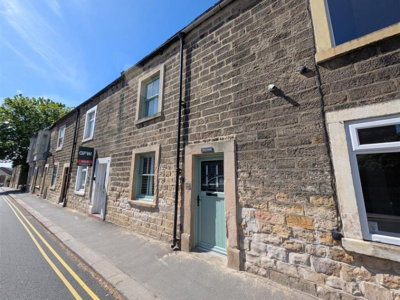
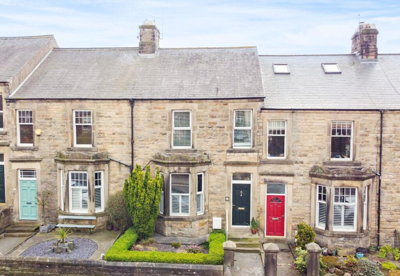
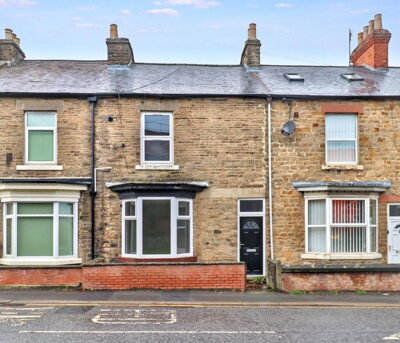
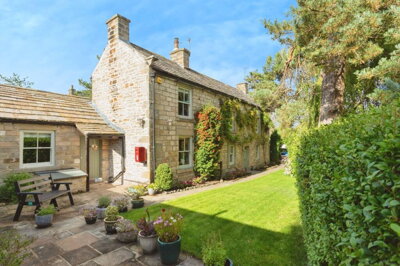
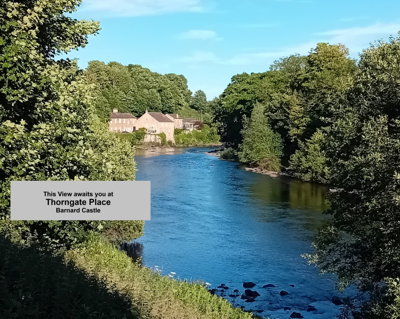
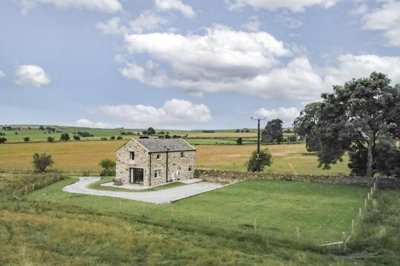
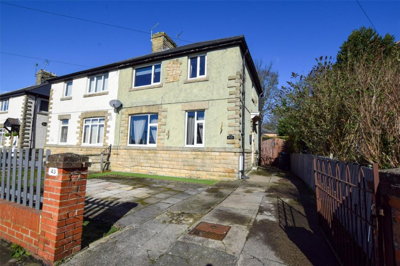
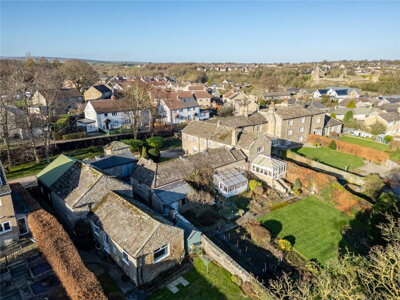
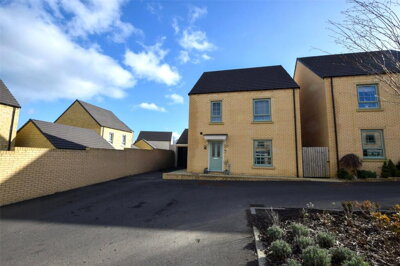
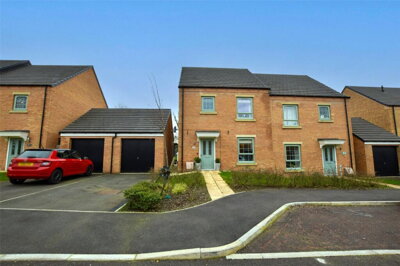
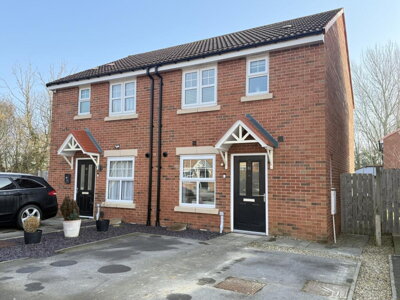
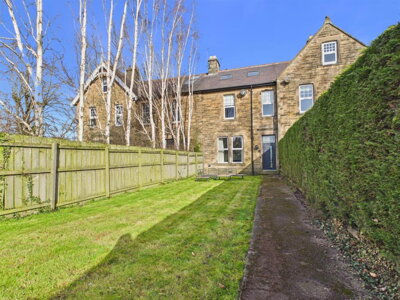
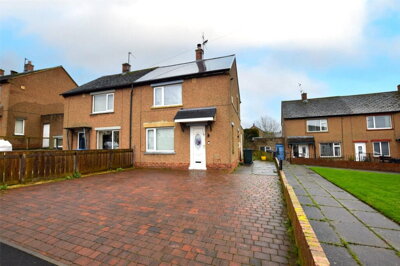
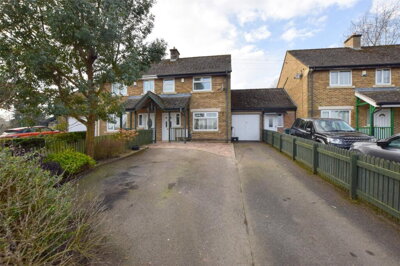
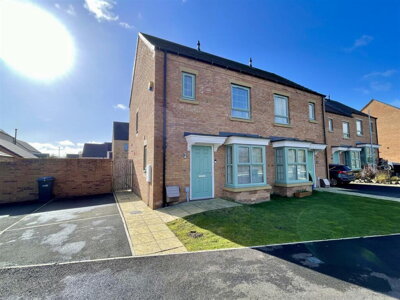
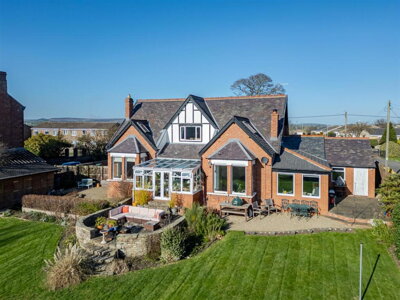
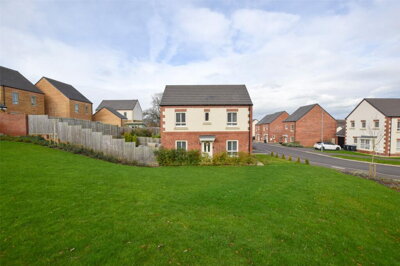
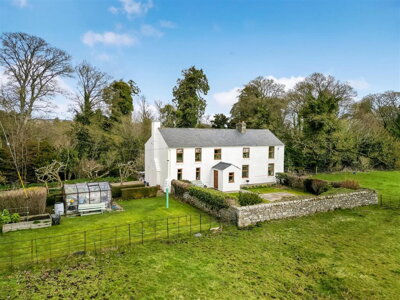
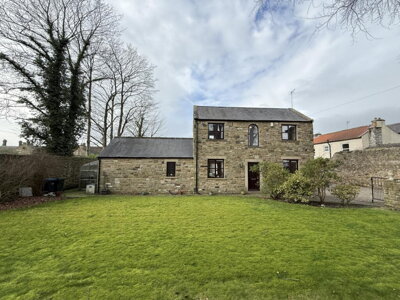
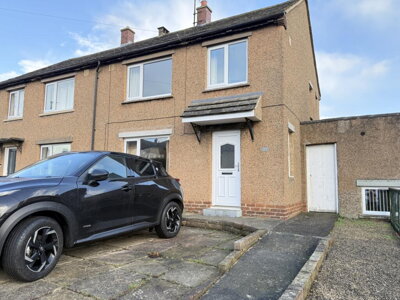
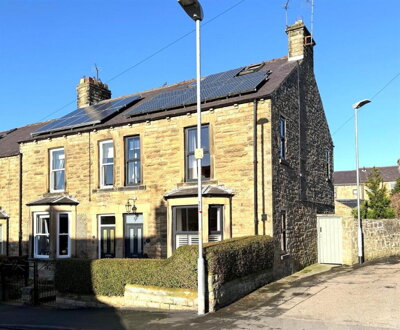
Browse 80 homes for sale in Lartington, County Durham from local estate agents.
The Lartington property market offers detached, semi-detached, and terraced houses spanning various price ranges and neighbourhoods. Each listing includes detailed property information, photographs, and direct contact with the marketing agent.
£575k
3
0
57
Source: home.co.uk
Showing 3 results for Houses for sale in Lartington, County Durham. The median asking price is £575,000.
Source: home.co.uk
Detached
3 listings
Avg £578,333
Source: home.co.uk
Source: home.co.uk
The Lartington for-sale market reflects the dynamics of rural County Durham, where strong demand from buyers seeking village living meets a relatively limited supply of available homes. Recent transaction data from Rightmove indicates approximately 25 property sales completed in the Lartington area over the past year, with our platform currently listing properties spanning various price points to suit different budgets and requirements. The average sold price of £485,000 positions Lartington in the premium segment of the County Durham housing market, reflecting the desirability of village locations with excellent countryside access and strong community credentials.
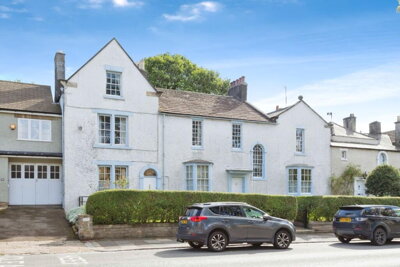
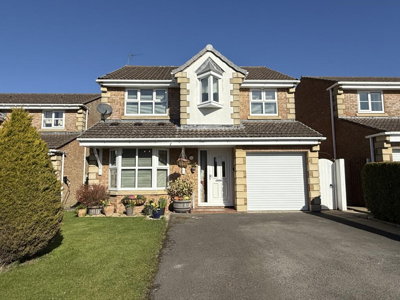
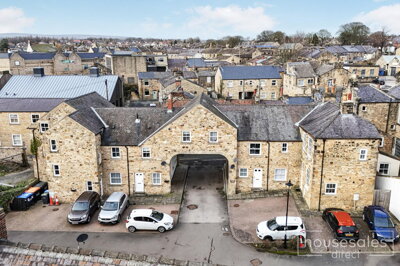
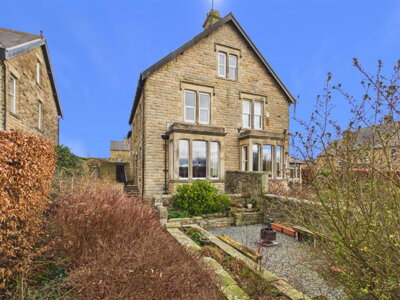
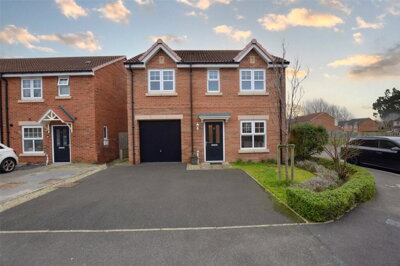
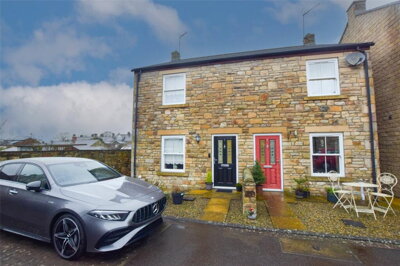
Property types available in Lartington include traditional stone-built detached houses, semi-detached cottages, and terraced properties that characterise this historic Teesdale village. Recent sales data shows a detached property on Lartington Lane achieving £485,000 in July 2025, demonstrating strong values for quality family homes in the village. A semi-detached property at 1 The Flats sold for £340,000 in January 2021, illustrating the range of property values across different types and configurations. The market has shown resilience, with current average prices representing a significant rise over the past twelve months despite being approximately 5% below the 2004 peak of £508,500, suggesting renewed buyer confidence in the area.
For buyers considering the Lartington property market, understanding local conditions is essential for making informed decisions. The village's limited housing stock means properties can sell quickly when priced correctly, with some homes attracting multiple offers from buyers competing for the rare opportunity to secure property in this sought-after location. Working with local estate agents who understand the nuances of the Teesdale property market can provide valuable insights into forthcoming listings and recent comparable sales that may not be immediately apparent from online portals alone.

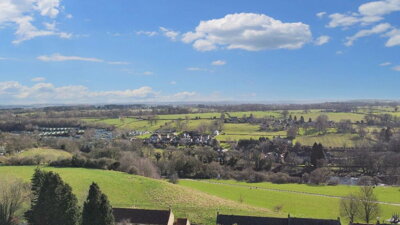
Lartington is a small, tight-knit village community set within the beautiful Teesdale valley in County Durham, approximately three miles west of Barnard Castle. The village is characterised by its traditional architecture, including stone cottages and farmhouses that reflect the agricultural heritage of the area, with properties often featuring characteristic Yorkshire stone construction and charming period details that appeal to buyers seeking authentic rural character. The surrounding landscape comprises rolling farmland, meadows, and access to the River Tees, offering residents excellent opportunities for walking, cycling, and enjoying the natural beauty of the Durham Dales.
The village benefits from an active community spirit, with local events, fetes, and social gatherings that bring residents together throughout the year. Lartington Hall, a historic manor house in the village, adds to the area's heritage appeal and contributes to the distinctive character of the settlement. Residents have access to walking routes through the surrounding countryside, including footpaths that connect to the wider Teesdale way network. The proximity to Barnard Castle provides additional amenities including supermarkets, independent shops, restaurants, and leisure facilities, while the historic Bowes Museum offers cultural attractions and events throughout the year.
The local economy of Lartington and surrounding Teesdale benefits from tourism, agriculture, and proximity to employment centres in Barnard Castle and beyond. The village pub serves as a community hub where residents gather for meals and social occasions, while local farms contribute to the rural economy and maintain the traditional landscape that defines the area. For families, the combination of excellent local schools, safe countryside walking routes, and strong community bonds makes Lartington an ideal location for raising children away from the pressures of urban life while still maintaining access to essential services and amenities.

Families considering a move to Lartington will find a range of educational options available within easy reach of the village. Primary education is served by schools in the surrounding area, with several village primary schools catering to younger children within a short drive or bus journey from Lartington. These smaller rural schools often benefit from strong community connections, attentive teaching, and good pupil-to-teacher ratios that support individual learning needs. Parents should research specific school performance data and Ofsted ratings when considering properties, as catchment areas can influence placement availability.
Secondary education options include schools in Barnard Castle, where the acclaimed Barnard Castle School provides education for students up to age 18, along with further education colleges in Darlington for older students pursuing vocational or academic qualifications. The presence of quality educational establishments within reasonable travelling distance adds to Lartington's appeal for families seeking to balance rural living with educational opportunity. Several preparatory schools in the broader Teesdale area serve families seeking private education options, complementing the range of state-funded choices available in the region.
Transport arrangements for school children from Lartington typically involve school bus services connecting the village to secondary schools in Barnard Castle, with journey times of approximately 15-20 minutes depending on traffic conditions. Parents should confirm current bus routes and timetables with Durham County Council or individual schools, as these arrangements can change. For younger children, the proximity of local primary schools means many families can walk or cycle to school, promoting independence and reducing the need for car journeys that characterise more rural locations.
Transport connectivity from Lartington combines rural tranquility with practical access to major road and rail networks. The village sits close to the A67 road, which provides direct routes to Barnard Castle to the east and Bishop Auckland to the north, connecting residents to broader County Durham. For longer journeys, the A1(M) motorway is accessible within approximately 20 miles, offering connections to Newcastle upon Tyne to the north and Leeds, York, and the south beyond. The strategic road position means that major employment centres in the North East remain within reasonable commuting distance for those who need to travel for work.
Rail services are available from nearby mainline stations, with Darlington station providing regular services to major destinations including London King's Cross, Edinburgh, Newcastle, and Leeds. The East Coast Main Line connections make Lartington viable for commuters who occasionally need to travel to capital cities or regional hubs for business. Local bus services operate routes connecting Lartington to surrounding villages and towns, providing essential public transport options for those without private vehicles. The surrounding countryside also offers excellent cycling routes and bridleways for recreational travel and active commuting where appropriate.
For commuters working in Barnard Castle, daily travel from Lartington typically takes around 10-15 minutes by car, making reverse commuting a viable option for those employed in the town. The journey to Darlington railway station takes approximately 25 minutes, providing access to faster rail services for longer business trips. Many residents appreciate the balance that Lartington offers - the ability to commute when needed while enjoying a peaceful village environment during evenings and weekends without the constant noise and congestion of urban areas.
Understanding the predominant property types and construction methods in Lartington helps buyers assess what to expect from the local housing stock. Traditional stone-built properties dominate the village, with many homes constructed using locally sourced Yorkshire stone that gives the settlement its distinctive character. These properties typically feature thick walls, slate or stone tile roofs, and traditional timber sash windows that reflect building practices from previous centuries. Buyers should familiarise themselves with the maintenance requirements and potential issues associated with traditional construction when evaluating properties in the village.
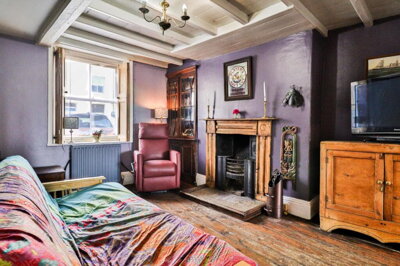
The age of Lartington's housing stock means many properties predate modern building regulations and may have been constructed using methods no longer permitted today. Solid walls, rather than cavity walls, characterise older stone properties, which can affect insulation performance and moisture management. Period features such as original fireplaces, exposed beams, and flagstone floors add character but may require ongoing maintenance to preserve their condition. Properties with listed status may have additional restrictions on alterations and improvements, so buyers should verify the status of any property that might be affected by heritage designations.
Given the age and traditional construction of many Lartington properties, arranging a thorough building survey before completing any purchase is strongly advisable. Surveyors experienced in assessing traditional rural properties can identify issues specific to stone construction, including damp penetration, stone deterioration, and structural movement that may not be apparent during a standard viewing. The investment in a comprehensive survey can save buyers significant money on unexpected repairs after moving in.
Before beginning your property search in Lartington, explore the village and surrounding Teesdale area to understand the local lifestyle, amenities, and community. Obtain a mortgage agreement in principle from a lender to establish your realistic budget, taking into account the average sold price of £485,000 in the area. Consider additional costs including solicitor fees, stamp duty, survey costs, and moving expenses when calculating your total budget. Visiting the village at different times of year can help you understand how the community changes through seasons, from summer fetes to winter countryside walks.
Use Homemove to browse all available properties for sale in Lartington, setting up alerts for new listings as homes in this sought-after village rarely stay on the market for long. Once you identify properties of interest, contact estate agents to arrange viewings, taking the opportunity to explore the village at different times of day and week to assess the neighbourhood thoroughly. Ask agents about the local property market, recent sales, and any upcoming developments or planning applications in the area. Many properties in Lartington are sold by local agents with detailed knowledge of individual homes and their history.
When you find your ideal home in Lartington, submit a formal offer through the selling estate agent, ideally supported by your mortgage agreement in principle and proof of funds. Be prepared to negotiate on price and terms, understanding that properties in village locations may attract competing interest from other buyers seeking similar rural lifestyles. Your solicitor should be instructed early to handle the legal aspects of the purchase and ensure contracts are reviewed thoroughly before exchange. Properties in high demand can sometimes sell above asking price, so having your finances arranged strengthens your negotiating position.
Arrange a RICS Level 2 HomeBuyer Report or Level 3 Building Survey before completing your purchase, particularly for older traditional properties that may have hidden defects. Your solicitor will conduct local authority searches, drainage checks, and verify ownership details to ensure there are no unexpected issues with the property. Given that some properties in Lartington may be listed buildings or of traditional construction, specialist surveys can identify any maintenance requirements or structural concerns. Using trusted survey partners who understand the specific issues affecting rural County Durham properties is recommended.
Once all surveys, searches, and legal work are satisfactory, both parties will sign contracts and exchange, typically requiring a 10% deposit. A completion date is agreed, and the remaining funds are transferred through your solicitor. On completion day, you will receive the keys to your new Lartington home, ready to begin your life in this charming Teesdale village. Arrange buildings insurance from the point of contract exchange to protect your investment against unforeseen events.
Purchasing a property in Lartington requires careful attention to several factors specific to this rural County Durham village. Traditional stone-built properties are common in the area, and buyers should assess the condition of walls, roof structures, and any signs of damp or structural movement that can affect older construction. The presence of a Grade II listed property in the broader area suggests that heritage considerations may apply to certain homes in Lartington, meaning buyers should verify whether any property of interest has listed status, which can affect permitted development rights and renovation options.
Flood risk should be investigated for properties near watercourses, although specific flood risk data for Lartington is not readily available. Buyers should review Environment Agency mapping, speak to neighbours about local flooding history, and ensure appropriate insurance is obtainable before committing to a purchase. Service charges and maintenance fees for any leasehold properties should be reviewed carefully, as these costs can vary significantly and may include provisions for communal areas or shared facilities. Properties with extensive land or gardens require consideration of ongoing maintenance commitments and costs throughout the year.
Electrical and plumbing systems in older Lartington properties may require updating to meet current standards, particularly in homes that have not been renovated in recent years. Consumer unit replacements, rewiring, and plumbing upgrades can represent significant additional costs that should be factored into your budget when evaluating properties. Ask vendors about the age and condition of services during viewings and include appropriate testing clauses in your survey requirements. A thorough RICS survey will identify any urgent electrical or plumbing issues that require attention.
The average sold price for a property in Lartington over the last twelve months is £485,000 according to HM Land Registry data. This figure represents a significant increase over recent years, with the market showing renewed strength after a period where prices were approximately 5% below the 2004 peak of £508,500. Recent sales include a detached property on Lartington Lane that sold for £485,000 in July 2025, demonstrating strong values for quality family homes in this sought-after Teesdale village. The premium positioning of Lartington within the County Durham market reflects the limited supply of village properties and consistent demand from buyers seeking rural lifestyles with good transport connections.
Properties in Lartington fall under Durham County Council's jurisdiction for council tax purposes. The specific band depends on the property's assessed value, with bands typically ranging from A through H for residential properties. Prospective buyers should verify the council tax band for any specific property through the Durham County Council website or the property listing details, as this affects ongoing annual costs for the property. Band D properties in County Durham typically pay around £1,800-£2,000 per year, though this varies depending on the specific property valuation and any applicable discounts or exemptions.
Primary education is available through village schools in the surrounding Teesdale area, with secondary education provided by schools in Barnard Castle including the well-regarded Barnard Castle School. Families should research individual school Ofsted ratings and performance data, as well as verify catchment area boundaries, as these can influence placement availability. Several independent preparatory schools in the broader region provide additional educational options for families seeking private education. The commute to schools is manageable from Lartington, with school transport available for secondary pupils attending Barnard Castle schools.
Lartington is served by local bus routes connecting the village to Barnard Castle and surrounding villages, providing essential public transport options for daily travel and access to amenities. The nearest mainline railway stations are in Darlington, offering connections to major cities including London, Edinburgh, Newcastle, and Leeds via the East Coast Main Line. For those relying on public transport, planning journeys in advance is recommended, particularly for travel outside peak hours or at weekends. Bus services may be less frequent during evenings and Sundays, so residents without private vehicles should consider this when budgeting for travel costs.
Lartington offers several factors that appeal to property investors, including limited supply of available homes, consistent demand from buyers seeking rural village locations, and the enduring appeal of Teesdale as a desirable place to live. Properties in the village have shown resilience in value, with current prices representing strong performance compared to historical data. However, investors should consider factors including potential rental demand, void periods, and ongoing maintenance costs for traditional rural properties before committing to a purchase. The village's proximity to Barnard Castle and good road connections to the wider region support rental demand from professionals working locally or commuting to larger employment centres.
Stamp Duty Land Tax rates for residential properties purchased in 2024-25 are 0% on the first £250,000 of purchase price, 5% on the portion between £250,001 and £925,000, 10% between £925,001 and £1.5 million, and 12% above £1.5 million. First-time buyers benefit from increased thresholds with 0% up to £425,000 and 5% between £425,001 and £625,000. For most properties in Lartington with an average price around £485,000, a first-time buyer would pay no stamp duty while a non-first-time buyer would pay approximately £11,750 in SDLT. The nil rate threshold for first-time buyers represents a significant saving that can make purchasing more affordable for those entering the property market in the area.
While specific data on listed buildings concentrations in Lartington is not readily available, the presence of heritage properties in the broader Teesdale area suggests that some homes in the village may have listed status or be subject to conservation area protections. Grade II listed properties in England are protected from unauthorised alterations that might affect their historic character, and owners of such properties may need Listed Building Consent for certain works including extensions, window replacements, or internal modifications. Buyers should verify the listed status of any property of interest through the listing descriptions available on Historic England or through their solicitor during the conveyancing process.
Traditional stone properties in Lartington require consideration of several factors specific to their construction age and materials. Stone walls are typically solid rather than cavity construction, which can affect thermal performance and moisture management in ways that differ from modern properties. Repointing may be required where mortar has deteriorated, and stone surfaces should be inspected for signs of weathering, cracking, or previous repairs that may indicate underlying structural issues. The weight of stone construction means foundations should be assessed carefully, particularly in properties where signs of movement or cracking are visible. Surveyors experienced in assessing traditional rural properties can identify issues that may not be apparent to buyers without specialist knowledge.
Understanding the full costs of purchasing a property in Lartington is essential for budgeting effectively, with stamp duty representing a significant element of the overall purchase expense. For a typical property in Lartington priced around the £485,000 average, a non-first-time buyer would pay stamp duty of approximately £11,750, calculated as 5% on the amount above £250,000. First-time buyers benefit from more favourable thresholds, potentially paying no stamp duty on properties up to £425,000 or reduced amounts between £425,001 and £625,000, making this an important consideration for those who have not previously owned property.
Beyond stamp duty, buyers should budget for solicitor conveyancing fees typically ranging from £500 to £2,000 depending on complexity, a mortgage arrangement fee which can be £500 to £2,000 or more depending on the product chosen, and survey costs of approximately £350 to £1,500 depending on property value and survey type selected. Moving costs, removals, and potential immediate repairs or renovations should also be factored into your budget. Obtain quotes from multiple providers for each service and ask about fixed fees or transparent pricing structures to avoid unexpected costs during the transaction process.
Additional costs to budget for include Land Registry fees for title registration, search fees for local authority and drainage searches, and potentially mortgage valuation fees if required by your lender. Buildings insurance should be arranged from the point of contract exchange to protect your investment, and life or buildings contents insurance may also be advisable. Setting aside a contingency fund of around 5-10% of the purchase price for unexpected costs is prudent, particularly for older properties where issues may emerge after purchase that were not visible during viewings. A thorough survey can help identify potential issues before completion, reducing the risk of costly surprises after you move into your new Lartington home.
Properties for Sale In London

Properties for Sale In Plymouth

Properties for Sale In Liverpool

Properties for Sale In Glasgow

Properties for Sale In Sheffield

Properties for Sale In Edinburgh

Properties for Sale In Coventry

Properties for Sale In Bradford

Properties for Sale In Manchester

Properties for Sale In Birmingham

Properties for Sale In Bristol

Properties for Sale In Oxford

Properties for Sale In Leicester

Properties for Sale In Newcastle

Properties for Sale In Leeds

Properties for Sale In Southampton

Properties for Sale In Cardiff

Properties for Sale In Nottingham

Properties for Sale In Norwich

Properties for Sale In Brighton

Properties for Sale In Derby

Properties for Sale In Portsmouth

Properties for Sale In Northampton

Properties for Sale In Milton Keynes

Properties for Sale In Bournemouth

Properties for Sale In Bolton

Properties for Sale In Swansea

Properties for Sale In Swindon

Properties for Sale In Peterborough

Properties for Sale In Wolverhampton

Enter your details to see if this property is within your budget.
Loans, cards, car finance
Estimated property budget
Borrowing + deposit
You could borrow between
Typical borrowing
Monthly repayment
Est. at 4.5%
Loan-to-value
This is an estimate only. Your actual budget may vary depending on interest rates, credit history, and personal circumstances. For an accurate affordability assessment, speak to one of our free mortgage advisors.
This calculator provides estimates for illustrative purposes only and does not constitute financial advice. Your home may be repossessed if you do not keep up repayments on your mortgage. Estimates based on 4.5% interest rate, repayment mortgage. Actual rates depend on your circumstances.
Homemove is a trading name of HM Haus Group Ltd (Company No. 13873779, registered in England & Wales). Homemove Mortgages Ltd (Company No. 15947693) is an Appointed Representative of TMG Direct Limited, trading as TMG Mortgage Network, which is authorised and regulated by the Financial Conduct Authority (FRN 786245). Homemove Mortgages Ltd is entered on the FCA Register as an Appointed Representative (FRN 1022429). You can check registrations at NewRegister or by calling 0800 111 6768.

We use cookies to show you personalised content and improve your experience of our website. Find out more in our Privacy policy and Cookie policy.