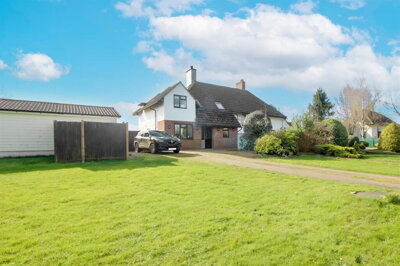
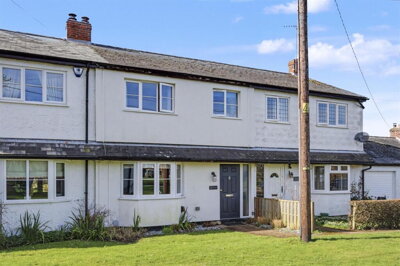
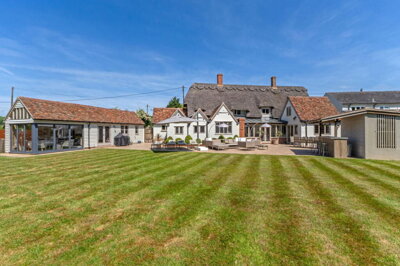
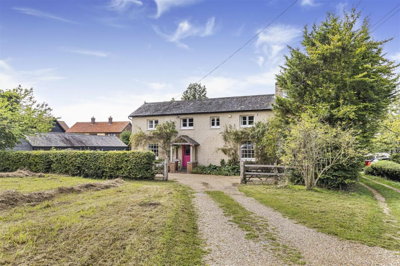
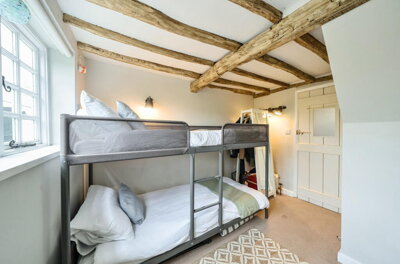
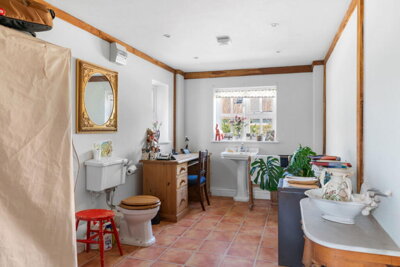
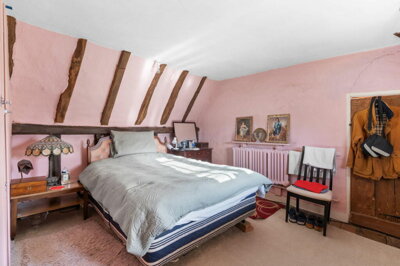
Browse 7 homes for sale in Langley, Uttlesford from local estate agents.
The Langley property market offers detached, semi-detached, and terraced houses spanning various price ranges and neighbourhoods. Each listing includes detailed property information, photographs, and direct contact with the marketing agent.
£500k
3
0
98
Source: home.co.uk
Showing 3 results for Houses for sale in Langley, Uttlesford. The median asking price is £500,000.
Source: home.co.uk
Detached
2 listings
Avg £837,500
Terraced
1 listings
Avg £425,000
Source: home.co.uk
Source: home.co.uk
The Cuddington property market reflects the character of the village itself, offering a blend of historic homes and more recent additions to the local housing stock. Detached properties command the highest prices, with averages around £925,000, while semi-detached homes typically sell for approximately £650,000. Terraced properties, which include some charming period cottages in the village centre, generally range around £270,000, making them an attractive option for first-time buyers and those seeking a more affordable entry point to this desirable village. Our data shows that property values in Cuddington have demonstrated relative stability over the longer term, with historical sold prices showing modest growth of around 3% compared to the previous year, though recent figures show some variation between data sources.
The village housing stock has evolved significantly over the past century, growing from just 111 homes at the beginning of the 20th century to the current 269 households recorded in the 2021 Census. Much of this expansion occurred in the post-war period when Rural District Council housing was built to meet local demand. However, Cuddington remains a village in character rather than a town, and new development has been carefully managed through the Cuddington Neighbourhood Plan, which allocates land for limited additional housing while protecting the rural nature of the parish. The Neighbourhood Plan identifies the Dadbrook Farm site (D-CDN003) for at least 15 new homes, though this development is projected towards the end of the plan period extending to 2033.
Currently, no major new-build developments exist within the village itself, meaning buyers seeking newer properties may wish to explore nearby towns such as Thame in Oxfordshire, where several active developments are available including those in the OX9 postcode area. The absence of significant new-build stock within Cuddington means that buyers here are primarily acquiring period properties, many of which date from the 16th and 17th centuries, offering character and heritage that newer homes simply cannot match.

Cuddington sits on a minor ridge overlooking the Thame Valley, with the River Thame flowing through the valley below the village. This elevated position provides residents with attractive views across the surrounding countryside while the village itself offers a peaceful, community-focused environment. The local landscape consists of rolling farmland, meadows, and the characteristic chalk and clay geology that has shaped both the local building traditions and the rural character of the area. The presence of clay in the local geology has historically enabled the production of witchert, a traditional building material made from clay and chalk mixed with chopped straw, which remains a defining feature of many Cuddington properties.
The village is situated within easy reach of Aylesbury, the county town of Buckinghamshire, and the market town of Thame in Oxfordshire, both of which provide comprehensive shopping, dining, and leisure facilities. The village community maintains an active social calendar, with local events and facilities centred around the parish church, village hall, and public house. The historic St Nicholas Church, dating from the 11th century and Grade II* listed, serves as both a place of worship and a landmark of considerable architectural significance. The village pub provides a traditional setting for social gatherings, while nearby towns offer restaurants, cafes, and additional amenities.
For outdoor enthusiasts, the surrounding countryside provides extensive walking and cycling opportunities, with footpaths crossing farmland and along the Thame Valley. Agriculture still plays a role in the local community, and the village is described as a typical UK rural parish with ongoing rural stability. The combination of rural tranquility, community spirit, and convenient access to larger towns makes Cuddington an appealing location for those seeking a better quality of life away from urban pressures. Recent development in the village has been primarily for commuters working in surrounding towns and cities, reflecting the village's popularity as a residential location for those who work further afield.

Families considering a move to Cuddington will find a selection of educational options available within reasonable distance of the village. Primary education is served by several local schools including Windmill Primary School in nearby Oxfordshire and Barley Hill Primary School in Thame, both of which serve catchment areas that include Cuddington and surrounding villages. These schools typically allocate places according to proximity and oversubscription criteria, so parents should confirm exact catchment boundaries before committing to a property purchase. Several other village primary schools in the surrounding area provide additional options for families with younger children.
Secondary education is provided by schools in surrounding towns, and parents should research specific catchment areas as these can vary depending on exact location within the village. Buckinghamshire operates a selective education system, and families may wish to explore grammar school options in nearby Aylesbury and surrounding areas. The county has several well-regarded secondary schools, some of which require passing the 11-plus examination for admission. Comprehensive school options also exist in the area, providing families with choices depending on their children's educational needs and the family's proximity to specific institutions.
Parents are advised to check current school performance data, including recent Ofsted inspection outcomes, and to confirm catchment area boundaries before committing to a property purchase. Several independent schools are also located within reasonable driving distance, offering alternative educational pathways for families seeking private education. The village's position near the Buckinghamshire and Oxfordshire border means families should carefully research which local authority area their property falls within, as this can affect school placement priorities. Transport to secondary schools typically requires a short drive or bus journey, which is worth considering when evaluating daily logistics.
Transport connections from Cuddington serve the village's role as a commuter settlement, with road access being the primary means of reaching employment centres. The village is located near the A418 road, which provides routes to Aylesbury and towards Thame and Oxford. The nearby A40 offers connection to High Wycombe and London, while the M40 motorway is accessible within reasonable driving distance, connecting to Birmingham, Oxford, and London. Those commuting to London will find that journey times by car vary depending on traffic conditions, but the village's position away from major congestion points can offer relatively straightforward access compared to more urban locations.
Public transport options from Cuddington include bus services connecting the village to nearby towns, though frequencies may be limited compared to urban areas. The X39 and 280 bus routes serve the area, connecting Cuddington with Thame and Aylesbury, though potential buyers should check current timetables as rural bus services can be subject to change. The nearest railway stations are located in surrounding towns, providing connections to the broader national rail network. For those working in London, driving to a parkway station or using a combination of bus and rail may be practical options.
Cyclists will find rural lanes suitable for cycling, though these can be narrow and shared with agricultural vehicles. The village's position on a ridge means some surrounding roads can be undulating, which is worth considering for daily commuting by bicycle. Overall, Cuddington suits those who have access to a car and may work locally or commute to regional centres with reasonable journey times. The village's proximity to the M40 makes it particularly convenient for those working in Oxford or commuting towards Birmingham, while the A40 provides direct access to High Wycombe and the wider motorway network.
Before viewing properties, research the Cuddington market thoroughly using our platform to understand price ranges for different property types. With detached homes averaging £925,000 and terraced properties around £270,000, establish a clear budget and obtain a mortgage agreement in principle from a lender to strengthen your position when making offers. Consider factors such as the Cuddington Conservation Area restrictions and listed building implications when setting your budget, as historic properties may require additional maintenance funds.
Use Homemove to browse all available properties in Cuddington and arrange viewings through the listed estate agents. Take time to visit at different times of day and return for second viewings before committing. Pay particular attention to the condition of historic properties, many of which may be listed or constructed using traditional methods such as witchert or featuring thatch roofing. Given the village's conservation status, viewings are an essential opportunity to assess whether the property meets your requirements and to understand any planning restrictions that may apply.
Once your offer is accepted, arrange a RICS Level 2 Survey to assess the property condition. Given Cuddington's older housing stock, including witchert construction and listed buildings, a thorough survey is essential to identify any structural issues or maintenance requirements before purchase. Our inspectors are experienced in assessing traditional construction methods common in Buckinghamshire villages, including clay and chalk-based witchert walls and historic timber-framed structures. Survey costs for properties in this price range typically range from approximately £350 to £600.
Appoint a solicitor experienced in Buckinghamshire property transactions to handle the legal aspects of your purchase. They will conduct searches through Buckinghamshire Council, review contracts, and manage the transfer of ownership through to completion. For properties in the Cuddington Conservation Area or listed buildings, your solicitor should specifically check for any planning conditions, tree preservation orders, and listed building consents that may affect the property. Conveyancing costs typically range from £500 to £1,500 depending on complexity.
Work with your solicitor and mortgage lender to finalise all documentation. On completion day, the remaining funds are transferred, and you receive the keys to your new Cuddington home. Before completion, we recommend conducting a final walkthrough to confirm the property's condition matches your expectations and that any agreed repairs have been completed. Our team can arrange for any additional surveys or assessments you may need before taking ownership of your new property.
Properties in Cuddington require careful inspection due to the village's historic character and traditional construction methods. A significant portion of the housing stock predates modern building regulations, with many homes constructed using local witchert, a traditional mixture of clay and chalk mixed with chopped straw, or traditional stone and brick methods. These materials can require specialist maintenance and may present challenges that differ from modern construction. The village contains buildings of varied dates, including C16 and C17 thatched and timber-framed buildings, C19 brick and slate cottages, and good later brick buildings including Victorian and early C20 structures.
Buyers should pay particular attention to the condition of roofs, as thatch and old tile coverings are common, and ensure any listed building consent requirements are understood before purchase. The Cuddington Conservation Area, designated in 1976 and updated in 2008, covers a large part of the village, meaning external alterations may require planning permission from Buckinghamshire Council. The village contains at least 42 listed buildings including the Grade II* St Nicholas Church dating from the 11th century and Grade II* Tyringham Hall from the C16 and 1609, meaning many properties may have listed status that affects what works can be carried out.
Flood risk should be considered given Cuddington's position overlooking the Thame Valley, with the River Thame at the base of the ridge on which the village sits. While the village itself sits on elevated ground, prospective buyers should enquire about surface water and drainage conditions, particularly for lower-lying properties. The local geology includes clay and chalk, which can present shrink-swell ground movement potential, so a thorough structural survey is advisable for any property. Ground conditions can affect foundations, and older properties may have been built using traditional foundation methods that differ from modern standards. When purchasing flats or leasehold properties, review the terms carefully, including remaining lease length, service charges, and any planned major works that could result in special contribution demands.
According to recent market data, the average house price in Cuddington is approximately £615,000 according to Rightmove, with other sources citing averages around £460,000. Detached properties average £925,000, semi-detached homes around £650,000, and terraced properties approximately £270,000. Property prices can vary significantly based on location within the village, property condition, whether it is listed, and specific features such as garden size or character features. The market has shown relative stability with historical prices rising around 3% compared to the previous year, though recent figures show some variation between data sources.
Properties in Cuddington fall under Buckinghamshire Council administration. Council tax bands range from A to H depending on the assessed value of the property, with bands set by the Valuation Office Agency based on 1991 property values. Historic and smaller properties in the village typically fall into lower bands, with many period cottages and terraced properties in bands A through C. Larger detached homes, including substantial period properties and the village's many listed buildings, may be placed in higher bands D through F. You can check the specific council tax band for any property through the Valuation Office Agency website or by contacting Buckinghamshire Council directly.
Cuddington is served by primary schools in nearby villages and towns, with catchment areas depending on exact location within the village. Primary schools serving the area include Windmill Primary School in nearby Oxfordshire and Barley Hill Primary School in Thame, both of which typically serve catchments that include Cuddington. Secondary education options include schools in Aylesbury and surrounding areas, with Buckinghamshire's grammar school system offering selective places for academically able students. Parents should research current Ofsted ratings, consider catchment boundaries carefully as these can affect placement priority, and check admissions criteria for specific schools. Several independent schools are also available within reasonable driving distance for families seeking private education options.
Public transport options in Cuddington are limited compared to urban areas. Bus services including the X39 and 280 connect the village to nearby towns including Thame and Aylesbury, though frequencies may not be suitable for daily commuting without a car. The nearest railway stations are located in surrounding towns, providing connections to the broader national rail network including services to London Marylebone from nearby stations. For commuting to London or other major centres, a car is generally necessary, though some residents use combined bus and rail journeys to nearby parkway stations. The village's position near the A418 and accessibility to the A40 and M40 motorway makes road travel the primary transport option for most residents.
Cuddington offers several factors that may appeal to property investors. The village's limited housing supply, with no major new-build developments currently within the village itself, helps protect the character and potentially the value of existing properties. The Cuddington Neighbourhood Plan allocates land for at least 15 homes at Dadbrook Farm, but this development is projected towards the end of the plan period extending to 2033, meaning supply will remain constrained for the foreseeable future. The presence of the Cuddington Conservation Area and numerous listed buildings restricts further development, which could support property values. However, the village's small size and limited rental demand may affect rental yields, and investors should consider the cost of maintaining historic properties constructed using traditional methods such as witchert or featuring thatch roofing.
Stamp duty rates in Cuddington follow standard England rates, calculated on the portion of the purchase price within each band. For main residences, there is no stamp duty on purchases up to £250,000, with 5% charged on the portion from £250,001 to £925,000, 10% from £925,001 to £1.5 million, and 12% above £1.5 million. Given Cuddington's average property price of £615,000, a main residence buyer would pay approximately £18,250 in stamp duty. First-time buyers benefit from relief on purchases up to £625,000, paying no duty on the first £425,000 and 5% on the portion between £425,001 and £625,000, reducing SDLT to around £9,500 for qualifying buyers at average prices.
From £350
A detailed inspection of the property condition, ideal for Cuddington's historic housing stock including witchert and listed properties
From £450
A comprehensive structural survey recommended for older or complex properties with potential defects
From £80
Energy Performance Certificate required for all property sales
From £499
Legal services for your property purchase in Buckinghamshire
From 4.5%
Finance options for your Cuddington property purchase
Understanding the full costs of buying property in Cuddington extends beyond the purchase price itself. Stamp duty land tax (SDLT) is calculated based on the property purchase price using current thresholds. For a typical Cuddington property at the average price of around £615,000, a main residence buyer would pay no duty on the first £250,000, then 5% on the amount between £250,001 and £615,000, which totals approximately £18,250 in stamp duty. First-time buyers may benefit from relief, paying duty only on amounts above £425,000 at 5%, reducing the SDLT to around £9,500 for qualifying buyers purchasing at the average price.
Beyond stamp duty, buyers should budget for solicitor conveyancing costs, typically ranging from £500 to £1,500 depending on complexity and whether the property is leasehold. Survey costs for a RICS Level 2 Homebuyer Report range from approximately £350 to £600 for properties in this price range, with larger or more complex historic properties potentially requiring higher-grade surveys. Search fees through Buckinghamshire Council, environmental searches, and drainage checks typically total £250 to £400. Mortgage arrangement fees vary by lender but often range from £0 to £2,000, and life and buildings insurance costs should also be factored in.
For properties in the Cuddington Conservation Area or listed buildings, budget for potentially higher maintenance costs and any specialist surveys required to assess traditional construction methods such as witchert or thatch roofing. Listed building consent may be required for certain works, adding both time and cost to any renovation projects. The village's historic properties, many dating from the 16th and 17th centuries, may also require more frequent maintenance than modern homes, so factoring in a maintenance reserve is advisable. We recommend setting aside at least 1-2% of the property value annually for ongoing maintenance and repairs, particularly for period properties with traditional features.
Properties for Sale In London

Properties for Sale In Plymouth

Properties for Sale In Liverpool

Properties for Sale In Glasgow

Properties for Sale In Sheffield

Properties for Sale In Edinburgh

Properties for Sale In Coventry

Properties for Sale In Bradford

Properties for Sale In Manchester

Properties for Sale In Birmingham

Properties for Sale In Bristol

Properties for Sale In Oxford

Properties for Sale In Leicester

Properties for Sale In Newcastle

Properties for Sale In Leeds

Properties for Sale In Southampton

Properties for Sale In Cardiff

Properties for Sale In Nottingham

Properties for Sale In Norwich

Properties for Sale In Brighton

Properties for Sale In Derby

Properties for Sale In Portsmouth

Properties for Sale In Northampton

Properties for Sale In Milton Keynes

Properties for Sale In Bournemouth

Properties for Sale In Bolton

Properties for Sale In Swansea

Properties for Sale In Swindon

Properties for Sale In Peterborough

Properties for Sale In Wolverhampton

Enter your details to see if this property is within your budget.
Loans, cards, car finance
Estimated property budget
Borrowing + deposit
You could borrow between
Typical borrowing
Monthly repayment
Est. at 4.5%
Loan-to-value
This is an estimate only. Your actual budget may vary depending on interest rates, credit history, and personal circumstances. For an accurate affordability assessment, speak to one of our free mortgage advisors.
This calculator provides estimates for illustrative purposes only and does not constitute financial advice. Your home may be repossessed if you do not keep up repayments on your mortgage. Estimates based on 4.5% interest rate, repayment mortgage. Actual rates depend on your circumstances.
Homemove is a trading name of HM Haus Group Ltd (Company No. 13873779, registered in England & Wales). Homemove Mortgages Ltd (Company No. 15947693) is an Appointed Representative of TMG Direct Limited, trading as TMG Mortgage Network, which is authorised and regulated by the Financial Conduct Authority (FRN 786245). Homemove Mortgages Ltd is entered on the FCA Register as an Appointed Representative (FRN 1022429). You can check registrations at NewRegister or by calling 0800 111 6768.

We use cookies to show you personalised content and improve your experience of our website. Find out more in our Privacy policy and Cookie policy.