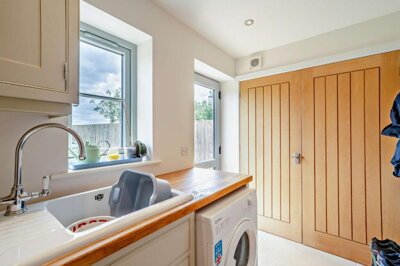
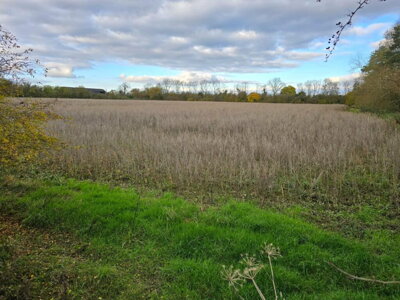
Browse 2 homes for sale in Langford from local estate agents.
The 2 bed house market features detached, semi-detached, and terraced properties with two separate bedrooms plus living spaces. Properties in Langford range from Victorian and Edwardian period homes to modern new builds, with pricing varying across different neighbourhoods.
The Langford property market is demonstrating robust growth, with prices climbing 13% over the past year and now sitting 6% above the previous 2023 peak of £495,960. This upward momentum reflects the broader West Oxfordshire trend, where the average house price rose 4.9% from December 2024 to December 2025, reaching a district-wide average that positions Langford as a premium village location. The market here attracts buyers who value the village's historic character, excellent schooling proximity, and straightforward access to employment centres across Oxfordshire and the wider region. Detached properties command the highest prices at an average of £589,542, reflecting strong demand from families seeking generous space and gardens in a semi-rural setting.
Property types in Langford span traditional stone-built cottages dating from the 17th century to sympathetically designed modern developments that maintain the village's architectural consistency. The wider West Oxfordshire district recorded 1,284 property sales in the twelve months to February 2026, indicating healthy market activity despite broader economic uncertainty. Semi-detached homes averaged £232,500 in Langford, while terraced properties reached £330,000, demonstrating the premium attached to village locations within this sought-after district. The housing stock includes an unusually high proportion of period properties built from local creamy grey limestone, with stone slate, Welsh slate, and thatched roofs providing distinctive character that newer developments rarely replicate.
The West Oxfordshire housing market benefits from sustained demand driven by the county's prestigious universities and innovation sectors, which attract professionals and families from across the UK. Economic activity rates in the district stand at 64.9%, exceeding national averages and supporting continued interest in village locations like Langford where buyers can access career opportunities alongside a superior quality of life. Limited new housing supply, constrained by historic settlement patterns and planning restrictions within the Conservation Area, ensures that demand consistently outstrips available stock, underpinning long-term price resilience in this village location.

Langford offers an authentic English village experience characterised by its historic core of 17th-century limestone buildings, winding lanes, and the pastoral backdrop of the Oxfordshire clay vale landscape. The village occupies a low-lying position between the limestone uplands to the north and the extensive Thames floodplain to the south, creating an environment of large, undrained fields traversed by slow-moving streams. This geology, dominated by Oxford Clay with overlying alluvium and terrace gravels, shapes both the landscape character and the agricultural use of surrounding land. The village's Conservation Area, designated in 1992, protects groups of historic buildings, traditional walls, mature hedgerows, and settlement patterns that reflect centuries of continuous occupation and agricultural activity.
The demographics of West Oxfordshire provide context for life in Langford, with the district population reaching approximately 120,900 by mid-2024 and experiencing growth driven primarily by the 65 and over age group. The rate of home ownership in West Oxfordshire decreased from 69.7% in 2011 to 66.8% in 2021, while private renting increased from 14.9% to 17.9%, indicating evolving tenure patterns that reflect national trends alongside the pressures of Oxfordshire's strong economic activity rate. Community life in Langford centres on its historic buildings, traditional pub, and parish activities, with Oxfordshire's broader cultural offerings, including world-renowned museums, theatres, and restaurants, readily accessible via regular bus services and the proximity to Oxford's park-and-ride facilities.
The local economy benefits from proximity to major employment centres, with the Oxfordshire Growth Needs Assessment and Housing and Economic Needs Assessment 2022 confirming sustained demand for housing across the district. Projections indicate West Oxfordshire will see overall population growth of 5.8% by 2041, with particularly strong growth in the 65 and over age group. This demographic shift will likely increase demand for housing, community facilities, and services, reinforcing Langford's appeal as a settled village location within easy reach of essential amenities and healthcare facilities in nearby towns.

Families considering Langford benefit from proximity to a range of educational establishments across West Oxfordshire, from village primary schools to renowned secondary schools and sixth form colleges in nearby towns. The village's location places it within easy reach of primary schools serving rural communities, with parents able to choose from establishments in surrounding villages and towns depending on catchment areas and admissions criteria. The presence of good primary education options makes Langford attractive to families seeking to balance rural living with academic opportunity, while older children can access the excellent secondary schools for which Oxfordshire is renowned, including grammar schools and comprehensive schools with strong academic records.
The broader West Oxfordshire area offers access to notable educational institutions, with schools consistently performing well in Ofsted inspections and national examination rankings. Families should research specific school performance data, admission catchment boundaries, and transport arrangements when considering a property in Langford, as availability and travel times can vary significantly depending on the school chosen. For sixth form and further education, students typically travel to Witney, Abingdon, or Oxford, where specialist courses and facilities are available. The proximity to Oxford's university colleges and associated research facilities also positions Langford favourably for families with long-term educational aspirations, as the county maintains educational standards among the highest in England.
The average age of West Oxfordshire residents reached 44 years in the 2021 Census, reflecting a mature population that values the stability of established communities and quality schooling. School admissions in the district are coordinated through Oxfordshire County Council, with catchment areas and oversubscription criteria applied fairly across rural and urban locations. Parents moving to Langford should verify current school capacities and any planned expansions that might affect future availability, as population growth projections suggest continued demand for school places across the district.
Langford benefits from a strategic position within West Oxfordshire, offering access to the regional road network while maintaining its peaceful village character away from major trunk roads. The village lies within reasonable distance of the A40, which provides direct connections to Oxford to the east and Witney to the west, enabling straightforward commuting by car to employment centres across the region. For those working in Oxford city centre, the journey takes approximately 30 to 40 minutes by car depending on traffic conditions, with park-and-ride facilities available on the outskirts of Oxford offering an alternative to city centre parking. The A420 provides links to Swindon and Bristol, while the M40 motorway is accessible for travel to London and Birmingham.
Public transport options from Langford include bus services connecting the village to nearby towns and Oxford, though rural bus frequencies may limit suitability for daily commuting without a vehicle. Oxford railway station offers direct services to London Paddington (approximately one hour), Reading (30 minutes), and Birmingham (90 minutes), making the capital and major regional cities accessible for business and leisure travel. The presence of Oxford Airport for domestic and European flights further enhances connectivity for those requiring air travel. Cyclists benefit from the generally flat terrain surrounding Langford, with National Cycle Network routes and country lanes providing opportunities for scenic commuting and leisure riding, though the narrow rural roads require appropriate caution during peak agricultural traffic periods.
The A40 corridor serves as a vital artery for West Oxfordshire, with improvements to public transport infrastructure and cycling facilities periodically consulted upon by Oxfordshire County Council. Rush hour traffic on the A40 can extend journey times significantly, particularly during school holidays when tourist traffic to the Cotswolds increases. Prospective residents working in Oxford should factor these patterns into their commuting calculations and consider whether remote working arrangements might reduce the frequency of peak-time journeys.
Obtain a mortgage agreement in principle before beginning property viewings, as sellers in competitive villages like Langford will expect buyers to demonstrate their financial capability. Speak to a mortgage broker who can access deals from across the market and advise on the best structure for your circumstances. Having your finances confirmed in advance positions you favourably when making offers on desirable village properties.
Study recent sale prices in Langford and West Oxfordshire to understand what properties are achieving, including the premium for period features, Conservation Area restrictions, and the impact of proximity to schools and transport links. Review the Land Registry records and speak to local estate agents about demand levels and typical timeframes. Understanding the local market dynamics helps you make competitive offers and negotiate effectively.
Visit a selection of properties in Langford to understand the variety available, from traditional 17th-century cottages built from local limestone to modern homes in recent developments. Pay attention to construction materials, maintenance requirements, and any signs of structural movement or damp in older properties. Viewing multiple properties helps you understand what represents fair value in this village location.
Before proceeding with a purchase, arrange a thorough survey of the property. Given Langford's geology on Oxford Clay and its older housing stock, a Level 2 survey will identify any issues with subsidence risk, damp, roof condition, or outdated electrics that are common in period properties. The cost for a RICS Level 2 Survey typically ranges from £416 to £639 depending on property value, with homes above £500,000 averaging around £586.
Choose a solicitor with experience in West Oxfordshire transactions, including knowledge of Conservation Area requirements and any local planning constraints. Your solicitor will handle searches, contracts, and registration while coordinating with your mortgage lender and the seller's representatives. Standard conveyancing costs start from around £499 but may be higher for Listed Buildings or properties requiring specialist searches.
Once all searches are satisfactory, your mortgage offer is confirmed, and contracts are signed, you can exchange and set a completion date. On completion day, the remaining funds are transferred, and you receive the keys to your new home in Langford. Budget also for stamp duty, survey costs, and moving expenses as part of your complete buying cost calculation.
Properties in Langford present several considerations specific to the village's geology, architecture, and planning context that buyers should investigate carefully before committing to a purchase. The underlying Oxford Clay geology creates potential for shrink-swell ground movement, particularly during periods of drought or heavy rainfall, which can affect foundations and lead to structural cracks or subsidence. A thorough survey by a qualified RICS surveyor experienced with traditional Oxfordshire construction will assess whether any movement has occurred and whether appropriate remediation measures are in place. Signs to look for include cracks in walls extending diagonally from corners of windows and doors, uneven floors, and doors or windows that stick or fail to close properly.
The Langford Conservation Area designation means that any external alterations to properties require careful consideration and potentially formal consent from the planning authority. Conservation Area rules restrict certain permitted development rights, meaning that extensions, dormer windows, and satellite dishes may require planning permission that would be unnecessary in non-designated areas. Buyers purchasing Listed Buildings face additional requirements, as any work affecting the character or appearance of these 17th-century structures requires Listed Building Consent from West Oxfordshire District Council. Properties built from traditional lime-based materials require specialist maintenance approaches that differ from modern cement-based construction, and prospective buyers should budget for appropriate repair and renovation work using compatible materials.
Flood risk assessment forms an essential part of due diligence when purchasing in Langford, given the village's low-lying position between the limestone uplands and the Thames floodplain. The area has experienced flooding from surface water run-off from agricultural land and the overtopping of streams, with flood alerts issued during periods of sustained heavy rainfall. A property in or adjacent to a flood zone may require specialist insurance arrangements and potential flood resilience measures such as raised electrical sockets, non-porous floor finishes, and water-resistant building materials. Buyers should request the EA flood map for the specific location and review any historical flooding records held by the local authority.
The construction materials common in Langford properties each carry specific maintenance considerations that informed buyers should understand. Stone slate roofs, while durable, require specialist repair skills and may show signs of deterioration or slippage over time. Thatched roofs, whether long straw or combed wheat reed, require re-thatching every 30 to 40 years by specialist craftsmen and carry higher insurance premiums due to fire risk. Properties with lime render on infill panels or weatherboarding of elm, oak, or chestnut should be maintained using traditional techniques and breathable paints to prevent moisture retention that can cause rot or decay in the structural fabric.
The traditional buildings of Langford reflect centuries of vernacular construction adapted to local materials and the Oxfordshire climate. Most houses and cottages are built from local creamy grey limestone, typically in uncoursed rubble form, which provides excellent thermal mass and breathability when properly maintained. This limestone, quarried locally from the wolds to the north, has been the primary building material since the 17th century, giving the village its distinctive warm grey appearance that harmonises with the pastoral landscape. Understanding the origin and properties of this local stone helps buyers appreciate why period properties require specialist maintenance rather than modern construction techniques.
Roof construction in Langford varies according to property age and status, with stone slate being the predominant material for traditional buildings. Welsh slate appears on some later Victorian properties, while thatch covers a small number of historic cottages, particularly those dating from the earliest periods of settlement. The combination of stone slate or thatch with solid limestone walls creates buildings of considerable thermal mass that perform differently from modern cavity wall construction. These traditional buildings rely on breathability and natural moisture management rather than synthetic insulation barriers, meaning that inappropriate modern improvements can sometimes cause condensation, damp, or timber decay if not carefully specified.
Window styles in Langford reflect the evolution of building design across centuries, from early stone mullion windows in medieval-influenced properties through 19th-century sash windows to modern casement windows beneath wooden lintels. The Conservation Area guidance emphasises maintaining original window proportions and materials, with replacement windows required to match the character of the property. Many older properties retain their original timber window frames, which may require restoration rather than replacement, and buyers should budget for specialist joinery work where original features survive. The red Oxford brick, sometimes glazed with blue headers, appears as an accent material in boundary walls and chimneys, reflecting the local brick-making tradition that supplemented stone construction.
The average house price in Langford, West Oxfordshire, is currently £524,633, based on transactions over the past year. Detached properties average £589,542, semi-detached homes reach £232,500, and terraced properties command around £330,000. Prices have increased by 13% over the past year and are now 6% above the previous 2023 peak of £495,960, indicating strong ongoing demand for property in this desirable village location. West Oxfordshire district saw overall price growth of 4.9% from December 2024 to December 2025, with semi-detached properties rising 6.2% and flats increasing 1.8%, reflecting robust market activity across property types.
Council tax bands in Langford, West Oxfordshire, are set by West Oxfordshire District Council and vary according to property value and type, ranging from Band A for lower-value properties through to Band H for the most valuable homes. Prospective buyers should check the specific band for any property they are considering, as bands affect ongoing monthly costs and vary significantly between a modest 17th-century cottage and a substantial modern detached house. The local council tax supports services including education, highways, refuse collection, and community facilities across the district, with the rate set annually by the council.
Langford is served by primary schools in surrounding villages and towns, with specific catchment areas determining allocations for village children. The wider West Oxfordshire area includes several primary and secondary schools with strong academic reputations and positive Ofsted ratings, including notable secondary schools in Witney, Carterton, and Bicester accessible by bus or car from Langford. Families should research individual school performance data, admission policies, and travel arrangements when considering a property, as availability varies by location within the district and catchment boundaries can change. The proximity to Oxford's university colleges and associated research facilities positions Langford favourably for families with long-term educational aspirations, with sixth form students typically travelling to Witney, Abingdon, or Oxford for specialist courses.
Langford has limited public transport options compared to larger towns, with bus services providing connections to nearby towns and Oxford, though frequencies may not suit daily commuting without a vehicle. The nearest railway station is in Oxford, offering direct services to London Paddington (approximately one hour), Reading (30 minutes), and Birmingham (90 minutes), making the capital and major regional cities accessible for business and leisure travel. For those working in Oxford, car travel to park-and-ride facilities typically takes 30 to 40 minutes, while the A40 provides road access to Oxford and surrounding employment centres. Oxford Airport provides domestic and limited European flights for those requiring air travel.
Langford presents several factors that make it attractive for property investment, including strong price growth of 13% over the past year and proximity to Oxford's economically active job market with its prestigious universities and innovation sectors. West Oxfordshire is projected to see continued population growth of 5.8% by 2041, driven primarily by the 65 and over age group, maintaining demand for housing in desirable village locations. However, the Conservation Area designation restricts certain development opportunities, and the older housing stock may require maintenance investment. The West Oxfordshire Housing and Economic Needs Assessment 2022 confirms sustained demand across the district, supporting long-term investment confidence in village locations like Langford.
Stamp Duty Land Tax rates for 2024-25 are 0% on the first £250,000 of a property purchase, 5% on the portion from £250,001 to £925,000, 10% on £925,001 to £1.5 million, and 12% on any amount above £1.5 million. First-time buyers benefit from relief on the first £425,000, paying 5% on the portion from £425,001 to £625,000, with no relief above £625,000. Given Langford's average price of £524,633, most buyers will pay stamp duty on the portion above £250,000, with a non-first-time buyer paying approximately £13,732 on a typical village property.
A RICS Level 2 Survey is strongly recommended when purchasing in Langford, particularly given the prevalence of older period properties with traditional construction methods that may conceal defects invisible during a standard viewing. Properties built from limestone with stone slate or thatched roofs, those with solid wall construction, and any buildings on Oxford Clay geology can develop issues such as subsidence, damp, or roof deterioration that require professional assessment. Survey costs for properties above £500,000 average around £586, though larger or more complex properties may cost more. For Listed Buildings or properties in poor condition, a RICS Level 3 Building Survey providing more detailed analysis may be appropriate, with costs ranging from £600 to over £1,500 depending on property size and complexity.
Langford's low-lying position between the limestone wolds and the Thames floodplain creates potential flood risk from surface water run-off, fluvial flooding from streams, and groundwater emergence during periods of sustained rainfall. The village has experienced flooding from agricultural land run-off and stream overtopping, with flood alerts issued periodically by the Environment Agency. Properties in or adjacent to flood risk zones may require specialist insurance, and buyers should request the EA flood map for the specific property location and review any historical flooding records. Flood resilience measures such as raised electrical fittings, non-porous floor materials, and property-level flood barriers can reduce the impact of flooding on older properties.
From 4.5%
Competitive mortgage rates available for Langford property purchases, including remortgages and first-time buyer options
From £499
Solicitors experienced in West Oxfordshire transactions, including Conservation Area and Listed Building conveyancing
From £350
Essential survey for Langford period properties, identifying defects common in traditional construction
From £60
Energy Performance Certificate required for all property sales
Understanding the full costs of buying a property in Langford, West Oxfordshire, is essential for budgeting effectively and avoiding surprises during the transaction. Stamp Duty Land Tax represents a significant cost for most buyers, with the standard threshold for 2024-25 set at £250,000, above which buyers pay 5% on the portion up to £925,000. For a typical Langford property at the current average price of £524,633, a non-first-time buyer would pay stamp duty on £274,633 at 5%, equating to £13,731.65. First-time buyers benefit from a higher threshold of £425,000 and a reduced rate on the portion between £425,001 and £625,000, which would substantially reduce or eliminate stamp duty costs for properties within this range.
Beyond stamp duty, buyers should budget for solicitor conveyancing costs, which typically start from around £499 for standard transactions but can increase depending on complexity, particularly for properties in the Conservation Area or Listed Buildings where additional searches and specialist advice may be required. A RICS Level 2 Survey costs from approximately £350 for a standard property but may be higher for larger homes, period properties requiring more detailed inspection, or those with complex features. Survey costs in Oxfordshire average between £416 and £639 depending on property value, with homes above £500,000 averaging around £586. Additional costs include mortgage arrangement fees, valuation fees if required by the lender, search fees, and moving expenses, all of which should be factored into the overall budget before committing to a purchase in this sought-after village location.
For buyers purchasing Listed Buildings or properties requiring significant renovation, additional costs may include specialist heritage surveyors, listed building consent application fees, and higher insurance premiums due to the age and construction type of traditional buildings. Thatched properties typically attract higher insurance costs due to fire risk, while flood risk considerations may affect both insurance availability and cost in certain locations within Langford. Budgeting conservatively at 5% to 10% above the property purchase price covers the majority of ancillary costs for a typical village property transaction.
Properties for Sale In London

Properties for Sale In Plymouth

Properties for Sale In Liverpool

Properties for Sale In Glasgow

Properties for Sale In Sheffield

Properties for Sale In Edinburgh

Properties for Sale In Coventry

Properties for Sale In Bradford

Properties for Sale In Manchester

Properties for Sale In Birmingham

Properties for Sale In Bristol

Properties for Sale In Oxford

Properties for Sale In Leicester

Properties for Sale In Newcastle

Properties for Sale In Leeds

Properties for Sale In Southampton

Properties for Sale In Cardiff

Properties for Sale In Nottingham

Properties for Sale In Norwich

Properties for Sale In Brighton

Properties for Sale In Derby

Properties for Sale In Portsmouth

Properties for Sale In Northampton

Properties for Sale In Milton Keynes

Properties for Sale In Bournemouth

Properties for Sale In Bolton

Properties for Sale In Swansea

Properties for Sale In Swindon

Properties for Sale In Peterborough

Properties for Sale In Wolverhampton

Enter your details to see if this property is within your budget.
Loans, cards, car finance
Estimated property budget
Borrowing + deposit
You could borrow between
Typical borrowing
Monthly repayment
Est. at 4.5%
Loan-to-value
This is an estimate only. Your actual budget may vary depending on interest rates, credit history, and personal circumstances. For an accurate affordability assessment, speak to one of our free mortgage advisors.
This calculator provides estimates for illustrative purposes only and does not constitute financial advice. Your home may be repossessed if you do not keep up repayments on your mortgage. Estimates based on 4.5% interest rate, repayment mortgage. Actual rates depend on your circumstances.
Homemove is a trading name of HM Haus Group Ltd (Company No. 13873779, registered in England & Wales). Homemove Mortgages Ltd (Company No. 15947693) is an Appointed Representative of TMG Direct Limited, trading as TMG Mortgage Network, which is authorised and regulated by the Financial Conduct Authority (FRN 786245). Homemove Mortgages Ltd is entered on the FCA Register as an Appointed Representative (FRN 1022429). You can check registrations at NewRegister or by calling 0800 111 6768.

We use cookies to show you personalised content and improve your experience of our website. Find out more in our Privacy policy and Cookie policy.