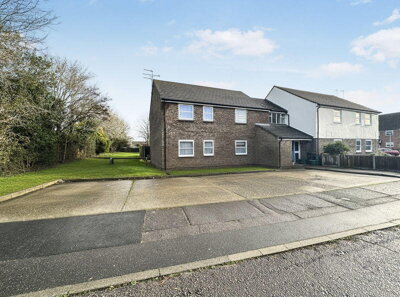
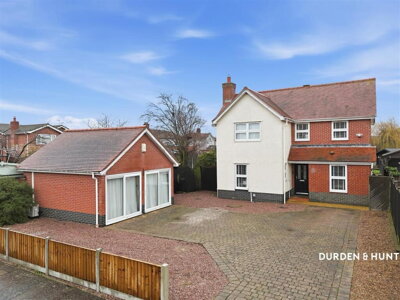
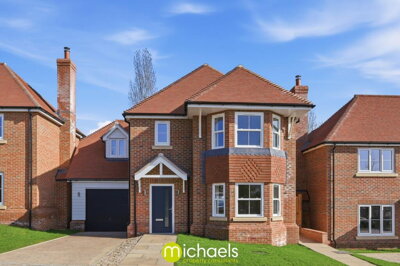
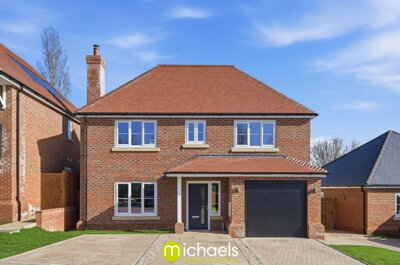
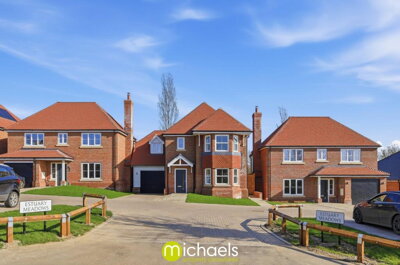
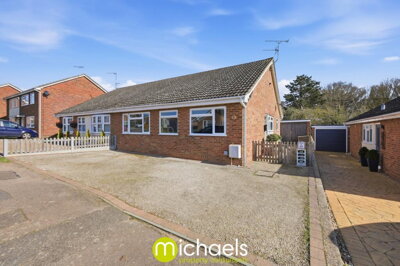
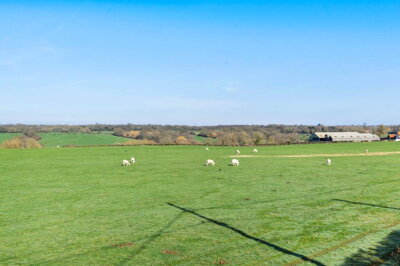
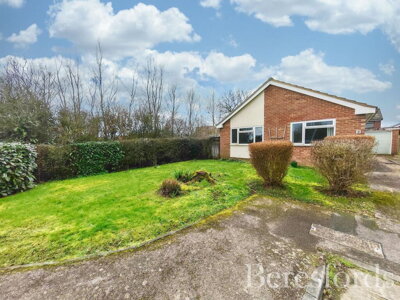
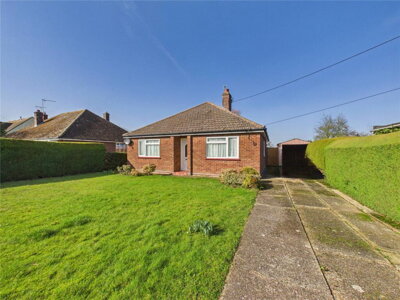
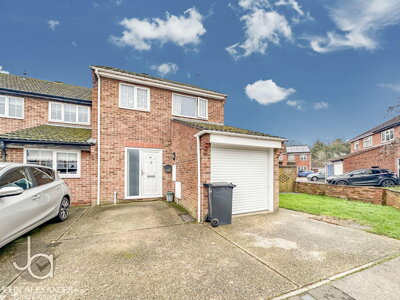
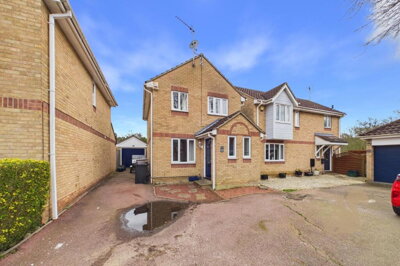
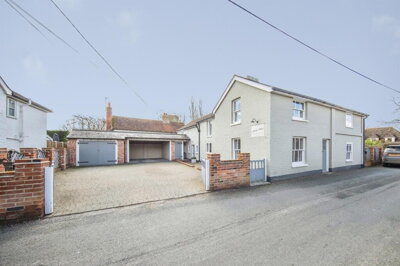
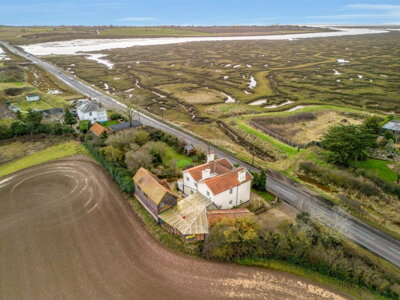
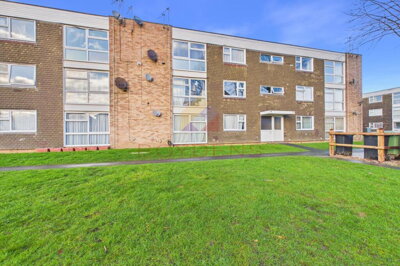
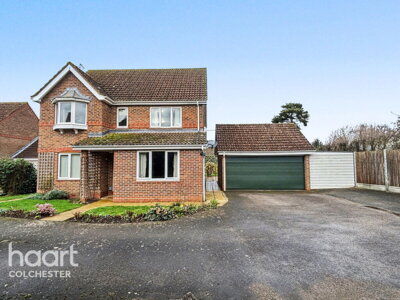
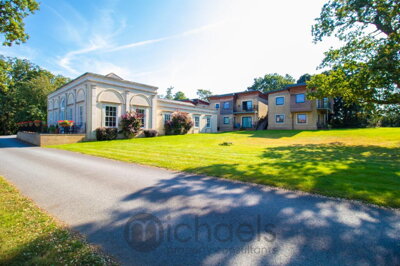
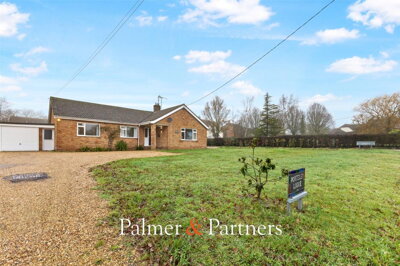
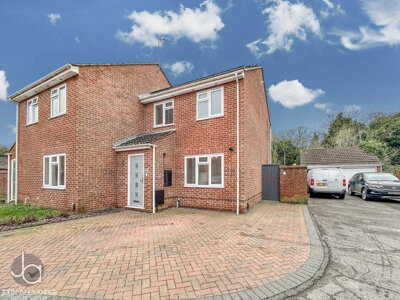
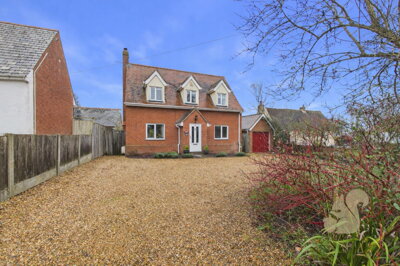
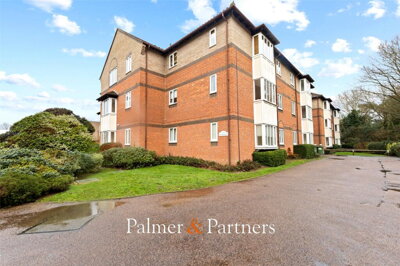
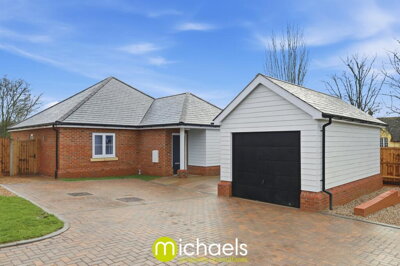
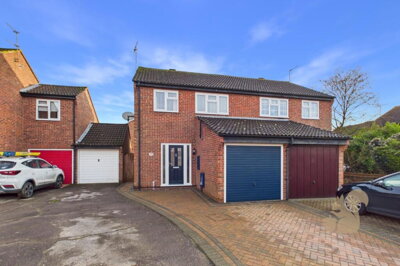
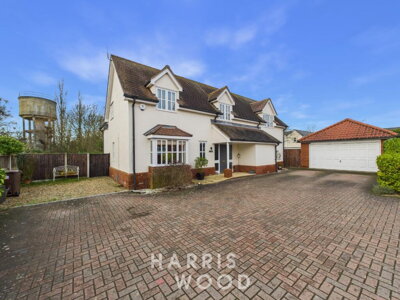
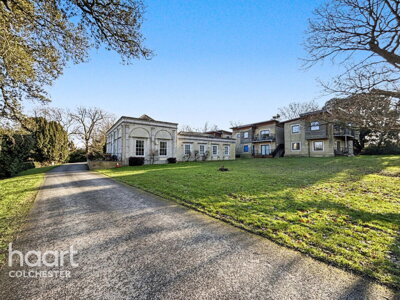
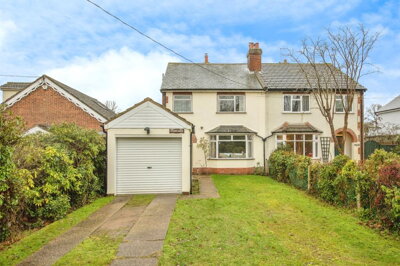
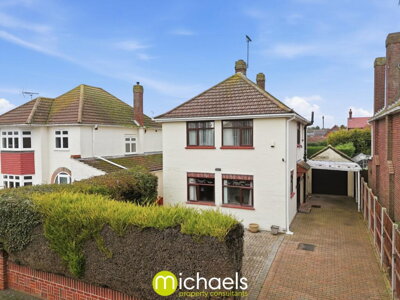
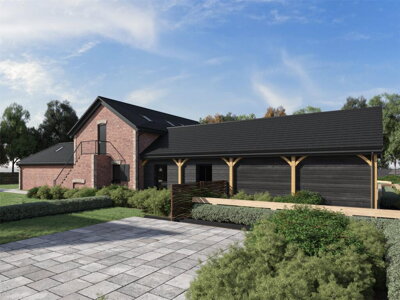
Browse 71 homes for sale in Langenhoe, Colchester from local estate agents.
£550k
3
0
97
Source: home.co.uk
Source: home.co.uk
Detached
3 listings
Avg £541,667
Source: home.co.uk
Source: home.co.uk
The Cotswold property market presents a compelling opportunity for buyers in 2025 and 2026. With approximately 1,625 properties selling annually over the past decade, the area maintains robust transaction volumes despite recent price adjustments. Our data shows the average property price currently sits at £416,000, with detached properties averaging £657,000 and semi-detached homes around £398,000. This price correction follows a period of significant growth, with Rightmove reporting a 5% reduction from the 2023 peak. Detached properties have seen the largest correction at 8.1% year-on-year, while terraced properties have proved more resilient with a 5.6% decline.
Property types across Cotswold vary considerably depending on the specific village or town. Traditional Cotswold stone cottages dominate smaller villages, often featuring original fireplaces, exposed beam ceilings, and charming cottage gardens. Larger market towns like Cirencester, Tetbury, Moreton-in-Marsh, and Chipping Norton offer a broader selection including modern family homes, period terraces, and contemporary apartments. The area attracts buyers from across the UK and beyond, drawn by the exceptional natural beauty, strong community spirit, and excellent quality of life. Cirencester, as the largest town, provides the widest range of property styles from modern developments to historic townhouses.
New build activity in the area remains limited due to the protective AONB designation, though developments like The Limes in Tetbury, offered by Newland Homes Ltd, provide zero-carbon options for buyers seeking modern efficiency within a traditional setting. The scarcity of new supply continues to support values for traditional period properties, particularly those in good condition with original features intact. Rightmove data shows an overall average of £436,275 over the past year, slightly higher than the most recent HM Land Registry figures, reflecting recent transaction timing differences across the two data sources.

Life in Cotswold offers an exceptional quality of life rooted in centuries of English heritage. The district is characterised by its distinctive honey-coloured limestone villages, rolling countryside, and thriving market towns that have served local communities for generations. The area attracts diverse residents including young families seeking excellent schools, professionals commuting to nearby cities, and retirees drawn by the peaceful pace of rural life. Tourism plays a significant role in the local economy, with visitors flocking to explore historic sites, attend agricultural shows, and enjoy the extensive footpaths and bridleways that criss-cross the countryside.
The Cotswolds Area of Outstanding Natural Beauty covers nearly 800 square miles, encompassing parts of Gloucestershire, Oxfordshire, Warwickshire, and Wiltshire. Within the Gloucestershire portion, communities enjoy access to traditional pubs serving local ales, artisan bakeries producing award-winning bread, and farmers markets showcasing regional produce. The Royal Agricultural University in Cirencester contributes to the academic and cultural life of the largest town in the Cotswolds, while smaller villages maintain their tight-knit character through village shops, cricket clubs, and seasonal events that bring residents together throughout the year.
Beyond the postcard villages that draw summer visitors, the Cotswolds offers practical everyday amenities through its network of market towns. Cirencester provides a full range of supermarkets, independent shops, healthcare facilities, and leisure centres. Tetbury has developed a reputation for its antique shops and interior design studios, while Moreton-in-Marsh serves as a convenient railway hub for commuters. Each community offers its own distinct character while sharing the common threads of excellent pubs, scenic walks, and a genuine sense of belonging that makes village life so rewarding for those who make the move from urban areas.

Education provision in Cotswold caters to families with children of all ages, from nursery through to further education. The area is served by a mix of primary schools in villages and small towns, with secondary education provided by schools in larger settlements like Cirencester, Chipping Campden, and Bourton-on-the-Water. Many primary schools in the area benefit from small class sizes and strong community ties, reflecting the rural nature of the settlements they serve. Parents should research individual school performance data and catchment areas when considering properties, as admissions policies can be area-specific and can significantly impact school placement.
The presence of the Royal Agricultural University in Cirencester adds higher education options within the district, while the nearby University of Gloucestershire in Cheltenham provides additional undergraduate and postgraduate programmes for older students. Independent schools in the region include highly regarded establishments serving both day and boarding pupils, with several offering scholarships and bursaries for talented students. For families considering private education, the Cotswolds region offers several options within comfortable driving distance, complementing the strong state school provision throughout the area and providing flexibility for parents with specific educational preferences.
Among the notable primary schools in the area, Stow-on-the-Wold Primary School serves the market town and surrounding villages with a strong reputation for academic achievement and pastoral care. Bibury Church of England Primary School provides faith-based education in one of England's most photographed villages, fostering close relationships between staff, pupils, and the local community. The Cotswold School in Bourton-on-the-Water is a popular secondary choice, while Cirencester College offers sixth form and further education courses for students completing their secondary education.

Transport connectivity from Cotswold has improved significantly in recent years, making the area increasingly attractive to commuters who wish to enjoy rural living without sacrificing career opportunities. The railway station at Moreton-in-Marsh provides regular services to Oxford and Hereford, with connections to London Paddington via the Chiltern line or change at Oxford. Kingham station offers direct services to Oxford and London Marylebone, making it popular with commuters working in the capital. Journey times to London range from approximately 90 minutes to two hours depending on the route and connections, placing the Cotswolds within practical reach of the capital for those working hybrid schedules.
Road connectivity is excellent, with the A429 Fosse Way running through the heart of the area and the A417 providing access to Gloucester and the M5 motorway. The A40 connects the Cotswolds to Oxford and the M40 motorway, opening routes to Birmingham and London. Local bus services operate throughout the district, connecting villages to market towns, though frequency may be limited on less-populated routes. For those working in Cheltenham or Gloucester, the drive typically takes 30-45 minutes depending on the specific village location, making these larger towns viable options for daily commuting.
The strategic position of the Cotswolds between the M5 and M40 motorways provides excellent road access to major urban centres while maintaining the peaceful rural character that defines the area. Bristol is accessible via the M5 in approximately 90 minutes, while Birmingham can be reached in under an hour via the M40. This accessibility explains why many buyers are willing to accept longer commuting times in exchange for the exceptional quality of life offered by Cotswold village life, particularly those who work from home several days per week and only need to travel to offices occasionally.

Start by considering what matters most to you: proximity to schools, commuting requirements, access to amenities, and property style preferences. The Cotswolds encompasses diverse communities from bustling Cirencester to tranquil villages like Bibury and Bourton-on-the-Water. Each village has its own character, with some offering village shops and pubs within walking distance while others provide complete seclusion. Spend time visiting different areas at various times of day and week to get a genuine feel for each community before committing to a location.
Contact lenders or use our mortgage comparison tools to secure an agreement in principle before viewing properties. Current rates make borrowing attractive, and having finance approved strengthens your position when making offers on popular Cotswold properties. Given that many Cotswold properties attract competitive bidding due to high demand, having a mortgage agreement in principle demonstrates serious intent to sellers and can make the difference between securing your ideal home and losing it to another buyer.
Work with local estate agents who know the Cotswold market intimately. Our platform connects you with available listings across the district, from stone cottages in conservation villages to family homes near Cirencester. When viewing traditional stone properties, pay particular attention to the condition of original features, the quality of any previous renovations, and the maintenance requirements of older construction methods. Many buyers fall in love with the character of Cotswold homes but underestimate the ongoing maintenance needs of period properties.
Given the age of many Cotswold properties, a thorough survey is essential. A Level 2 HomeBuyer Report identifies issues common to traditional stone buildings including damp, roof condition, and timber defects. Our platform allows you to book RICS-qualified surveyors who understand local construction methods and can spot defects that a general buyer might miss. The survey report will provide negotiating leverage if issues are identified, potentially saving thousands on the purchase price or highlighting costs that need to be factored into your budget.
Choose a conveyancing specialist familiar with Cotswold properties. They will handle searches, contracts, and coordinate with your mortgage lender through to completion. Local knowledge is particularly valuable for properties in conservation areas or listed buildings, where your solicitor should verify that any previous works were carried out with appropriate permissions. Drainage and environmental searches may take longer in rural areas where systems are not always connected to mains services.
Once searches are satisfactory and finance is in place, your solicitor will exchange contracts and set a completion date. On completion day, the property is yours. For buyers purchasing traditional Cotswold properties, we recommend arranging a building insurance policy effective from exchange of contracts, as the property becomes your legal responsibility at this point. Many insurers specialise in period properties and can provide cover that accounts for the unique construction methods and features of traditional stone homes.
Understanding the construction methods used in Cotswold properties is essential for any buyer considering a purchase in this area. The distinctive appearance of Cotswold villages comes from the local Oolitic limestone, often called Cotswold stone, which has been quarried and used in building for centuries. This attractive fudge-coloured stone creates the characteristic warm honey tones that have made the region famous, from humble thatched cottages to grand manor houses. The stone is relatively soft and workable when freshly quarried but hardens over time, making it durable for construction while requiring specialist repair techniques.
Traditional Cotswold stone properties were built using solid wall construction methods, typically 450-600mm thick, with lime mortar rather than modern cement. Lime mortar allows the walls to breathe, which is essential for managing moisture in traditional buildings. Modern cement-based mortars and renders can trap moisture within these walls, leading to damp problems and stone deterioration. When evaluating a property, look for signs of inappropriate modern materials that may be causing moisture issues, such as cement patches on stone walls or painted surfaces that are bubbling or flaking.
Roof construction in traditional Cotswold properties typically uses timber rafters with either slate or stone tile coverings, known as Stonesfield slate in the area. Many older properties feature thatched roofs, which require specialist knowledge for maintenance and insurance purposes. Leadwork around chimneys, valleys, and parapets is a common source of defects in older roofs and should be carefully inspected for signs of deterioration or poor previous repairs. The combination of traditional materials and the age of many properties means that roof condition is often a significant factor in survey reports.
The age and construction methods of many Cotswold properties mean that certain defects occur more frequently than in newer builds elsewhere in the country. Rising damp affects many period properties where the original damp-proof course has failed or was never installed. Look for tide marks on ground-floor walls, peeling wallpaper at skirting board level, and crumbling mortar in the lowest courses of stonework. A specialist damp survey may be recommended if there are signs of moisture penetration, though not all reported dampness requires expensive remediation works.
Timber defects are another common concern in traditional Cotswold homes. The combination of age, traditional construction methods, and sometimes inadequate ventilation can lead to both woodworm infestation and wet or dry rot in structural and non-structural timbers. Particular attention should be paid to floor joists where they meet external walls, to roof timbers especially in the apex and at purlin locations, and to any timber in contact with stone or masonry. Our surveyors will use specialist equipment to assess the extent of any timber defects and advise on appropriate treatment.
The limestone bedrock underlying much of the Cotswolds generally presents lower subsidence risk than clay-rich soils found in other parts of the country. However, localised issues can arise from drainage problems, tree root intrusion, or historic settlement in properties with shallow foundations. Properties near watercourses such as the River Coln may face additional considerations regarding flood risk and associated ground conditions. Your survey will include an assessment of any signs of structural movement, though for properties where concerns exist, a more detailed RICS Level 3 Building Survey may be recommended.
Purchasing a property in Cotswold requires careful consideration of several area-specific factors that may not apply in urban markets. The prevalence of traditional Cotswold stone construction means many properties are listed buildings or located within conservation areas, bringing additional regulations regarding alterations, extensions, and even window replacements. Before purchasing, verify the property's listing status and understand the implications for any future plans. Grade I and Grade II* listed buildings require Historic England consent for almost any external alteration, while Grade II listed properties have slightly more flexibility but still face significant restrictions. Our platform includes property details highlighting conservation area locations and listing grades where known.
Flood risk varies across the Cotswolds, with properties near rivers such as the River Coln requiring particular attention. The Environment Agency provides detailed flood risk maps that should be consulted during property research. Properties in low-lying areas near watercourses may face higher insurance costs or mortgage restrictions. Surface water flooding can also affect properties in valleys and low-lying areas during periods of heavy rainfall. We recommend checking the specific flood risk for any property under consideration, including the potential for surface water pooling in gardens or access routes during extreme weather events.
Service charges and leasehold arrangements affect many apartments and some houses in the Cotswolds, particularly in developments or conversions. Ground rent terms and any upcoming review dates should be examined carefully by your solicitor during conveyancing. For freehold properties, annual maintenance costs for shared facilities such as private roads, drainage systems, or communal gardens should be factored into ongoing costs. Understanding these financial commitments helps ensure the total cost of ownership remains manageable and that there are no unexpected bills lurking in the terms of your purchase.
Conservation area designation affects permitted development rights, meaning that extensions, outbuildings, and certain types of fencing may require planning permission even where they would be allowed elsewhere. Chimney alterations, satellite dish installation, and hard landscaping are also typically restricted in conservation areas. Before purchasing, consider whether your future plans for the property might be constrained by these restrictions. Many buyers are initially attracted by the character of conservation villages but later find the limitations frustrating when they want to make changes to their home.

The average house price in Cotswold was £416,000 as of December 2025, according to the most recent property market data. This represents a 6.8% decrease from December 2024, offering buyers improved purchasing power in the current market. Detached properties average £657,000, semi-detached homes around £398,000, terraced properties approximately £341,000, and flats start from £210,000. Individual villages and towns within Cotswold can show significant variation from these averages depending on property type, condition, and location, with more accessible villages like Bourton-on-the-Water commanding premiums over more remote communities.
Council tax in Cotswold is administered by Cotswold District Council based in Cirencester. Property bands range from A to H based on the 1991 property value, with most traditional Cotswold stone cottages falling into Bands C through E. Prospective buyers should verify the specific band with the listing agent or during conveyancing, as new builds may have different banding following completion. The local council provides online tools for checking council tax bands for any property in the district, which can be useful when comparing running costs between different properties under consideration.
Cotswold offers strong educational provision across all levels. Notable primary schools include Stow-on-the-Wold Primary School and Bibury Church of England Primary School, both serving their local communities with good reputations for academic achievement and pastoral care. For secondary education, The Cotswold School in Bourton-on-the-Water and Cirencester College provide options for families, with The Cotswold School regularly achieving strong results in GCSE and A-level examinations. The area also hosts the Royal Agricultural University in Cirencester for higher education, while several independent schools within driving distance supplement the comprehensive state provision throughout the area.
Cotswold benefits from good transport connectivity despite its rural character. Railway stations at Moreton-in-Marsh and Kingham provide regular services to Oxford and London, with journey times to London Marylebone or Paddington taking approximately 90 minutes to two hours depending on connections and whether a change is required. The A417 and A429 roads connect the area to the M5 motorway at Gloucester and the M40 at Oxford, providing road access to Birmingham, Bristol, and London. Local bus services link villages to market towns, though services are less frequent than in urban areas and may not operate on Sundays or public holidays, so car ownership remains advisable for full enjoyment of rural living.
Cotswold consistently ranks among the most desirable locations for UK property investment, driven by limited supply of traditional properties, strong demand from buyers seeking rural lifestyles, and the protective effect of the Area of Outstanding Natural Beauty designation. The recent 6.8% price correction has created potential entry points for investors who were previously priced out of the market. Rental demand remains steady, particularly for quality period properties in accessible locations, with families, retired couples, and holidaymakers all forming part of the tenant demographic. Properties in conservation areas or with historic features such as original fireplaces, exposed stone walls, and traditional cottage gardens tend to hold their value well over the long term.
Stamp Duty Land Tax rates from April 2025 apply as follows: no tax on purchases up to £250,000, 5% on the portion from £250,001 to £925,000, 10% from £925,001 to £1.5 million, and 12% above £1.5 million. First-time buyers benefit from relief on purchases up to £625,000, paying no stamp duty on the first £425,000 and 5% on the portion between £425,001 and £625,000. Given the average Cotswold property price of £416,000, many buyers will pay standard rates with no first-time buyer relief applicable at this price point, resulting in a stamp duty bill of approximately £8,300 on an average-priced property.
Understanding the full costs of purchasing property in Cotswold helps you budget accurately and avoid surprises at completion. Beyond the property price, buyers should budget for Stamp Duty Land Tax, solicitor fees typically ranging from £800 to £2,000 depending on complexity, surveyor fees from £350 for a Level 2 HomeBuyer Report, and lender arrangement fees if applicable to your mortgage. Search fees for local authority, drainage, and environmental searches generally total around £300. On a typical £416,000 property, total buying costs excluding mortgage fees typically range from £2,500 to £4,500 depending on the complexity of the transaction and the professionals you choose to use.
For Stamp Duty calculations on a £416,000 average property, buyers paying standard rates would owe £8,300 (5% on £166,000 above the £250,000 threshold). First-time buyers purchasing at this price point would pay no stamp duty if buying alone, as the full purchase falls within the £625,000 first-time buyer threshold. Additional costs may include removal expenses, buildings insurance from completion date, and any immediate repairs or renovations planned. We recommend maintaining a contingency fund of at least 5% of the purchase price for unexpected issues discovered during survey or after moving in.
For traditional Cotswold properties, additional costs may arise from specialist surveys recommended by your initial report. Properties with significant defects or those requiring Listed Building Consent for works may incur additional professional fees. Specialist restoration work using traditional materials and craftspeople can cost significantly more than modern equivalents, so budget accordingly if you are purchasing a property that requires renovation. Many buyers underestimate the cost of maintaining traditional buildings, particularly those with thatched roofs or historic features, so obtaining quotes for ongoing maintenance is advisable before committing to a purchase.

From 4.5%
Finding the right mortgage is essential for most buyers. Compare rates from leading lenders to secure the best deal for your Cotswold property purchase.
From £499
Our approved conveyancing solicitors handle all legal aspects of your Cotswold property purchase, from searches to completion.
From £350
A thorough survey is essential for traditional Cotswold properties. Our RICS-qualified surveyors identify defects specific to local construction methods.
From £60
Energy Performance Certificates are required for all property sales. Our assessors provide accurate ratings for Cotswold homes.
Properties for Sale In London

Properties for Sale In Plymouth

Properties for Sale In Liverpool

Properties for Sale In Glasgow

Properties for Sale In Sheffield

Properties for Sale In Edinburgh

Properties for Sale In Coventry

Properties for Sale In Bradford

Properties for Sale In Manchester

Properties for Sale In Birmingham

Properties for Sale In Bristol

Properties for Sale In Oxford

Properties for Sale In Leicester

Properties for Sale In Newcastle

Properties for Sale In Leeds

Properties for Sale In Southampton

Properties for Sale In Cardiff

Properties for Sale In Nottingham

Properties for Sale In Norwich

Properties for Sale In Brighton

Properties for Sale In Derby

Properties for Sale In Portsmouth

Properties for Sale In Northampton

Properties for Sale In Milton Keynes

Properties for Sale In Bournemouth

Properties for Sale In Bolton

Properties for Sale In Swansea

Properties for Sale In Swindon

Properties for Sale In Peterborough

Properties for Sale In Wolverhampton

Enter your details to see if this property is within your budget.
Loans, cards, car finance
Estimated property budget
Borrowing + deposit
You could borrow between
Typical borrowing
Monthly repayment
Est. at 4.5%
Loan-to-value
This is an estimate only. Your actual budget may vary depending on interest rates, credit history, and personal circumstances. For an accurate affordability assessment, speak to one of our free mortgage advisors.
This calculator provides estimates for illustrative purposes only and does not constitute financial advice. Your home may be repossessed if you do not keep up repayments on your mortgage. Estimates based on 4.5% interest rate, repayment mortgage. Actual rates depend on your circumstances.
Homemove is a trading name of HM Haus Group Ltd (Company No. 13873779, registered in England & Wales). Homemove Mortgages Ltd (Company No. 15947693) is an Appointed Representative of TMG Direct Limited, trading as TMG Mortgage Network, which is authorised and regulated by the Financial Conduct Authority (FRN 786245). Homemove Mortgages Ltd is entered on the FCA Register as an Appointed Representative (FRN 1022429). You can check registrations at NewRegister or by calling 0800 111 6768.

We use cookies to show you personalised content and improve your experience of our website. Find out more in our Privacy policy and Cookie policy.