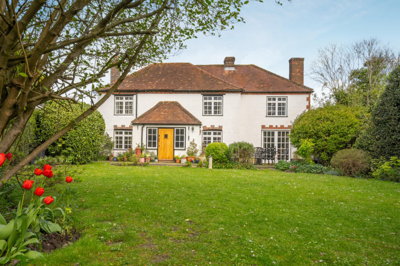
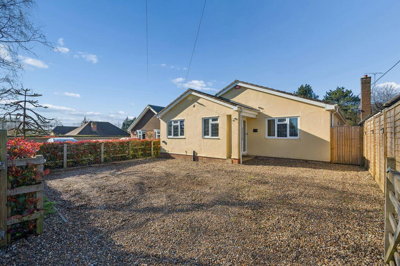
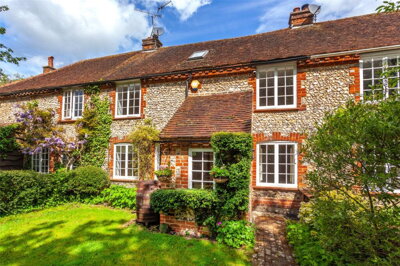
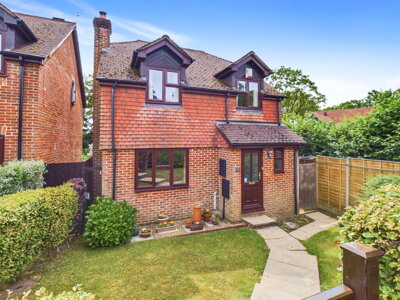
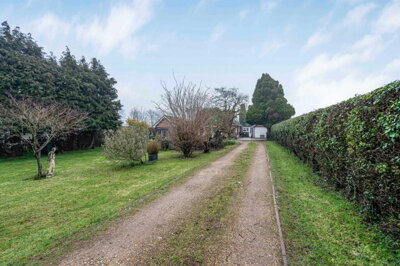
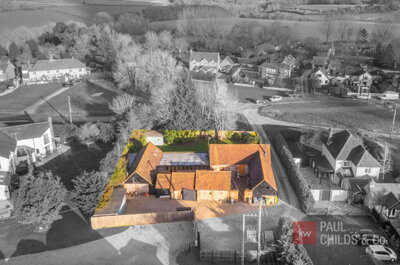
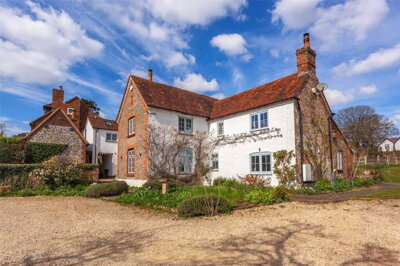
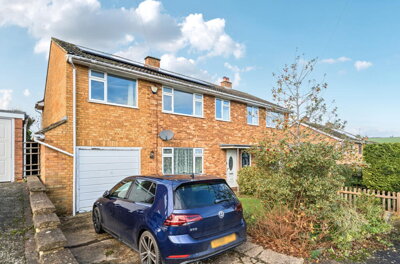
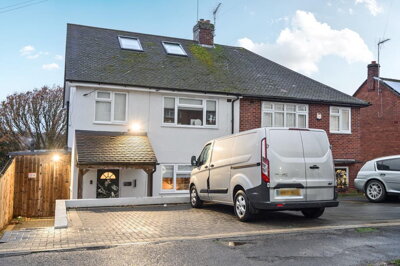
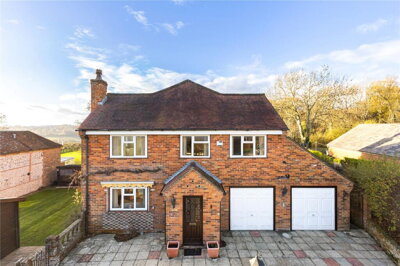
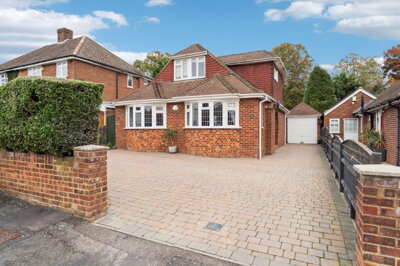
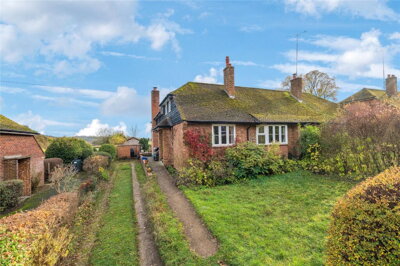
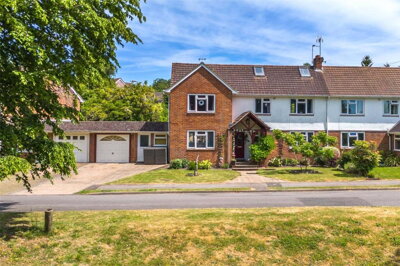
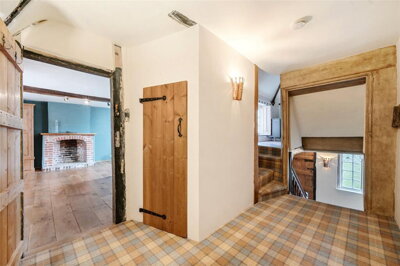
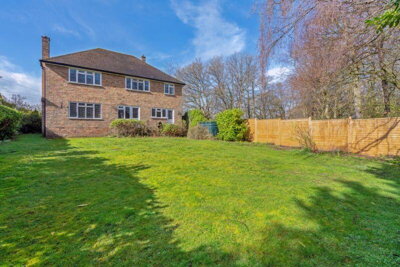
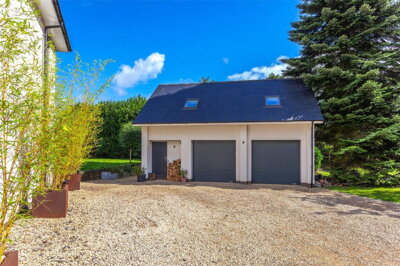
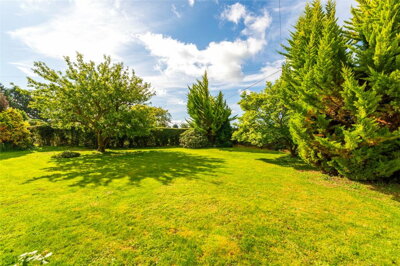
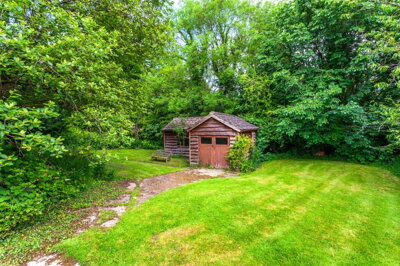
Browse 23 homes for sale in Lane End from local estate agents.
The larger property sector typically features multiple bathrooms, substantial reception space, and private gardens or off-street parking. Four bedroom houses in Lane End span detached, semi-detached, and occasionally terraced configurations, with styles ranging from period properties to modern executive homes.
The Lane End property market demonstrates the characteristics of a stable yet dynamic local economy, driven by strong demand from buyers attracted to the Chilterns lifestyle. Current average prices across all property types stand at approximately £471,661 according to Rightmove data, with Zoopla reporting a twelve-month average of £441,603. Detached properties command the highest prices in the area, averaging around £682,667, reflecting the premium associated with larger homes with gardens in this desirable rural setting. Semi-detached homes trade at approximately £568,700, while terraced properties offer a more accessible entry point at around £383,029, making Lane End accessible to buyers across different financial circumstances.
New build activity in Lane End includes the Marlow Fields development by Nicholas King Homes on Marlow Road, offering three and four-bedroom houses alongside one-bedroom First Homes apartments. Prices at Marlow Fields start from £570,000 for three-bedroom homes, with four-bedroom detached properties available from £825,000. The development sits within the HP14 3FN postcode and contributes to the limited supply of new-build properties in the village. Affordable housing provisions have also been made through Chalky Fields, where Red Kite Community Housing is delivering 26 new homes, of which seven are affordable rent and one is shared ownership, with completion expected from March 2026.
Market trends indicate that property prices in Lane End have recovered strongly from the 2022 peak of £517,007, with Rightmove data showing a 13% increase compared to the previous year. The village has demonstrated resilience through changing market conditions, maintaining its appeal to buyers who prioritise lifestyle factors alongside investment potential. Properties in Lane End benefit from the area's Conservation Area status, which protects the architectural character that makes the village distinctive. Nine Grade II listed buildings, including the Victorian Gothic Holy Trinity Church and historic properties like the 17th-century Clayton Arms, contribute to Lane End's rich built heritage and reinforce its desirability as a place to live.

Lane End embodies the essence of Chilterns village life, offering residents a close-knit community atmosphere while providing access to modern amenities and excellent transport connections. The village grew historically from chair manufacturing and iron foundry work, industries that shaped its character and contributed to the distinctive architecture visible throughout the settlement today. The population stands at approximately 3,748 residents according to the 2021 Census, providing sufficient critical mass to support local services while maintaining the intimate scale that makes village living so appealing.
The local economy benefits from the presence of ELGA LabWater, part of the Veolia Environment group, which maintains a global operation based in Lane End and provides employment for local residents. The village's two industrial estates have historically supported local employment, with modern businesses continuing to operate from these sites today. Beyond local employment, Lane End's position within the Chilterns AONB attracts residents who value access to protected countryside, with extensive walking and cycling routes available right from the village centre.
Daily life in Lane End is well-served by its selection of local businesses and amenities, which have evolved to meet resident needs without requiring journeys to larger towns. The village supports a pharmacy, veterinary practice, farm shop, gastro pub, barbershop, and nail salon, among other services, creating a self-sufficient community hub. Weekend visits to Lacey's Farm Shop have become something of a local tradition, with families drawn by the quality of local produce and the friendly atmosphere. The Grouse & Ale serves as the social heart of Lane End, hosting events and providing a gathering place that strengthens community bonds.
Education provision in Lane End serves families with children of all ages, with primary schools located within the village and secondary options available in nearby towns. Lane End Primary School provides local education for younger children, establishing itself as a cornerstone of the community and a major factor for families considering a move to the area. The village's position within Buckinghamshire means residents have access to the county's educational framework, including grammar school options for academically capable students. Parents should research current catchment areas and admission policies, as these can change annually and significantly impact school placement outcomes.
Secondary education options expand beyond Lane End itself, with several well-regarded schools located in the surrounding towns of High Wycombe and Marlow. These institutions serve students from across the Chilterns region and are accessible via school transport services or the reliable bus connections linking Lane End to nearby towns. For sixth form and further education, students typically travel to High Wycombe or other larger towns where a broader range of A-level and vocational courses are available. The proximity to higher education institutions in Oxford, Milton Keynes, and London further enhances Lane End's appeal to families with teenage children planning their educational futures.
Beyond formal schooling, Lane End and its surrounding area offer various extracurricular activities and community groups that provide outlets for developing skills and interests outside the classroom environment. The village's location within the Chilterns AONB provides natural opportunities for environmental education and outdoor learning experiences that enrich children's development. Families moving to Lane End should contact Buckinghamshire Council's education department for the most current information on school admissions, catchment boundaries, and available placements.
Lane End enjoys exceptional transport connectivity for a village of its size, with the M40 motorway passing nearby and providing direct access to Oxford, Birmingham, and London. Junction 4 of the M40 lies within easy reach, connecting residents to the wider national road network within minutes of leaving the village. This motorway access has been instrumental in establishing Lane End as a popular choice for commuters who work in Oxford, Reading, or the Greater London area but prefer to live in a more rural setting. The journey to High Wycombe takes approximately fifteen minutes by car, while Oxford is accessible within thirty minutes and central London within an hour, depending on traffic conditions.
Public transport options provide alternatives to car travel, with bus services connecting Lane End to surrounding towns and villages. High Wycombe railway station offers fast and frequent services to London Marylebone, with journey times of approximately thirty-five minutes making day commuting feasible for those working in the capital. The station also provides connections to Birmingham and other destinations via the national rail network. Residents without vehicles can manage daily life in Lane End, though the limited frequency of rural bus services makes car ownership more practical for most households.
Cycling infrastructure in the surrounding Chilterns has improved in recent years, with the area becoming increasingly popular among recreational cyclists and commuters alike. The rolling chalk hills present both opportunities and challenges for cyclists, with scenic routes attracting enthusiasts while also requiring reasonable fitness to navigate comfortably. Secure cycle storage at High Wycombe station facilitates combined commuting journeys for those who wish to incorporate cycling into their daily routine.
Start by exploring current listings in Lane End to understand what is available within your budget. The average detached property costs around £682,667 while terraced homes average £383,029, giving you a sense of what to expect at different price points. Research the different neighbourhoods within the village, from the historic conservation area around Church Road to newer developments like Marlow Fields.
Before viewing properties, obtain a mortgage agreement in principle from a lender to confirm your borrowing capacity. This financial step demonstrates to estate agents and sellers that you are a serious buyer with funding already considered. Having this documentation ready speeds up the buying process once you find your ideal Lane End property and positions you favourably against other buyers.
View properties that match your criteria, taking time to assess not just the home itself but also the surrounding neighbourhood and its suitability for your lifestyle. Consider factors like proximity to local amenities, school catchment areas, and commute times to your workplace. Pay attention to the property condition, noting any signs of damp, roof issues, or structural concerns that might require further investigation.
For any property you seriously consider purchasing, arrange a RICS Level 2 Home Survey to identify any defects or concerns with the property. Given Lane End's significant stock of period properties dating from the mid-1800s onwards, professional surveys are particularly valuable here. These older properties may have issues with damp, outdated electrics, or roof condition that are not immediately apparent.
Once your offer is accepted, instruct a conveyancing solicitor to handle the legal aspects of your property purchase. Your solicitor will conduct searches, review contracts, and coordinate with the seller's legal team to ensure a smooth transaction. Local knowledge of Buckinghamshire property law and any specific requirements for properties in conservation areas like Lane End adds value during this process.
The final stage involves completing legal documentation, paying stamp duty, and receiving the keys to your new Lane End home. Your solicitor will arrange for the transfer of funds and registration of your ownership with the Land Registry. Stamp duty applies based on the property price, with first-time buyer relief potentially reducing costs for eligible purchasers.
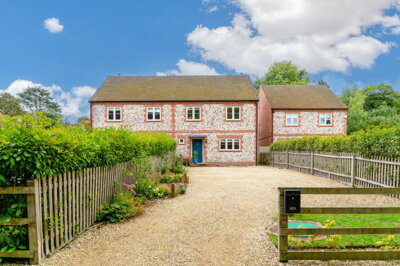
Property buyers in Lane End should pay particular attention to the age and construction of homes they are considering, given the village's significant stock of period properties. Many homes date from the mid-1800s to early 1900s, with some buildings even older, and these properties often feature traditional construction methods that differ significantly from modern standards. The predominant building materials in Lane End are brick and flint, with dark red or colourwashed brickwork and plain tile or slate roofs characterising the local architecture. These materials can require more maintenance than modern alternatives and may exhibit issues like damp penetration or roof deterioration that buyers should assess carefully.
The geology of the Chiltern Hills, where Lane End is situated, presents specific considerations for property buyers relating to ground conditions and flood risk. Lane End lies on chalk geology that forms extensive aquifers, creating potential for groundwater flooding especially during periods of unusually high rainfall. Surface water flooding can occur during intense rainfall events, and the broader Buckinghamshire area has significant numbers of properties at risk from various types of flooding. Buyers should commission appropriate searches and consider these risks when evaluating properties, particularly those in lower-lying areas or with basements.
Lane End's Conservation Area status brings additional responsibilities and considerations for buyers, as any significant external alterations to properties require planning permission from Wycombe District Council. The village contains nine Grade II listed buildings, and owning a listed property involves obligations to maintain its historic character in accordance with listed building regulations. These restrictions can limit renovation options and increase maintenance costs, so buyers should factor these considerations into their decision-making.
The average house price in Lane End stands at approximately £471,661 according to Rightmove data, with Zoopla reporting a twelve-month average of £441,603 and OnTheMarket showing £448,000 as of early 2026. Property prices have risen 13% compared to the previous year, though they remain 9% below the 2022 peak of £517,007. Detached properties command the highest prices at around £682,667, while semi-detached homes average £568,700 and terraced properties offer more accessible pricing at approximately £383,029.
Properties in Lane End fall under Wycombe District Council within Buckinghamshire Council's jurisdiction for council tax purposes. Council tax bands in the area range from A through to H, with the specific band assigned to a property depending on its value as assessed by the Valuation Office Agency. Prospective buyers can check the council tax band for any specific property through the Gov.uk website or by contacting Buckinghamshire Council directly. Band D is typically the most common council tax band for standard family homes in the village.
Lane End Primary School serves younger children within the village itself, providing local education for families living in the HP14 postcode area. For secondary education, students typically attend schools in nearby High Wycombe or Marlow, with several well-regarded options accessible via school transport or public bus services. Buckinghamshire's grammar school system provides additional options for academically capable students, with schools in High Wycombe serving the area. Parents should verify current catchment areas, admission policies, and Ofsted ratings when considering schools.
Lane End is reasonably well connected by public transport despite its rural village setting, with bus services linking the village to surrounding towns including High Wycombe and Marlow. High Wycombe railway station provides fast services to London Marylebone in approximately thirty-five minutes, making commuting into the capital practical for many residents. The M40 motorway passes nearby, with junction 4 providing easy access for car travel to Oxford, Birmingham, and the broader motorway network. However, rural bus services operate with limited frequency, meaning car ownership remains practically essential for most residents.
Lane End has historically demonstrated strong property values with consistent demand from buyers seeking the Chilterns lifestyle, making it a potentially sound investment for property buyers. Prices have shown resilience through various market conditions, with recent growth of 7.7% over twelve months indicating continued desirability in the area. The village's location within an Area of Outstanding Natural Beauty limits new development, helping to maintain property values by restricting housing supply. Proximity to the M40 and good rail connections to London keep Lane End attractive to commuters.
Stamp duty land tax applies to all property purchases in England, with current thresholds set at 0% for properties up to £250,000, 5% between £250,001 and £925,000, 10% between £925,001 and £1.5 million, and 12% above £1.5 million. First-time buyers receive relief on purchases up to £625,000, paying 0% on the first £425,000 and 5% on the remainder between £425,001 and £625,000. Most Lane End properties fall within the 5% stamp duty band given average prices around £448,000.
Understanding the full costs of purchasing a property in Lane End extends beyond the headline purchase price to encompass various fees and taxes that buyers must budget for carefully. Stamp duty land tax represents a significant upfront cost, with current thresholds meaning most Lane End purchases attract a 5% charge on the portion of price above £250,000. A typical Lane End property at £450,000 would incur £10,000 in stamp duty for a buyer without first-time buyer relief, or £1,250 for eligible first-time buyers. These figures highlight the substantial savings available through first-time buyer relief and underscore the importance of verifying eligibility before completing your purchase.
Professional fees form another category of costs that buyers must consider, including conveyancing, surveys, and mortgage arrangement fees where applicable. Conveyancing costs for Lane End properties typically start from around £499 plus disbursements, with more complex transactions potentially costing significantly more. A RICS Level 2 survey, strongly recommended given Lane End's age of housing stock, costs between £400 and £600 depending on property size and type, with larger homes attracting higher fees. Mortgage arrangement fees vary between lenders but often range from £500 to £2,000.
Additional moving costs may include removal services, new furniture, and decoration or renovation work, particularly if the property requires updating or repair. Given Lane End's Conservation Area status and the age of many properties, buyers should set aside funds for potential maintenance or restoration work identified during surveys. Buildings insurance must be in place from the point of completion, while ongoing costs include council tax, utility bills, and service charges for any leasehold elements. Careful financial planning that accounts for all these costs ensures buyers can proceed to completion with confidence.

Properties for Sale In London

Properties for Sale In Plymouth

Properties for Sale In Liverpool

Properties for Sale In Glasgow

Properties for Sale In Sheffield

Properties for Sale In Edinburgh

Properties for Sale In Coventry

Properties for Sale In Bradford

Properties for Sale In Manchester

Properties for Sale In Birmingham

Properties for Sale In Bristol

Properties for Sale In Oxford

Properties for Sale In Leicester

Properties for Sale In Newcastle

Properties for Sale In Leeds

Properties for Sale In Southampton

Properties for Sale In Cardiff

Properties for Sale In Nottingham

Properties for Sale In Norwich

Properties for Sale In Brighton

Properties for Sale In Derby

Properties for Sale In Portsmouth

Properties for Sale In Northampton

Properties for Sale In Milton Keynes

Properties for Sale In Bournemouth

Properties for Sale In Bolton

Properties for Sale In Swansea

Properties for Sale In Swindon

Properties for Sale In Peterborough

Properties for Sale In Wolverhampton

Enter your details to see if this property is within your budget.
Loans, cards, car finance
Estimated property budget
Borrowing + deposit
You could borrow between
Typical borrowing
Monthly repayment
Est. at 4.5%
Loan-to-value
This is an estimate only. Your actual budget may vary depending on interest rates, credit history, and personal circumstances. For an accurate affordability assessment, speak to one of our free mortgage advisors.
This calculator provides estimates for illustrative purposes only and does not constitute financial advice. Your home may be repossessed if you do not keep up repayments on your mortgage. Estimates based on 4.5% interest rate, repayment mortgage. Actual rates depend on your circumstances.
Homemove is a trading name of HM Haus Group Ltd (Company No. 13873779, registered in England & Wales). Homemove Mortgages Ltd (Company No. 15947693) is an Appointed Representative of TMG Direct Limited, trading as TMG Mortgage Network, which is authorised and regulated by the Financial Conduct Authority (FRN 786245). Homemove Mortgages Ltd is entered on the FCA Register as an Appointed Representative (FRN 1022429). You can check registrations at NewRegister or by calling 0800 111 6768.

We use cookies to show you personalised content and improve your experience of our website. Find out more in our Privacy policy and Cookie policy.