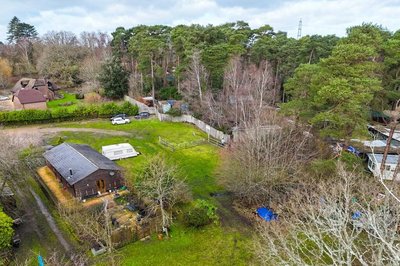
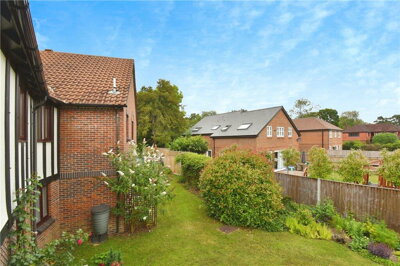
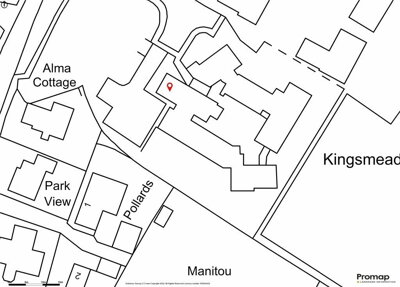
Browse 3 homes for sale in Landford, Wiltshire from local estate agents.
Studio apartments feature open-plan living spaces without separate bedrooms, incorporating sleeping, living, kitchen, and bathroom facilities. The Landford studio market includes properties in modern apartment complexes, converted Victorian and Georgian buildings, and purpose-built developments.
£1.00M
1
0
392
Source: home.co.uk
Showing 1 results for Studio Flats for sale in Landford, Wiltshire. The median asking price is £1,000,000.
Source: home.co.uk
Flat
1 listings
Avg £1.00M
Source: home.co.uk
Source: home.co.uk
£342,000
Average Price
3,668
Population
1,452
Dwellings
From £525,000
Detached Properties
The Gwinear-Gwithian property market reflects the broader appeal of West Cornwall, offering properties that range from traditional stone cottages to contemporary family homes. Detached properties in desirable locations such as Gwithian Towans command prices around £525,000, while the overall average sits at approximately £342,000. The market benefits from the area's popularity with holidaymakers and those seeking a coastal lifestyle, which supports property values and rental potential. Semi-detached and terraced properties provide more accessible entry points for first-time buyers, often available in the village centres of Gwinear and Connor Downs.
The Gwinear-Gwithian Neighbourhood Development Plan identifies the parish as having capacity for approximately 310 new dwellings, with around 80 further dwellings needed within the plan period. While no major new-build developments were currently active within the specific postcode area, planning policy supports managed growth within settlement boundaries at Gwinear, Gwithian, Connor Downs, Carnhell Green, Reawla, and Wall. This measured approach to development helps maintain the character of the area while addressing housing needs. For buyers, this means investing in a community that values its heritage and natural environment, with properties often featuring traditional Cornish architecture including granite stone walls, rendered facades, and slate roofing.
The housing stock in Gwinear-Gwithian spans several eras of construction, from 17th-century farmhouses like Lanyon Farm and Polkinghorne Farm to the chalets that emerged at Gwithian Towans from the early 1900s. Traditional cottages in the village centres typically feature solid granite walls, often rendered, with original slate roofs that require regular maintenance. More recent construction follows standard Cornish practices, combining crisp white render with red brick features and slate accents. Properties in the conservation area surrounding the historic church at Gwinear are subject to specific design requirements that aim to preserve the village's traditional character.
Life in Gwinear-Gwithian revolves around the beautiful natural landscape that defines this part of Cornwall. The parish encompasses the popular beaches of Gwithian and Godrevy, where golden sands meet the Atlantic Ocean and families enjoy surfing, coastal walks, and spotting seabirds. The area attracts visitors throughout the year, yet maintains a peaceful atmosphere for residents who appreciate the slower pace of Cornish village life. Local caravan and camping sites cater to holidaymakers, supporting the tourism economy that forms an important part of parish life alongside traditional farming.
The villages within Gwinear-Gwithian each possess their own distinct character. Gwinear itself centres around its historic church, with the Grade I listed St Gwinear dating from the 13th and 14th centuries and featuring a striking granite tower. The village conservation area preserves the historic character of the settlement, protecting buildings of architectural and historic interest. Connor Downs has seen substantial affordable housing development in recent years, creating a diverse community. The area maintains strong community spirit with local events, village halls, and traditional pubs serving as gathering points for residents. The nearby West Cornwall Retail Park on the parish edge has brought additional amenities and employment opportunities, though this growth has also increased traffic through the area.
The local economy balances agriculture, with farming remaining the main rural industry, against tourism and retail employment. Historically, Gwinear parish supported several working mines in the 1840s, employing hundreds of workers in what was then a significant industrial area. These mines closed by the 1880s, and today the landscape shows no trace of that industrial past, instead revealing the rolling farmland and coastal beauty that define modern Gwinear-Gwithian. The parish aims to increase the quality and quantity of local employment opportunities, supporting sustainable community growth while preserving the character that makes this such an attractive place to call home.

Property buyers in Gwinear-Gwithian should be aware of several area-specific considerations that can affect purchasing decisions. Cornwall's mining heritage means that historic mining features may exist beneath the surface, potentially causing ground instability or subsidence issues. The Gwinear area had several working mines in the 1840s that closed by the 1880s, and while the landscape appears peaceful today, undocumented mining features can lead to collapse, subsidence, or gassing risks underground. Properties in the parish should be carefully evaluated for any signs of movement or structural concerns. A thorough RICS Level 2 Survey will identify these issues and provide professional guidance on any necessary repairs or further investigations. Your surveyor should have experience with Cornish properties and understand the local geology.
If you are considering a property in the conservation area or a listed building, additional requirements apply. Gwinear has a Conservation Area designation, and the parish contains numerous listed buildings including the Grade I listed St Gwinear Church, Grade II* structures such as various crosses and farmhouses, and many Grade II listed buildings. Any alterations to listed buildings require listed building consent from Cornwall Council, and maintenance should use matching materials and traditional techniques. Budget for potentially higher maintenance costs on older properties, which may require specialist tradespeople experienced in historic building conservation. Properties like Lanyon Farm and Taskus Farmhouse, both 17th-century buildings, represent the type of heritage properties that require careful consideration.
Coastal properties, particularly those near Gwithian Towans, may be subject to coastal erosion considerations over the longer term. The National Coastal Erosion Risk Map shows areas at risk until 2105, though existing developments at Gwithian Beach and Red River are not currently considered at significant risk. Wave erosion at Gwithian Sands has occasionally revealed buried mining carts from the area's industrial past. Surface water and groundwater can affect properties in valley areas, so check drainage and consider flood risk searches before purchasing. Properties with septic tanks rather than mains drainage require maintenance and may need upgrading to meet current regulations. The underlying geology of Lower Devonian rocks and the extensive sand dunes covering bedrock at Gwithian Towans affect drainage and foundation solutions differently than in other parts of the parish.
Families considering a move to Gwinear-Gwithian will find educational provision within the parish and the surrounding area. The local primary school serves the village and surrounding communities, providing education for children in the early years through to Key Stage 2. For secondary education, pupils typically travel to schools in nearby towns, with transport links connecting Gwinear-Gwithian to secondary schools in Camborne and the wider West Cornwall area. Parents should research specific school catchments and admissions criteria when planning a move, as catchment areas can influence school placement.
The area benefits from several secondary school options within reasonable commuting distance, including schools in Truro, Penzance, and Camborne that serve students from Gwinear-Gwithian. Sixth form provision is available at secondary schools with sixth forms and at nearby colleges, providing pathways for further education. For younger children, the parish has childcare provision supporting working families. The Gwinear-Gwithian Neighbourhood Development Plan recognises the importance of community infrastructure, including educational facilities, as the parish grows. Prospective buyers with school-age children should verify current school performance data, Ofsted ratings, and transport arrangements to ensure educational provision meets their family's needs.
Beyond state education, families in Gwinear-Gwithian may also access independent schooling options in Cornwall, though these typically require travel to larger towns. Special educational needs provision is coordinated through Cornwall Council, with specialist support available for children requiring additional assistance. The proximity to universities in Exeter and Plymouth provides options for older students pursuing higher education, though the University of Cornwall in Truro also offers degree programmes within the region. Many families appreciate the balance between the peaceful rural upbringing the area offers and the accessibility of quality educational institutions within reasonable travelling distance.
Transport connectivity in Gwinear-Gwithian reflects its rural character while providing essential links to the wider region. The parish sits between the towns of Camborne and Hayle, with regular bus services connecting residents to facilities, employment, and rail connections. The nearest mainline railway stations are at Camborne and Hayle, offering direct services to Plymouth, Exeter, and London Paddington. These stations provide crucial connections for commuters working in larger cities while maintaining the peaceful rural lifestyle that defines Gwinear-Gwithian.
For those travelling by car, the A30 trunk road passes nearby, providing the main arterial route through Cornwall and connecting Gwinear-Gwithian to Truro, Redruth, and the A39 giving access to North Cornwall. Journey times to Truro take approximately 30 minutes, while Plymouth is around 2 hours away and Exeter approximately 3 hours. The proximity to the A30 makes the parish accessible while maintaining its countryside setting. Local roads are generally well-maintained, though country lanes can be narrow in places, requiring careful driving. The West Cornwall Retail Park on the parish edge has increased traffic through Connor Downs, particularly during peak shopping periods.
Cycling infrastructure in the area continues to develop, with the flat coastal terrain making cycling a pleasant option for local journeys. Many residents cycle to the beach, local shops, and nearby villages, while the Granite Way cycle path provides longer-distance recreational routes connecting to the broader Cornwall cycling network. For air travel, Newquay Cornwall Airport offers domestic and limited international flights, connecting the region to broader destinations. The combination of local bus services, nearby rail connections, and road access makes Gwinear-Gwithian reasonably well-connected for a rural parish, supporting both daily commuting and weekend travel to destinations across Cornwall and beyond.

One of the most important considerations for property buyers in Gwinear-Gwithian relates to the area's mining heritage. During the 1840s, Gwinear parish supported several working mines that employed hundreds of local people, making it a significant industrial area within Cornwall's tin and copper mining region. These operations closed by the 1880s, and the modern landscape shows no obvious trace of that industrial past. However, undocumented historic mining features can remain beneath the surface, potentially causing ground instability, subsidence, or in rare cases, gassing risks. This is a common ground hazard across Cornwall that affects properties throughout the county.
Our inspectors frequently encounter evidence of mining-related issues during surveys in West Cornwall properties. Signs may include cracks in walls, doors that stick or windows that no longer close properly, and uneven floors that suggest ground movement beneath the foundations. The underlying Lower Devonian geology in parts of the parish can also create complex ground conditions, with some sites encountering bedrock close to the surface while others have several metres of overburden. Properties at Gwithian Towans sit on extensive sand dunes covering the bedrock, which affects drainage and foundation requirements differently than properties on solid ground.
A professional RICS Level 2 Survey is essential for any property purchase in Gwinear-Gwithian, particularly given the age of much of the housing stock. Properties dating from the 17th century onwards, including traditional granite-stone cottages, 17th-century farmhouses, and early 20th-century chalets at Gwithian Towans, may all present age-related defects alongside any mining-related concerns. Common issues found during surveys include damp penetration in coastal properties, roof condition on older buildings, and outdated electrical systems that do not meet current standards. Your surveyor will check for these issues and provide specific recommendations for addressing any defects discovered.
Gwinear village has designated Conservation Area status, which means any significant alterations to properties within this zone require careful consideration and often formal consent from Cornwall Council. The conservation area aims to preserve and enhance the historic character of the settlement, protecting buildings of architectural and historic interest for future generations. Properties within the conservation area benefit from protections that help maintain the traditional Cornish village character, though this comes with responsibilities for owners considering renovations or extensions.
The parish contains numerous listed buildings spanning several centuries of construction. The Grade I listed St Gwinear Church dates from the 13th and 14th centuries, with its striking mid-15th-century granite tower visible across the surrounding countryside. Grade II* structures include various crosses and farmhouses, while many other buildings hold Grade II listing, reflecting their regional heritage significance. Properties in the village centres and along lanes like those leading to Lanyon Farm and Taskus Farmhouse may be subject to listing considerations.
For buyers considering a listed property, additional costs and requirements apply beyond standard property purchase. Listed building consent is required for most alterations, and any works must use matching materials and traditional techniques that preserve the building's historic character. Maintenance costs for listed buildings often exceed those for modern properties, as specialist tradespeople familiar with historic building conservation may be required. The Granite Way Design Guide for chalets at Gwithian Towans provides specific guidance for that coastal area, addressing the unique construction methods used for early 1900s chalets that were originally built from scratch and subsequently extended.
Before viewing properties in Gwinear-Gwithian, arrange a mortgage agreement in principle with a lender to understand your budget. Research local property prices using Homemove listings and understand the costs involved, including stamp duty, solicitor fees, and survey costs. Consider visiting the area at different times to experience daily life, check local amenities, and speak to residents about the community.
Browse available properties in Gwinear-Gwithian on Homemove, comparing different estate agents listings to find homes that match your criteria. Once you have identified suitable properties, contact the listing agents to arrange viewings. Take notes during viewings, photograph rooms, and ask about the property's history, any renovation work completed, and what is included in the sale.
Commission a RICS Level 2 Survey for any property you seriously consider purchasing. Given Gwinear-Gwithian's mining heritage and older property stock, a thorough survey is particularly valuable. The survey will check for structural issues, damp, roof condition, and any potential problems with the property. For listed buildings or properties in the conservation area, consider additional specialist assessments.
Once you have found your ideal property and received satisfactory survey results, make an offer through the estate agent. On acceptance, instruct a conveyancing solicitor to handle the legal aspects of your purchase. Your solicitor will conduct searches, check title deeds, and manage the conveyancing process on your behalf. At the same time, finalise your mortgage application with your lender.
Your solicitor will work through required searches, including local authority, environmental, and drainage checks relevant to Cornish properties. Once all enquiries are satisfied and your mortgage offer is confirmed, you will exchange contracts and pay a deposit. Completion typically follows within weeks, when the remaining funds are transferred and you receive the keys to your new Gwinear-Gwithian home.
The average house price in Gwinear-Gwithian is approximately £342,000, though this figure is based on broader market data for the surrounding area as specific parish-level statistics are not readily available for this exact timeframe. Detached properties in desirable locations such as Gwithian Towans command higher prices, with recent listings around £525,000. Property prices in Gwinear-Gwithian are influenced by proximity to the coast, property condition, and whether the property is located within the conservation area or near listed buildings. The market offers options across various price points, from modest cottages to substantial family homes.
Properties in Gwinear-Gwithian fall under Cornwall Council's jurisdiction for council tax purposes. Council tax bands in the parish follow the standard valuation banding system used across England, ranging from Band A for lower-value properties through to Band H for the highest-value homes. The actual band depends on the property's assessed value as of April 1991. Cornwall Council publishes current council tax rates annually, and buyers can check specific bandings on the Valuation Office Agency website using the property address.
Yes, mining heritage is an important consideration for property buyers in Gwinear-Gwithian. The parish had several working mines during the 1840s that closed by the 1880s, and undocumented mining features can remain beneath the surface, potentially causing ground instability or subsidence issues. This is a common risk across Cornwall rather than unique to Gwinear-Gwithian, but buyers should be aware that a professional survey is essential to check for any signs of movement or structural concerns. Our inspectors have experience surveying Cornish properties and understand the specific ground conditions that affect the area.
The parish contains numerous listed buildings including the Grade I listed St Gwinear Church, Grade II* structures, and many Grade II listed buildings. Buying a listed property requires additional consideration as any alterations require listed building consent from Cornwall Council, and works must use matching materials and traditional techniques. Maintenance costs for listed buildings typically exceed those for modern properties, and specialist tradespeople experienced in historic building conservation may be needed. The conservation area designation in Gwinear village also imposes requirements on external changes to properties within its boundaries.
Gwinear-Gwithian has bus services connecting the parish to nearby towns including Camborne and Hayle, where mainline railway stations provide services to Plymouth, Exeter, and London Paddington. The nearest stations are approximately 10-15 minutes drive away. The A30 trunk road passes nearby, providing road connections across Cornwall and beyond. While the area is more rural than major towns, public transport options are sufficient for daily commuting and occasional travel, with many residents finding car travel most practical for regular journeys.
Gwinear-Gwithian offers several factors that may appeal to property investors, including strong local demand driven by coastal location and lifestyle appeal. The tourism market supports holiday let potential, particularly for properties near Gwithian Beach and the popular surfing beaches. The Neighbourhood Development Plan supports controlled growth, which can indicate stable rather than rapid price appreciation. However, investors should consider the rural nature of the market, potential for seasonal vacancy in holiday properties, and the requirement for careful property selection. Cornwall's mining heritage can affect certain properties, so professional surveys are essential before purchasing.
Stamp Duty Land Tax rates for England apply to all Gwinear-Gwithian property purchases. Standard rates are 0% on purchases up to £250,000, 5% on the portion from £250,001 to £925,000, 10% on the portion from £925,001 to £1.5 million, and 12% on amounts above £1.5 million. First-time buyers may benefit from relief on purchases up to £625,000, paying 0% up to £425,000 and 5% on the portion from £425,001 to £625,000. Your solicitor typically handles SDLT calculation and submission to HMRC on your behalf.
The Gwinear-Gwithian Neighbourhood Development Plan requires that proposed housing sites avoid flood-risk areas and should not increase flooding risk elsewhere. Existing developments at Gwithian Beach and Red River are not currently considered at significant flood or erosion risk, though the National Coastal Erosion Risk Map shows longer-term risks until 2105 for some coastal areas. Properties in valley areas may be affected by surface water and rising groundwater, so buyers should check specific flood risk data using GOV.UK services before purchasing. Properties with septic tanks rather than mains drainage should be inspected to ensure compliance with current regulations.
From 4.5%
Expert mortgage advice and competitive rates for your Gwinear-Gwithian purchase
From £499
Specialist solicitors handling your Gwinear-Gwithian property transaction
From £350
Thorough property survey with local expertise in Cornish properties
From £60
Energy performance certificate for your new home
Purchasing a property in Gwinear-Gwithian involves several costs beyond the purchase price that buyers should budget for carefully. Stamp Duty Land Tax applies to all English property purchases, with the threshold currently set at £250,000 for standard purchases. For a property at the Gwinear-Gwithian average price of around £342,000, a buyer would pay £4,600 in stamp duty at the standard rate. First-time buyers may qualify for relief reducing this cost significantly, with the threshold increased to £425,000 and a reduced rate of 5% applying between £425,001 and £625,000 for eligible purchasers.
Solicitors fees for conveyancing typically start from around £499 for standard transactions, though costs vary based on the complexity of the purchase. Additional costs include search fees, which cover local authority searches, environmental searches, and water and drainage searches relevant to Cornish properties. Land Registry fees for registering your ownership depend on the property price. A RICS Level 2 Survey costs from approximately £350 for a standard property, though prices vary based on property size and value. Given Gwinear-Gwithian's mix of older properties and mining heritage considerations, buyers should consider this survey essential rather than optional.
Other costs to consider include mortgage arrangement fees, which can range from zero to around £2,000 depending on the product selected. Removal costs vary based on the volume of belongings being moved. Buildings insurance must be in place from completion day, and content insurance is also worth arranging. For leasehold properties or those with shared facilities, service charges and ground rent will apply as ongoing costs. Your solicitor will provide a detailed breakdown of all costs before you commit to purchasing, allowing you to ensure you have sufficient funds available to complete your Gwinear-Gwithian home purchase.
Properties for Sale In London

Properties for Sale In Plymouth

Properties for Sale In Liverpool

Properties for Sale In Glasgow

Properties for Sale In Sheffield

Properties for Sale In Edinburgh

Properties for Sale In Coventry

Properties for Sale In Bradford

Properties for Sale In Manchester

Properties for Sale In Birmingham

Properties for Sale In Bristol

Properties for Sale In Oxford

Properties for Sale In Leicester

Properties for Sale In Newcastle

Properties for Sale In Leeds

Properties for Sale In Southampton

Properties for Sale In Cardiff

Properties for Sale In Nottingham

Properties for Sale In Norwich

Properties for Sale In Brighton

Properties for Sale In Derby

Properties for Sale In Portsmouth

Properties for Sale In Northampton

Properties for Sale In Milton Keynes

Properties for Sale In Bournemouth

Properties for Sale In Bolton

Properties for Sale In Swansea

Properties for Sale In Swindon

Properties for Sale In Peterborough

Properties for Sale In Wolverhampton

Enter your details to see if this property is within your budget.
Loans, cards, car finance
Estimated property budget
Borrowing + deposit
You could borrow between
Typical borrowing
Monthly repayment
Est. at 4.5%
Loan-to-value
This is an estimate only. Your actual budget may vary depending on interest rates, credit history, and personal circumstances. For an accurate affordability assessment, speak to one of our free mortgage advisors.
This calculator provides estimates for illustrative purposes only and does not constitute financial advice. Your home may be repossessed if you do not keep up repayments on your mortgage. Estimates based on 4.5% interest rate, repayment mortgage. Actual rates depend on your circumstances.
Homemove is a trading name of HM Haus Group Ltd (Company No. 13873779, registered in England & Wales). Homemove Mortgages Ltd (Company No. 15947693) is an Appointed Representative of TMG Direct Limited, trading as TMG Mortgage Network, which is authorised and regulated by the Financial Conduct Authority (FRN 786245). Homemove Mortgages Ltd is entered on the FCA Register as an Appointed Representative (FRN 1022429). You can check registrations at NewRegister or by calling 0800 111 6768.

We use cookies to show you personalised content and improve your experience of our website. Find out more in our Privacy policy and Cookie policy.