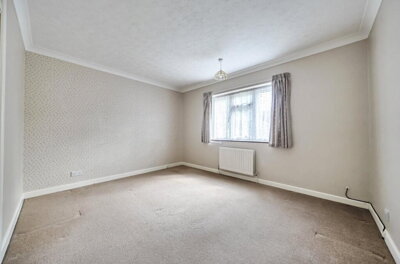
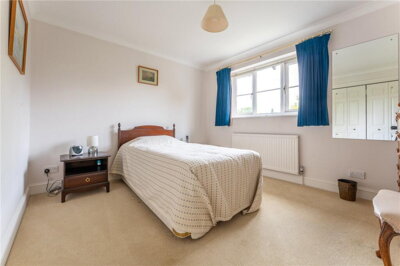
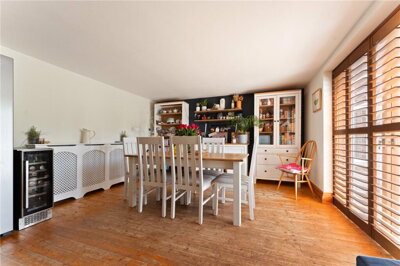
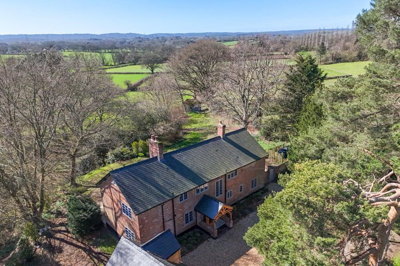
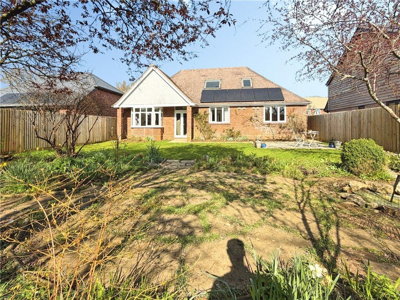
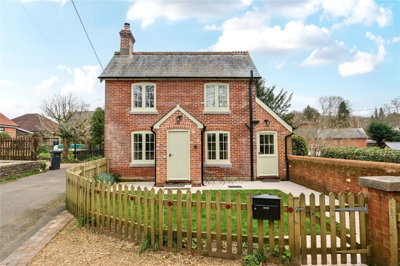
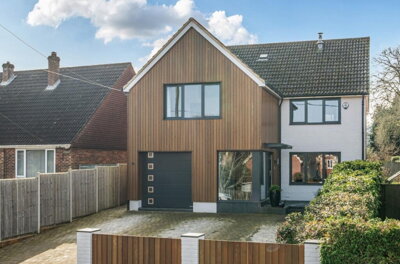
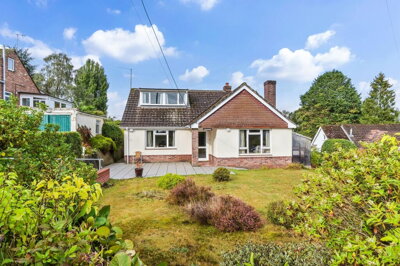
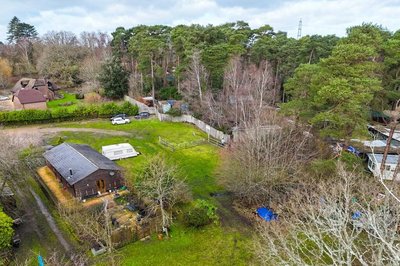
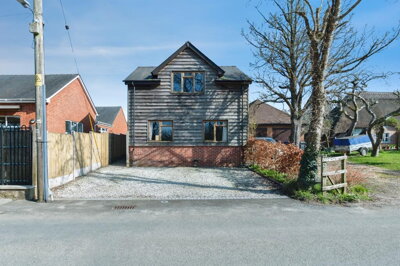
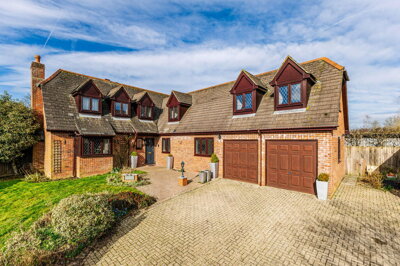
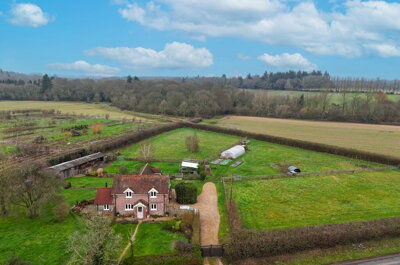
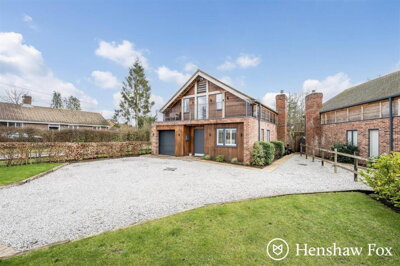
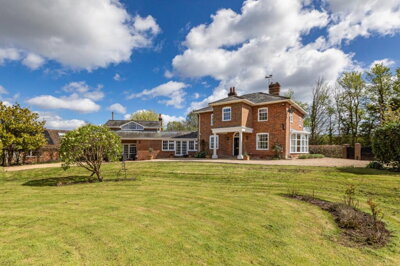
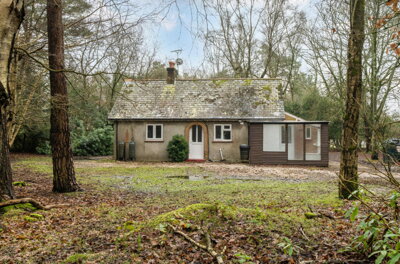
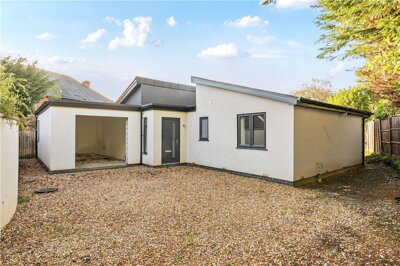
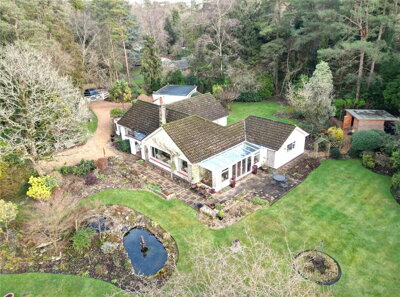
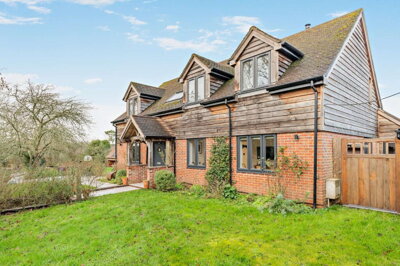
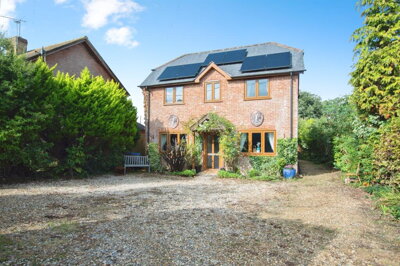
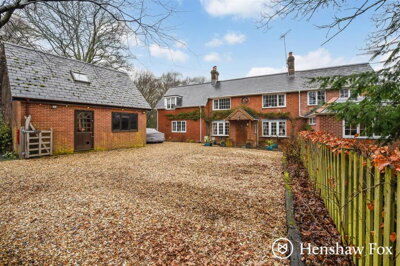
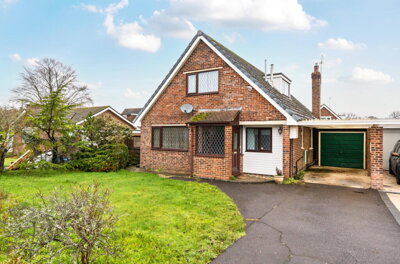
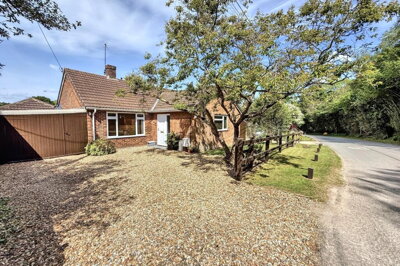
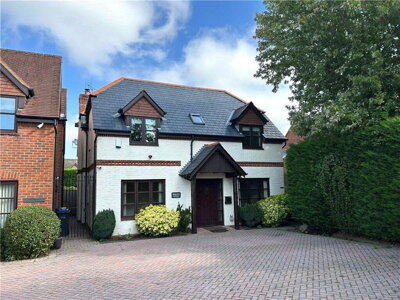
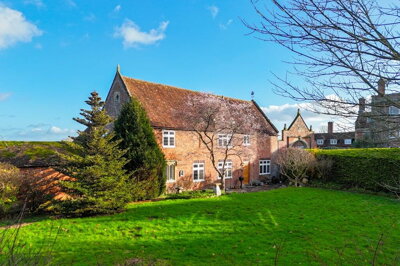
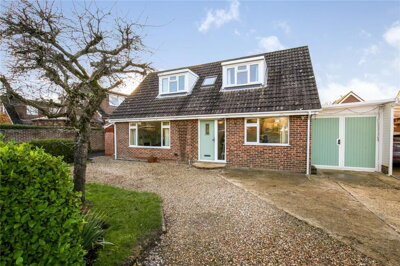
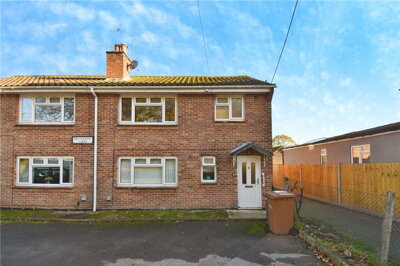
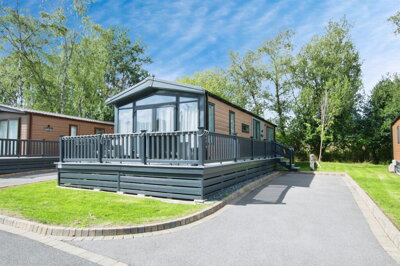
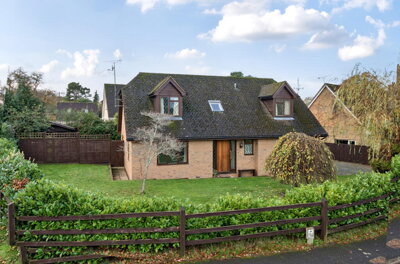
Browse 63 homes for sale in Landford, Wiltshire from local estate agents.
£805k
18
1
131
Source: home.co.uk
Source: home.co.uk
Detached
6 listings
Avg £967,500
Detached Bungalow
3 listings
Avg £750,000
detached
3 listings
Avg £1.25M
Bungalow
1 listings
Avg £650,000
Chalet
1 listings
Avg £475,000
Cottage
1 listings
Avg £1.15M
Flat
1 listings
Avg £1.00M
House
1 listings
Avg £920,000
Lodge
1 listings
Avg £130,000
Source: home.co.uk
Source: home.co.uk
The Gwinear-Gwithian property market reflects the area's dual appeal as both a working agricultural parish and a premier coastal destination. Detached properties in prestigious positions near Gwithian Towans currently range from £525,000 to over £600,000, with direct beach access or elevated cliff positions commanding the highest premiums. Semi-detached and terraced properties in the village centres offer more accessible price points, typically ranging from £280,000 to £380,000, making them attractive options for first-time buyers and growing families looking to establish roots in west Cornwall. The average property price of £342,000 provides a useful benchmark, though individual transactions will vary significantly based on property type, condition, and specific location.
The Gwinear-Gwithian Neighbourhood Development Plan has shaped housing growth across the parish, with planning policy apportioning approximately 310 new dwellings to the area through 2030. As of 2014 data, there had been 147 completions and 84 commitments, leaving a need for approximately 80 further dwellings within the plan period. While no major new-build developments were actively marketing homes at time of research, residential development within settlement boundaries remains permitted in the villages of Gwinear, Gwithian, Connor Downs, Carnhell Green, Reawla, and Wall, subject to design, heritage, and infrastructure criteria. The plan specifically identifies potential for around 144 new residences on medium-density sites within settlement boundaries, providing some insight into future supply that buyers should consider.
Housing stock in the parish spans several centuries, with the Gwinear-Gwithian parish containing 1,452 dwellings recorded in the 2011 census and continued growth since. Traditional granite-built farmhouses and cottages dating from the 17th century sit alongside early 20th-century chalets at Gwithian Towans and more recent residential developments built in the characteristic Cornish style of render, brick, and slate. This architectural diversity means buyers should expect varied construction standards and maintenance requirements depending on property age and location within the parish. The Gwithian Towans Design Guide provides specific guidance for chalet development in the coastal area, reflecting the unique character of properties that grew from early 1900s shelters built from scratch and extended over time.

Life in Gwinear-Gwithian revolves around the rhythms of rural Cornwall, where farming remains the traditional backbone of the local economy alongside a thriving tourism sector centred on the area's spectacular coastline. The parish population has grown from 3,261 in 2011 to 3,668 in 2021, reflecting increasing recognition of west Cornwall as a desirable place to live and work. This growth has been supported by substantial investment in affordable housing, particularly in the Connor Downs area, which has expanded to accommodate families seeking affordable homeownership without sacrificing access to Cornwall's coastline and countryside. The development of the West Cornwall Retail Park on the parish edge has also brought additional shopping and employment opportunities closer to home, though increased traffic through Connor Downs reflects the growing popularity of the area.
The cultural fabric of the parish is woven from its historic mining heritage, agricultural traditions, and coastal community identity. Gwinear village centres around its Conservation Area, where the Grade I listed St Gwinear Church dominates the skyline with its 13th and 14th-century origins and mid-15th-century granite tower. Numerous Grade II and II* listed buildings dot the parish, including traditional farmhouses such as Lanyon Farm and Taskus Farm (both 17th-century buildings), historic crosses, and the distinctive lych gate of St Gothian's Church. These heritage assets create a built environment rich in character and story, connecting residents to centuries of Cornish history while also imposing certain responsibilities and restrictions on property owners.
The coastal areas of Gwithian and Godrevy draw visitors from across Britain to their golden sands and world-class surfing conditions, supporting caravan parks, campsites, and local businesses that cater to holidaymakers and day-trippers throughout the year. Godrevy Lighthouse stands as an iconic landmark visible from many parts of the parish, guiding ships safely past the dangerous Stones reef and providing a romantic backdrop to evening walks along the South West Coast Path. The seasonal influx of visitors contributes significantly to the local economy but also means that properties near the beaches experience busier periods during summer months, a factor that prospective residents should consider when choosing a specific location within the parish.
Families considering a move to Gwinear-Gwithian will find a selection of primary schools serving the parish and surrounding areas, with Gwinear Community Primary School serving as the nearest option for younger children. The school provides education for Reception through to Year 6, offering a small-school environment where children receive individual attention and form strong relationships within their community. For secondary education, pupils typically travel to schools in Hayle, Camborne, or Penzance, with school transport arrangements available for those living outside the main population centres. The Gwinear-Gwithian Neighbourhood Development Plan recognises education as a key consideration for sustainable community growth, with planning policy requiring new developments to consider the impact on school capacity and infrastructure.
Parents should research current Ofsted ratings and admission catchment areas before purchasing property, as these can influence school placement and travel arrangements significantly. The nearest secondary schools include some with strong academic reputations, though competition for places can be keen given the rural nature of the catchment areas. For families requiring childcare or early years education, several nurseries and pre-schools operate within reasonable driving distance of the parish. Sixth form and further education provision is available at colleges in Truro, Camborne, and Penzance, with school sixth forms also accessible at larger secondary schools. Young families and those planning a family should factor school transport logistics and journey times into their property search, particularly if considering homes in more remote parts of the parish away from the main village centres.
Gwinear-Gwithian occupies a central position in west Cornwall, with road connections linking the parish to the A30 trunk road that runs through Cornwall from the Devon border to Land's End. This main artery provides access to Truro, the county capital, as well as the major employment centres of Camborne, Redruth, and the expanding commercial areas around Longrock. The West Cornwall Retail Park on the parish edge has brought additional shopping and employment opportunities closer to home, though increased traffic through Connor Downs reflects the growing popularity of the area. For daily commuting to major employment centres, car ownership remains practically essential for most residents given the limited public transport frequencies in rural Cornwall.
For rail travel, the nearest mainline stations are at Camborne and St Erth, both offering connections to Plymouth, Exeter, Bristol, and London Paddington via the Cornish Main Line. Camborne station provides regular services to Truro and the north coast, while St Erth offers connections to the St Ives Bay Line for travel to the coastal town of St Ives. Those relying on public transport for daily commuting should factor in journey times and check current timetables, as services may be less frequent than in urban areas. Local bus services operated by Cornwall Council and private operators provide connections between the villages within the parish and to larger towns for shopping and appointments, though like many rural areas, public transport frequency can be limited.
Cyclists will find both the Spinways and Coast and Clay Cycles routes accessible from Gwinear-Gwithian, while the South West Coast Path provides spectacular walking and hiking opportunities along the dramatic cliffs between Gwithian and St Ives. The parish benefits from good connectivity to the wider region via the A30, though journey times to major cities such as Plymouth (approximately 1.5 hours) and Exeter (approximately 2 hours) require significant planning for those who need to travel regularly for work. The nearby Cornwall Airport at Newquay offers flights to various UK destinations and some European locations, though international travel typically requires a longer journey to Bristol or London airports.
Spend time exploring Gwinear-Gwithian before committing to a purchase. Visit at different times of day and week to understand traffic patterns, noise levels from tourism in summer, and the true character of each village. The proximity of Gwithian Beach and the A30 will influence your daily life, so choose your location within the parish carefully based on your priorities for coastal access, commute times, and village community atmosphere.
Before viewing properties, obtain a mortgage agreement in principle from a lender or broker. This demonstrates your financial credibility to estate agents and sellers, strengthening your position when making an offer. With properties ranging from £280,000 cottages to £600,000 coastal homes, understanding your budget helps focus your search effectively. Specialist brokers familiar with Cornish properties can advise on appropriate lending criteria for older buildings, listed properties, and non-standard construction common in the area.
Work with local estate agents familiar with Gwinear-Gwithian to arrange viewings of suitable properties. Given the heritage-rich nature of the parish, many homes will have unique characteristics requiring personal inspection to assess condition and suitability. View multiple properties across different villages to compare the practical realities of each location. Pay particular attention to the condition of older properties, coastal exposure effects, and any signs of maintenance issues that may not be apparent in photographs.
Given Cornwall's history of mining hazards and the age of many properties in the parish, a comprehensive Level 2 Survey is strongly recommended before purchasing. This will identify structural concerns, damp issues common in coastal properties, roof condition, and any potential mining-related ground instability that could affect your investment. For properties in Gwithian Towans or older buildings throughout the parish, consider whether a more detailed survey may be warranted to assess specific risks.
Once your offer is accepted, instruct a solicitor with experience in Cornish property transactions to handle the legal work. They will conduct searches for flooding risk, mining records, conservation areas, and any planning constraints specific to the parish. Listed building and conservation area considerations are common in Gwinear-Gwithian and require specialist attention. Mining record searches are particularly important given the historic mining activity in the area from the 1840s to 1880s.
After satisfactory survey results and completed legal searches, you will exchange contracts and pay your deposit. Completion typically follows within weeks, at which point you receive the keys to your new Gwinear-Gwithian home. Factor in Stamp Duty costs based on your purchase price and eligibility for any first-time buyer relief. Budget also for solicitor fees, survey costs, and moving expenses to ensure you have a complete picture of all purchase costs.
Properties in Gwinear-Gwithian present both rewarding opportunities and specific challenges that prospective buyers should understand before committing to a purchase. The parish's geological complexity, stemming from Cornwall's extensive mining history, means that ground conditions can vary significantly across even short distances. Historic mining in the Gwinear area, which employed hundreds of workers in the 1840s before closing by the 1880s, has left potential hazards including undocumented features that could lead to collapse, subsidence, or ground movement. A thorough ground conditions survey may be advisable for properties in certain locations, particularly those on or near former mining sites.
The coastal environment that makes Gwinear-Gwithian so desirable also brings maintenance considerations that inland buyers may not anticipate. Properties near Gwithian Towans and the beaches face exposure to salt air, strong winds, and occasional storm damage that can accelerate wear on external finishes, roofing, and joinery. Traditional construction using granite and stone, while characterful, may require more frequent maintenance than modern builds, and rendering may show signs of damp penetration in older properties. Wave erosion at Gwithian Sands has been known to reveal buried mining carts, highlighting the complex interplay between coastal processes and historic mining activity that characterises this area.
Buyers should carefully check whether properties fall within the Gwinear Conservation Area or are listed buildings, as these designations impose restrictions on alterations, extensions, and even external paint colours or window replacements. The parish contains numerous Grade II and II* listed structures alongside the Grade I St Gwinear Church, and any works to these properties require relevant consents. While these restrictions preserve the area's character, they can affect renovation budgets and future flexibility. Service charges and maintenance contributions for chalets in Gwithian Towans should also be verified, as shared maintenance of communal areas and access routes is common in this popular coastal area.
The underlying geology of Gwinear-Gwithian presents additional considerations for property buyers. The area sits on Lower Devonian rocks, with extensive dune systems at Gwithian Towans covering the bedrock. Cornwall's varied geology means that some sites encounter bedrock at ground level while others have several metres of overburden, affecting foundation solutions and drainage characteristics. Properties should be assessed individually for ground conditions, and specialist advice may be warranted for properties in areas with complex geology or close to the Red River corridor where groundwater levels may be higher.

Current data indicates an average property price of around £342,000 in the Gwinear-Gwithian area, though this masks significant variation across property types and locations. Detached properties near Gwithian Towans with coastal positioning command prices from £525,000 upwards, while terraced and semi-detached homes in village locations typically range from £280,000 to £380,000. The premium for beach access, sea views, or elevated cliff positions can add substantial amounts to base prices. Property prices have shown resilience in this part of Cornwall, supported by consistent demand from buyers seeking the west Cornwall lifestyle and limited new-build supply in the parish.
Properties in Gwinear-Gwithian fall under Cornwall Council's jurisdiction for council tax purposes. Bands range across the full spectrum from Band A through to Band H, depending on the property's assessed value. Historic cottages and smaller terraced properties often fall in Bands A to C, while larger detached homes and coastal properties with premium values typically occupy Bands E through H. Prospective buyers should check the specific property's council tax band before purchase, as this forms part of the ongoing cost of ownership alongside mortgage payments and maintenance.
Gwinear Community Primary School serves the parish for Reception through Year 6, providing local primary education within the community. Secondary school options include schools in Hayle, Camborne, and Penzance, with admission based on catchment areas and availability. Parents should research current Ofsted inspection outcomes for all options and consider transport arrangements, as secondary school travel can involve significant journey times from more remote parts of the parish. School capacity has been a consideration in the Neighbourhood Development Plan, reflecting community awareness of educational infrastructure needs as the population grows.
Public transport options in Gwinear-Gwithian reflect its rural character, with local bus services providing connections between villages and to larger towns, though frequencies may be limited compared to urban areas. The nearest mainline railway stations at Camborne and St Erth offer rail connections to the wider county and national network, with St Erth providing access to St Ives via the St Ives Bay Line. For daily commuting to major employment centres, car ownership remains practically essential for most residents. The parish's position near the A30 provides reasonable road access to Truro and the north coast, though journey times to major cities require significant planning.
Gwinear-Gwithian offers several factors that appeal to property investors, including limited new-build supply, strong tourism demand for holiday lets, and the enduring appeal of west Cornwall's coastline. The Neighbourhood Development Plan's controlled approach to new housing supply helps maintain property values by preventing oversupply. However, investors should note that holiday let regulations are evolving, and properties in conservation areas or listed buildings may have restrictions on rental use. The seasonal nature of tourism income should also be factored into investment calculations, and mortgage lenders may apply different criteria to properties intended for holiday letting.
Stamp Duty Land Tax on a £342,000 property for a non-first-time buyer is calculated at 0% on the first £250,000 and 5% on the remaining £92,000, totalling £4,600. First-time buyers benefit from relief on the first £425,000 of a residential purchase, reducing costs significantly for eligible buyers purchasing at the typical price point. Properties above £925,000 face higher rates of 10% on the portion between £925,000 and £1.5 million, and 12% above that threshold. All buyers should budget for additional purchase costs including solicitor fees, survey fees, and moving expenses.
Historic mining activity in the Gwinear area from the 1840s to the 1880s means that ground conditions require careful consideration when purchasing property in the parish. Undocumented historic mining features can lead to collapse, subsidence, or ground movement risks that standard surveys may not fully assess. Properties on or near former mining sites should be treated with particular caution, and specialist ground condition surveys may be advisable. The conveyancing solicitor should conduct thorough mining records searches as part of the purchase process, and any potential issues identified should be fully investigated before completing the purchase.
The Gwinear-Gwithian Neighbourhood Development Plan guides development in the parish through 2030, with planning policy apportioning approximately 310 new dwellings to the area. As of the most recent data, around 231 dwellings had been completed or committed, with potential for approximately 144 further residences on medium-density sites within settlement boundaries. Development is generally permitted within settlement boundaries of the main villages, subject to design, heritage, and infrastructure criteria. Rural exception sites for affordable housing are also supported adjacent to settlement boundaries, reflecting the community's commitment to maintaining housing options for local residents.
Properties near Gwithian Beach and Gwithian Towans offer exceptional coastal living but come with specific considerations that buyers should understand. The area has seen chalet development from the early 1900s onwards, creating a distinctive character quite different from the inland villages. Service charges and maintenance contributions for chalets are common, covering shared areas and beach access routes. Properties face exposure to salt air, strong winds, and seasonal tourist volumes that peak during summer months. The Gwithian Towans Design Guide provides specific guidance for development in this area, ensuring that new construction and alterations respect the local character. Coastal erosion is a long-term consideration for any properties in this area, as the National Coastal Erosion Risk Map indicates changes along this stretch of coastline through 2105.
The Gwinear-Gwithian parish contains numerous listed buildings including the Grade I listed St Gwinear Church and many Grade II and II* structures, meaning buyers may encounter heritage properties requiring specialist attention. Any alterations to listed buildings require listed building consent, and general maintenance should use like-for-like materials and design to preserve the building's historic character. Properties within the Gwinear Conservation Area face similar restrictions on external alterations. These designations preserve the area's distinctive appearance but can affect renovation budgets, future flexibility, and the timeline for any planned works. Buyers should factor in the additional costs and time required for listed building consents when considering heritage properties.
From 4.5%
Expert mortgage advice for Gwinear-Gwithian properties, from first-time buyers to remortgages
From £499
Specialist property solicitors handling Gwinear-Gwithian transactions including mining searches
From £350
Comprehensive property survey recommended for all Cornwall purchases
From £60
Energy performance certificate required for all property sales
Understanding the full cost of purchasing property in Gwinear-Gwithian requires careful budgeting beyond the advertised purchase price. Stamp Duty Land Tax forms the largest single additional cost for most buyers, with the standard threshold of £250,000 meaning buyers pay nothing on the first portion and 5% on amounts between £250,001 and £925,000. For a typical £342,000 property purchase, this equates to £4,600 in SDLT before any first-time buyer relief applies. First-time buyers purchasing properties up to £425,000 pay no stamp duty, making homeownership more accessible for those entering the property market in this part of Cornwall.
Legal costs for conveyancing in Gwinear-Gwithian typically start from around £499 for standard transactions, though complex purchases involving listed buildings, conservation areas, or properties with potential mining risk may require additional specialist work. Your solicitor will conduct essential local searches including drainage and water searches, environmental searches covering flooding and contamination risks, and mining records searches that are particularly important given Cornwall's mining heritage. These searches typically cost between £200 and £500 depending on the property and location, with mining-specific searches potentially adding to this figure for properties in areas with historic extraction activity.
A RICS Level 2 Survey is strongly recommended for all purchases in Gwinear-Gwithian, with costs starting from approximately £350 for a standard property and potentially higher for larger homes or those with complex construction. Given the prevalence of older properties, coastal exposure, and potential mining-related ground conditions, the investment in a thorough survey can identify issues before completion that might otherwise result in significant unexpected costs. Additional costs to budget for include moving expenses, potential renovation works identified in surveys, and ongoing costs such as council tax, buildings insurance, and maintenance reserves. Buildings insurance in coastal areas may be higher than average due to exposure to salt air and storm damage risks, a factor to include in your ongoing cost calculations.
Properties for Sale In London

Properties for Sale In Plymouth

Properties for Sale In Liverpool

Properties for Sale In Glasgow

Properties for Sale In Sheffield

Properties for Sale In Edinburgh

Properties for Sale In Coventry

Properties for Sale In Bradford

Properties for Sale In Manchester

Properties for Sale In Birmingham

Properties for Sale In Bristol

Properties for Sale In Oxford

Properties for Sale In Leicester

Properties for Sale In Newcastle

Properties for Sale In Leeds

Properties for Sale In Southampton

Properties for Sale In Cardiff

Properties for Sale In Nottingham

Properties for Sale In Norwich

Properties for Sale In Brighton

Properties for Sale In Derby

Properties for Sale In Portsmouth

Properties for Sale In Northampton

Properties for Sale In Milton Keynes

Properties for Sale In Bournemouth

Properties for Sale In Bolton

Properties for Sale In Swansea

Properties for Sale In Swindon

Properties for Sale In Peterborough

Properties for Sale In Wolverhampton

Enter your details to see if this property is within your budget.
Loans, cards, car finance
Estimated property budget
Borrowing + deposit
You could borrow between
Typical borrowing
Monthly repayment
Est. at 4.5%
Loan-to-value
This is an estimate only. Your actual budget may vary depending on interest rates, credit history, and personal circumstances. For an accurate affordability assessment, speak to one of our free mortgage advisors.
This calculator provides estimates for illustrative purposes only and does not constitute financial advice. Your home may be repossessed if you do not keep up repayments on your mortgage. Estimates based on 4.5% interest rate, repayment mortgage. Actual rates depend on your circumstances.
Homemove is a trading name of HM Haus Group Ltd (Company No. 13873779, registered in England & Wales). Homemove Mortgages Ltd (Company No. 15947693) is an Appointed Representative of TMG Direct Limited, trading as TMG Mortgage Network, which is authorised and regulated by the Financial Conduct Authority (FRN 786245). Homemove Mortgages Ltd is entered on the FCA Register as an Appointed Representative (FRN 1022429). You can check registrations at NewRegister or by calling 0800 111 6768.

We use cookies to show you personalised content and improve your experience of our website. Find out more in our Privacy policy and Cookie policy.