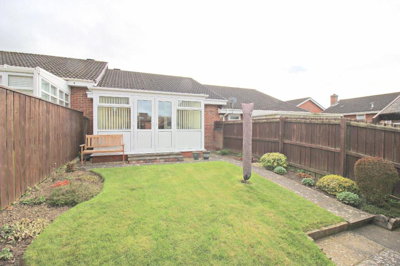
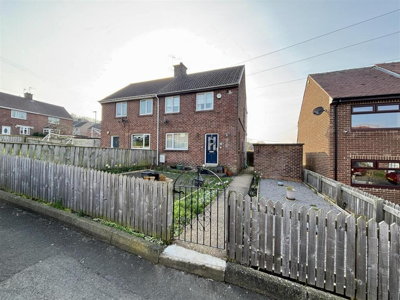
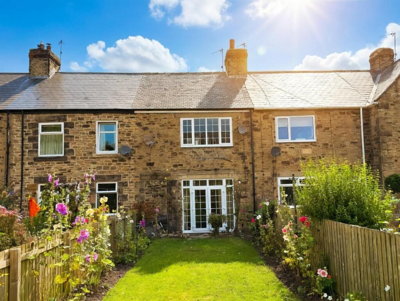
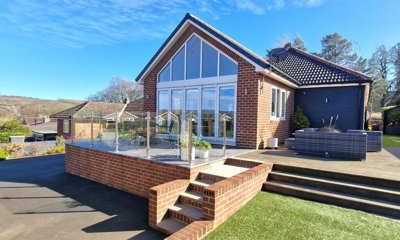
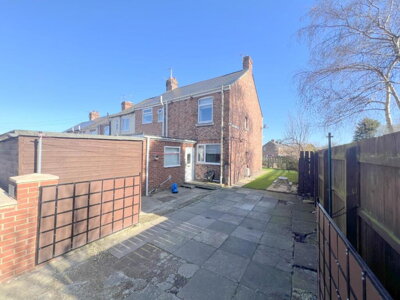
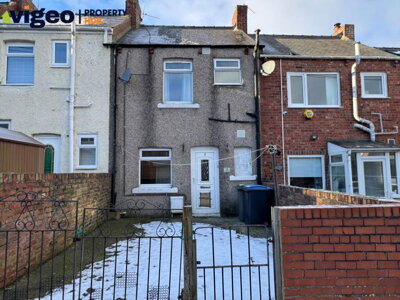
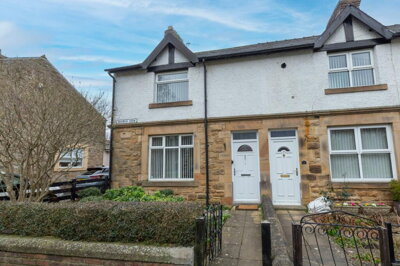
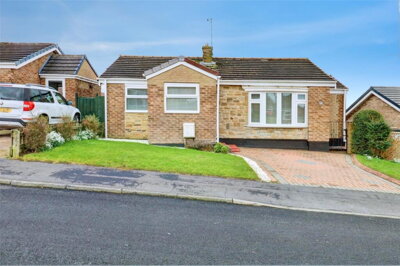
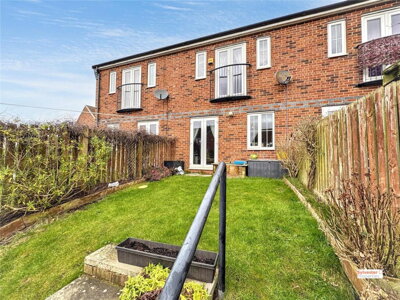
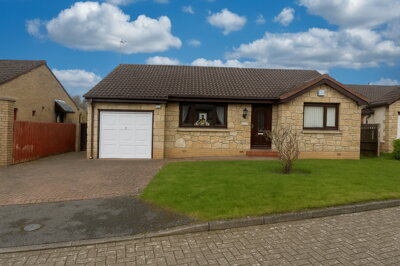
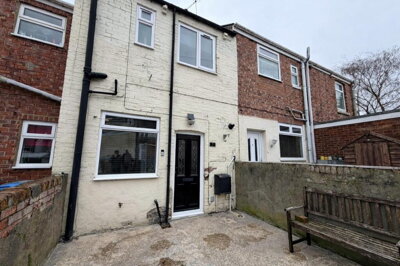
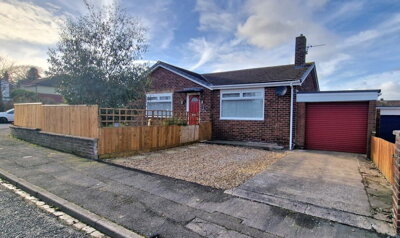
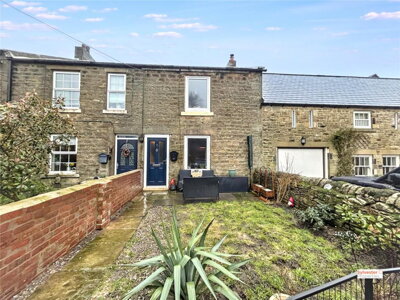
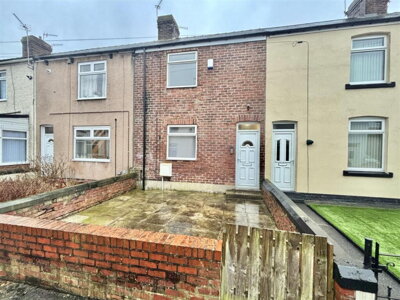
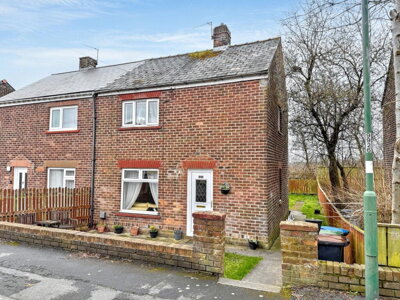
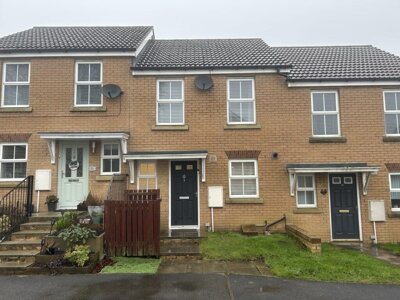
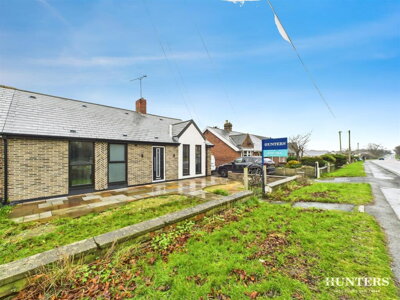
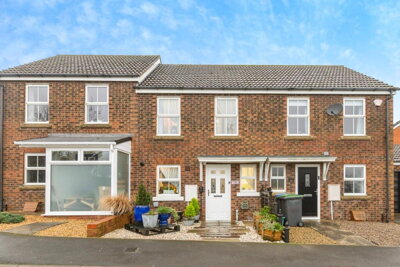
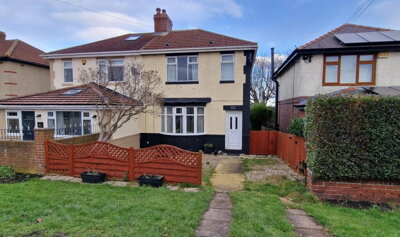
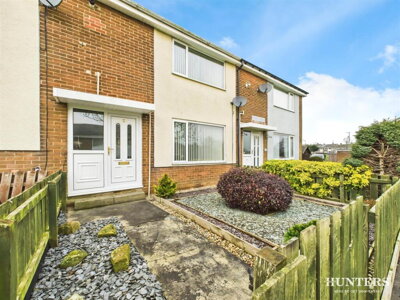
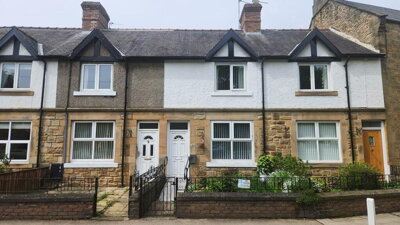
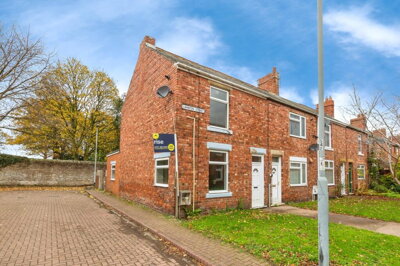
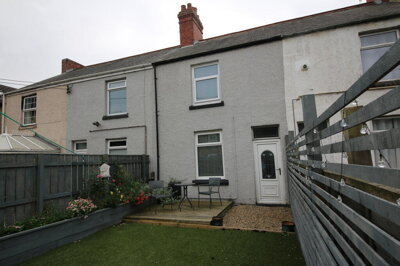
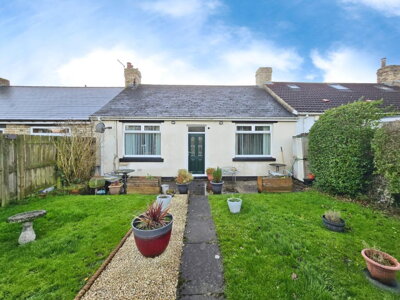
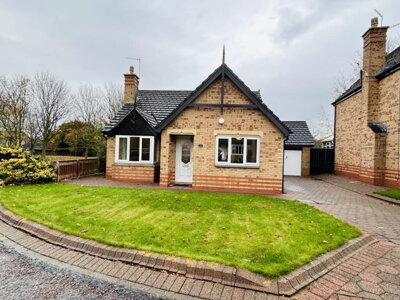
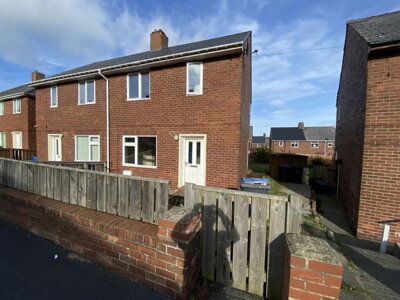
Browse 36 homes for sale in Lanchester, County Durham from local estate agents.
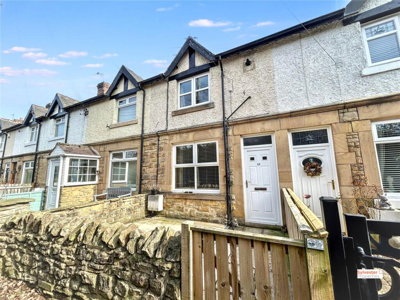
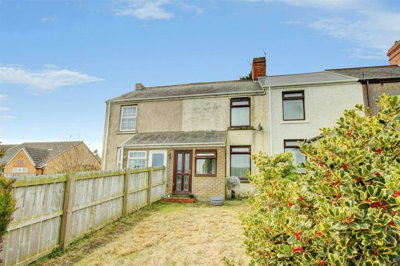
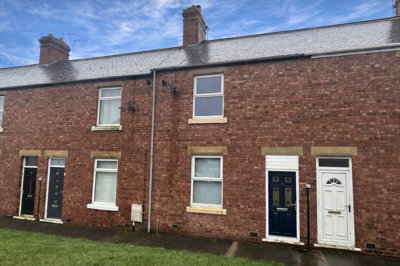
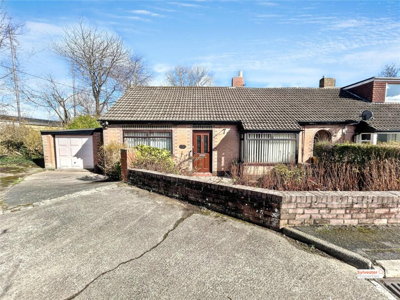
The 2 bed house market features detached, semi-detached, and terraced properties with two separate bedrooms plus living spaces. Properties in Lanchester range from Victorian and Edwardian period homes to modern new builds, with pricing varying across different neighbourhoods.
£155k
3
0
145
Source: home.co.uk
Showing 3 results for 2 Bedroom Houses for sale in Lanchester, County Durham. The median asking price is £155,000.
Source: home.co.uk
Terraced
3 listings
Avg £163,333
Source: home.co.uk
Source: home.co.uk
The Lanchester property market has demonstrated steady resilience over the past year, with house prices increasing by 1.29% according to Rightmove data. Our records show that 46 residential properties were sold in the village over the last twelve months, representing a market that, while modest in volume, maintains consistent activity throughout the year. The village attracts buyers seeking larger family homes, with census data indicating that approximately 71% of houses in Lanchester Parish feature three or more bedrooms. This preference for spacious accommodation reflects the family-oriented nature of the community and the availability of properties suitable for growing households.
Property types available in Lanchester span a diverse range to suit different buyer requirements. Detached family homes command the higher end of the market, with average prices around £330,405 reflecting their generous proportions and often desirable garden plots. Semi-detached properties, typically priced from £196,250, offer an excellent balance of space and affordability for first-time buyers and growing families. Terraced houses, averaging approximately £210,385, provide an entry point into the village's property market while maintaining the character and construction quality associated with Lanchester's Victorian and Edwardian housing stock.
New-build developments within and around Lanchester offer contemporary alternatives to the village's traditional housing. The Canterbury at The Pastures presents a premium option with five-bedroom detached houses priced from £1,100,000 for buyers seeking brand-new accommodation. More accessible new-build options include Mown Meadows on Cecil Crescent, offering two to four-bedroom homes from £159,996 to £284,995, and Scholars' Meadows on the same road, with three to five-bedroom properties ranging from £259,995 to £474,995. These developments provide modern specifications and energy-efficient designs while maintaining the village's architectural character through the use of local sandstone materials.

Lanchester sits within the West Durham Coalfield, a location that has shaped both the village's history and its distinctive character. The village developed significantly after the opening of the Durham-Consett railway line in 1862, which brought new terraces of stone houses along Station Road, The Garths, Prospect Terrace, and Railway Street. Today, the village centre remains centred around the historic Front Street and the village green, where the Grade I listed All Saints Church dates back to the 12th century and showcases the mellow local sandstone that defines much of the village's architecture. The blue-grey Welsh slate roofs, which replaced earlier red clay pantiles when the railway arrived, now contribute to the recognizable character of the village skyline.
The demographic profile of Lanchester reveals a mature community with evolving needs. Census data shows an aging population trend, with the number of residents aged 65 and over increasing by 20% between 2001 and 2011, while the working-age population decreased by 7% during the same period. This shift has influenced local planning decisions, with the Lanchester Neighbourhood Plan specifically addressing housing requirements for older residents by advocating for bungalows, level-access flats, and adaptable homes suitable for aging in place. The village maintains a strong sense of community, supported by the Lanchester Partnership, a charitable organisation that develops and delivers community projects for the benefit of residents.
The local landscape around Lanchester is characterized by rolling countryside and farmland, with small tributaries including Smallhope Burn and Alderdene Burn flowing through the village towards the River Browney. These watercourses, while contributing to the rural charm of the area, have historically posed flood risks during periods of heavy rainfall, as demonstrated by flash flooding in October 2023 that closed most roads in the village. Low-lying areas near Fenhall Park, Victoria Terrace, St Bedes Court, and properties along Durham Road and Front Street are identified as flood warning areas, a consideration that prospective buyers should factor into their property search and survey requirements.
Beyond its residential appeal, Lanchester offers everyday amenities within walking distance of the village centre. Local shops, a pharmacy, and several pubs cater to daily needs, while the nearby countryside provides extensive walking and cycling opportunities. The village cricket club and ground serve as social hubs during the summer months, reflecting the community-oriented atmosphere that defines village life here. The historic All Saints Church continues to serve the parish, with its medieval architecture drawing visitors interested in the village's rich heritage dating back to Roman times.

Education provision in Lanchester serves families with children of all ages, with primary education available within the village itself. The local primary school provides education for Reception through to Year 6, offering a convenient option for families seeking to minimize school-run distances. Parents should verify current catchment areas and admissions policies directly with the school or Durham County Council, as these can change annually and may influence property values in specific streets or developments. The village school maintains strong community ties, reflecting the family-oriented nature of Lanchester as a whole.
Secondary education options for Lanchester residents include schools in the surrounding area, accessible via local bus services that connect the village to nearby towns. Parents should research current performance tables and Ofsted ratings to identify the most suitable options for their children, keeping in mind that school performance can vary year by year. The Lanchester Neighbourhood Plan acknowledges the importance of education facilities in maintaining a balanced community, recognizing that accessible schools contribute to the village's appeal for families considering relocation. Sixth form and further education opportunities are available at colleges in Durham and surrounding towns, providing clear progression pathways for students completing their secondary education.
The broader County Durham area offers additional educational choices including grammar schools in nearby Durham city, which operate selective admissions based on academic ability. Entrance to these schools typically requires preparation for the Durham entrance assessment, and families interested in this pathway should plan ahead for registration and examination preparation. Independent schooling options are also available in the region for families seeking private education. When purchasing property in Lanchester, families should confirm current school admissions arrangements, as catchment boundaries can be subject to change and may affect which school their children can attend.
Lanchester is well-connected by road, with the A691 running through the village and providing direct links to Durham city to the east and Consett to the west. This main road forms the primary route for residents commuting by car, with journey times to Durham city centre taking approximately 20 to 30 minutes depending on traffic conditions. The A68 provides an alternative north-south route connecting Lanchester to Newcastle upon Tyne, with the journey to Newcastle city centre typically taking around 45 minutes to an hour. For those working in larger regional centres, these road connections make Lanchester a viable base while maintaining access to urban employment markets.
Public transport options in Lanchester centre on bus services that connect the village to surrounding towns and cities. Local bus routes provide services to Durham, where passengers can access the wider Northern Rail network connecting to Newcastle, Sunderland, and other regional destinations. The village is not served directly by a railway station, as the Durham-Consett line closed in 1966 following the decline of heavy industry in the region. However, the bus connections to Durham mainline station ensure that rail travel remains accessible for residents willing to factor in the journey time. Stagecoach and other regional bus operators serve Lanchester, with service frequency varying by route and day of the week.
For residents commuting by car, parking provision within the village is available but can be limited during peak periods, particularly near the village centre and local amenities. Those considering a daily commute to Newcastle or other distant employment centres should factor in the additional travel time and costs associated with longer journeys. Cycling is a viable option for shorter local journeys, with the surrounding countryside offering scenic routes for recreational cycling. The village's position away from major motorway networks does contribute to its peaceful character, though prospective buyers should honestly assess their commuting requirements before committing to a property purchase in this relatively rural location.
Obtain a mortgage agreement in principle before viewing properties. This demonstrates your seriousness to sellers and estate agents while helping you understand your true budget. In Lanchester's market, with prices ranging from around £160,000 for new-build starter homes to over £1,000,000 for premium detached properties, knowing your borrowing limit is essential.
Spend time exploring Lanchester at different times of day and week. Visit the village centre, check local amenities, and speak to residents about their experiences. Consider important factors specific to the area such as flood risk near watercourses, the implications of living within the conservation area, and proximity to local schools if you have children.
Use Homemove to browse all available properties in Lanchester and arrange viewings through the listed estate agents. When viewing properties, pay attention to construction quality, the condition of roofs and rendering, and any signs of damp or structural movement. Properties built from local sandstone and featuring Welsh slate roofing are characteristic of the village, but their age means thorough inspection is advisable.
Once you have found your ideal property, arrange a RICS Level 2 Home Survey before proceeding. Given Lanchester's mining heritage and the age of much of its housing stock, a professional survey is particularly important. Local surveyors covering the DH7 postcode area offer competitive rates starting from around £350 plus VAT for a one-bedroom property, rising to approximately £450 plus VAT for a five-bedroom home.
Choose a conveyancing solicitor to handle the legal aspects of your purchase. Your solicitor will conduct searches including a mining search given Lanchester's location in the West Durham Coalfield, a flood risk search for properties near Smallhope Burn or Alderdene Burn, and checks on the conservation area status and any Article 4(2) Direction if applicable to your property.
Once all searches are satisfactory and your mortgage offer is confirmed, you will exchange contracts with the seller and pay your deposit. Completion typically follows within two to four weeks, after which you will receive the keys to your new Lanchester home. On completion day, your solicitor will transfer the remaining funds and you can collect your keys from the estate agent.
The Lanchester Conservation Area, designated in 1972 and extended in 2017, covers the historic village centre including the village green, Front Street, and Victorian and Edwardian developments. If you are purchasing a property within this area, be aware that an Article 4(2) Direction removes permitted development rights, meaning you will need planning permission for works including window replacement, door changes, roof alterations, and boundary wall modifications. This restriction helps preserve the village's character but does limit future renovation options and should be factored into your purchase decision.
Mining subsidence represents a significant consideration for property buyers in Lanchester, given the village's location in the heart of the West Durham Coalfield. The Coal Authority recommends obtaining a mining report for any property in former coal mining areas, as subsidence damage can occur many years after mining has ceased and from workings at depths exceeding 200 metres. Properties in the village should be inspected by a qualified surveyor who understands the specific risks associated with mining heritage, and buyers should budget for potential remediation costs if the survey reveals any issues.
Flood risk assessment is essential when considering properties in certain locations within Lanchester. Areas around Fenhall Park, Victoria Terrace, St Bedes Court, Brook Villas, Church View, Durham Road, Front Street, The Garths, Percy Crescent, Station Road, The Square, and Woodlands are identified as flood warning areas due to their proximity to Smallhope Burn. Properties near these watercourses may face higher insurance premiums and could be vulnerable during periods of heavy rainfall, as demonstrated by the October 2023 flooding event that caused significant disruption across the village. A specialist flood risk assessment should be considered for any property in these areas.
The construction materials used in Lanchester properties are characteristic of the region's building heritage. Older properties feature local sandstone walls, which may be prone to weathering and erosion over time, while Welsh slate roofing, though durable, may require maintenance or replacement after many decades of exposure. Properties built before modern damp-proof courses may be more susceptible to rising damp, particularly those with solid walls. When viewing properties, look for signs of damp, crumbling mortar, loose or missing roof tiles, and any cracking that might indicate structural movement. A thorough RICS Level 2 survey will identify any defects requiring attention.
The average house price in Lanchester is currently around £233,453 according to Rightmove data, with OnTheMarket reporting a similar average of £228,000 as of early 2026. Property prices have increased by 1.29% over the past twelve months, with sold prices representing an 18.1% rise compared to the previous year. Detached properties average approximately £330,405, semi-detached homes around £196,250, and terraced houses about £210,385. New-build properties range from around £160,000 for two-bedroom homes at Mown Meadows to £1,100,000 for premium five-bedroom detached houses at The Canterbury.
Properties in Lanchester fall under Durham County Council's jurisdiction for council tax purposes. The specific band depends on the property's assessed value, with bands ranging from A through to H. Most residential properties in Lanchester fall within bands A to D, reflecting the mix of property values in the village from modest terraces through to larger family homes and premium detached properties. You can check the specific council tax band for any property through the Durham County Council website or the Valuation Office Agency.
Lanchester has a primary school within the village that serves Reception through Year 6, providing a convenient education option for families with young children. Secondary school options are available in surrounding towns, accessible via local bus services. Parents should consult current Ofsted reports and performance data when evaluating options, as school ratings can change over time. Grammar schools in Durham city provide selective education for academically able students. School catchment areas should be verified directly with Durham County Council before purchasing a property, as admissions policies can affect which school your children can attend.
Lanchester is connected to surrounding areas via bus services, with routes linking the village to Durham and Consett. From Durham, passengers can access the mainline railway station for connections to Newcastle, Sunderland, and beyond. The village does not have its own railway station following the closure of the Durham-Consett line in 1966. Bus services operate throughout the day, though frequency may be reduced during evenings and weekends. For commuters relying on public transport, journey times to Durham city centre by bus typically take 30 to 45 minutes, making Lanchester most suitable for those with flexible working arrangements or who do not need to commute daily.
Lanchester offers several factors that may appeal to property investors. House prices have shown steady growth with a 1.29% increase over the past year and an 18.1% rise in sold prices compared to the previous year. The village's aging population creates potential demand for single-level accommodation such as bungalows and retirement properties. The conservation area designation helps maintain property values by preserving the village's character. However, investors should consider the limited rental market in a village of this size, potential flood risk in certain areas, and the mining subsidence history. As with any property investment, thorough research on local market conditions and rental demand is recommended before proceeding.
Stamp Duty Land Tax rates for standard purchases in England start at 0% on the first £250,000 of the purchase price, rising to 5% on the portion between £250,001 and £925,000, 10% on the portion between £925,001 and £1.5 million, and 12% on any amount above £1.5 million. First-time buyers benefit from increased thresholds, paying 0% on the first £425,000, 5% between £425,001 and £625,000, with no relief available above £625,000. For example, a first-time buyer purchasing a typical Lanchester property at £233,453 would pay no stamp duty at all under current thresholds.
Lanchester has a rich heritage with numerous listed buildings concentrated around the historic village centre. The Grade I listed All Saints Church dates from the 12th century and is built from the mellow local sandstone that characterises much of the village architecture. Other notable listed buildings include Burnhopeside Hall and its associated farm buildings, both Grade II*, as well as Hamsteels Hall Farmhouse and The Deanery on Durham Road, which are also Grade II* listed. Many properties along Front Street and surrounding streets carry Grade II listing, offering historical character but requiring Listed Building Consent for any alterations. If you are purchasing a listed building, factor in the additional costs and restrictions associated with maintaining a heritage property.
Given that much of Lanchester's housing stock dates from the Victorian and Edwardian periods, prospective buyers should be aware of common defects in older properties. These include damp issues, particularly rising damp in solid-walled properties without modern damp-proof courses, and roofing problems such as missing or slipped slates and deteriorating ridge mortar. Properties in the village may also show signs of structural movement, which can be exacerbated by the local mining history. Electrical and plumbing systems in older homes often require updating to meet current standards. We recommend arranging a thorough RICS Level 2 survey that specifically addresses the construction era and local geological conditions.
From 3.79%
Secure financing for your Lanchester property purchase
From £499
Legal services including mining and flood risk searches
From £350
Detailed property inspection for Lanchester homes
From £60
Energy performance certificate for your new home
Understanding the full costs of purchasing a property in Lanchester extends beyond the advertised sale price. Stamp Duty Land Tax represents one of the most significant additional costs, and the current thresholds for standard purchases in England apply regardless of location. For properties purchased at the Lanchester average price of approximately £233,453, a standard buyer would pay no SDLT on the first £250,000, resulting in a nil tax bill under current thresholds. Higher-value purchases, such as the new-build five-bedroom properties available at around £1,100,000, would incur SDLT at 12% on the amount exceeding £1.5 million, with amounts between £925,001 and £1.5 million taxed at 10%.
First-time buyers purchasing in Lanchester benefit from enhanced SDLT relief, with no tax payable on the first £425,000 of the purchase price and 5% charged on amounts between £425,001 and £625,000. This relief applies to properties up to £625,000 and requires that the buyer has never previously owned property anywhere in the world. For first-time buyers purchasing at or near the Lanchester average price, this means the entire SDLT bill could be nil. It is important to note that SDLT relief cannot be claimed on additional properties purchased while retaining an existing main residence, which would trigger the higher rates for additional dwellings.
Beyond stamp duty, buyers should budget for survey costs, solicitor fees, and mortgage arrangement fees. A RICS Level 2 Home Survey for a three-bedroom property in Lanchester typically costs around £400 plus VAT when using local surveyors covering the DH7 postcode area. Conveyancing fees generally start from around £499 for straightforward purchases, though costs can increase for properties requiring additional searches such as mining reports given Lanchester's coalfield location. Mortgage arrangement fees vary by lender, ranging from zero for fee-free mortgages to around £1,000 or more for products with lower interest rates. Total buying costs, excluding SDLT, can typically amount to between £2,000 and £4,000 depending on property value and individual circumstances.
Properties for Sale In London

Properties for Sale In Plymouth

Properties for Sale In Liverpool

Properties for Sale In Glasgow

Properties for Sale In Sheffield

Properties for Sale In Edinburgh

Properties for Sale In Coventry

Properties for Sale In Bradford

Properties for Sale In Manchester

Properties for Sale In Birmingham

Properties for Sale In Bristol

Properties for Sale In Oxford

Properties for Sale In Leicester

Properties for Sale In Newcastle

Properties for Sale In Leeds

Properties for Sale In Southampton

Properties for Sale In Cardiff

Properties for Sale In Nottingham

Properties for Sale In Norwich

Properties for Sale In Brighton

Properties for Sale In Derby

Properties for Sale In Portsmouth

Properties for Sale In Northampton

Properties for Sale In Milton Keynes

Properties for Sale In Bournemouth

Properties for Sale In Bolton

Properties for Sale In Swansea

Properties for Sale In Swindon

Properties for Sale In Peterborough

Properties for Sale In Wolverhampton

Enter your details to see if this property is within your budget.
Loans, cards, car finance
Estimated property budget
Borrowing + deposit
You could borrow between
Typical borrowing
Monthly repayment
Est. at 4.5%
Loan-to-value
This is an estimate only. Your actual budget may vary depending on interest rates, credit history, and personal circumstances. For an accurate affordability assessment, speak to one of our free mortgage advisors.
This calculator provides estimates for illustrative purposes only and does not constitute financial advice. Your home may be repossessed if you do not keep up repayments on your mortgage. Estimates based on 4.5% interest rate, repayment mortgage. Actual rates depend on your circumstances.
Homemove is a trading name of HM Haus Group Ltd (Company No. 13873779, registered in England & Wales). Homemove Mortgages Ltd (Company No. 15947693) is an Appointed Representative of TMG Direct Limited, trading as TMG Mortgage Network, which is authorised and regulated by the Financial Conduct Authority (FRN 786245). Homemove Mortgages Ltd is entered on the FCA Register as an Appointed Representative (FRN 1022429). You can check registrations at NewRegister or by calling 0800 111 6768.

We use cookies to show you personalised content and improve your experience of our website. Find out more in our Privacy policy and Cookie policy.