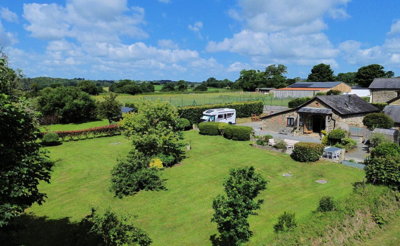
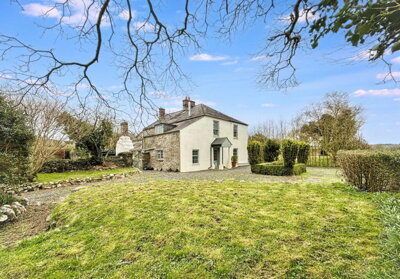
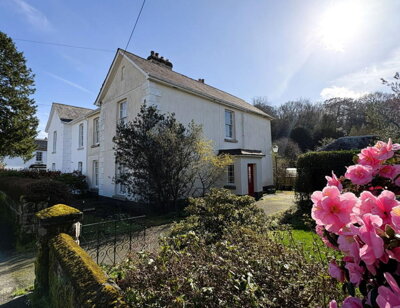
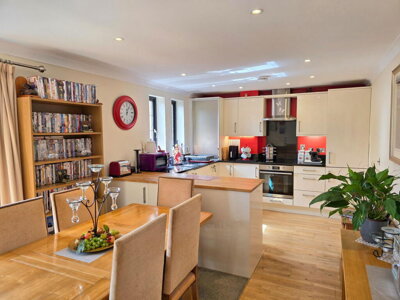
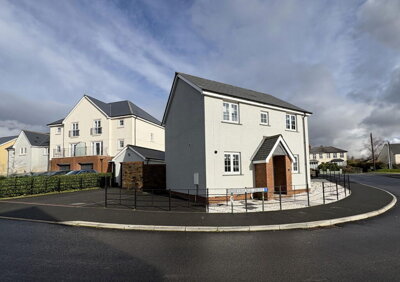
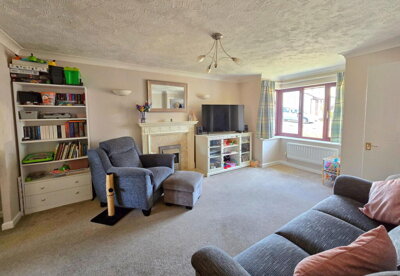
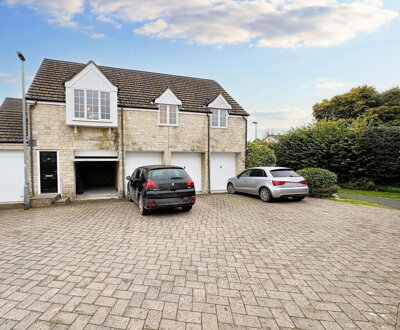
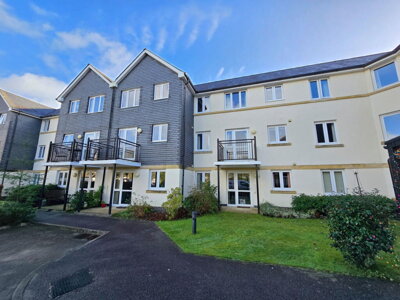
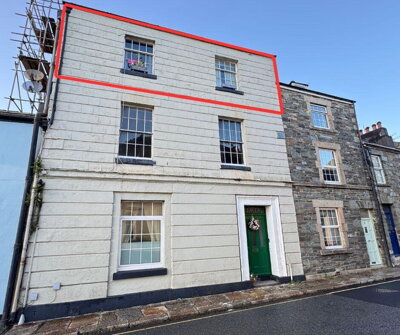
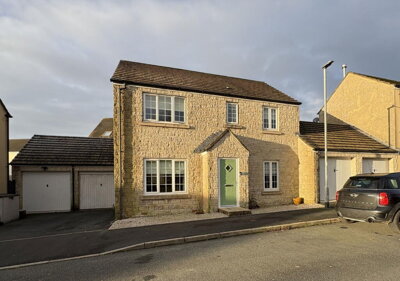
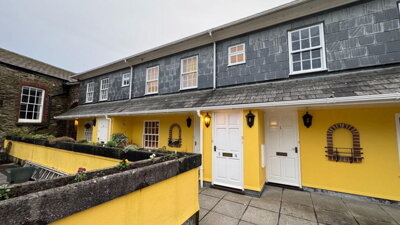
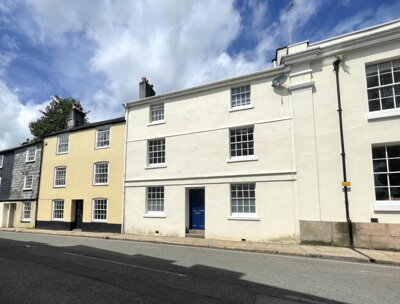
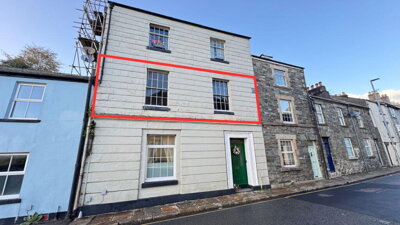
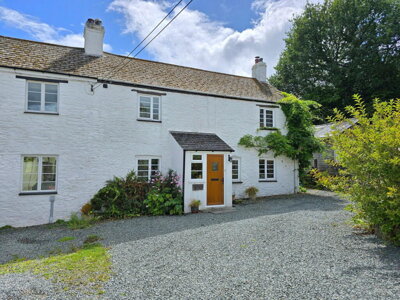
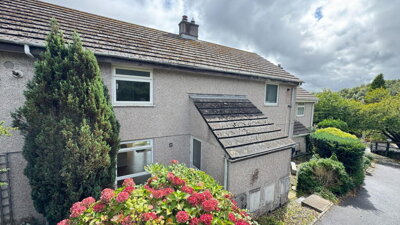
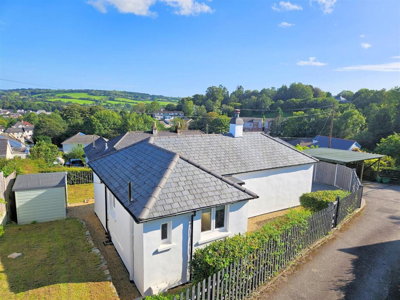
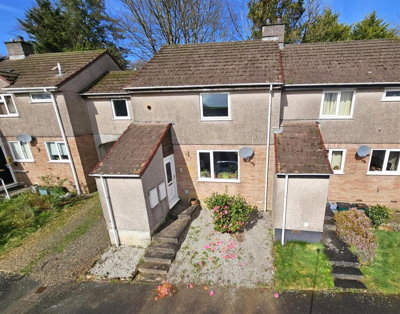
Browse 185 homes for sale in Lamerton, West Devon from local estate agents.
£600k
8
0
116
Source: home.co.uk
Source: home.co.uk
Detached Bungalow
2 listings
Avg £675,000
Semi-Detached
2 listings
Avg £492,500
Barn Conversion
1 listings
Avg £450,000
Country House
1 listings
Avg £2.50M
Detached
1 listings
Avg £850,000
Retirement Property
1 listings
Avg £175,000
Source: home.co.uk
Source: home.co.uk
The Manston property market offers a refreshing contrast to the activity of larger urban areas, with transaction volumes reflecting the intimate scale of this rural village. Data from Rightmove and Zoopla indicates limited but steady activity, with approximately 89 properties recorded in sold transactions for the Manston, Dorset area over recent periods. Property prices in Manston demonstrate the premium associated with Dorset countryside living, with detached homes commanding prices from £500,000 and terraced properties starting from around £250,000. Semi-detached homes in the village typically sell for approximately £300,000, offering a mid-range option for buyers seeking village living without the premium of a detached property.
The 2.5% increase in property values over the past twelve months reflects steady buyer interest in rural Dorset locations following changes in working patterns and a desire for more space. While no large-scale new build developments exist within the village itself, planning applications for small-scale housing, including conversions of agricultural buildings into residential dwellings, occasionally come forward. A notable application for up to five self-build dwellings on land north of the B3091 was validated by Dorset Council in December 2023, indicating some growth potential. Additionally, Barns C and D at Northwood Farm on Rams Hill received approval for conversion to two dwellings, exemplifying the trend of adapting historic agricultural buildings for residential use.
For buyers seeking newer construction, nearby Sturminster Newton offers larger developments accessible from Manston Road. A 50-home scheme proposed by South West Strategic Developments Limited includes 40% affordable housing with a mix of two, three, and four-bedroom houses plus five two-bedroom flats. Another 48-home development by AJC Group on land south of the A357 provides further options within commuting distance. These nearby developments offer alternatives for buyers who prefer new-build properties while maintaining access to Manston's village amenities and community atmosphere.

Manston embodies the timeless appeal of rural Dorset village life, sitting within the beautiful Blackmore Vale landscape that has inspired artists and writers for centuries. The village community, though small with around 209 residents, maintains a strong sense of identity centred around the historic Parish Church of St Nicholas. The local economy historically centred on agriculture, with Northwood Farm in Manston representing the area's farming heritage, having transitioned from a former dairy farm to a grain operation. Today, many residents commute to nearby towns including Sturminster Newton, Shaftesbury, and Gillingham for employment, enjoying the best of both worlds: peaceful village living with access to larger town facilities.
The Blackmore Vale setting provides exceptional countryside access, with extensive footpaths and bridleways winding through farmland and woodland. The proximity to the River Stour adds to the landscape's appeal, though buyers should note the potential for fluvial flooding in low-lying areas adjacent to the river. Surface water flooding during heavy rainfall represents a consideration for some properties, particularly those in areas with drainage challenges. The village's character is defined by its traditional Dorset architecture, with properties constructed predominantly from local Greensand stone and brick, often featuring render finishes and roofs of clay tiles or slate. This architectural heritage creates a visually cohesive village environment that has remained largely unchanged for generations.
The predominant building materials in Manston reflect the local geology, with properties using materials quarried or sourced from the surrounding area. Greensand stone, with its distinctive greenish-grey colour, appears throughout the village in both cottages and farmhouses. The underlying Kimmeridge clay geology of the parish presents some considerations for property buyers, as clay soils carry a moderate to high shrink-swell risk that can affect foundations over time, particularly for older properties with potentially shallow foundations or those situated near large trees. Understanding these local geological factors helps buyers assess potential maintenance requirements and make informed decisions about their purchase.

Families considering a move to Manston will find a selection of educational options within reasonable reach in the surrounding North Dorset area. The village's small scale means that primary education is accessed through schools in nearby villages and towns, with many parents travelling to Sturminster Newton or other nearby settlements for early years and Key Stage 1 and 2 education. Dorset maintains a network of primary schools serving rural communities, with the closest options typically within a 10-15 minute drive of Manston village centre. The drive to primary school is a common feature of rural Dorset life, and many families find the journey manageable given the benefits of village living.
Secondary education is generally provided in the larger towns, with pupils travelling to schools in towns such as Sturminster Newton, Gillingham, or Shaftesbury. The journey times to secondary schools vary depending on location, typically ranging from 15 to 30 minutes by car. For those seeking independent schooling, Dorset offers several well-regarded private schools catering to primary and secondary age groups. The county's education system benefits from the presence of strong grammar schools in certain areas, though admission is based on the 11-plus examination and catchment areas apply. Parents considering Manston as a family base should research specific school catchments and admission arrangements, as these can vary significantly within the DT10 postcode area.
The rural setting does mean that school transport arrangements and journey times are practical considerations, particularly for secondary-aged children. Dorset Council provides school transport for eligible pupils meeting distance criteria, though families should verify current arrangements before committing to a purchase. Many families find that the benefits of village living, including access to countryside, community atmosphere, and smaller class sizes at local schools, more than compensate for these logistical considerations. The peaceful environment and strong community bonds often cited by Manston residents create an upbringing environment that urban settings cannot replicate.
Transport connectivity from Manston centres on road travel, with the village situated near the B3091 providing access to the wider road network. The A357 passes through nearby Sturminster Newton, connecting drivers to the A303 trunk route at Wincanton, which offers a direct route to the M3 motorway and London beyond. Journey times by car to major centres include approximately 30-40 minutes to Salisbury, around an hour to Southampton, and approximately two hours to central London under normal traffic conditions. The rural nature of the roads surrounding Manston means that some routes are narrower and more winding than urban alternatives, requiring appropriate driving care, particularly during winter months when visibility may be reduced on country lanes.
Public transport options are limited, reflecting the village's small scale and the reduced frequency of services typical of rural Dorset communities. Bus services connecting Manston to nearby towns operate on a limited timetable, making car ownership effectively essential for most residents. The nearest railway stations are located in larger towns, with Gillingham (Dorset) station offering South Western Railway services towards Bristol and London Waterloo, and Castle Cary station providing connections to the west and to London Paddington via Reading. For commuters working in London, the drive to a mainline station, combined with rail travel, represents a workable arrangement, particularly given the flexibility offered by hybrid working patterns that have become increasingly common since the pandemic.
Bournemouth Airport, located to the south, provides regional and international flights within approximately 45 minutes drive of Manston, connecting residents to holiday destinations and business hubs across Europe and beyond. The airport serves a range of domestic and international routes, making it a practical option for residents who travel frequently. For those who work from home or have flexible working arrangements, Manston's location offers the advantage of a peaceful rural setting while maintaining reasonable connectivity to major transport links when needed.
Spend time exploring Manston village at different times of day and week to understand the community atmosphere and daily life. Visit nearby Sturminster Newton to assess amenity access, supermarkets, and healthcare facilities. Review sold property prices in the DT10 postcode area to understand historical values and potential appreciation. Walk the footpaths and bridleways around the village to appreciate the Blackmore Vale landscape and understand the local topography and any flood risk areas.
Before viewing properties, obtain a mortgage agreement in principle from a lender. This demonstrates your financial credibility to estate agents and sellers, strengthening your position when you make an offer on a property in this competitive rural market. With Manston's average property price at £408,000, you will need to factor in deposit requirements and monthly repayment calculations based on your chosen mortgage product and term.
View multiple properties in Manston to compare the different housing styles available, from traditional stone cottages to post-war family homes. Take notes on property condition and ask about the age of key systems including the roof, heating, and electrical wiring. Pay particular attention to the construction materials and any signs of damp or structural movement, which are common considerations in older village properties built from Greensand stone or brick with solid wall construction.
Given Manston's predominantly older housing stock with properties dating from the 1860s and earlier, a thorough RICS Level 2 Survey is essential before committing to a purchase. For a 3-bedroom property, expect to pay approximately £450-700, while larger detached homes may cost £600-900 or more. This survey will identify defects common to the area including potential damp issues, timber defects, roof condition concerns, and the condition of traditional construction methods using lime mortar and solid walls.
Appoint a solicitor with experience in rural Dorset property transactions to handle the legal work efficiently. They will conduct local searches including flood risk and drainage enquiries specific to Manston's proximity to the River Stour and the local Kimmeridge clay geology. Budget from £499 for conveyancing services on a standard transaction, with additional searches for older properties potentially requiring further investigation into listed building status and any planning conditions.
Once all searches are satisfactory and your mortgage offer is confirmed, your solicitor will arrange exchange of contracts. A deposit, typically 10% of the purchase price, is paid at this stage. Completion usually follows within 2-4 weeks, when the remaining funds are transferred and you receive the keys to your new Manston home. At this point, buildings insurance must be in place from the completion date to protect your investment.
Properties in Manston present several area-specific considerations that buyers should carefully evaluate before committing to a purchase. The local geology of Kimmeridge clay means that shrink-swell risk is moderate to high, particularly for older properties with potentially shallow foundations or those situated near large trees. During your survey, pay close attention to any signs of cracking or movement in walls and foundations, as these may indicate subsidence issues that could prove costly to remedy. The presence of clay soils also means that tree roots can cause damage if properties are not adequately protected, so inspect the relationship between any significant trees and the building's foundations.
Flood risk requires specific consideration in Manston due to the village's location adjacent to the River Stour. While the village is not on the coast, fluvial flooding in low-lying areas near the river is possible, and surface water flooding during heavy rainfall should be assessed for individual properties. Enquire about any history of flooding and review the Environment Agency flood maps for the specific property location. Properties in areas with histories of flooding may face higher insurance premiums or difficulty obtaining mortgage finance, so this factor should be investigated thoroughly before proceeding.
Many properties in Manston are constructed from traditional solid wall methods, often using local Greensand stone or brick with lime mortar, which requires different maintenance approaches compared to modern cavity wall construction. These older properties may lack modern damp-proof courses and insulation, leading to condensation issues and higher heating costs. The use of lime mortar rather than cement is significant, as lime allows the walls to breathe and is more appropriate for historic structures. Buyers should budget for the possibility that electrical wiring, plumbing, and heating systems may not meet current standards and require updating to ensure safety and efficiency.
The presence of Listed Buildings in Manston, including the Grade I listed Parish Church of St Nicholas and various Grade II listed farmhouses and cottages, means that some properties may themselves be listed or located near listed structures, which can affect what works you can carry out after purchase. If purchasing a listed building, remember that listed building consent may be required for alterations, and standard building regulations may not apply in the same way. The relatively high proportion of pre-1919 properties in the village means that timber-framed elements, traditional roof structures, and original features are common, each requiring appropriate maintenance knowledge and potentially specialist contractors familiar with historic building conservation.
The average house price in Manston, Dorset is approximately £408,000, based on recent market data for the DT10 postcode area. Detached properties typically command around £500,000, while semi-detached homes sell for approximately £300,000. Terraced properties, which are less common in this predominantly detached village, start from around £250,000. Property values have shown steady growth of 2.5% over the past twelve months, indicating consistent demand for homes in this rural Blackmore Vale location.
Properties in Manston, Dorset fall under Dorset Council's jurisdiction. Council tax bands range from A to H based on property value, with most traditional cottages and smaller homes typically falling into bands A to C, while larger detached properties may be in bands D to F. You can check the specific band for any property through the Valuation Office Agency website using the property address or postcode DT10. The council tax rates for Dorset Council include standard charges for each band, with the band D rate serving as the benchmark for comparison purposes.
Manston's small village scale means that primary schools are located in nearby villages and towns, with Sturminster Newton providing key services within a short drive. Secondary education is available at schools in Sturminster Newton, Gillingham, and Shaftesbury, with journey times typically ranging from 15 to 30 minutes depending on the specific school and your location in the village. Dorset also offers several well-regarded grammar schools and independent schools for families seeking educational alternatives. Parents should research specific school catchments and admission arrangements, as these can significantly affect which schools serve individual addresses within the DT10 postcode area.
Public transport options from Manston are limited due to the village's rural location, with bus services connecting to nearby towns operating on a reduced frequency that makes car ownership practical necessity for most residents. The nearest railway stations are Gillingham (Dorset) on the West of England line offering services to Bristol and London Waterloo, and Castle Cary on the Bristol to London route with connections to London Paddington. Bournemouth Airport is approximately 45 minutes away by car, providing regional and international flights. The village's road connections via the B3091 and nearby A357 provide access to the A303 for travel to the M3 and London.
Manston offers several factors that may appeal to property investors, including steady price growth of 2.5% over the past twelve months and the enduring appeal of rural Dorset village living. The property market benefits from limited supply due to the village's small scale, which can support values in the medium to long term. Rental demand may exist from commuters working in nearby towns who prefer village living to urban accommodation, though the small village scale and limited local amenities mean that rental demand is likely more subdued than in larger towns. Any investment decision should factor in the costs of maintaining older properties with potential solid wall construction and limited insulation, potential flood risk considerations, and the likelihood of slower transaction volumes affecting resale timelines.
Stamp duty Land Tax (SDLT) rates for 2024-25 are 0% on the first £250,000 of residential property value, 5% on £250,001 to £925,000, 10% on £925,001 to £1.5 million, and 12% above £1.5 million. First-time buyers benefit from relief on the first £425,000 (0% rate), with 5% applying between £425,001 and £625,000. For a typical Manston property priced at £408,000, a standard buyer would pay £7,900 in stamp duty, while a first-time buyer would pay £0 on the first £425,000, resulting in £0 SDLT for qualifying first-time purchasers.
From £450
Essential survey for older Dorset properties with defects common to traditional construction
From 4.5%
Finance your Manston home purchase with competitive rates
From £499
Legal services including local searches for flood risk and drainage
From £60
Energy performance certificate required for sale
Purchasing a property in Manston involves several costs beyond the purchase price that buyers should budget for in advance. Stamp duty Land Tax represents the most significant additional cost, with the standard threshold of £250,000 meaning that most properties in Manston will incur some SDLT liability. For a typical Manston home priced at £408,000, a standard buyer would pay £7,900 in stamp duty. First-time buyers purchasing properties up to £425,000 pay no stamp duty, making this threshold particularly relevant for those entering the property market in this rural Dorset village.
Survey costs are particularly important given Manston's housing stock, with properties often dating from the 1860s or earlier and featuring traditional construction methods. A RICS Level 2 Survey for a 3-bedroom property typically costs between £450 and £700, while larger detached homes may require surveys ranging from £600 to £900 or more. Older properties may incur additional charges of 20-40% due to their pre-1900 construction requiring more detailed inspection, and properties of non-standard construction may face further premiums. The cost of a thorough survey represents money well spent on identifying defects that could prove expensive to remedy after purchase.
Conveyancing costs generally start from £499 for standard transactions, though additional local searches for Manston properties may include specific drainage and flood risk enquiries given the proximity to the River Stour and the local Kimmeridge clay geology. Your solicitor will also conduct environmental searches to identify any potential contamination issues and local authority searches to check for planning conditions that may affect the property. Mortgage arrangement fees vary by lender but typically range from 0% to 1.5% of the loan amount, with many borrowers choosing to add these to their mortgage. Removal costs, buildings insurance from completion date, and potential repairs or renovations to older properties should also be factored into your total buying budget to avoid unexpected shortfalls during the transaction process.
Properties for Sale In London

Properties for Sale In Plymouth

Properties for Sale In Liverpool

Properties for Sale In Glasgow

Properties for Sale In Sheffield

Properties for Sale In Edinburgh

Properties for Sale In Coventry

Properties for Sale In Bradford

Properties for Sale In Manchester

Properties for Sale In Birmingham

Properties for Sale In Bristol

Properties for Sale In Oxford

Properties for Sale In Leicester

Properties for Sale In Newcastle

Properties for Sale In Leeds

Properties for Sale In Southampton

Properties for Sale In Cardiff

Properties for Sale In Nottingham

Properties for Sale In Norwich

Properties for Sale In Brighton

Properties for Sale In Derby

Properties for Sale In Portsmouth

Properties for Sale In Northampton

Properties for Sale In Milton Keynes

Properties for Sale In Bournemouth

Properties for Sale In Bolton

Properties for Sale In Swansea

Properties for Sale In Swindon

Properties for Sale In Peterborough

Properties for Sale In Wolverhampton

Enter your details to see if this property is within your budget.
Loans, cards, car finance
Estimated property budget
Borrowing + deposit
You could borrow between
Typical borrowing
Monthly repayment
Est. at 4.5%
Loan-to-value
This is an estimate only. Your actual budget may vary depending on interest rates, credit history, and personal circumstances. For an accurate affordability assessment, speak to one of our free mortgage advisors.
This calculator provides estimates for illustrative purposes only and does not constitute financial advice. Your home may be repossessed if you do not keep up repayments on your mortgage. Estimates based on 4.5% interest rate, repayment mortgage. Actual rates depend on your circumstances.
Homemove is a trading name of HM Haus Group Ltd (Company No. 13873779, registered in England & Wales). Homemove Mortgages Ltd (Company No. 15947693) is an Appointed Representative of TMG Direct Limited, trading as TMG Mortgage Network, which is authorised and regulated by the Financial Conduct Authority (FRN 786245). Homemove Mortgages Ltd is entered on the FCA Register as an Appointed Representative (FRN 1022429). You can check registrations at NewRegister or by calling 0800 111 6768.

We use cookies to show you personalised content and improve your experience of our website. Find out more in our Privacy policy and Cookie policy.