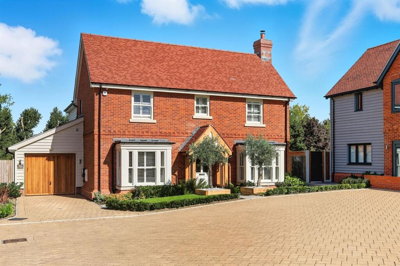
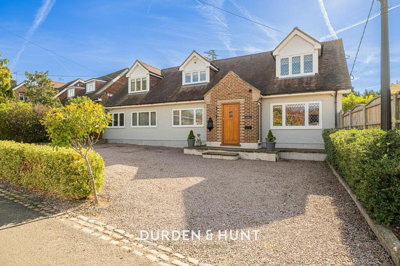
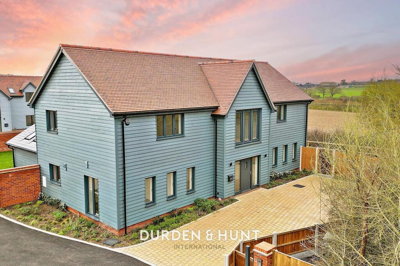
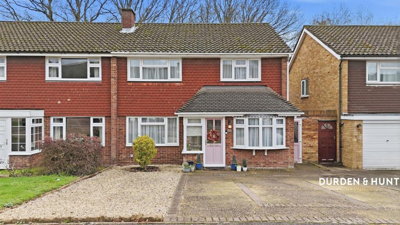
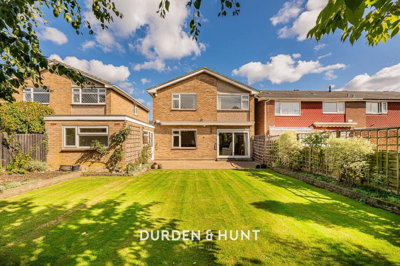
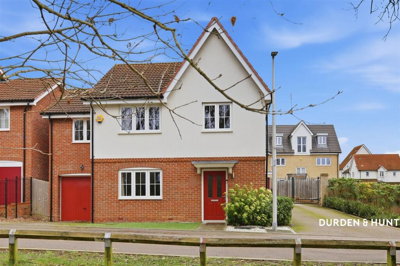
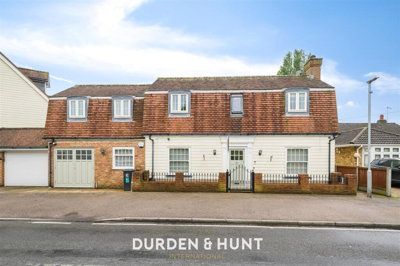
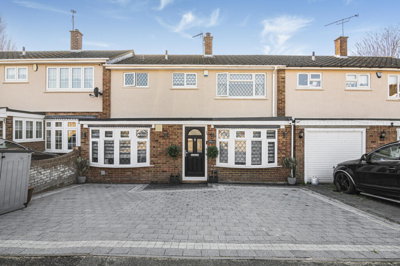
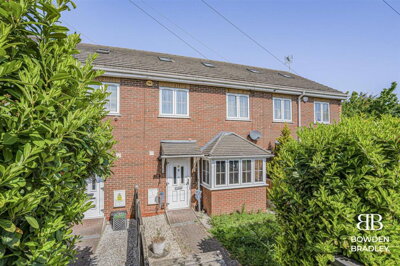
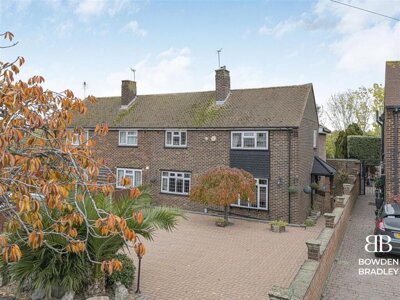
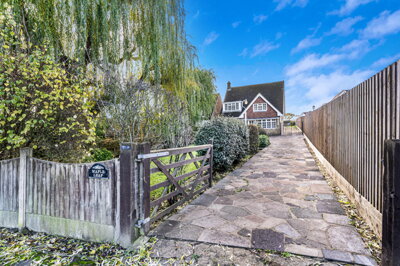
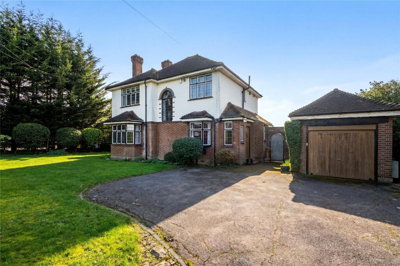
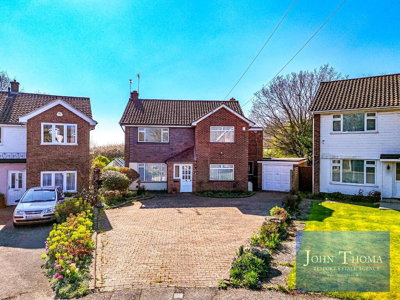
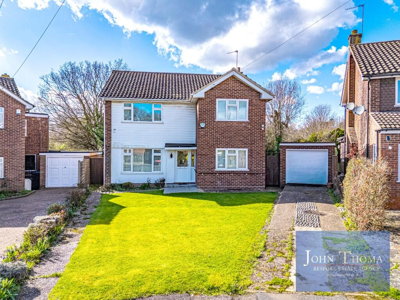
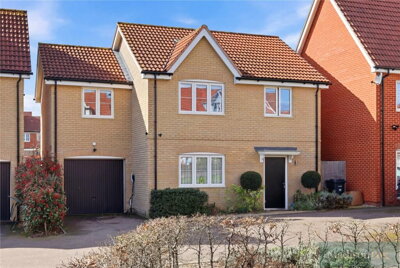
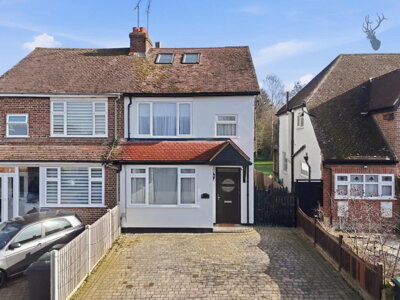
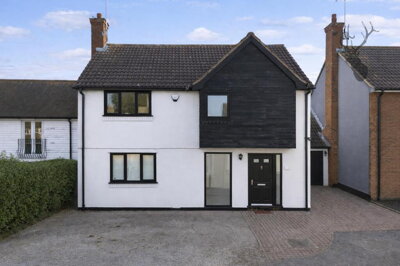
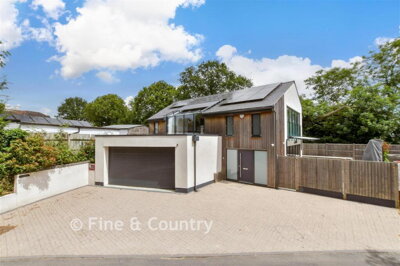
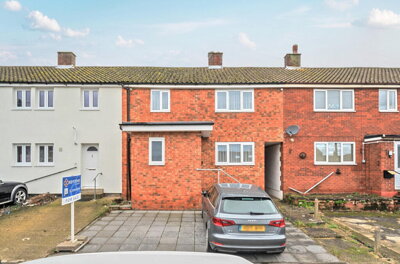
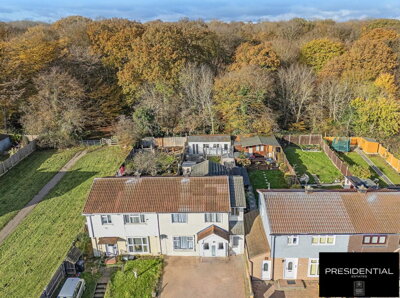
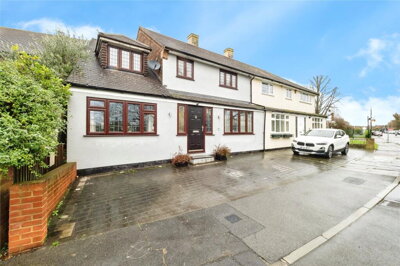
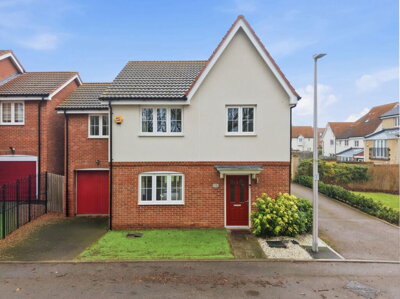
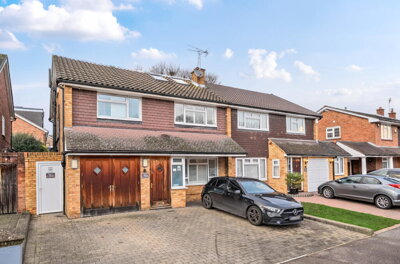
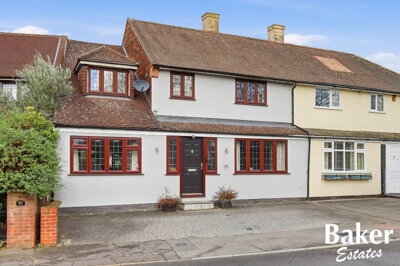
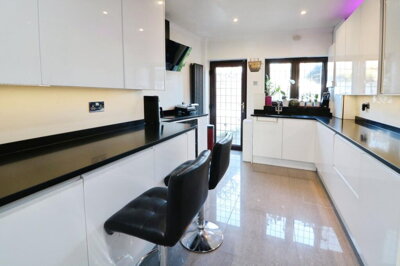
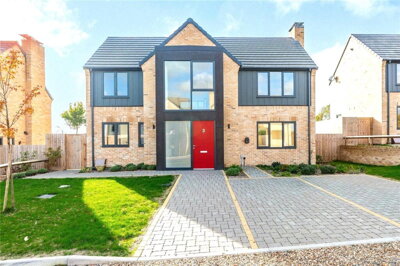
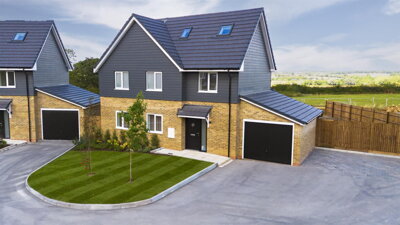
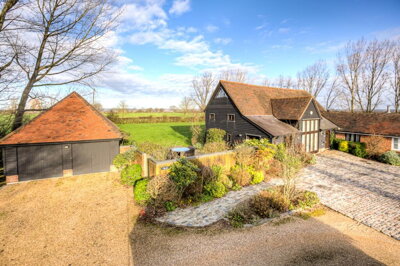
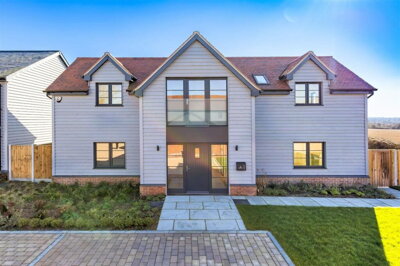
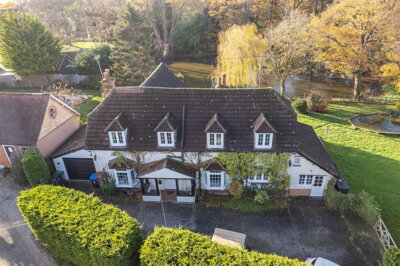
Browse 51 homes for sale in Lambourne, Epping Forest from local estate agents.
The larger property sector typically features multiple bathrooms, substantial reception space, and private gardens or off-street parking. Four bedroom houses in Lambourne span detached, semi-detached, and occasionally terraced configurations, with styles ranging from period properties to modern executive homes.
£1.10M
7
1
137
Source: home.co.uk
Showing 7 results for 4 Bedroom Houses for sale in Lambourne, Epping Forest. 1 new listing added this week. The median asking price is £1,100,000.
Source: home.co.uk
Detached
5 listings
Avg £1.22M
Semi-Detached
1 listings
Avg £700,000
Terraced
1 listings
Avg £625,000
Source: home.co.uk
Source: home.co.uk
The Lambourne property market has demonstrated notable resilience and steady growth over recent years. According to the most recent data from OnTheMarket, the Lambourne End area has experienced an 8.6% rise in property values over the past twelve months, reflecting the continued desirability of village locations within commuting distance of London. However, the market picture is nuanced, with Rightmove data showing some correction from previous peaks. Properties in Lambourne End are currently around 20% below the 2022 peak of £615,439, while the broader Lambourne area sits approximately 11% down on the 2021 peak of £697,562.
Property types in Lambourne reflect the village's evolution from a historic settlement to a desirable residential area. Semi-detached homes form the backbone of the local housing stock, representing the majority of sales in both Lambourne End and the broader Lambourne area. These properties, many dating from the mid-century period between 1936 and 1979, offer practical family accommodation with the benefit of mature gardens and established neighbourhoods. Detached properties command the highest prices, typically ranging from £755,000 to over £803,000, reflecting the premium placed on space and privacy in this sought-after location.
New build activity in the immediate Lambourne area has been limited, with no major development sites identified within the RM4 postcode area. Some properties with planning permission have been noted in the broader area, including reference to approved planning permission for potential gated developments, but specific new-build opportunities remain scarce. This scarcity of new stock means that existing properties, many of which offer character and period features, remain the primary option for buyers seeking homes in Lambourne. The presence of 17th-century character homes in the village adds a historical dimension to the housing stock, appealing to those who appreciate architectural heritage and traditional construction methods.

Lambourne embodies the classic English village experience while remaining remarkably well-connected to urban centres. Located within the Epping Forest district, the village benefits from direct access to extensive woodland and heathland, offering residents outstanding opportunities for outdoor recreation, walking, and cycling. The village itself centres around traditional English architecture, with properties ranging from historic cottages to mid-century family homes arranged along charming country lanes. The community atmosphere in Lambourne is genuine and welcoming, with local facilities serving the day-to-day needs of residents while the nearby towns of Chigwell and Loughton provide broader shopping, dining, and entertainment options within a short drive.
The character of housing in Lambourne reflects its historical roots and gradual development over the decades. The dominant property type in the Lambourne End area consists of mid-century houses built between 1936 and 1979, construction that brought modern amenities and family-sized layouts to what had previously been a more agricultural settlement. These properties typically feature brick construction with cavity wall insulation, reflecting the building practices of their era. Alongside this mid-century stock, Lambourne retains a number of older properties, including characterful 17th-century homes that showcase traditional construction techniques such as timber frame and brick nogging. The generous plot sizes common throughout the village contribute significantly to the area's appeal, with mature gardens providing private outdoor space that is increasingly valued in the property market.

Transport connectivity from Lambourne centres on road networks and proximity to rail services in surrounding towns. The village sits within reasonable reach of major road arteries that serve Greater London and Essex, with the M11 motorway accessible from nearby towns providing direct connections to Cambridge to the north and London to the south. For residents commuting to the City of London or Canary Wharf, the journey typically involves driving or taking a bus to the nearest Underground or mainline railway station. The London Underground Central line stations at Loughton and Debden provide access to central London, with journey times to Bank or Liverpool Street taking approximately 40-50 minutes depending on connections and time of day.
Bus services connect Lambourne to surrounding towns and villages, providing essential local transport options for those without private vehicles. Local bus routes link the village to railway stations and town centres, though service frequencies may be limited compared to urban areas. Residents planning to rely primarily on public transport should verify current timetables and consider how bus connections align with their work schedules. For commuters working in nearby towns like Romford, Chelmsford, or Brentwood, driving remains the most practical option for many, with reasonable journey times possible outside peak hours.
Education provision in and around Lambourne serves families well, with a range of primary and secondary options accessible from the village. The local primary schools in the surrounding area have built solid reputations for providing quality education within a supportive environment. Parents considering relocation to Lambourne should research specific school catchments, as admission policies can significantly impact the accessibility of preferred schools. The village's position within Epping Forest district means that schools in nearby towns like Chigwell, Loughton, and Debden serve the local population, with several institutions receiving positive recognition for their academic standards and pastoral care.
Secondary education options in the wider area include both comprehensive schools and selective grammar schools, catering to different educational approaches and pupil abilities. The nearby Chigwell School is a well-established independent school offering education from Reception through to Sixth Form, providing families with an all-through educational pathway. For state-funded secondary education, schools in surrounding towns offer comprehensive admission, with varying academic and extracurricular strengths. Beyond formal schooling, Lambourne's location provides valuable opportunities for informal education and enrichment, with the proximity to Epping Forest offering unique opportunities for environmental education, nature study, and outdoor learning experiences that complement classroom-based education.
Property buyers considering Lambourne should be aware of several area-specific factors that can influence their purchase decision and ongoing costs. The underlying geology of much of Essex, including the Lambourne area, consists of London Clay, which is known for its shrink-swell potential. This means that properties with trees or vegetation close to foundations may be susceptible to ground movement during periods of drought or heavy rainfall. A thorough survey, particularly for older properties and those with mature gardens, should specifically address foundation conditions and any signs of previous movement. While no specific flood risk issues were identified for the Lambourne postcode area, prospective buyers should verify the position of any property relative to local water courses and drainage systems.
The presence of mid-century housing stock in Lambourne, built between 1936 and 1979, brings specific considerations for potential buyers. Properties from this era may have original single-glazed windows, aging heating systems, and electrical installations that require updating to meet modern standards. Cavity wall insulation, where present, may have been installed incorrectly or may have settled over time, reducing its effectiveness. Heritage considerations apply to some properties in Lambourne, with at least one Grade II listed property noted in the area. Listed buildings are protected under special regulations that control alterations, extensions, and even some maintenance works, so specialist surveys are recommended for such properties.
Before making an offer on a property in Lambourne, spend time exploring the village at different times of day and week to understand the local atmosphere, noise levels, and community dynamics. Visit local shops, pubs, and green spaces to get a genuine feel for what daily life would be like. Consider factors such as mobile phone coverage, broadband speeds, and proximity to essential services like doctors and dentists.
Securing a mortgage agreement in principle before you start viewing properties gives you a clear budget and demonstrates to sellers that you are a serious buyer. Contact multiple lenders or use a mortgage broker to compare rates and find the most suitable deal for your circumstances. Current stamp duty thresholds for 2024-25 start at 0% for properties up to £250,000, rising to 5% on the portion between £250,001 and £925,000. First-time buyers benefit from relief on properties up to £425,000.
Once you have identified properties of interest, arrange viewings through our platform or directly with estate agents. Take someone experienced with you if possible, and come prepared with questions about the property's history, recent renovations, and any known issues. For the older properties common in Lambourne, including mid-century homes and character properties, consider specifically asking about the condition of the roof, any history of damp or subsidence, and the age of key systems like heating and electrical installations.
Given the age of much of Lambourne's housing stock, a RICS Level 2 Survey, formerly known as a HomeBuyer Report, is strongly recommended before proceeding with any purchase. This survey provides a thorough inspection of accessible areas of the property, identifying defects that may not be visible during a standard viewing. For the mid-century properties dominant in parts of Lambourne, particular attention should be paid to potential issues with cavity wall insulation, window frames, and original heating systems.
Once your offer is accepted, instruct a solicitor or licensed conveyancer to handle the legal aspects of your purchase. Your conveyancer will conduct searches, check title deeds, and manage the exchange of contracts. Searches relevant to Lambourne properties may include local authority searches to check for planning permissions and road schemes, environmental searches to identify any contamination risks, and drainage searches. The conveyancing process typically takes between 8 and 12 weeks for a standard transaction.
The final stage involves signing contracts, paying deposit funds, and agreeing a completion date with the seller. On completion day, you will receive the keys to your new Lambourne home. Ensure you have buildings insurance in place from the moment you become the legal owner, and arrange for utilities to be transferred to your name.
Average house prices in the Lambourne area currently stand at approximately £624,316 according to recent Rightmove data, though figures vary between sources. Zoopla and OnTheMarket report higher figures around £945,000 for Lambourne End specifically, while Rightmove shows £479,433 for the same area. By property type, detached homes typically sell for £755,000 to £803,000, semi-detached properties range from £559,000 to £712,000, terraced homes average around £431,000, and flats start from approximately £324,600. The market has shown an 8.6% annual increase in some segments, though prices have moderated from peaks recorded in 2021-2022. Given this price variation, prospective buyers should research specific properties and consult with local estate agents for current market conditions.
Properties in Lambourne fall under Epping Forest District Council, which sets council tax rates based on the valuation band assigned by the Valuation Office Agency. Council tax bands range from A through to H, with the band reflecting the assessed value of the property as of April 1991. Specific bands for individual properties in Lambourne can be checked through the Epping Forest District Council website or the government council tax valuation service. Typical bands for the semi-detached family homes common in the area would generally fall within bands C to E, while larger detached properties may be in bands E to G. Prospective buyers should verify the council tax band for any specific property, as this forms part of the ongoing cost of ownership.
Primary education in the Lambourne area is served by schools in surrounding villages and towns, with several receiving positive recognition for their educational provision. Parents should research specific school catchments, as admission areas can vary and directly impact accessibility. Chigwell School provides an independent all-through education option within reasonable distance of Lambourne, while state secondary schools in nearby towns like Loughton and Chigwell serve the broader population. The availability of school places should be verified with Essex County Council's admissions team, as popular schools can have waiting lists. Families considering Lambourne should prioritise school research during their property search, as educational provision often influences long-term satisfaction with a location.
Public transport connectivity from Lambourne involves a combination of bus services and rail access from nearby stations. The nearest London Underground stations on the Central line are located in Loughton and Debden, with bus services providing connections from the Lambourne area to these stations. Journey times to central London, specifically Bank or Liverpool Street, take approximately 40-50 minutes by combined bus and Underground travel. Mainline railway services from stations in surrounding towns provide additional options for reaching destinations beyond London. Bus services operate on limited frequencies compared to urban areas, so prospective residents should verify current timetables and consider how these align with their daily requirements. For full flexibility, car ownership remains advantageous for Lambourne residents.
Lambourne offers several factors that make it attractive to property investors, including its village character, countryside location within Epping Forest, and reasonable transport connections to London. The local market has shown resilience, with price growth of 8.6% reported over the past year despite broader market fluctuations. Limited new build supply in the immediate area helps support values of existing properties, while the desirability of village locations near London continues to attract buyers. Rental demand in the area is likely to be driven by commuters and families seeking village lifestyles at relatively more affordable price points than closer-to-London alternatives. However, any investment decision should consider transaction costs including stamp duty, agent fees, and ongoing maintenance requirements, particularly given the age of much of the local housing stock.
Stamp Duty Land Tax rates for 2024-25 apply to all purchases in England, with the nil-rate threshold currently set at £250,000 for residential properties. Between £250,001 and £925,000, the rate is 5%, while the rate rises to 10% for the portion between £925,001 and £1.5 million, and 12% for any amount above £1.5 million. First-time buyers benefit from enhanced relief, with the nil-rate threshold raised to £425,000 and the 5% rate applying only to the portion between £425,001 and £625,000. For a typical semi-detached property in Lambourne priced around £600,000, a first-time buyer would pay approximately £8,750 in stamp duty under current rules, compared to £17,500 for a non-first-time buyer.
Given the prevalence of mid-century properties built between 1936 and 1979 in Lambourne, buyers should pay particular attention to several common issues. These include the condition of original windows and doors, which may be single-glazed and drafty; heating systems, which may be aging or inefficient; and electrical installations, which may require updating to meet current standards. Properties on London Clay substrate may show signs of subsidence, particularly those with trees close to foundations. Damp issues, both rising and penetrating, can affect older properties and should be investigated by a qualified surveyor. Roof conditions warrant close inspection, as replacement costs for pitched or flat roofs can be substantial. A RICS Level 2 Survey is strongly recommended for all purchases in the area to identify any defects before commitment.
Properties for Sale In London

Properties for Sale In Plymouth

Properties for Sale In Liverpool

Properties for Sale In Glasgow

Properties for Sale In Sheffield

Properties for Sale In Edinburgh

Properties for Sale In Coventry

Properties for Sale In Bradford

Properties for Sale In Manchester

Properties for Sale In Birmingham

Properties for Sale In Bristol

Properties for Sale In Oxford

Properties for Sale In Leicester

Properties for Sale In Newcastle

Properties for Sale In Leeds

Properties for Sale In Southampton

Properties for Sale In Cardiff

Properties for Sale In Nottingham

Properties for Sale In Norwich

Properties for Sale In Brighton

Properties for Sale In Derby

Properties for Sale In Portsmouth

Properties for Sale In Northampton

Properties for Sale In Milton Keynes

Properties for Sale In Bournemouth

Properties for Sale In Bolton

Properties for Sale In Swansea

Properties for Sale In Swindon

Properties for Sale In Peterborough

Properties for Sale In Wolverhampton

Enter your details to see if this property is within your budget.
Loans, cards, car finance
Estimated property budget
Borrowing + deposit
You could borrow between
Typical borrowing
Monthly repayment
Est. at 4.5%
Loan-to-value
This is an estimate only. Your actual budget may vary depending on interest rates, credit history, and personal circumstances. For an accurate affordability assessment, speak to one of our free mortgage advisors.
This calculator provides estimates for illustrative purposes only and does not constitute financial advice. Your home may be repossessed if you do not keep up repayments on your mortgage. Estimates based on 4.5% interest rate, repayment mortgage. Actual rates depend on your circumstances.
Homemove is a trading name of HM Haus Group Ltd (Company No. 13873779, registered in England & Wales). Homemove Mortgages Ltd (Company No. 15947693) is an Appointed Representative of TMG Direct Limited, trading as TMG Mortgage Network, which is authorised and regulated by the Financial Conduct Authority (FRN 786245). Homemove Mortgages Ltd is entered on the FCA Register as an Appointed Representative (FRN 1022429). You can check registrations at NewRegister or by calling 0800 111 6768.

We use cookies to show you personalised content and improve your experience of our website. Find out more in our Privacy policy and Cookie policy.