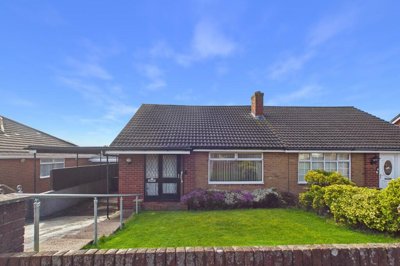
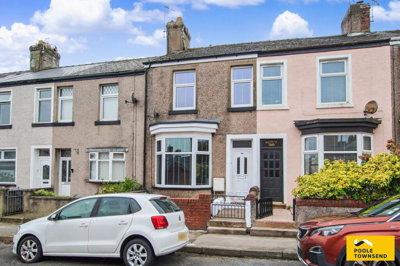
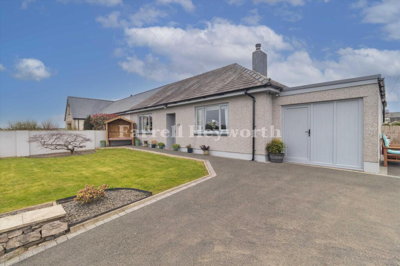
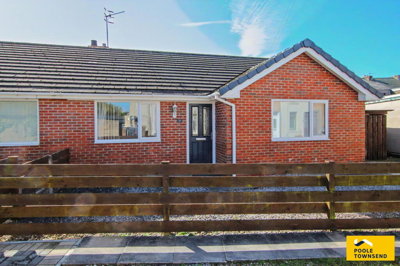
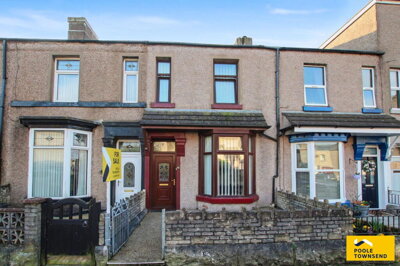
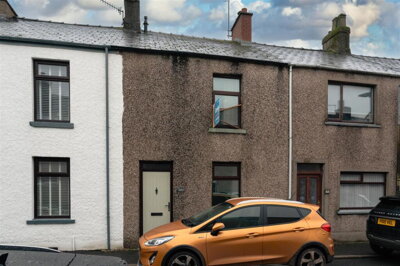
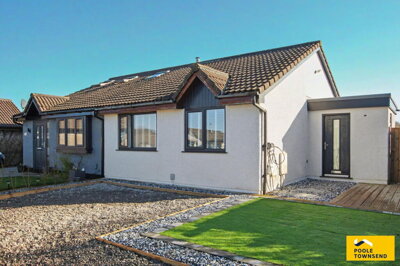
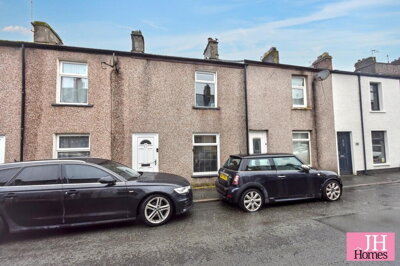
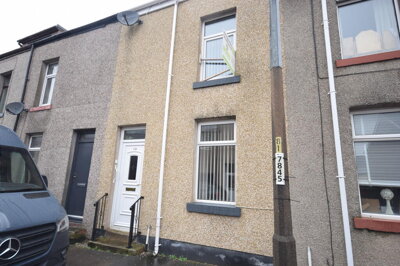
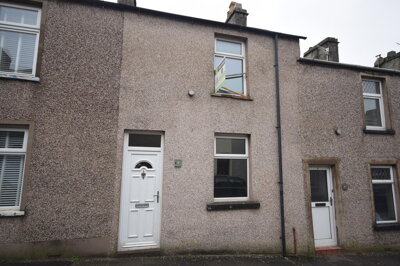
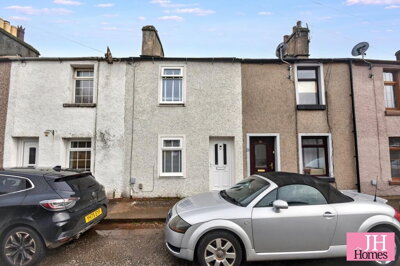
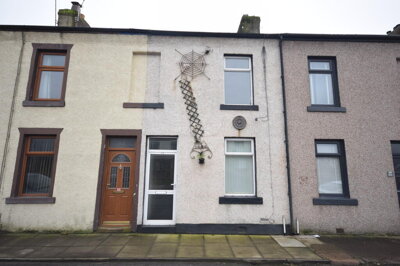
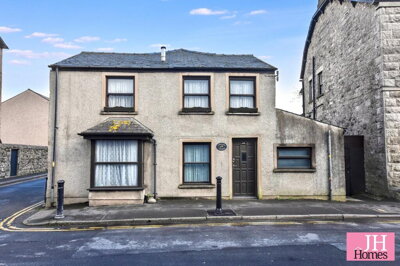
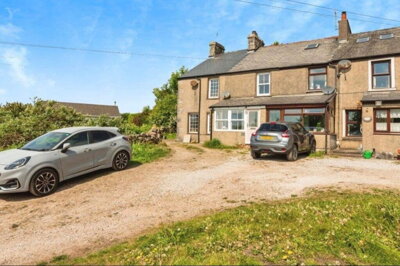
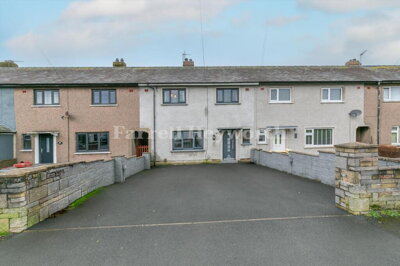
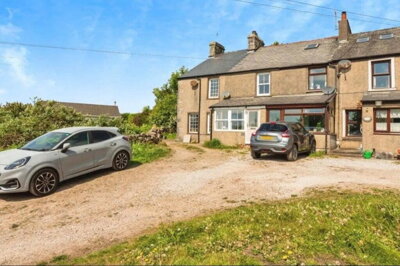
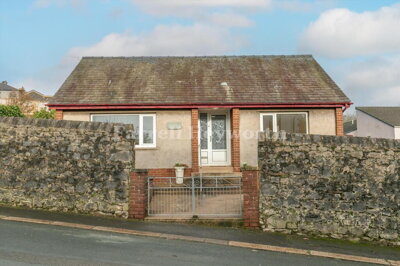
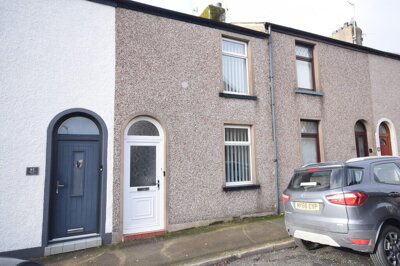
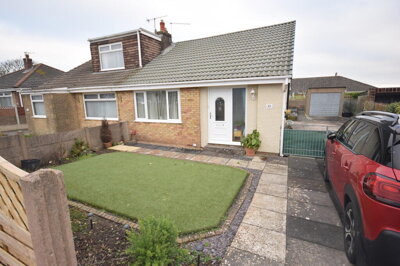
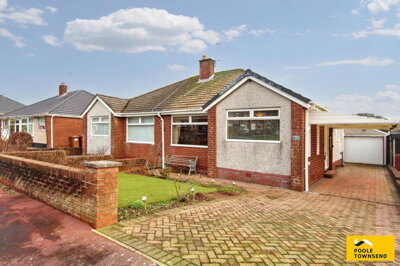
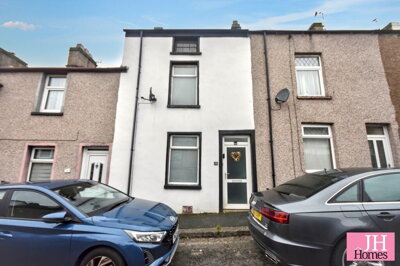
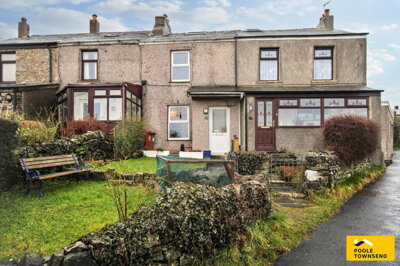
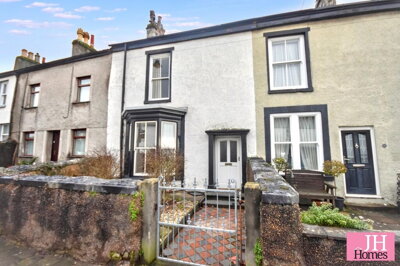
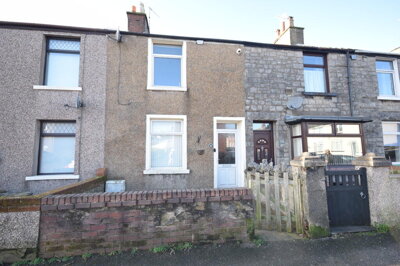
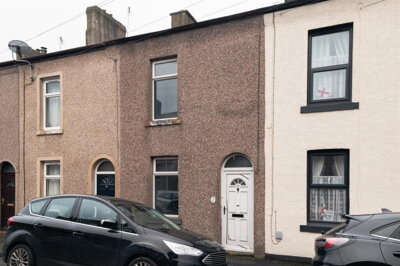
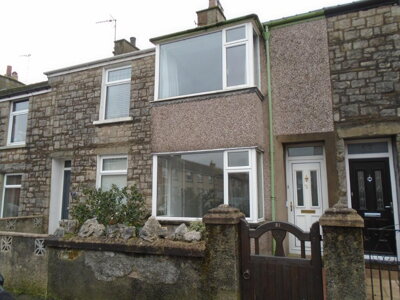
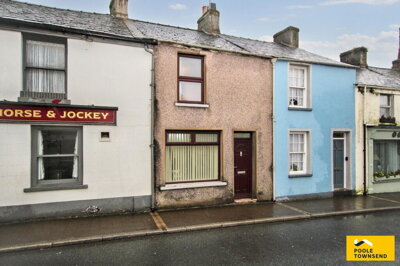
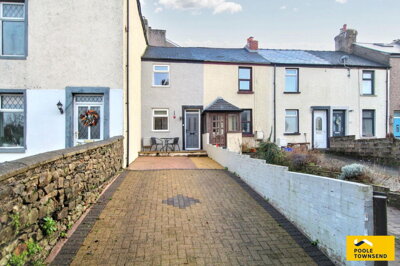
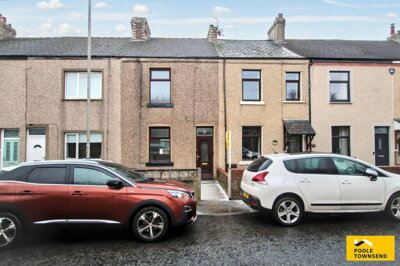
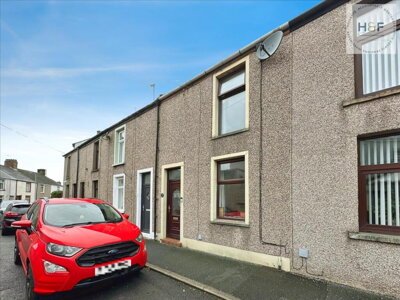
Browse 58 homes for sale in LA15 from local estate agents.
The 2 bed house market features detached, semi-detached, and terraced properties with two separate bedrooms plus living spaces. Properties in LA15 range from Victorian and Edwardian period homes to modern new builds, with pricing varying across different neighbourhoods.
£135k
14
2
78
Source: home.co.uk
Showing 14 results for 2 Bedroom Houses for sale in LA15. 2 new listings added this week. The median asking price is £134,975.
Source: home.co.uk
Terraced
14 listings
Avg £132,564
Source: home.co.uk
Source: home.co.uk
The Dalton-in-Furness property market has demonstrated steady growth, with overall average prices increasing by 6% compared to the previous year and sitting 2% above the 2022 peak of £178,502. This positive trajectory reflects sustained demand for properties in the area, driven by its relative affordability compared to neighbouring Lake District towns and strong community amenities. The LA15 8 postcode sector has shown particularly strong performance, with prices rising 12.6% over the last twelve months according to Housemetric data, suggesting growing recognition of the area's value among buyers.
Property types available in LA15 span a wide range to accommodate different buyer profiles. Detached homes command the highest prices, averaging between £290,000 and £340,000 depending on the source, making them suitable for families seeking generous living space and gardens. Semi-detached properties, typically priced between £214,000 and £220,000, represent the most common family homes in the area, offering a balance of space and affordability. Terraced properties, which form the majority of sales in the local market, are available from around £137,000 to £141,000, providing an excellent entry point for first-time buyers or those seeking a more compact residence. Flats in the area start from approximately £100,000, offering compact urban living options.
New build developments in Dalton-in-Furness include several active sites bringing modern homes to the market. Tantabank Gardens by Oakmere Homes offers two, three, and four-bedroom properties, with four-bedroom detached homes priced from £370,000 to £380,000 and three-bedroom options from £355,000. The Paddocks and Castle Meadows on Rydal Close provide options ranging from £225,995 for three-bedroom homes up to £362,950 for four-bedroom properties. Calder Rise offers more affordable entry points from £107,200 for two-bedroom homes, while Alderstone Park provides three and four-bedroom options from around £246,995. Shared ownership opportunities through Solo Homes in partnership with South Lakes Housing also exist for those seeking lower deposit options.
The LA15 property market has seen 120 residential sales over the past twelve months, though this represents a decrease of 14 transactions compared to the previous year. Despite this slight reduction in volume, prices have continued to firm, indicating sustained demand from buyers who recognise the value proposition that Dalton-in-Furness offers relative to more expensive surrounding areas. For sellers, this price resilience suggests that competitively priced properties continue to attract interest and achieve sales within reasonable timeframes.

Dalton-in-Furness is a historic market town with deep roots going back to Georgian and Victorian eras, when the local iron ore mining industry drove economic growth and shaped the built environment. The town centre features a traditional market square with listed buildings including the Market Cross and Stone Benches in Market Place, as well as properties at 18, 19, and 20 Tudor Square that showcase the architectural heritage of the area. Living in Dalton-in-Furness means being part of a community with strong local identity, where residents benefit from traditional town amenities without the premium prices found in more tourist-heavy Lake District locations.
The demographic profile of the LA15 area reveals a settled population with strong local ties. Census data for the LA15 8HU sector indicates an average resident age of 44 years, with a nearly equal gender split of 49% male and 51% female residents. An impressive 98% of the local population were born in the UK, and 83% of residents have lived in the area for three years or more, reflecting the stability and long-term nature of the community. This suggests that Dalton-in-Furness appeals to those seeking permanence and belonging rather than transient populations.
Local amenities in Dalton-in-Furness serve everyday needs with practical convenience. The town provides access to supermarkets, independent shops, cafes, and pubs within walking distance of most residential areas. Green spaces and parks offer recreational opportunities for families, while the proximity to the Furness peninsula means coastal walks and estuary views are easily accessible. The nearby Buxton estate provides historical interest, and the wider Cumbrian landscape offers endless opportunities for outdoor activities, from hiking in the Lake District to exploring the South Cumbrian coast. The town also maintains good community facilities including libraries, sports centres, and social clubs that cater to various interests and age groups.
Our team frequently works with buyers moving to Dalton-in-Furness from larger cities, and the most common feedback we hear is surprise at the quality of life available at these price levels. Residents enjoy short commutes within the town, minimal traffic congestion, and the kind of neighbourly atmosphere that has become rare in urban areas. Weekend activities that would cost significantly more in other regions are accessible simply by driving to the Lake District, while daily necessities remain affordable thanks to the town's practical cost of living.

Education provision in Dalton-in-Furness serves families with children of all ages, making the area particularly attractive to those seeking to settle long-term. Primary education is well-represented with several local schools serving the community, including Our Lady of the Rosary Catholic Primary School which was recently mentioned in relation to a proposed new housing development on land to the west and north of the school off Ulverston Road. This indicates continued investment in educational infrastructure to serve growing families in the area. Parents should research individual school Ofsted ratings and admission criteria to find the best fit for their children's needs.
Secondary education in Dalton-in-Furness is available through local secondary schools that serve students from the wider LA15 catchment area. The town falls within the Westmorland and Furness Council area, which oversees educational provision across South Cumbria. For families considering secondary school options, understanding catchment areas is essential as these can significantly affect property values and long-term satisfaction with a location. Many parents choose to prioritise schools when selecting a property, making it worthwhile to verify current school performance data and admission arrangements before committing to a purchase.
For post-16 education, students typically access sixth form provision at local secondary schools or further education colleges in the wider area. The proximity to Barrow-in-Furness provides additional educational options including vocational courses and apprenticeships through Furness College. Families moving to the area should consider how educational choices will evolve as their children grow, factoring in transport arrangements for older students who may need to travel to access specific courses or school sixth forms. The presence of quality educational options locally helps maintain property values and attracts families to the Dalton-in-Furness area.
We have guided many families through their property search in LA15, and school proximity consistently ranks as a top priority for buyers with children. Properties near good primary schools often sell quickly and can command premiums, while those within catchment areas for sought-after secondary schools similarly attract strong interest. Before finalising your shortlist, we recommend checking current admission policies as these can change and may affect your intended placement.
Transport connectivity from Dalton-in-Furness centres on road networks that link the town to surrounding areas and the wider motorway network. The A590 trunk road provides the main arterial route connecting Dalton-in-Furness to the M6 motorway, enabling access to major northern cities including Manchester and Liverpool. Journey times to Manchester typically take around two hours by car, making the area viable for commuters willing to travel longer distances but seeking significantly lower property prices than those cities command. The A5087 coastal road offers connections to Barrow-in-Furness and the southern Cumbrian coast.
Public transport options include bus services operating throughout the Dalton-in-Furness area, connecting residents to neighbouring towns and villages across the Furness peninsula. Rail connections are available at nearby Barrow-in-Furness, which provides mainline services to destinations including Lancaster, Preston, and Manchester. Commuters should factor in the need to travel to Barrow for rail access, which adds time but remains manageable for those working in the area or making occasional longer journeys. The proximity to the Lake District also means weekend and leisure travel to popular tourist destinations is straightforward by car.
For those considering commuting to major employment centres, realistic journey expectations are important. While Dalton-in-Furness offers significant property price advantages over the Lake District and Greater Manchester areas, the trade-off comes in travel time. A typical commute to Manchester might involve 30 minutes driving to Barrow station, followed by a two-hour train journey and urban transit at the destination. More local employment opportunities exist in Barrow-in-Furness, home to major employers including BAE Systems, while the growing care sector across Cumbria offers additional job prospects as the region addresses an ageing population demographic.
We always advise buyers to test their commute before purchasing, particularly if considering properties further from the town centre. Traffic patterns can vary significantly depending on where you work, and what appears manageable on paper may become burdensome over years of regular travel. For buyers primarily working locally in Barrow-in-Furness or within the Furness peninsula, the commute is considerably shorter and more straightforward, often taking under 30 minutes door to door.
Before viewing properties, obtain a mortgage agreement in principle from a lender. This confirms your budget and demonstrates to estate agents that you are a serious buyer when making offers on properties in the competitive LA15 market. Most lenders offer online decisioning now, with agreements typically valid for 60-90 days.
Use Homemove to browse current listings across the LA15 postcode. Consider property types from terraced starter homes around £137,000 to detached family houses up to £340,000. Research specific neighbourhoods, new build developments such as those on Rydal Close, and conservation areas to narrow your search. Take time to understand price trends in different sectors of LA15, as prices can vary significantly between areas.
Once you have identified suitable properties, schedule viewings through estate agents operating in Dalton-in-Furness. View properties in person to assess condition, surroundings, and compatibility with your needs. Take notes and photographs to help compare options later. We recommend viewing properties at different times of day to assess traffic, noise levels, and neighbourhood character.
Before completing your purchase, commission a RICS Level 2 Home Survey to assess the property condition. With many older properties in Dalton-in-Furness including Victorian and Georgian houses, a professional survey can identify issues such as damp, roof defects, or structural movement that may not be visible during viewings. Survey costs typically range from £400 to £600 depending on property size.
Appoint a conveyancing solicitor to handle the legal aspects of your purchase. Your solicitor will conduct searches, handle contracts, and coordinate with the seller's legal team through to completion. Using a solicitor familiar with Cumbrian properties can help navigate local considerations including mining records and flood risk assessments.
Once surveys are satisfactory and legal checks are complete, your solicitor will exchange contracts and agree a completion date. On completion day, the remaining funds are transferred and you receive the keys to your new Dalton-in-Furness home. We recommend booking removals and redirecting mail well in advance to ensure a smooth transition.
Dalton-in-Furness has a documented history of iron ore mining, with former tramlines once linking to Maidenlands Quarry before their removal in the 1950s and 1960s. While mining activity has long ceased, this history means buyers should be aware of potential ground stability considerations that may affect certain properties. A thorough survey can identify any signs of past mining activity or ground movement, and searches should include the mining records held by the Coal Authority if applicable to the specific location. Properties in areas with former mining activity may require additional insurance or specialist assessments.
The presence of conservation areas in Dalton-in-Furness, including the sought-after Market Street conservation area, brings additional considerations for buyers. Properties in these areas may be subject to planning restrictions that affect permitted development rights, meaning improvements or extensions require consent from Westmorland and Furness Council. Listed buildings throughout the town require specialist attention for any works, as carrying out alterations without listed building consent is a criminal offence. Buyers interested in period properties should factor in these restrictions and the specialist surveys that older buildings often require.
Flood risk in Cumbria should be considered by any buyer, as the region has experienced severe flooding events including those caused by Storm Desmond in 2015. While specific flood risk data for individual LA15 properties requires detailed assessment, buyers should investigate surface water flooding potential and proximity to watercourses. Properties in higher-risk areas may face higher insurance premiums or mortgage conditions requiring flood risk assessments. A RICS Level 2 survey provides an opportunity to assess any signs of previous flooding or water damage that might not be apparent during viewings.
The predominant terraced housing stock in Dalton-in-Furness includes many older properties built with traditional materials such as lime mortar and clay bricks. These breathable materials require different maintenance approaches than modern construction, and issues such as rising damp can occur if external ground levels breach damp proof courses. Understanding the construction type and maintenance history of any property you consider purchasing helps avoid unexpected costs after completion. Flats in the area typically start from around £100,000 and buyers should carefully review lease terms, service charges, and any ground rent obligations that apply.
We have inspected numerous properties across Dalton-in-Furness over the years, and certain issues recur regularly in the older housing stock. Roof condition is frequently a concern, with missing or slipped tiles found during surveys of properties that appear sound during viewings. Chimney stacks on Victorian terraces often show signs of deterioration, and timber floors in these properties can suffer from woodworm or rot if not properly maintained. When we survey properties in LA15, we always recommend particular attention to these areas, especially in properties that have been recently renovated where original defects may have been cosmetically covered rather than properly remedied.
Average house prices in the LA15 postcode area currently sit between £170,000 and £181,000 depending on the data source used. Detached properties average around £290,000 to £340,000, semi-detached homes around £214,000 to £220,000, and terraced properties between £137,000 and £141,000. Flats are available from approximately £100,000. Prices have increased by approximately 6% year-on-year, with the LA15 8 sector showing particularly strong growth of 12.6% over the past twelve months, indicating robust demand from buyers recognising the area's value proposition.
Properties in the LA15 postcode fall under Westmorland and Furness Council administration. Council tax bands range from A to H depending on property value, with most terraced homes and smaller properties falling into bands A to C. Exact bands depend on the specific property valuation, which was assessed at a fixed point in time and may not reflect current market values. Prospective buyers can check current council tax bands through the Valuation Office Agency website or request this information during conveyancing searches. Band D properties in Westmorland and Furness currently pay around £1,900 annually, though this varies by property type and any applicable discounts.
Dalton-in-Furness offers primary education options including Our Lady of the Rosary Catholic Primary School and several other local primaries serving the community. Secondary schools serve the wider LA15 catchment area under Westmorland and Furness Council, with varying performance ratings that change annually as inspections are updated. Parents should research current Ofsted ratings and understand catchment boundaries, as these can significantly affect school placement and property desirability. Further education options are available at Furness College in nearby Barrow-in-Furness, offering vocational courses and apprenticeships that complement academic sixth form routes. We recommend visiting schools directly and speaking to current parents to get a fuller picture of each institution's culture and strengths beyond official statistics.
Public transport in Dalton-in-Furness includes bus services connecting to surrounding towns and villages across the Furness peninsula, though frequencies vary by route and time of day. The nearest rail services are available in Barrow-in-Furness, providing connections to Lancaster, Preston, and Manchester, with journey times to Manchester taking around two hours by train. Road connectivity via the A590 connects to the M6 motorway, with journey times to Manchester taking around two hours by car. Commuters should factor in travel to Barrow for rail access, which adds approximately 30 minutes to overall journey times. For those working locally in Barrow-in-Furness, daily commuting by bus or car is generally straightforward with minimal congestion on the A590.
Dalton-in-Furness offers several factors that may appeal to property investors. Average prices remain significantly lower than the national average and Lake District locations, potentially offering better value for money with lower entry costs. Price growth of 6% year-on-year and 12.6% in the LA15 8 sector demonstrates market strength despite broader national uncertainties. The area attracts families seeking affordable housing with good local amenities, and new developments including the proposed Mulberry Homes 70-home scheme suggest continued local investment and demand. However, buyers should research rental demand and yield potential specific to their property type, as rental markets can behave differently from sales markets. The settled population with 83% of residents having lived in the area for three years or more suggests a stable community, though this may also indicate lower turnover in the housing stock.
Stamp duty land tax rates for residential properties purchased in England from April 2025 are 0% on the first £250,000, 5% on £250,001 to £925,000, 10% on £925,001 to £1.5 million, and 12% above £1.5 million. First-time buyers relief raises the nil rate threshold to £425,000 with 5% applying between £425,001 and £625,000. Given average LA15 prices of £170,000 to £181,000, most properties fall entirely within the nil rate band, resulting in minimal or no stamp duty costs for first-time buyers. Even for buyers who do not qualify for first-time buyer relief, purchasing at average price levels typically incurs zero stamp duty, providing significant savings compared to higher-priced markets.
Many properties in Dalton-in-Furness date from Georgian or Victorian periods, featuring traditional construction with lime mortar and clay bricks that breathe differently from modern materials. When buying older properties, arrange a RICS Level 2 survey to check for damp, roof condition, structural movement, and timber defects that commonly affect period housing. Given the area's mining history, consider ground stability implications and request mining search records from the Coal Authority where applicable. In conservation areas or for listed buildings, verify planning restrictions and listed building consent requirements for any works you may wish to undertake, as violations can result in enforcement action and fines. Pay particular attention to damp proof course levels, as external ground alterations over decades can breach these protections and cause rising damp in properties otherwise considered sound.
Several new build developments are active in Dalton-in-Furness, offering modern homes across various price points. Tantabank Gardens by Oakmere Homes provides two to four-bedroom properties with four-bedroom detached homes from £370,000 to £380,000. More affordable options are available at Calder Rise on Rydal Close, where two-bedroom homes start from £107,200. Castle Meadows and The Paddocks, also on Rydal Close, offer three to five-bedroom homes ranging from £225,995 to £362,950. Shared ownership properties are available through Solo Homes in partnership with South Lakes Housing, providing lower deposit routes for eligible buyers. A proposed development by Mulberry Homes for 70 homes off Ulverston Road is currently in the planning process, which would further expand new build options in the area if approved.
One of the significant advantages of purchasing property in Dalton-in-Furness is the relatively low stamp duty exposure given current average price levels. With the average property in LA15 priced between £170,000 and £181,000, most buyers purchasing at or near the median price will fall entirely within the nil rate band for stamp duty land tax. This means first-time buyers could pay zero stamp duty, while other buyers purchasing for under £250,000 will also avoid this cost entirely. This positions Dalton-in-Furness as an attractive option for those seeking to minimise upfront purchase costs compared to higher-priced markets where stamp duty can add thousands of pounds to the overall purchase cost.
Beyond stamp duty, buyers should budget for additional costs including solicitor fees for conveyancing, which typically start from around £499 for standard transactions but can increase for more complex cases involving leasehold properties or unusual tenure arrangements. Survey costs should be factored in, with RICS Level 2 surveys averaging between £400 and £600 depending on property size and complexity. Given the number of older properties in Dalton-in-Furness, including Victorian and Georgian houses, an appropriate survey is particularly important to identify any hidden defects before purchase. Search fees, Land Registry fees, and mortgage arrangement fees add further costs that together typically total 2% to 3% of the purchase price, which on a £175,000 property amounts to approximately £3,500 to £5,250 in addition to your deposit and stamp duty.
For buyers purchasing flats, additional ongoing costs include service charges and ground rent that should be reviewed carefully before committing to purchase. These costs can vary significantly between developments and may increase over time, affecting the long-term affordability of leasehold properties. New build properties may qualify for different financing arrangements, and shared ownership options available through developments like those at Tantabank Gardens offer lower deposit requirements for those eligible. Getting a mortgage agreement in principle before property hunting helps clarify your true budget and strengthens your position when making offers. Our platform connects you with mortgage brokers and conveyancers experienced in Cumbrian property transactions to help navigate these costs effectively and avoid unexpected surprises during the buying process.
Properties for Sale In London

Properties for Sale In Plymouth

Properties for Sale In Liverpool

Properties for Sale In Glasgow

Properties for Sale In Sheffield

Properties for Sale In Edinburgh

Properties for Sale In Coventry

Properties for Sale In Bradford

Properties for Sale In Manchester

Properties for Sale In Birmingham

Properties for Sale In Bristol

Properties for Sale In Oxford

Properties for Sale In Leicester

Properties for Sale In Newcastle

Properties for Sale In Leeds

Properties for Sale In Southampton

Properties for Sale In Cardiff

Properties for Sale In Nottingham

Properties for Sale In Norwich

Properties for Sale In Brighton

Properties for Sale In Derby

Properties for Sale In Portsmouth

Properties for Sale In Northampton

Properties for Sale In Milton Keynes

Properties for Sale In Bournemouth

Properties for Sale In Bolton

Properties for Sale In Swansea

Properties for Sale In Swindon

Properties for Sale In Peterborough

Properties for Sale In Wolverhampton

Enter your details to see if this property is within your budget.
Loans, cards, car finance
Estimated property budget
Borrowing + deposit
You could borrow between
Typical borrowing
Monthly repayment
Est. at 4.5%
Loan-to-value
This is an estimate only. Your actual budget may vary depending on interest rates, credit history, and personal circumstances. For an accurate affordability assessment, speak to one of our free mortgage advisors.
This calculator provides estimates for illustrative purposes only and does not constitute financial advice. Your home may be repossessed if you do not keep up repayments on your mortgage. Estimates based on 4.5% interest rate, repayment mortgage. Actual rates depend on your circumstances.
Homemove is a trading name of HM Haus Group Ltd (Company No. 13873779, registered in England & Wales). Homemove Mortgages Ltd (Company No. 15947693) is an Appointed Representative of TMG Direct Limited, trading as TMG Mortgage Network, which is authorised and regulated by the Financial Conduct Authority (FRN 786245). Homemove Mortgages Ltd is entered on the FCA Register as an Appointed Representative (FRN 1022429). You can check registrations at NewRegister or by calling 0800 111 6768.

We use cookies to show you personalised content and improve your experience of our website. Find out more in our Privacy policy and Cookie policy.