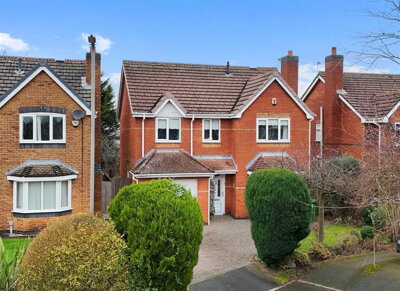
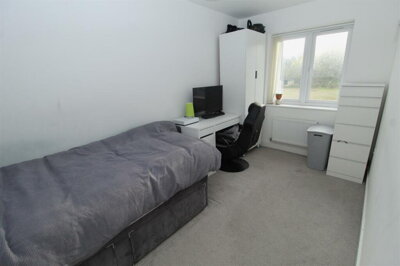
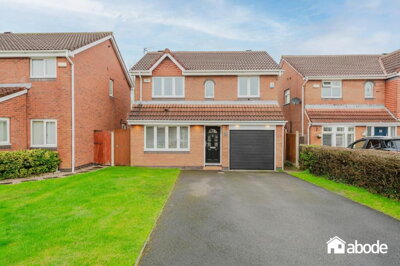
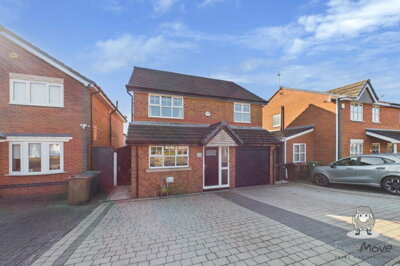
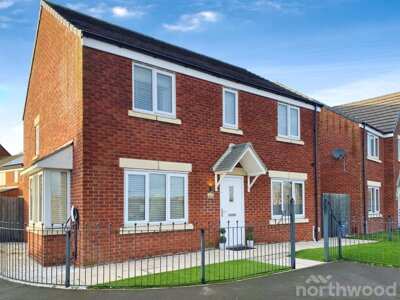
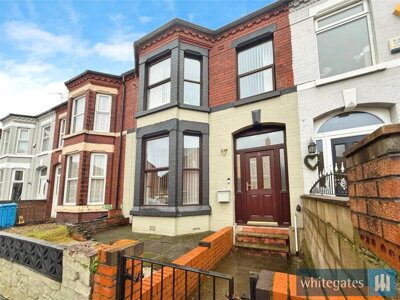
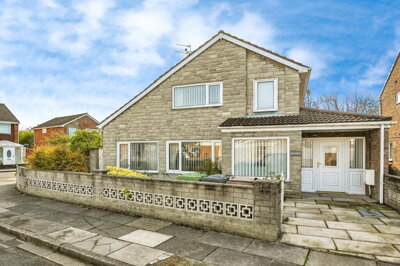
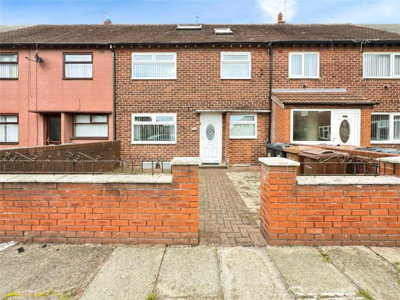
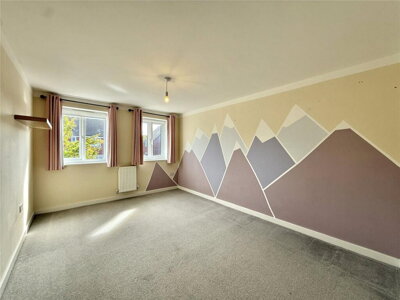
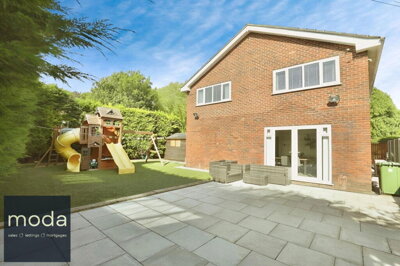
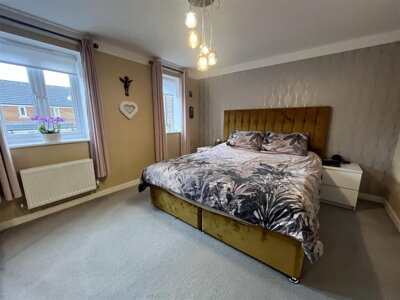
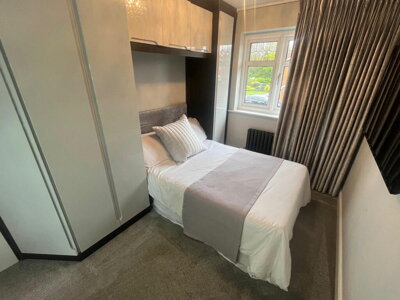
Browse 15 homes for sale in L70 from local estate agents.
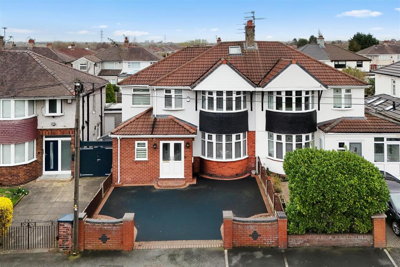
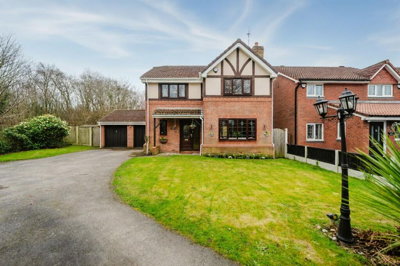
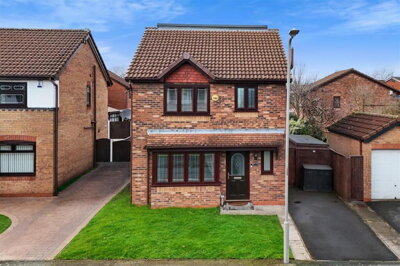
The larger property sector typically features multiple bathrooms, substantial reception space, and private gardens or off-street parking. Four bedroom houses in L70 span detached, semi-detached, and occasionally terraced configurations, with styles ranging from period properties to modern executive homes.
£0k
0
0
0
Source: home.co.uk
Showing 0 results for 4 Bedroom Houses for sale in L70.
The Liverpool property market has demonstrated consistent growth over recent years, with the city benefiting from substantial regeneration investment in areas including Liverpool ONE, the King's Dock redevelopment, and the ambitious Liverpool Waters scheme. Property prices in Liverpool remain competitive compared to other major UK cities, offering buyers exceptional value without compromising on urban amenities or lifestyle offerings. Average property prices in Liverpool postcode areas typically fall below the national average, providing first-time buyers with more accessible entry points to the property market. Our data updates continuously, ensuring you see the most current listings as soon as properties become available through estate agents across the region.
Liverpool's property landscape encompasses a wide variety of types, from period terraced houses prevalent in areas like Everton, Anfield, and the city centre Georgian Quarter to contemporary apartments in the Albert Dock and King's Dock waterfront developments. The city has experienced significant new build activity in recent years, with developers responding to demand for modern living spaces supported by the city's growing professional workforce and student population. Properties in Liverpool typically range from affordable terraced houses priced from around £100,000 to luxury apartments and family homes exceeding £400,000, depending on location, specification, and proximity to the waterfront. Rental yields in Liverpool have historically attracted property investors, with consistent demand from students, professionals, and the city's vibrant tourism sector supporting strong rental returns.
The L70 postcode itself represents a non-standard district primarily serving administrative and logistics functions within the Liverpool postal area, rather than being a conventional residential neighbourhood with high concentrations of family homes or established community amenities. Properties available through our search in the broader Liverpool area will include those with L70 addresses or properties located near this postcode district. Buyers interested in the L70 area should consider neighbouring districts such as L1 (city centre), L3 (the docklands area), and L24 or L25 (suburban Speke and Hunts Cross areas) when broadening their property search to include established residential communities with comprehensive local amenities.

Liverpool is a city of remarkable cultural significance, recognised worldwide for its UNESCO-listed waterfront, world-class museums, and legendary musical heritage that produced The Beatles. Residents of the Liverpool postcode area enjoy access to outstanding attractions including the Albert Dock complex, Tate Liverpool, the World Museum, and the famous Cavern Club where The Beatles first performed. The city centre offers vibrant nightlife, diverse restaurants spanning cuisines from around the world, and excellent shopping at Liverpool ONE, consistently ranked among the UK's premier retail destinations. Residential areas throughout Liverpool provide communities ranging from lively and cosmopolitan in the city centre to quiet and family-oriented in suburban districts.
The broader Liverpool area encompasses diverse neighbourhoods, each with distinct character and amenities that appeal to different buyer profiles. The Georgian Quarter offers elegant period architecture and tree-lined avenues popular with professionals and academics, while the King's Dock area provides contemporary waterfront living with modern apartment developments and marina facilities. Suburban areas like Calderstones, Allerton, and Woolton retain village atmospheres with local shops, pubs, and excellent schools that attract families seeking more settled communities. Green spaces are well distributed throughout the city, with Sefton Park (236 acres), Calderstones Park, and Otterspool Promenade providing recreational opportunities for residents. The cost of living in Liverpool remains relatively affordable compared to London and other major UK cities, allowing residents to enjoy an excellent quality of life with access to cultural amenities without the premium prices found in the capital.
The city hosts numerous festivals and events throughout the year, from the Liverpool Biennial contemporary art festival to Mathew Street Music Festival and the Liverpool Food and Drink Festival, creating a year-round cultural calendar that enriches daily life for residents. The sporting legacy of Liverpool FC and Everton FC adds to the city's identity, with Matchdays creating a vibrant atmosphere in surrounding areas. Major employers including the NHS, the University of Liverpool, Liverpool John Moores University, and Jaguar Land Rover's Halewood plant provide employment across sectors, supporting the residential property market with sustained demand from working professionals.

Liverpool offers a comprehensive range of educational establishments, from primary schools to higher education institutions of national and international repute. The University of Liverpool, Liverpool John Moores University, and Liverpool Hope University collectively serve over 50,000 students, creating a vibrant academic atmosphere throughout the city and supporting the local economy through research, employment, and student spending. For families with children, Liverpool provides numerous primary and secondary schools, with several achieving outstanding Ofsted ratings that reflect the city's commitment to educational excellence. The presence of major universities also supports a network of further education colleges and vocational training centres serving diverse educational and career development needs.
Secondary education in Liverpool includes several highly-regarded schools that consistently achieve strong academic results. Liverpool Blue Coat School, located in the Allerton area, regularly appears among the top-performing state schools in Merseyside, while Calderstones School in the Whiston area offers excellent comprehensive education with strong facilities. King Edward VI College in St Helens provides quality sixth form education serving students from across the wider region. The city also offers grammar schools including Liverpool College, which serves the wider Merseyside area and maintains selective admissions standards. For primary education, schools such as St Nicholas Catholic Primary and Our Lady of Good Help Catholic Primary receive consistently positive Ofsted assessments, while other well-regarded primaries include Holy Family Catholic Primary and St Andrew's Community Primary.
Parents researching properties in the Liverpool area should note that school catchment areas can significantly impact property values and availability in popular neighbourhoods. The admissions process for most Liverpool schools prioritises children living within designated catchment zones, meaning proximity to a preferred school often becomes a critical factor in property selection for families. Properties in catchment areas for outstanding schools typically command premiums and may experience increased demand, making early investigation of school admissions policies essential for buyers with school-age children. Liverpool City Council's school admissions information is available through their website, allowing parents to verify catchment boundaries and admissions criteria before committing to a property purchase.
Liverpool benefits from excellent transport connections that make it an accessible destination for commuters and travellers alike. Liverpool Lime Street station provides mainline rail services to major cities including London (approximately 2 hours 15 minutes), Manchester (around 50 minutes), Birmingham, and Leeds, connecting Liverpool workers with employment opportunities across the North West and beyond. The Merseyrail network offers efficient local services across the wider Merseyside region, with the Wirral Line circling through Birkenhead, Wallasey, and Chester, while the Northern Line connects Liverpool city centre with Southport, Ormskirk, and Hunts Cross. This comprehensive rail network makes commuting practical for residents choosing to live in suburban areas while working in the city centre or travelling to neighbouring cities.
For those travelling by car, the M62 motorway provides direct access to Manchester and Leeds to the east, while the M57 and M58 connect Liverpool to the national motorway network serving destinations further afield. The Mersey Ferries service offers an alternative route across the river for commuters and visitors, connecting Liverpool with Wallasey and serving both practical transportation and recreational purposes. Liverpool John Lennon Airport serves both domestic and international destinations, including regular flights to major European cities, London airports, and holiday destinations, providing convenient travel options for business and leisure travellers without requiring journeys to Manchester or other regional airports.
Within the city, comprehensive bus services operated primarily by Arriva and Stagecoach provide extensive public transport coverage, with services running from early morning until late evening across most routes. The Liverpool Citybike scheme offers cycling hire points throughout the city centre, supporting sustainable travel for short journeys and providing an alternative to public transport for commuters. The Liverpool City Region Combined Authority continues to invest in transport infrastructure, with ongoing improvements to bus services, active travel networks, and interchange facilities at major transport hubs. Parking availability varies significantly by location, with city centre apartments typically offering limited parking provision (often at additional cost) while suburban properties generally provide more generous off-street parking facilities.
Explore different neighbourhoods within the Liverpool postcode area to find locations that match your lifestyle requirements, budget, and priorities. Consider factors such as proximity to work, schools, amenities, and transport links when narrowing your search. Liverpool offers diverse areas ranging from city centre living in L1 and L2 to family suburbs in L18 and L25, each with distinct characteristics and price points.
Before viewing properties, obtain a mortgage agreement in principle from a lender. This document strengthens your position when making offers and demonstrates to sellers that you have secured financing, which is particularly important in competitive Liverpool neighbourhoods where multiple buyers may be interested in the same property. Our mortgage partners can help you compare rates and find the best deal suited to your circumstances.
Use Homemove to browse available properties in the Liverpool L70 postcode area and schedule viewings with estate agents directly through our platform. Attend multiple viewings to compare properties and build a clear understanding of what your budget can purchase in different areas of the city. Take notes during viewings and photograph properties that interest you for reference when making decisions.
Before completing your purchase, arrange for a professional survey such as an RICS Level 2 HomeBuyer Report to identify structural issues or defects that may affect the property value or require remediation. Survey costs in Liverpool typically range from £400 to £1,000 depending on property size and complexity. For older properties in areas like Everton or the Georgian Quarter, an RICS Level 3 Building Survey may be more appropriate due to the increased likelihood of period property issues.
Appoint a solicitor to handle the legal aspects of your purchase, including property searches, contract review, and registration with the Land Registry. Professional conveyancing ensures all documentation is correct and your interests are protected throughout the transaction. Solicitors in Liverpool typically charge between £500 and £1,500 plus disbursements for residential purchases.
Once all searches are satisfactory and financing is confirmed, you will exchange contracts and pay your deposit (typically 10% of the purchase price). Completion typically follows within two to four weeks, at which point you receive the keys and take ownership of your new Liverpool home.
Property buyers in the Liverpool area should be aware of several local factors that can affect their purchase and long-term ownership costs. Older properties in established Liverpool neighbourhoods may exhibit common issues found throughout UK housing stock, including damp penetration (particularly rising damp in Victorian and Edwardian properties without modern damp-proof courses), roof deterioration, and outdated electrical systems that may require rewiring to meet current safety standards. Victorian and Edwardian terraced properties, which form a significant proportion of Liverpool's housing stock in areas like Everton, Kirkdale, and the city centre Georgian Quarter, often require ongoing maintenance and modernisation investment. A thorough RICS Level 2 Survey can identify these issues before you commit to purchase, potentially saving you significant expense on remediation works or providing leverage to renegotiate the purchase price.
Flood risk should be considered for properties near the River Mersey, Leeds and Liverpool Canal, or in low-lying areas of the city, though specific flood risk data for individual addresses should be obtained from the Environment Agency and Liverpool City Council planning department. Properties in conservation areas, which are prevalent in the Georgian Quarter and around the Albert Dock, may be subject to planning restrictions affecting modifications or extensions, requiring listed building consent or conservation area approval for certain works. For leasehold properties, which are common in city centre apartments including developments in the King's Dock and Mann Island areas, reviewing the terms of the lease, ground rent provisions, service charge levels, and any escalation clauses is essential before committing to purchase.
Subsidence risk exists in some Liverpool areas due to local soil conditions, the age of foundations on older properties, and tree-lined streets where root damage may affect building foundations. Clay soil conditions prevalent in some parts of Merseyside may contribute to ground movement during dry periods or following changes in moisture content. Environmental searches conducted during the conveyancing process will reveal any recorded issues, while a structural survey can physically assess the property's condition and identify signs of movement or previous structural repairs. First-time buyers should budget for additional costs including stamp duty land tax, legal fees, survey costs, moving expenses, and potential immediate repairs or improvements when calculating their total budget for purchasing property in Liverpool.
Property prices in Liverpool postcode areas typically fall below the UK national average, making the city an attractive option for buyers seeking value in a major urban centre. Average prices for terraced properties often start from around £100,000 to £150,000 in areas like Kirkdale and Everton, while semi-detached houses in suburbs such as Allerton, Woolton, and Childwall typically range from £180,000 to £300,000 depending on condition and proximity to schools. City centre apartments vary widely depending on specification and location, with standard units starting from £120,000 and premium waterfront properties in developments like Liverpool Marina or King's Dock exceeding £300,000. The Liverpool property market has shown consistent growth driven by regeneration investment, the expanding universities, and strong rental demand from students and professionals.
Liverpool City Council sets council tax bands for properties within its jurisdiction, with bands ranging from A to H based on property value as assessed by the Valuation Office Agency. Most standard terraced houses and smaller properties in Liverpool typically fall into bands A to C, representing the lower end of the tax scale, while larger family homes and executive properties in areas like Calderstones, Allerton, and Woolton may be in bands D to F. You can check the specific council tax band for any Liverpool property through the Liverpool City Council website or the Valuation Office Agency's online search facility. Band A properties in Liverpool currently pay approximately £1,400 annually in council tax, with higher bands incurring proportionally increased charges.
Liverpool offers several highly-regarded schools across all educational phases that consistently achieve strong academic outcomes. Primary schools such as St Nicholas Catholic Primary in the city centre and Holy Family Catholic Primary in Toxteth achieve excellent results and positive Ofsted ratings, while Our Lady of Good Help Catholic Primary in Old Swan serves the local community well. At secondary level, Liverpool Blue Coat School in Allerton and Calderstones School in Whiston are standout options with strong academic records and outstanding Ofsted judgements, though admission to these popular schools is competitive and dependent on catchment area residence. Parents should research individual school Ofsted reports and carefully consider catchment boundaries when evaluating properties, as school admissions are typically determined primarily by geographic proximity.
Liverpool benefits from comprehensive public transport infrastructure that serves both local commuters and those travelling to other cities. The Merseyrail network provides efficient train services across the wider Merseyside region, with the Wirral Line and Northern Line connecting the city centre with surrounding towns and suburbs. Liverpool Lime Street station offers mainline rail connections to London Euston (approximately 2 hours 15 minutes), Manchester Piccadilly (around 50 minutes), Birmingham New Street, and Leeds, making Liverpool practical for commuters who need to travel for work. Liverpool John Lennon Airport provides domestic flights and international services to European destinations. Within the city, extensive bus networks operated by Arriva and Stagecoach cover most areas, while the Mersey Ferries service offers an alternative route across the river for both commuters and visitors.
Liverpool has historically offered attractive property investment opportunities due to relatively lower entry prices compared to London and the South East, combined with strong rental demand from the city's substantial student population (over 50,000 university students), growing professional workforce, and vibrant tourism sector. Rental yields in Liverpool typically exceed those achieved in London and many other major UK cities, with terraced properties and small HMOs (houses in multiple occupation) often delivering yields of 6% or higher in popular student areas like the Georgian Quarter, Smithdown Road, and Lodge Lane. The ongoing regeneration of areas including Liverpool ONE, King's Dock, Liverpool Waters, and the Knowledge Quarter continues to enhance property values and rental demand in certain locations. As with any property investment, thorough research and professional advice are recommended to understand specific area performance, tenant demand, and potential void periods.
For properties purchased in England, stamp duty land tax applies based on purchase price with rates effective from April 2025. There is no SDLT on residential properties up to £250,000, while properties between £250,001 and £925,000 incur 5% duty on the portion above £250,000. Properties between £925,001 and £1.5 million pay 5% on the first £925,000 and 10% on the remainder, with properties exceeding £1.5 million incurring 12% on amounts above this threshold. First-time buyers relief raises the nil-rate threshold to £425,000, with 5% applying between £425,001 and £625,000, though no relief is available for purchases exceeding £625,000. For example, a first-time buyer purchasing a £180,000 terraced property in Liverpool would pay no stamp duty, while a £350,000 home would incur 5% SDLT on the amount above £250,000 (totalling £5,000).
The L70 postcode district differs from standard residential postcodes like L1, L2, or L18 because it primarily serves administrative and logistics purposes rather than representing a conventional residential neighbourhood. Full postcodes within L70 include addresses such as L70 1AB, L70 1AD, and L70 2QA, which are primarily associated with Liverpool city centre and the Speke industrial area. This means L70 does not have the same concentration of family homes, schools, or community amenities as established residential postcode districts. Property buyers searching in this area should broaden their search to include neighbouring postcodes where residential communities with comprehensive amenities are more prevalent, such as L1 for city centre living, L3 for waterfront developments, or L25 for suburban Speke and Hunts Cross.
From 4.5% APR
Compare mortgage deals from leading lenders
From £499
Professional solicitors handling your property purchase
From £400
Detailed inspection identifying defects before purchase
From £1,000
Comprehensive structural survey for older or complex properties
From £60
Energy performance certificate for your property
Understanding the full costs of purchasing property in Liverpool helps you budget accurately and avoid financial surprises that could derail your purchase. Beyond the property price, buyers should budget for stamp duty land tax, legal fees, survey costs, and moving expenses, which together can add approximately £5,000 to £15,000 to the total purchase cost depending on property value. In England, stamp duty thresholds from April 2025 set the nil-rate band at £250,000 for standard purchases, rising to £425,000 for first-time buyers who meet the eligibility criteria. This means a first-time buyer purchasing a £180,000 terraced property in Liverpool would pay no stamp duty at all, while a £350,000 purchase would incur 5% SDLT on the amount above £250,000, totalling £5,000.
Legal costs for conveyancing in Liverpool typically range from £500 to £1,500 plus disbursements, depending on property value, whether the transaction involves a mortgage, and the complexity of the title. Disbursements (third-party costs paid by your solicitor on your behalf) include local authority searches (approximately £250 to £400), Land Registry fees (currently capped at £455 for residential transactions), environmental searches, and bankruptcy searches. A RICS Level 2 HomeBuyer Report costs between £400 and £1,000 depending on property size and whether you include a valuation element, while an RICS Level 3 Building Survey for larger, older, or more complex properties may cost £1,000 or more. Removal costs vary based on distance, volume of belongings, and whether packing services are included, typically ranging from £300 for a local move to £2,000 or more for longer distances.
Beyond the immediate purchase costs, new homeowners should budget for ongoing expenses including mortgage payments, council tax (Band A properties in Liverpool pay approximately £1,400 annually), buildings insurance (typically £150 to £400 per year for standard properties), and utility bills. If purchasing a leasehold apartment, service charges and ground rent represent additional annual costs that can vary significantly depending on the development and facilities provided. City centre apartments in modern developments often include service charges of £1,000 to £3,000 annually to cover building maintenance, communal areas, and concierge services. Buildings insurance must be in place from the completion date, and many mortgage lenders require evidence of insurance before releasing funds to complete the purchase.
Properties for Sale In London

Properties for Sale In Plymouth

Properties for Sale In Liverpool

Properties for Sale In Glasgow

Properties for Sale In Sheffield

Properties for Sale In Edinburgh

Properties for Sale In Coventry

Properties for Sale In Bradford

Properties for Sale In Manchester

Properties for Sale In Birmingham

Properties for Sale In Bristol

Properties for Sale In Oxford

Properties for Sale In Leicester

Properties for Sale In Newcastle

Properties for Sale In Leeds

Properties for Sale In Southampton

Properties for Sale In Cardiff

Properties for Sale In Nottingham

Properties for Sale In Norwich

Properties for Sale In Brighton

Properties for Sale In Derby

Properties for Sale In Portsmouth

Properties for Sale In Northampton

Properties for Sale In Milton Keynes

Properties for Sale In Bournemouth

Properties for Sale In Bolton

Properties for Sale In Swansea

Properties for Sale In Swindon

Properties for Sale In Peterborough

Properties for Sale In Wolverhampton

Enter your details to see if this property is within your budget.
Loans, cards, car finance
Estimated property budget
Borrowing + deposit
You could borrow between
Typical borrowing
Monthly repayment
Est. at 4.5%
Loan-to-value
This is an estimate only. Your actual budget may vary depending on interest rates, credit history, and personal circumstances. For an accurate affordability assessment, speak to one of our free mortgage advisors.
This calculator provides estimates for illustrative purposes only and does not constitute financial advice. Your home may be repossessed if you do not keep up repayments on your mortgage. Estimates based on 4.5% interest rate, repayment mortgage. Actual rates depend on your circumstances.
Homemove is a trading name of HM Haus Group Ltd (Company No. 13873779, registered in England & Wales). Homemove Mortgages Ltd (Company No. 15947693) is an Appointed Representative of TMG Direct Limited, trading as TMG Mortgage Network, which is authorised and regulated by the Financial Conduct Authority (FRN 786245). Homemove Mortgages Ltd is entered on the FCA Register as an Appointed Representative (FRN 1022429). You can check registrations at NewRegister or by calling 0800 111 6768.

We use cookies to show you personalised content and improve your experience of our website. Find out more in our Privacy policy and Cookie policy.