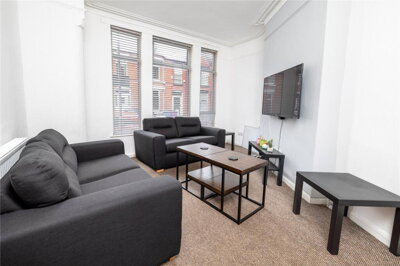
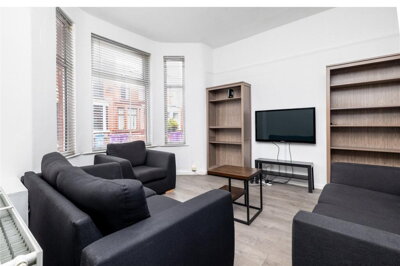
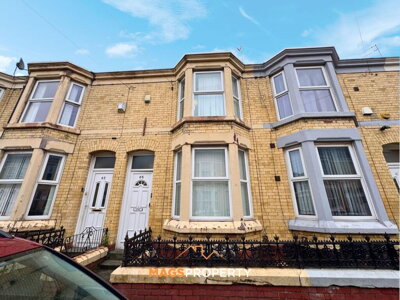
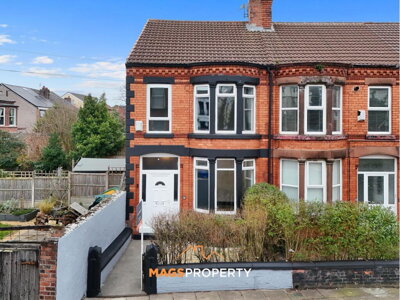
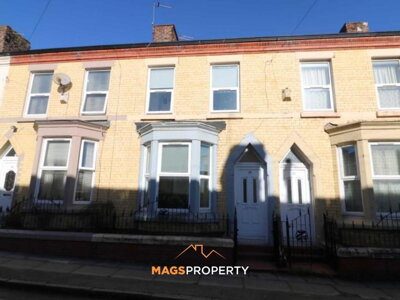
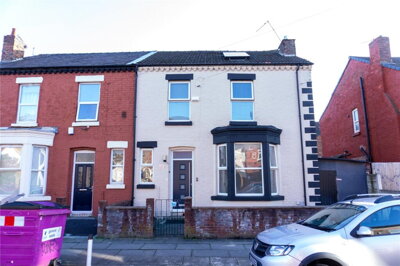
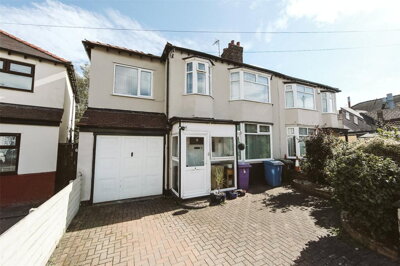
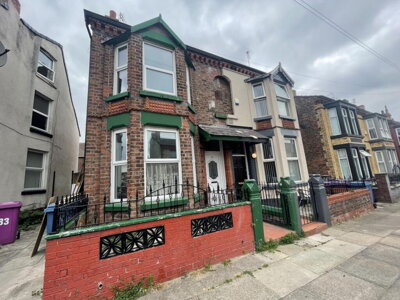
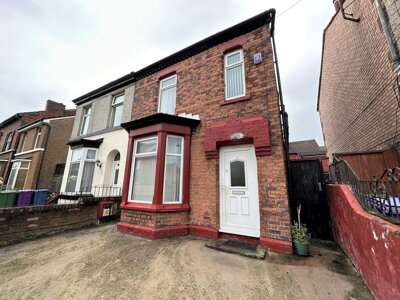
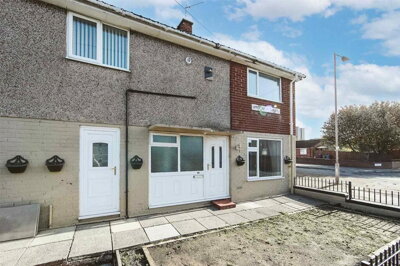
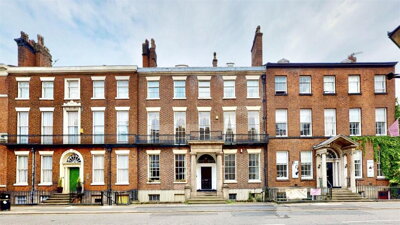
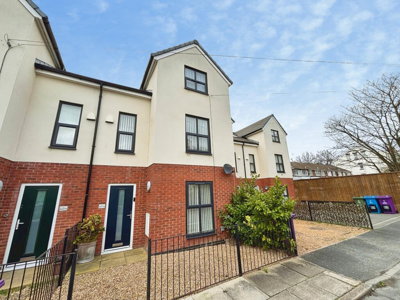
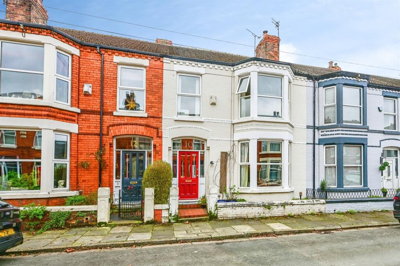
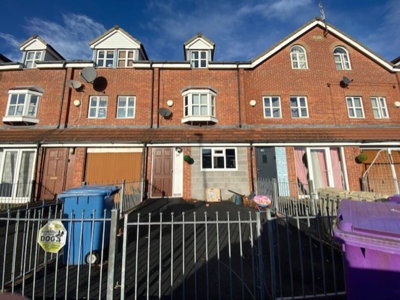
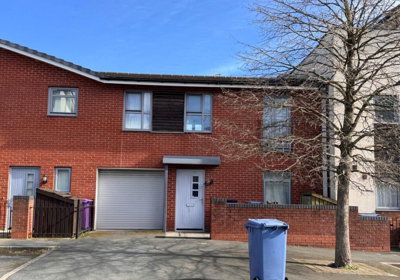
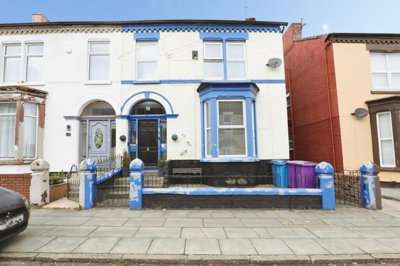
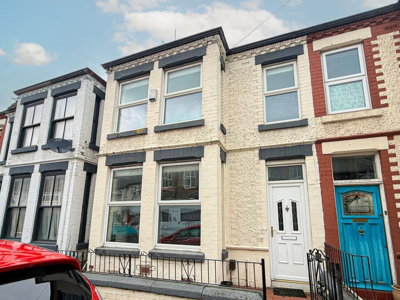
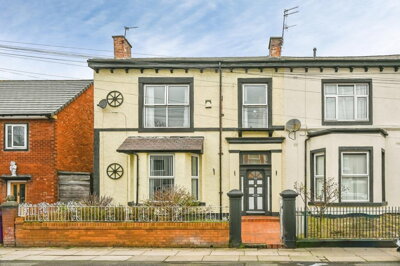
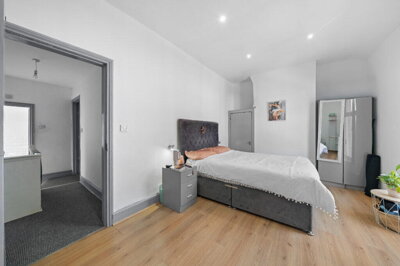
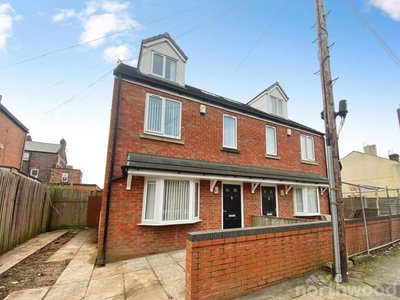
Browse 113 homes for sale in L7 from local estate agents.
The larger property sector typically features multiple bathrooms, substantial reception space, and private gardens or off-street parking. Four bedroom houses in L7 span detached, semi-detached, and occasionally terraced configurations, with styles ranging from period properties to modern executive homes.
£275k
3
0
117
Source: home.co.uk
Showing 3 results for 4 Bedroom Houses for sale in L7. The median asking price is £275,000.
Source: home.co.uk
Semi-Detached
3 listings
Avg £260,000
Source: home.co.uk
Source: home.co.uk
The L7 property market presents a varied landscape of Victorian terraces, inter-war semis, and contemporary apartments, with terraced properties forming the backbone of the residential stock. Average prices across all property types reached £154,867 over the past twelve months, though this figure masks considerable variation between categories. Detached properties command the highest prices, averaging between £216,000 and £218,500, while semi-detached homes trade around £173,000 to £184,000 depending on condition and location within the postcode. Flats represent the most accessible entry point, with typical prices between £108,000 and £112,000, making them attractive to first-time buyers and investors alike.
Recent market activity reveals interesting patterns within the postcode's sub-districts. The L7 8 area around Kensington experienced strong price growth of 11.1% year-on-year, suggesting rising desirability in certain neighbourhoods. Conversely, the L7 7 district saw prices fall by 18.4%, potentially creating opportunities for buyers willing to take a longer-term view. The overall market contracted by 21.69% in transaction volumes compared to the previous year, with 83 sales recorded against 101 the prior year. This reduction in supply, combined with steady underlying demand from students and city centre workers, suggests competitive conditions for well-priced properties. Rightmove data indicates sold prices are currently 11% below the 2023 peak of £174,586, presenting a window for buyers who act decisively.
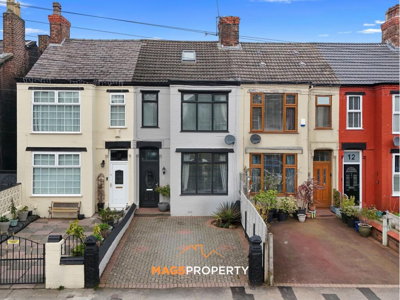
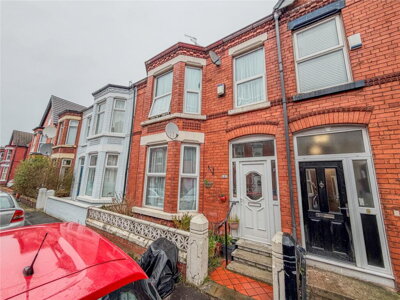
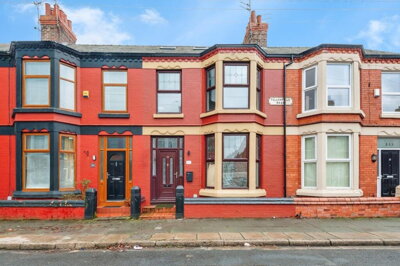
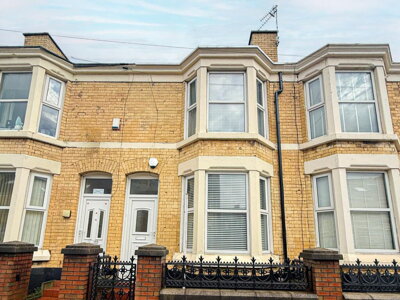
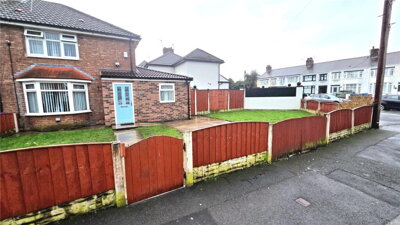
Price variations between property types remain significant, reflecting the diverse character of L7's housing offer. Flats and apartments, particularly those in converted period buildings or modern student accommodation blocks, typically change hands between £108,000 and £112,000. Traditional bay-fronted Victorian terraces on streets like those surrounding Edge Lane command premium prices compared to their non-bay fronted counterparts, with original features adding considerable value. Semi-detached properties, many dating from the inter-war period, provide family-sized accommodation at price points between £173,000 and £184,000, offering a middle ground between the accessibility of terraced stock and the spaciousness of detached homes.

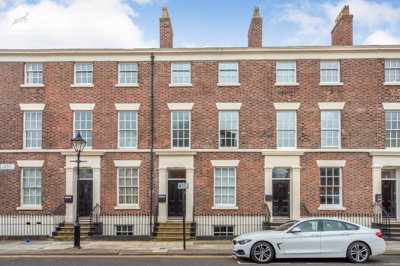
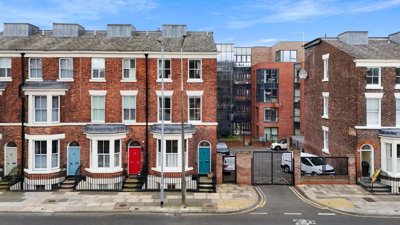
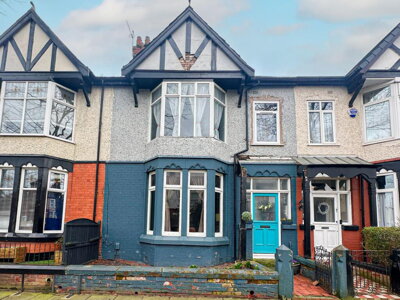
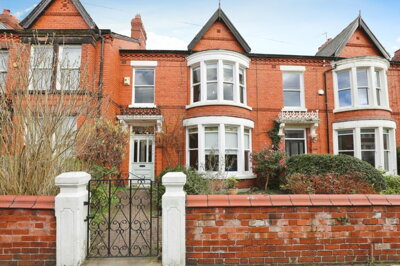
Life in L7 is shaped by its unique position as a transitional zone between Liverpool's historic city centre and the residential neighbourhoods that radiate outward. The postcode encompasses several distinct areas, including the established streets of Kensington Fields with their red-brick Victorian terraces, and the Georgian Quarter where impressive period properties speak to the area's architectural heritage. The presence of The Symphony Building, a Grade II listed conversion at Stowell Street, hints at the architectural treasures scattered throughout the area. Many properties here feature characteristic bay windows, original fireplaces, and generous ceiling heights that speak to an era of quality construction before modern building regulations.
The demographic makeup of L7 reflects its appeal to diverse groups, with significant student populations drawn to the proximity of the University of Liverpool and Liverpool John Moores University. Healthcare workers from the Royal Liverpool University Hospital form another key demographic, appreciating the short commute to one of the city's major employers. The student rental market generates strong demand for Houses in Multiple Occupation, creating investment opportunities for buyers considering rental income. Local amenities include Edge Lane Retail Park for everyday shopping, while the cultural richness of Liverpool city centre lies just moments away by bus or on foot. Parks and green spaces provide recreational opportunities, though the urban environment means garden sizes tend toward the modest.
The local economy benefits from L7's position adjacent to major employment centres, with the city centre's service sector jobs accessible within a short commute. The University of Liverpool campus, situated just south of the postcode boundary, draws thousands of students and staff daily, supporting a ecosystem of cafes, shops, and services that serve both the student population and local residents. The nearby Royal Liverpool University Hospital employs thousands of healthcare professionals, many of whom choose to live in the surrounding postcodes to minimise commuting time to shift work. This dual demand from students and healthcare workers underpins the buy-to-let market and ensures consistent rental yields for investors who understand the area's demographic dynamics.

Families considering L7 will find educational options spanning all levels, though the postcode's immediate vicinity is particularly characterised by its appeal to university students. The area's proximity to two major universities makes it a natural choice for academic staff and postgraduate students seeking convenient accommodation. Primary and secondary schools within and adjacent to L7 serve the resident families, though Ofsted ratings should be checked carefully as standards vary between institutions. The presence of student accommodation throughout the postcode means some streets experience higher foot traffic during term time, a factor families may wish to consider when choosing a specific location within the area.
For those with older children, sixth form provision and further education opportunities are well-served by Liverpool's broader educational infrastructure. The city's universities provide extensive undergraduate and postgraduate programmes, giving families staying within L7 access to world-class education without relocating. Investors should note that properties located within good school catchment areas command premium prices and maintain strong rental demand from families. First-time buyers planning families should research specific catchment boundaries carefully, as they do not always align with postcode boundaries. The rental market for student accommodation is particularly robust, with HMO properties offering yields that often exceed those from standard residential lets.
The quality of local schooling significantly impacts property values throughout Liverpool, and L7 is no exception. Families prioritising educational access should investigate primary schools in neighbouring areas such as Wavertree, where several institutions consistently achieve good Ofsted ratings. Secondary school options include both comprehensive schools serving their local catchments and grammar schools that admit pupils based on entrance examination performance. Liverpool's selective grammar schools, including some ranked among the best in the region, attract families willing to prepare children for the 11-plus examination. When searching for family homes in L7, verify exact catchment boundaries through the local education authority, as they do not always correspond neatly to postcode boundaries.
L7 enjoys exceptional connectivity that makes it attractive to commuters and those working across Liverpool's service economy. The postcode sits adjacent to major bus corridors that provide frequent services to the city centre, typically taking under fifteen minutes depending on the exact departure point. The Liverpool Loop Line railway stations are accessible, connecting residents to the wider Merseyrail network without requiring a trip into the central hub. For those driving, the proximity to Edge Lane provides convenient access to the A5058 and the M62, though peak-hour congestion on surrounding roads should be factored into journey planning. Parking availability varies significantly by street, with permits required in some areas.
Cyclists benefit from dedicated lanes on several major routes, though the hilly terrain that characterises parts of Liverpool can present challenges. The city centre's compact nature means many residents cycle regularly, with secure bike storage becoming increasingly common in newer developments. For air travel, Liverpool John Lennon Airport is accessible via the Merseyrail Northern Line, while Manchester Airport requires a train change but remains reachable within approximately ninety minutes. The University of Liverpool campus is walkable from most of L7, as is the Liverpool Women's Hospital, meaning many residents can genuinely live car-free. This accessibility underpins property values throughout the postcode and ensures consistent demand from tenants who work in the city centre or healthcare sector.
The bus network serving L7 provides comprehensive coverage of the postcode and connections to destinations across Liverpool. Major routes pass through the area at regular intervals throughout the day, with services extending into the evening hours. For residents working unsociable hours, particularly those employed in hospital roles, checking late-night service availability before committing to a property is advisable. The Merseyrail network offers additional travel options, with stations on the Northern Line providing direct connections to Liverpool John Lennon Airport and the wider Merseyside region. Commuters travelling to Manchester or beyond can access intercity services from Liverpool Lime Street station, which is reachable from L7 via the local bus network or a short taxi journey.
Before scheduling viewings in L7, obtain a mortgage agreement in principle from a lender. This document confirms your borrowing capacity and signals to estate agents that you are a serious buyer. With typical property values in L7 ranging from £108,000 for flats to over £216,000 for detached homes, understanding your budget helps you focus your search on realistic options. Lenders assess your income, credit history, and existing debts when calculating how much they will lend.
Spend time exploring different areas within L7, from the Victorian terraces of Kensington Fields to the Georgian architecture near Stowell Street. Each sub-area has distinct characteristics, noise levels, and tenant demographics. Walk the streets at different times of day, visit local shops and cafes, and speak to existing residents about their experience. Understanding which parts of L7 align with your lifestyle preferences will help you make a confident decision when the right property appears.
Request viewings of properties matching your criteria, paying particular attention to the common defects found in L7's older housing stock. Look for signs of damp on walls and in corners, check the condition of roofs from ground level, and assess whether original features like windows and fireplaces have been maintained or replaced. Given that many properties date from the Victorian and Edwardian eras, structural issues and outdated electrics are genuine concerns that require professional assessment.
Once you have found a property and agreed a price, arrange a RICS Level 2 HomeBuyer Report before proceeding. This survey is particularly valuable in L7 given the prevalence of properties over fifty years old with potential issues like subsidence, timber defects, and aging plumbing. A Level 2 survey typically costs from £350 depending on property value and size, but it can reveal problems that justify price reductions or condition the sale on necessary repairs.
Choose a conveyancing solicitor who understands Liverpool property transactions and can handle the specific requirements of your chosen property type. For listed buildings like those in the Georgian Quarter, additional searches regarding planning permissions and listed building consents may be required. Your solicitor will conduct local authority searches, investigate title deeds, and manage the complex paperwork that transfers ownership legally. Conveyancing in Liverpool typically costs from £499 for standard transactions.
Once all searches are satisfactory and mortgage offers are in place, you will exchange contracts and pay your deposit, typically between 5% and 10% of the purchase price. The standard completion period is four weeks after exchange, allowing time for final arrangements. On completion day, your solicitor transfers the remaining funds and you receive the keys to your new L7 home. Register your ownership with HM Land Registry and update your address with banks, employers, and utility providers.
Purchasing property in L7 requires awareness of the specific challenges associated with the area's Victorian and Edwardian housing stock. Solid wall construction, common in properties built before the First World War, provides different insulation properties compared to modern cavity walls, and buyers should factor potential heat loss into their running cost calculations. Many terraced properties in areas like Kensington Fields feature suspended timber floors, which can suffer from rot or woodworm if not properly maintained. Rising damp is another frequent issue in older Liverpool properties, particularly where original damp-proof courses have failed or were never installed. A thorough survey can identify these issues before you commit to purchase.
The presence of listed buildings and proximity to conservation areas introduces planning considerations that do not affect buyers in newer developments. Grade II listed properties like The Symphony Building require consent for significant alterations, and permitted development rights may be more restricted than in unlisted properties. Research the relevant conservation area boundaries and speak to Liverpool City Council planning department if you have renovation plans. For investment buyers, the prevalence of student tenants means HMO licensing requirements may apply if you plan to rent to multiple unrelated occupants. The additional regulatory burden is manageable but should be understood before purchase.
Surface water flooding can affect urban areas throughout Liverpool, and while specific flood risk data for individual L7 addresses requires specialist environmental searches, buyers should check the general susceptibility of their chosen street. Properties in lower-lying areas near watercourses merit particular attention. Historical mining activity in Liverpool means some areas could be affected by potential subsidence, and specialist mining reports are available for thorough assessment. While no specific widespread mining subsidence issues were identified for L7 during research, the Victorian housing stock means foundations may be shallow by modern standards. Factor these considerations into your survey requirements and budget for any necessary remediation works revealed after purchase.
The predominant construction materials in L7 reflect the Victorian and Edwardian era building practices that dominate the area's housing stock. Traditional red brick construction, often with solid walls rather than cavity insulation, characterises the majority of terraced properties throughout Kensington Fields and surrounding streets. Pitched roofs with slate or tile coverings are standard, and many properties retain their original timber sash windows, though these may require maintenance or replacement to meet modern energy efficiency standards. When viewing properties, assess the condition of lead flashing, gutters, and downpipes, as these vulnerable elements often deteriorate in older buildings and can lead to penetrating damp if neglected.
The average house price in L7 over the last twelve months was £154,867 according to our property data, though figures from other sources range from £100,000 to £168,336 depending on methodology. Zoopla reports £155,757 while Mouseprice indicates £168,336. Prices vary significantly by property type, with terraced homes typically selling between £146,000 and £155,000, semi-detached properties between £173,000 and £184,000, and detached homes reaching £216,000 to £218,500. Flats represent the most affordable entry point at around £108,000 to £112,000. The L7 8 sub-district around Kensington showed particularly strong performance with 11.1% annual growth, while the L7 7 area experienced a correction of 18.4%, illustrating the importance of understanding micro-location within the broader postcode.
Properties in L7 fall under Liverpool City Council's jurisdiction and are assigned council tax bands based on property value. Most terraced properties and apartments in the postcode typically fall into bands A through C, with larger semis and period homes occasionally in band D or above. Liverpool City Council's current rates for band A properties start at approximately £1,400 per year, though you should verify the specific band on the Valuation Office Agency website using the property address before budgeting. First-time buyers and certain exemptions may qualify for discounts or reductions, and households on low incomes or receiving certain benefits may be eligible for council tax support from Liverpool City Council. When calculating total ownership costs for a potential purchase, factor in the annual council tax obligation alongside mortgage payments, insurance, and maintenance reserves.
L7's proximity to two major universities makes it popular with students and academic staff, while primary and secondary schools in the surrounding area serve families. Specific school performance data changes annually, and the best approach is to consult the Ofsted website for current ratings of schools within reasonable travelling distance. Areas like Wavertree and the wider Liverpool 15 catchment area contain several highly-regarded primary schools. Secondary school options include both comprehensive and grammar schools, with selective grammar schools requiring passing entrance examinations. Families should research catchment areas carefully as they do not always align neatly with postcode boundaries. The presence of the University of Liverpool and Liverpool John Moores University within easy reach also provides postgraduate and continuing education opportunities for adults seeking career advancement without relocating.
L7 benefits from excellent public transport connections that make car-free living practical for many residents. Frequent bus services traverse the postcode, providing access to Liverpool city centre in typically under fifteen minutes. The Merseyrail network connects to stations within reach of L7, linking residents to the wider Merseyside area including Liverpool John Lennon Airport. For commuters working in the city centre, the short journey time makes L7 particularly attractive compared to more distant postcodes where longer and more expensive commutes apply. Evening and weekend services are generally reliable, though it is worth checking specific routes and frequencies for any planned changes. Residents working at the Royal Liverpool University Hospital or other city centre employers can realistically commute by bus or bicycle, avoiding the costs and hassles of car ownership in an urban environment where parking permits can be expensive and street parking limited.
L7 offers several characteristics that make it attractive for property investment, including its proximity to two universities and major hospitals that generate consistent rental demand. The student market specifically drives strong demand for HMO properties and smaller rental units, with yields potentially exceeding those available in suburban areas. First-time buyers may find the relatively accessible price point appealing, with flats offering entry from around £108,000. The area's 3.04% price growth over the past year indicates steady appreciation, though the 11% fall from the 2023 peak suggests the market is still recovering. Investors should calculate yields carefully, factoring in void periods between tenants, maintenance costs for older properties, and potential licensing requirements for HMOs that apply when renting to three or more unrelated individuals. The recent price correction in the L7 7 sub-district may present buying opportunities for investors with longer investment horizons who can weather short-term fluctuations.
Stamp duty rates for 2024-25 apply as follows: there is no stamp duty on purchases up to £250,000, 5% on the portion between £250,001 and £925,000, 10% on the portion between £925,001 and £1.5 million, and 12% on any amount above £1.5 million. First-time buyers benefit from relief on the first £425,000, paying 5% only on amounts between £425,001 and £625,000, with no relief above that threshold. For a typical L7 flat at £110,000, a first-time buyer would pay no stamp duty, while a second home buyer would pay 5% on the full amount. Your solicitor will calculate the exact amount due and handle submission to HMRC. Given that most L7 properties fall below the £250,000 threshold, stamp duty costs are minimal for typical purchases, though buy-to-let investors must add the 3% surcharge to standard rates.
Given L7's prevalence of Victorian and Edwardian properties, common defects include rising and penetrating damp resulting from failed or absent damp-proof courses, roof deterioration affecting slates, tiles, and flashing, and timber defects such as wet rot, dry rot, and woodworm affecting floors and structural elements. Outdated electrical wiring and plumbing that does not meet current regulations are frequently encountered in properties that have not been modernised. Properties with solid walls may suffer from condensation issues if ventilation is inadequate. Structural movement and subsidence, while not widespread, can affect older properties, particularly those built with shallow foundations on variable ground conditions. The solid brick construction typical of L7's Victorian terraces can hide defects behind plaster finishes, making professional surveys particularly valuable before purchase commitment.
From 3.5%
Expert mortgage advice tailored to your situation, a first-time buyer or remortgaging
From £499
Liverpool-based solicitors handling property transactions efficiently
From £350
Comprehensive survey ideal for L7's older property types
From £600
Detailed structural survey for period properties or complex purchases
Understanding the full cost of purchasing property in L7 extends beyond the advertised price to include stamp duty, legal fees, survey costs, and moving expenses. Stamp duty land tax applies to all purchases above £250,000 at standard rates, though first-time buyers enjoy relief on the first £425,000 of their purchase. For a terraced property at the L7 average of £154,867, a first-time buyer would pay no stamp duty at all, making this an attractive entry point for those climbing onto the property ladder. Second home buyers and buy-to-let investors pay a 3% surcharge on the entire purchase price, adding £4,646 to the cost of an average L7 flat.
Survey costs should be budgeted based on property type and age, with RICS Level 2 HomeBuyer Reports starting from approximately £350 for smaller properties and rising to £600 or more for larger detached homes. Given L7's substantial older housing stock, investing in a thorough survey is particularly important as it can reveal defects that justify price negotiations or highlight expensive repairs. Conveyancing fees typically start from £499 for straightforward transactions, though leasehold properties, listed buildings, or those in conservation areas may incur additional costs due to their complexity. Local authority searches from Liverpool City Council, water and drainage searches, and environmental searches typically total £250 to £400.
Additional costs to budget include mortgage arrangement fees typically ranging from £0 to £2,000 depending on the lender, valuation fees of around £150 to £300 for a standard mortgage valuation, and moving costs which vary based on distance and volume of belongings. Buildings insurance must be in place from the point of completion, and content insurance is worth considering for furnished properties. Land registry fees for registering your ownership are relatively modest at around £20 to £455 depending on property value. For a complete picture of your L7 purchase costs, request a detailed breakdown from your solicitor before proceeding to exchange contracts, ensuring there are no unexpected expenses during the transaction.
For investors purchasing HMO properties, additional costs may include licensing fees payable to Liverpool City Council and potential costs for meeting HMO amenity standards. Properties requiring renovation may attract higher insurance premiums until works are complete, and specialist surveys such as timber condition reports or structural assessments should be factored into due diligence budgets. Budgeting for a contingency equivalent to 10-15% of the purchase price for older properties is prudent, as survey reports frequently reveal defects that require remediation shortly after acquisition.
Properties for Sale In London

Properties for Sale In Plymouth

Properties for Sale In Liverpool

Properties for Sale In Glasgow

Properties for Sale In Sheffield

Properties for Sale In Edinburgh

Properties for Sale In Coventry

Properties for Sale In Bradford

Properties for Sale In Manchester

Properties for Sale In Birmingham

Properties for Sale In Bristol

Properties for Sale In Oxford

Properties for Sale In Leicester

Properties for Sale In Newcastle

Properties for Sale In Leeds

Properties for Sale In Southampton

Properties for Sale In Cardiff

Properties for Sale In Nottingham

Properties for Sale In Norwich

Properties for Sale In Brighton

Properties for Sale In Derby

Properties for Sale In Portsmouth

Properties for Sale In Northampton

Properties for Sale In Milton Keynes

Properties for Sale In Bournemouth

Properties for Sale In Bolton

Properties for Sale In Swansea

Properties for Sale In Swindon

Properties for Sale In Peterborough

Properties for Sale In Wolverhampton

Enter your details to see if this property is within your budget.
Loans, cards, car finance
Estimated property budget
Borrowing + deposit
You could borrow between
Typical borrowing
Monthly repayment
Est. at 4.5%
Loan-to-value
This is an estimate only. Your actual budget may vary depending on interest rates, credit history, and personal circumstances. For an accurate affordability assessment, speak to one of our free mortgage advisors.
This calculator provides estimates for illustrative purposes only and does not constitute financial advice. Your home may be repossessed if you do not keep up repayments on your mortgage. Estimates based on 4.5% interest rate, repayment mortgage. Actual rates depend on your circumstances.
Homemove is a trading name of HM Haus Group Ltd (Company No. 13873779, registered in England & Wales). Homemove Mortgages Ltd (Company No. 15947693) is an Appointed Representative of TMG Direct Limited, trading as TMG Mortgage Network, which is authorised and regulated by the Financial Conduct Authority (FRN 786245). Homemove Mortgages Ltd is entered on the FCA Register as an Appointed Representative (FRN 1022429). You can check registrations at NewRegister or by calling 0800 111 6768.

We use cookies to show you personalised content and improve your experience of our website. Find out more in our Privacy policy and Cookie policy.