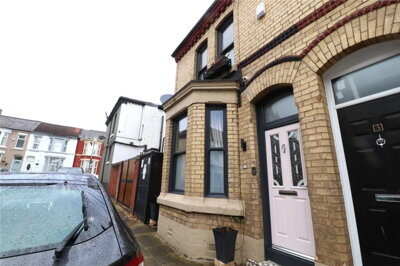
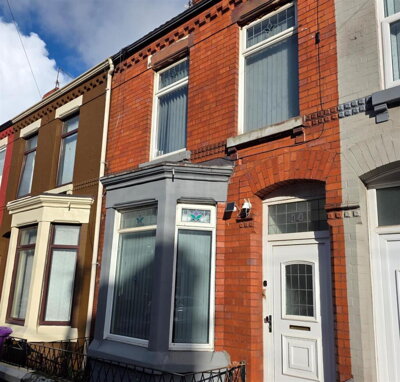
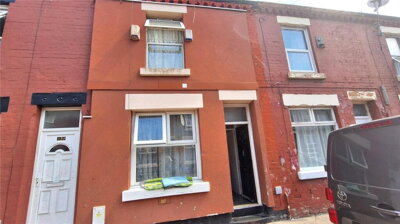
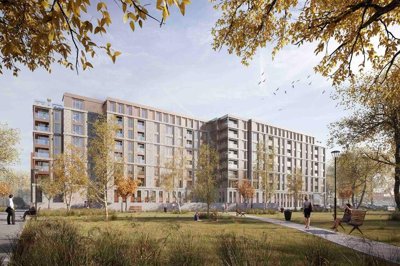
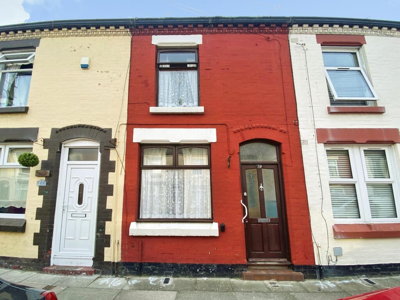
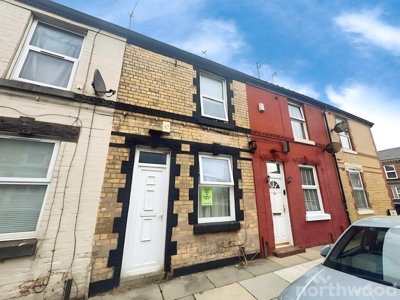
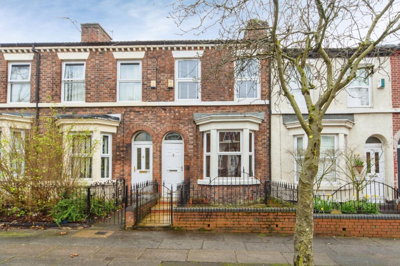
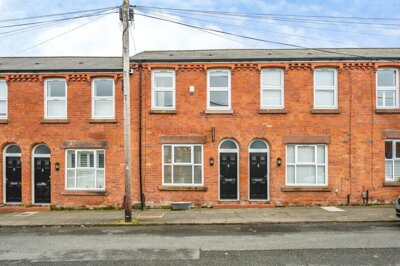
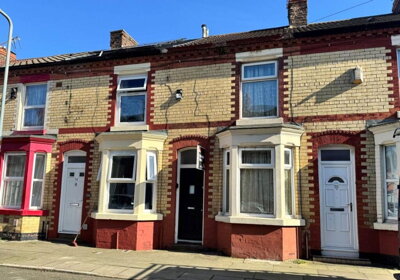
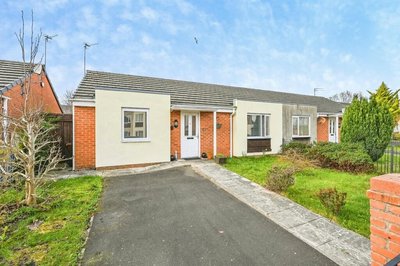
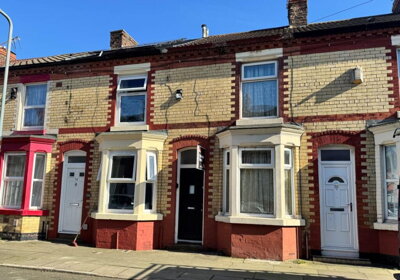
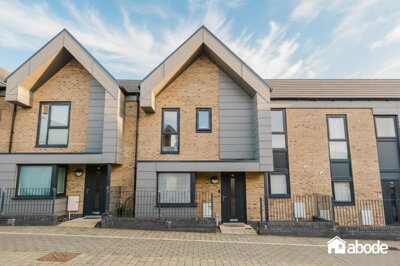
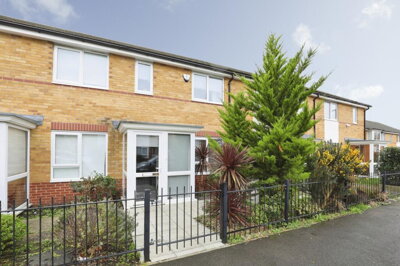
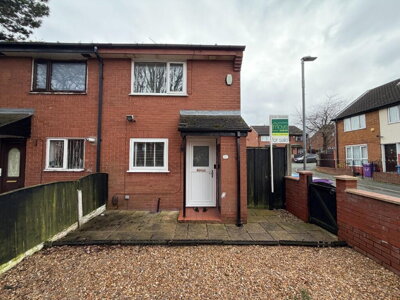
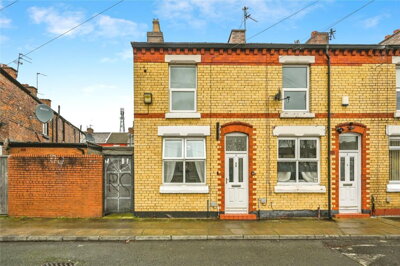
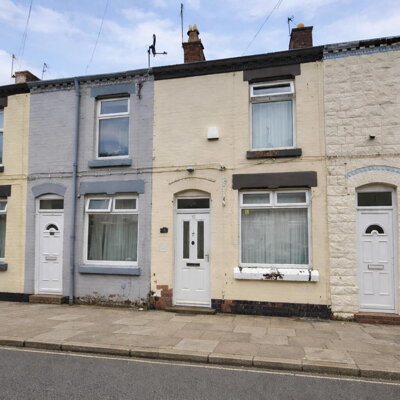
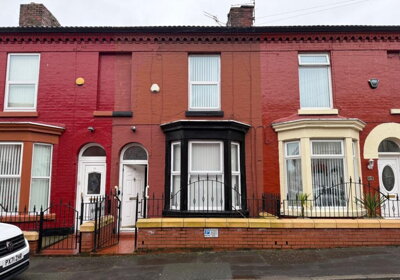
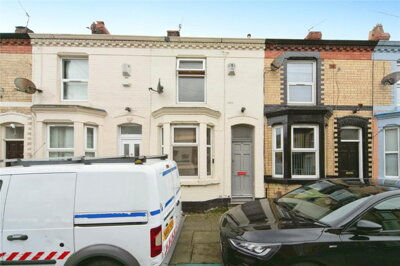
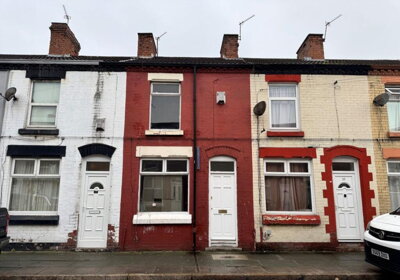
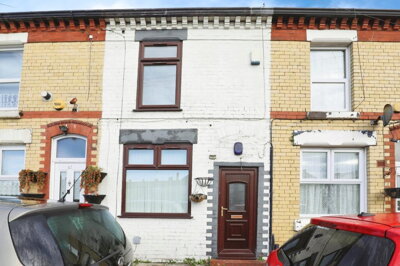
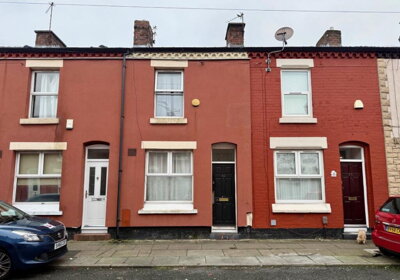
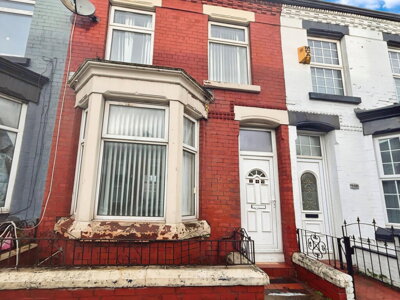
Browse 70 homes for sale in L69 from local estate agents.
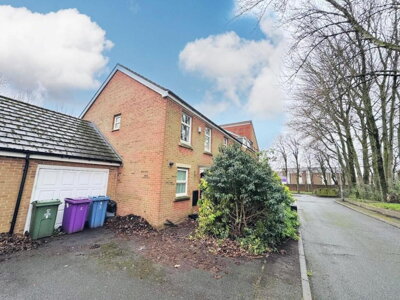
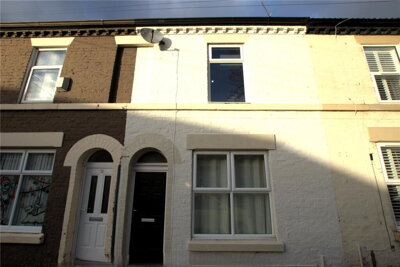
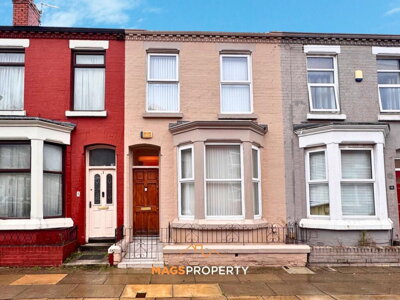
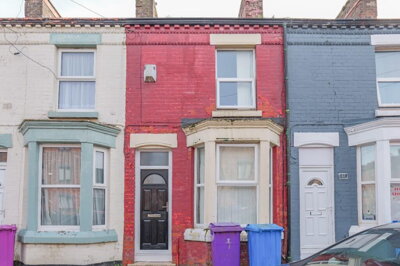
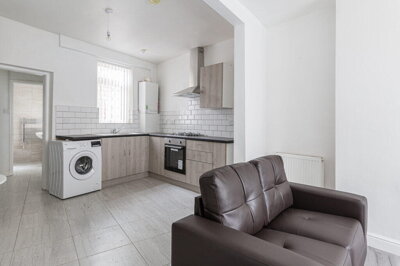
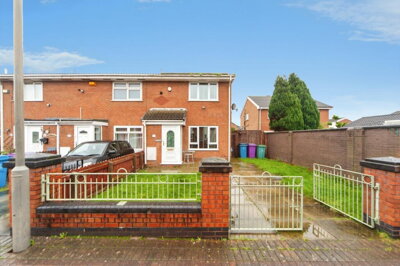
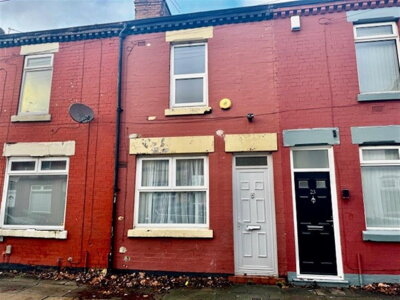
The 2 bed house market features detached, semi-detached, and terraced properties with two separate bedrooms plus living spaces. Properties in L69 range from Victorian and Edwardian period homes to modern new builds, with pricing varying across different neighbourhoods.
£0k
0
0
0
Source: home.co.uk
Showing 0 results for 2 Bedroom Houses for sale in L69.
The Liverpool property market has demonstrated steady growth, with average house prices increasing by £7,200 over the past twelve months, representing a 3% rise. More recent data shows an even stronger performance, with the average house price up 9.5% from December 2024 to December 2025, outpacing the North West regional average of 4.5%. This positive trend reflects growing buyer interest in the city and its continued regeneration. There were approximately 9,000 property sales in the Liverpool postcode area in the previous twelve months, though transactions did drop by 21.9% compared to the previous period, indicating a tightening of available stock rather than reduced demand.
Property prices in Liverpool vary considerably by type, providing options for different budgets and preferences. Detached properties command the highest average price at around £385,000, offering generous space and often located in more established suburban areas. Semi-detached homes average £232,000, representing excellent value for families seeking extra room without premium city centre pricing. Terraced properties, which form a significant portion of Liverpool's housing stock at 38%, average £174,000, while flats and maisonettes start from approximately £130,000, making them accessible options for first-time buyers and investors alike.
The most common price range for properties sold in Liverpool was £100,000-£150,000, accounting for 22.2% of all transactions, followed by the £150,000-£200,000 range at 19.5%. This concentration of sales in the lower-to-mid price brackets demonstrates the accessibility of Liverpool's property market for buyers working with more modest budgets. Terraced properties showed particularly strong price growth at 10.8% in the year to December 2025, while flats increased by around 7%, suggesting strong demand for these more affordable property types.

Liverpool is a city that wears its history proudly while embracing the future, offering residents a quality of life that combines cultural depth with modern conveniences. The city is home to approximately 486,100 residents, with a median age of 35, reflecting a vibrant mix of young professionals, families, and students that contributes to its dynamic atmosphere. The Liverpool City Region has seen steady population growth, and the number of households increased to 207,491 between 2011 and 2021, indicating sustained demand for housing across the area.
The character of Liverpool's neighbourhoods varies dramatically, from the grand Georgian squares of the city centre to the tightly packed terraces of outer districts. Semi-detached housing represents the most common property type in the Liverpool City Region at 39%, though Liverpool itself has a notably higher percentage of terraced housing compared to other local authorities in the area. The city's housing tenure is diverse, with around 47% owner-occupied properties, 26% private rented, and 26% social rented, creating a balanced community mix. Liverpool's residents enjoy access to world-class cultural attractions including museums, galleries, theatres, and a thriving music and nightlife scene, all of which contribute to the city's appeal as a place to live.
The city centre features architecture spanning over 300 years, from Georgian townhouses with original stucco facades to Victorian warehouses converted into contemporary apartments. Red brick and local sandstone feature prominently in 19th-century industrial buildings and university structures throughout the area. Our team often sees properties near the University of Liverpool campus and in the Georgian Quarter attracting buyers who appreciate period details like original cornicing, high ceilings, and ornate fireplaces. The Baltic Triangle, once an industrial district, has transformed into one of the city's most desirable neighbourhoods for young professionals seeking characterful converted properties.

Liverpool offers a comprehensive range of educational options, making it an attractive destination for families with children of all ages. The city is home to several highly regarded primary and secondary schools, with multiple institutions achieving good or outstanding Ofsted ratings. Parents searching for property in the Liverpool area should research specific school catchment areas, as these can significantly impact property values and availability in desirable neighbourhoods. The presence of quality schools throughout the city means families have genuine choice regardless of where they settle within the L69 district and surrounding areas.
Beyond school-level education, Liverpool punches well above its weight academically, being home to the University of Liverpool, Liverpool John Moores University, and Liverpool Hope University. These institutions attract thousands of students annually, contributing to the city's youthful atmosphere and supporting a diverse rental market. For families considering higher education options, the concentration of universities in Liverpool provides convenient access to undergraduate and postgraduate programmes without the need to relocate far from family. The presence of further education colleges and specialist training providers adds additional depth to the educational landscape, ensuring residents have pathways from primary school through to vocational qualifications and university degrees.
The presence of major universities also creates significant demand for rental properties near campus locations and in the city centre. Postcodes near the University of Liverpool, including areas within walking distance of the L69 district, command premium rents from students and postgraduate researchers. Landlords purchasing properties for the student rental market often favour Victorian terraces with multiple bedrooms or modern city centre apartments. Families with school-age children should note that catchment areas can be highly competitive in popular neighbourhoods, and we recommend speaking to local estate agents about school proximity when narrowing down your property search.
Liverpool benefits from excellent transport connections that make it accessible to commuters and those who travel regularly for work or leisure. Liverpool Lime Street station serves as the city's mainline railway hub, offering direct services to major destinations including London Euston, Manchester, Birmingham, and Leeds. Journey times to Manchester typically take around 40-50 minutes, while London can be reached in approximately two hours by the fastest Virgin Trains services. The Merseyrail network provides extensive local and regional rail coverage across the city region, connecting residential areas with the city centre and key employment zones.
For those who drive, Liverpool is well-connected to the national motorway network via the M62, which links the city to Manchester and Leeds to the east, and provides connections to the M6 and M1 beyond. The Mersey Gateway Bridge has improved crossings of the River Mersey, reducing congestion on older routes. Liverpool John Lennon Airport offers domestic and international flights, serving destinations across Europe and beyond, while the Port of Liverpool provides ferry connections to Ireland. Within the city, comprehensive bus services operated by Arriva and other providers offer extensive coverage of residential neighbourhoods and key destinations, making car ownership optional for many residents.
Properties with good transport links often command a premium in Liverpool, particularly those within walking distance of Merseyrail stations or bus corridors connecting to the city centre. The waterfront areas near the Royal Albert Dock benefit from proximity to the Mersey Ferry terminal and the Liverpool One bus station, making them popular choices for commuters who work in the city centre. The Baltic Triangle and the Georgian Quarter both offer excellent access to public transport while maintaining the characterful architecture that many buyers seek. Our listings include detailed transport information for each property, helping you identify homes that meet your commuting requirements.
Before you begin viewing properties, establish your realistic budget by obtaining a mortgage agreement in principle from a lender. This document confirms how much you can borrow based on your financial circumstances and strengthens your position when making offers on properties in Liverpool's competitive market. Our team recommends speaking to at least two or three lenders or mortgage brokers to compare rates and find the most suitable product for your circumstances.
Take time to visit different areas within and around the L69 postcode district to find the neighbourhood that best suits your lifestyle needs. Consider factors such as proximity to work, schools, transport links, amenities, and the character of local housing stock, from Victorian terraces to modern apartments. We suggest spending time in each area at different times of day to get a genuine feel for the neighbourhood atmosphere and any potential issues such as noise or traffic.
Use Homemove to browse all available properties in Liverpool, filtering by price, property type, number of bedrooms, and other criteria. Once you have identified properties of interest, arrange viewings through the listed estate agents to assess their condition, location, and potential. Our platform brings together listings from multiple estate agents across Liverpool, giving you a comprehensive view of what is currently available in your target areas.
Before completing your purchase, we strongly recommend instructing a RICS Level 2 HomeBuyer Survey to assess the property's condition thoroughly. Given that much of Liverpool's housing stock dates from the Victorian and Georgian eras, a professional survey can identify issues such as damp, structural movement, or roof problems that may not be immediately apparent. Our inspectors are experienced in assessing period properties common to Liverpool and will provide a detailed report on the property's condition. Survey costs in Liverpool typically start from approximately £445 for a standard property.
Appoint a conveyancing solicitor to handle the legal aspects of your property purchase, including searches, contracts, and registration with the Land Registry. Your solicitor will coordinate with the seller's representatives and manage the transfer of funds on completion day. We recommend obtaining quotes from at least three conveyancing firms, as fees can vary significantly. Conveyancing costs in Liverpool typically range from £500 to £1,500 depending on complexity and property value.
Once all searches are satisfactory and mortgage finance is confirmed, you will exchange contracts with the seller and pay your deposit. On the agreed completion date, your solicitor will transfer the remaining funds, and you will receive the keys to your new Liverpool home. We recommend arranging buildings insurance before completion and coordinating with removal firms well in advance, particularly if you are moving during a popular time such as the end of the month or during school holidays.
Liverpool's architectural heritage means that many properties are Victorian or Georgian terraced homes requiring careful inspection before purchase. When viewing properties, pay close attention to signs of damp, which can be common in older buildings, particularly in ground floor rooms and basements. Check the condition of roofs, as aging slates or tiles may require maintenance or replacement. Examine walls for cracks that could indicate structural movement, and ask about the age and condition of windows, doors, and any uPVC replacements that may have been installed over original features.
Liverpool's buildings reflect the city's history as a major trading port, with construction using a variety of materials including red brick, local sandstone, cast iron, and granite. The Royal Albert Dock, dating back to 1846, was built using cast iron, stone, and bricks specifically to prevent fire hazards, demonstrating the innovative construction methods used in Liverpool's maritime structures. Many Victorian and Edwardian properties in residential areas feature solid brick construction with traditional lime-based mortars that allow buildings to breathe, so our inspectors always check whether modern cement pointing has been incorrectly applied, as this can trap moisture and cause deterioration.
The city has over 2,500 listed buildings, with 27 Grade I and 105 Grade II* listed structures of national importance. Listed buildings are concentrated in the city centre and throughout various neighbourhoods, particularly around the Albert Dock and the Georgian Quarter. If you are considering a listed property, be aware that consent may be required for alterations or renovations, and specific materials and methods must be used for any work. Conservation areas also impose restrictions on external changes, so research these designations before purchasing. For leasehold properties, which are common in city centre apartments, review the remaining lease term, ground rent obligations, and service charge amounts carefully, as these ongoing costs can vary significantly between developments.
Flood risk should be considered for properties near the River Mersey or the city's docklands area, given Liverpool's position as a port city on the Mersey Estuary. While not all areas are affected, those close to the waterfront may require additional insurance and should be investigated thoroughly. Our inspectors always check flood risk indicators and recommend requesting a specific flood risk search as part of the conveyancing process. Always review local authority planning records for any proposed developments nearby that could affect your property's value, outlook, or amenity.
The average property price in the Liverpool postcode area was £217,000 as of December 2025, with a median price of £185,000. Prices have risen by approximately 9.5% over the past year, with terraced properties showing particularly strong growth at 10.8% and flats increasing by around 7%. The most common price range for properties sold was £100,000-£150,000, accounting for 22.2% of all transactions, followed by the £150,000-£200,000 range at 19.5%. There were approximately 9,000 property sales in the previous twelve months, though this represents a 21.9% decrease compared to the prior period, suggesting reduced stock availability rather than falling demand.
Liverpool City Council sets council tax bands based on property valuations, with Band A properties typically paying around £1,200-£1,400 annually and Band H properties paying over £2,500. The exact band for any specific property can be checked on the Valuation Office Agency website or through Liverpool City Council's online portal. Properties in Liverpool's Georgian Quarter and city centre often fall into higher bands due to their location and historical values, while terraced properties in outer districts frequently qualify for Bands A or B. When budgeting for a property purchase, factor in annual council tax payments alongside mortgage costs, service charges, and other outlays.
Liverpool has several primary and secondary schools that consistently achieve good or outstanding Ofsted ratings, including Liverpool College, the Belvedere Academy, and King Edward VI College for secondary education. Specific school performance changes annually, so we recommend checking the Ofsted website for the latest inspection results and comparing performance data. The city also offers Grammar school options for academically selective students, with Wirral Grammar School and others in the surrounding area accessible from Liverpool postcodes. Research catchment areas carefully, as admission policies are typically based on proximity to the school, and properties near popular schools often command a premium.
Liverpool offers excellent public transport connectivity, with Liverpool Lime Street providing direct rail services to London, Manchester, Birmingham, and other major cities. The Merseyrail network extends across the city region, connecting areas like Southport, Ormskirk, and Chester to the city centre, while comprehensive bus services cover residential neighbourhoods throughout the area. Liverpool John Lennon Airport serves domestic and European destinations, and the Mersey Ferry offers an iconic crossing of the river for both commuters and tourists. For commuters to Manchester, journey times of around 45 minutes make regular travel feasible, and Liverpool's connectivity continues to improve with ongoing investment in transport infrastructure.
Liverpool has shown consistent property price growth, with average prices rising by approximately 9.5% in the year to December 2025, outperforming many regional comparators. The city attracts strong rental demand from students, young professionals, and maritime industry workers, supporting a healthy private rented sector that represents 26% of all households. Ongoing regeneration projects, including the Liverpool City Centre Strategic Investment Framework, continue to improve neighbourhoods and amenities, potentially enhancing long-term capital growth prospects for property investors. The concentration of universities and the growing technology and creative sectors contribute to sustained demand for both rental and purchase properties.
For standard purchases, stamp duty rates start at 0% on the first £250,000 of property value, rising to 5% on the portion between £250,001 and £925,000, then 10% up to £1.5 million, and 12% on any amount above that. Given Liverpool's average property price of £217,000, most buyers purchasing at or near the average would pay zero stamp duty. First-time buyers benefit from relief on the first £425,000, paying 5% between £425,001 and £625,000, with no relief above £625,000. Properties purchased as additional residences incur a 3% surcharge on all bands. Always verify current thresholds with HMRC, as rates can change.
Victorian properties are abundant in Liverpool and often feature original period details such as ornate cornicing, high skirting boards, and cast iron fireplaces that require careful maintenance. Our inspectors frequently identify damp as a concern in Victorian terraces, particularly in ground floor rooms and basement spaces, due to the maritime climate and traditional solid wall construction. Check for signs of structural movement, assess roof condition, and verify whether the property is listed if it has notable architectural features, as this will restrict renovation options. Given Liverpool's historic use of local sandstone and traditional lime mortars, ensure any renovation work uses appropriate breathable materials that are compatible with the original construction.
From 4.5% APR
Compare mortgage deals and get expert advice on financing your Liverpool property purchase
From £499
Professional solicitors to handle the legal aspects of your property purchase in Liverpool
From £445
Professional home survey to assess property condition before you buy
From £60
Energy performance certificate required for property sales and rentals
When purchasing property in Liverpool, you will need to budget for stamp duty land tax alongside other buying costs. For a property priced at the Liverpool average of £217,000, a standard buyer would pay no stamp duty on the first £250,000, resulting in zero SDLT liability under current thresholds. First-time buyers purchasing at this price point would also pay nothing, as the relief covers the entire value for properties under £425,000. However, for higher-value properties, such as a semi-detached home averaging £232,000 or a detached property at £385,000, stamp duty calculations become more significant and buyers should budget accordingly.
Beyond stamp duty, purchasing a home involves solicitor fees for conveyancing, typically ranging from £500 to £1,500 depending on complexity and property value. Survey costs should also be factored in, with a RICS Level 2 HomeBuyer Survey in Liverpool averaging approximately £445. Mortgage arrangement fees vary by lender but often range from £500 to £2,000, and you may need to pay for a mortgage valuation if your lender requires one. Removal costs, potential estate agent fees if you are selling simultaneously, and buildings insurance should also be included in your budget planning.
We recommend setting aside an additional 10% of your property purchase price to cover unexpected costs, including potential repairs identified during survey, valuation shortfalls if the property is valued below the agreed price, and legal complications that can arise during the conveyancing process. Being thorough with your cost estimates ensures you have sufficient funds available when completion day arrives. Our team can provide more detailed guidance on the specific costs associated with purchasing in your target Liverpool neighbourhood.
Properties for Sale In London

Properties for Sale In Plymouth

Properties for Sale In Liverpool

Properties for Sale In Glasgow

Properties for Sale In Sheffield

Properties for Sale In Edinburgh

Properties for Sale In Coventry

Properties for Sale In Bradford

Properties for Sale In Manchester

Properties for Sale In Birmingham

Properties for Sale In Bristol

Properties for Sale In Oxford

Properties for Sale In Leicester

Properties for Sale In Newcastle

Properties for Sale In Leeds

Properties for Sale In Southampton

Properties for Sale In Cardiff

Properties for Sale In Nottingham

Properties for Sale In Norwich

Properties for Sale In Brighton

Properties for Sale In Derby

Properties for Sale In Portsmouth

Properties for Sale In Northampton

Properties for Sale In Milton Keynes

Properties for Sale In Bournemouth

Properties for Sale In Bolton

Properties for Sale In Swansea

Properties for Sale In Swindon

Properties for Sale In Peterborough

Properties for Sale In Wolverhampton

Enter your details to see if this property is within your budget.
Loans, cards, car finance
Estimated property budget
Borrowing + deposit
You could borrow between
Typical borrowing
Monthly repayment
Est. at 4.5%
Loan-to-value
This is an estimate only. Your actual budget may vary depending on interest rates, credit history, and personal circumstances. For an accurate affordability assessment, speak to one of our free mortgage advisors.
This calculator provides estimates for illustrative purposes only and does not constitute financial advice. Your home may be repossessed if you do not keep up repayments on your mortgage. Estimates based on 4.5% interest rate, repayment mortgage. Actual rates depend on your circumstances.
Homemove is a trading name of HM Haus Group Ltd (Company No. 13873779, registered in England & Wales). Homemove Mortgages Ltd (Company No. 15947693) is an Appointed Representative of TMG Direct Limited, trading as TMG Mortgage Network, which is authorised and regulated by the Financial Conduct Authority (FRN 786245). Homemove Mortgages Ltd is entered on the FCA Register as an Appointed Representative (FRN 1022429). You can check registrations at NewRegister or by calling 0800 111 6768.

We use cookies to show you personalised content and improve your experience of our website. Find out more in our Privacy policy and Cookie policy.