Browse 541 homes for sale in L4 from local estate agents.
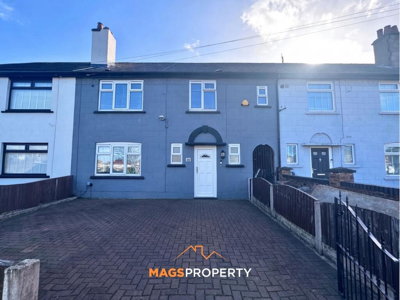
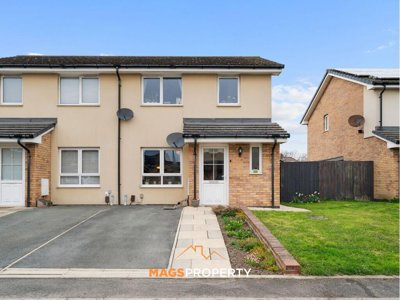
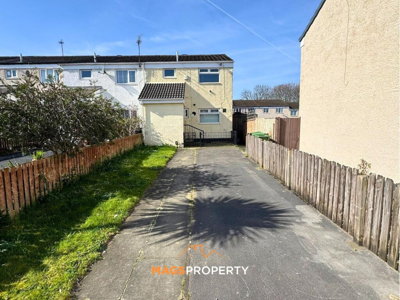
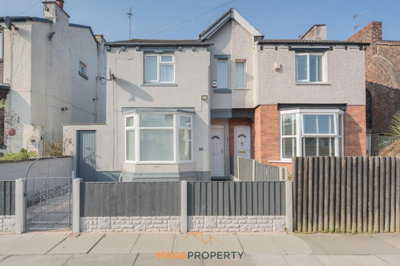
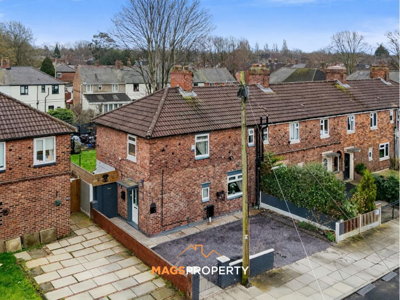
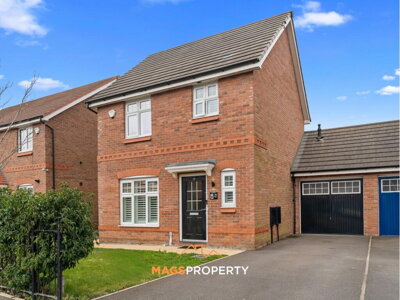
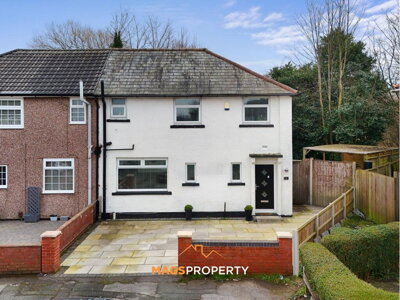
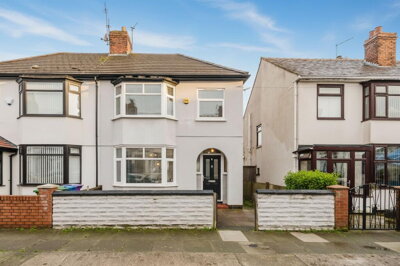
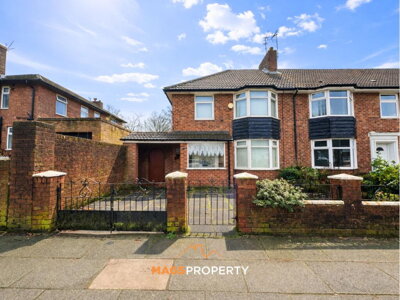
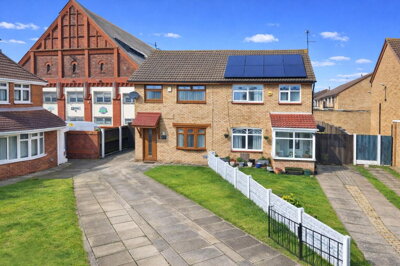
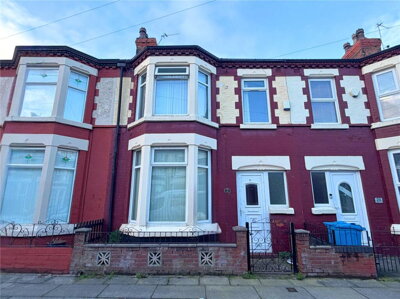
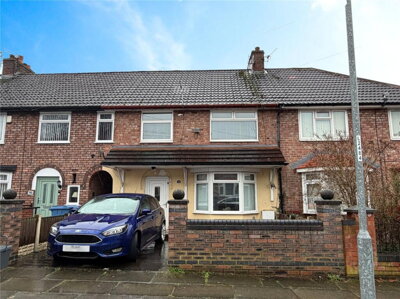
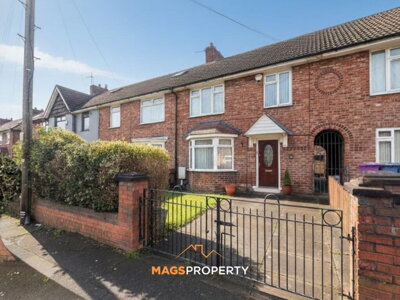
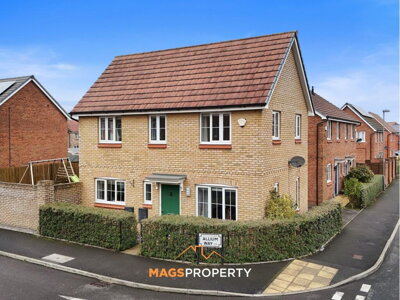
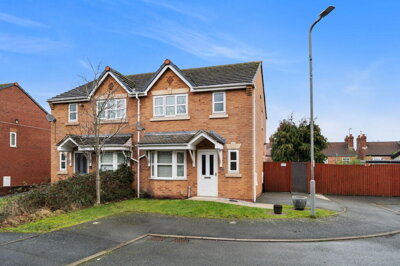
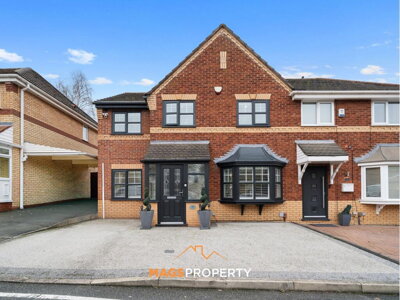
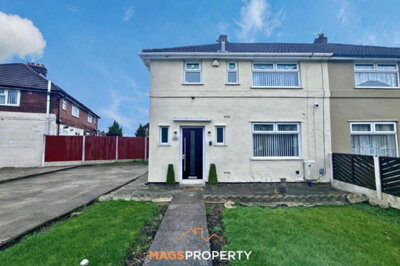
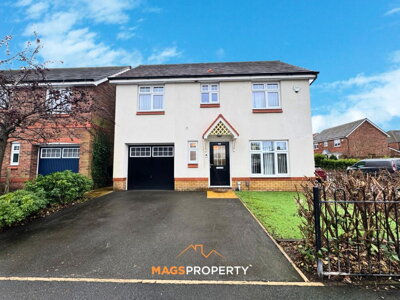
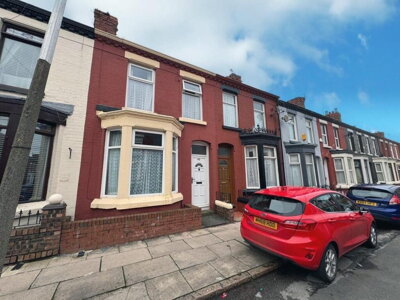
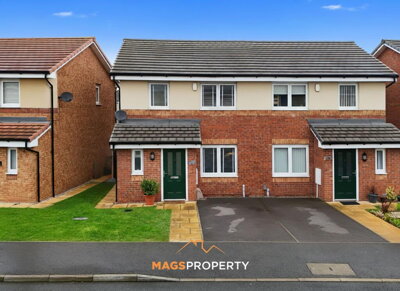
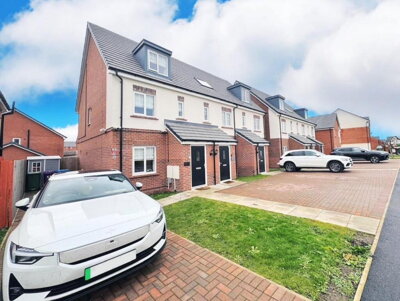
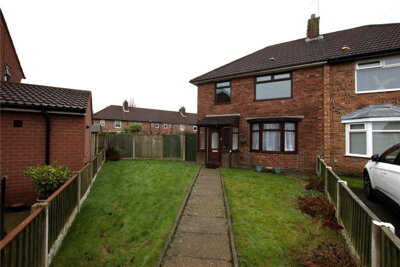
Three bedroom properties represent a significant portion of the L4 housing market, offering space for families with multiple reception rooms and gardens in many cases. Browse detached, semi-detached, and terraced options ranging from period character homes to contemporary developments.
£150k
61
4
94
Source: home.co.uk
Showing 61 results for 3 Bedroom Houses for sale in L4. 4 new listings added this week. The median asking price is £149,950.
Source: home.co.uk
Terraced
49 listings
Avg £138,506
Semi-Detached
12 listings
Avg £173,746
Source: home.co.uk
Source: home.co.uk
The L4 property market offers diverse options across all property types, with prices that cater to various budgets and requirements. Detached properties command the highest average prices at around £213,250, reflecting the generous space and established positions these homes typically occupy within the neighbourhood. Semi-detached homes average £176,079 according to Rightmove data, making them popular choices for families seeking more room than traditional terraces provide while remaining competitively priced compared to city-wide averages.
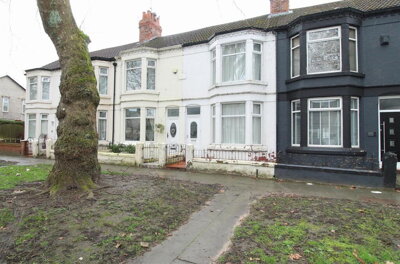
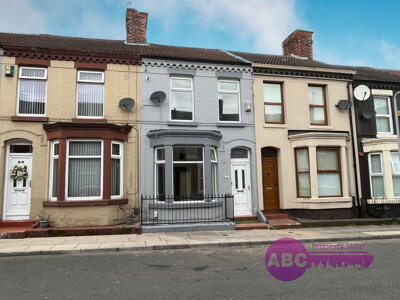
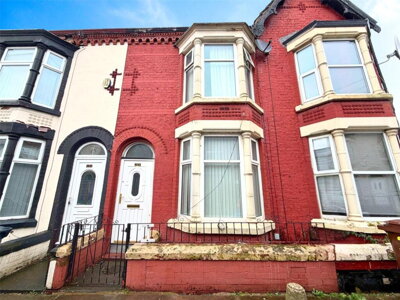
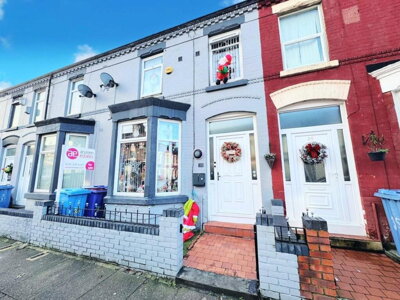
Terraced properties form the backbone of the L4 housing stock, with average prices of £123,790 according to Rightmove and £126,733 per Zoopla. These Victorian and Edwardian terraces often feature original fireplaces, high ceilings, and bay windows that characterise Liverpool's residential architecture. Flats in the area offer the most accessible entry point at approximately £78,375, though Rightmove and Zoopla figures show some variation in this segment, suggesting different development types from period conversions to purpose-built apartments are available.
Recent market activity shows 187 residential property sales in L4 over the past year, representing a decrease of 73.80% relative to the previous year. This reduction in transaction volume reflects broader national trends in mortgage affordability and property supply constraints rather than weakening demand. Property Solvers reports a 4.87% increase in prices over the last 12 months and an impressive 30.27% growth over five years, indicating sustained long-term value appreciation in the area. Sector-specific data from Housemetric reveals particularly strong growth in L4 4 at 20.1%, followed by L4 2 at 18.4%, with L4 3 showing 11.4% annual appreciation.

The L4 postcode encompasses some of Liverpool's most characterful neighbourhoods, with Walton and Anfield serving as the area's focal points. Walton has evolved from its origins as a separate township into an integral part of north Liverpool, retaining a strong local identity that distinguishes it from city centre districts. The area boasts a diverse population with an average age of 36 in sectors like L4 4LT and L4 1XX, suggesting a balanced mix of families, young professionals, and established residents who contribute to the community's vitality.
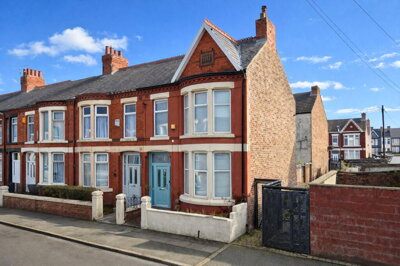
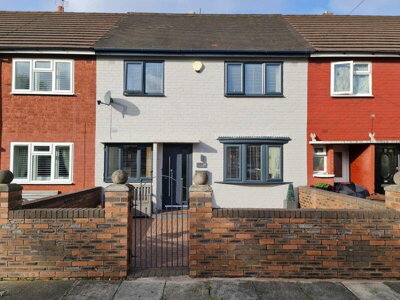
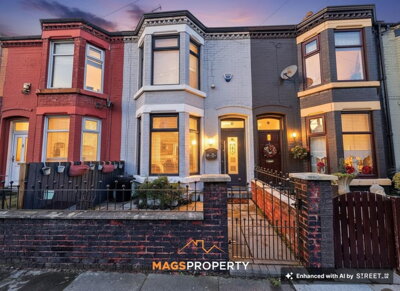
Architecture throughout L4 reflects its Victorian and Edwardian heritage, with brick-built terraced houses lining residential streets and yellow brick and red brick dressings adorning more substantial properties. Many buildings feature slate roofs, a hallmark of period construction in the area. The presence of Grade II listed structures throughout Stanley Park and Anfield Cemetery demonstrates the architectural significance of certain L4 locations, with Victorian-era bridges, walls, shelters, and pavilions contributing to the area's visual character. Anfield Cemetery itself contains entrances, lodges, catacombs, a chapel, and a crematorium registered in the National Register of Historic Parks and Gardens at Grade II*.
Local amenities in L4 cater to everyday needs, with shops, restaurants, and services along major thoroughfares serving the residential communities. The area's location north of Liverpool city centre provides residents with relatively easy access to urban facilities while maintaining a more residential character than central districts. Parks and green spaces, including Stanley Park with its Grade II registered status, offer recreational opportunities for residents seeking outdoor activities close to home.
The local economy in L4 benefits from Liverpool City Region's diversifying economic base, with human health activities representing a significant employment sector in the area. The broader city region hosts advanced manufacturing clusters contributing around £3bn to the economy and employing 22,000 people, alongside strong smart logistics infrastructure supporting local job creation.

Families considering a move to L4 will find a range of educational establishments serving the local community. The area hosts primary schools catering to children from Reception through Year 6, with several options within walking distance of residential neighbourhoods across Walton, Anfield, and Breckfield. Secondary schools in the wider north Liverpool area serve students progressing from primary education, with some institutions offering specialist subjects and strong academic track records. Parents should research specific catchment areas and admission policies when considering schools, as these can significantly impact educational placement.
The Liverpool City Region prioritises education as a key driver of economic development, with advanced manufacturing and other growth sectors creating demand for skilled workers. Local secondary schools and sixth forms prepare students for further education and career opportunities, with several institutions offering vocational courses alongside traditional A-level programmes. Further education colleges in the wider Liverpool area provide additional pathways for students completing their secondary education.
For families prioritising educational outcomes, visiting schools during open days and reviewing Ofsted inspection reports provides valuable insight into individual institution performance. The diversity of school types in and around L4, including faith schools and community schools, offers parents choices aligned with their values and educational philosophies. Transport connections to schools across Liverpool are generally good from L4, with bus services providing access to institutions throughout the city.
L4 enjoys excellent transport connections that make commuting to Liverpool city centre and beyond straightforward for residents. The area sits north of the city centre with major roads providing car access to central districts, employment hubs, and retail areas. Queens Drive and other arterial routes connect L4 with Liverpool's motorway network, linking to the M57 and M58 for travel to destinations further afield. Bus services operated by Arriva and other providers run through L4, offering frequent connections to the city centre and surrounding neighbourhoods.
Rail services from Liverpool Lime Street station provide access to national destinations including Manchester, Birmingham, and London Euston, with journey times to Manchester typically around one hour. For international travel, Liverpool John Lennon Airport offers flights to European destinations, while Manchester Airport is accessible via rail or road for a wider range of routes. The Liverpool City Region benefits from smart logistics infrastructure, supporting the local economy and providing employment opportunities accessible from L4.
Local commuting within L4 itself is facilitated by relatively compact neighbourhood layouts, with shops, schools, and services often within walking or cycling distance. The area's position north of the city centre means that cycling to work in central Liverpool is feasible for many residents, particularly given investment in cycling infrastructure across the city region. Parking availability varies by specific location within L4, with terraced street parking patterns differing from areas with more semi-detached housing.
Explore different sectors within L4 including Walton, Anfield, and Breckfield to find the neighbourhood that best matches your lifestyle preferences. Consider proximity to schools, transport links, parks like Stanley Park, and local amenities when narrowing your search area. Each sector has distinct character, with Walton offering traditional high street amenities and Anfield providing proximity to the famous football stadium and Stanley Park.
Before arranging viewings, obtain a mortgage agreement in principle from a lender to understand your budget and demonstrate your purchasing capability to estate agents. Our mortgage comparison tool helps you find competitive rates from lenders across the market. Given the average property price of £133,364 in L4, most buyers will require mortgage finance, and securing agreement in principle before viewing helps streamline the purchasing process.
Contact estate agents listing properties in L4 to arrange viewings of homes that match your criteria. Our platform provides direct links to current listings, making it easy to book appointments and compare different properties across terraced, semi-detached, and flat options available in the area. When viewing period properties, take time to inspect original features, window conditions, and signs of damp or structural movement.
Once you have had an offer accepted, arrange a RICS Level 2 survey to assess the property condition thoroughly. Given L4's significant stock of older Victorian and Edwardian properties, this survey will identify any issues with damp, roof condition, or structural elements that may require attention. Our inspectors regularly find concerns including timber defects, outdated electrical wiring, and slate roof deterioration in period properties throughout the area.
Choose a solicitor experienced in Liverpool property transactions to handle the legal aspects of your purchase. They will conduct searches, review contracts, and coordinate with your mortgage lender to ensure a smooth transaction through to completion. Liverpool City Council searches will check for planning permissions, highway proposals, and environmental factors relevant to the specific L4 neighbourhood.
Once all surveys, searches, and legal checks are satisfactory, your solicitor will exchange contracts and agree a completion date. On completion day, the remaining balance is transferred and you receive the keys to your new L4 home. Our team will continue to support you with information on local services and any additional property needs you may have.
Purchasing property in L4 requires attention to specific local factors that can affect your investment and quality of life. The predominant brick construction of terraced and semi-detached properties means that external wall insulation and damp proof courses are worth checking, particularly in older properties. Original features common in Victorian terraces, while desirable, may require maintenance investment over time, and understanding the condition of sash windows, original fireplaces, and period plasterwork helps budget appropriately.
The concentration of Grade II listed buildings in areas like Stanley Park and Anfield Cemetery means some neighbouring properties may be affected by listing regulations or fall within conservation considerations. Buyers should clarify whether any property they are considering is listed or within a conservation area, as this can affect permitted development rights and maintenance obligations. Semi-detached and terraced properties in these areas often have historical connections to the registered parks and gardens.
Service charges and leasehold arrangements apply to some properties in L4, particularly flats and apartments. Understanding the annual service charge, any planned major works, and the remaining lease term provides essential context for budgeting and long-term ownership costs. Ground rent arrangements on leasehold properties should be reviewed carefully, as these can affect future saleability and overall ownership costs over extended periods.
Our inspectors frequently identify specific defect patterns in L4 properties during surveys. Victorian and Edwardian terraces commonly show signs of rising damp where original damp proof courses have failed over time. Slate roofs on these older properties often require attention, with slipped slates, perished mortar, and timber rafter deterioration noted regularly. Electrical installations in properties that have not been recently rewired may date from the 1960s or earlier, presenting safety concerns that require upgrading.
The average house price in L4 over the last year was £133,364 according to Rightmove data, with Zoopla reporting a slightly lower figure of £130,387. Property prices have shown strong growth, rising 16% over the past year and 19% above the 2023 peak of £112,333. By property type, detached homes average £213,250, semi-detached properties £176,079, terraced houses £123,790, and flats approximately £78,375. The L4 4 sector showed the strongest annual growth at 20.1%, followed by L4 2 at 18.4% and L4 3 at 11.4%, indicating varied performance across different parts of the postcode.
Properties in L4 fall under Liverpool City Council administration. Council tax bands in the area range from A through to H, with most terraced properties and smaller homes typically falling into bands A to C, while larger semi-detached and detached properties may be in higher bands. The specific band depends on the property's valuation, and buyers can check current bands through the Valuation Office Agency website or request this information during the conveyancing process. Given average property values in L4, the majority of residential stock falls within the lower council tax bands, helping keep ongoing ownership costs manageable.
The L4 postcode contains several primary schools serving local families, with options within Walton and Anfield neighbourhoods. Secondary schools in the wider north Liverpool area serve students progressing from primary education, and parents should research specific Ofsted ratings, academic performance data, and catchment area boundaries when evaluating options. Schools in Liverpool generally perform in line with city-wide averages, and visiting institutions during open days provides valuable insight into individual school cultures and facilities. Transport links from L4 provide access to a range of educational institutions across north Liverpool, including faith schools and specialist options.
L4 enjoys good public transport connectivity with frequent bus services operated by Arriva and other providers linking the area to Liverpool city centre and surrounding neighbourhoods. Queens Drive and major arterial routes provide straightforward road access to central Liverpool and the motorway network including the M57 and M58. Liverpool Lime Street station offers rail connections to Manchester, London, Birmingham, and other national destinations, with the city centre accessible from L4 in approximately 15-20 minutes by bus. The nearby Port of Liverpool and logistics hubs in the wider city region are accessible by road, supporting employment opportunities in distribution and advanced manufacturing sectors.
L4 demonstrates strong investment fundamentals with Property Solvers reporting 30.27% price growth over five years and consistent annual appreciation across all major sectors. The average price of £133,364 positions the area below the Liverpool city average, suggesting potential for continued growth as the broader city region develops. Transaction volumes decreased 73.80% over the past year, reflecting national supply constraints rather than demand weakness, and rental demand in the area likely remains steady given local employment opportunities and transport connectivity. The local economy benefits from Liverpool City Region's advanced manufacturing cluster and smart logistics infrastructure, supporting long-term housing demand.
Stamp duty rates from April 2024 apply to all properties in England, including those in L4 and Liverpool. Standard rates are 0% on the first £250,000, 5% on £250,001 to £925,000, 10% on £925,001 to £1.5 million, and 12% on amounts exceeding £1.5 million. First-time buyers benefit from relief on the first £425,000, with 5% payable between £425,001 and £625,000. Most properties in L4 fall below the £425,000 threshold, meaning first-time buyers may pay no stamp duty at all on typical purchases in the area.
Given L4's substantial stock of Victorian and Edwardian properties, common defects include damp affecting walls and basements, roof condition issues on slate-covered structures, and outdated electrical wiring in older installations. Our inspectors frequently identify timber defects affecting floor structures and window frames in period properties throughout Walton and Anfield. RICS Level 2 surveys are specifically designed to identify these issues, highlighting concerns that may not be apparent during a standard viewing. The brick construction common in L4 is generally robust, though mortar deterioration and pointing issues can occur in older properties. Properties with original damp proof courses that have failed may require professional treatment and damp-proofing installation.
Flats in L4 include both freehold conversions and leasehold apartments, with lease terms varying significantly between developments. Older leasehold flats may have shorter remaining terms that require attention during conveyancing, as lenders typically require leases exceeding 70 years. Service charges in the area vary based on building management requirements, and prospective buyers should obtain details of annual charges, any sinking fund provisions, and planned maintenance programmes before committing to a purchase. Flats in converted Victorian terraces often share maintenance responsibilities with other leaseholders, requiring collective decision-making on major repairs.
Understanding the full costs of buying property in L4 helps you budget accurately for your purchase. The Stamp Duty Land Tax (SDLT) represents a significant expense for many buyers, though at current price levels in L4, many purchasers will find their liability is lower than in more expensive regions. For a typical terraced property priced at the area average of £123,790, a standard buyer would pay no SDLT as this falls entirely within the nil-rate band threshold. First-time buyers purchasing properties up to £425,000 would also pay no stamp duty under current relief provisions.
Additional buying costs include solicitor fees for conveyancing, which typically range from £499 to over £1,500 depending on the complexity of the transaction and property value. Survey costs should be factored in, with RICS Level 2 surveys averaging around £455 nationally, though prices can range between £416 and £639 based on property size and value. Search fees charged by local authorities for environmental, drainage, and planning checks typically add several hundred pounds to your legal costs. A mortgage arrangement fee of around 0.5% to 1.5% of the loan amount may also apply depending on your lender.
When calculating total purchase costs, factor in removal expenses, potential mortgage broker fees if using an independent adviser, and any immediate repair or renovation costs identified during survey. For leasehold properties, ground rent and service charge obligations should be reviewed as ongoing annual costs. Liverpool City Council tax bands range from A to H, with most residential properties in L4 falling in the lower bands due to typical property values in the area. Getting a mortgage agreement in principle before property viewings helps establish a clear budget and demonstrates serious intent to estate agents.
Given the age and construction characteristics of properties throughout L4, arranging a RICS Level 2 survey before completing your purchase provides essential protection against hidden defects. Our inspectors have extensive experience surveying Victorian and Edwardian terraces in Walton and Anfield, as well as semi-detached properties and period conversions throughout the postcode. The survey will assess the property condition systematically, identifying issues that may not be apparent during a standard viewing.
Common findings in L4 properties include damp affecting walls where original damp proof courses have deteriorated, slate roof defects including slipped tiles and perished mortar pointing, and electrical installations that do not meet current safety standards. Timber floor structures in period properties may show signs of rot or woodworm activity, particularly where ventilation is poor or where there has been historical damp penetration. The brick construction of most L4 properties is generally robust, though mortar joint deterioration is common in older properties that have not been well maintained.
A RICS Level 2 survey from our team costs from £455 depending on property value and size, with larger or more complex properties requiring higher fees. Flats may be cheaper to survey due to their smaller footprint, while substantial semi-detached or detached homes will require investment at the higher end of the range. The survey report provides detailed findings you can use to negotiate price adjustments with the seller or to plan essential repairs after moving in. For properties with significant defects, we may recommend a more comprehensive RICS Level 3 building survey that provides additional analysis and guidance.
From 3.84%
Compare mortgage rates from lenders across the market
From £499
Expert solicitors handling your Liverpool property purchase
From £455
Thorough condition survey for L4 properties
From £80
Energy performance certificate for your L4 property
Properties for Sale In London

Properties for Sale In Plymouth

Properties for Sale In Liverpool

Properties for Sale In Glasgow

Properties for Sale In Sheffield

Properties for Sale In Edinburgh

Properties for Sale In Coventry

Properties for Sale In Bradford

Properties for Sale In Manchester

Properties for Sale In Birmingham

Properties for Sale In Bristol

Properties for Sale In Oxford

Properties for Sale In Leicester

Properties for Sale In Newcastle

Properties for Sale In Leeds

Properties for Sale In Southampton

Properties for Sale In Cardiff

Properties for Sale In Nottingham

Properties for Sale In Norwich

Properties for Sale In Brighton

Properties for Sale In Derby

Properties for Sale In Portsmouth

Properties for Sale In Northampton

Properties for Sale In Milton Keynes

Properties for Sale In Bournemouth

Properties for Sale In Bolton

Properties for Sale In Swansea

Properties for Sale In Swindon

Properties for Sale In Peterborough

Properties for Sale In Wolverhampton

Enter your details to see if this property is within your budget.
Loans, cards, car finance
Estimated property budget
Borrowing + deposit
You could borrow between
Typical borrowing
Monthly repayment
Est. at 4.5%
Loan-to-value
This is an estimate only. Your actual budget may vary depending on interest rates, credit history, and personal circumstances. For an accurate affordability assessment, speak to one of our free mortgage advisors.
This calculator provides estimates for illustrative purposes only and does not constitute financial advice. Your home may be repossessed if you do not keep up repayments on your mortgage. Estimates based on 4.5% interest rate, repayment mortgage. Actual rates depend on your circumstances.
Homemove is a trading name of HM Haus Group Ltd (Company No. 13873779, registered in England & Wales). Homemove Mortgages Ltd (Company No. 15947693) is an Appointed Representative of TMG Direct Limited, trading as TMG Mortgage Network, which is authorised and regulated by the Financial Conduct Authority (FRN 786245). Homemove Mortgages Ltd is entered on the FCA Register as an Appointed Representative (FRN 1022429). You can check registrations at NewRegister or by calling 0800 111 6768.

We use cookies to show you personalised content and improve your experience of our website. Find out more in our Privacy policy and Cookie policy.