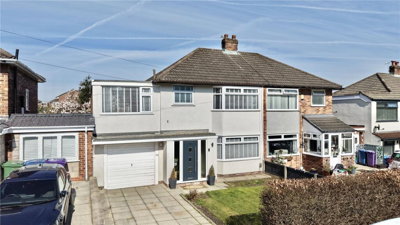
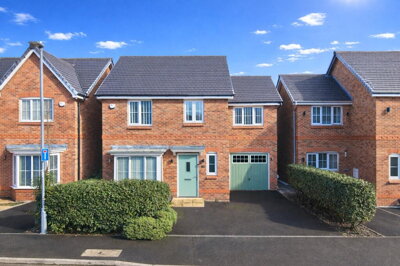
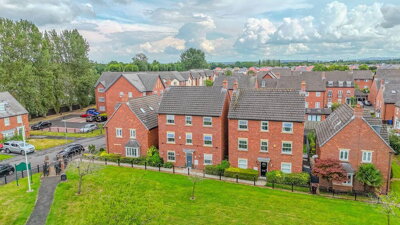
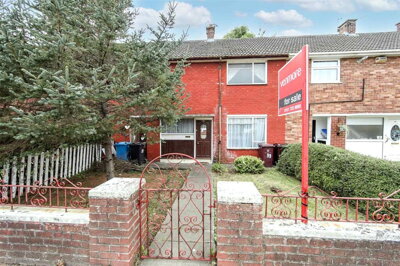
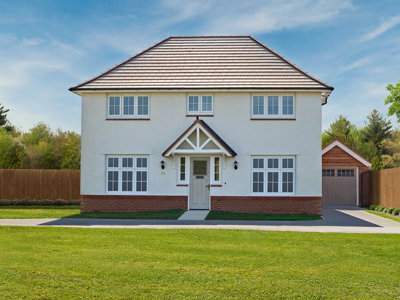
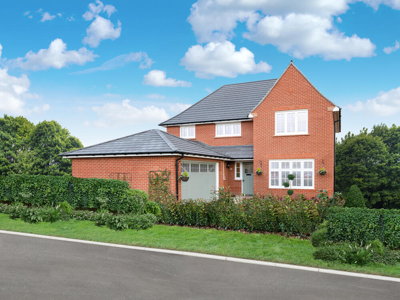
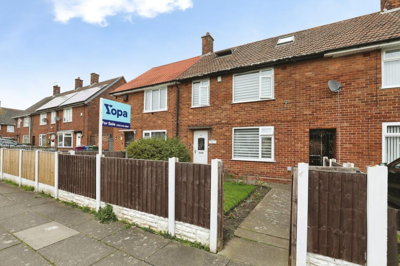
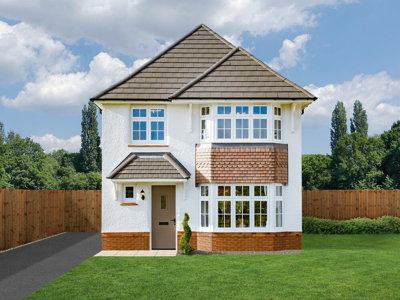
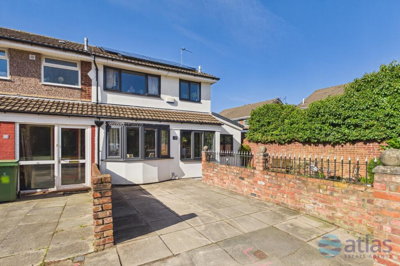
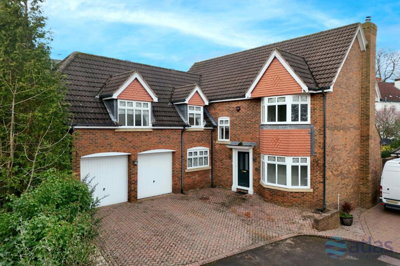
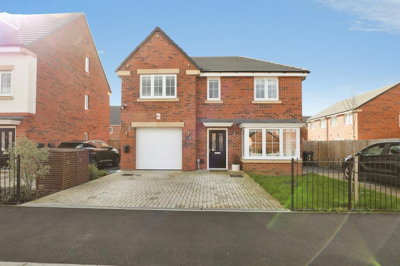
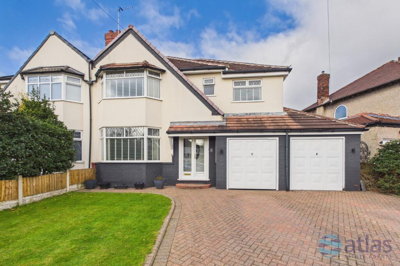
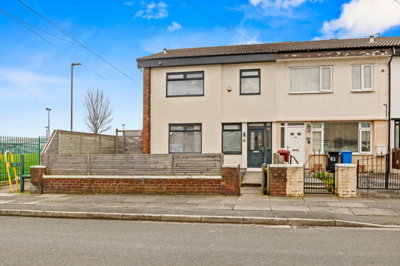
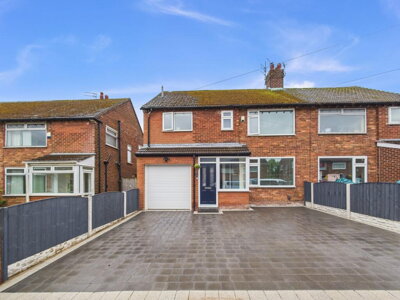
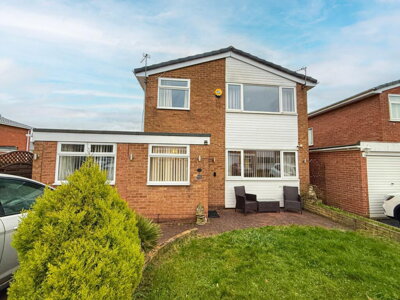
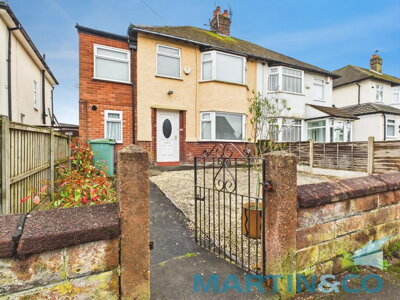
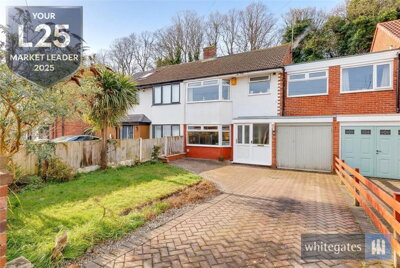
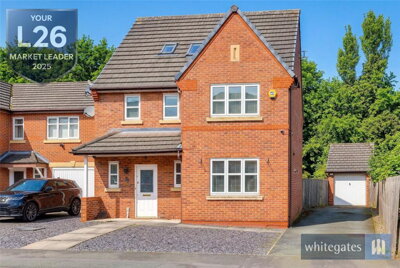
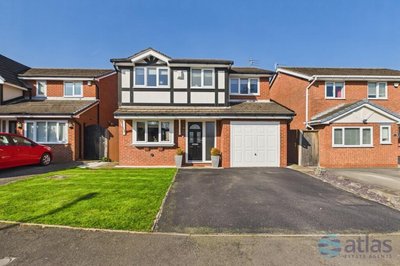
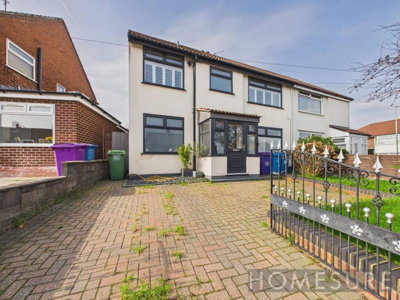
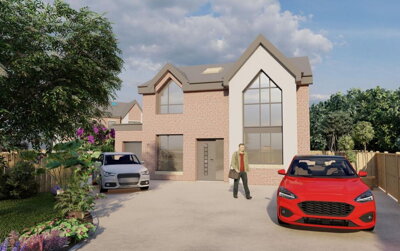
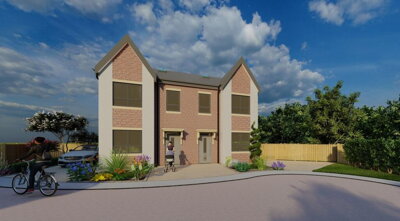
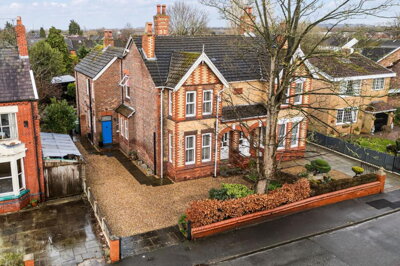
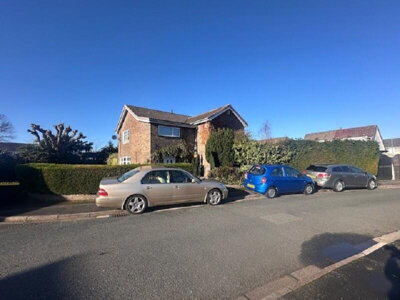
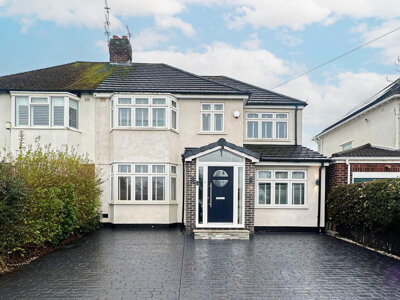
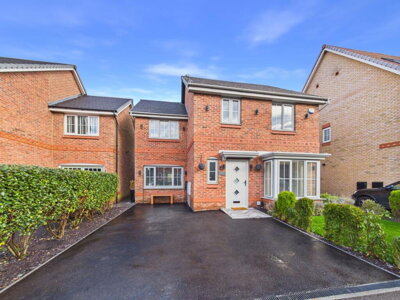
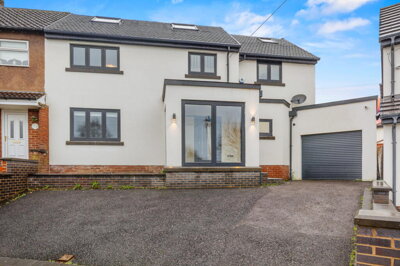
Browse 113 homes for sale in L26 from local estate agents.
The larger property sector typically features multiple bathrooms, substantial reception space, and private gardens or off-street parking. Four bedroom houses in L26 span detached, semi-detached, and occasionally terraced configurations, with styles ranging from period properties to modern executive homes.
£395k
32
2
83
Source: home.co.uk
Showing 32 results for 4 Bedroom Houses for sale in L26. 2 new listings added this week. The median asking price is £394,500.
Source: home.co.uk
Detached
29 listings
Avg £414,379
Terraced
2 listings
Avg £230,000
Semi-Detached
1 listings
Avg £300,000
Source: home.co.uk
Source: home.co.uk
The L26 property market has demonstrated impressive growth over the past five years, with property prices increasing by 69.54% according to Property Solvers data using HM Land Registry figures. This substantial appreciation reflects the enduring appeal of south Liverpool suburbs among families and professionals seeking space without sacrificing accessibility to the city centre. The overall average house price currently stands at £283,843, though individual property types command significantly different valuations. Detached homes in L26 average £378,519, making them ideal for families requiring additional bedrooms and garden space, while semi-detached properties at £223,072 offer excellent value for first-time buyers or those upgrading from terraced accommodation.
Terraced properties in L26 provide an accessible entry point to the local market, with average prices around £191,852. These homes often feature the characterful architecture typical of Liverpool's interwar housing stock, with bay windows, original fireplaces and generous room proportions that appeal to buyers seeking period features. The broader Liverpool housing market showed robust performance in late 2025, with the city-wide average reaching £185,000 in December, representing a 9.5% annual increase. Terraced properties across Liverpool rose by 10.8% year-on-year, outperforming other property types and signalling continued demand for family homes in the region. Flats and maisonettes across Liverpool averaged £130,000 in December 2025, though specific L26 averages for apartments were not available in current market data.
Property prices in L26 increased by 8.93% over the last 12 months according to Property Solvers, showing that demand remains strong despite broader economic uncertainties. The number of transactions did decrease relative to the previous year, falling by approximately 63.64% according to available data, though this reduction likely reflects national trends affecting market liquidity rather than diminished appeal of the area. For buyers, this reduced transaction volume means less competition for well-presented properties, potentially creating opportunities for those with financing in place to negotiate favourable terms. The resilience of L26 property values during periods of national market adjustment demonstrates the fundamental strength of south Liverpool's residential appeal.
The L26 postcode serves a resident population of 15,321 according to the 2021 England and Wales Census, creating close-knit communities where neighbours often know one another by name. The area centres on Woolton Village, a charming suburb renowned for its village atmosphere despite being within the Liverpool city boundary. Woolton offers an eclectic mix of independent retailers, artisan cafes and traditional pubs, including the famous Woolton Picture House cinema that has drawn visitors since 1936. The nearby Halewood area provides additional amenities including shopping facilities and recreational spaces, ensuring residents have everything they need within easy reach.
Green spaces define the character of L26, with several parks and nature reserves offering opportunities for outdoor recreation. The area benefits from good connectivity to Liverpool's wider attractions while maintaining a residential character that appeals to families and professionals alike. Housing stock in the broader Liverpool postcode area shows terraced properties accounted for 39% of recent sales, with semi-detached homes at 32.7% and detached properties at 12.7%. This mix provides choices across all property types, from compact starter homes to substantial family residences. The combination of village atmosphere, quality amenities and strong transport links makes L26 an attractive proposition for those seeking suburban living with urban conveniences.
The sense of community in L26 extends beyond mere geography, with active local associations, community events and strong parental involvement in local schools. Residents benefit from proximity to Liverpool's cultural offerings including museums, theatres and the historic Albert Dock, while maintaining the peace and quiet of suburban life. The area's demographics skew towards families and professionals, creating a demographic mix that supports local services and maintains property values. Halewood, as part of the L26 postcode, offers additional recreational facilities including parks and shopping amenities that complement Woolton's village centre, providing residents with genuine variety in their local access to services and leisure activities.

Education provision ranks among the top considerations for families house-hunting in L26, and the area does not disappoint with several well-regarded schools within its boundaries and immediate surroundings. Primary schools in the Woolton area consistently achieve strong results in Ofsted inspections, with many earning Good or Outstanding ratings that reflect the commitment of teaching staff and supportive parent communities. The suburb's popularity with families partly stems from this educational provision, creating a virtuous circle where good schools attract families who in turn support school improvement initiatives.
Secondary education in the L26 area includes options that serve students from across the postcode and beyond. Schools in the south Liverpool catchment area offer comprehensive curricula alongside specialist subjects and extracurricular programmes that cater to diverse interests and talents. Parents purchasing property in L26 should research individual school catchment boundaries, as admission policies can significantly impact which institutions serve specific addresses. The presence of quality education at all levels reinforces property values in the area while ensuring young families have confidence that their children can access excellent schooling without lengthy commutes.
For buyers specifically seeking properties in the L26 postcode, understanding the relationship between property location and school admissions is essential. School catchment areas are determined by Liverpool City Council and are based on proximity, meaning that even properties on the same street can fall into different school zones. Parents are strongly advised to verify current catchment boundaries directly with schools or Liverpool City Council before committing to a purchase, as these boundaries can change from year to year. Additionally, faith schools within the area may have their own admissions criteria based on religious commitment rather than purely geographic proximity, requiring families to demonstrate church attendance or other qualifying criteria as part of the application process.
Residents of L26 benefit from excellent transport connections that make commuting to Liverpool city centre straightforward whether by public transport or private vehicle. The area sits close to major road arteries including the M57 and M62 motorways, providing convenient access to Liverpool John Lennon Airport, the Port of Liverpool and destinations across the North West. Commuters appreciate the ability to reach Liverpool's commercial district within 20 minutes by car, while those preferring public transport can access regular bus services connecting L26 with the city centre and surrounding suburbs.
Rail connectivity from nearby stations extends the commuting options available to L26 residents, with services linking south Liverpool to Lime Street station and beyond via the Merseyrail network. The Merseyrail system offers reliable and frequent services that make car-free commuting viable for many residents, with direct connections to Liverpool city centre, Wirral and beyond. For those working in Manchester or other Northern Powerhouse cities, the motorway network provides straightforward access to regional employment centres. Liverpool Lime Street station, one of the region's major rail hubs, provides connections to London, Birmingham and destinations throughout the national rail network.
Bus services serving the L26 area are operated by Arriva Merseyside and other providers, offering regular connections to Liverpool city centre, Alder Hey Hospital, Knowsley and other key destinations. The 75 and 86 bus routes provide particularly useful services for Woolton residents, connecting the suburb with Childwall, Wavertree and the city centre. For residents without access to a private vehicle, these public transport options ensure that daily commuting, shopping trips and leisure activities remain easily accessible. This combination of road and rail options ensures L26 property owners enjoy genuine flexibility in how they travel, whether for daily commuting or weekend leisure activities.

Prospective buyers considering properties in L26 should pay particular attention to the construction and condition of local housing stock. The majority of properties sold in this postcode are detached family homes, many built during the mid-twentieth century when construction standards differed from today's requirements. Older properties may have solid walls rather than cavity insulation, single-glazed windows and older electrical systems that could require upgrading. A thorough RICS Level 2 survey will identify any issues requiring attention or negotiation before completion, helping buyers understand the true cost of their purchase beyond the advertised price.
Buyers should investigate local planning constraints that might affect their intended use of a property. While specific conservation areas within L26 were not confirmed in available research, the suburb's age means some streets may have Article 4 directions or other planning limitations affecting permitted development rights. Understanding these restrictions before purchase prevents costly disappointments if you planned to extend or alter a property. Liverpool City Council's planning portal provides access to relevant information about specific streets and properties, allowing buyers to understand what developments might be permissible at their intended property.
Those purchasing leasehold properties should carefully review the terms, including ground rent obligations and any service charge caps that might apply. Leasehold arrangements are less common for houses in L26 than flats, but buyers should confirm the tenure of any property they are considering. Freehold properties, which represent the majority of houses in the area, provide outright ownership without the ongoing obligations associated with leasehold tenure. For leasehold properties, understanding the remaining lease term, ground rent escalation clauses and any planned service charge increases is essential for accurate budgeting and long-term financial planning.
Explore current listings on Homemove to understand what properties are available at your budget. Research comparable sales prices in specific streets and neighbourhoods to gauge fair market value. Consider factors like school catchments, transport links and local amenities that might influence your long-term satisfaction with a property. Take time to visit different neighbourhoods within L26 at various times of day to understand traffic patterns, noise levels and community atmosphere before narrowing your search.
Before scheduling viewings, approach a lender to obtain an Agreement in Principle. This document confirms how much you could borrow and demonstrates to sellers that you are a serious, financed buyer. Having this in place strengthens your position when making offers and can make the difference between your offer being accepted or rejected in competitive situations. With L26 property prices averaging £283,843, most buyers will require mortgage financing, making a mortgage in principle an essential first step in the purchase process.
Contact estate agents representing properties that match your criteria and schedule viewings at convenient times. Take notes during each viewing and photograph rooms that might be difficult to remember later. Pay attention to the property's condition, any signs of maintenance issues and the general atmosphere of the neighbourhood at different times of day. For properties in L26, pay particular attention to signs of damp, roof condition and the state of original features that may require updating.
Once your offer is accepted, arrange a Level 2 Homebuyer Report survey before proceeding to exchange contracts. This inspection by a qualified surveyor identifies structural issues, damp problems, roof condition and other defects that might not be visible during a standard viewing. The survey report provides valuable negotiating leverage if issues are discovered that justify a price reduction. Given the age of much of L26's housing stock, a thorough survey is particularly valuable for identifying potential issues before commitment.
Your solicitor handles the legal transfer of ownership, conducting searches with Liverpool City Council, checking property title details and coordinating with your mortgage lender. Choose a conveyancing firm with experience in Liverpool property transactions to ensure smooth progress through the legal process. Your solicitor will conduct local authority searches to identify any planning permissions, highway schemes or environmental factors that might affect the property.
Once conveyancing is complete and both parties are satisfied, you will exchange contracts and pay your deposit. Completion typically follows within days or weeks, after which you will receive the keys to your new L26 home. At this point, you should arrange building insurance and notify utility companies of your occupation. Final walkthroughs on the day of completion allow you to verify the property's condition before taking formal occupation.
The average house price in L26 currently stands at approximately £283,843 according to Rightmove data, though prices vary significantly by property type. Detached properties average £378,519, semi-detached homes around £223,072 and terraced properties approximately £191,852. Property prices in L26 have increased by 8.93% over the past year and sit 7% above the previous 2023 peak of £266,370. The broader Liverpool market showed strong performance in late 2025, with city-wide averages reaching £185,000 in December, representing a 9.5% annual increase that reflects continued buyer demand across the region.
Properties in L26 fall under Liverpool City Council's jurisdiction for council tax purposes, with bands ranging from A to H depending on the property's assessed value. Most family homes in the area, including detached properties in neighbourhoods like Woolton, fall within bands B to D. Prospective buyers should check the specific band with Liverpool City Council or via the Valuation Office Agency website, as council tax constitutes a significant ongoing cost that should be factored into budget calculations. Properties are assessed based on their value as of April 1991, meaning similar properties on the same street may sometimes fall into different bands.
The L26 area is served by several well-regarded primary schools that consistently achieve Good or Outstanding Ofsted ratings, with schools in the Woolton area particularly popular among families. Secondary schools in the south Liverpool catchment area include options serving students from across the postcode and beyond. Specific school performance data changes annually, so buyers with children should research current Ofsted reports and examination results for schools in their preferred catchment zone. Admission policies are based on proximity to the school, making the exact location of specific properties critical for school access. Parents should verify catchment boundaries directly with schools or Liverpool City Council before committing to a purchase.
L26 benefits from good public transport connectivity through regular bus services linking the area with Liverpool city centre and surrounding suburbs via Arriva Merseyside and other operators. The Merseyrail network provides rail connections from nearby stations, with services to Liverpool Lime Street and beyond offering straightforward access to the regional rail network. The M57 and M62 motorways are easily accessible for those travelling by car, while Liverpool John Lennon Airport is within reasonable driving distance. Commuters to Liverpool city centre typically find journey times of 20-30 minutes depending on exact location and time of travel, making L26 a practical choice for those working in the city.
L26 has demonstrated consistent property value growth, with prices increasing by 69.54% over the past five years according to Property Solvers data using HM Land Registry information. The combination of quality schools, good transport links and family-friendly neighbourhoods sustains demand from buyers and tenants alike. Detached properties have proven particularly sought after in this postcode, while terraced housing stock provides more accessible entry points for first-time investors. The broader Liverpool market showed 9.5% annual growth in late 2025, suggesting continued demand in the region. Investment returns in L26 reflect both capital appreciation and rental income potential, with the family-oriented character of the area attracting tenants seeking longer-term accommodation.
For standard purchases, stamp duty rates from April 2025 start at 0% on the first £250,000 of property value, rising to 5% on amounts between £250,001 and £925,000. Properties priced between £925,001 and £1.5 million incur 10% stamp duty on the value above this threshold, with 12% applying to properties exceeding £1.5 million. First-time buyers purchasing properties up to £625,000 pay 0% on the first £425,000, then 5% on amounts between £425,001 and £625,000. Given the L26 average price of £283,843, most purchases would attract no stamp duty for first-time buyers, though purchases above £250,000 by non-first-time buyers would incur SDLT on the amount exceeding this threshold.
Understanding the full costs of purchasing property in L26 extends beyond the advertised sale price to encompass stamp duty, legal fees and various other expenses that accumulate throughout the transaction. The current SDLT threshold for standard buyers stands at £250,000, meaning purchases at or below this value incur no stamp duty on the portion below the threshold. Given that the L26 average property price of £283,843 falls only marginally above this threshold, many buyers will incur SDLT charges on the portion above £250,000, currently calculated at 5% of the amount exceeding this figure.
First-time buyers enjoy enhanced SDLT relief, with the nil-rate threshold extended to £425,000 for properties up to this value. This relief applies to purchases where all buyers are first-time owners and the property will be their primary residence. For a first-time buyer purchasing at the L26 average price of £283,843, the entire purchase would fall within the relief band, resulting in zero SDLT liability. Above £425,000, first-time buyer relief tapers, with 5% applying to values between £425,001 and £625,000. Beyond £625,000, no first-time buyer relief is available regardless of buyer status.
Beyond stamp duty, buyers should budget for solicitor conveyancing fees, typically ranging from £499 to over £1,500 depending on complexity and property value. Survey costs for a RICS Level 2 Homebuyer Report typically start from around £350, though this varies based on property size and individual surveyor pricing. Mortgage arrangement fees, valuation fees and land registry charges add further costs, while removals and potential renovation work should also be factored into overall purchasing budgets. Liverpool City Council may charge search fees as part of the conveyancing process, with total buying costs typically representing 2-5% of the property purchase price.
From 4.5% APR
Compare mortgage deals from leading lenders
From £499
Expert property solicitors for Liverpool transactions
From £350
Professional homebuyer survey for L26 properties
From £80
Energy performance certificate for your new home
Properties for Sale In London

Properties for Sale In Plymouth

Properties for Sale In Liverpool

Properties for Sale In Glasgow

Properties for Sale In Sheffield

Properties for Sale In Edinburgh

Properties for Sale In Coventry

Properties for Sale In Bradford

Properties for Sale In Manchester

Properties for Sale In Birmingham

Properties for Sale In Bristol

Properties for Sale In Oxford

Properties for Sale In Leicester

Properties for Sale In Newcastle

Properties for Sale In Leeds

Properties for Sale In Southampton

Properties for Sale In Cardiff

Properties for Sale In Nottingham

Properties for Sale In Norwich

Properties for Sale In Brighton

Properties for Sale In Derby

Properties for Sale In Portsmouth

Properties for Sale In Northampton

Properties for Sale In Milton Keynes

Properties for Sale In Bournemouth

Properties for Sale In Bolton

Properties for Sale In Swansea

Properties for Sale In Swindon

Properties for Sale In Peterborough

Properties for Sale In Wolverhampton

Enter your details to see if this property is within your budget.
Loans, cards, car finance
Estimated property budget
Borrowing + deposit
You could borrow between
Typical borrowing
Monthly repayment
Est. at 4.5%
Loan-to-value
This is an estimate only. Your actual budget may vary depending on interest rates, credit history, and personal circumstances. For an accurate affordability assessment, speak to one of our free mortgage advisors.
This calculator provides estimates for illustrative purposes only and does not constitute financial advice. Your home may be repossessed if you do not keep up repayments on your mortgage. Estimates based on 4.5% interest rate, repayment mortgage. Actual rates depend on your circumstances.
Homemove is a trading name of HM Haus Group Ltd (Company No. 13873779, registered in England & Wales). Homemove Mortgages Ltd (Company No. 15947693) is an Appointed Representative of TMG Direct Limited, trading as TMG Mortgage Network, which is authorised and regulated by the Financial Conduct Authority (FRN 786245). Homemove Mortgages Ltd is entered on the FCA Register as an Appointed Representative (FRN 1022429). You can check registrations at NewRegister or by calling 0800 111 6768.

We use cookies to show you personalised content and improve your experience of our website. Find out more in our Privacy policy and Cookie policy.