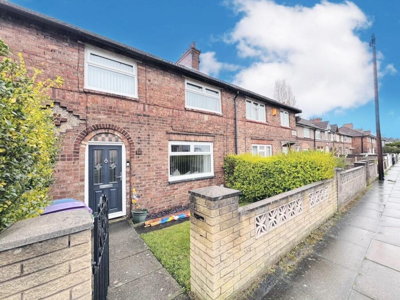
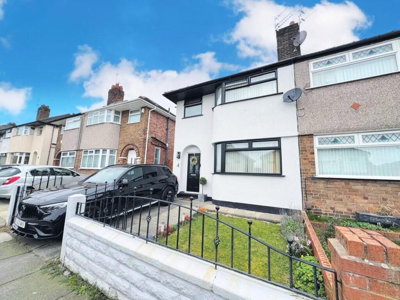
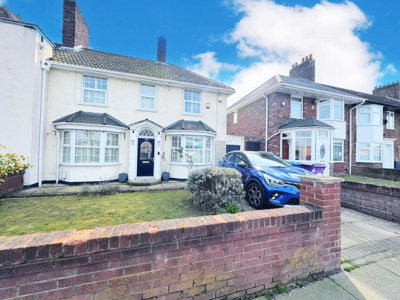
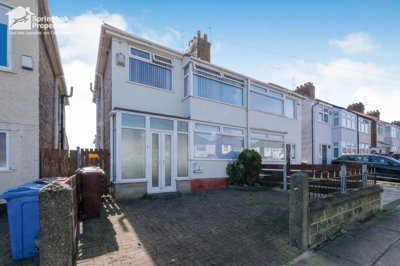
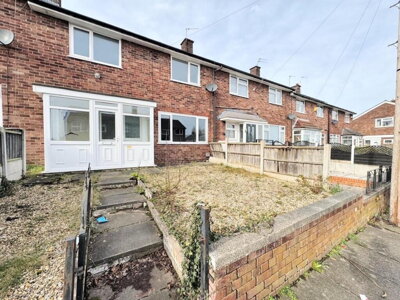
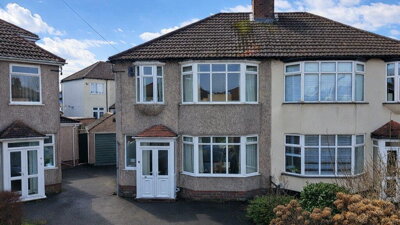
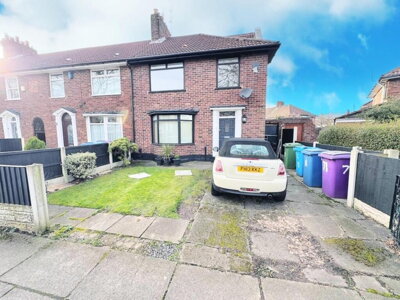
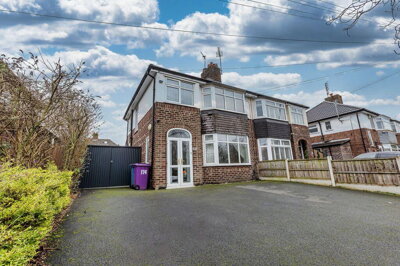
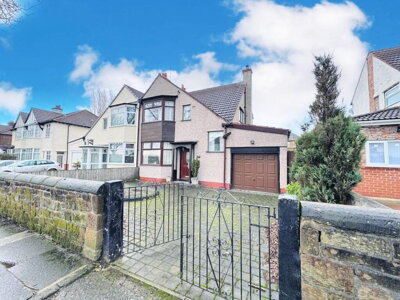
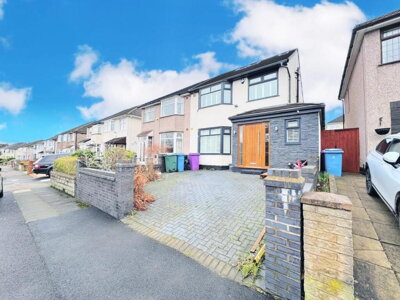
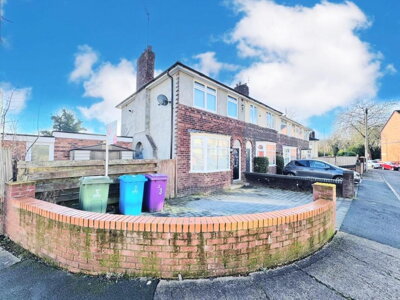
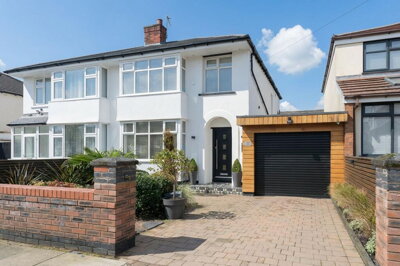
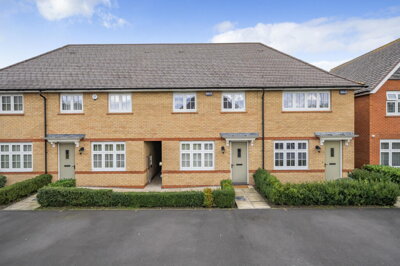
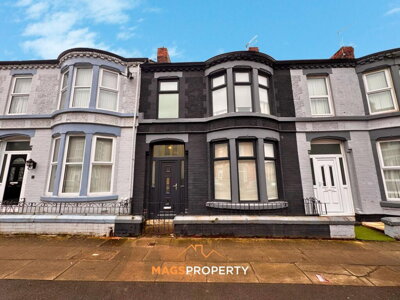
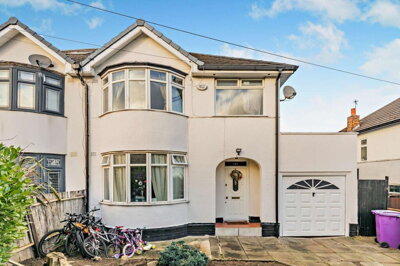
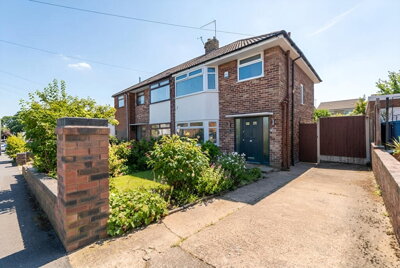
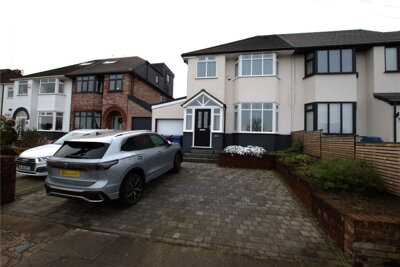
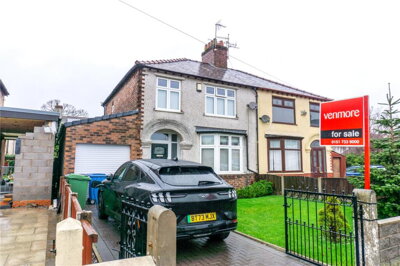
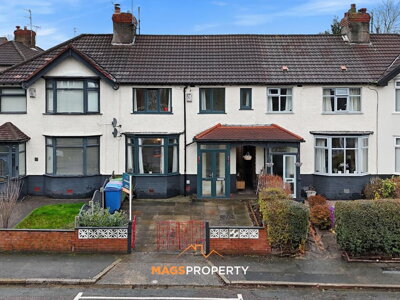
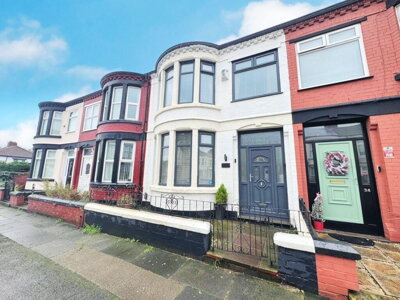
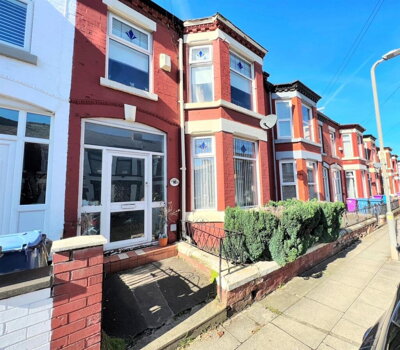
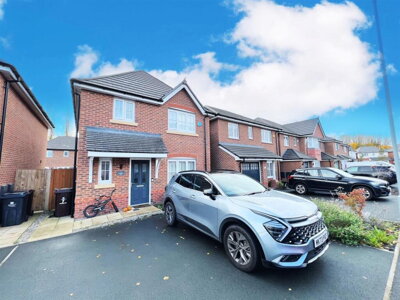
Browse 569 homes for sale in L16 from local estate agents.
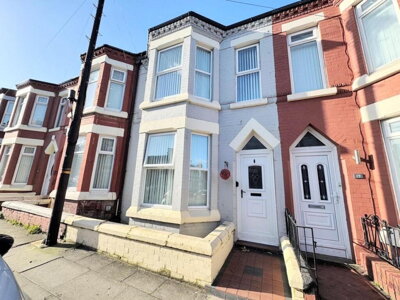
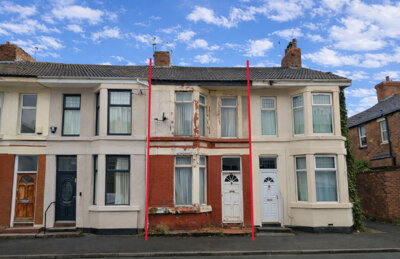
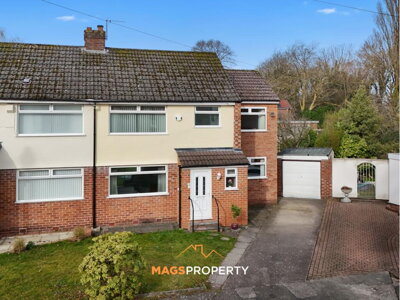
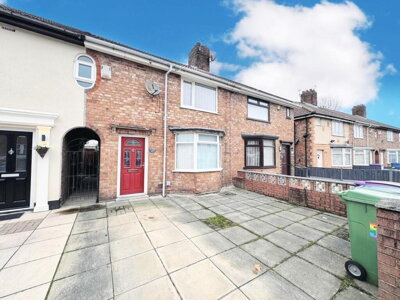
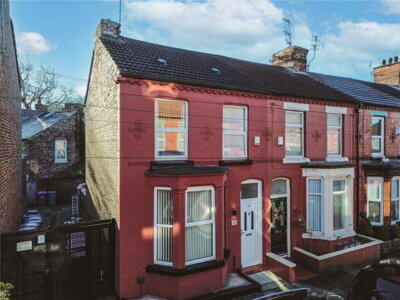
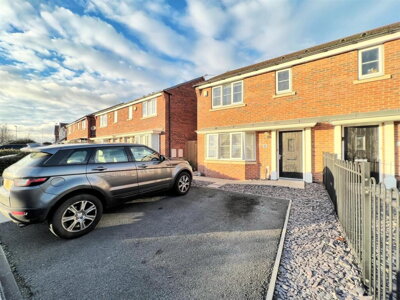
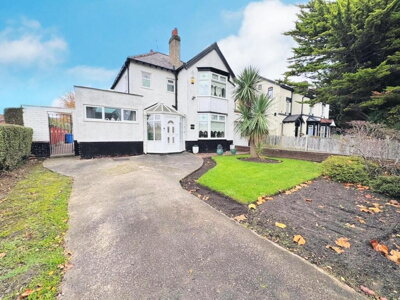
Three bedroom properties represent a significant portion of the L16 housing market, offering space for families with multiple reception rooms and gardens in many cases. Browse detached, semi-detached, and terraced options ranging from period character homes to contemporary developments.
£303k
26
0
120
Source: home.co.uk
Showing 26 results for 3 Bedroom Houses for sale in L16. The median asking price is £302,500.
Source: home.co.uk
Semi-Detached
21 listings
Avg £297,857
Detached
3 listings
Avg £408,333
Terraced
2 listings
Avg £192,500
Source: home.co.uk
Source: home.co.uk
The L16 property market presents a varied landscape of housing types catering to different buyer requirements. Detached properties command the highest prices, averaging £437,162, reflecting the generous space and family-friendly characteristics these homes offer. Semi-detached houses, which form a significant portion of the housing stock, typically sell for around £321,170, making them popular choices for growing families seeking more room than a terrace provides. Terraced properties in L16 average £243,875, offering an accessible entry point into this sought-after suburban postcode for first-time buyers and investors alike.
Sales activity in L16 has been relatively modest compared to national averages, with Mouseprice reporting approximately 2 sales per month, which is 60% below the national average of 5 sales per month. This lower turnover rate can indicate a stable market where properties are valued by existing residents, though it also means buyers may face limited selection at any given time. Price trends across specific L16 sub-postcodes show considerable variation, with some areas like L16 4PD showing 19% growth on the previous year, while others such as L16 6AN have experienced 16-19% decreases. The postcode L16 3GD has shown particularly strong performance with 68% growth compared to the previous year, highlighting how micro-location within this small postcode can significantly impact property values.
New build developments in and around the L16 area include options like Mill Green Meadows offering three to five-bedroom homes from approximately £366,000 to over £668,000, and Grace Fields at Hilton Grange with properties ranging from around £434,000 to £617,000. Eastbrook Village provides more affordable new build options with two-bedroom homes from approximately £257,000, while St Wilfrids Place offers two-bedroom properties from around £207,995. These developments attract buyers seeking modern construction methods, energy efficiency, and often include NHBC warranties, though they typically command premiums over equivalent older properties in the area.

The L16 postcode encompasses established Liverpool suburbs, with Childwall being one of the most prominent neighbourhoods in the area. Childwall offers a distinctive blend of residential quietude and practical amenities, featuring local shops, pubs, and community facilities that serve the day-to-day needs of residents. The suburb retains much of its historical character, evidenced by the presence of the Childwall Abbey Conservation Area and several Grade II listed buildings including the Childwall Valley Hotel and structures within All Saints Churchyard. This heritage-rich environment creates a sense of place that newer developments often lack, with tree-lined streets and period architecture contributing to the area's visual appeal.
Liverpool itself maintains a youthful demographic, with 34% of residents aged between 15 and 34, which supports vibrant local communities and economic activity. The city is the North's second-largest economy, with professional services worth £8 billion annually and the low carbon sector valued at around £2 billion per annum. Major employment hubs like the Knowledge Quarter and Liverpool Waters development are reshaping the city's economic landscape, creating opportunities that attract young professionals to the wider area. L16 benefits from this broader city growth while retaining suburban tranquility, offering residents access to these employment sectors combined with residential amenities.
Woolton, another key neighbourhood within L16, provides additional local amenities including shops, restaurants, and community facilities. The area features several notable green spaces, including Woolton Woods and Childwall Valley, which offer walking routes and outdoor recreation opportunities for families. These green corridors contribute to the suburban character that makes L16 appealing to buyers seeking space for children and pets. Local pubs and restaurants in Woolton village centre add to the neighbourhood's charm and provide convenient social venues without requiring trips into the city centre.

Education provision in the L16 area serves families with children of all ages, with several well-regarded primary and secondary schools located within the postcode and surrounding neighbourhoods. The presence of good schools significantly influences property values and buyer interest in L16, with many families specifically seeking homes within catchment areas of high-performing establishments. Parents researching properties in L16 should verify current Ofsted ratings and catchment area boundaries, as these can impact school placements and property desirability. The area's mix of community schools and faith schools provides various educational options to suit different family preferences and values.
Childwall and Woolton feature several primary schools that serve the local community, with many achieving good or outstanding Ofsted ratings in recent inspections. Primary schools in the area typically cater to children from Reception through to Year 6, with some offering before and after-school clubs to support working parents. The physical proximity of primary schools to residential areas means that properties within walking distance often command a premium, particularly for families with young children. Checking school admission policies and understanding how catchment areas are calculated is essential when prioritising educational requirements in your property search.
For secondary education, L16 residents have access to several local secondary schools, with some families also considering grammar school options in neighbouring areas of Liverpool. St Mary's Catholic Grammar School and other faith schools provide alternatives for families seeking faith-based education, while community secondary schools offer comprehensive education to all local children. Sixth form provision is available at secondary schools and colleges within reasonable travelling distance, catering to students continuing their education post-16. Higher education opportunities are abundant in Liverpool, with the University of Liverpool, Liverpool John Moores University, and Liverpool Hope University all located in the city centre, accessible via the excellent transport connections from L16.
Families moving to L16 should schedule school visits and research admission policies well in advance of any property purchase, as popular schools can have competitive entry requirements. The school admissions process typically operates on a catchment area basis for community schools, while faith schools may prioritise children from practicing families. Understanding these dynamics can help buyers make informed decisions about which neighbourhoods within L16 best suit their family's educational needs and priorities.
Transport connectivity ranks among L16's strongest attributes, with rail services providing efficient access to Liverpool Lime Street station from various points within the postcode. Commuters from L16 can reach Liverpool city centre in a short journey, connecting to the wider Northern Rail network for travel to Manchester, Leeds, and other northern destinations. The area also benefits from regular bus services operated by Stagecoach and other providers, offering additional options for those without car access. For drivers, the proximity to major road corridors provides connections to the M62 motorway, facilitating travel to Manchester, Leeds, and the wider motorway network.
Liverpool Lime Street station serves as a major hub with connections to major UK destinations including London Euston, Birmingham New Street, and Edinburgh Waverley. Virgin Trains and other operators provide frequent services to the capital, with journey times of around two hours making day trips or business travel feasible. Northern Rail services connect Liverpool to Manchester, Warrington, and other regional centres, supporting commuters who work outside the city. For those travelling further afield, the West Coast Main Line from Liverpool Lime Street offers access to destinations throughout England and Scotland.
Liverpool John Lennon Airport is accessible from L16, typically within a 30-minute drive, offering domestic flights and connections to European destinations. The airport serves millions of passengers annually, with routes to cities across the UK and Europe, making international travel convenient for residents. Cyclists will find varying conditions across L16, with some routes offering dedicated cycle lanes while others require shared use of residential streets. The Merseyside Cycling Map provides guidance on popular cycling routes, though riders should exercise caution on busier roads. Parking availability varies by specific location within L16, with some areas offering permit parking schemes while others have more limited provisions.
Before beginning your property search in L16, obtain a mortgage agreement in principle from a lender or mortgage broker. This demonstrates your budget to estate agents and shows sellers you are a serious buyer with financing already considered. Having this documentation ready can strengthen your position when making offers, particularly in competitive situations where multiple buyers may be interested in the same property.
Spend time exploring different areas within L16, including Childwall, Woolton, and surrounding streets. Consider factors like proximity to schools, transport links, local amenities, and the character of the housing stock before narrowing your search. Each neighbourhood within L16 has distinct characteristics, from the period properties of Childwall to the newer developments scattered throughout the postcode.
Work with local estate agents to arrange viewings of properties matching your criteria. View multiple properties to compare conditions, prices, and potential before making an offer. Take notes and photographs to help remember details, particularly useful when viewing several homes in quick succession. Ask estate agents about the reason for sale, how long properties have been on the market, and whether there have been any price reductions.
Once your offer is accepted, arrange a survey to assess the property's condition. For L16 properties, with their mix of older Victorian, Edwardian, and modern housing stock, a survey can identify defects like dampness, structural movement, or roof issues that may not be visible during viewings. Properties over 50 years old particularly benefit from detailed assessment given the prevalence of traditional construction methods in the area.
Choose a solicitor experienced in Liverpool property transactions to handle the legal work. They will conduct searches, handle contracts, and manage the transfer of ownership through to completion. Searches will include local authority checks, drainage and water searches, and environmental searches that may reveal issues relevant to the Liverpool area such as flood risk or ground stability concerns.
Once all searches are satisfactory and finances are in place, you will exchange contracts and pay your deposit. Completion typically follows within 2-4 weeks, when you will receive the keys to your new L16 home. Your solicitor will calculate and pay Stamp Duty Land Tax on your behalf within 14 days of completion, with amounts due based on purchase price and your buyer status.
Properties in L16 encompass a wide age range, from Victorian and Edwardian terraces to modern new builds, and each era brings its own considerations for buyers. Older properties, which make up a significant portion of the housing stock given Liverpool's 300+ year building heritage, may feature original features like sash windows, fireplaces, and ornate plasterwork that require maintenance. Many Victorian and Edwardian homes in areas like Childwall were built using traditional materials including local sandstone, brick with lime mortar, and solid wooden floors. These breathable materials require different maintenance approaches compared to modern construction, and inappropriate repairs using cement-based products or non-breathable paints can cause significant damage.
The local geology in the L16 area includes glacial till deposits of clay, sand, and gravel, which can present shrink-swell issues in clay-rich soils. This ground movement potential means buyers should pay particular attention to foundations and any signs of subsidence, especially in areas with mature trees whose roots can extract moisture from clay soils during dry periods. The British Geological Survey warns that climate change is likely to increase subsidence issues from shrink-swell, with projections indicating 10% of properties across Britain could be affected by 2070. Signs of subsidence include cracks that appear suddenly or widen over time, particularly those extending from doors or windows in a diagonal pattern.
Flood risk awareness is important for L16 buyers, as the postcode falls within the Liverpool and Sefton Flood Risk Area, which has nationally significant surface water flooding concerns. Approximately 15.45% of properties across Liverpool face some level of surface water flood risk, though this varies considerably by specific location and elevation. Low-lying areas and those near watercourses face higher risk, while properties on elevated ground within L16 may face considerably lower risk. Tidal flooding from the River Mersey can affect low-lying areas during exceptional high tides and storm conditions, though these events are relatively rare. Prospective buyers should review Environment Agency flood maps and consider the property's elevation and drainage history before purchasing.
Buildings with listed status or those in conservation areas like the Childwall Abbey Conservation Area may require special permissions for alterations and often need specialist surveys to assess their unique construction methods and materials. L16 contains six Grade II listed buildings, including houses, the Childwall Valley Hotel, and structures within All Saints Churchyard. Properties in conservation areas typically require planning permission for significant external alterations, which can affect future renovation plans. The additional costs and constraints of owning listed property should be weighed against the unique character these buildings offer.
The average sold house price in L16 is approximately £321,415, according to recent market data. Property prices vary significantly by type, with detached homes averaging £437,162, semi-detached properties around £321,170, terraced houses at approximately £243,875, and flats averaging £158,000. The market has remained relatively stable over the past year, sitting around 2% below the 2022 peak of £323,134. Some specific sub-postcodes within L16 have shown more volatile price movements, ranging from 19% growth to 19% declines depending on the exact location, with L16 3GD showing particularly strong performance with 68% growth on the previous year.
Liverpool City Council sets council tax bands for properties across the L16 postcode, with bands ranging from A through to H depending on the property's assessed value. Exact bands for specific properties can be checked through the Liverpool City Council website or your solicitor during the conveyancing process. As a guide, typical three-bedroom semi-detached properties in L16 often fall into band B or C, while larger detached homes in areas like Childwall may be in higher bands D or E. The annual council tax bill represents an ongoing cost that buyers should factor into their budget alongside mortgage payments and maintenance costs.
L16 and the surrounding Childwall and Woolton areas offer several well-regarded primary and secondary schools that serve the local community. Families should research current Ofsted ratings and consider school performance data when evaluating properties, as educational provision significantly influences the family buyer market in this area. Catchment areas play a significant role in school placement, so buyers should verify whether a property falls within the desired school's boundary before purchasing, as admission policies can change and popular schools fill quickly. Some families also explore grammar school options in neighbouring areas, accessible via the area's good transport connections to Liverpool city centre and beyond.
L16 enjoys good public transport connections, with rail services providing access to Liverpool Lime Street station and the wider Northern Rail network for travel to Manchester, Leeds, and other northern destinations. Regular bus services operated by Stagecoach and other providers run through the area, connecting residents to Liverpool city centre and surrounding neighbourhoods including Woolton, Gateacre, and Allerton. Liverpool John Lennon Airport is typically within a 30-minute drive, offering domestic flights and European connections for business and leisure travel. The M62 motorway is accessible for car travel to Manchester, Leeds, and beyond, making L16 attractive to commuters who work in these larger cities.
L16 presents several investment considerations, with Liverpool's broader economic growth supporting the property market through major projects including £14 billion in institutional investment for Liverpool Waters and the Knowledge Quarter. Property prices in L16 remain more affordable than many comparable UK suburban areas, with terraced properties accessible from around £243,875, potentially offering good rental yields for investors. However, sales volumes are relatively low compared to national averages, with Mouseprice reporting 2 sales per month which is 60% below the national average, and this limited liquidity could affect how quickly you could sell an investment property if needed. The presence of universities, hospitals, and growing employment sectors provides ongoing rental demand, with Liverpool's professional services sector worth £8 billion annually supporting tenant demand.
Stamp Duty Land Tax rates for 2024-25 are 0% on the first £250,000 of residential property, 5% on £250,001 to £925,000, 10% on £925,001 to £1.5 million, and 12% above £1.5 million. First-time buyers benefit from relief on the first £425,000, with 5% charged between £425,001 and £625,000. For a typical £321,415 property in L16, a first-time buyer would pay no stamp duty under current relief thresholds, while a home mover would pay approximately £3,571 on a property priced at this average level. Those purchasing higher-value detached properties averaging £437,162 would face SDLT bills of around £9,358 for home movers. Your solicitor will calculate the exact amount based on your circumstances and property purchase price.
Older properties in L16, particularly Victorian and Edwardian homes in areas like Childwall, commonly exhibit issues including rising damp due to absent or failed damp-proof courses, which affects many historic Liverpool homes built before modern damp-proofing was standard. Structural movement can occur in properties with traditional shallow foundations, particularly in areas with clay soils susceptible to shrink-swell behaviour during dry periods or following tree planting or removal. Roof deterioration is frequently encountered in properties over 50 years old, with original tiles, lead flashing, and timber rafters showing age-related wear. Electrical systems in older properties often require updating to meet current standards, as original wiring may not cope with modern appliance demands. Properties in conservation areas or listed buildings may have had inappropriate modern alterations that require remediation, and a thorough survey can identify these issues before purchase.
L16 falls within the Liverpool and Sefton Flood Risk Area, which has been identified as having nationally significant surface water flood risk, with approximately 15.45% of properties across Liverpool facing some level of surface water flood risk. Risk varies significantly by location within L16, with low-lying areas and those near watercourses facing higher exposure to surface water flooding during heavy rainfall events. Tidal flooding from the River Mersey can affect low-lying areas during exceptional high spring tides combined with strong winds and low atmospheric pressure, though such events are relatively infrequent. Prospective buyers should check Environment Agency flood maps for their specific location, review the property's elevation relative to surrounding areas, and consider whether previous owners have reported any flooding incidents. Properties in higher-risk areas may face higher buildings insurance premiums, which should factor into your overall cost calculations.
From 4.5%
Expert mortgage advice and competitive rates for L16 buyers
From £499
Specialist Liverpool solicitors handling your property purchase
From £360
Thorough condition survey by qualified inspectors
From £600
Detailed structural survey for older or complex properties
Understanding the full costs of buying property in L16 extends beyond the purchase price to include stamp duty, solicitor fees, survey costs, and moving expenses. For a property priced at the L16 average of £321,415, a first-time buyer would pay no Stamp Duty Land Tax under current relief thresholds, while a home mover would owe approximately £3,571. Those purchasing higher-value detached properties averaging £437,162 would face higher SDLT bills of around £9,358 for home movers. Your solicitor will collect these taxes on behalf of HMRC as part of the completion process, and the amount must be paid within 14 days of completion.
Survey costs represent an important consideration for L16 buyers, particularly given the area's mix of older properties that may require more detailed assessment. RICS Level 2 HomeBuyer Surveys in the Liverpool area typically cost between £360 and £980 depending on property size and complexity, with an average around £445 for properties similar to those found in L16. Properties over 50 years old, those with non-standard construction, or homes in conservation areas like the Childwall Abbey Conservation Area may benefit from a more comprehensive RICS Level 3 Building Survey to assess structural concerns and heritage building issues thoroughly. Listed buildings can incur additional survey costs of £150-400 due to their specialist assessment requirements.
Conveyancing fees for Liverpool property transactions typically start from around £499 for standard purchases, rising for leasehold properties, new build purchases, or those with complications such as listed building status. Additional search costs including local authority searches, drainage and water searches, and environmental searches typically add £250-400 to the overall legal costs. First-time buyers should budget for mortgage arrangement fees, broker costs if applicable, and the various admin fees charged by lenders, building societies, and local authorities during the purchase process. Removal costs, furniture purchases for empty properties, and potential renovation expenses should also be factored into your overall moving budget to avoid financial strain during the purchase process.
Properties for Sale In London

Properties for Sale In Plymouth

Properties for Sale In Liverpool

Properties for Sale In Glasgow

Properties for Sale In Sheffield

Properties for Sale In Edinburgh

Properties for Sale In Coventry

Properties for Sale In Bradford

Properties for Sale In Manchester

Properties for Sale In Birmingham

Properties for Sale In Bristol

Properties for Sale In Oxford

Properties for Sale In Leicester

Properties for Sale In Newcastle

Properties for Sale In Leeds

Properties for Sale In Southampton

Properties for Sale In Cardiff

Properties for Sale In Nottingham

Properties for Sale In Norwich

Properties for Sale In Brighton

Properties for Sale In Derby

Properties for Sale In Portsmouth

Properties for Sale In Northampton

Properties for Sale In Milton Keynes

Properties for Sale In Bournemouth

Properties for Sale In Bolton

Properties for Sale In Swansea

Properties for Sale In Swindon

Properties for Sale In Peterborough

Properties for Sale In Wolverhampton

Enter your details to see if this property is within your budget.
Loans, cards, car finance
Estimated property budget
Borrowing + deposit
You could borrow between
Typical borrowing
Monthly repayment
Est. at 4.5%
Loan-to-value
This is an estimate only. Your actual budget may vary depending on interest rates, credit history, and personal circumstances. For an accurate affordability assessment, speak to one of our free mortgage advisors.
This calculator provides estimates for illustrative purposes only and does not constitute financial advice. Your home may be repossessed if you do not keep up repayments on your mortgage. Estimates based on 4.5% interest rate, repayment mortgage. Actual rates depend on your circumstances.
Homemove is a trading name of HM Haus Group Ltd (Company No. 13873779, registered in England & Wales). Homemove Mortgages Ltd (Company No. 15947693) is an Appointed Representative of TMG Direct Limited, trading as TMG Mortgage Network, which is authorised and regulated by the Financial Conduct Authority (FRN 786245). Homemove Mortgages Ltd is entered on the FCA Register as an Appointed Representative (FRN 1022429). You can check registrations at NewRegister or by calling 0800 111 6768.

We use cookies to show you personalised content and improve your experience of our website. Find out more in our Privacy policy and Cookie policy.