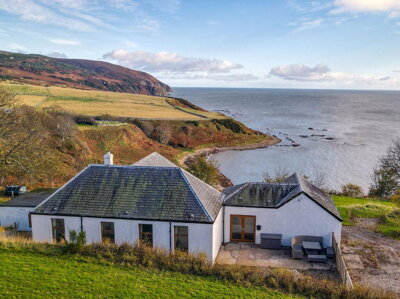
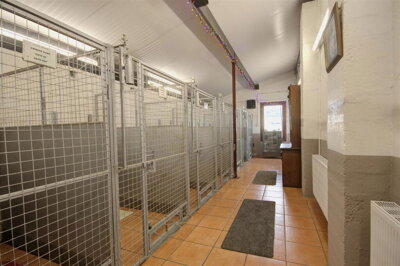
Browse 2 homes for sale in KW7 from local estate agents.
The 2 bed house market features detached, semi-detached, and terraced properties with two separate bedrooms plus living spaces. Properties in KW7 range from Victorian and Edwardian period homes to modern new builds, with pricing varying across different neighbourhoods.
£0k
0
0
0
Source: home.co.uk
Showing 0 results for 2 Bedroom Houses for sale in KW7.
The KW7 postcode area offers a distinctive property landscape that differs significantly from urban housing markets elsewhere in the UK. Properties here tend to be predominantly detached and semi-detached houses, reflecting the rural nature of communities within this postcode. Traditional stone-built cottages, farmhouses, and modern detached homes form the backbone of the local housing stock, with fewer flats or terraced properties than you would find in town or city centres. The housing stock across Highland council area includes properties spanning many different eras, from traditional crofting cottages through to homes built in the latter half of the twentieth century.
House prices in Highland postcode areas like KW7 have shown resilience and steady growth over recent years, driven by remote working trends and an increased desire for countryside living. The average property price across the Highland council area provides a useful benchmark, though individual properties can vary considerably based on location, condition, and land attached. Our data connects you with properties ranging from more affordable cottages requiring renovation through to substantial family homes with multiple bedrooms and gardens. Buyers should note that rural properties often command a premium for their land and outdoor space, which can significantly affect comparative pricing.
New build activity in the KW7 area remains limited, which means buyers searching for brand new properties may need to consider properties slightly outside the immediate postcode or be prepared to engage with custom build opportunities. This scarcity of new housing supply helps maintain property values and makes existing homes in good condition particularly desirable. When viewing properties, consider the age of the building as older rural properties may require more maintenance or updating. Properties built before modern building regulations may have different construction methods that require specialist knowledge during survey and renovation.
The Highland property market has attracted increased interest from buyers relocating from urban centres, particularly since the pandemic accelerated remote working adoption. This trend has supported prices across rural postcode areas like KW7, where the lifestyle appeal combines with practical considerations including relative affordability compared to Edinburgh or Glasgow. First-time buyers in the area may find smaller rural properties offer a more accessible entry point to the housing market than comparable properties in Scottish cities.

Life in the KW7 postcode area offers a quality of life that few urban locations can match. Residents enjoy access to extensive outdoor recreation including walking, hiking, cycling, and fishing opportunities right on their doorstep. The Highland communities within KW7 are characterised by their friendly, welcoming atmosphere where neighbours know each other and local events bring the community together throughout the year. Community spirit tends to be strong in rural Scotland, with local events, fetes, and gatherings providing regular opportunities to meet fellow residents.
Local amenities vary by the specific community but typically include village shops, traditional pubs serving local food, and community centres hosting regular events. Larger shopping facilities, healthcare services, and secondary schooling are usually accessible within reasonable driving distance. The slower pace of life in KW7 appeals particularly to families seeking a safe environment for children to grow up, as well as retirees looking to enjoy their retirement in beautiful surroundings without sacrificing essential services. Many residents adapt to travelling for specialist healthcare or retail, viewing this as a minor trade-off for the benefits of rural living.
The natural landscape surrounding KW7 includes moorland, forest, and in some areas coastal scenery, providing endless opportunities for outdoor enthusiasts. Property buyers should appreciate that rural living often involves driving to access certain services, and those accustomed to urban amenities may need an adjustment period. However, the sense of space, fresh air, and connection to nature makes this trade-off worthwhile for many residents. The proximity to the Scottish Highlands means world-class skiing, mountain biking, and climbing are accessible for residents willing to travel to Cairngorms National Park and other Highland destinations.
Employment opportunities in the KW7 area tend to centre on agriculture, tourism, local services, and increasingly remote working roles. The local economy benefits from the presence of small businesses, traditional crofting activities, and hospitality venues serving visitors to the area. Self-employment and home-based work have become increasingly viable for residents, reducing the historical need to commute to larger towns for employment. Prospective buyers should consider their employment situation and whether remote working arrangements are feasible for their circumstances before committing to a rural property purchase.

Education provision in the KW7 postcode area reflects the rural nature of the communities, with primary schools serving individual villages or clusters of settlements. These smaller schools often benefit from excellent teacher-to-pupil ratios, allowing for more individual attention and a supportive learning environment. Parents considering a move to KW7 should research specific school catchments, as entry policies can be more nuanced in rural areas where schools serve wider geographic areas. Primary schools in Highland communities frequently benefit from dedicated teaching staff who know each pupil well.
Secondary education options for KW7 residents typically involve travelling to larger towns within the Highland council area. Secondary schools in the region offer a full curriculum including National 5 and Higher qualifications, with some offering a broader range of extracurricular activities. For families with older children, proximity to good secondary schools may influence which specific KW7 community best suits their needs. School transport arrangements are typically coordinated by Highland Council for pupils beyond walking distance from their catchment school.
Families moving to the area should contact the Highland Council education department directly to confirm current school catchments and admission arrangements, as these can change. The council maintains detailed information about school performance, catchment areas, and transport arrangements for pupils living beyond walking distance. Private schooling options are limited in the immediate area, though some families choose to explore boarding options for secondary education. Home education is also a valid option chosen by some families in rural areas, supported by local home education groups.
For families prioritising education in their property search, attending open days at local schools before committing to a purchase can provide valuable insight into the provision available. Schools in rural Highland areas often compensate for smaller class sizes with strong community connections and opportunities for outdoor learning that urban schools cannot easily replicate. The Education Scotland inspection reports provide objective information about school quality and are available through the Education Scotland website.
Transport connectivity in the KW7 postcode area centres primarily on road networks, with the A9 and other trunk roads providing links to Inverness, Perth, and beyond. Journey times to major cities require careful consideration when purchasing property in this rural postcode. The nearest railway stations are typically located in larger towns, meaning those commuting regularly by train may need to factor in additional travel time and potentially drive to reach rail connections. Inverness, the capital of the Highlands, provides the most comprehensive rail connections with services to Edinburgh, Glasgow, and London.
Local bus services operate throughout the Highland area, connecting KW7 communities with nearby towns and villages. However, service frequency is likely to be reduced compared to urban routes, so property buyers who rely on public transport should research specific routes and timetables for their intended area. Many rural residents in KW7 consider car ownership essential rather than optional, both for daily life and accessing services not available locally. Community transport schemes operate in some areas, providing essential transport for those without access to private vehicles.
Inverness Airport provides the nearest commercial air connections for KW7 residents, offering flights to London and other UK destinations. For international travel, Edinburgh Airport requires a longer drive but provides a broader range of European and long-haul routes. Cyclists and walkers will appreciate the network of minor roads and trails connecting communities, though cycling on major roads requires appropriate care given the rural nature of many routes. The development of active travel infrastructure in Highland has improved in recent years, with more cycle paths and safer routes becoming available.
Property buyers working remotely should consider their internet connectivity requirements carefully, as rural broadband speeds can vary significantly across the KW7 postcode area. Many rural properties now have access to superfast broadband, though some locations may still rely on slower connections or satellite broadband services. Checking broadband speed and mobile phone signal strength at your intended property is advisable before completing a purchase, particularly if reliable internet is essential for your work or business activities.
Explore the specific KW7 communities that match your lifestyle requirements. Consider proximity to schools, shops, and transport links. Visit at different times of day and week to get a genuine feel for the area and talk to local residents about their experience living there. Understanding the local community before committing to a purchase helps ensure the area suits your circumstances and expectations.
Obtain a mortgage agreement in principle before starting property viewings. Having your financing confirmed strengthens your position when making offers. Speak to our mortgage partners who understand the rural property market and can guide you through the application process efficiently. In Scotland, mortgage offers typically remain valid for three to six months, so factor in timelines when planning your purchase.
Use Homemove to browse all available properties in KW7, setting up instant alerts for new listings. Attend viewings with a list of questions about the property condition, age of the building, heating systems, and any renovation work undertaken. Consider viewing multiple properties before making your decision. In the Highland property market, competition for desirable rural properties can be strong, so being prepared to move quickly on suitable properties is advisable.
Always book a RICS Level 2 Survey before completing your purchase. Given the prevalence of older properties in rural KW7, a thorough survey is essential to identify any structural issues, signs of damp, or timber defects. The average UK cost for a Level 2 Survey ranges from around £400 to over £600 depending on property value and size. Older rural properties may require a RICS Level 3 Survey for more comprehensive assessment.
Once you have found your ideal property, submit your offer through the estate agent. In Scotland, offers are typically made through the solicitor rather than directly by the buyer. On acceptance, instruct a conveyancing solicitor immediately to handle the legal work. Our conveyancing partners offer competitive fixed fees for properties across the Highland area and understand the specific requirements of Scottish property transactions.
Your solicitor will handle searches, conveyancing checks, and coordinate with your mortgage lender. In Scotland, the missives process involves a formal exchange of letters establishing the terms of sale before commitment becomes binding. On completion day, you will receive the keys to your new KW7 home. Allow time for the property purchase to register with the Land Registry and update your address with relevant organisations.
Buying property in rural Scotland requires attention to specific considerations beyond those for urban homes. Properties in KW7 often have private water supplies from wells or springs rather than mains water, and drainage may be via private septic tanks or sewage treatment systems rather than council drainage. These systems require maintenance and incur costs that urban buyers may not anticipate, so investigating their condition and service history is essential before purchasing. Ask the current owners for documentation about when the system was last emptied or maintained.
Heating systems in older rural properties warrant close inspection, as properties off the gas network typically rely on oil, LPG, electric storage heaters, or solid fuel systems. Energy costs can be significantly higher than properties on mains gas, and older heating systems may be inefficient. Consider the age and condition of any central heating boiler and factor potential upgrades into your budget. Loft insulation and double glazing, where present, may be less comprehensive than modern standards. Properties with solid wall construction may have higher heating costs than those with cavity wall insulation.
Rural properties may also face different planning considerations than urban homes. Check with the Highland Council planning portal whether the property is in a conservation area or affected by any planning constraints. Many Highland properties, particularly those built with traditional stone construction, may be listed buildings requiring special consent for alterations. Listed buildings are designated heritage assets and changes affecting their special character require formal listed building consent from the planning authority.
Properties near farmland may occasionally experience noise or smells associated with agricultural activities, which prospective buyers should experience during daytime and evening viewings. Boundaries, rights of way, and access arrangements should all be confirmed through your solicitor during the conveyancing process. Rural properties may also have wider maintenance responsibilities, including responsibility for boundary walls, ditches, and shared access tracks that urban buyers may not expect. Investigating these matters before purchase helps avoid unexpected costs and disputes after completion.
Specific average house price data for the KW7 postcode is not separately tracked by major property indices, as sales volumes in rural postcode areas tend to be lower than in urban centres. Property prices in the broader Highland council area provide a more meaningful benchmark, with detached properties typically commanding higher prices than other types due to the prevalence of this housing style in the area. The best approach is to search current listings on Homemove to see actual asking prices for properties matching your requirements, as these will reflect current market conditions in the KW7 area. Comparing similar properties that have recently sold can also provide useful context for understanding local values.
Properties in the KW7 postcode area fall under Highland Council's jurisdiction. Council tax bands range from A through H and are assigned based on property value as of 1991, with Band A representing the lowest values and Band H the highest. You can check the banding for any specific property through the Scottish Assessors Association website or request this information from the estate agent marketing the property. Highland Council maintains detailed information about council tax rates and any applicable exemptions or discounts, including single person discounts and reductions for properties where certain residents have severe mental impairment.
Primary schools in the KW7 area are typically small, community-based schools serving local villages. Secondary education options require travel to larger towns within Highland. The best school for your family depends on your specific location and your children's ages, as well as whether you prefer state or independent education provision. Research current Education Scotland inspection reports, which rate schools on a scale from excellent through to unsatisfactory, available through the Education Scotland website. Contact Highland Council education services for the most current information about catchment schools and admission policies, as these can change and may affect your property choice.
Public transport options in the KW7 postcode area are limited compared to urban locations, with buses providing the primary public transport connection between communities. Bus services may run less frequently than in towns and cities, particularly on weekends and evenings, and some services may not operate on public holidays. The nearest railway stations are typically in larger towns, requiring road transport to reach them. Property buyers without access to a car should thoroughly research bus timetables and consider the practical implications for daily travel to work, school, and services before committing to a purchase in this rural area.
The KW7 postcode area and the broader Highland region have shown consistent demand from buyers seeking rural lifestyles, driven by remote working opportunities and retirement moves. Property values in rural Scotland tend to be more stable than in volatile urban markets, though capital growth may be more modest. Rental demand exists from local workers, healthcare professionals, and those seeking temporary accommodation, but the pool of potential tenants is smaller than in towns. As with any property investment, thorough research into rental yields, void periods, and management costs is advisable before purchasing for investment purposes.
As KW7 is in Scotland, Land and Buildings Transaction Tax (LBTT) applies rather than UK Stamp Duty. The LBTT residential rates start at zero for properties up to £145,000, then 2% on the portion from £145,001 to £250,000, 5% from £250,001 to £325,000, 10% from £325,001 to £750,000, and 12% on any portion above £750,000. First-time buyers in Scotland may qualify for an additional relief bringing the nil rate threshold to £175,000. Your solicitor will calculate the exact LBTT liability based on the purchase price and your circumstances.
We strongly recommend commissioning a RICS Level 2 Survey before purchasing any property in the KW7 area. Many properties are older rural constructions that may have defects not immediately apparent to the untrained eye. A professional survey will identify structural issues, signs of damp, timber defects, roof condition, and any urgent repairs needed. Survey costs typically range from £400 to £600 depending on property value, which represents a worthwhile investment against the much larger purchase cost. For older or complex properties, a RICS Level 3 Survey providing more comprehensive analysis may be advisable.
From 4.5% APR
Finance your KW7 property purchase
From £499
Scottish conveyancing for your property purchase
From £400
Professional survey for KW7 properties
From £60
Energy performance certificate for your new home
Purchasing property in Scotland incurs different transaction taxes than England and Northern Ireland. Land and Buildings Transaction Tax (LBTT) is the Scottish equivalent of stamp duty, and the thresholds differ from those in the rest of the UK. As of the current tax year, buyers pay no LBTT on residential properties up to £145,000, with progressive rates of 2%, 5%, 10%, and 12% applying to higher value properties. For a property priced at £250,000, the LBTT liability would be approximately £2,100, calculated on the portion between £145,001 and £250,000.
First-time buyers in Scotland benefit from an enhanced nil rate band under the First-Time Buyer Relief scheme, which raises the threshold at which LBTT becomes payable to £175,000. This relief applies to first-time buyers who have never owned property anywhere in the world, though certain conditions must be met including the property being your only or main residence. Properties priced above £625,000 do not qualify for first-time buyer relief under current rules, and relief may be withdrawn if the property is not occupied as your main residence within 12 months of purchase.
Beyond LBTT, budget for additional purchase costs including solicitor fees for conveyancing which typically range from £500 to £1,500 depending on complexity and property price. Survey costs for a RICS Level 2 Survey average between £400 and £600 for standard properties in the UK, with higher costs for larger or older properties. Listed buildings may incur additional survey costs and require more detailed assessment. Land Registry registration fees and any searches required by your solicitor add further minor costs, typically a few hundred pounds in total.
Factor in removal costs, potential renovation or furnishing budgets, and connection charges for utilities when calculating your total moving budget. Properties in rural areas may have connection charges for services not previously connected, such as telephone or broadband. Some properties may require surveys of private water supplies or drainage systems, which your solicitor can arrange as part of the conveyancing process. Building insurance must be in place from the date of entry, and you should budget for this annual cost when calculating the total expense of purchasing your KW7 property.
Properties for Sale In London

Properties for Sale In Plymouth

Properties for Sale In Liverpool

Properties for Sale In Glasgow

Properties for Sale In Sheffield

Properties for Sale In Edinburgh

Properties for Sale In Coventry

Properties for Sale In Bradford

Properties for Sale In Manchester

Properties for Sale In Birmingham

Properties for Sale In Bristol

Properties for Sale In Oxford

Properties for Sale In Leicester

Properties for Sale In Newcastle

Properties for Sale In Leeds

Properties for Sale In Southampton

Properties for Sale In Cardiff

Properties for Sale In Nottingham

Properties for Sale In Norwich

Properties for Sale In Brighton

Properties for Sale In Derby

Properties for Sale In Portsmouth

Properties for Sale In Northampton

Properties for Sale In Milton Keynes

Properties for Sale In Bournemouth

Properties for Sale In Bolton

Properties for Sale In Swansea

Properties for Sale In Swindon

Properties for Sale In Peterborough

Properties for Sale In Wolverhampton

Enter your details to see if this property is within your budget.
Loans, cards, car finance
Estimated property budget
Borrowing + deposit
You could borrow between
Typical borrowing
Monthly repayment
Est. at 4.5%
Loan-to-value
This is an estimate only. Your actual budget may vary depending on interest rates, credit history, and personal circumstances. For an accurate affordability assessment, speak to one of our free mortgage advisors.
This calculator provides estimates for illustrative purposes only and does not constitute financial advice. Your home may be repossessed if you do not keep up repayments on your mortgage. Estimates based on 4.5% interest rate, repayment mortgage. Actual rates depend on your circumstances.
Homemove is a trading name of HM Haus Group Ltd (Company No. 13873779, registered in England & Wales). Homemove Mortgages Ltd (Company No. 15947693) is an Appointed Representative of TMG Direct Limited, trading as TMG Mortgage Network, which is authorised and regulated by the Financial Conduct Authority (FRN 786245). Homemove Mortgages Ltd is entered on the FCA Register as an Appointed Representative (FRN 1022429). You can check registrations at NewRegister or by calling 0800 111 6768.

We use cookies to show you personalised content and improve your experience of our website. Find out more in our Privacy policy and Cookie policy.