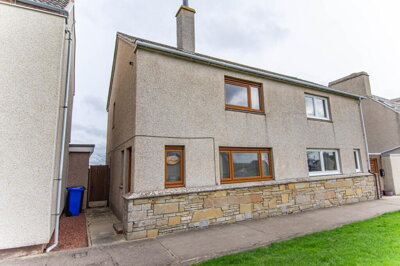
Browse 1 home for sale in KW3 from local estate agents.
The 2 bed house market features detached, semi-detached, and terraced properties with two separate bedrooms plus living spaces. Properties in KW3 range from Victorian and Edwardian period homes to modern new builds, with pricing varying across different neighbourhoods.
£93k
1
0
139
Source: home.co.uk
Showing 1 results for 2 Bedroom Houses for sale in KW3. The median asking price is £93,000.
Source: home.co.uk
Semi-Detached
1 listings
Avg £93,000
Source: home.co.uk
Source: home.co.uk
The KW3 property market has demonstrated remarkable stability over the past year, with overall sold prices rising 2% compared to the previous twelve months and sitting just 1% below the 2023 peak of £188,231. Our data shows that the postcode area attracts steady buyer interest, with Zoopla listing 615 properties in the area while ESPC records indicate 258 completed sales. This balanced market provides buyers with genuine choice while maintaining solid values for those selling their homes. First-time buyers and families alike will find the price points in KW3 considerably more approachable than many urban centres across the UK.
Property types available in KW3 cater to diverse requirements and budgets. Detached homes command the highest prices, averaging £250,000 according to our records, with Rightmove data suggesting figures around £224,583 for this property category. Semi-detached properties offer excellent value at approximately £98,000 to £129,000, making them ideal for families seeking generous living space without premium pricing. Terraced properties, which reflect Lybster's historic planned village layout, typically sell for £130,750 to £148,750, while flats in the area average around £220,000. The housing stock spans multiple eras, from mid-19th century stone-built dwellings to more contemporary constructions, providing options across all price ranges and preferences.
Price performance varies significantly across different streets and property types within KW3. For example, properties in KW3 6BT saw prices rise 113% compared to the previous year and now sit 9% above the 2022 peak of £290,000, suggesting strong demand for certain property types in that area. In contrast, KW3 6BA experienced a 26% price reduction over the past year and now stands 48% below the 2023 peak of £395,000, indicating a correction in that segment. These variations underscore the importance of researching specific streets and property types when evaluating value in the local market.

Life in KW3 revolves around the stunning natural environment that defines this section of the Caithness coastline. Lybster sits along the Moray Firth, offering residents daily encounters with dramatic seascapes, seabirds, and the possibility of spotting marine wildlife including dolphins and seals. The village traces its origins to 1802 when it was established as a planned settlement, and its heritage remains visible in the traditional stone buildings that line the streets. A designated Conservation Area preserves the architectural character of the village centre, ensuring that new development respects the historic environment that makes Lybster so distinctive.
The local economy has evolved from its fishing heritage, though the harbour continues to support boats catching lobsters and crabs, maintaining connections to traditional maritime industries. Gow's Lybster Ltd operates from Scaraben House in Lybster, providing mechanical engineering services to sectors including civil nuclear decommissioning, oil and gas, defence, and renewables. This diverse industrial base offers skilled employment opportunities that help sustain the local community. Tourism also plays a significant role, with Lybster's position on the John o' Groats Trail bringing walkers and visitors throughout the year, supporting local businesses and maintaining the vitality of the village.
Digital connectivity has become increasingly important for residents, and those considering a move to KW3 should verify broadband speeds at specific properties, as rural locations can experience variable coverage. Mobile phone reception may also be limited in some areas, so residents often rely on landline internet connections or satellite services. The local community maintains strong social connections through village events and local organisations, with the slower pace of life offering a quality of life that many urban dwellers find increasingly attractive. Despite the remote location, Lybster retains essential services including a local shop and pub, with larger facilities available in nearby towns.

Families considering a move to KW3 will find educational provision centred on Lybster Primary School, which serves the local community and surrounding rural areas. The school provides education for children from early years through to primary seven, offering a supportive learning environment with smaller class sizes than many urban schools. For secondary education, pupils typically travel to schools in nearby towns including Wick, which hosts the nearest secondary school and offers a wider range of curricular options including sixth form provision. Further education opportunities are available at colleges in Inverness, which can be accessed for specialist courses not available locally.
The rural setting of KW3 creates particular advantages for children's education, with opportunities for outdoor learning, environmental studies, and engagement with the natural world that urban schools cannot easily replicate. Parents moving to the area frequently cite the quality of life for children as a major factor in their decision, appreciating the safe environment, strong community connections, and opportunities for outdoor activities that support both physical development and wellbeing. School transport arrangements connect outlying properties to the main primary school, ensuring that families throughout the postcode area can access educational provision without lengthy commutes.
The historical context of Lybster also provides educational opportunities through direct engagement with local heritage. The village's history as a planned settlement and its significance in Scotland's fishing industry can be explored through local resources and community archives. Families should verify current catchment areas and any enrollment policies with Highland Council, as these can change and may affect placement eligibility for specific addresses. Given the small scale of local educational provision, parents are encouraged to contact schools directly to discuss individual circumstances and ensure their children will receive appropriate support.
Transport connections from KW3 reflect the area's remote northern location while still providing practical access to essential services and wider connectivity. The A9 trunk road runs through the region, providing the main route connecting KW3 to Inverness to the south and Thurso to the north. This single-carriageway road traverses dramatic Highland scenery and requires appropriate journey times for longer trips, with travel to Inverness taking approximately two to two and a half hours by car. Local bus services operated by Stagecoach and other providers connect Lybster with surrounding towns and villages, though frequencies are limited compared to urban areas and timetable planning is essential.
Rail connections are available at stations in Wick and Georgemas Junction, which provide connections to the Far North Line running between Inverness, Thurso, and Wick. Journey times from Georgemas Junction to Inverness take around three and a half hours, with the route offering spectacular views of the Highland landscape. The Wick and Lybster Railway, which opened in 1903 and closed in 1944, serves as a reminder of the area's industrial past and the importance of transport connections for local communities. For air travel, Inverness Airport provides domestic flights and connections to UK and European destinations, while Wick Airport offers limited regional services.
Daily commuting to major employment centres is not practical from KW3, making the area most suitable for those whose work is local, remote workers, or retired individuals seeking a peaceful coastal lifestyle. The engineering sector provides employment opportunities through companies like Gow's Lybster Ltd, while tourism-related work and public sector roles also feature in the local economy. Those considering relocation should factor in the costs and time associated with occasional travel for business or personal reasons, budgeting for the 2-3 hour drive to Inverness when flights or major services are required.
Understanding the construction methods and materials used in KW3 properties is essential for any buyer, given the age and character of the local housing stock. Properties in Lybster, particularly those within the Conservation Area, are frequently constructed from traditional stone using coursed rubble techniques, reflecting the local building heritage and the natural materials available in Caithness. The local geology features thick Caithness Flagstone Groups, which were historically used in construction throughout the area. These traditional building methods give the village its distinctive character but also require specialist understanding when repairs or alterations are planned.
The geological conditions underlying KW3 present additional considerations that informed buyers should understand. The area sits above thick Caithness Flagstone Groups with overlying glacial till deposits, including the Shelly till (Lybster Till) containing marine molluscan shells. The presence of clay-containing materials in these deposits creates potential for shrink-swell ground movement, which can affect property foundations over time. Properties in KW3 should be thoroughly surveyed, particularly given the significant proportion of older stone-built homes that may have experienced movement over their lifetimes. The coastal location also means that properties may be subject to salt spray and wind-driven rain, which can accelerate weathering of building materials.
A RICS Level 2 survey is strongly recommended for all purchases in KW3, while a more comprehensive Level 3 Building Survey would be advisable for listed buildings or properties showing signs of structural movement. Listed buildings, such as the mid-19th century, 5-bay dwelling on Main Street known as Grey Place (LYBSTER MAIN STREET C MACDONALD), have additional restrictions on changes to preserve their historic character. Our team includes surveyors experienced in assessing traditional Scottish construction methods, and we understand the specific challenges presented by properties in this coastal environment. Pre-1900 properties may incur additional survey costs of 20-40% due to their age and potential for hidden defects, but this investment is essential for protecting your purchase.
Purchasing property in KW3 requires attention to several area-specific considerations that reflect the local environment and property characteristics. Flood risk is a genuine concern for properties near the coastline, particularly those in Lybster Harbour and low-lying areas along the Moray Firth. The Lybster to Dunbeath area is designated as a Flood Warning Area, with coastal flooding expected to affect roads and properties during periods of high tides combined with adverse weather conditions. Prospective buyers should investigate the flood history of any specific property, check the Environment Agency's flood maps, and consider whether appropriate flood resilience measures are in place or could be implemented.
Coastal erosion also affects the broader area, making structural condition surveys particularly important for properties in exposed locations. Properties on Portormin Road and other coastal areas should be carefully assessed for flood resilience measures and history. The combination of coastal flooding risk and the age of many properties means that damp and moisture penetration are common issues that our surveyors frequently identify in KW3 properties. Signs of damp include discoloured patches on walls, mould growth, peeling paint, and musty smells, and these should be investigated thoroughly before completing any purchase.
Electrical and plumbing systems in older KW3 properties may not meet current safety standards, with some homes potentially containing lead pipes or outdated wiring that poses fire risks. Properties built before the 1970s may contain asbestos in walls, roofing, or insulation materials, which requires specialist assessment and removal by licensed contractors. Our inspectors check these systems thoroughly during every survey, identifying issues that could require significant investment to rectify. Budgeting for potential renovation costs is advisable when purchasing older properties, particularly those that have been empty for extended periods or that show signs of deferred maintenance.
Spend time exploring KW3 before committing to a purchase. Visit at different times of year, speak with local residents, and understand what daily life involves in this coastal community. Check broadband speeds, local service availability, and consider your practical requirements for transport and access. The A9 provides the main road connection to larger towns, but daily commuting to Inverness would not be practical for most workers.
Speak with a mortgage broker to understand your borrowing capacity and obtain an agreement in principle before making offers. This strengthens your position with sellers and demonstrates serious intent. KW3 properties may sometimes be available below UK average prices, making larger properties achievable for qualified buyers. Given the rural nature of the area, some lenders may have specific criteria for properties in remote postcodes, so it is worth discussing these considerations with your broker.
Work with local estate agents to arrange viewings of suitable properties. Take time to assess the condition of buildings, noting the age of construction, any signs of damp or structural issues, and the maintenance history. Properties in the Conservation Area may have restrictions on alterations that affect your plans for the property. Consider whether the property is a listed building, as this will impose additional requirements for any works.
Always obtain an independent survey before completing your purchase. Given KW3's coastal location and predominantly older housing stock, a thorough inspection by a qualified surveyor will identify any defects requiring attention or negotiation with the seller. For older stone properties or those showing signs of movement, our team recommends a Level 3 Building Survey for more comprehensive analysis. Survey costs typically range from £420 for a standard 2-bedroom property to £495 or more for larger homes, with additional fees for pre-1900 or listed properties.
Appoint a solicitor experienced in Scottish property transactions to handle the legal aspects of your purchase. They will conduct searches, handle title registration, and manage the transfer of ownership through the Land Register of Scotland. Flood risk searches and environmental searches are particularly important for coastal properties in KW3, as they will reveal any historical flooding or contamination issues affecting the property.
Once all surveys, searches, and legal work are satisfactory, your solicitor will arrange for the transaction to proceed to completion. Keys are typically handed over on the agreed completion date, and you can begin your new life in KW3. Factor in time for setting up utilities, arranging broadband installation, and familiarising yourself with local services and community resources.
The average sold house price in KW3 is currently £208,594 based on transactions over the past twelve months. Property prices vary significantly by type, with detached homes averaging around £250,000, terraced properties at approximately £130,750 to £148,750, semi-detached homes from £98,000 to £129,000, and flats averaging around £220,000. Overall prices have risen 2% compared to the previous year, demonstrating market stability in this coastal postcode area. However, individual streets within KW3 can show quite different trends, so it is worth researching specific areas where you are considering purchasing.
Properties in KW3 fall within the Highland Council authority area. Council tax bands in the Highlands follow the standard Scottish banding system from A to H, with most properties in the KW3 postcode area typically falling into bands A through D given the property values in the region. Exact banding depends on the individual property's valuation, and prospective buyers can check specific bands through the Scottish Assessors Portal or request this information from the selling agent. The banding affects both annual council tax payments and the potential LBTT liability on purchase.
Lybster Primary School serves the main village and surrounding area, providing education from early years through to primary seven. The school offers small class sizes and individual attention, which many parents find advantageous compared to larger urban schools. Secondary education is available at schools in Wick, with transport provided for pupils residing in KW3. Parents should verify current catchment areas and any enrollment policies with Highland Council, as these can change and may affect placement eligibility for specific addresses.
Public transport connectivity in KW3 is limited compared to urban areas. Local bus services operated by Stagecoach provide connections to Wick and other Caithness towns, though services run infrequently and timetable planning is essential. The nearest railway stations are at Wick and Georgemas Junction, offering connections on the Far North Line to Inverness. The A9 trunk road provides the main road route to larger towns and cities, with Inverness approximately two to two and a half hours away by car. Those considering KW3 should be prepared for the need to drive for most daily activities and services.
KW3 offers potential for certain types of property investment, particularly given its relative affordability compared to many UK locations. The area attracts interest from buyers seeking coastal lifestyles, remote working opportunities, and holiday let potential given its position on the John o' Groats Trail. However, investors should consider the limited rental market, the importance of flood risk for coastal properties, and the costs associated with maintaining older stone-built homes. Capital growth expectations should remain realistic given the rural location and limited local employment growth. Properties in the Conservation Area may offer particular appeal for heritage-focused buyers.
Stamp duty land tax in Scotland operates under the Scottish Land and Buildings Transaction Tax (LBTT) system rather than UK stamp duty. As of 2024-25, residential LBTT rates are 0% on the first £145,000 of the purchase price, 2% on the portion from £145,001 to £250,000, 5% from £250,001 to £325,000, 10% from £325,001 to £750,000, and 12% above £750,000. First-time buyers in Scotland may qualify for relief on properties up to £175,000. For a property at the KW3 average price of £208,594, a first-time buyer would pay approximately £672 in LBTT, while other buyers would pay around £1,272.
Yes, flood risk is a genuine consideration for properties in KW3, particularly those near the coastline and in Lybster Harbour. The Lybster to Dunbeath area is designated as a Flood Warning Area, with coastal flooding expected to affect low-lying land, roads, and properties during high tides combined with adverse weather. Properties on Portormin Road and other coastal areas should be carefully assessed for flood resilience measures and history. A survey will help identify any existing water damage or damp issues that may relate to flooding or moisture penetration. Insurance costs may be higher for properties in known flood risk areas.
Properties in KW3, particularly in Lybster's Conservation Area, are frequently constructed from traditional stone using coursed rubble techniques, reflecting the local building heritage and available materials. The local Caithness Flagstone has historically been used in construction throughout the area. Many properties date from the 19th century or earlier, meaning they predate many modern building regulations. This heritage construction requires careful maintenance and specialist understanding when repairs or alterations are planned. Listed buildings have additional restrictions on changes to preserve their historic character, and a Level 3 Building Survey is recommended for such properties.
Understanding the full costs of purchasing property in KW3 is essential for budgeting effectively. The Land and Buildings Transaction Tax (LBTT), Scotland's equivalent of stamp duty, applies to all residential purchases in this postcode area. For properties priced at the KW3 average of £208,594, a first-time buyer would pay no LBTT on the first £175,000, with the remaining £33,594 attracting a 2% charge of approximately £672. Other buyers would pay 0% on the first £145,000 and 2% on the balance, resulting in total LBTT of around £1,272. These figures illustrate how KW3 property purchases benefit from significantly lower tax burdens compared to equivalent properties in higher-value UK regions.
Beyond LBTT, buyers should budget for survey costs, which are particularly important given the age and construction type of many KW3 properties. A RICS Level 2 survey for a typical property in the area would cost approximately £420 to £450, rising to £495 or more for larger family homes. For older stone properties or those showing signs of structural concerns, a more comprehensive Level 3 Building Survey at £600 to £800 or higher would provide the thorough inspection that historic properties require. Properties constructed before 1900 typically incur additional survey fees of 20-40% due to their complexity and potential hidden defects. Listed building status adds a further premium of £150 to £400 to survey costs.
Conveyancing fees typically start from £499 for standard transactions, while additional searches including local authority, drainage, and environmental searches may add £200 to £400 to your legal costs. Flood risk searches are particularly important for coastal properties in KW3 and should not be overlooked. Factor in removal costs, potential furniture or renovation expenses, and the time required to settle into your new KW3 home. Insurance costs should also be researched, as properties in designated Flood Warning Areas may face higher premiums or require specific flood resilience measures.
Properties for Sale In London

Properties for Sale In Plymouth

Properties for Sale In Liverpool

Properties for Sale In Glasgow

Properties for Sale In Sheffield

Properties for Sale In Edinburgh

Properties for Sale In Coventry

Properties for Sale In Bradford

Properties for Sale In Manchester

Properties for Sale In Birmingham

Properties for Sale In Bristol

Properties for Sale In Oxford

Properties for Sale In Leicester

Properties for Sale In Newcastle

Properties for Sale In Leeds

Properties for Sale In Southampton

Properties for Sale In Cardiff

Properties for Sale In Nottingham

Properties for Sale In Norwich

Properties for Sale In Brighton

Properties for Sale In Derby

Properties for Sale In Portsmouth

Properties for Sale In Northampton

Properties for Sale In Milton Keynes

Properties for Sale In Bournemouth

Properties for Sale In Bolton

Properties for Sale In Swansea

Properties for Sale In Swindon

Properties for Sale In Peterborough

Properties for Sale In Wolverhampton

Enter your details to see if this property is within your budget.
Loans, cards, car finance
Estimated property budget
Borrowing + deposit
You could borrow between
Typical borrowing
Monthly repayment
Est. at 4.5%
Loan-to-value
This is an estimate only. Your actual budget may vary depending on interest rates, credit history, and personal circumstances. For an accurate affordability assessment, speak to one of our free mortgage advisors.
This calculator provides estimates for illustrative purposes only and does not constitute financial advice. Your home may be repossessed if you do not keep up repayments on your mortgage. Estimates based on 4.5% interest rate, repayment mortgage. Actual rates depend on your circumstances.
Homemove is a trading name of HM Haus Group Ltd (Company No. 13873779, registered in England & Wales). Homemove Mortgages Ltd (Company No. 15947693) is an Appointed Representative of TMG Direct Limited, trading as TMG Mortgage Network, which is authorised and regulated by the Financial Conduct Authority (FRN 786245). Homemove Mortgages Ltd is entered on the FCA Register as an Appointed Representative (FRN 1022429). You can check registrations at NewRegister or by calling 0800 111 6768.

We use cookies to show you personalised content and improve your experience of our website. Find out more in our Privacy policy and Cookie policy.