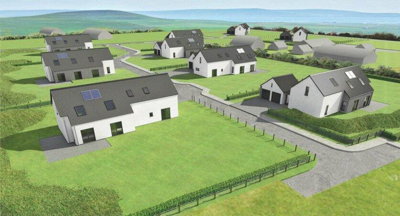
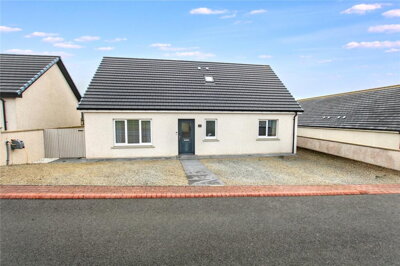
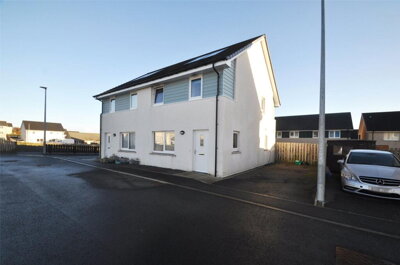
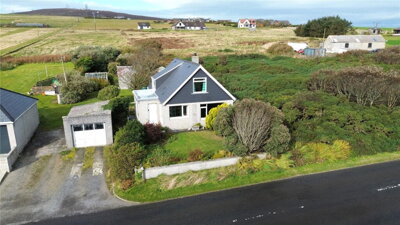
Browse 4 homes for sale in KW15 from local estate agents.
The larger property sector typically features multiple bathrooms, substantial reception space, and private gardens or off-street parking. Four bedroom houses in KW15 span detached, semi-detached, and occasionally terraced configurations, with styles ranging from period properties to modern executive homes.
£400k
1
1
6
Source: home.co.uk
Showing 1 results for 4 Bedroom Houses for sale in KW15. 1 new listing added this week. The median asking price is £400,000.
Source: home.co.uk
Detached
1 listings
Avg £400,000
Source: home.co.uk
Source: home.co.uk
The KW15 property market presents a diverse range of housing options to suit different budgets and lifestyles. Detached properties command the highest average prices at £233,143, reflecting the space and privacy they offer in an island setting where land is at a premium. Semi-detached homes average £156,000, providing an excellent entry point for families seeking more room than a terraced property can provide. These figures demonstrate that Orkney offers remarkable value compared to many Scottish and UK regions where similar property types would cost considerably more.
Terraced properties in KW15 average around £120,000, making them an attractive option for first-time buyers or those looking to downsize. Flats and apartments average £95,000, offering an affordable route onto the property ladder or a convenient lock-up-and-leave option for those who divide their time between Orkney and the mainland. Our data shows that 77 properties have sold in the KW15 area over the past twelve months, indicating steady market activity despite the broader economic uncertainty affecting many regions.
The market has seen a modest price adjustment of 1.7% over the past twelve months, suggesting a stable rather than volatile market. This slight softening may present opportunities for buyers who have been waiting for the right moment to enter the Orkney property market. Property values here have historically proven resilient, supported by limited housing supply, consistent demand from those seeking island living, and the unique economic drivers including renewable energy, tourism, and public sector employment that keep the local economy stable.
The housing stock in KW15 reflects Orkney's distinctive character, with 45.5% of properties being detached homes - a far higher proportion than many UK regions. This reflects both the availability of land on the island periphery and the preference for spacious living that attracts buyers to Orkney in the first place. The remaining stock comprises semi-detached properties at 20.9%, flats at 21.8%, and terraced homes at 11.2%, providing options across the housing spectrum for buyers with different needs and budgets.

The KW15 area, centered on Kirkwall, offers a lifestyle that many can only dream of experiencing. The population of approximately 10,010 residents across 4,775 households creates a community where neighbours know each other by name and local events bring people together throughout the year. From the St. Magnus Festival to the Ba' Game played through Kirkwall's streets, the cultural calendar provides year-round entertainment that mainland towns rarely match. The housing stock reflects Orkney's rich architectural heritage, with traditional stone buildings standing alongside more modern developments.
Orkney's geology, dominated by Devonian Old Red Sandstone, has shaped both the landscape and the buildings that stand upon it. Traditional properties in KW15 were constructed using local stone, often flagstone or sandstone, with drystone or lime mortar techniques that have stood the test of centuries. Properties built before 1919 account for 20.6% of the housing stock, with a further 31.0% constructed between 1945 and 1980 using more modern methods that incorporated the local materials Orkney builders have relied upon for generations. This architectural diversity means buyers can choose between characterful historic properties and more contemporary designs.
The local economy thrives on a diverse base of employers, with public administration including NHS Orkney and Orkney Islands Council providing significant employment. The tourism sector plays a vital role, attracting visitors to world heritage sites, ancient standing stones like those at Skara Brae, and stunning coastal landscapes. Agriculture, fishing, and the growing renewable energy sector, including both wind and tidal projects, contribute to economic stability. These varied employers help ensure that the KW15 property market remains supported by a resilient local economy that does not rely on any single industry.
Life in Kirkwall offers practical advantages alongside its obvious charms. The town centre provides essential amenities including supermarkets, independent shops, restaurants, and professional services without the anonymity of larger urban centers. Healthcare is well-served by The Balfour Hospital, while community facilities including the Orkney Library and Museum enrich daily life. For those accustomed to mainland convenience, the seasonal variation in ferry and flight schedules may require adjustment, but most residents find that the trade-off for island living is one they would make again without hesitation.

Education provision in KW15 serves students from early years through to further education. Kirkwall hosts several primary schools that feed into the secondary school system, with the town serving as the educational hub for the Orkney mainland. Families moving to KW15 will find that class sizes are typically smaller than those found in urban mainland centres, allowing for more individual attention and a supportive learning environment. The island community takes education seriously, and schools benefit from strong parental engagement and community support that extends beyond the classroom.
Secondary education in Kirkwall is served by Kirkwall Grammar School, with the modern campus providing up-to-date facilities for students across a broad curriculum. For families seeking faith-based education, St. Andrews School provides an alternative option in the primary sector. The schools in Orkney consistently demonstrate a commitment to academic achievement while also emphasising the practical skills and outdoor learning opportunities that island life naturally provides. Parents considering a move to KW15 should research specific catchment areas, as these can affect which school their children will attend, particularly for families considering areas outside Kirkwall town centre.
Post-16 education options include Orkney College UHI, which provides higher education courses and vocational qualifications without requiring students to leave the islands. This provision means that families do not need to choose between their children's education and living in Orkney, as there are pathways to degree-level qualifications available locally. The college also serves as a community resource, offering adult education and evening classes that contribute to the rich cultural fabric of Kirkwall. For families moving from further afield, the prospect of their children growing up in Orkney's stunning natural environment while receiving quality education represents a compelling combination that draws many buyers to the KW15 area.
Getting to and from KW15 requires crossing the Pentland Firth, either by air or sea. Kirkwall Airport offers regular flights to Aberdeen, Edinburgh, Glasgow, and Inverness, with the flight to Aberdeen taking approximately one hour. These connections make Orkney accessible for business travel and visiting family, though buyers should factor in the cost and scheduling of flights when considering daily commuting from KW15. The ferry service from Orkney to the mainland provides an alternative route, with services connecting to Thurso and Scrabster on the northern Scottish coast.
Within KW15, the road network connects Kirkwall to settlements across the Orkney mainland, though journey times can be longer than mainland equivalents due to single-track roads in places. The infrastructure is well-maintained by Orkney Islands Council, but the geography of the island means that distances that appear short on a map can take meaningful time to cover. Public bus services operate within Kirkwall and connect the town to surrounding areas, providing essential transport for those without vehicles. For cyclists, Orkney offers both on-road and off-road cycling opportunities, though the often windy weather means that cycling requires more effort than in more sheltered locations.
Parking in Kirkwall is generally more available than in mainland towns of comparable size, though demand increases during tourist season when visitors arrive by ferry. The ferry terminal at Kirkwall provides connections to the outer islands, opening up opportunities for day trips and exploring the wider Orkney archipelago. Residents quickly adapt to planning around ferry and flight schedules, and many find that the need to plan travel in advance becomes a positive aspect of island life rather than a limitation. The key for buyers is to understand that Orkney is not a place where you can simply jump in the car for a spontaneous day trip to the mainland, but rather a place where journeys are meaningful occasions rather than everyday frustrations.
For those considering KW15 as a base for work elsewhere, remote working has become increasingly viable with improvements in Orkney's digital infrastructure. Many residents now split their time between Orkney living and mainland commitments, using the excellent flight connections to maintain professional ties while enjoying the quality of life that island existence offers. This flexibility has opened up KW15 to a new generation of buyers who would previously have been deterred by the perceived isolation of island living.
Properties in KW15 reflect centuries of building tradition shaped by the materials available on Orkney. The predominant construction uses local flagstone and sandstone, with traditional drystone techniques that required considerable craftsmanship to execute properly. These historic buildings, representing 20.6% of the housing stock, were built without the damp-proof courses common in modern construction, meaning they rely on breathable construction principles that must be respected during any renovation or repair work. Understanding these traditional methods is essential for anyone considering purchasing an older Kirkwall property.
The majority of KW15 properties fall into the post-war construction period, with 31.0% built between 1945 and 1980. These properties typically feature cavity wall construction using blockwork with rendered finishes, reflecting the adoption of mainland building techniques following the war. Many incorporate the local stone either as facing material or decorative elements, maintaining Orkney's architectural continuity while benefiting from improved insulation standards of the era. The remaining 37.1% of properties built after 1980 may include timber frame construction, which has become more common as building methods evolved.
When we survey properties across KW15, we consistently observe issues related to the coastal climate affecting different construction types in specific ways. Salt corrosion from the Atlantic air accelerates deterioration of metal components including roof fixings, gutters, and structural ties in stonework. Traditional lime mortar pointing can erode faster than modern cement-based alternatives in exposed locations, though lime remains preferable for breathability. Properties with render finishes may show signs of cracking or debonding where thermal movement or moisture penetration has occurred behind the surface.
Radon gas represents an environmental consideration specific to certain Orkney locations, and while not widespread across KW15, elevated levels have been detected in some areas. Properties in affected zones may require radon mitigation measures during purchase or renovation. Our surveyors check for existing radon barriers and sumps when inspecting Kirkwall properties, particularly those with underfloor voids or suspended timber floors where gas accumulation is most likely. If radon is a concern for a specific property, dedicated testing over a three-month period provides the most accurate assessment of annual exposure levels.
Before viewing properties in KW15, secure a mortgage agreement in principle to understand your budget. Given the island location, some lenders may have specific criteria, so consider speaking to a mortgage broker familiar with Orkney properties who can advise on the best options available. Having finances in place before making offers strengthens your position with sellers.
Explore the KW15 property market using Homemove to see what is currently available. Understand the price differences between property types, from flats averaging £95,000 to detached homes at £233,143, to identify which areas and styles match your requirements. Consider whether you prefer the character of an older stone property in Kirkwall town centre or a more modern home on the outskirts.
If possible, visit KW15 to experience Kirkwall and the surrounding area firsthand. Exploring in person will help you understand the community feel, local amenities, school catchments, and transport connections that online listings cannot fully convey. Take time to drive some of the single-track roads and experience the journey times between different areas.
Once you have identified suitable properties, arrange viewings through the estate agents listing on Homemove. Consider viewing multiple properties to compare different construction types, ages, and locations within KW15 before making an offer. Pay particular attention to how properties have been maintained and whether any obvious defects warrant further investigation.
Given that 62.9% of KW15 properties were built before 1980, a RICS Level 2 Survey is strongly recommended to identify common issues including damp, roof condition, timber defects, and outdated services before you commit to purchase. We can arrange a surveyor with specific experience in Orkney properties who understands the local construction methods and common defect patterns.
Choose a solicitor experienced in Orkney property transactions to handle conveyancing. They will manage legal searches, the contract, and registration with Registers of Scotland to ensure your purchase proceeds smoothly. Local Orkney solicitors are familiar with the specific requirements of island property transactions.
Once all legal requirements are satisfied and your mortgage is finalized, your solicitor will arrange the exchange of contracts and completion. Allow extra time for the process as island transactions sometimes require additional coordination with local land registry and solicitor firms. Factor in ferry crossings for moving day logistics if you are bringing belongings from the mainland.
Properties in KW15 present unique considerations that buyers in mainland Britain may not have encountered before. The coastal climate means that salt corrosion can affect metal components including roof fittings, gutters, and structural fixings. When viewing properties, examine external metalwork carefully for signs of rust or deterioration. Properties close to the coastline may require more frequent maintenance than inland equivalents, and buyers should factor these ongoing costs into their budget calculations. Our inspectors often find that the accelerated wear on external ironmongery is one of the most commonly underestimated costs of coastal property ownership in Orkney.
Damp represents one of the most common issues in Orkney properties, particularly older homes with traditional construction methods that pre-date modern damp-proof courses. With 20.6% of properties built before 1919, buyers are likely to encounter historic stone buildings that require careful assessment. Look for signs of penetrating damp on walls, particularly in corners and behind furniture, and check that ventilation is adequate in areas like bathrooms and kitchens where moisture is generated. We recommend paying particular attention to the condition of lime mortar pointing, as this is often the first line of defence against moisture penetration in traditional construction.
Roof conditions warrant particularly close inspection given Orkney's exposure to strong winds and Atlantic weather systems. Many traditional properties feature slate or flagstone roofing that can suffer from slipped or broken tiles, deteriorated lead flashing, and general wear that accelerates in exposed locations. The timber structures beneath roofs can be susceptible to both wet and dry rot if water ingress has occurred, so always include a thorough roof inspection in your property assessment. We consistently find that the combination of coastal exposure, wind, and rain means that roofs in KW15 work harder than those in more sheltered locations, and maintenance costs reflect this reality.
For properties within Kirkwall's Conservation Area or those that are listed buildings, additional considerations apply. Listed Building Consent may be required for alterations or significant works, and buyers should understand these obligations before purchasing. The conservation area encompasses significant historic buildings including St Magnus Cathedral, the Earl's Palace, and the Bishop's Palace, as well as numerous traditional townhouses along the historic streets. A RICS Level 3 Building Survey may be more appropriate than a Level 2 for historic or complex properties, as it provides a more detailed assessment suitable for buildings where conservation principles matter. Properties with significant heritage value may cost more to maintain, but they also represent pieces of Orkney's architectural history that many buyers find deeply rewarding to own.
Ground conditions deserve attention despite the generally low shrink-swell risk across most of Orkney. Localised areas with significant peat deposits or specific clay-rich superficial deposits can present settlement risks that manifest as cracking or movement in properties. When we survey properties in areas with variable ground conditions, we pay close attention to any signs of subsidence or differential settlement that might indicate problematic underlying geology. Most KW15 properties sit on stable Devonian sandstone bedrock, but the superficial deposits can vary considerably across short distances.
The average house price in KW15 is £171,034 based on current market data. Property prices vary significantly by type, with detached homes averaging £233,143, semi-detached properties at £156,000, terraced homes around £120,000, and flats averaging £95,000. The market has seen a modest 1.7% price adjustment over the past twelve months, suggesting relative stability compared to more volatile UK regions. These prices make Orkney notably more affordable than many comparable rural and coastal locations in mainland Scotland and England, offering buyers excellent value for the quality of life the islands provide.
Properties in KW15 fall within Orkney Islands Council jurisdiction. Council tax bands in Orkney follow the Scottish system, with properties assessed from Band A through to Band H based on their assessed value. Most terraced properties and smaller flats typically fall into Bands A to C, while larger detached homes may be assessed in higher bands. Orkney Islands Council sets the annual council tax rates, and buyers should check the current year's charges on the council website or through the solicitor handling their purchase. Utility costs and council tax should be considered alongside mortgage payments when budgeting for a KW15 property.
KW15 benefits from several well-regarded educational establishments. Kirkwall Grammar School serves secondary students from the KW15 area, while primary education is available at schools including Kirkwall Primary School and St. Andrews School for those seeking faith-based education. Smaller primary schools in surrounding villages provide local options for younger children. Orkney College UHI offers further and higher education opportunities without requiring students to leave the islands. Parents should research specific school catchments, as these can affect which school children in a particular property will attend, particularly for families considering areas outside Kirkwall town centre.
KW15 is connected to the mainland by both air and sea. Kirkwall Airport offers regular flights to Aberdeen, Edinburgh, Glasgow, and Inverness, with multiple daily services during peak periods. The Orkney Ferry terminal at Kirkwall provides crossings to Scrabster and Thurso on the Scottish mainland. Within KW15, bus services operated by Stagecoach and local providers connect Kirkwall to surrounding communities, though frequencies may be limited on less popular routes. Many KW15 residents choose to maintain a vehicle, and ferry booking for cars should be planned ahead, particularly during summer tourist season and holidays when demand is highest.
KW15 can be a sound investment for the right buyer. Property prices have shown resilience, supported by limited housing supply, consistent demand from those seeking island living, and the diverse local economy including public sector employment, tourism, agriculture, fishing, and renewable energy. The tourism sector creates demand for holiday lets, which some buyers factor into their investment calculations. However, buyers should understand that the Orkney property market is relatively small with 77 sales in twelve months, which means properties may take longer to sell than in more active mainland markets. Capital growth expectations should be realistic, as Orkney is unlikely to match the price appreciation seen in faster-growing UK regions.
As Orkney is part of Scotland, Land and Buildings Transaction Tax (LBTT) applies rather than Stamp Duty Land Tax. The LBTT residential rates start at 0% on the first £145,000 of the purchase price, rising to 2% on the portion from £145,001 to £250,000, 5% from £250,001 to £325,000, 10% from £325,001 to £750,000, and 12% on any amount above £750,000. First-time buyers in Scotland receive relief on the first £175,000, meaning no LBTT is payable on purchases up to this threshold. Given the KW15 average price of £171,034, many first-time buyers purchasing at or below average price would pay no LBTT. Your solicitor will calculate the exact amount due based on your purchase price and circumstances.
From £400
A detailed inspection of the property condition, ideal for most homes in KW15 given the age of the housing stock. Identifies defects including damp, roof issues, and timber problems.
From £600
A comprehensive building survey suitable for older, historic, or complex properties in KW15. Provides detailed assessment for listed buildings and Kirkwall Conservation Area properties.
From £85
Energy Performance Certificate required for all property sales. Shows energy efficiency rating and recommendations for improvements.
From 4.5%
Expert mortgage advice tailored to your circumstances, with access to lenders familiar with Orkney properties.
From £499
Specialist property solicitors with experience in Orkney transactions, handling all legal aspects of your purchase.
Understanding the full costs of buying property in KW15 goes beyond the purchase price itself. Land and Buildings Transaction Tax applies to all residential purchases in Scotland, replacing the Stamp Duty Land Tax used in England and Wales. For a property at the KW15 average price of £171,034, a standard buyer would pay no LBTT on the first £145,000 and 2% on the remaining £26,034, totaling approximately £520 in tax. First-time buyers benefit from increased relief, with no LBTT payable on purchases up to £175,000, meaning many first-time buyers in KW15 would pay no tax at all on an average-priced property.
Survey costs should be factored into your budget, particularly given the age profile of KW15 housing stock. With 62.9% of properties built before 1980, a RICS Level 2 Survey is money well spent to identify potential issues before you commit. Survey costs in KW15 typically range from £400 to £700 depending on property size and complexity, with larger detached properties at the higher end of this range. While some buyers are tempted to skip the survey to save money, this is a false economy when purchasing an older property where issues like damp, roof condition, or timber defects could cost thousands to address.
Legal fees for conveyancing typically start from around £499 for standard transactions, though more complex purchases involving listed buildings, conservation areas, or unusual tenure arrangements may cost more. Searches specific to Orkney will be required, and your solicitor will advise on local considerations that mainland buyers may not have encountered before. Additional costs include Land Registry fees for registration, mortgage arrangement fees if applicable, and moving costs that can be higher than mainland equivalents due to ferry charges for vehicles and belongings. Building these costs into your initial budget will prevent surprises as you progress through your KW15 purchase.
Properties for Sale In London

Properties for Sale In Plymouth

Properties for Sale In Liverpool

Properties for Sale In Glasgow

Properties for Sale In Sheffield

Properties for Sale In Edinburgh

Properties for Sale In Coventry

Properties for Sale In Bradford

Properties for Sale In Manchester

Properties for Sale In Birmingham

Properties for Sale In Bristol

Properties for Sale In Oxford

Properties for Sale In Leicester

Properties for Sale In Newcastle

Properties for Sale In Leeds

Properties for Sale In Southampton

Properties for Sale In Cardiff

Properties for Sale In Nottingham

Properties for Sale In Norwich

Properties for Sale In Brighton

Properties for Sale In Derby

Properties for Sale In Portsmouth

Properties for Sale In Northampton

Properties for Sale In Milton Keynes

Properties for Sale In Bournemouth

Properties for Sale In Bolton

Properties for Sale In Swansea

Properties for Sale In Swindon

Properties for Sale In Peterborough

Properties for Sale In Wolverhampton

Enter your details to see if this property is within your budget.
Loans, cards, car finance
Estimated property budget
Borrowing + deposit
You could borrow between
Typical borrowing
Monthly repayment
Est. at 4.5%
Loan-to-value
This is an estimate only. Your actual budget may vary depending on interest rates, credit history, and personal circumstances. For an accurate affordability assessment, speak to one of our free mortgage advisors.
This calculator provides estimates for illustrative purposes only and does not constitute financial advice. Your home may be repossessed if you do not keep up repayments on your mortgage. Estimates based on 4.5% interest rate, repayment mortgage. Actual rates depend on your circumstances.
Homemove is a trading name of HM Haus Group Ltd (Company No. 13873779, registered in England & Wales). Homemove Mortgages Ltd (Company No. 15947693) is an Appointed Representative of TMG Direct Limited, trading as TMG Mortgage Network, which is authorised and regulated by the Financial Conduct Authority (FRN 786245). Homemove Mortgages Ltd is entered on the FCA Register as an Appointed Representative (FRN 1022429). You can check registrations at NewRegister or by calling 0800 111 6768.

We use cookies to show you personalised content and improve your experience of our website. Find out more in our Privacy policy and Cookie policy.