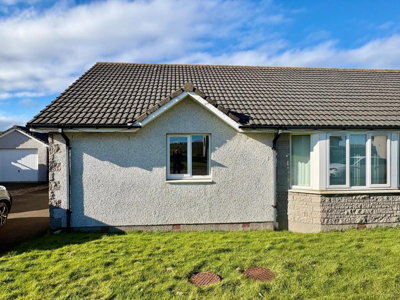
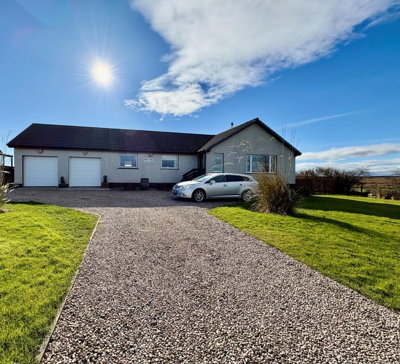
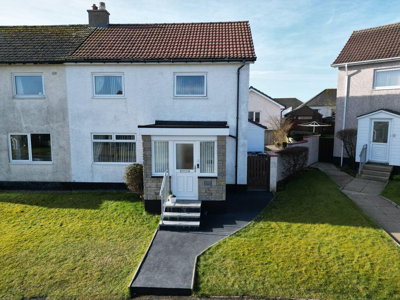
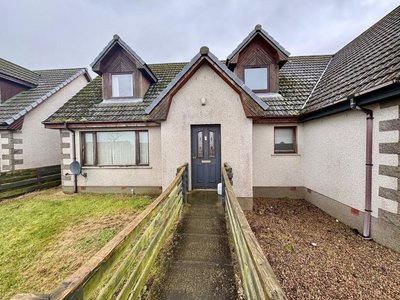
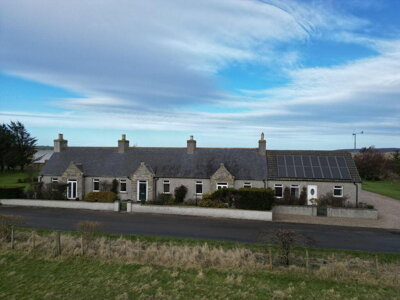
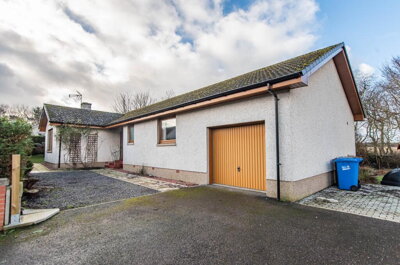
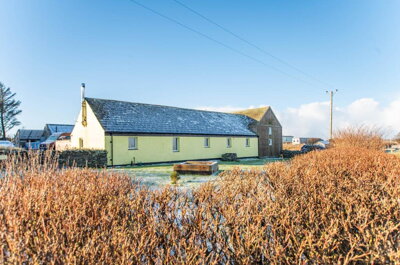
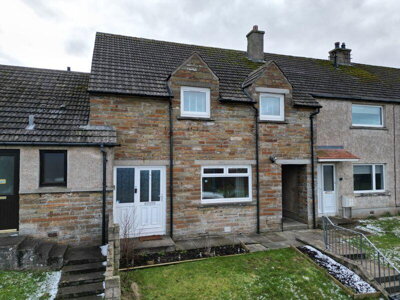
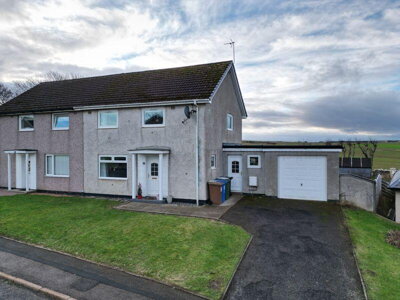
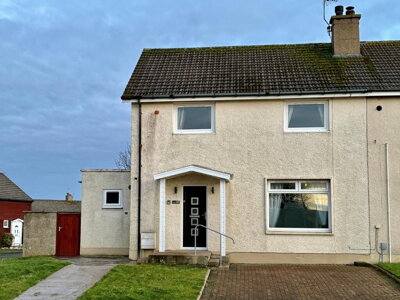
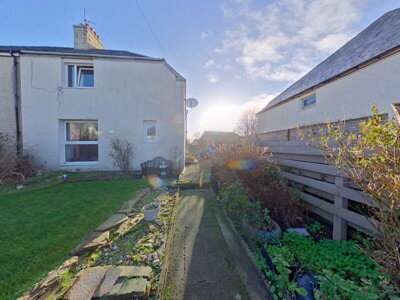
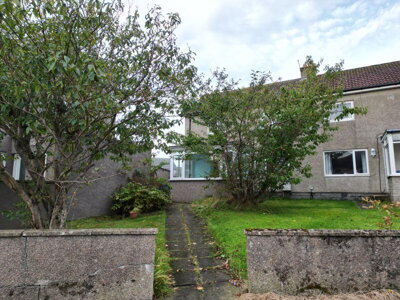
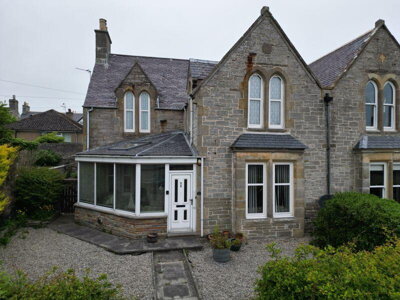
Browse 15 homes for sale in KW14 from local estate agents.
Three bedroom properties represent a significant portion of the KW14 housing market, offering space for families with multiple reception rooms and gardens in many cases. Browse detached, semi-detached, and terraced options ranging from period character homes to contemporary developments.
£170k
3
0
113
Source: home.co.uk
Showing 3 results for 3 Bedroom Houses for sale in KW14. The median asking price is £170,000.
Source: home.co.uk
Detached
2 listings
Avg £242,500
Semi-Detached
1 listings
Avg £170,000
Source: home.co.uk
Source: home.co.uk
The KW14 property market has demonstrated steady growth over the past twelve months, with prices rising approximately 5% compared to the previous year and now standing 8% above the 2022 peak of £145,502. This consistent upward trajectory reflects growing recognition of Caithness as an increasingly attractive place to live, driven by improved digital connectivity, affordable property prices, and an outstanding natural environment. OnTheMarket records the average price paid for properties in the Thurso area at £127,000 as of early 2026, representing a 1.3% increase over the preceding twelve months. The market remains accessible for first-time buyers, with numerous terraced properties and flats available below the national average house price, while detached homes with sea views or land command premium prices that still represent excellent value compared to Scottish urban centres.
Property types in KW14 span an impressive range, from traditional Caithness flagstone cottages dating back generations to contemporary new builds and conversions offering modern living standards. Zoopla data shows detached properties averaging £241,971 over the past year, semi-detached homes at approximately £130,053, terraced properties around £111,536, and flats averaging £72,018. This pricing structure means buyers can genuinely find more property for their money here than in most other parts of the UK. The market sees regular transactions across all segments, with terraced and semi-detached homes proving particularly popular among local buyers and those relocating from busier areas. Rural plots with planning permission in principle are also available in villages like Dunnet, Melvich, Bettyhill, Reay, and Castletown, offering opportunities for self-build projects in breathtaking locations close to the North Coast 500.

The KW14 area offers an exceptionally diverse range of property types to suit different tastes, budgets, and lifestyle preferences. Thurso town centre features Victorian and Edwardian terraced properties, many built during the town's Victorian heyday when Thurso served as a bustling commercial hub for the far north. These properties, often located on streets like Traill Street, Morrison Street, and the area around the historic Town Hall, typically offer two to three bedrooms with original features including fireplaces, high ceilings, and stone-built construction. Prices for town centre terraces generally range from around £80,000 to £130,000, making them ideal for first-time buyers or those seeking a manageable property close to all amenities.
Modern housing developments in Thurso include schemes such as Brims Bos and other areas developed from the 1990s onwards, offering semi-detached and detached family homes built to contemporary standards with effective insulation, modern heating systems, and reasonable energy efficiency. These properties typically command prices between £180,000 and £280,000 depending on size and condition. Beyond Thurso itself, the surrounding villages contain traditional Caithness stone cottages that represent the architectural heritage of the region, featuring characteristic flagstone floors, slate roofs, and thick stone walls that provide excellent thermal mass. These period properties in villages like Dunnet, Castletown, Halkirk, Reay, and Georgemas can be found priced between £120,000 and £200,000, with premium examples commanding higher prices.
Rural properties with land represent a distinctive segment of the KW14 market, with smallholdings and farms offering buyers the opportunity to embrace a self-sufficient lifestyle surrounded by Caithness farmland. Properties with several acres of grazing land, traditional farm buildings, and traditional or converted residential accommodation typically range from £200,000 to £400,000 depending on the quality of accommodation and land extent. Many buyers in this category are attracted by the possibility of establishing equestrian facilities, small-scale agricultural enterprises, or simply enjoying the privacy and space that rural Caithness living provides. The diversity of property types available in KW14 means that careful research and viewings across different areas will reveal opportunities suited to specific requirements, whether proximity to schools, employment, or the spectacular coastline along the Pentland Firth.
Life in KW14 revolves around the dramatic landscapes of Caithness, where the ancient geology of Old Red Sandstone meets the wild North Sea coastline. The area is characterised by vast open moorland, distinctive Caithness flagstone outcroppings, and a network of small communities each with their own identity and heritage. Thurso, as the largest town, serves as the commercial and social hub, offering a weekly market, selection of independent retailers, pubs, restaurants, and community facilities. The town retains a friendly, unhurried atmosphere where neighbours know each other and newcomers are warmly welcomed into the local community. This sense of belonging to a distinct geographical and cultural area runs deep, with Caithness residents taking considerable pride in their unique heritage, traditional music, and the Gaelic and Norse influences that have shaped the region over centuries.
The local economy in KW14 has evolved beyond its historical dependence on agriculture, fishing, and the Dounreay nuclear power station, which is now in decommissioning but still provides skilled employment. Tourism has emerged as a significant growth sector, with the North Coast 500 route bringing increasing visitor numbers to the area each year. This has supported the development of bed and breakfasts, holiday lets, and hospitality businesses, creating opportunities for entrepreneurial buyers. Outdoor pursuits generate substantial economic activity, with surfers drawn to Thurso Bay, hikers exploring the nearby hills, and fishing enthusiasts visiting the rivers and coastline. The cost of living remains notably affordable, with property prices, groceries, and services all priced competitively compared to urban centres, meaning household budgets stretch considerably further in KW14.
Healthcare facilities in KW14 include Caithness General Hospital in Wick and various GP practices serving Thurso and surrounding villages, ensuring residents have access to essential medical services without travelling long distances for routine care. Retail amenities have improved in recent years with the expansion of supermarkets in Thurso town centre, while the independent shops along the high street offer character and personal service that larger towns often lack. Community life centres around venues like the Pentland Theatre, the local library, and various sports facilities including the swimming pool and sports centre, providing entertainment and recreation options for all ages throughout the year.
Understanding the construction methods used throughout KW14 helps buyers appreciate the character and maintenance requirements of local properties. Caithness flagstone, a distinctive dark grey laminated sandstone unique to this region, has shaped the built environment over centuries. This durable material was traditionally used for roofing, paving, flooring, and wall construction, with many historic buildings and boundary walls throughout Thurso and the surrounding villages featuring characteristic flagstone elements. Properties built in the Victorian and Edwardian periods typically feature solid stone walls, high ceilings, large windows with sash-and-case mechanisms, and suspended timber floors over ventilated voids. These traditional construction methods provide excellent durability and thermal mass but require understanding from owners regarding appropriate maintenance and repair approaches.
Lime mortar has been used in traditional Caithness buildings for centuries, allowing walls to breathe and manage moisture naturally. Modern cement-based mortars and renders can trap moisture within solid stone walls, leading to deterioration over time. Specialist repair using lime mortar preserves the breathability of traditional walls and extends the life of the building fabric. Original features in older properties, including timber sash windows, original fireplaces with decorative surrounds, and panelled doors, contribute significantly to property character and value. Buyers should consider the cost implications of maintaining these traditional features when assessing purchase budgets. The prevalence of Caithness flagstone as a local material means that specialist craftspeople familiar with working this distinctive stone are available throughout the region, though lead times for larger projects may be longer than in urban areas due to the limited number of tradespeople with relevant expertise.
Education provision in KW14 serves families well, with Thurso offering a comprehensive selection of schools covering all age groups from early years through to secondary education. Thurso High School provides secondary education for the town and surrounding areas, offering the National Qualifications curriculum followed throughout Scotland and preparing pupils for progression to further education or employment. Primary education is well catered for through several schools including Thurso Primary School, Pennyland Primary School, and Castletown Primary School, each serving their local communities with dedicated teaching staff and good facilities. Early years childcare is available through council-run nurseries and private providers, offering flexible arrangements to support working parents. Families moving to KW14 report high satisfaction with the quality of education available and the supportive learning environment found in these smaller school communities.
For those seeking further education, the North Highland College UHI, based in Thurso, offers a range of vocational and academic courses at higher national certificate and diploma levels. The college provides pathways into various professional careers and maintains strong links with local employers including those in renewable energy, construction, healthcare, and hospitality sectors. Pupils from KW14 can also progress to university education at institutions across Scotland and beyond, with good transport connections from Thurso to Inverness and other major cities supporting those who need to travel for specific degree programmes. The relatively small class sizes found in Caithness schools often provide individual attention that helps pupils flourish academically and develop confidence in their abilities.

Energy efficiency represents an important consideration for any property purchase in KW14, given the far northern location and exposure to Atlantic weather systems. A significant proportion of the local housing stock is likely to fall below Energy Performance Certificate band C, particularly older stone-built properties where insulation improvements have not been undertaken. Properties with solid walls lack the cavity space for standard insulation materials, though external wall insulation systems or internal dry-lining can improve thermal performance. Loft insulation levels in older properties should be checked, as many pre-1970s homes were built with minimal or no loft insulation that can now be upgraded to current standards relatively easily and cost-effectively.
Heating systems vary considerably across KW14 properties, from traditional solid fuel fires and storage heaters to modern oil-fired boilers, LPG systems, and increasingly common air source heat pumps. Scotland's regulations now require the installation of renewable heating systems in off-gas properties, affecting many homes throughout Caithness where oil has historically been the dominant heating fuel. Buyers should budget for potential heating system upgrades when purchasing older properties, as replacing an aging oil boiler with a heat pump system involves significant cost but can substantially reduce ongoing energy bills. Double glazing has been widely installed across the area, though original timber sash windows in period properties may not meet current energy standards and could require careful restoration or replacement with heritage-style double-glazed units to balance energy efficiency with character preservation.
Despite its northerly location, KW14 benefits from surprisingly good transport connections that keep residents connected to the wider region and beyond. Thurso railway station sits on the Far North Line, providing direct services south to Inverness where connections to the rest of Scotland's rail network are available. Journey times to Inverness typically take around four hours, passing through the spectacular scenery of Sutherland and along the edge of the Dornoch Firth. For air travel, Wick Airport offers limited regional flights, while Inverness Airport provides a broader range of domestic and international connections. Many KW14 residents choose to drive for major journeys, with the A9 trunk road running through Thurso and connecting the area to Inverness to the south and Orkney ferry connections at Thurso Bay.
Local transport within KW14 relies primarily on bus services operated by Stagecoach and local operators, providing routes between Thurso and surrounding villages including Wick, Dunnet, Halkirk, and Georgemas. Daily services connect smaller communities to Thurso's shopping and healthcare facilities, though timetables reflect the rural nature of the area with less frequent services than urban routes. Car ownership remains common and practical for most residents given the scattered nature of settlements and the excellent road network maintained throughout Caithness. Cyclists appreciate the quiet B-roads and spectacular coastal routes, though should prepare for changeable Highland weather and exposed sections. The ferry terminal at Thurso Bay provides crossings to Orkney, opening up island exploration opportunities and connecting residents to another distinct Scottish community.
Purchasing property in KW14 requires consideration of several area-specific factors that may not affect buyers in more urban locations. The coastal position of many properties means flood risk assessment deserves careful attention, particularly for homes near the River Thurso or those very close to the shoreline where coastal erosion and storm surge represent genuine considerations. SEPA flood maps for Scotland provide useful indicators of potential risk, though individual property history and elevation should also be investigated before committing to a purchase. Properties in low-lying areas near rivers may face periodic flooding, while cliff-top homes could be subject to gradual coastal erosion over longer timeframes. A thorough survey conducted by a qualified RICS member will identify any existing water damage or structural concerns that might indicate vulnerability to these environmental factors.
The traditional building materials used throughout Caithness, particularly Caithness flagstone and natural stone, contribute significantly to the character of local properties but require appropriate maintenance knowledge from owners. Properties built from stone, including the numerous listed buildings found in Thurso and surrounding villages, often feature solid walls without cavity insulation and may use lime mortar rather than cement, requiring specialist repair approaches that preserve the building's breathability. Older properties frequently have electrical and plumbing systems that would benefit from updating to meet modern standards, and buyers should budget for potential re-wiring or new heating systems. Properties with thatch or traditional slate roofing will need specialist tradespeople for maintenance, and availability of such craftspeople in remote Caithness should be factored into ongoing costs. Leasehold arrangements are less common in Scotland than in England, with most properties sold freehold, though any management company arrangements for flats or shared developments should be examined carefully.
The North Coast 500 tourism route has created significant investment opportunities in KW14, with growing demand for quality holiday accommodation throughout the year. Properties positioned along or near this iconic scenic route command premium rates as holiday lets, particularly those offering sea views or proximity to popular attractions like Dunnet Head, the Castle of Mey, and the dramatic coastline of the far north. Many buyers in KW14 are specifically seeking properties that can generate income through self-catering holiday accommodation, with some purchasing traditional cottages or guest houses that can be operated as established tourism businesses. The rental income potential from well-positioned properties can be substantial during peak summer months when visitor numbers to Caithness reach their highest levels.
Property investment in KW14 benefits from the area's position as one of the most affordable markets in Scotland, meaning capital growth from any appreciation represents meaningful returns on relatively modest initial investments. The ongoing transition of the local economy, with Dounreay moving through its decommissioning programme and renewable energy projects emerging in the wider region, suggests continued demand for quality rental accommodation from workers in these sectors. NHS staff, college students, and workers in the growing tourism and hospitality industries all create demand for rental properties in Thurso and surrounding areas. Long-term investors should consider the costs and requirements associated with any planned holiday let operations, including potential planning consent requirements and registration with Highland Council as a short-term let operator.
Start by exploring current listings across our platform to understand what is available within your budget. KW14 offers everything from terraced homes priced from around £70,000 to substantial detached properties exceeding £300,000, so defining your priorities helps narrow the search effectively. Visiting the area in different seasons gives a genuine feel for life in Caithness, including the dramatic winter weather and the long summer evenings that characterise the far north. Speaking with local estate agents provides market intelligence beyond what appears in listings, including upcoming properties and vendor motivations.
Before viewing properties, obtain a mortgage agreement in principle from a lender to demonstrate your purchasing capacity to sellers. KW14 properties are generally more affordable than urban equivalents, meaning smaller deposits and lower loan amounts are required compared to other regions. Our mortgage comparison tools help you find competitive rates, while local brokers understand the Caithness property market and can advise on suitable products. Factor in additional purchase costs including Land and Buildings Transaction Tax (Scotland's equivalent of stamp duty), solicitor fees, and survey costs. Given the age of much local housing stock, budgeting for potential repairs or upgrades is prudent.
View multiple properties across different locations within KW14, from Thurso town centre to coastal villages and rural settings, to understand the full range available. Pay attention to property condition, heating systems, insulation levels, and signs of damp or structural movement during viewings. Ask vendors about recent maintenance, age of heating systems, and any issues they are aware of with the property. Photography and notes help compare properties afterwards, and our platform allows you to save favourite listings and track price changes. Consider viewing properties at different times of day to assess lighting, noise levels, and neighbour activity.
Once you have found a property and had an offer accepted, instruct a qualified RICS surveyor to conduct an appropriate inspection. For older stone-built properties or those over 50 years old, a RICS Level 3 Building Survey provides the most comprehensive assessment of condition and defects. A RICS Level 2 HomeBuyer Report may be suitable for newer or simpler properties. Surveyors familiar with traditional Scottish construction can identify issues specific to Caithness properties, including flagstone condition, stone wall integrity, and any evidence of damp or subsidence. The survey report provides valuable negotiation leverage if issues are identified, potentially allowing price adjustments or requiring seller improvements before completion.
Appoint a conveyancing solicitor with experience in Scottish property transactions to handle the legal aspects of your purchase. Scottish conveyancing differs from English processes with separate offers procedures and standardised terms. Your solicitor conducts searches, examines title deeds, and liaises with the seller's legal team to progress the transaction. A local solicitor in Thurso or the surrounding area brings knowledge of Caithness property specifics, local authority requirements, and any common issues affecting properties in KW14. Exchange and completion typically happen in a single settlement date, after which keys are released and you become the legal owner of your KW14 home.
Understanding the costs involved in purchasing property in Scotland helps buyers budget accurately and avoid surprises during the transaction process. In Scotland, Land and Buildings Transaction Tax (LBTT) replaces the stamp duty system used in England, with different thresholds and rates applying as of the 2024-25 tax year. For residential purchases, there is no LBTT on properties up to £145,000, with rates rising progressively through bands up to 12% on portions of price exceeding £750,000. First-time buyers in Scotland benefit from the First-Time Buyer Relief, which raises the zero-rate threshold to £175,000, meaning no LBTT is payable on the first £175,000 of a first home purchase. This relief applies to all buyers who have never owned property anywhere in the world, regardless of age or income.
For a typical KW14 property priced at the area average of £156,747, a first-time buyer would pay no LBTT under current relief provisions, representing a meaningful saving compared to English equivalents. A home buyer who has previously owned property would pay LBTT at 2% on the portion between £145,001 and £250,000, equating to approximately £235 on a £156,747 purchase. These figures demonstrate why Scotland's tax system makes property acquisition in areas like KW14 particularly attractive for first-time buyers who can benefit from the enhanced relief. Beyond LBTT, additional costs include solicitor fees typically ranging from £500 to £1,500 depending on complexity, search fees around £200 to £400, and a mortgage arrangement fee if applicable. Buildings insurance must be in place from completion date, and removals costs should be factored into your overall moving budget.
The average house price in KW14 stands at approximately £156,747 based on transactions over the past year, according to Rightmove data. Zoopla records a similar figure of £157,123, with prices rising around 5% year-on-year. Property prices vary significantly by type, with terraced properties averaging £111,536-£122,222, semi-detached homes at £130,053-£143,413, and detached properties commanding £237,501-£241,971. Flats remain the most affordable option at around £72,018 on average. This pricing makes KW14 one of the most accessible property markets in Scotland for buyers seeking generous space at reasonable cost.
Properties in KW14 fall under Highland Council administration, with council tax bands ranging from A through H based on property valuation as assessed by the Scottish Assessors Association. Most terraced properties and smaller homes in the Thurso area typically fall into bands A to C, placing them at the lower end of the council tax scale and resulting in annual charges between approximately £1,000 and £1,300. Larger detached homes, particularly those with land, sea views, or substantial gardens, may be categorised in bands D through F, with annual charges ranging up to around £2,000. Highland Council sets the multiplier for each band annually, and buyers can verify the specific band for any property through the Scottish Assessors Association portal before completing a purchase.
KW14 offers good educational provision through Thurso High School for secondary education and several primary schools including Thurso Primary, Pennyland Primary, and Castletown Primary. The North Highland College UHI in Thurso provides further and higher education opportunities including vocational courses and higher national certificates that can lead directly to employment with local employers in sectors such as renewable energy, healthcare, and hospitality. Schools in the area benefit from smaller class sizes than urban equivalents, allowing more individual attention for pupils. Families should check current catchment areas with Highland Council, as school placements depend on residential address within the designated zone.
KW14 benefits from Thurso railway station on the Far North Line, providing direct services to Inverness with onward connections across Scotland including daily services to major cities. The journey to Inverness takes approximately four hours, passing through stunning Highland scenery including the outstanding views around Helmsdale and the spectacular crossing of the Dornoch Firth bridge. Stagecoach buses connect Thurso with surrounding villages and the larger town of Wick to the east, though services are less frequent than urban areas and may not operate on Sundays. Wick Airport offers limited regional flights to Aberdeen and Edinburgh, while Inverness Airport provides broader domestic and international connections. The ferry terminal at Thurso Bay operates crossings to Orkney. However, daily bus and train services are limited compared to urban areas, making car ownership practically essential for most residents.
KW14 presents interesting investment opportunities driven by affordable entry prices, growing tourism through the North Coast 500 route, and increasing remote working possibilities. Holiday let potential is strong given visitor numbers to Caithness, with properties marketed as B&Bs or self-catering accommodation generating encouraging returns in popular areas near Dunnet Head, John O'Groats, and the Castle of Mey. The ongoing decommissioning of Dounreay creates some employment uncertainty, though renewable energy projects in the wider region suggest future job creation in sectors including offshore wind development. Property values have shown consistent appreciation, rising 5% annually and 8% above the 2022 peak. Long-term investors may find rental demand from NHS staff, college students, and workers in the growing tourism and hospitality sectors.
Scotland's Land and Buildings Transaction Tax applies to KW14 property purchases, with rates starting at 0% for properties up to £145,000. First-time buyers benefit from enhanced relief raising the zero-rate threshold to £175,000. For a typical £156,747 property, first-time buyers pay no LBTT while previous property owners pay approximately £235 at 2% on the portion between £145,001 and £250,000. Higher value properties incur progressively higher rates, reaching 12% on portions exceeding £750,000. Our mortgage and conveyancing partners can provide precise calculations based on your specific purchase price and circumstances.
From 3.84% APR
Find competitive mortgage rates for your KW14 purchase
From £499
Scottish conveyancing solicitors for your property transaction
From £350
Recommended for newer properties and standard construction
From £600
Comprehensive survey for older and stone-built properties
Properties for Sale In London

Properties for Sale In Plymouth

Properties for Sale In Liverpool

Properties for Sale In Glasgow

Properties for Sale In Sheffield

Properties for Sale In Edinburgh

Properties for Sale In Coventry

Properties for Sale In Bradford

Properties for Sale In Manchester

Properties for Sale In Birmingham

Properties for Sale In Bristol

Properties for Sale In Oxford

Properties for Sale In Leicester

Properties for Sale In Newcastle

Properties for Sale In Leeds

Properties for Sale In Southampton

Properties for Sale In Cardiff

Properties for Sale In Nottingham

Properties for Sale In Norwich

Properties for Sale In Brighton

Properties for Sale In Derby

Properties for Sale In Portsmouth

Properties for Sale In Northampton

Properties for Sale In Milton Keynes

Properties for Sale In Bournemouth

Properties for Sale In Bolton

Properties for Sale In Swansea

Properties for Sale In Swindon

Properties for Sale In Peterborough

Properties for Sale In Wolverhampton

Enter your details to see if this property is within your budget.
Loans, cards, car finance
Estimated property budget
Borrowing + deposit
You could borrow between
Typical borrowing
Monthly repayment
Est. at 4.5%
Loan-to-value
This is an estimate only. Your actual budget may vary depending on interest rates, credit history, and personal circumstances. For an accurate affordability assessment, speak to one of our free mortgage advisors.
This calculator provides estimates for illustrative purposes only and does not constitute financial advice. Your home may be repossessed if you do not keep up repayments on your mortgage. Estimates based on 4.5% interest rate, repayment mortgage. Actual rates depend on your circumstances.
Homemove is a trading name of HM Haus Group Ltd (Company No. 13873779, registered in England & Wales). Homemove Mortgages Ltd (Company No. 15947693) is an Appointed Representative of TMG Direct Limited, trading as TMG Mortgage Network, which is authorised and regulated by the Financial Conduct Authority (FRN 786245). Homemove Mortgages Ltd is entered on the FCA Register as an Appointed Representative (FRN 1022429). You can check registrations at NewRegister or by calling 0800 111 6768.

We use cookies to show you personalised content and improve your experience of our website. Find out more in our Privacy policy and Cookie policy.