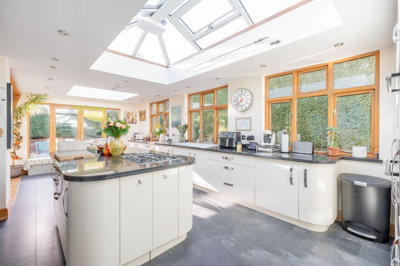
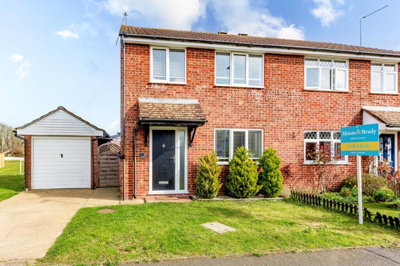
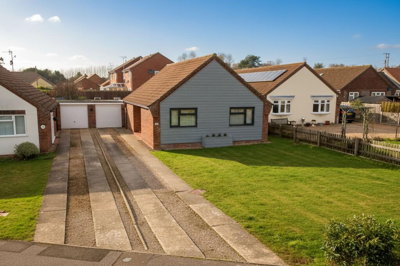
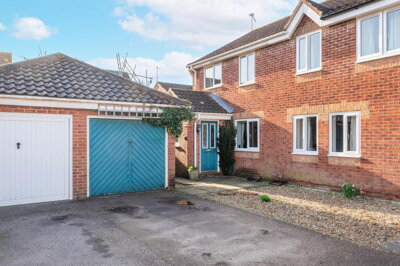
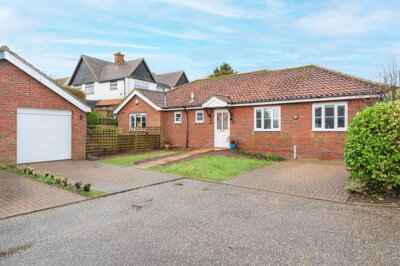
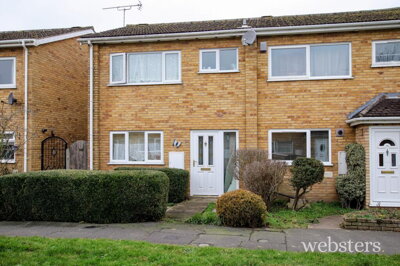
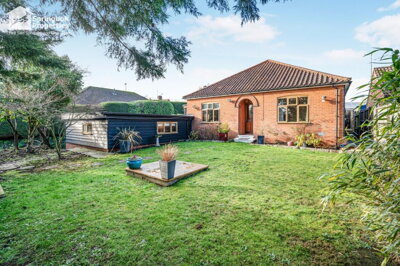
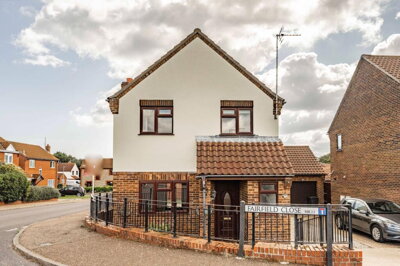
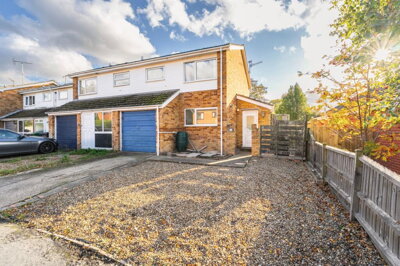
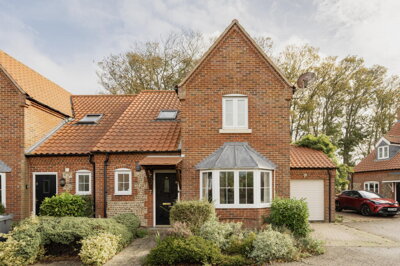
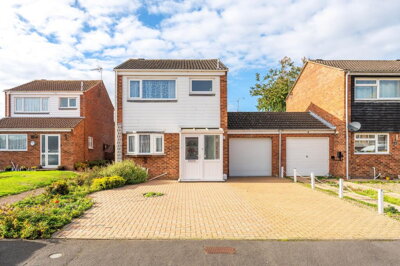
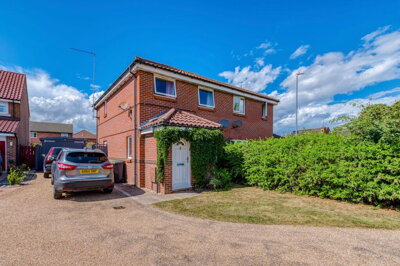
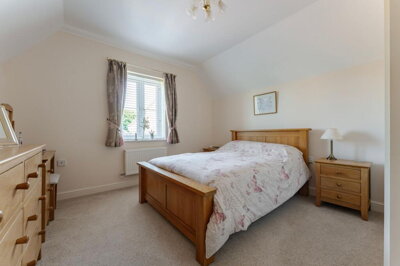
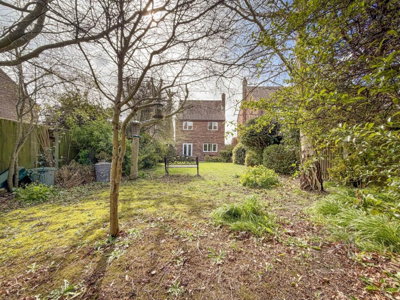
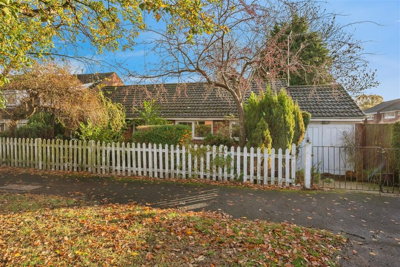
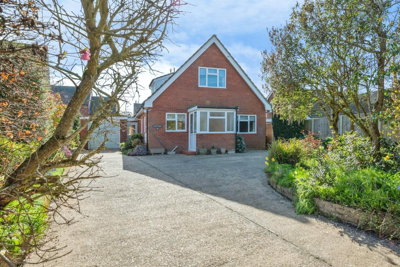
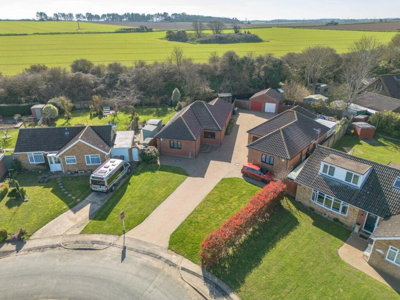
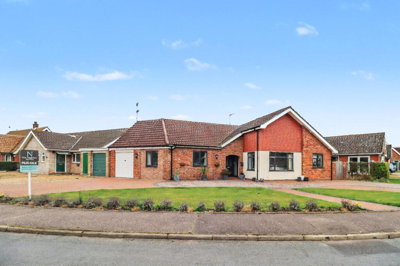
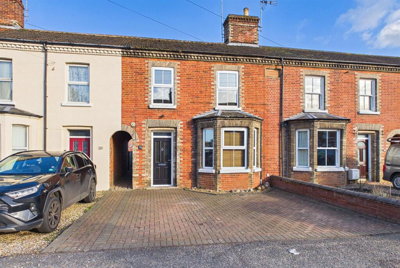
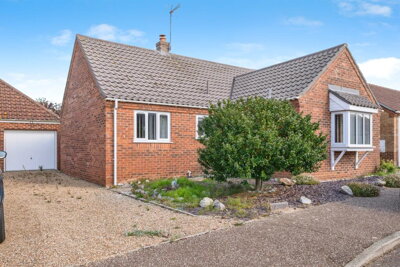
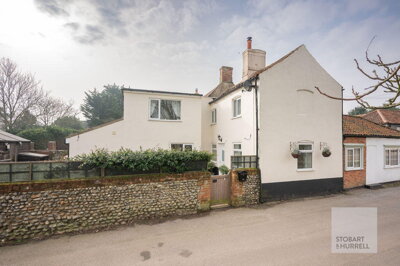
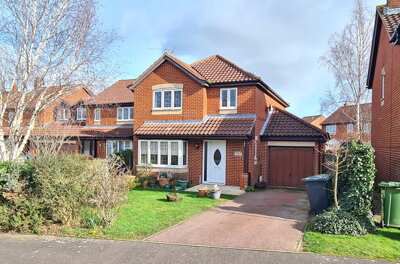
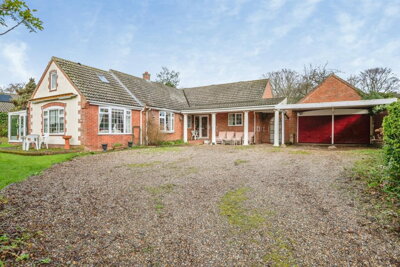
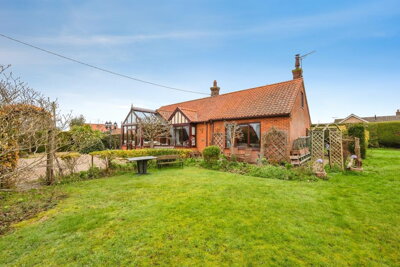
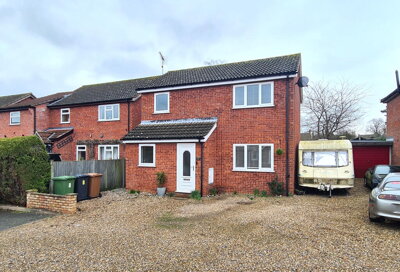
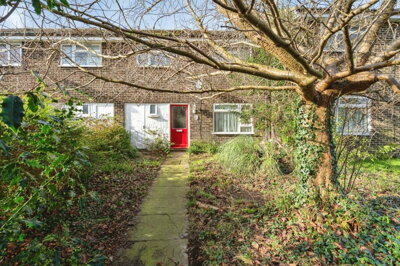
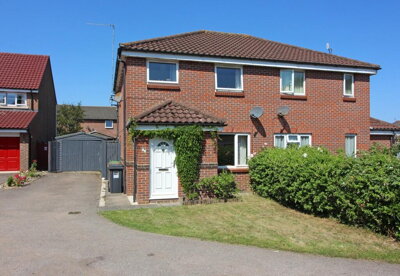
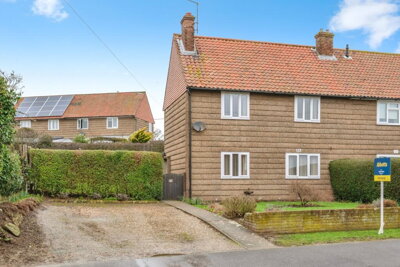
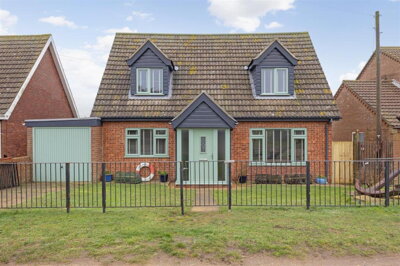
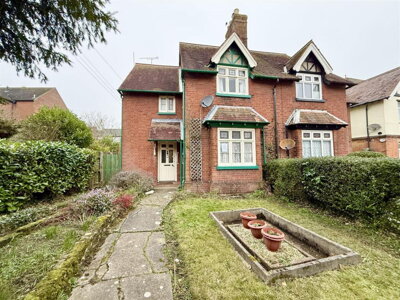
Browse 66 homes for sale in Knapton, North Norfolk from local estate agents.
Three bedroom properties represent a significant portion of the Knapton housing market, offering space for families with multiple reception rooms and gardens in many cases. Browse detached, semi-detached, and terraced options ranging from period character homes to contemporary developments.
£0k
0
0
0
Source: home.co.uk
Showing 0 results for 3 Bedroom Houses for sale in Knapton, North Norfolk.
The Knapton property market has demonstrated remarkable resilience and growth, with overall house prices rising 28% over the past year and currently sitting 3% above the 2023 peak of £574,000. The overall average sold price reached approximately £590,000 over the last year, reflecting strong demand for homes in this desirable village location. Properties on Main Street command premium prices, averaging £711,667, while those on Knapton Lane have achieved an average of £445,000 over the past year, with sold prices climbing 12% compared to the previous year. This price differential reflects the prestige associated with Main Street's historic properties and proximity to the village centre.
Property types in Knapton and the surrounding North Yorkshire area include detached homes averaging £429,000, semi-detached properties at £266,000, terraced houses at £215,000, and flats and maisonettes at £143,000. The village's housing stock is predominantly residential, with approximately 95 dwellings recorded in recent years, dominated by 20th-century construction following the village's transformation from an agricultural settlement. This transformation accelerated particularly after World War Two, when the village shifted from its agricultural roots to become a desirable commuter settlement.
The local construction methods reflect Knapton's Yorkshire heritage, with brick being the dominant building material. Many homes feature locally made Vale of York brick, traditional clay pantile roofing, and in some cases Welsh slate or concrete pantiles introduced in later periods. Older farm buildings throughout the village were typically constructed of local brick, maintaining the area's distinctive character. In the wider Vale of York, cobble and brick represents a traditional building method that can be found in older agricultural structures.
A notable planning application was submitted in May 2024 by Mulgrave Properties for six new homes on a 0.35-hectare site off Main Street, comprising two 3-bedroom and four 4-bedroom properties. This development, subject to Green Belt considerations, would add valuable family housing to the village's stock. For buyers considering properties in the wider YO26 postcode area, nearby new build options include Langley Gate by Miller Homes offering 2-5 bedroom homes from £234,995 to £599,995, located approximately 2.7 miles from York city centre.

Knapton village offers an intimate rural community atmosphere, home to approximately 222 residents across around 96 households according to recent estimates. The wider Rufforth with Knapton Parish contains nearly 1,000 residents across 434 households, creating a close-knit neighbourhood where neighbours often know one another and community spirit thrives. The Red Lion public house serves as the village's primary social hub, being the only permanent amenity providing local employment beyond self-employed residents working from home. This limited commercial footprint contributes to the village's peaceful character while ensuring residents rely on nearby York for most services and amenities.
The village's built environment reflects its 20th-century growth, with most pre-1800 buildings having been demolished over time, though several Grade II listed buildings add historical interest. St Peter's Cottages and the adjacent St Peter's Farmhouse and Farm Cottage on Main Street represent the village's heritage, standing as reminders of Knapton's agricultural past. The introduction of chalet-style and bungalow homes on Ten Thorn Lane before World War Two added to the village's architectural variety, with many modern properties continuing this low-profile aesthetic.
Knapton is designated as being within Flood Zone 1, indicating little or no risk from river or coastal flooding. The village is inland, so coastal flood risk and erosion are not direct concerns. However, the local Village Design Statement recommends that new developments consider potential risks from overland, groundwater, or sewer flooding. Minor groundwater flooding impacts are possible in North Yorkshire, so buyers with concerns should request any existing flood risk assessments from vendors. The area falls within the Green Belt, which helps preserve Knapton's rural character and prevents inappropriate development.
Residents benefit from proximity to York city centre, accessing world-class shopping, dining, and entertainment within a short drive or bus journey. The broader North Yorkshire economy provides employment across sectors including Health and Social Care (12.3% of regional employment), Wholesale and Retail, and emerging industries in Rail Innovation and Secure Technologies. The village's limited local employment means most residents commute to York or surrounding areas for work, making Knapton particularly attractive to those who value a peaceful home environment without sacrificing access to urban employment centres.

Families considering a move to Knapton will find a range of educational options within easy reach, with primary and secondary schools located in neighbouring villages and York. The village falls within the catchment areas for several well-regarded local schools, with many families choosing properties in Knapton specifically for access to York's excellent educational institutions. Primary school options in the surrounding area include schools in Poppleton and Acomb, each serving the local community with varying capacities and reputations. Schools in these neighbouring villages have achieved good or outstanding Ofsted ratings, providing parents with confidence in educational quality.
For secondary education, students typically travel to schools in York, with options including both state and grammar schools serving students from Year 7 through to Sixth Form. York's schools have built strong reputations for academic achievement and extracurricular provision, making the city a significant draw for families prioritising education. The proximity of Knapton to York means shorter commute times than many more distant villages, allowing students to travel comfortably while parents enjoy the benefits of village living. Families should verify current catchment areas with North Yorkshire County Council, as these can change and may affect access to preferred schools.
Transport options to secondary schools include school bus services connecting Knapton with York schools, while some families opt for independent school placements in York, including established institutions offering comprehensive curriculums and boarding options. Transport arrangements should be confirmed directly with schools as these can vary annually. Higher and further education facilities are readily accessible at the University of York and York St John University, as well as York College, providing educational pathways for older children and young adults. The presence of these institutions adds to the area's long-term appeal for families planning for their children's educational journey.
Knapton benefits from excellent transport connections, with the village situated just off the A59 trunk road that runs between York and the Yorkshire Dales. The A59 provides direct access to York city centre within approximately 10-15 minutes by car, while also connecting to the A64 for routes towards Leeds and the wider motorway network. This positioning makes Knapton particularly attractive to commuters who work in York but wish to enjoy a rural lifestyle. The village's proximity to York's outer ring road offers convenient access to retail parks, supermarkets, and business parks on the city's western edge.
Public transport options include bus services connecting Knapton with York city centre and surrounding villages, providing an alternative to car travel for commuters and shoppers. York railway station offers direct train services to major destinations including London, Edinburgh, Leeds, Manchester, and Newcastle, with fastest journey times to London King's Cross of approximately two hours. The station is located approximately 4 miles east of Knapton, easily accessible by car or bus for residents needing to travel further afield for work or leisure. This excellent rail connectivity significantly enhances Knapton's appeal to commuters who need to travel regularly to major business centres.
For cyclists, the flat terrain of the Vale of York and designated cycle routes make cycling a viable option for shorter journeys, particularly to workplaces on York's western edge. The local topography is generally favourable for cycling, unlike more hilly areas of Yorkshire. Parking in Knapton is generally straightforward given the village's low-density development, while residents with longer commuting requirements benefit from proximity to major road and rail infrastructure. The combination of rural tranquility and urban connectivity makes Knapton an ideal location for those seeking to balance countryside living with professional opportunities in York and beyond.
Before viewing properties, research Knapton's property market thoroughly. With average prices around £398,000-£590,000 depending on location and property type, understanding your budget is essential. Factor in stamp duty, solicitor fees, and moving costs, and obtain a mortgage agreement in principle to strengthen your position when making offers. Research the difference between properties on Main Street (averaging £711,667) versus Knapton Lane (averaging £445,000) to understand the premium associated with different locations within the village.
Once you have identified suitable properties on Homemove, contact local estate agents to arrange viewings. Visit at different times of day to assess noise levels, traffic, and the neighbourhood atmosphere. Pay attention to the condition of properties, noting construction materials such as Vale of York brick and clay pantile roofing typical of the area. Check for signs of maintenance issues or structural concerns that might require negotiation on price.
Before committing to purchase, commission a RICS Level 2 HomeBuyer Survey, particularly for older properties. In the York area, these typically cost around £490-£600 depending on property value and size. The survey will identify any structural issues, defects, or concerns that may affect your decision or negotiating position. Given that many Knapton properties are built on clay-rich soils in the Vale of York, a thorough survey is particularly valuable for detecting any signs of subsidence or movement.
Choose a conveyancing solicitor to handle the legal aspects of your purchase. They will conduct searches, review contracts, and liaise with the seller's solicitors on your behalf. Costs typically start from £499-£800 for standard purchases in the York area. Your solicitor will also check planning permissions, verify flood risk assessments, and ensure the property's legal title is clear before you proceed.
Once searches are satisfactory and both parties agree on terms, you will exchange contracts and pay a deposit, typically 10% of the purchase price. On completion day, your solicitor will transfer the remaining funds and you will receive the keys to your new Knapton home. Ensure you have buildings insurance in place from exchange of contracts, as this is a legal requirement protecting your investment from this point forward.
When purchasing property in Knapton, buyers should be aware of several location-specific factors that can affect their investment. The village lies within the Green Belt, which imposes planning restrictions designed to preserve rural character. This means extensions, outbuildings, and significant alterations may require special permissions, so prospective buyers should check with Ryedale District Council or the relevant planning authority before committing to a purchase involving renovation or expansion plans. The Green Belt designation helps maintain property values by preventing overdevelopment of the village.
The local geology of the Vale of York includes clay-rich soils, which can be susceptible to shrink-swell behaviour during moisture changes. While Knapton itself is not in a high-risk area, older properties may show signs of movement or subsidence, making a thorough survey essential. Look for signs of cracking in walls, uneven floors, or doors and windows that stick, which could indicate underlying structural issues. The RICS Level 2 HomeBuyer Survey will highlight any structural concerns or moisture issues, providing valuable negotiating leverage on price if defects are identified.
Flood risk in Knapton is minimal, with the village positioned in Flood Zone 1 indicating little or no river or coastal flood risk. However, the local Village Design Statement advises considering potential groundwater and surface water flooding, particularly for properties in lower-lying areas or near watercourses. Ask vendors about any history of flooding or damp issues, and review any existing flood risk assessments. Properties with outbuildings or land may require additional due diligence regarding drainage and land maintenance responsibilities.
Check the condition and materials of roofs, as traditional clay pantile roofing found on many older properties may require maintenance or replacement. Welsh slate was introduced in the 19th century and concrete pantiles became common in the 20th century, so roof age and condition will vary. View the property's EPC (Energy Performance Certificate) to understand heating costs and potential insulation improvements needed, particularly for period properties that may have solid walls rather than cavity insulation.
The average price for properties currently for sale in Knapton is approximately £398,187, while the overall average sold price over the past year reached around £590,000. Properties on Main Street command higher prices averaging £711,667, while those on Knapton Lane average £445,000. House prices have risen 28% over the past year and now sit 3% above the 2023 peak of £574,000, indicating strong and growing demand in this North Yorkshire village. The price premium on Main Street reflects the prestige of this historic thoroughfare and proximity to village amenities.
Properties in Knapton fall under Ryedale District Council administration. Council tax bands range from A to H depending on property value, with most residential properties in the village typically falling within bands B to E. Prospective buyers should check specific bandings with Ryedale District Council or the Valuation Office Agency, as recent sales and property alterations can affect band allocations. Council tax charges for band D properties in Ryedale can be confirmed on the council website for planning purposes.
Knapton is served by primary schools in neighbouring villages including Poppleton and Acomb, with secondary students typically attending schools in York. The area benefits from good access to several well-regarded schools, including grammar schools for academically selective students. Families should verify current catchment areas with North Yorkshire County Council, as these can affect school placement eligibility. York's educational reputation, combined with the village's proximity, makes Knapton attractive to families prioritising school access. The University of York and York St John University also provide higher education options for older children within easy commuting distance.
Knapton is served by bus routes connecting the village to York city centre and surrounding communities, providing regular public transport options for commuters and shoppers. The village sits conveniently near the A59, offering direct road access to York within approximately 10-15 minutes. York railway station, with direct services to London, Leeds, and other major cities, is located approximately 4 miles away and is accessible by car or bus, making Knapton well-connected for those who travel further afield. The A64 also provides connections to Leeds and the wider motorway network for those needing to commute to larger employment centres.
Knapton presents a compelling investment case, with house prices rising 28% over the past year and strong demand driven by the village's proximity to York, excellent schools, and attractive rural setting. The limited supply of properties, combined with Green Belt restrictions on new development, supports continued price appreciation. North Yorkshire recorded 14,500 property sales in 2025, though this represents a 17.8% drop from the previous year, suggesting selective demand for premium locations. The planned development of six new homes off Main Street may add to supply, though demand is likely to remain robust given the area's desirability and York's expanding economy.
Stamp duty rates from April 2025 start at 0% on properties up to £250,000, rising to 5% on the portion between £250,001 and £925,000. For a typical Knapton property averaging £398,000, you would pay approximately £7,400 in stamp duty on the amount above £250,000. First-time buyers benefit from relief on properties up to £625,000, paying 0% on the first £425,000 and 5% on the remainder up to that threshold, which would reduce their stamp duty liability to zero on a £398,000 property. This first-time buyer relief can save eligible purchasers thousands of pounds.
When viewing properties in Knapton, pay attention to the construction materials and condition of the building. Many properties feature Vale of York brick and clay pantile or concrete pantile roofing. Check for signs of subsidence or cracking that could indicate movement in the underlying clay soils. Verify the property's flood risk status and ask about any history of flooding or damp issues. Also check whether the property is freehold or leasehold, as this affects ongoing costs and your rights as a homeowner. Review the EPC to understand energy efficiency and potential improvement costs.
Knapton falls within the Green Belt, which imposes strict planning controls to preserve the rural character of the area. This means that extensions, outbuildings, and significant alterations to properties may require planning permission from Ryedale District Council. The Green Belt designation generally prevents ribbon development along roads and maintains the separation between Knapton and surrounding villages. If you are considering a property for its renovation or extension potential, you should consult the planning authority before proceeding and factor any restrictions into your decision.
From £490
A detailed inspection to identify defects before you buy, essential for this area
From 4.5% APRC
Compare rates from multiple lenders to fund your Knapton purchase
From £499
Solicitors to handle your property purchase legal work
From £85
Energy performance certificate required for all home sales
Buying a property in Knapton involves several costs beyond the purchase price, with stamp duty land tax being a significant consideration. For properties purchased at the current average price of approximately £398,000, standard stamp duty rates apply from the first pound above £250,000. This means buyers would pay 5% on the £148,000 above the threshold, resulting in a stamp duty bill of £7,400. First-time buyers purchasing properties up to £625,000 benefit from relief, paying nothing on the first £425,000 and 5% on amounts between £425,001 and £625,000, which would reduce their stamp duty liability to zero on a £398,000 property.
Additional buying costs include solicitor or conveyancing fees, typically ranging from £499 for basic transactions to £800-£1,200 for more complex purchases involving mortgage, chain, or leasehold elements. A RICS Level 2 HomeBuyer Survey costs approximately £490-£600 for properties in the York area, providing essential inspection and valuation information. Survey costs vary based on property value and size, with higher-value homes attracting higher fees. For a property valued at over £500,000, survey costs typically average around £586, while properties under £200,000 average around £384.
Other costs to budget for include mortgage arrangement fees (often 0.5-1% of the loan amount), valuation fees charged by your lender, and moving costs which can vary significantly based on distance and volume of belongings. Buildings insurance must be in place from exchange of contracts, while contents insurance is advisable from completion. For leasehold properties, buyers should also budget for ground rent and service charges, reviewing lease terms carefully to understand ongoing financial commitments. Getting a mortgage agreement in principle before searching for properties strengthens your position and helps you understand your true budget when competing for homes in this desirable North Yorkshire village.
Properties for Sale In London

Properties for Sale In Plymouth

Properties for Sale In Liverpool

Properties for Sale In Glasgow

Properties for Sale In Sheffield

Properties for Sale In Edinburgh

Properties for Sale In Coventry

Properties for Sale In Bradford

Properties for Sale In Manchester

Properties for Sale In Birmingham

Properties for Sale In Bristol

Properties for Sale In Oxford

Properties for Sale In Leicester

Properties for Sale In Newcastle

Properties for Sale In Leeds

Properties for Sale In Southampton

Properties for Sale In Cardiff

Properties for Sale In Nottingham

Properties for Sale In Norwich

Properties for Sale In Brighton

Properties for Sale In Derby

Properties for Sale In Portsmouth

Properties for Sale In Northampton

Properties for Sale In Milton Keynes

Properties for Sale In Bournemouth

Properties for Sale In Bolton

Properties for Sale In Swansea

Properties for Sale In Swindon

Properties for Sale In Peterborough

Properties for Sale In Wolverhampton

Enter your details to see if this property is within your budget.
Loans, cards, car finance
Estimated property budget
Borrowing + deposit
You could borrow between
Typical borrowing
Monthly repayment
Est. at 4.5%
Loan-to-value
This is an estimate only. Your actual budget may vary depending on interest rates, credit history, and personal circumstances. For an accurate affordability assessment, speak to one of our free mortgage advisors.
This calculator provides estimates for illustrative purposes only and does not constitute financial advice. Your home may be repossessed if you do not keep up repayments on your mortgage. Estimates based on 4.5% interest rate, repayment mortgage. Actual rates depend on your circumstances.
Homemove is a trading name of HM Haus Group Ltd (Company No. 13873779, registered in England & Wales). Homemove Mortgages Ltd (Company No. 15947693) is an Appointed Representative of TMG Direct Limited, trading as TMG Mortgage Network, which is authorised and regulated by the Financial Conduct Authority (FRN 786245). Homemove Mortgages Ltd is entered on the FCA Register as an Appointed Representative (FRN 1022429). You can check registrations at NewRegister or by calling 0800 111 6768.

We use cookies to show you personalised content and improve your experience of our website. Find out more in our Privacy policy and Cookie policy.