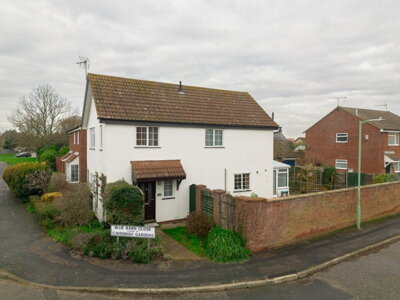
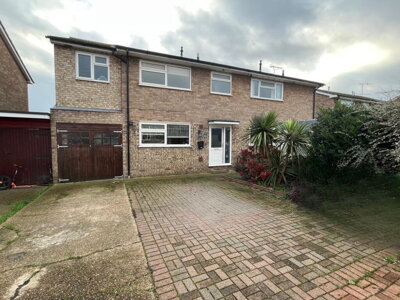
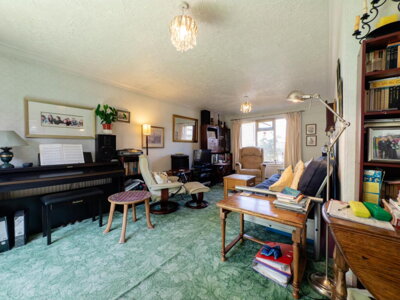
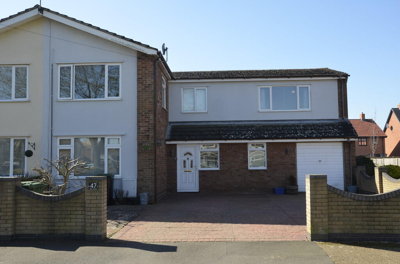
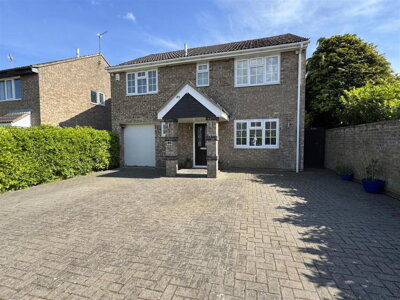
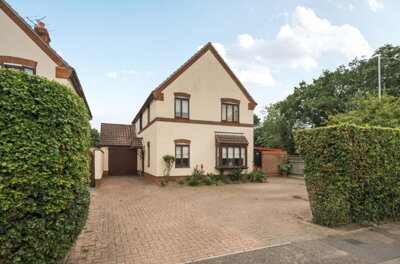
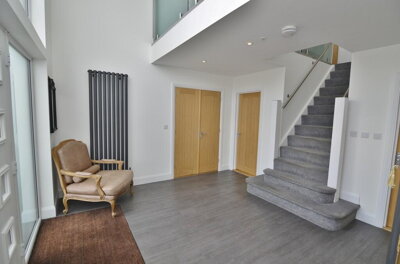
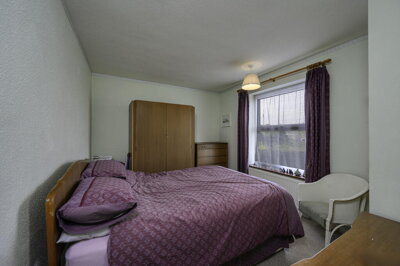
Browse 8 homes for sale in Kirton, East Suffolk from local estate agents.
The larger property sector typically features multiple bathrooms, substantial reception space, and private gardens or off-street parking. Four bedroom houses in Kirton span detached, semi-detached, and occasionally terraced configurations, with styles ranging from period properties to modern executive homes.
£695k
1
0
251
Source: home.co.uk
Showing 1 results for 4 Bedroom Houses for sale in Kirton, East Suffolk. The median asking price is £695,000.
Source: home.co.uk
Detached
1 listings
Avg £695,000
Source: home.co.uk
Source: home.co.uk
The Kirton property market offers distinct pricing across different property types, with detached homes commanding the highest values and terraced properties providing the most accessible entry point. Detached properties average around £278,000 to £301,000 depending on the source, with our data indicating approximately £278,000 as the current average - these homes typically offer generous gardens and living spaces that appeal to families seeking room to grow. Semi-detached homes represent excellent value at approximately £161,000 to £173,000, offering substantial floor area relative to price and often featuring the generous plot sizes that characterise Lincolnshire residential developments. Terraced properties average between £143,000 and £158,000, making them ideal for first-time buyers or those seeking a manageable property footprint. Flats in Kirton average around £84,000, though this segment represents a smaller portion of the local housing stock, with most stock comprising houses rather than apartments.
New build opportunities within Kirton itself include The Spires development on London Road (PE20 1JE), where Ashwood Homes offers 2, 3, and 4 bedroom properties ranging from approximately £180,000 for a two-bedroom Plot 165 The Dee up to £385,000 for Plot 127 The Stamford, a substantial four-bedroom detached home. The development provides modern construction with contemporary insulation standards and NHBC warranties, potentially offering lower maintenance costs compared to older properties in the village. The Sycamores development on Kirton Road (PE20 1BH) offers shared ownership through Platform Home Ownership, with 2 and 3 bedroom properties including The Nene and The Lock (both 3-bed detached) and The Dee (2-bed terrace) available from approximately £60,200 for a share, making home ownership accessible to buyers with smaller deposits who may not qualify for full mortgage amounts on market-value properties.
Recent market activity in the PE20 postcode area shows 195 residential sales in the past year, representing a decrease of approximately 29% compared to the previous year, with 56 fewer transactions. Despite reduced transaction volumes, the broader PE20 area saw average prices increase by £5,781 over the year. Kirton itself experienced a slight 3% price decrease compared to the previous year, with current values sitting approximately 2% below the 2022 peak of £252,715. This market dynamic - stable prices despite reduced volumes - suggests opportunities for buyers who can proceed with purchases, as motivated sellers may be more receptive to negotiation than in more active markets.

Kirton is fundamentally a rural community with deep agricultural traditions, historically known for growing wheat, beans, and potatoes alongside extensive pasture and marshland that characterise the Fens fringe. The village retains much of its agricultural character while functioning primarily as a residential centre serving workers and families who commute to Boston and surrounding areas. The local economy supports employment across various sectors including food production, electrical trades, plumbing, and retail, with the broader Boston area offering diverse job opportunities in manufacturing, healthcare, and public services. The village has experienced steady population growth from 5,371 residents in 2011 to 5,890 in 2021, an increase of approximately 10% that has supported local services while maintaining the community atmosphere that makes villages like Kirton attractive to buyers seeking an alternative to urban living.
The village centre concentrates amenities and historic buildings that define Kirton's distinctive character along streets including London Road, King Street, Willington Road, and Station Road. The Conservation Area encompasses 11 listed buildings preserving architectural heritage that includes the medieval Old King's Head at Grade II, a 16th-century coaching inn demonstrating traditional brick construction with English bond pattern visible in its facade. The Grade I listed Church of St Peter and St Paul represents Norman architecture at its finest, its cream-coloured limestone tower visible across the surrounding flat landscape and standing as the spiritual centre of the community for nearly a millennium. The Kirton Conservation Area has been assessed by Historic England as having "Poor" condition and "High" vulnerability with a "Deteriorating" trend, indicating ongoing challenges in maintaining heritage buildings that prospective buyers should consider when evaluating period properties.
The surrounding Lincolnshire limestone geology shapes both the landscape and building character, with the distinctive cream and yellow-orange tones visible in local buildings derived from the Lincoln Edge oolitic limestone formation. Underlying deposits include the Kirton Cementstone Beds and a distinctive clay horizon known as the Kirton Shale that creates the notable shrink-swell hazard affecting foundations in the area. Local businesses and services have developed to serve the residential population of 2,499 households, though residents typically travel to Boston for larger shopping centres, hospital services, and specialist retailers. The village benefits from a post office, convenience stores, primary school, and several pubs including the historically significant Old King's Head, while Boston offers comprehensive retail, healthcare, and leisure facilities within approximately 15-20 minutes' drive.
Education provision in Kirton serves families with children of all ages, with Kirton Primary School providing local schooling for younger children within the village itself. The school serves the immediate community and is the nearest option for families with young children, with pupils typically progressing to secondary education at schools in Boston such as Boston High School, a traditional grammar school with selective admissions, or other local academies including. The surrounding Lincolnshire area hosts primary schools in nearby villages including Wyberton, Freiston, and Butterwick, giving parents options depending on catchment areas and preferences, though catchment boundaries can change and should be verified with Lincolnshire County Council before purchasing property.
For secondary education, Boston's schools offer broader curriculum offerings and extracurricular activities that smaller rural schools cannot match, with pupils typically travelling daily via bus or car to attend. Boston College provides further education opportunities including vocational courses, apprenticeships, and adult learning for residents pursuing career changes or skills development. The wider East Midlands region includes universities in Lincoln (University of Lincoln), Nottingham (University of Nottingham, Nottingham Trent University), and Leicester (University of Leicester), accessible for older students commuting from Kirton or relocating for full-time undergraduate study. When purchasing property in Kirton, families with school-age children should verify current school performance data, recent Ofsted ratings, and catchment area boundaries, as these factors can significantly influence daily routines, children's educational outcomes, and long-term property values in specific streets or developments.
The proximity to schools can materially affect property values in certain roads and developments around Kirton, with homes within good school catchments typically commanding premiums. Properties near The Spires development may have different catchment arrangements than period properties in the Conservation Area, and families should clarify arrangements with Lincolnshire County Council admissions team before committing to a purchase. Boston's schooling options have historically been a driver for family buyers considering Kirton, as the village offers more affordable housing than Boston itself while maintaining reasonable access to educational facilities.
Transport connectivity from Kirton primarily relies on road networks, with the village situated on the A16 that provides direct routes north to Boston (approximately 15-20 minutes' drive) and south to Spalding, where drivers can connect with the A47 and A17 for travel further afield. The A16 continues south to Peterborough, approximately 50 miles from Kirton, where it connects with the A1(M) motorway providing access to the wider national motorway network. For commuters working in Boston, the journey is straightforward along the A16, while Lincoln is reachable in approximately 45 minutes to an hour depending on traffic conditions and the specific destination. The flat Lincolnshire landscape means cycling is feasible for shorter commutes to nearby villages or Boston, though the lack of dedicated cycle lanes on some stretches of the A16 requires caution and appropriate safety equipment.
Rail connections are accessed via Boston railway station, which provides services on the East Midlands Railway Peterborough to Lincoln line with connections to major destinations including London King's Cross via Peterborough (journey time approximately 1 hour 50 minutes). The station is approximately 5 miles from central Kirton, requiring a short drive or bus journey to access. For those working in Cambridge or Peterborough, the road commute is manageable for those willing to travel, though daily journeys of 60-90 minutes each way will significantly impact work-life balance and should be weighed against the cost savings of Kirton's property prices compared to these employment centres. The nearest major airport is Robin Hood Doncaster Sheffield Airport, approximately 60 miles north with international flights, while East Midlands Airport is around 80 miles south-west offering European destinations.
Bus services operate in the area including the 41 service connecting Kirton with Boston, though frequency is reduced compared to urban routes, making car ownership practically essential for most residents. The relatively lower property prices in Kirton compared to Cambridge, Peterborough, and other employment centres mean that even accounting for commuting costs, fuel, and vehicle maintenance, overall affordability remains favourable for those working in surrounding towns and cities. Some residents may choose to work locally in Boston or the food production and manufacturing facilities in the wider South Holland district, reducing or eliminating daily commuting requirements.
Before viewing properties, obtain a mortgage agreement in principle from a lender to understand your borrowing capacity. The average property price in Kirton is around £240,000, so factor in solicitor fees, survey costs (from £480 locally), and moving expenses when calculating your total budget. Research specific streets like those in the Conservation Area, newer developments like The Spires, and areas near schools if you have children, as different parts of Kirton suit different buyer profiles.
Browse current listings on Homemove and contact local estate agents to arrange viewings of properties matching your criteria. The village offers new builds at The Spires development on London Road and traditional period properties throughout the Conservation Area along King Street, London Road, and Willington Road. When viewing, note the property's age, construction type, and any visible defects that a subsequent survey might reveal, as older properties may require more maintenance than modern equivalents.
Once you find your ideal home, submit a formal offer through the estate agent, ideally supported by your mortgage agreement in principle. With 195 sales in the broader PE20 area over the past year and a slight 3% price decrease in Kirton itself, there is room for negotiation, particularly on properties that have been on the market for some time. Properties in the Conservation Area may have different negotiation dynamics than new builds, as sellers of period properties may be more flexible on price given the maintenance requirements of older buildings.
Commission a RICS Level 2 HomeBuyer Survey before proceeding, particularly for older properties which may have defects. Given Kirton's clay-rich geology with a notable shrink-swell hazard and the prevalence of older buildings dating from the 16th to 19th centuries, a survey is essential to identify structural movement, damp problems, outdated electrics, or roof issues. Our inspectors in the Boston area offer surveys from approximately £480, with typical costs of £400-£600 for flats and smaller houses, rising to £600-£900 for three-bedroom detached homes.
Your solicitor will handle searches, contracts, and land registry checks, investigating flood risk, drainage, and any planning restrictions affecting the property. Budget around £500-£1,500 for conveyancing on a typical Kirton property, with additional costs for local searches including drainage and water authority checks. Your solicitor should specifically investigate surface water flooding history around High Street and Station Road, subsidence risk from the local clay geology, and any conservation area restrictions on alterations.
Once all checks are satisfactory and your mortgage offer is confirmed, you will exchange contracts and pay your deposit, typically 10% of the purchase price. Completion typically follows within 2-4 weeks, after which you will receive keys to your new Kirton home. On completion day, arrange meter readings, notify utility companies of your change of address, and transfer or set up council tax accounts with Boston Borough Council.
Buyers considering properties in Kirton should carefully evaluate the area's geological characteristics, particularly the clay-rich soils that create a notable shrink-swell hazard risk affecting foundations. Properties with large trees nearby may be susceptible to subsidence as tree roots draw moisture from clay soils, causing them to shrink and potentially damaging foundations over time. Our inspectors frequently identify foundation movement issues in properties across Lincolnshire where clay soils are prevalent, with symptoms including cracks in walls (particularly diagonal cracks above doorframes and windows), sticking doors and windows, and uneven or sloping floors. Properties in areas with subsidence history may face higher buildings insurance costs, so this should factor into your budget calculations and you should ask vendors about any previous underpinning or foundation repairs.
Surface water flooding has historically affected areas around High Street and Station Road in Kirton during periods of heavy rainfall, though Lincolnshire County Council has implemented drainage improvement schemes including larger pipes that proved effective during Storm Babet. When viewing properties in these locations, check whether flood resilience improvements have been made, examine the property's floor levels relative to surrounding ground, and ask vendors about any previous flooding incidents or insurance claims. Properties near water features, low-lying areas, or drainage channels warrant particularly thorough investigation, and you should review the government's long-term flood risk assessment for the specific location before proceeding. While tidal flood risk for Kirton itself is currently very low, the broader area from Holland Fen to Northgate is included in Flood Warning Area designations.
The Conservation Area designation affects properties throughout the historic village centre, meaning any external alterations may require planning permission and adherence to conservation guidelines that can affect renovation plans and costs. For listed buildings (of which there are 11 in the Conservation Area, including the Grade I Church of St Peter and St Paul and Grade II structures at 1 King Street, 30 London Road, 9 and 11 Willington Road, Blossom Hall, Chestnut Farmhouse, and others), any works require Listed Building Consent from Boston Borough Council, adding complexity and potential expense to modifications. Buyers planning renovations should budget for potentially longer planning timelines and heritage consultant fees when assessing renovation costs for period properties.
Given the age of much of Kirton's housing stock, with many buildings dating from the 16th, 17th, 18th, and 19th centuries using traditional solid-wall construction, buyers should specifically look for signs of damp which commonly affects traditional buildings lacking modern damp-proof courses. Penetrating damp through ageing brickwork (often visible as tide marks on internal walls or deteriorating mortar joints) and rising damp (typically affecting ground-floor walls and skirting boards) are frequent findings in older Lincolnshire properties. Electrical systems in period properties may be outdated, with rubber-insulated wiring or pre-1970s fuse boards lacking modern RCD protection requiring rewiring before modern appliances can be safely used. Roof condition is another key consideration, as older pantile roofs typical of the area may have deteriorated mortar, slipped tiles, or damaged flashings requiring maintenance. A thorough RICS Level 2 Survey will identify these issues and provide cost estimates for necessary remedial works.
Our inspectors working in Kirton and the surrounding Boston postcode area regularly encounter several categories of defect that buyers should understand before purchasing. Damp issues rank among the most common findings, particularly rising damp in solid-walled period properties built before the widespread introduction of damp-proof courses in the early 20th century. Properties with inadequate sub-floor ventilation are particularly susceptible, and our surveyors will check for signs including tide marks, mould growth, peeling wallpaper, and salt crystallisation on walls. Penetrating damp often affects properties where traditional brickwork has deteriorated or where pointing has failed, allowing water ingress through the external skin. Given Kirton's rainfall patterns and the age of much of the housing stock, damp should be considered a likely issue in unmodernised period properties rather than an exception.
Structural movement related to the area's clay-rich geology represents another significant category of defect identified in Kirton surveys, with the notable shrink-swell hazard causing foundations to move as soil moisture content varies seasonally. Our inspectors assess walls for cracks (noting their width, pattern, and location), check whether door and window frames have shifted, and evaluate whether floors are level. Minor cracking is common in older properties and not necessarily serious, but wider cracks, diagonal fractures, or those accompanied by other symptoms warrant further investigation and may indicate the need for underpinning or other remedial works. Properties with mature trees close to buildings are at elevated risk, as root systems can both extract moisture from clay soils (causing subsidence during dry periods) and physically disturb foundations during growth.
Outdated electrical installations are frequently found in Kirton's older properties, with many homes still containing wiring systems that predate modern safety standards. Rubber-insulated cables installed before the 1960s, fabric-covered wiring from the 1960s and 1970s, and rewirable fuse boards lacking RCD (residual current device) protection represent common hazards that our electricians will flag during surveys. Properties may also lack adequate earth bonding and have insufficient socket outlets for modern household needs, requiring partial or complete rewiring before they can safely accommodate contemporary appliances and heating systems. Roof defects including slipped or broken pantiles, deteriorating ridge mortar, failed flashings around chimneys, and inadequate insulation are regularly identified, with these issues potentially causing water ingress and heat loss if left unaddressed.
The average property price in Kirton is approximately £240,000 according to our data, though Rightmove records £248,333 and Zoopla £231,282 for the broader area. Detached properties average around £278,000 to £301,000, semi-detached homes between £161,000 and £173,000, and terraced properties from £143,000 to £158,000. Flats average approximately £84,000, though this segment represents a smaller portion of local stock. Prices have remained relatively stable with a slight 3% decrease in Kirton itself over the past year, sitting approximately 2% below the 2022 peak of £252,715, while the wider PE20 area saw a 2.21% increase.
Properties in Kirton fall under Boston Borough Council jurisdiction and follow the standard England council tax banding system from A through H. Most traditional 2-3 bedroom properties in Kirton typically fall into bands A through C, with newer properties at The Spires development potentially in higher bands depending on their value and size. Larger detached homes and properties in the Conservation Area with higher rateable values may be in band D or above. You can verify the specific band for any property through the Valuation Office Agency website or your solicitor will confirm this during conveyancing searches.
Kirton has primary school provision within the village itself serving younger children, with pupils typically progressing to secondary schools in Boston including Boston High School (a selective grammar school), other local academies, and Boston College for further education. Parents should research current admission criteria, catchment area boundaries (which can change), and recent Ofsted ratings when considering properties, as these factors can significantly affect educational outcomes and property values on specific streets. Boston's schools are generally accessible within 15-20 minutes by car or school bus from properties throughout Kirton.
Public transport options in Kirton are more limited than in urban areas, with bus services operating but with reduced frequency that makes car ownership practically essential for most residents. Boston railway station, approximately 5 miles away, provides rail connections on the Peterborough to Lincoln line with onward services to London King's Cross (via Peterborough), Nottingham, and other major destinations. The village sits on the A16 road providing driving access to Boston (15-20 minutes), Spalding, and the wider motorway network via Peterborough and Grantham. Commuters working in Lincoln can reach the city in approximately 45 minutes to an hour by car.
Kirton offers several factors that may appeal to property investors, including relatively affordable average prices of around £240,000 compared to national averages, steady population growth of approximately 10% between 2011 and 2021, and rental demand from workers in the Boston area and surrounding agricultural sector. However, transaction volumes have decreased by approximately 29% in the past year, which could affect liquidity if you need to sell quickly. The presence of new developments like The Spires provides modern rental stock, while period properties in the Conservation Area may appeal to tenants seeking character homes. Investors should factor in potential maintenance costs for older properties when calculating yields.
For standard purchases, stamp duty rates start at 0% on the first £250,000 of property value, 5% on £250,001 to £925,000, 10% on £925,001 to £1.5 million, and 12% above £1.5 million. First-time buyers benefit from relief on properties up to £625,000, paying 0% on the first £425,000 and 5% between £425,001 and £625,000. For a typical Kirton property priced around £240,000, most buyers would pay no stamp duty under current thresholds, while first-time buyers would pay nothing on the full purchase price under current 2024-25 thresholds.
Older properties in Kirton carry specific risks that buyers should investigate before committing to a purchase. These include potential damp issues due to traditional solid-wall construction lacking modern damp-proof courses (particularly common in properties dating from before 1900), outdated electrical wiring systems that may require complete rewiring, roof deterioration requiring maintenance or replacement, and subsidence risk from the area's clay-rich soils and tree root activity. A RICS Level 2 Survey before purchase is strongly recommended to identify these issues and provide cost estimates for necessary remedial work, with our inspectors offering surveys from approximately £480 in the Boston area.
Our inspectors report that Kirton's combination of geological conditions, property age, and construction types creates specific risks that a survey can identify before you commit to purchase. The notable shrink-swell hazard from clay soils means foundations may be affected by moisture changes and tree root activity, requiring assessment by a qualified professional. The prevalence of period properties with solid-walled construction means damp issues are common, as are outdated electrical systems and roof defects on older pantiled roofs. A RICS Level 2 Survey typically costs £400-£900 depending on property size, representing a modest investment compared to the overall purchase price of £240,000+ that can reveal issues affecting value, safety, or requiring negotiation with the seller.
From £480
A detailed survey identifying defects in properties of any age, essential for older homes
From £600
Comprehensive building survey recommended for period properties and listed buildings
From £60
Energy performance certificate required for all property sales
From £499
Solicitors handling legal work, searches, and contract exchange
From 4.5%
Expert mortgage broking for Kirton property purchases
Properties for Sale In London

Properties for Sale In Plymouth

Properties for Sale In Liverpool

Properties for Sale In Glasgow

Properties for Sale In Sheffield

Properties for Sale In Edinburgh

Properties for Sale In Coventry

Properties for Sale In Bradford

Properties for Sale In Manchester

Properties for Sale In Birmingham

Properties for Sale In Bristol

Properties for Sale In Oxford

Properties for Sale In Leicester

Properties for Sale In Newcastle

Properties for Sale In Leeds

Properties for Sale In Southampton

Properties for Sale In Cardiff

Properties for Sale In Nottingham

Properties for Sale In Norwich

Properties for Sale In Brighton

Properties for Sale In Derby

Properties for Sale In Portsmouth

Properties for Sale In Northampton

Properties for Sale In Milton Keynes

Properties for Sale In Bournemouth

Properties for Sale In Bolton

Properties for Sale In Swansea

Properties for Sale In Swindon

Properties for Sale In Peterborough

Properties for Sale In Wolverhampton

Enter your details to see if this property is within your budget.
Loans, cards, car finance
Estimated property budget
Borrowing + deposit
You could borrow between
Typical borrowing
Monthly repayment
Est. at 4.5%
Loan-to-value
This is an estimate only. Your actual budget may vary depending on interest rates, credit history, and personal circumstances. For an accurate affordability assessment, speak to one of our free mortgage advisors.
This calculator provides estimates for illustrative purposes only and does not constitute financial advice. Your home may be repossessed if you do not keep up repayments on your mortgage. Estimates based on 4.5% interest rate, repayment mortgage. Actual rates depend on your circumstances.
Homemove is a trading name of HM Haus Group Ltd (Company No. 13873779, registered in England & Wales). Homemove Mortgages Ltd (Company No. 15947693) is an Appointed Representative of TMG Direct Limited, trading as TMG Mortgage Network, which is authorised and regulated by the Financial Conduct Authority (FRN 786245). Homemove Mortgages Ltd is entered on the FCA Register as an Appointed Representative (FRN 1022429). You can check registrations at NewRegister or by calling 0800 111 6768.

We use cookies to show you personalised content and improve your experience of our website. Find out more in our Privacy policy and Cookie policy.