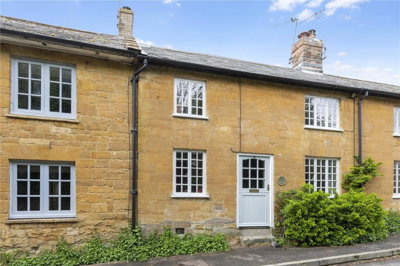
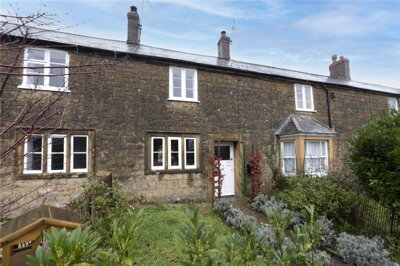
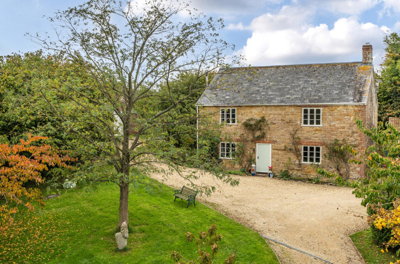
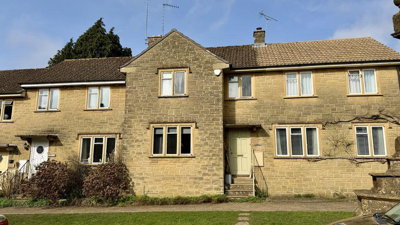
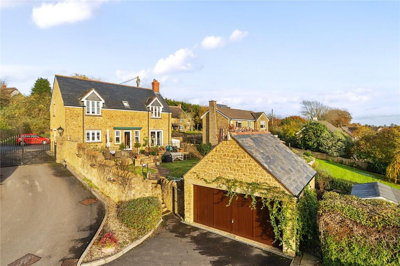
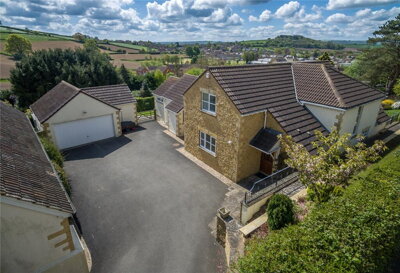
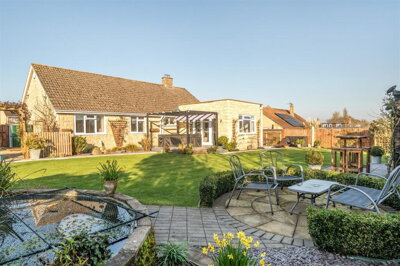
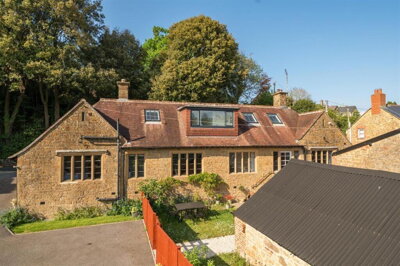
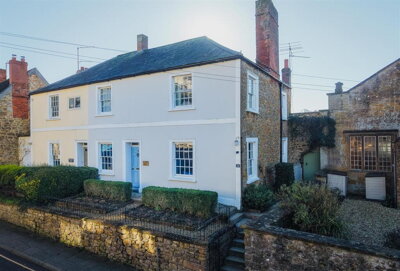
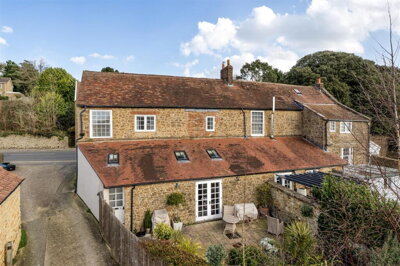
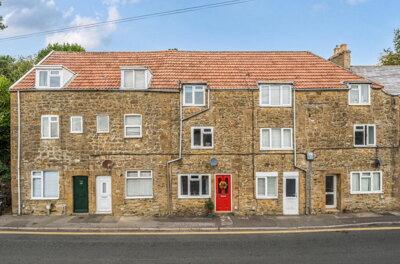
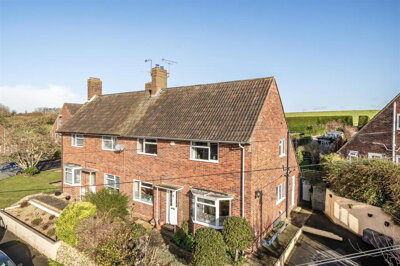
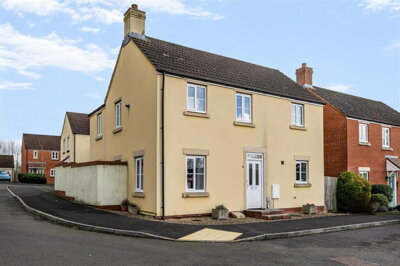
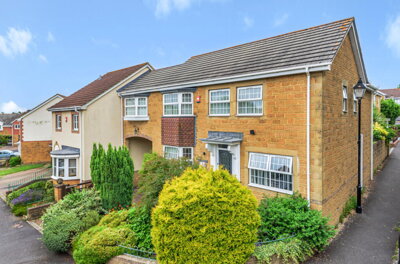
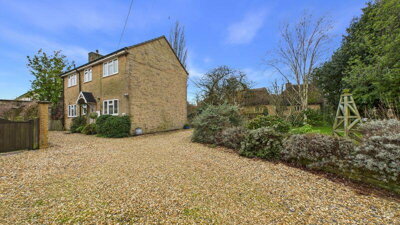
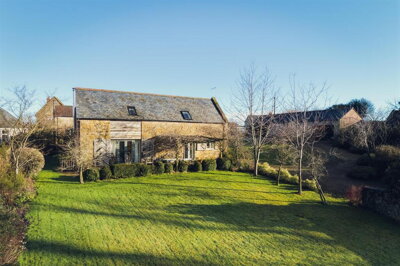
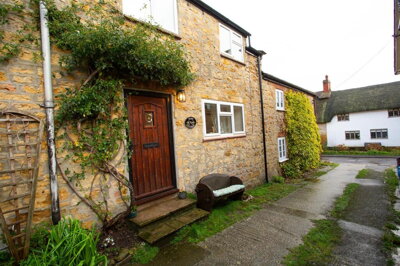
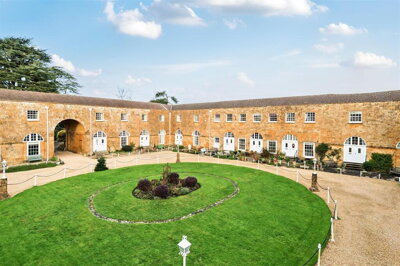
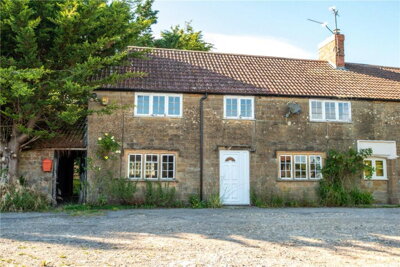
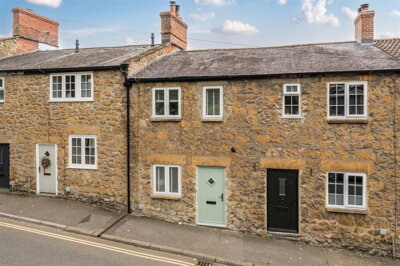
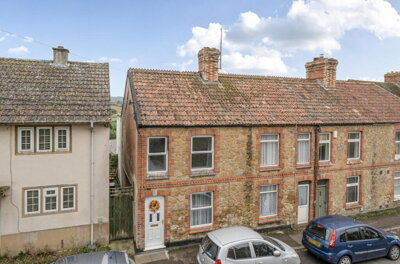
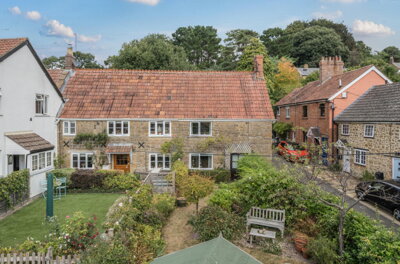
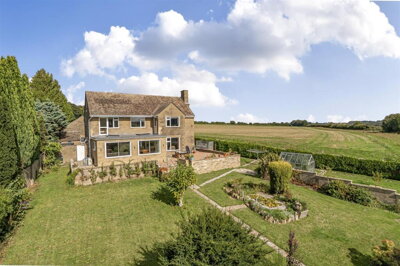
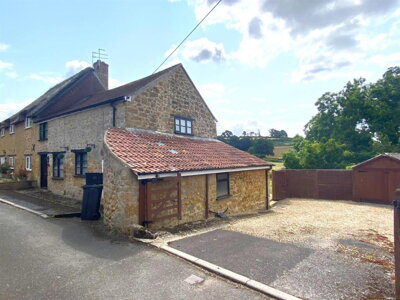
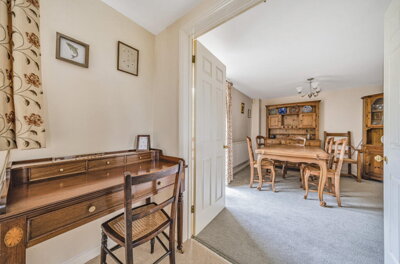
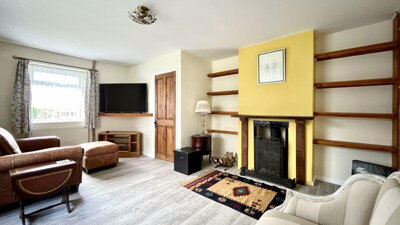
Browse 36 homes for sale in Kingstone from local estate agents.
The Lyng property market reflects the character of this traditional Norfolk village, with a housing stock that predominantly features detached and semi-detached family homes set within generous plot sizes. Average prices for detached properties in Lyng reached approximately £350,000 over the past year, while semi-detached homes commanded around £280,000. Terraced properties, often featuring the distinctive Norfolk brick or flint construction typical of the region, averaged closer to £209,950, offering more accessible entry points for first-time buyers or those seeking a compact rural property.
Historical sold price data indicates that property values in Lyng have remained relatively stable over recent years, with prices similar to the previous year and currently around 5% below the 2021 peak of £311,077. This market equilibrium presents opportunities for buyers seeking to enter the Lyng property market, particularly given the ongoing demand for rural homes in Norfolk. The village benefits from a steady number of transactions, with the broader NR9 postcode area recording approximately 117 total sales in 2025 at a median price of £315,000.
New build activity in the Lyng area includes The Heaths development off Heath Road, featuring four architect-designed five-bedroom homes priced at £1,100,000 each, marketed by Pymm & Co. Additional premium new build options at Hill Paddocks offer similar five-bedroom detached properties at comparable price points. These developments represent the upper end of the local market and reflect the continued appeal of Lyng for buyers seeking modern construction within a village setting. The limited supply of new build properties in the village helps maintain demand for existing stock, supporting property values across the market.

Lyng embodies the quintessential Norfolk village experience, situated along the scenic River Wensum which has shaped both the landscape and character of the community for centuries. The village maintains a strong sense of rural identity while offering the essential amenities that residents need for daily life. The population has grown steadily, increasing from 807 residents in 2011 to 860 in the 2021 Census, demonstrating the area's enduring appeal to families and individuals seeking a quieter pace of life without complete isolation from urban conveniences.
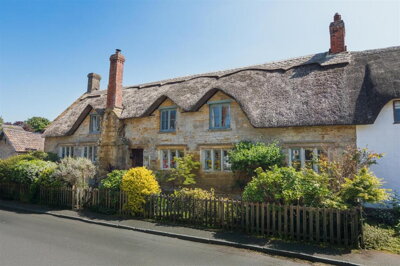
The architectural heritage of Lyng reflects the traditional building methods of Norfolk, where flint, Norfolk brick, and clay-lump construction have created distinctive village streetscapes over generations. Flint, quarried from local chalk deposits and often found in surrounding fields, has been extensively used in Norfolk villages due to the lack of suitable building stone. Clay-lump, a traditional East Anglian vernacular method using clay-rich earth, straw, and sometimes animal dung with a hardwood frame, gained popularity in the early 19th century and remains prevalent in older cottages and farm buildings throughout the area. The prevalence of traditional materials such as Norfolk reed thatch and pantiles on rooftops further reinforces the authentic East Anglian aesthetic that makes villages like Lyng so sought after by buyers seeking character properties.
The local economy of Norfolk, within which Lyng sits, encompasses diverse sectors including energy, advanced engineering, food and agri-tech, and tourism, which contributes approximately £2.8 billion annually and supports over 54,000 jobs across the county. While Lyng itself is primarily residential, the proximity to larger employment centres including Norwich, East Dereham, and King's Lynn ensures that residents have access to broad job markets. Norfolk County Council's growth strategy aims to create 73,000 new homes and 57,000 additional jobs by 2026, supporting continued investment in infrastructure and services across the region. The village's strategic position near the A47 trunk road places it within easy reach of these employment hubs, with typical car journey times to Norwich taking around 30 minutes depending on traffic conditions.

Properties in Lyng showcase the distinctive building traditions of Norfolk, with construction methods that reflect centuries of local expertise and available materials. Flint construction dominates many older village properties, with walls typically featuring flint facings set in lime mortar, tied to inner rubble infill using larger boulders or bricks. This method produced durable walls with excellent thermal mass, though the condition of pointing between flint stones requires careful inspection, as failing mortar can allow water penetration and accelerate deterioration of the facing stones. Our surveyors frequently identify pointing deterioration as a maintenance priority in Lyng's older properties, particularly those exposed to prevailing weather patterns from the east.
Timber frame construction with wattle and daub or brick infill represents another significant category of older Lyng properties, particularly those dating from the medieval period through to the 17th century. Wattle was typically constructed from hazel twigs woven between vertical posts, then covered with a daub mixture of clay, animal dung, and straw. Modern buyers should note that these non-masonry construction methods, while structurally sound when maintained, can present different challenges to modern brick or block construction. The timber elements require protection from damp, while the infill panels may show signs of movement or cracking over time. Specialist surveys from our team can assess these traditional construction methods and identify any remedial work required.
Norfolk brick, including the distinctive Norfolk Reds with their rich colouration from local iron-rich clays, features prominently in Lyng's building fabric alongside Suffolk White bricks and traditional clay pantiles. These materials were often fired locally until the 20th century, creating a cohesive visual identity across village streets. Properties built with these traditional materials benefit from breathability, allowing moisture to evaporate naturally through the wall structure. However, inappropriate modern repairs using non-breathable materials such as silicone-based paints, waterproof membranes, or Portland cement mortar can disrupt this balance, leading to trapped moisture and associated problems including rising damp, timber decay, and plaster deterioration. When viewing older Lyng properties, examine whether original breathable materials have been maintained or replaced with modern alternatives that may cause issues.
Families considering a move to Lyng will find a selection of educational establishments within reasonable travelling distance, reflecting the rural nature of the area where children may travel to schools in neighbouring towns. Primary education options serving the Lyng area include schools in nearby villages and towns, with several outstanding or good-rated primary schools located within a 10-kilometre radius. These establishments typically cater to children from reception through to Year 6, providing foundational education within manageable distances from Lyng.
Secondary education in the region is served by schools in East Dereham and surrounding towns, with Norfolk hosting several well-regarded secondary schools and grammar schools. Parents should research specific catchment areas, as school admissions in Norfolk operate on catchment-based systems that can significantly influence property values in particular streets. For families with sixth-form requirements, further education colleges in Norwich and King's Lynn offer extensive A-level programmes and vocational qualifications, providing comprehensive educational pathways for older students.
Higher education opportunities are readily accessible through the University of East Anglia in Norwich, consistently ranked among the UK's top universities, as well as the College of West Anglia which offers further and higher education programmes across multiple campuses. The presence of these institutions ensures that families with older children have excellent educational progression options without requiring relocation to larger cities. Early years childcare facilities in the surrounding villages and towns complement the educational landscape, supporting working parents with young children.
Lyng benefits from a strategic position within Norfolk that balances rural tranquility with practical transport connections. The village sits approximately 20 kilometres north-west of Norwich, Norfolk's principal city, where residents can access the full range of urban amenities including major shopping centres, healthcare facilities, cultural attractions, and mainline railway services. The A47 trunk road passes nearby, providing direct connections to Norwich, King's Lynn, and the wider eastern region road network. The A1067 also runs through the area, connecting Lyng to East Dereham and Fakenham.
Public transport options for Lyng residents include bus services connecting the village to neighbouring towns, though frequency may be limited compared to urban areas. For daily commuting, Norwich railway station offers regular services to London Liverpool Street, with journey times of approximately two hours, making Lyng viable for commuters who split their working week between home and office. The station also provides connections to Cambridge, Birmingham, and Liverpool, opening up broader national travel options. King's Lynn station, accessible via the A47, provides additional rail connections including services to London King's Cross via Cambridge.
For residents who prefer driving, the road network from Lyng provides access to the A11 which runs through Norwich and connects to Cambridge and the M11 motorway. Norwich International Airport offers domestic flights and connections to European destinations, with the A47 providing straightforward access. Within the village and immediate surrounding area, cycling is popular given the relatively flat Norfolk landscape, and many residents use local lanes for recreational cycling. Daily commuting patterns from Lyng typically involve travel to Norwich, East Dereham, or King's Lynn for work, with journey times by car ranging from 25 minutes to around 45 minutes depending on destination and traffic conditions.
Start by exploring current listings in Lyng and the broader NR9 postcode area to understand what is available at your budget. Consider engaging with local estate agents who have in-depth knowledge of the village and can alert you to upcoming properties before they appear on major portals. Review recent sold prices to gauge realistic expectations for different property types, noting that detached properties average around £350,000 while terraced homes start from approximately £210,000.
Once you have identified properties of interest, arrange viewings through the listing agents or Homemove. Before making offers, obtain a mortgage agreement in principle from a lender to demonstrate your financial credibility to sellers. This document shows vendors that you are a serious buyer with funding already assessed, strengthening your negotiating position in a competitive market.
When you find your ideal Lyng home, submit a formal offer through the estate agent, typically subject to contract and including your proposed timeline for completion. Be prepared to negotiate on price and terms, particularly for older properties where survey findings may reveal maintenance requirements. Your offer should reflect the property condition, market data, and any unique factors relevant to Lyng properties such as conservation considerations or traditional construction methods.
Arrange a RICS Level 2 Survey for your Lyng property, particularly important given the prevalence of older construction methods including flint, clay-lump, and timber frame buildings common in Norfolk villages. A Level 2 Survey typically costs around £498 in Norfolk and will identify any structural issues, damp problems, or maintenance concerns before you commit to purchase. For period properties or those of unusual construction, consider a more comprehensive Level 3 Building Survey.
Choose a solicitor experienced in Norfolk property transactions to handle the legal work, including local searches with Breckland Council, flood risk assessments given Lyng's position on the River Wensum, and contract preparation. Your solicitor will liaise with the seller's legal team, handle Land Registry transfers, and ensure all Stamp Duty obligations are met correctly.
Once all searches are satisfactory, mortgage offer received, and conditions met, your solicitor will arrange contract exchange with the seller's representative. A deposit, typically 10% of the purchase price, becomes payable at exchange. Completion dates are agreed and on the appointed day, the remaining funds are transferred and you receive the keys to your new Lyng home.
Properties in Lyng represent a variety of construction eras and methods, with traditional Norfolk building materials including flint, brick, and clay-lump featuring prominently in older homes. When viewing properties, pay particular attention to the condition of external walls, as flint construction can be susceptible to deterioration if pointing has failed. Look for signs of damp which commonly affect older properties, manifesting as tide marks on walls, peeling paint, or musty odours, particularly in ground floor rooms or basements where original damp-proof courses may have failed over time. Our surveyors regularly identify penetrating damp in flint properties where mortar pointing has deteriorated, allowing water ingress through the wall structure.
The proximity of Lyng to the River Wensum means flood risk assessment should form part of your due diligence process, alongside standard environmental searches. Check the position of the property relative to floodplains and review the history of flooding in the immediate area. Driveways, paths, and garden boundaries should show no signs of standing water or drainage issues, as poor surface water management can lead to problems affecting foundations over time. The clay-rich soils prevalent in parts of Norfolk can experience shrink-swell movement, particularly during prolonged dry periods, potentially affecting properties with trees nearby. The King's Lynn district, which encompasses parts of Norfolk similar to Lyng, has a subsidence risk approximately 1.091 times the UK average, making foundation assessment particularly important for older properties.
For those considering older Lyng properties, verify whether the property falls within any conservation area designation through Breckland Council planning maps, as this will impose additional controls on alterations, demolitions, and tree work. Listed buildings require special consideration and consent for virtually any modifications, making specialist surveys essential for heritage properties. Check the tenure of any property you are considering, as flats in converted period buildings may have lease terms requiring review, and understand any service charges or ground rent arrangements that apply to freehold properties on estate management schemes common in some developments. Our team has experience surveying listed buildings and properties in Norfolk conservation areas, providing detailed assessments that account for traditional construction methods and heritage requirements.
Our inspectors frequently encounter specific defect patterns in Lyng properties that reflect both the age of the housing stock and the local geological conditions. Dampness represents the most common issue identified in older Norfolk properties, manifesting as rising damp where original damp-proof courses have failed, penetrating damp from roof or wall defects, and condensation resulting from inadequate ventilation. Older Lyng properties built with breathable traditional materials are particularly vulnerable when modern non-breathable materials have been used during renovations. Watch for tide marks on walls, peeling wallpaper, musty odours, and black mould growth, particularly in corners and north-facing walls where moisture persists longest.
Roof condition requires careful assessment across all property types in Lyng, from Norfolk reed thatch to pantile and slate coverings. Thatched roofs, while beautiful and characteristic of the region, typically last 60-100 years when properly maintained but can suffer from moss growth, bird damage, or deterioration of the ridging. Missing or broken pantiles allow water penetration to roof timbers, potentially causing wet rot or structural weakening. Our surveyors inspect roof voids where accessible, checking for signs of water staining, timber deterioration, and adequacy of insulation. Properties where original lighter tiles have been replaced with heavier concrete tiles may show signs of roof spread, where the weight of new tiles causes outward movement of walls.
Subsidence and structural movement merit particular attention given Norfolk's clay-rich soils and the shallow foundations typical of older properties. The British Geological Survey warns that climate change is likely to increase subsidence issues from shrink-swell behaviour, with projections showing more properties at risk by 2070. Look for diagonal or step-like cracks wider than 5mm, cracks that appear to grow over time, or doors and windows that stick or no longer close properly. Properties with trees nearby face elevated risk during prolonged dry periods when clay soils shrink and withdraw support from foundations. Our survey reports include detailed assessments of foundation conditions and recommendations for any further investigation required by structural engineers.
The average house price in Lyng has reached approximately £320,421 over the past twelve months, representing a rise of 6.1% according to recent market data. Detached properties average around £350,000, semi-detached homes command approximately £280,000, and terraced properties average £209,950. Prices are currently around 5% below the 2021 peak of £311,077, though the market has shown stability in recent months with consistent transaction volumes recorded in the NR9 postcode area where 117 sales achieved a median price of £315,000 in 2025.
Properties in Lyng fall under Breckland Council's jurisdiction for council tax purposes. Bandings range from A through to H, with actual bands determined by the Valuation Office Agency based on property values as of April 1991. Rural Norfolk properties typically fall across various bands depending on their size and character, with most traditional village homes falling in bands B through D. Prospective buyers should verify the specific banding for any property through the Breckland Council website or property listings.
Lyng village itself has limited schooling facilities, with primary education typically accessed through schools in neighbouring villages and towns. Several good and outstanding-rated primary schools operate within a 10-kilometre radius, serving the local catchment areas. Secondary education is provided by schools in East Dereham and surrounding towns, with the closest grammar schools located in Norwich and King's Lynn. Parents should consult Norfolk County Council's admissions team to confirm catchment areas and ensure properties fall within desired school zones.
Lyng is connected to surrounding towns through local bus services, though frequencies are limited compared to urban areas and may not suit daily commuters without private transport. Norwich railway station, approximately 20 kilometres away, provides mainline services to London Liverpool Street in around two hours. The village's position near the A47 trunk road and A1067 provides reasonable road connections to Norwich, East Dereham, and King's Lynn for those with vehicles.
Lyng offers several characteristics that make it attractive to property investors, including stable average prices, a proven sales volume in the NR9 postcode area, and proximity to growing employment centres in Norwich and East Dereham. Norfolk's broader economic strategy aims to create significant numbers of new homes and jobs by 2026, which may support property values long-term. The village's position on the River Wensum and access to countryside make it appealing to buyers seeking rural lifestyles, while the limited new build supply locally helps maintain demand for existing properties. Properties in Lyng tend to hold their value well due to the village's desirable character and limited supply of available homes.
Standard Stamp Duty Land Tax rates from April 2025 apply to properties in Lyng, with 0% payable on the first £250,000, 5% on the portion from £250,001 to £925,000, 10% on the portion from £925,001 to £1.5 million, and 12% on any amount above £1.5 million. First-time buyers benefit from relief on the first £425,000, with 5% payable between £425,001 and £625,000. For investment properties or second homes, an additional 3% surcharge applies across all bands.
Older properties in Lyng require careful inspection of their traditional construction, including flint wall pointing, clay-lump condition, and timber frame integrity. Check for signs of damp, particularly in ground floor rooms where original damp-proof courses may have failed, and examine roof conditions, including any Norfolk reed thatch or pantiles for signs of deterioration. Given the clay-rich soils in the region, assess the proximity of trees to the property and look for signs of subsidence such as cracking or movement. Properties within any conservation area or those that are listed buildings require additional consideration for permitted development rights and consent requirements.
From £350
Professional survey identifying defects in traditional Norfolk properties including flint, clay-lump, and timber frame construction
From £550
Comprehensive building survey for older or unusual properties, recommended for listed buildings and period homes
From £499
Solicitors handling legal work, local searches with Breckland Council, and contract preparation
From 4.5%
Competitive mortgage deals for Lyng property purchases
Beyond the purchase price of your Lyng property, budget carefully for the additional costs associated with buying a home in Norfolk. Stamp Duty Land Tax represents the largest additional expense, with current thresholds meaning buyers pay nothing on the first £250,000 of residential purchases, 5% on amounts between £250,001 and £925,000, 10% on amounts from £925,001 to £1.5 million, and 12% on anything above that. A typical Lyng detached property at £350,000 would attract Stamp Duty of £5,000, while a £1.1 million new build at The Heaths would incur approximately £48,750 in Stamp Duty.
First-time buyers purchasing properties up to £625,000 benefit from enhanced relief, paying 0% on the first £425,000, which could save up to £10,000 compared to standard rates. Properties purchased as second homes or buy-to-let investments incur an additional 3% surcharge across all Stamp Duty bands, making it worth considering timing if you are disposing of a previous main residence. All buyers should verify their individual circumstances with HMRC or a financial advisor, particularly those with ownership history or complex financial situations.
Legal costs for conveyancing typically start from around £499 for straightforward purchases, rising for leasehold properties or those with complications. A RICS Level 2 Survey for a typical Lyng property costs approximately £500, with higher costs for larger or more complex properties. Mortgage arrangement fees vary by lender but typically range from £500 to £2,000, often added to the loan. Search fees with Breckland Council, drainage and water searches, and land registry fees typically total £300-400. Valuation fees, if required by your mortgage lender, add a further £150-500 depending on property value. Building a comprehensive budget that accounts for these costs ensures a smooth path to completion on your Lyng home.
Properties for Sale In London

Properties for Sale In Plymouth

Properties for Sale In Liverpool

Properties for Sale In Glasgow

Properties for Sale In Sheffield

Properties for Sale In Edinburgh

Properties for Sale In Coventry

Properties for Sale In Bradford

Properties for Sale In Manchester

Properties for Sale In Birmingham

Properties for Sale In Bristol

Properties for Sale In Oxford

Properties for Sale In Leicester

Properties for Sale In Newcastle

Properties for Sale In Leeds

Properties for Sale In Southampton

Properties for Sale In Cardiff

Properties for Sale In Nottingham

Properties for Sale In Norwich

Properties for Sale In Brighton

Properties for Sale In Derby

Properties for Sale In Portsmouth

Properties for Sale In Northampton

Properties for Sale In Milton Keynes

Properties for Sale In Bournemouth

Properties for Sale In Bolton

Properties for Sale In Swansea

Properties for Sale In Swindon

Properties for Sale In Peterborough

Properties for Sale In Wolverhampton

Enter your details to see if this property is within your budget.
Loans, cards, car finance
Estimated property budget
Borrowing + deposit
You could borrow between
Typical borrowing
Monthly repayment
Est. at 4.5%
Loan-to-value
This is an estimate only. Your actual budget may vary depending on interest rates, credit history, and personal circumstances. For an accurate affordability assessment, speak to one of our free mortgage advisors.
This calculator provides estimates for illustrative purposes only and does not constitute financial advice. Your home may be repossessed if you do not keep up repayments on your mortgage. Estimates based on 4.5% interest rate, repayment mortgage. Actual rates depend on your circumstances.
Homemove is a trading name of HM Haus Group Ltd (Company No. 13873779, registered in England & Wales). Homemove Mortgages Ltd (Company No. 15947693) is an Appointed Representative of TMG Direct Limited, trading as TMG Mortgage Network, which is authorised and regulated by the Financial Conduct Authority (FRN 786245). Homemove Mortgages Ltd is entered on the FCA Register as an Appointed Representative (FRN 1022429). You can check registrations at NewRegister or by calling 0800 111 6768.

We use cookies to show you personalised content and improve your experience of our website. Find out more in our Privacy policy and Cookie policy.