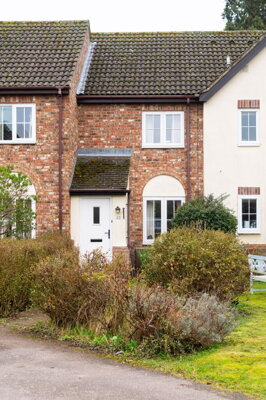
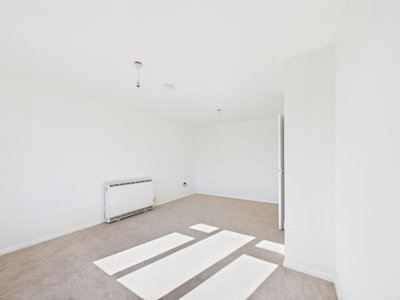
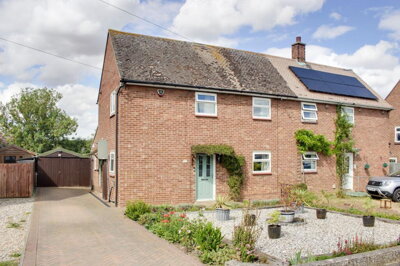
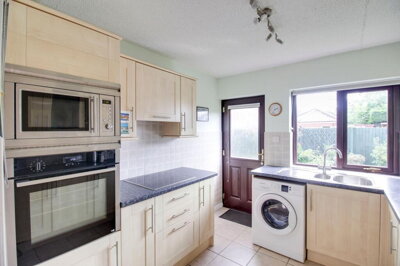
Browse 6 homes for sale in Kimbolton, Huntingdonshire from local estate agents.
The 2 bed house market features detached, semi-detached, and terraced properties with two separate bedrooms plus living spaces. Properties in Kimbolton range from Victorian and Edwardian period homes to modern new builds, with pricing varying across different neighbourhoods.
£235k
2
0
219
Source: home.co.uk
Showing 2 results for 2 Bedroom Houses for sale in Kimbolton, Huntingdonshire. The median asking price is £235,000.
Source: home.co.uk
Terraced
2 listings
Avg £235,000
Source: home.co.uk
Source: home.co.uk
The Kimbolton property market demonstrates steady growth, with house prices increasing by approximately 1-3% over the past twelve months, reflecting broader trends across Cambridgeshire's rural villages. This stability makes Kimbolton an attractive option for both primary residence purchases and long-term property investment. The village housing stock divides roughly into 45-55% detached properties, 25-35% semi-detached homes, with terraced houses and flats making up the remaining 10-20% of residential stock. This balance provides options across different buyer requirements, from first-time purchasers seeking affordable terraced homes to growing families looking for spacious detached accommodation.
Two significant new-build developments are currently adding to the local housing supply. The Pastures, developed by Davidsons Homes off Stow Road, offers three, four, and five-bedroom detached and semi-detached homes priced from approximately £375,000 to over £600,000. Meanwhile, Kimbolton Fields, now under Tilia Homes following the acquisition of Kier Living, provides two to five-bedroom homes on East Street with prices ranging from £280,000 to £550,000. These developments blend seamlessly with the existing village character, which features approximately 30-40% pre-1919 period properties concentrated around the historic conservation area, alongside 20-25% mid-century homes built between 1945 and 1980.

Kimbolton village serves a population of approximately 1,500-1,700 residents across 600-700 households, creating an intimate community where neighbours often know one another by name. The village traces its heritage to the presence of Kimbolton Castle, a Grade I listed building that dominates the village skyline and provides a focal point for local history and tourism. The High Street hosts a selection of independent businesses including a village shop, traditional butcher, artisan bakery, and several welcoming pubs where locals gather for evening meals and community events. This pedestrian-friendly village centre, with its period buildings featuring traditional warm red brickwork and local limestone detailing, offers an enviable quality of life for those seeking countryside living without sacrificing convenience.
Outdoor enthusiasts appreciate Kimbolton's position within the Cambridgeshire countryside, with public footpaths radiating across farmland towards neighbouring villages. The nearby Great Ouse valley provides opportunities for walking, cycling, and wildlife observation, while the village recreation ground offers sports facilities including a tennis club and children's playground. Cultural life centres on the village hall, which hosts regular events, film nights, and the popular annual summer fete. The strong community spirit is evidenced by active societies ranging from the local history group to gardening clubs, providing ample opportunities for new residents to integrate quickly into village life.

Education provision in Kimbolton represents a major draw for families relocating to the village, with Kimbolton School standing as one of the area's most significant institutions. This independent co-educational day and boarding school serves pupils from nursery through sixth form, employing substantial teaching and support staff who contribute to the local economy. The school's strong academic reputation and extensive facilities, including sports grounds, theatres, and specialist subject departments, attract families from across Cambridgeshire and beyond, driving demand for family-sized properties within easy walking distance of the campus.
For state education, Kimbolton Primary School serves the village and surrounding parishes, providing education for children from Reception through to Year 6. Secondary-aged pupils typically travel to schools in nearby market towns, with transport arrangements in place for families requiring these options. The village also benefits from several well-regarded nurseries and preschool facilities, ensuring that families with young children have access to childcare and early education without lengthy commutes. Parents considering property purchases in Kimbolton should verify current catchment area arrangements and admission policies directly with Cambridgeshire County Council, as these can influence school placement decisions.
Kimbolton occupies a strategic position for commuters working in Cambridge, Bedford, and Milton Keynes, with the village functioning as a residential base for professionals who value countryside living. The A1 trunk road passes within a short drive to the east, providing direct access to London and the north, while the A14 motorway connects Cambridge and Felixstowe, running through nearby towns and offering links to the wider strategic road network. Local bus services operate along the High Street, connecting Kimbolton with surrounding villages and market towns where rail stations provide onward connections to major cities.
Rail travellers access services from stations in St Neots, Huntingdon, and Bedford, with journey times to London stations ranging from approximately 45 minutes to just over an hour depending on the specific service and destination. Cambridge station offers direct trains to London King's Cross, Stansted Airport, and Birmingham, making it particularly valuable for business travellers and those with international connections. For residents working locally, Kimbolton provides reasonable access to employment in St Neots, Huntingdon, and the growing commercial centres around Cambridgeshire's Science Park. Cycling infrastructure continues to improve in the area, with cycle paths linking Kimbolton to neighbouring communities for those who prefer active travel options.
Spend time exploring Kimbolton village, visiting local amenities, and reviewing current property listings to understand what your budget will achieve in this specific Cambridgeshire village. Drive the local roads at different times of day to assess traffic, parking, and commuter access.
Contact a mortgage broker or lender to obtain an Agreement in Principle before making offers. With Kimbolton properties typically ranging from £280,000 to over £600,000, understanding your borrowing capacity helps you focus your search on achievable properties within your price range.
Work with local estate agents who know Kimbolton intimately to arrange viewings of shortlisted properties. Many homes here feature period details, traditional construction, and rural characteristics that warrant careful inspection during viewing appointments.
Given Kimbolton's significant proportion of older properties built before 1980 and the underlying Oxford Clay geology that creates potential for subsidence, a thorough Level 2 Survey is essential. Survey costs typically range from £450-£650 for a three-bedroom property and £600-£850 for larger detached homes.
Appoint a conveyancing solicitor to handle the legal work, including searches with Huntingdonshire District Council, review of the contract, and registration at the Land Registry. Local solicitors familiar with Cambridgeshire transactions can navigate the process efficiently.
Once all surveys, searches, and negotiations are finalised, your solicitor will coordinate the exchange of contracts and set a completion date that aligns with your moving plans. Kimbolton transactions typically complete within 8-12 weeks from accepted offer.
Property buyers in Kimbolton should pay particular attention to the underlying geology, as the village sits on Oxford Clay Formation, which presents a moderate to high shrink-swell risk for foundations. Properties with mature trees nearby, shallow foundations, or any history of structural movement warrant careful professional assessment. A RICS Level 2 Survey will identify potential signs of subsidence or heave damage, including cracking to walls, distorted door and window frames, and uneven floor levels that may indicate ground movement affecting the property.
The extensive Kimbolton Conservation Area, covering much of the historic village centre including the High Street and areas around Kimbolton Castle, imposes planning restrictions on alterations, extensions, and exterior changes. Buyers considering properties within the conservation zone should verify permitted development rights with Huntingdonshire District Council before committing to a purchase. Similarly, the high concentration of Listed Buildings, many Grade II, requires adherence to strict regulations for any works that might affect the building's character or fabric. If your prospective home carries listed status, budget for potential additional costs associated with specialist surveys and listed building consent requirements.
Flood risk in Kimbolton primarily relates to surface water accumulation in low-lying areas and proximity to the River Kym, which flows through the village. Request Flood Risk searches from your solicitor and review the EA flood maps for any specific property. Properties with adequate drainage, proper damp-proof courses, and modern plumbing and electrical systems will offer better long-term value, as outdated systems requiring upgrading represent common issues in the 30-40% of homes built before 1919 and the substantial mid-century housing stock constructed between 1945 and 1980.
Common defects in Kimbolton's older properties include damp issues, which frequently manifest as rising damp, penetrating damp, or condensation in period homes with solid brick walls lacking cavity insulation. Roof deterioration affects many properties over 50 years old, with failing leadwork, slipped tiles, blocked gutters, and timber decay in roof structures representing typical concerns. Outdated electrical wiring and plumbing systems require attention in pre-1980s properties, as these often fail to meet current regulations. Timber defects including woodworm, wet rot, and dry rot affect floor joists and roof timbers in older properties, particularly those with inadequate ventilation. The potential presence of asbestos in properties built before 2000, found in textured coatings, pipe lagging, and insulation materials, also warrants professional assessment during survey work.
Understanding the construction materials used in Kimbolton properties helps buyers appreciate the characteristics and potential maintenance requirements of different property types. Traditional properties in Kimbolton, particularly those built before 1919, commonly feature solid brick walls often 9 inches or thicker, constructed from local brickwork displaying the characteristic warm red or orange hues familiar across Cambridgeshire villages. Stone, specifically local limestone or sandstone, appears in more substantial historic buildings and creates the distinctive appearance of many High Street properties. Timber framing with infill panels, such as wattle and daub or later brick infill, can be found in the oldest properties within the village's historic core.
Mid-century properties built between 1919 and 1980 typically employ cavity wall construction with brick or render finishes, representing a significant portion of Kimbolton's housing stock at 20-25% of all homes. These properties generally feature tiled roofs using clay or concrete tiles and timber floor joists, with foundations that may be shallower than modern standards require. Newer construction, including homes from The Pastures and Kimbolton Fields developments, uses contemporary cavity wall techniques with brick or block internal leaves, integrated insulation, and concrete tiled roofs meeting current building regulations.
The traditional construction methods used in Kimbolton's period properties contribute to their character but also create specific maintenance considerations. Solid brick walls cannot be insulated through standard cavity wall insulation methods, making these homes potentially less energy efficient than modern equivalents. The absence of cavity barriers in older construction means that any insulation improvements require careful specification to avoid condensation problems. Foundation depths in older properties may be insufficient for modern loads or current ground conditions, particularly relevant given the shrinkable clay geology affecting Kimbolton. These construction characteristics make a thorough RICS Level 2 Survey particularly valuable when purchasing any pre-1980 property in the village.
The average house price in Kimbolton currently ranges between £450,000 and £500,000, according to recent market data. Detached properties command the highest prices, typically selling between £550,000 and £650,000, while semi-detached homes generally achieve £350,000 to £400,000. Terraced properties in the village start from around £280,000, with flats available from approximately £180,000. Prices have shown modest growth of 1-3% over the past twelve months, reflecting stable demand from families and commuters seeking this Cambridgeshire village location.
Properties in Kimbolton fall under Huntingdonshire District Council's jurisdiction, with most residential properties assigned to Council Tax bands B through F. Band valuations reflect property values as of April 1991, so a modest mid-terrace cottage might sit in Band B or C, while substantial detached family homes with four or five bedrooms typically occupy Bands E, F, or G. A four-bedroom detached home in Kimbolton commonly falls into Band F, with period properties of similar size often rated in Band E due to their character but lower modern values. Prospective buyers should check the specific banding for any property through the Valuation Office Agency website, as this affects ongoing annual running costs alongside utility bills and maintenance reserves.
Kimbolton School stands as the village's most prominent educational institution, offering independent co-educational schooling from nursery through sixth form with an excellent academic reputation and extensive facilities including sports grounds and specialist teaching departments. Kimbolton Primary School serves younger children within the state sector, while secondary pupils typically attend schools in nearby towns with dedicated school transport arrangements. The village also hosts several well-regarded nurseries and preschool facilities, ensuring families with children of all ages have access to appropriate educational provision without lengthy commutes. The combination of strong local primary education and proximity to the renowned Kimbolton School makes the village particularly attractive to families with children of all ages, supporting consistently robust demand for family homes in the area.
Kimbolton offers reasonable connectivity through local bus services linking the village to St Neots, Huntingdon, and surrounding communities where mainline rail stations provide access to London and Birmingham. The village sits within comfortable driving distance of the A1 and A14, giving residents access to Cambridge in approximately 30 minutes and Bedford within 20 minutes. Local bus routes connect Kimbolton with nearby market towns where train services operate, though frequency is limited compared to urban areas, making car ownership advisable for regular commuters. For air travel, Stansted Airport is reachable within an hour's drive, making Kimbolton practical for regular business travellers or those with family connections abroad.
Kimbolton presents a favourable investment proposition due to its combination of village character, strong local school, and strategic position within commuting distance of major employment centres in Cambridge, Bedford, and Milton Keynes. The presence of Kimbolton School ensures consistent demand from families seeking educational placement, while the limited supply of development land within the conservation area supports property values over the long term. The village functions primarily as an owner-occupier market, with relatively limited rental demand compared to urban areas, though the steady stream of school families and commuting professionals does create some tenant interest. Capital growth prospects appear stable rather than spectacular, reflecting the village's established character and restricted development opportunities, making Kimbolton suitable for investors prioritising long-term value retention over high rental yields.
Stamp Duty Land Tax rates from April 2024 require buyers to pay 0% on the first £250,000 of residential property purchase price, 5% on the portion between £250,001 and £925,000, 10% on the portion between £925,001 and £1.5 million, and 12% on any amount exceeding £1.5 million. First-time buyers purchasing properties up to £625,000 pay 0% on the first £425,000, then 5% on the remainder. Most Kimbolton properties fall within the £250,000 to £925,000 range, where standard buyers would pay 5% on the amount above £250,000, making a £450,000 property subject to £10,000 in SDLT. Properties priced at £600,000 would incur £17,500 in SDLT at the standard rate, while the same purchase by a first-time buyer would attract £8,750 as the amount above the £425,000 threshold is only £175,000.
Beyond the property purchase price, buyers should budget for additional costs including Stamp Duty Land Tax, solicitor fees, survey costs, and moving expenses. For a typical Kimbolton property priced at £450,000, standard SDLT would amount to £10,000, calculated at 5% on the £200,000 portion above the £250,000 threshold. First-time buyers purchasing the same property would incur £1,250 in SDLT, calculated at 5% on the £25,000 above the £425,000 first-time buyer threshold. Properties priced above £625,000 do not qualify for first-time buyer relief, so higher-value detached homes in Kimbolton attract standard SDLT rates.
Professional survey costs represent an important budget item given Kimbolton's housing stock characteristics. A RICS Level 2 Survey for a three-bedroom semi-detached property typically costs between £450 and £650, while larger detached family homes with four or five bedrooms require surveys priced from £600 to £850 or more. Conveyancing fees for a Kimbolton property purchase usually fall between £800 and £1,500 for legal work including local searches, contract review, and registration, with complex transactions involving Listed Buildings or leasehold properties potentially incurring higher charges. Search fees through Huntingdonshire District Council and Cambridgeshire County Council typically total £250-£350, covering drainage, environmental, and planning history information essential for any rural property purchase. Buyers should also account for moving costs, potential renovation costs for period properties, and setting aside funds for unexpected issues discovered after purchase.
Properties for Sale In London

Properties for Sale In Plymouth

Properties for Sale In Liverpool

Properties for Sale In Glasgow

Properties for Sale In Sheffield

Properties for Sale In Edinburgh

Properties for Sale In Coventry

Properties for Sale In Bradford

Properties for Sale In Manchester

Properties for Sale In Birmingham

Properties for Sale In Bristol

Properties for Sale In Oxford

Properties for Sale In Leicester

Properties for Sale In Newcastle

Properties for Sale In Leeds

Properties for Sale In Southampton

Properties for Sale In Cardiff

Properties for Sale In Nottingham

Properties for Sale In Norwich

Properties for Sale In Brighton

Properties for Sale In Derby

Properties for Sale In Portsmouth

Properties for Sale In Northampton

Properties for Sale In Milton Keynes

Properties for Sale In Bournemouth

Properties for Sale In Bolton

Properties for Sale In Swansea

Properties for Sale In Swindon

Properties for Sale In Peterborough

Properties for Sale In Wolverhampton

Enter your details to see if this property is within your budget.
Loans, cards, car finance
Estimated property budget
Borrowing + deposit
You could borrow between
Typical borrowing
Monthly repayment
Est. at 4.5%
Loan-to-value
This is an estimate only. Your actual budget may vary depending on interest rates, credit history, and personal circumstances. For an accurate affordability assessment, speak to one of our free mortgage advisors.
This calculator provides estimates for illustrative purposes only and does not constitute financial advice. Your home may be repossessed if you do not keep up repayments on your mortgage. Estimates based on 4.5% interest rate, repayment mortgage. Actual rates depend on your circumstances.
Homemove is a trading name of HM Haus Group Ltd (Company No. 13873779, registered in England & Wales). Homemove Mortgages Ltd (Company No. 15947693) is an Appointed Representative of TMG Direct Limited, trading as TMG Mortgage Network, which is authorised and regulated by the Financial Conduct Authority (FRN 786245). Homemove Mortgages Ltd is entered on the FCA Register as an Appointed Representative (FRN 1022429). You can check registrations at NewRegister or by calling 0800 111 6768.

We use cookies to show you personalised content and improve your experience of our website. Find out more in our Privacy policy and Cookie policy.