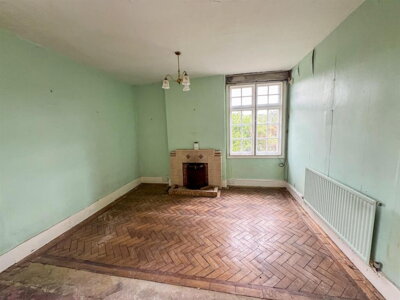
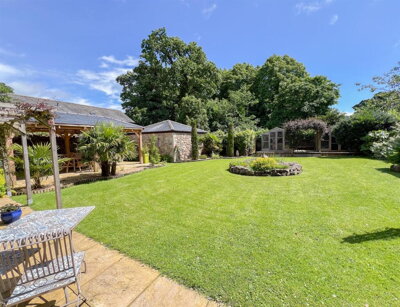
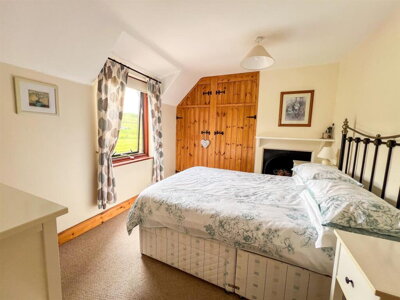
Browse 3 homes for sale in Kilham from local estate agents.
The Kilham property market offers detached, semi-detached, and terraced houses spanning various price ranges and neighbourhoods. Each listing includes detailed property information, photographs, and direct contact with the marketing agent.
The Kilham property market offers a focused selection of homes that reflect the character of rural Northumberland. Detached properties command the highest prices in the area, with an average of £350,000, making them ideal for families seeking space and privacy. These larger homes typically offer generous gardens, multiple reception rooms, and the breathing room that country living demands. The premium for detached accommodation reflects both the scarcity of such properties in smaller villages and the lifestyle benefits they provide.
Semi-detached homes provide excellent value at around £200,000, offering an accessible entry point for first-time buyers and young professionals looking to establish themselves in the area. These properties often feature traditional stone construction with the characteristic honey-gold tones of locally quarried sandstone, combined with practical layouts suited to modern family life. Terraced properties start from approximately £180,000, providing an accessible entry point into village life for those with smaller budgets or equity to build from.
Recent market activity shows 10 property sales completed in the village over the past twelve months, indicating healthy transaction volumes for a settlement of Kilham's size. The modest price appreciation of 1.79% suggests a stable market where values have remained consistent rather than experiencing volatile swings, making it an attractive prospect for buyers who may have been priced out of more buoyant markets elsewhere. Buyers can expect to find traditional sandstone-built homes alongside more recent constructions, with property ages ranging from historic cottages to modern family houses developed over recent decades. The market benefits from demand driven by lifestyle buyers seeking rural tranquility alongside practical commuters who can work flexibly.

Properties in Kilham predominantly feature traditional Northumberland sandstone construction, a hallmark of the region's built heritage that dates back centuries. Local sandstone, quarried from formations within the Carboniferous geological strata underlying much of Northumberland, provides the characteristic honey-gold and cream tones that define the village's streetscape. These natural stone walls, typically built as solid masonry without cavity insulation, provide excellent thermal mass but require careful consideration regarding insulation and damp resistance in older properties.
The solid wall construction common in pre-1919 Kilham properties presents specific challenges for buyers accustomed to modern cavity wall insulation. Traditional solid walls breathe differently from cavity walls, and inappropriate insulation treatments can trap moisture within the fabric of the building, leading to damp issues and timber deterioration over time. Our inspectors frequently encounter solid wall properties where previous owners have applied cement-based renders or non-breathable paints, trapping moisture and causing penetrating damp problems that require specialist remedial treatment.
Roof construction in Kilham typically features traditional cut or truss roofs covered with natural slate or clay tiles, reflecting the availability of these materials throughout Northumberland's geological history. The underlying roof structure often consists of timber rafters, purlins, and ridge beams that may show signs of wear, woodworm activity, or previous water ingress. Lead flashings around chimneys and valleys require inspection for deterioration, as these details commonly develop leaks that may not become apparent until significant timber damage has occurred. Properties with original timber windows and doors, while architecturally valuable, often require upgrading to improve thermal performance and security standards expected by modern buyers.
Kilham is a traditional Northumberland village that embodies the appeal of countryside living in the North East. The settlement has historically been connected to agriculture, with the local economy supporting small farms, rural businesses, and the service sector needed by a dispersed rural population. The village maintains a close-knit community atmosphere where neighbours know one another and local events bring residents together throughout the year. This sense of community proves particularly attractive to families and those seeking an escape from the pressures of urban life.
The character of Kilham is defined by its architecture, which predominantly features traditional Northumberland sandstone construction with slate roofs that weather beautifully against the often-moody Northumbrian sky. Local properties often display the honey-gold tones of locally quarried sandstone, with solid walls that speak to the craftsmanship of earlier generations of local builders and stonemasons. The village lanes are lined with traditional stone walls, hedgerows, and mature trees that provide both beauty and privacy throughout the seasons.
The local economy around Kilham is shaped by agriculture, tourism related to the stunning Northumberland coast and castles, and small-scale local enterprises serving the surrounding rural community. Residents frequently commute to larger towns including Alnwick, Berwick-upon-Tweed, and occasionally further afield to larger employment centres, taking advantage of the flexible working arrangements increasingly available in the modern economy. The village benefits from its position between the wild beauty of the Northumberland coast, with its famous castles and beaches, and the practical amenities available in market towns like Alnwick where supermarkets, healthcare facilities, and specialist shops serve the wider rural population.

Kilham sits within an area where the underlying geology includes Carboniferous rocks, such as sandstones, shales, and limestones that were deposited hundreds of millions of years ago when this area lay beneath tropical seas. These geological formations influence everything from the locally quarried building materials to the drainage characteristics of the surrounding land. The sandstone bedrock provides the raw material for the traditional construction that defines the village's character, while the varying permeability of different rock layers affects how water moves through the local landscape.
Clay deposits within the local geology present potential shrink-swell considerations for property foundations, though specific shrink-swell risk data for Kilham itself would require detailed geological survey mapping. Properties built on clay soils may be susceptible to foundation movement during periods of drought or heavy rainfall, particularly those with shallow foundations common in traditional rural construction. Trees located near properties, common in rural village settings, can exacerbate shrink-swell movement as their root systems draw moisture from the underlying clay during dry spells.
Surface water flooding represents the primary flood risk for Kilham properties, especially during periods of heavy rainfall when rural drainage systems may become overwhelmed. The local topography, shaped by glacial activity during the last Ice Age, creates natural low points and drainage channels that may concentrate surface water flow. Properties in low-lying positions or those adjacent to small watercourses and drainage ditches require careful assessment of their specific flood risk. Our surveyors always recommend checking the Environment Agency flood risk maps and investigating the drainage characteristics of individual plot positions before committing to purchase.
Families considering a move to Kilham will find educational provision available within the village and the surrounding area. Primary education is accessible to local children, with schools in nearby villages serving the community. Northumberland local authority maintains a network of primary schools across the rural area, and catchment arrangements mean that children typically attend their nearest appropriate school. Parents are advised to check current catchment boundaries and admission arrangements with the local authority, as these can influence school allocation for specific properties.
The rural primary schools serving Kilham typically provide a warm, community-focused education with the advantage of smaller class sizes that allow teachers to give individual attention to each pupil. These schools often benefit from strong relationships with parents and the wider village community, creating supportive learning environments well-suited to younger children. Many families appreciate the nurturing approach of rural primary schools, where children can develop confidence and a genuine love of learning before moving to larger secondary establishments.
Secondary education options include schools in larger nearby towns, with pupils typically progressing to secondary schools in market towns such as Alnwick. These schools provide a full range of curriculum subjects, sixth form provision, and extracurricular activities that smaller rural schools may not be able to offer. Alnwick's secondary schools have established reputations within the region and provide comprehensive educational pathways from Key Stage 3 through to A-levels and vocational qualifications. For families prioritising educational choice, the proximity of Kilham to several well-regarded secondary schools within reasonable daily travel distance enhances the village's appeal as a place to raise children while enjoying the benefits of rural Northumberland living.
Northumberland has a significant coal mining legacy that extends across much of the county, and potential buyers should understand the implications for property in the Kilham area. While Kilham itself is not situated within a major coalfield area, the broader region has been affected by historical mining activity, and no property purchase in Northumberland should proceed without appropriate mining searches. The Coal Authority maintains records of past mining activity, and a CON29M mining search should form part of the standard conveyancing enquiries for any rural Northumberland property.
The CON29M search will reveal whether any recorded mine workings, shafts, or entries exist beneath or in the vicinity of the property, along with any related ground stability risks or planning conditions requiring attention. Properties built over or near old mine workings may be subject to ground movement, subsidence, or heave that can affect foundations and structural integrity. The search results will also indicate whether any outstanding remedial works remain to be carried out under the Coal Authority'sCoal Mining Reporting and Intervention procedure.
In addition to coal mining, the Carboniferous geological formations underlying parts of Northumberland may include mineral veins that have been worked historically for lead, baryte, and other minerals. While these are unlikely to present significant risks to modern properties, a thorough conveyancing solicitor will investigate any historical mining or quarrying that may have affected the specific plot. Our surveyors are experienced in identifying signs of mining-related subsidence, including characteristic crack patterns, distorted door and window openings, and stepped crack movements that indicate ground movement beneath foundations.
Kilham benefits from its position within Northumberland that offers connectivity to larger towns while maintaining its rural character. The village is accessible by road, with the A1 trunk road providing a direct route to Edinburgh to the north and Newcastle upon Tyne to the south. This road connection proves essential for residents who commute to employment in regional centres or need to access the wider transport network. Local bus services connect Kilham to nearby towns, providing public transport options for those who prefer not to drive or who wish to reduce their environmental footprint.
For residents working in Alnwick, the daily commute by car typically takes around 15-20 minutes, making Kilham a practical base for those employed in the market town. Berwick-upon-Tweed, located to the north on the Scottish border, is approximately 30 minutes away by car and offers additional employment opportunities alongside its mainline railway station. The journey south to Newcastle typically takes around 45 minutes to an hour depending on traffic conditions on the A1, making Newcastle a feasible destination for those with flexible working arrangements or occasional office requirements.
For longer-distance travel, the mainline railway station at Berwick-upon-Tweed offers access to the East Coast Main Line, with regular services to Edinburgh taking around 45 minutes, Newcastle in approximately an hour, and London King's Cross in around four hours. Alternatively, Newcastle International Airport provides domestic and international flights, accessible via the A1 and A69 road network from the Kilham area. Daily commuting from Kilham is feasible for those working in regional towns like Alnwick or Berwick, while flexible workers and remote employees increasingly find the village's peaceful environment well-suited to home-based working arrangements that require only occasional travel to larger offices.
Before viewing properties, explore Kilham thoroughly. Walk the village lanes, visit local amenities, and speak with residents to understand day-to-day life here. Obtain a mortgage agreement in principle to establish your budget, giving you confidence when making offers on properties ranging from terraced homes at £180,000 to detached houses at £350,000. Consider the implications of traditional construction on your buying costs, including potential survey requirements and any renovation works you may wish to undertake to improve energy efficiency or address maintenance issues common in older stone properties.
Contact local estate agents active in the Northumberland rural market to arrange viewings of properties that match your requirements. View properties at different times of day to assess light, noise levels, and the neighbourhood atmosphere. Take notes and photographs to help compare properties after visiting several homes. Pay particular attention to the condition of stone walls, roof coverings, windows, and any signs of damp or structural movement that might indicate underlying defects requiring further investigation by a qualified surveyor.
Once your offer is accepted, instruct a RICS Level 2 Survey to assess the property condition. In Kilham, where many properties are traditionally constructed with solid walls and older roofing materials, a thorough survey is essential to identify any damp, timber defects, or structural issues before you commit to purchase. The typical cost for a RICS Level 2 Survey in the Northumberland area ranges from £400 to £900 depending on property size and complexity, and this investment can save thousands by identifying problems before completion.
Appoint a solicitor experienced in rural property transactions to handle the legal work. Your solicitor will conduct local searches including a CON29M mining search given Northumberland's coal mining history, check for planning restrictions, investigate the title, and coordinate with your mortgage lender to ensure a smooth transfer of ownership. For traditional stone properties, additional enquiries regarding the condition of solid walls, any historic damp treatments, and the presence of asbestos-containing materials should be raised as part of the conveyancing process.
After satisfactory survey results and completed searches, you will exchange contracts with the seller and pay a deposit, typically 10% of the purchase price. On the agreed completion date, your solicitor will transfer the remaining funds and you will receive the keys to your new Kilham home, ready to begin the next chapter of your life in this charming Northumberland village. We recommend arranging a final inspection of the property shortly before completion to confirm nothing has changed since your last visit.
Purchasing a property in rural Northumberland requires attention to local factors that may not affect buyers in urban areas. The traditional sandstone construction common in Kilham brings specific considerations, including the potential for solid walls without cavity insulation, which can affect thermal performance and energy costs. Older stone properties may also show signs of damp, particularly rising damp in ground floor rooms, so a thorough survey is essential. The presence of original timber windows and doors, while architecturally valuable, may require updating to meet modern energy efficiency standards and building regulations requirements.
Potential buyers should investigate the history of mining activity in the broader Northumberland region, as the county has a significant coal mining legacy. While Kilham itself is not in a major mining area, a CON29M mining search should be included in your conveyancing enquiries to confirm there are no underground workings or mine shafts that could affect ground stability. The search results will reveal any recorded mining features beneath the property and indicate whether remedial works have been completed or remain outstanding.
Flood risk in Kilham is primarily associated with surface water during heavy rainfall rather than river or coastal flooding, but local topography and drainage patterns should be assessed for individual properties, particularly those in low-lying positions. Check the Environment Agency flood risk maps for the specific property location and discuss any concerns with your surveyor during the inspection. The age of the property is also significant, as pre-1919 properties may contain asbestos-containing materials in artex coatings, insulation, or building boards that would require specialist assessment and removal by licensed contractors if disturbed during renovation works.
The average property price in Kilham, Northumberland stands at £296,000 as of February 2026. Detached properties average £350,000, semi-detached homes around £200,000, and terraced properties from £180,000. The market has shown modest growth with a 12-month price increase of 1.79%, indicating stable conditions for buyers and sellers alike in this rural village market. Ten property sales were recorded in the village over the past twelve months, demonstrating healthy transaction volumes for a settlement of Kilham's size.
Properties in Kilham fall under Northumberland County Council's jurisdiction for council tax purposes. Specific bands depend on the property valuation, but rural Northumberland properties typically range from Band A to Band E, with many traditional stone cottages falling into lower bands due to their historic construction and smaller size. You can check the exact council tax band for any specific property through the Valuation Office Agency website or your solicitor during the conveyancing process. Council tax charges for Northumberland properties fund local services including education, roads maintenance, and refuse collection.
Kilham is served by local primary schools in the surrounding villages, with secondary education available at schools in nearby market towns such as Alnwick, where the secondary schools offer comprehensive curricula and strong extracurricular programmes. Parents should verify current school catchment boundaries with Northumberland County Council, as these can affect which schools your children may be allocated. The proximity of Kilham to several well-regarded secondary schools, accessible within a reasonable daily commute, enhances the village's appeal for families with school-age children.
Kilham has bus services connecting the village to nearby towns including Alnwick and Berwick-upon-Tweed, though frequencies may be limited compared to urban areas, typically running several times daily rather than hourly. The A1 road provides direct access by car to major cities including Edinburgh and Newcastle. For rail travel, Berwick-upon-Tweed station on the East Coast Main Line offers connections to Edinburgh, Newcastle, and London, taking approximately 45 minutes, one hour, and four hours respectively, making it the nearest mainline station for Kilham residents planning longer journeys.
Kilham offers appeal for lifestyle buyers and those seeking rural property investments, with the village providing a peaceful living environment alongside traditional character and proximity to larger towns ensuring practical access to services and employment. The modest 1.79% annual price growth suggests a stable rather than speculative market, making it suitable for long-term investment or owner occupation rather than short-term capital gains. The enduring appeal of traditional Northumberland sandstone properties to buyers seeking rural character supports values over time, though renovation costs for older properties should be factored into any investment calculation.
Stamp Duty Land Tax for residential purchases in England applies at 0% on the first £250,000 of property value, 5% on £250,001 to £925,000, 10% on £925,001 to £1.5 million, and 12% on any amount above £1.5 million. First-time buyers benefit from relief on the first £425,000, paying 5% between £425,001 and £625,000. Given Kilham's average price of £296,000, most buyers would pay stamp duty only on amounts above £250,000, with a typical bill of around £2,300 for standard buyers, while qualifying first-time buyers purchasing at or below £425,000 would pay no stamp duty at all.
Older properties in Kilham, many built before 1919 using traditional sandstone construction with solid walls, require careful inspection for damp including rising damp and penetrating damp, timber defects such as woodworm or rot, and structural movement that may indicate foundation issues. A RICS Level 2 Survey is strongly recommended to identify defects before purchase. Check for solid wall insulation and its compatibility with the original construction, the condition of slate roofs and lead flashings, outdated electrical systems that may not meet current regulations, and the condition of original timber windows and doors. Your solicitor should arrange a CON29M mining search given Northumberland's coal mining history, and investigate any potential surface water flood risk specific to the property's position given the rural setting and local topography.
Understanding the full cost of purchasing property in Kilham requires consideration of stamp duty alongside other expenses. For a typical Kilham property priced around the £296,000 average, standard buyers would pay no stamp duty on the first £250,000, with the remaining £46,000 attracting a 5% charge of £2,300. First-time buyers purchasing properties up to £425,000 would pay no stamp duty at all on qualifying purchases, providing meaningful savings that can be redirected toward moving costs or home improvements. The government's first-time buyer relief has helped many buyers in the North East get onto the property ladder with reduced upfront costs.
Beyond stamp duty, buyers should budget for solicitor conveyancing fees typically ranging from £500 to £1,500 depending on complexity, with rural properties sometimes requiring additional searches regarding rights of way, commons registration, or flooding that increase costs. A RICS Level 2 Survey costs between £400 and £900 in the Northumberland area, with the higher end applying to larger, older, or more complex properties with traditional construction that requires detailed inspection of stone walls, timber elements, and historic building fabric. An Energy Performance Certificate is mandatory and costs from £85, though this cannot be skipped as it is required before property sales can legally complete.
Mortgage arrangement fees, if applicable, vary by lender but commonly range from zero to £2,000, with some lenders offering fee-free mortgages while others provide cashback incentives that offset arrangement charges. Removal costs vary significantly depending on distance and volume of belongings, typically ranging from £500 for a small flat move to several thousand pounds for a full family house relocation. Survey fees and potential renovation expenses should also factor into your overall buying budget for your new Kilham home, particularly for older properties where defects discovered during survey may require negotiation with the seller for repairs or price reductions before completion.
From £400
A thorough inspection of the property condition, ideal for traditional Kilham homes
From £500
Comprehensive survey for older or complex properties
From £85
Energy Performance Certificate required for all sales
From £499
Solicitors experienced in rural Northumberland property
From 3.85%
Competitive rates for Kilham property buyers
Properties for Sale In London

Properties for Sale In Plymouth

Properties for Sale In Liverpool

Properties for Sale In Glasgow

Properties for Sale In Sheffield

Properties for Sale In Edinburgh

Properties for Sale In Coventry

Properties for Sale In Bradford

Properties for Sale In Manchester

Properties for Sale In Birmingham

Properties for Sale In Bristol

Properties for Sale In Oxford

Properties for Sale In Leicester

Properties for Sale In Newcastle

Properties for Sale In Leeds

Properties for Sale In Southampton

Properties for Sale In Cardiff

Properties for Sale In Nottingham

Properties for Sale In Norwich

Properties for Sale In Brighton

Properties for Sale In Derby

Properties for Sale In Portsmouth

Properties for Sale In Northampton

Properties for Sale In Milton Keynes

Properties for Sale In Bournemouth

Properties for Sale In Bolton

Properties for Sale In Swansea

Properties for Sale In Swindon

Properties for Sale In Peterborough

Properties for Sale In Wolverhampton

Enter your details to see if this property is within your budget.
Loans, cards, car finance
Estimated property budget
Borrowing + deposit
You could borrow between
Typical borrowing
Monthly repayment
Est. at 4.5%
Loan-to-value
This is an estimate only. Your actual budget may vary depending on interest rates, credit history, and personal circumstances. For an accurate affordability assessment, speak to one of our free mortgage advisors.
This calculator provides estimates for illustrative purposes only and does not constitute financial advice. Your home may be repossessed if you do not keep up repayments on your mortgage. Estimates based on 4.5% interest rate, repayment mortgage. Actual rates depend on your circumstances.
Homemove is a trading name of HM Haus Group Ltd (Company No. 13873779, registered in England & Wales). Homemove Mortgages Ltd (Company No. 15947693) is an Appointed Representative of TMG Direct Limited, trading as TMG Mortgage Network, which is authorised and regulated by the Financial Conduct Authority (FRN 786245). Homemove Mortgages Ltd is entered on the FCA Register as an Appointed Representative (FRN 1022429). You can check registrations at NewRegister or by calling 0800 111 6768.

We use cookies to show you personalised content and improve your experience of our website. Find out more in our Privacy policy and Cookie policy.