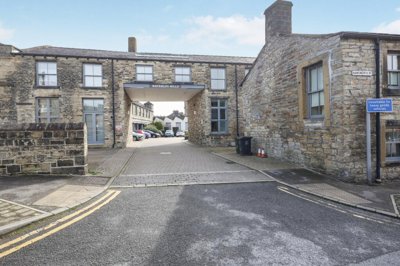
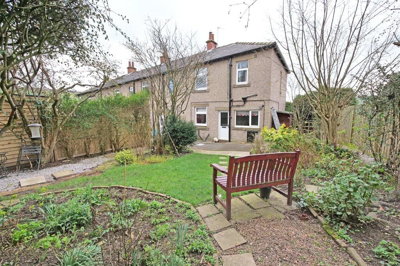
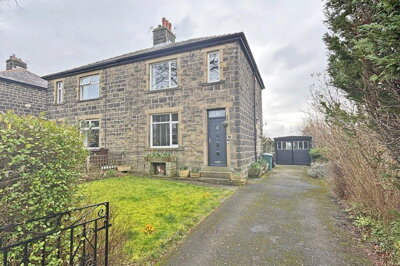
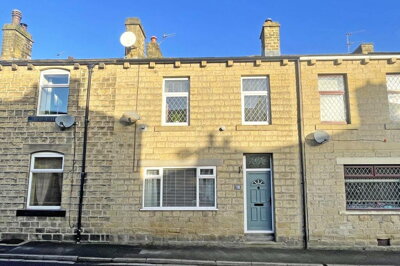
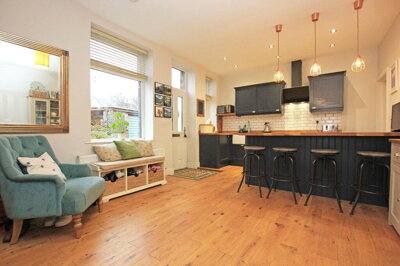
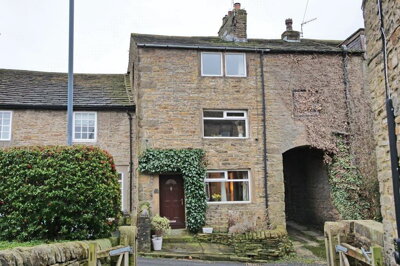
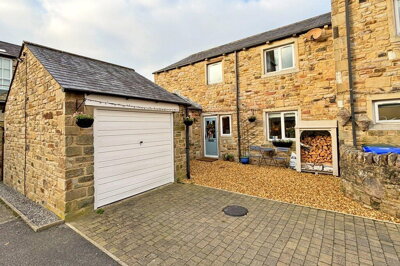
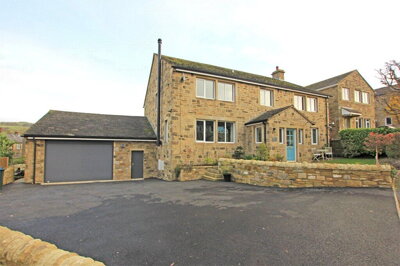
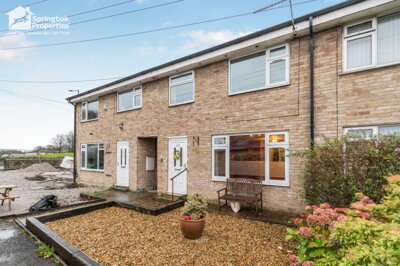
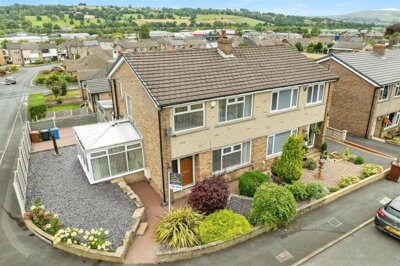
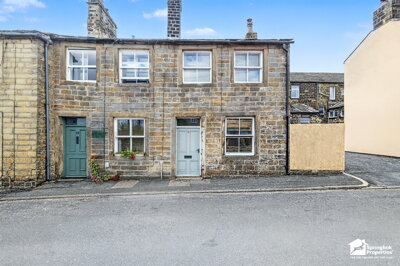
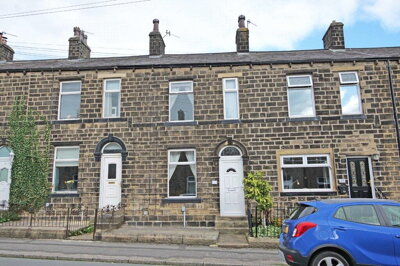
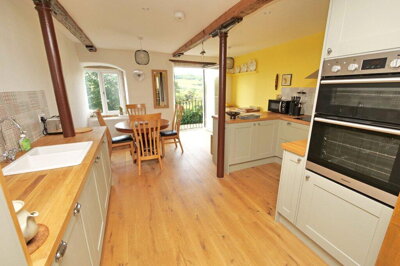
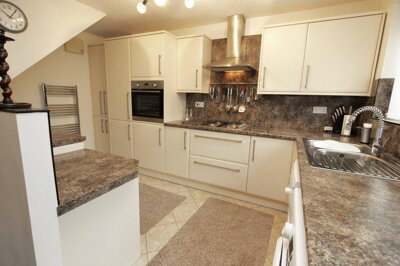
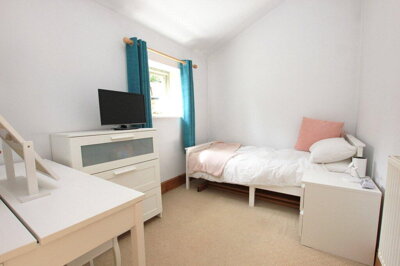
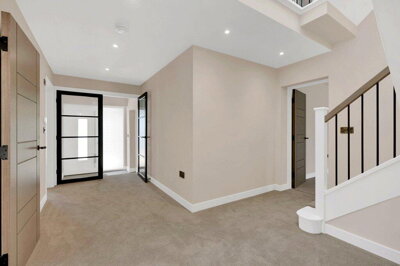
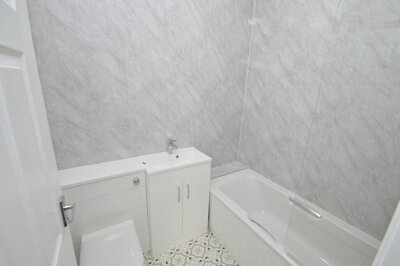
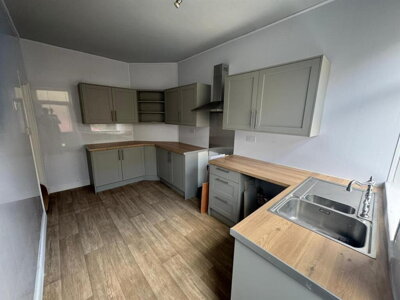
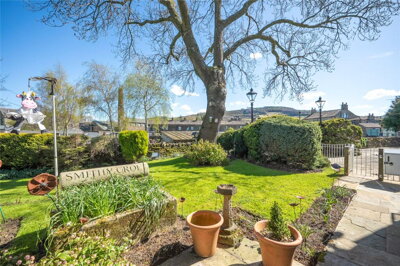
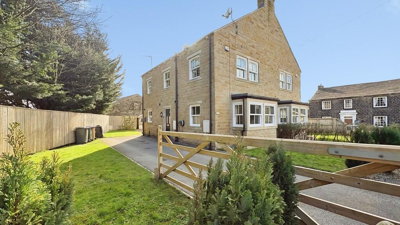
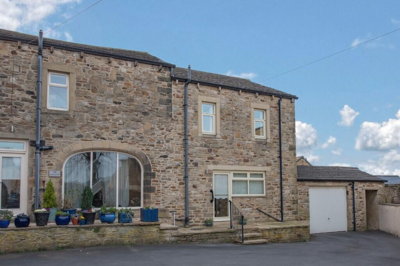
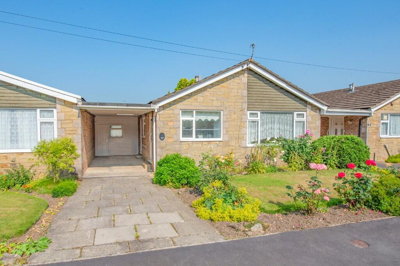
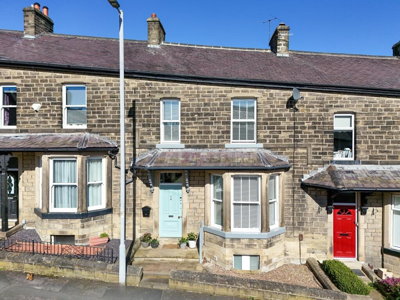
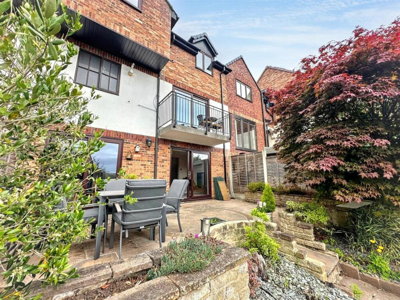
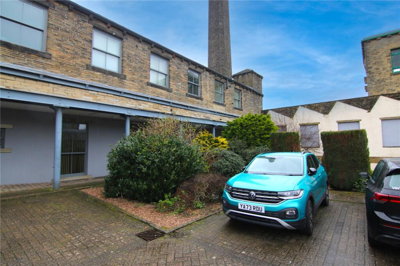
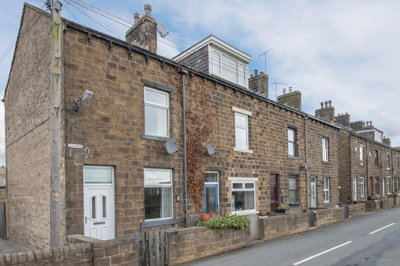
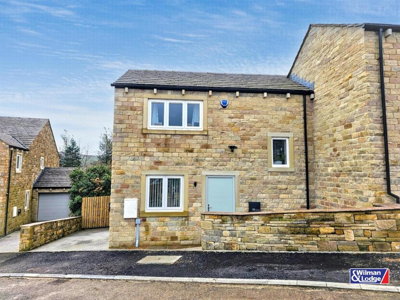
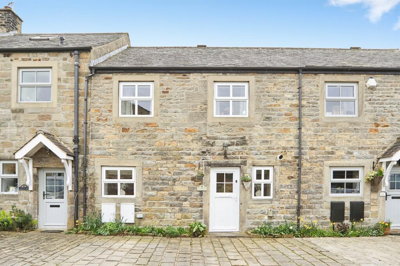
Browse 295 homes for sale in Kildwick, North Yorkshire from local estate agents.
£735k
3
0
253
Source: home.co.uk
Source: home.co.uk
Detached
1 listings
Avg £735,000
Semi-Detached
1 listings
Avg £750,000
Semi-detached house
1 listings
Avg £575,000
Source: home.co.uk
Source: home.co.uk
The Kildwick property market has demonstrated steady growth, with overall house prices increasing by 1% over the past 12 months. This consistent performance reflects sustained demand for village properties in this part of North Yorkshire. Detached homes command the highest prices, averaging £437,500, making them ideal for families seeking generous space and rural views. Semi-detached properties average £220,000, offering excellent value for buyers looking to enter this sought-after village market. The modest price growth rate indicates a mature market where properties tend to hold their value well, making Kildwick an attractive option for both homeowners and investors seeking stable returns.
Terraced properties in Kildwick typically sell for around £185,000, providing an accessible entry point to this attractive village setting. The housing stock reflects the area's heritage, with many properties built from local gritstone and traditional brick materials. Our listings include traditional stone cottages, Victorian terraces, and larger detached homes set within generous plots. No active new-build developments were identified within the Kildwick postcode area, meaning buyers seeking modern homes may wish to broaden their search to nearby Skipton or Keighley, where several new housing developments are currently underway.
The village's Conservation Area status helps protect property values over time by restricting inappropriate development and maintaining the historic streetscape. Given that only around 10 property sales occur annually in the BD20 postcode area, the market moves slowly compared to urban centres. This limited liquidity means buyers may face less competition for desirable properties but should also be prepared for a potentially longer search to find the right home. Properties in Kildwick tend to attract buyers seeking long-term homes rather than quick investment returns, contributing to the stable pricing environment observed in recent years.

Life in Kildwick centres around its role as a traditional Yorkshire village, with a strong sense of community and a pace of life that contrasts sharply with urban living. The village is designated as a Conservation Area, which preserves its special architectural and historic interest through strict planning controls. Properties here include elegant stone-built farmhouses, Victorian terraces, and Georgian-style homes, many featuring original sash windows, fireplaces, and exposed beamwork. The geology of the area consists of Carboniferous rocks including sandstones, shales, and limestones, typical of the Pennine region, which contributes to the distinctive character of local buildings.
The River Aire flows through the village, providing scenic walks and fishing opportunities for residents who enjoy the natural environment on their doorstep. Kildwick's proximity to the Yorkshire Dales National Park makes it an ideal base for outdoor enthusiasts, with extensive walking, cycling, and riding routes accessible from the village. The Leeds and Liverpool Canal also passes nearby, offering additional recreational opportunities for canal enthusiasts and walkers enjoying the towpath routes. Local amenities include traditional pubs where villagers gather, a village hall hosting community events throughout the year, and active community groups that maintain the social fabric of this tight-knit settlement.
The nearby towns of Skipton and Keighley offer expanded retail, dining, and leisure facilities within a short drive, giving residents the best of both rural charm and urban convenience. Skipton's bustling high street features independent shops, cafes, and restaurants alongside familiar high street retailers. Keighley provides additional shopping options and leisure facilities including swimming pools and sports centres. For larger shopping trips or cultural activities, Leeds and Bradford are accessible by train, with Leeds city centre approximately 45-50 minutes away by rail from Kildwick and Fernside station.
Understanding the construction methods used in Kildwick properties helps buyers appreciate the character and potential maintenance needs of homes in this North Yorkshire village. The predominant building material is local gritstone, quarried from the Pennine hills that surround the village. This distinctive golden-brown stone has been used for centuries in the area, giving Kildwick its characteristic appearance that buyers fall in love with when they first visit. Traditional brick is also present, particularly in properties built during the Victorian and Edwardian periods when brick became more widely available as a building material.
Many properties in Kildwick date from the pre-1919 period, reflecting the village's long history as a settled community. Construction methods for these older properties typically involve solid stone or solid brick walls, which can be several inches thick and provide excellent thermal mass. Timber floor joists, often spanning between supporting walls, form the floor structure, while pitched roofs traditionally use slate or stone flags as the covering material. These construction methods differ significantly from modern cavity wall construction, and buyers should understand that older properties require different maintenance approaches and may exhibit characteristics such as minor structural movement that would be unusual in newer homes.
The prevalence of listed buildings in Kildwick, including St Andrew's Church, Kildwick Hall, and numerous private residences, reflects the architectural significance of the village. These properties require particular care during any renovation work, with Listed Building Consent required for alterations that might affect their historic character. The Conservation Area designation adds another layer of planning consideration, meaning that external changes to any property may require approval from Craven District Council to ensure they preserve the village's special qualities. Understanding these requirements helps buyers appreciate that renovation projects in Kildwick may take longer and cost more than equivalent work in non-designated areas.
Properties in Kildwick, given their age and traditional construction methods, commonly exhibit several defect types that prospective buyers should be aware of before purchasing. Damp is one of the most frequently encountered issues, affecting both solid wall properties and those with inadequate damp-proof courses. Rising damp occurs where original damp-proof courses have failed or were never installed, while penetrating damp may result from degraded pointing, damaged gutters, or weathering of the stonework. Condensation-related damp is also common in properties that have been modernised with insulation and double glazing without adequate ventilation measures being implemented.
Timber defects represent another significant category of issues found in Kildwick properties. Woodworm activity, particularly in roof voids and upper floor timbers, can weaken structural elements if left untreated. Wet rot and dry rot both affect timber in areas subject to sustained moisture, with wet rot being more common where leakages or condensation problems exist. Roof problems frequently identified during surveys include slipped or missing slates, deteriorating felt underlay, and failed leadwork around chimneys and valleys. These defects often allow water penetration that causes secondary damage to timbers and plaster throughout the property.
The local geology, characterised by Carboniferous rocks including clay-rich deposits, can contribute to subsidence and structural movement in some properties. Clay soils present in river valleys and areas of glacial till may undergo shrink-swell movement in response to moisture content changes, particularly where large trees are present close to buildings. Properties with shallow foundations on such ground may exhibit signs of movement including cracking to walls and distorted door and window openings. While widespread mining is not directly beneath Kildwick village, the wider West Yorkshire region has historic coal mining activity, and local searches should be requested to check for any past mining activity that might affect ground stability. Electrical and heating systems in older properties frequently require updating to meet current safety standards, with wiring installed before the 1980s particularly likely to need replacement.
Families considering a move to Kildwick will find a selection of educational options within the local area. Primary education is served by schools in surrounding villages and the nearby market town of Skipton, where several primary schools cater to different catchment areas. The primary school in the neighbouring village of Sutton-in-Craven provides education for younger children from Kildwick and surrounding communities. Parents should research specific catchment areas through the North Yorkshire Council admissions portal, as school placements are allocated based on proximity to the school and can significantly influence which properties are most suitable for families with children.
Secondary education is available at schools in Skipton and Keighley, with secondary schools in these market towns offering comprehensive GCSE and A-Level programmes. Ermysteds Grammar School and Skipton Girls High School in Skipton are both well-established secondary schools with strong academic reputations. In Keighley, schools including Beckfoot School and Holy Family Catholic School serve the local area with a range of academic and vocational qualifications. For families seeking private education, several independent schools operate in the wider region, with options in Skipton and Ilkley providing alternatives to the state sector.
Further education opportunities are available at colleges in Skipton, Keighley, and Leeds, providing pathways to higher education and vocational qualifications. Craven College in Skipton offers a range of further and higher education courses, while Leeds City College and the University of Leeds provide extensive options for those pursuing university degrees. The presence of quality schools in the surrounding area makes Kildwick an attractive location for families at all stages of their educational journey, though parents should always verify current Ofsted ratings and admission policies before committing to a property purchase, as these can change over time.
Kildwick benefits from excellent transport connections that make commuting to larger employment centres practical and straightforward. Kildwick and Fernside railway station sits on the Leeds to Lancaster line, offering regular train services connecting residents to Leeds, Bradford, and Skipton. The station provides convenient access for commuters working in regional centres while maintaining the lifestyle benefits of rural village living. Journey times to Leeds take approximately 45-50 minutes by train, making day-to-day commuting feasible for professionals working in the city.
Road connections are equally strong, with the A629 providing direct routes to Skipton and Keighley, while the A650 links to Bradford. The A56 connects to the M65 motorway, linking Kildwick to the wider motorway network and cities including Manchester and Preston. For those working in Leeds, the A65 provides an alternative scenic route through the Yorkshire Dales to the city. Bus services operate routes between local villages and towns, providing essential connectivity for those without private vehicles, with regular services connecting Kildwick to Skipton, Keighley, and surrounding villages throughout the day.
For air travel, Leeds Bradford Airport is approximately 30 miles away, offering domestic and international flights from one of the North's major airports. Cyclists will appreciate the scenic routes through the Yorkshire Dales, with challenging climbs available for experienced riders and more gentle routes along the Leeds and Liverpool Canal towpath for family cycling. The nearby Yorkshire Dales provide world-class cycling opportunities, with the route of the Tour de France Grand Depart passing through the region, demonstrating the area's popularity with cycling enthusiasts. Walkers can explore extensive public footpaths and bridleways directly from the village, accessing the stunning moorland and countryside that makes this part of North Yorkshire so desirable.
Spend time exploring Kildwick village to understand its character, amenities, and community feel. Visit local pubs including the Black Bull in the village centre, attend village events, and speak with residents to gauge whether the lifestyle suits your expectations. Consider factors such as proximity to schools, transport links, and your daily commute requirements. The River Aire walks and access to the Yorkshire Dales are particularly popular with residents and should feature in any evaluation of the area.
Before viewing properties, obtain a mortgage agreement in principle from a lender or broker. This document confirms how much you can borrow and strengthens your position when making offers in what can be a competitive market. Homemove offers access to mortgage comparison tools and broker services to help you find competitive rates suitable for your financial situation. Having your financing in place before making an offer demonstrates serious intent to sellers.
Once you have identified properties matching your criteria, arrange viewings through our platform or directly with estate agents. Take notes on property condition, features, and any concerns during your visits. For older properties in Kildwick, pay particular attention to the condition of stonework, roofs, and original features that are characteristic of the village's Conservation Area properties. Consider visiting properties at different times of day to assess lighting, noise levels, and neighbour activity.
Given Kildwick's significant older housing stock, including many listed buildings and Conservation Area properties, we strongly recommend booking an RICS Level 2 Survey before proceeding with your purchase. A qualified surveyor will identify defects such as damp, timber issues, or structural concerns that may not be visible during viewings. For listed buildings or properties requiring extensive renovation, an RICS Level 3 Building Survey may be more appropriate to assess the full scope of any works needed.
Appoint a conveyancing solicitor to handle the legal aspects of your purchase. They will conduct searches including local authority, environmental, and drainage searches, review contracts, and coordinate with the seller's solicitor through to completion. Homemove provides access to conveyancing services with transparent pricing. For properties in Kildwick's Conservation Area, your solicitor should specifically advise on any planning restrictions or listed building considerations that affect the property.
Once all searches are satisfactory and your mortgage offer is confirmed, you will exchange contracts and pay your deposit. Completion typically follows within weeks, at which point you will receive your keys and take ownership of your new Kildwick home. Factor in time for moving logistics, including removal companies experienced with rural properties and any additional insurance requirements for valuable or listed contents.
Purchasing property in Kildwick requires attention to several area-specific considerations that differ from urban property searches. Flood risk is a key consideration, as the village sits along the River Aire, with areas immediately adjacent to the river at risk of fluvial flooding during periods of high rainfall. Surface water flooding can also affect low-lying areas during heavy downpours, particularly where drainage systems become overwhelmed. We recommend requesting flood risk reports and checking the Environment Agency flood maps before committing to any property purchase in the village. Properties elevated above the river level generally carry lower flood risk, while those in the valley bottom require more careful assessment.
The Conservation Area designation means stricter planning controls apply to renovations and extensions in Kildwick. Any works to listed buildings require Listed Building Consent in addition to normal planning permission, which can add complexity, time, and cost to renovation projects. Properties built from local gritstone may show signs of weathering or pointing deterioration, requiring ongoing maintenance to prevent water ingress and structural issues. Many older properties have solid walls without modern cavity insulation, meaning they breathe differently from new-build properties and may require specialist advice on energy efficiency improvements.
Older properties frequently lack modern damp-proof courses and may have electrical or heating systems that require updating to current standards. Wiring installed before the 1980s is highly likely to need complete replacement, as it will not meet current electrical safety regulations. Similarly, plumbing and heating systems in pre-war properties often require significant upgrading or replacement. Always review service charges, ground rent terms, and leasehold conditions for any flat purchase, as these ongoing costs vary significantly between properties. Given the prevalence of historic properties in Kildwick, we strongly recommend budgeting for potential renovation costs when setting your property search budget.
The average house price in Kildwick is currently £304,778 according to recent market data. Detached properties average £437,500, semi-detached homes average £220,000, and terraced properties average £185,000. Prices have increased by approximately 1% over the past 12 months, indicating a stable market with consistent demand for village properties in this sought-after North Yorkshire location. With only around 10 property sales annually in the BD20 postcode area, the market moves slowly, meaning buyers should be prepared for a potentially longer search to find the right property at the right price.
Properties in Kildwick fall under the Craven District Council authority for council tax purposes, which is part of North Yorkshire Council following the recent local government reorganisation. Most residential properties in the village would typically fall within Bands A through D, with Band A properties charged the lowest rate and Band D properties charged a moderate rate. Exact council tax bands depend on the assessed value of individual properties as of April 1991. You can verify the specific band for any property through the Valuation Office Agency website using the property address or council tax reference number.
Kildwick is served by primary schools in surrounding villages and nearby towns including Skipton, where several primary schools hold good or outstanding Ofsted ratings. The primary school in Sutton-in-Craven serves some children from Kildwick, while others travel to schools in Skipton depending on catchment areas and admissions preferences. Secondary education is available at schools in Skipton and Keighley, with Ermysteds Grammar School and Skipton Girls High School being notable options in Skipton. Parents should consult current Ofsted reports and school catchment area maps through the North Yorkshire Council admissions portal, as admissions policies can affect placement eligibility.
Kildwick has its own railway station, Kildwick and Fernside, on the Leeds to Lancaster line, offering regular services to Leeds, Bradford, and Skipton with journey times of approximately 45-50 minutes to Leeds. This excellent rail connection makes commuting to major employment centres practical for many residents who work in regional cities but prefer rural village living. Bus services connect the village to surrounding towns and villages, providing essential connectivity for residents without private vehicles. The A629 and A650 roads provide direct routes to Skipton, Keighley, and Bradford, making road travel straightforward for those who drive.
Kildwick offers several factors that appeal to property investors seeking stable returns. The village's Conservation Area status and listed building heritage help maintain property values over time by restricting inappropriate development and preserving the village's attractive character. Strong transport links to major employment centres in Leeds, Bradford, and Manchester make the area attractive to commuters, supporting rental demand from professional tenants. The scenic location near the Yorkshire Dales continues to draw buyers seeking rural lifestyles, suggesting sustained demand for quality properties. However, the smaller market size with only around 10 sales annually means liquidity may be lower than urban areas, potentially making quick resales more challenging.
Stamp Duty Land Tax applies to purchases in England. For standard residential purchases, you pay 0% on the first £250,000, 5% on £250,001 to £925,000, 10% on £925,001 to £1.5 million, and 12% on amounts above £1.5 million. First-time buyers benefit from relief on the first £425,000 at 0% rate, with 5% applying between £425,001 and £625,000. At Kildwick's average price of £304,778, a first-time buyer would pay no stamp duty at all, while a home mover purchasing at the average price would pay approximately £2,738 in SDLT.
Yes, Kildwick is designated as a Conservation Area, which means any external alterations or extensions require careful consideration and may need planning permission or Conservation Area consent. Properties that are listed buildings require additional Listed Building Consent for any works that might affect their historic character or fabric. These requirements can add complexity and cost to renovation projects, and buyers should factor this into their plans when considering properties requiring work. Craven District Council, now part of North Yorkshire Council, administers planning matters for the village and can provide pre-application advice on proposed works.
Properties immediately adjacent to the River Aire carry the highest flood risk from fluvial flooding during periods of high rainfall. The Environment Agency flood maps show specific flood zones within the village that indicate different levels of risk. Surface water flooding can also occur in low-lying areas where drainage systems are overwhelmed, particularly during intense rainfall events. We recommend requesting a specific flood risk report for any property you are considering, checking the EA flood maps online, and discussing flood insurance requirements with providers before committing to a purchase in areas with elevated flood risk.
From 4.5% APR
Compare mortgage deals from leading lenders
From £499
Expert legal services for your property purchase
From £400
Professional survey for modern and older properties
From £80
Energy performance certificate for your property
Understanding the full costs of buying property in Kildwick helps you budget accurately for your purchase. In addition to the property price, buyers should budget for Stamp Duty Land Tax, solicitor fees, survey costs, and moving expenses. For a property at the current average price of £304,778, a first-time buyer would pay no SDLT under current thresholds thanks to the nil rate band. A home mover would pay approximately £2,738 in stamp duty, calculated at 5% on the portion of price above £250,000. These figures assume a standard residential purchase without any additional SDLT surcharges.
Solicitor conveyancing fees typically range from £499 to £1,500 depending on the complexity of the transaction and whether the property is freehold or leasehold. For leasehold properties or those in Kildwick's Conservation Area with additional planning considerations, costs may be higher. Survey costs vary by property type and size, with RICS Level 2 surveys in the Kildwick area typically ranging from £400 to £900, with larger detached properties commanding higher fees than terraced homes. An RICS Level 3 Building Survey for a listed property or one requiring extensive assessment may cost £1,000 or more.
Removal costs depend on the volume of belongings and distance moved, typically ranging from £500 to £3,000 for moves within the region. Mortgage arrangement fees, valuation fees, and Land Registry registration fees add further to the total cost. We recommend setting aside an additional 3-5% of the property price to cover these associated buying costs, ensuring you are fully prepared for the financial commitment of purchasing your new home in Kildwick. Building insurance should also be arranged from the point of completion, particularly for older stone properties where specialist insurers may offer better terms than standard providers.

Properties for Sale In London

Properties for Sale In Plymouth

Properties for Sale In Liverpool

Properties for Sale In Glasgow

Properties for Sale In Sheffield

Properties for Sale In Edinburgh

Properties for Sale In Coventry

Properties for Sale In Bradford

Properties for Sale In Manchester

Properties for Sale In Birmingham

Properties for Sale In Bristol

Properties for Sale In Oxford

Properties for Sale In Leicester

Properties for Sale In Newcastle

Properties for Sale In Leeds

Properties for Sale In Southampton

Properties for Sale In Cardiff

Properties for Sale In Nottingham

Properties for Sale In Norwich

Properties for Sale In Brighton

Properties for Sale In Derby

Properties for Sale In Portsmouth

Properties for Sale In Northampton

Properties for Sale In Milton Keynes

Properties for Sale In Bournemouth

Properties for Sale In Bolton

Properties for Sale In Swansea

Properties for Sale In Swindon

Properties for Sale In Peterborough

Properties for Sale In Wolverhampton

Enter your details to see if this property is within your budget.
Loans, cards, car finance
Estimated property budget
Borrowing + deposit
You could borrow between
Typical borrowing
Monthly repayment
Est. at 4.5%
Loan-to-value
This is an estimate only. Your actual budget may vary depending on interest rates, credit history, and personal circumstances. For an accurate affordability assessment, speak to one of our free mortgage advisors.
This calculator provides estimates for illustrative purposes only and does not constitute financial advice. Your home may be repossessed if you do not keep up repayments on your mortgage. Estimates based on 4.5% interest rate, repayment mortgage. Actual rates depend on your circumstances.
Homemove is a trading name of HM Haus Group Ltd (Company No. 13873779, registered in England & Wales). Homemove Mortgages Ltd (Company No. 15947693) is an Appointed Representative of TMG Direct Limited, trading as TMG Mortgage Network, which is authorised and regulated by the Financial Conduct Authority (FRN 786245). Homemove Mortgages Ltd is entered on the FCA Register as an Appointed Representative (FRN 1022429). You can check registrations at NewRegister or by calling 0800 111 6768.

We use cookies to show you personalised content and improve your experience of our website. Find out more in our Privacy policy and Cookie policy.